Some restaurants don’t just last. They stay open through decades of change and never lose their place in the community.
This list focuses on spots that opened before 1950 and are still serving customers today.
Across the country, these places range from long-running delis to historic dining rooms that helped shape how Americans eat out. Many still rely on the same core dishes and routines that built their reputation in the first place.
What makes them worth seeking out is their consistency. They’ve outlasted trends, adapted when needed, and kept people coming back for generations.
1. Union Oyster House
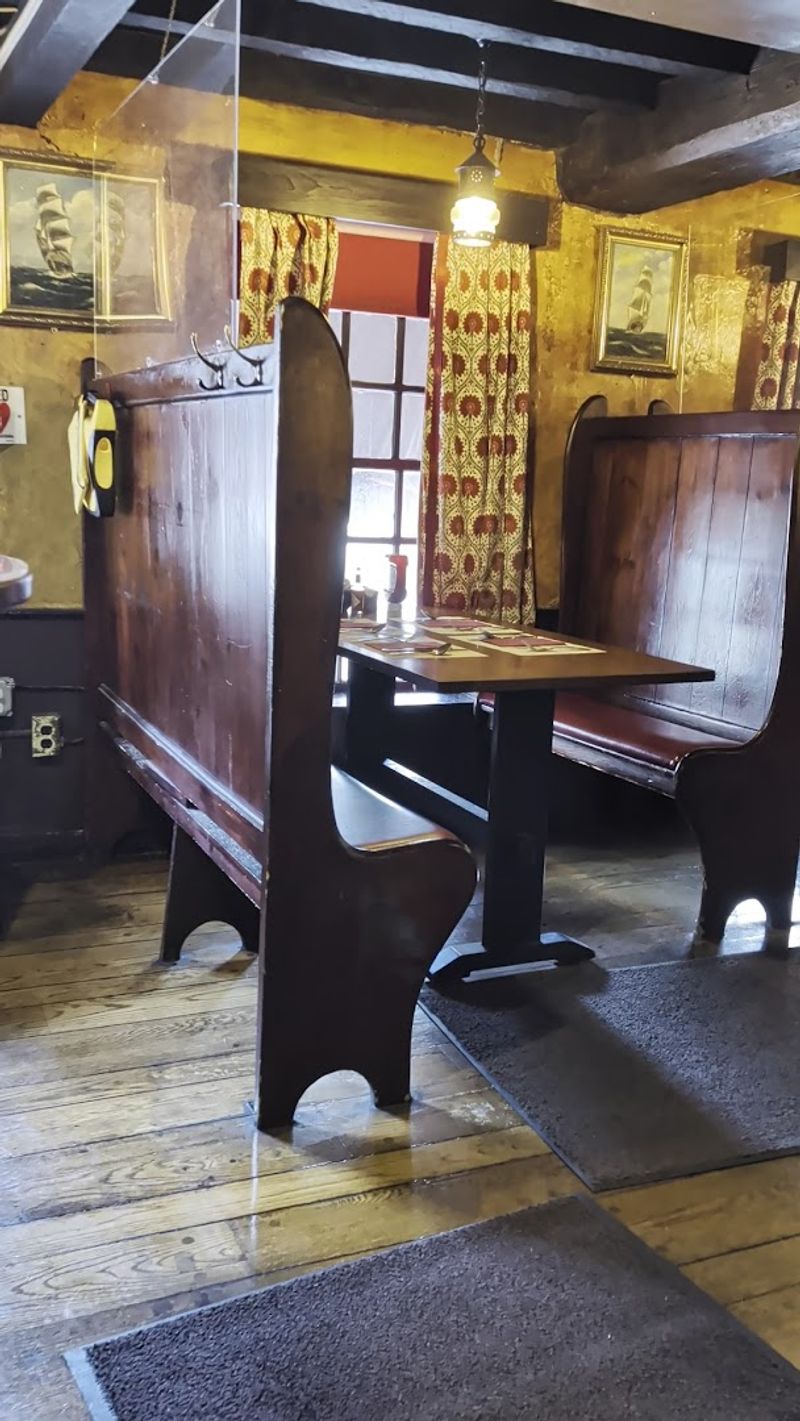
History sits down before you do at Union Oyster House. Open since 1826, this Boston institution is widely recognized as America’s oldest continuously operating restaurant, and it wears that fact without turning into a museum piece.
The building keeps its old character, while the menu keeps drawing people toward oysters, lobster, and New England standards. Service moves with the confidence of a place that has seen every kind of customer and survived every dining fad.
Part of the appeal is simple: you are eating in a room that has welcomed generations before smartphones, food blogs, and reservation apps. Union Oyster House proves that longevity is not just about age.
It is about remaining useful, beloved, and reliably full.
2. Katz’s Delicatessen
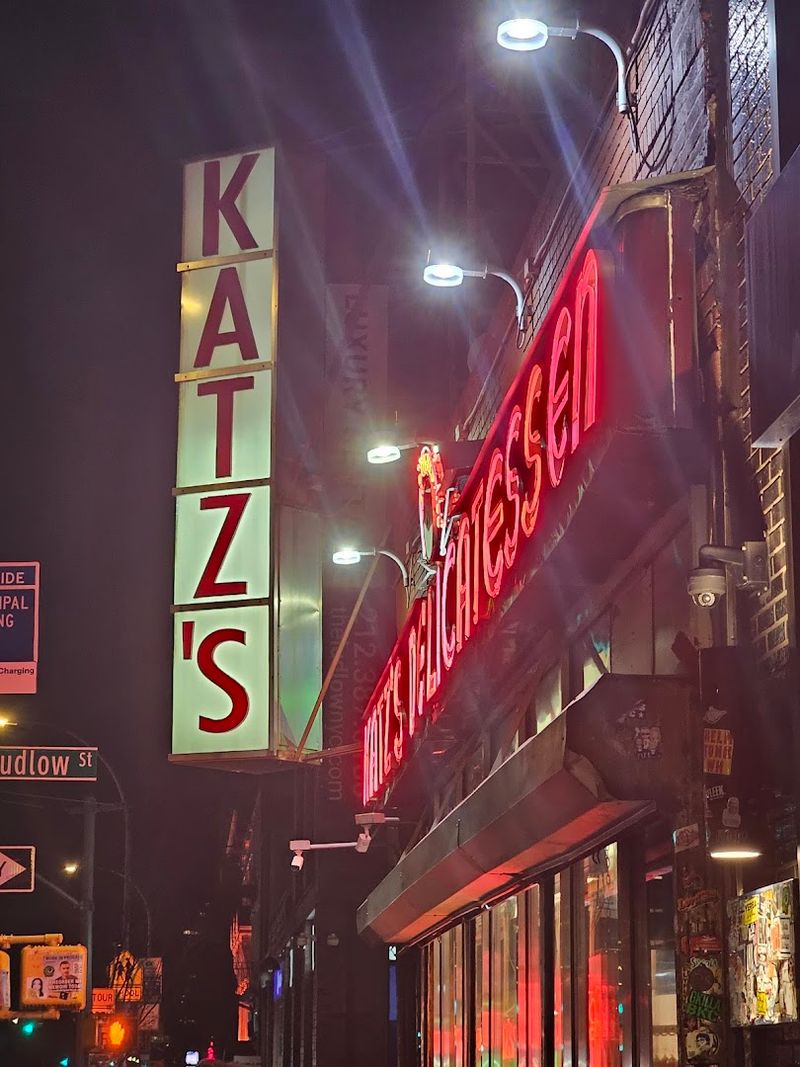
The sandwich arrives with zero interest in modesty. Katz’s Delicatessen has been feeding New Yorkers since 1888, and its formula still works because it never pretends to be anything other than a serious deli with serious portions.
You grab a ticket, join the line, and watch cutters slice pastrami with practiced speed. The room stays lively, the menu stays focused, and the experience feels tied to the city’s older rhythm.
Visitors come for the famous pastrami on rye, but the staying power comes from consistency. In a place where restaurants constantly reinvent themselves, Katz’s basically says, no thanks, the sandwich is doing fine, and you can see the wisdom in every crowded table.
3. Antoine’s
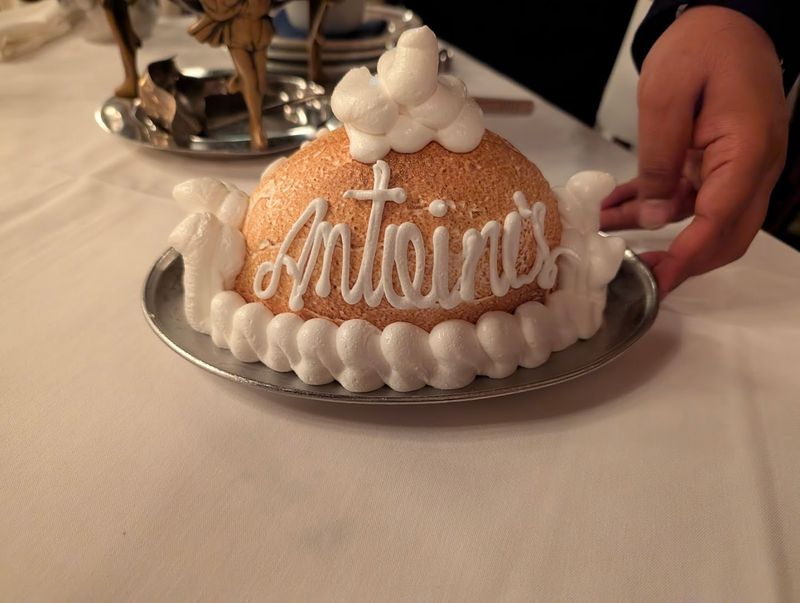
Few dining rooms carry their age as confidently as Antoine’s. Since 1840, this French Quarter landmark has been part of New Orleans restaurant history, and the family connection gives it an extra layer of continuity that feels rare now.
The place is known for Creole classics, formal service, and a layout filled with distinct rooms that encourage a bit of exploration. Instead of chasing novelty, Antoine’s leans into tradition, which turns out to be a smart long game.
You come here for more than one signature dish. You come to see how an old restaurant stays relevant by protecting its identity, keeping standards high, and making every table feel connected to a much bigger story that started long before your reservation.
4. Delmonico’s
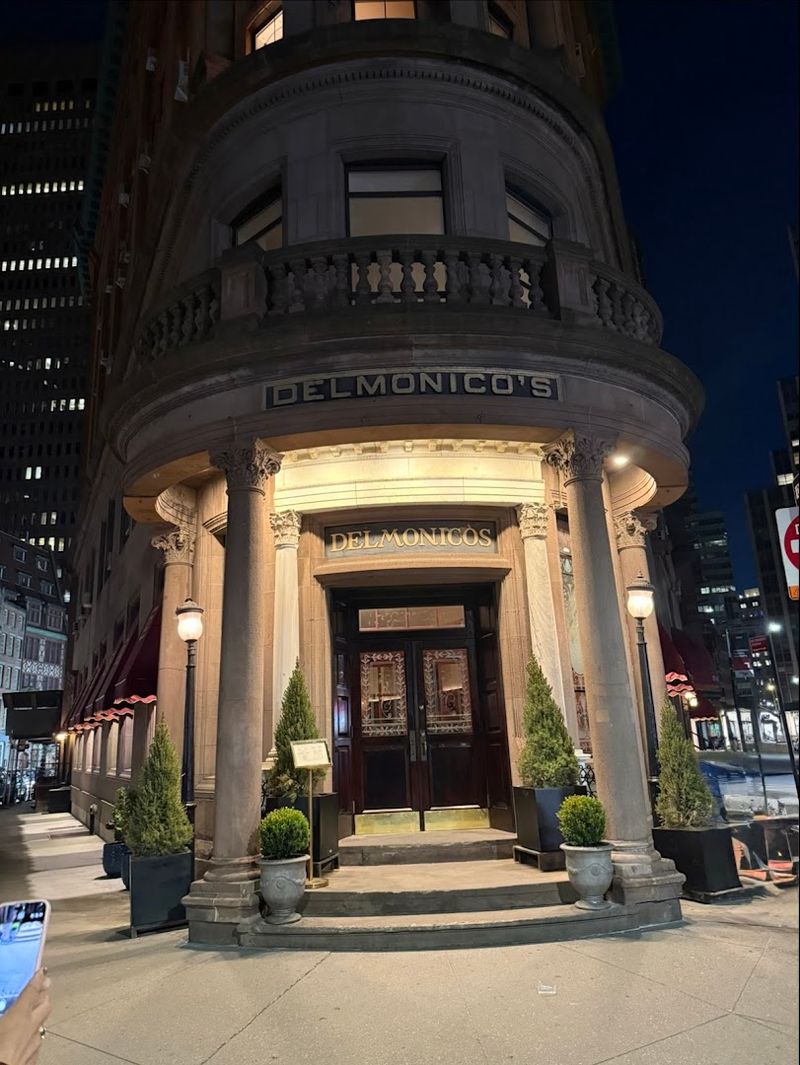
Delmonico’s practically wrote part of the American restaurant playbook. First opened in 1837, it is often credited as the country’s first fine-dining restaurant, and that reputation still shapes how people talk about classic dining in New York.
The current operation continues in the original building through the long-running revival that dates to 1927, preserving the sense of ceremony that made Delmonico’s famous. Signature dishes linked to the restaurant helped cement its place in culinary lore.
What keeps it compelling is the balance between prestige and familiarity. You are not just booking a table in a storied room.
You are stepping into a restaurant that helped define menus, service, and the idea that dining out could be an event.
5. Fraunces Tavern
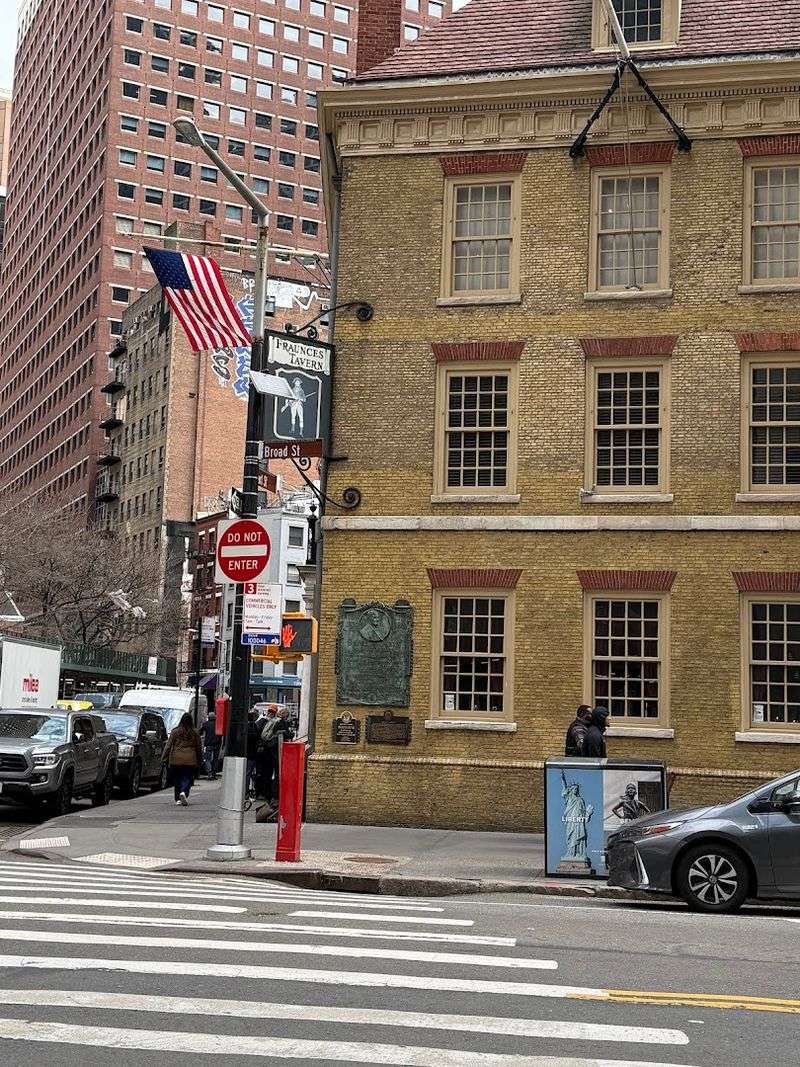
Revolutionary history gets a dinner reservation at Fraunces Tavern. Open since 1762, this Lower Manhattan landmark is famous for its connection to George Washington, but its real achievement is staying relevant long after the history books closed.
The building carries obvious significance, and the museum connection adds context without overwhelming the meal. Guests come for American classics, the old setting, and the chance to sit inside a place that has witnessed early chapters of the nation.
What makes Fraunces Tavern memorable is that it works on two levels at once. It is a historic site, yes, but also a functioning restaurant that continues to welcome hungry people in a city not known for preserving the past gently or cheaply.
6. Keens Steakhouse
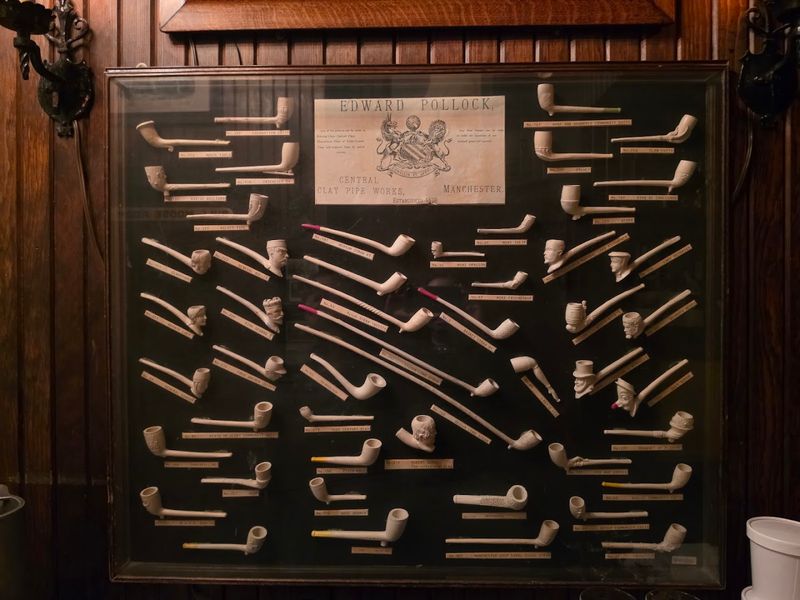
The ceiling alone deserves a standing ovation at Keens Steakhouse. Opened in 1885, this Manhattan institution is famous for its remarkable collection of clay pipes, which gives the room an unmistakable identity before the menu even enters the conversation.
Then comes the food, and the legendary mutton chop still carries the flag. Keens has the polished confidence of an old-line restaurant that knows exactly why people keep coming back and sees no need to fuss with the formula.
You get history, theatrical surroundings, and a menu built around classic strengths. That combination matters in a city packed with openings, closings, and reinventions.
Keens endures because it offers a clear point of view and never lets novelty bully tradition out of its seat.
7. Peter Luger Steak House
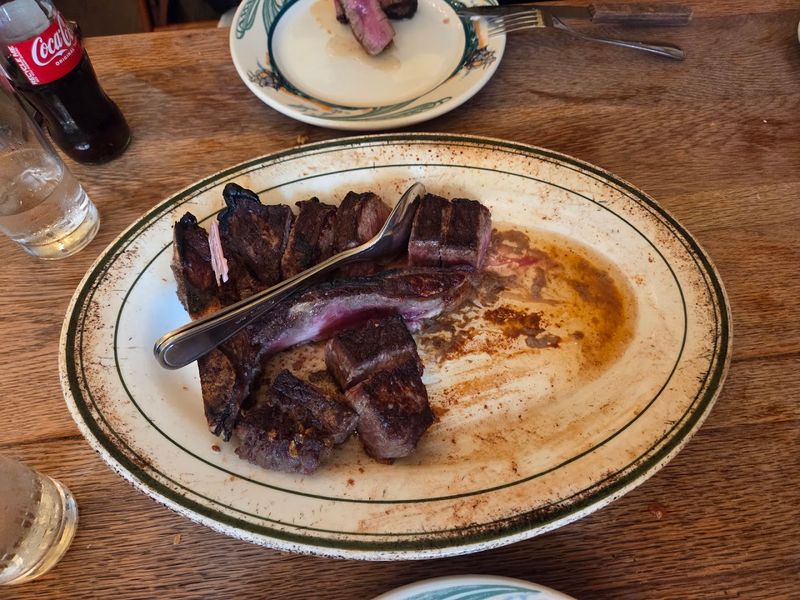
Some rules never change, and Peter Luger knows it. Since 1887, this Brooklyn heavyweight has built its fame on old-school discipline, direct service, and a steakhouse reputation that keeps the dining room firmly in the national conversation.
One detail sums up the attitude perfectly: it has long remained cash-only, a policy that feels almost rebellious in the age of tap-to-pay everything. The menu stays focused, the standards stay high, and the place rarely wastes energy trying to charm you.
That confidence is part of the draw. Peter Luger succeeds because it offers a specific experience with almost no apology and no unnecessary extras.
You know why people go, you know what they order, and you know the restaurant has been winning that bet for generations.
8. Louis’ Lunch
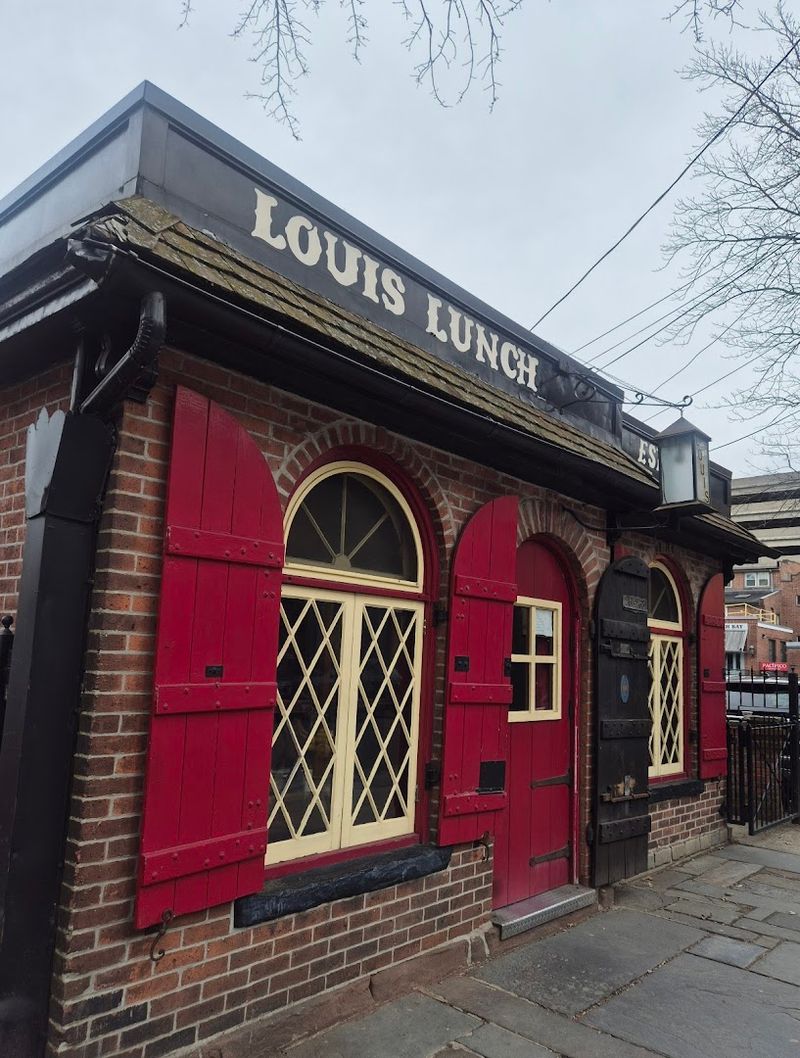
Here is a burger debate with serious age behind it. Louis’ Lunch in New Haven opened in 1895 and famously claims to have invented the hamburger, which means your simple meal arrives with a side order of American food history.
The operation remains charmingly compact, and the method stays intentionally traditional. Burgers are still cooked in upright cast-iron broilers and served with a set of house rules that remind visitors this is not a custom-order free-for-all.
That stubborn consistency is exactly why people love it. Louis’ Lunch does not chase every modern expectation, and the place is better for it.
You come to see a foundational food served with old habits intact, and the result feels refreshingly immune to passing trends.
9. Swan Oyster Depot
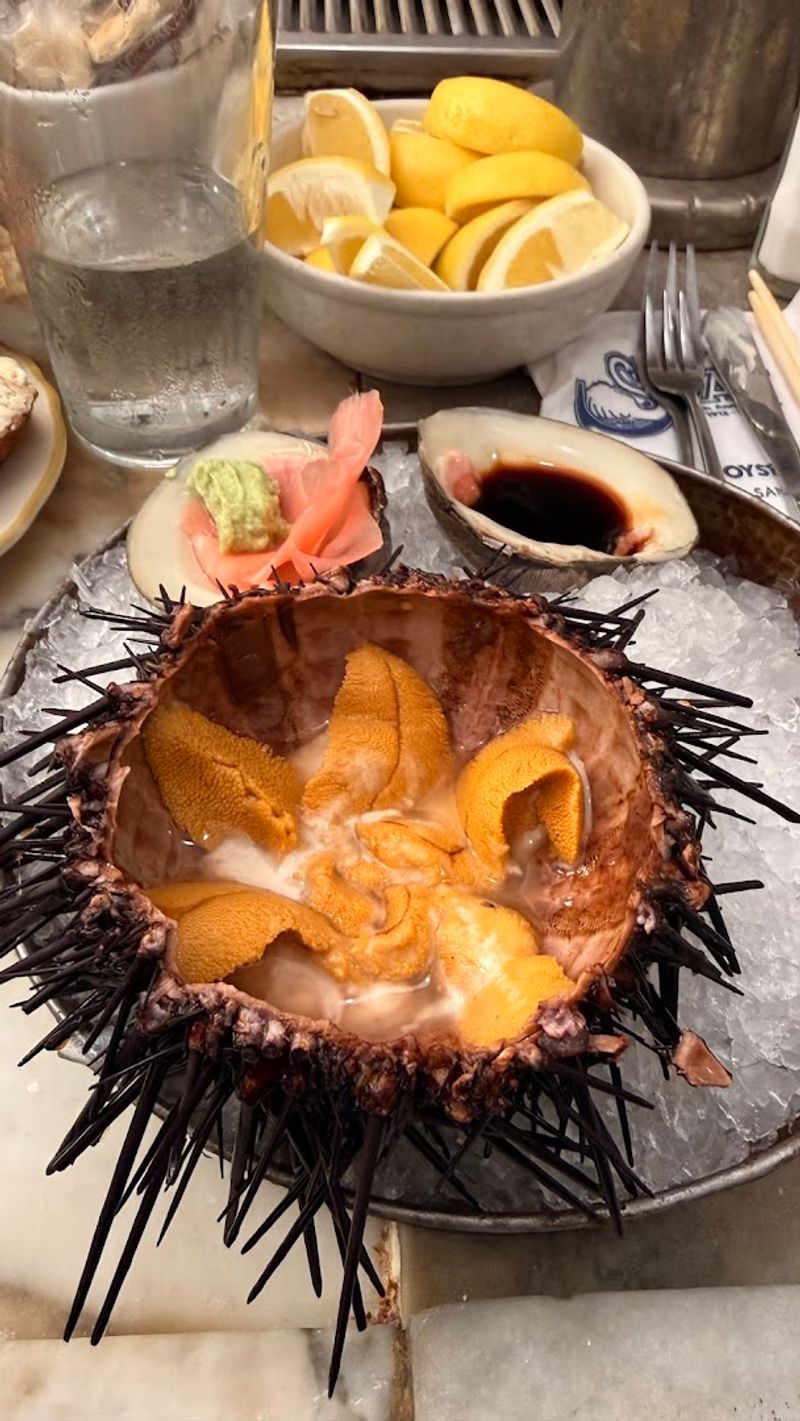
Tiny counter, giant reputation – that is Swan Oyster Depot in one neat sentence. Open since 1912, this San Francisco favorite has stayed compact, focused, and famously popular in a city that does not hand out lasting fame lightly.
The setup is simple: stools at a narrow counter, fresh seafood, and a pace that feels efficient rather than rushed. Watching the staff work is part of the appeal, because the restaurant’s skill lives right out in the open.
You do not come here for sprawling space or elaborate staging. You come because Swan Oyster Depot turns a straightforward format into a memorable meal through precision and consistency.
Plenty of restaurants add more and somehow offer less. Swan keeps proving the opposite with every full row of stools.
10. Musso & Frank Grill
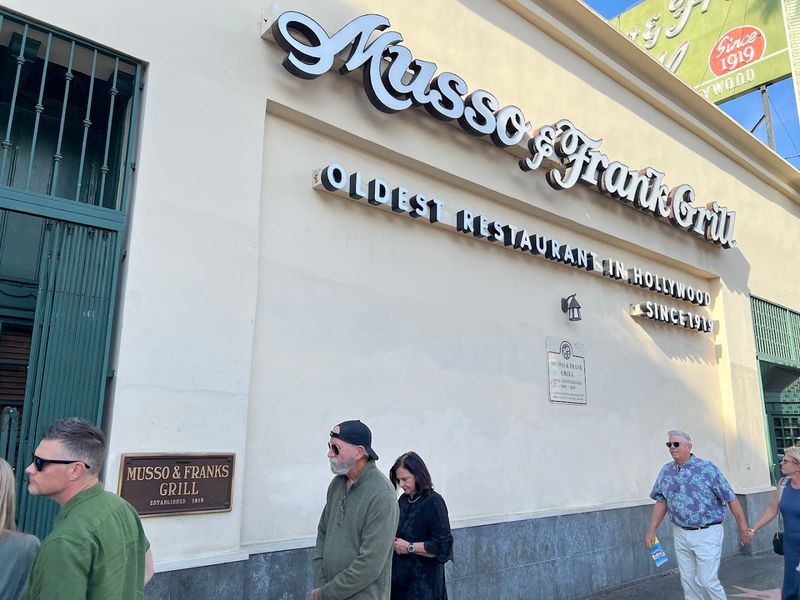
Old Hollywood still has a table at Musso & Frank Grill. Since 1919, this Los Angeles institution has served generations of actors, writers, studio people, and ordinary diners who enjoy a restaurant that understands the value of steady class.
The booths, the service, and the menu all reinforce a sense of continuity without sliding into parody. Famous names may hover in the background, but the restaurant’s real strength is how grounded it remains as an actual place to eat.
You can appreciate the celebrity history and still focus on the practical virtues: polished staff, classic dishes, and a room that knows how to conduct itself. Musso & Frank lasts because it offers a version of glamour that is organized, dependable, and refreshingly free of fuss.
11. El Charro Café
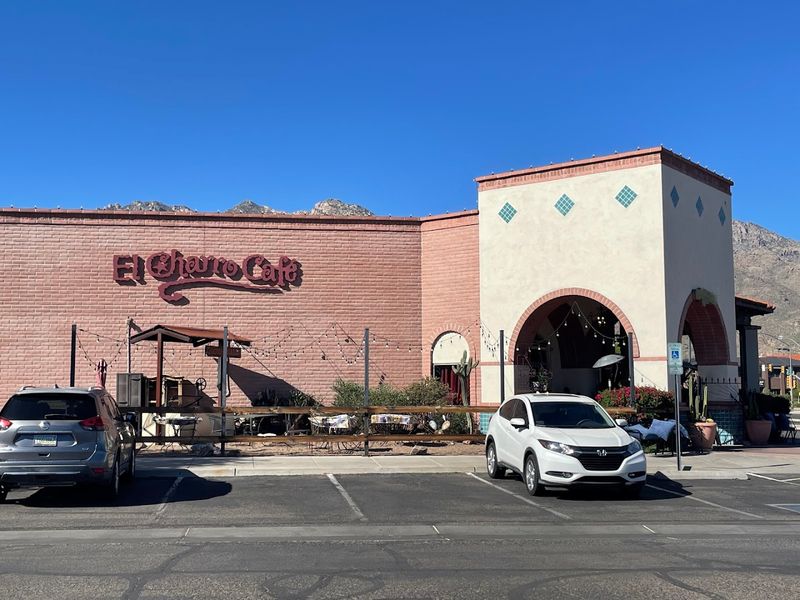
Family history is on the menu at El Charro Café. Open since 1922, this Tucson institution is celebrated as the nation’s oldest Mexican restaurant continuously run by the same family, which gives every plate a clear sense of lineage.
The restaurant is especially tied to Sonoran traditions, and that regional focus helps it stand apart from broader, blurrier labels. Instead of stretching in every direction, El Charro keeps its identity anchored in place, heritage, and dishes people return for repeatedly.
That family continuity matters because it shapes more than branding. It influences recipes, service habits, and the overall confidence of the operation.
You feel that this restaurant has reasons for doing things a certain way, and after one meal, you probably stop asking for a modern update.
12. The Varsity
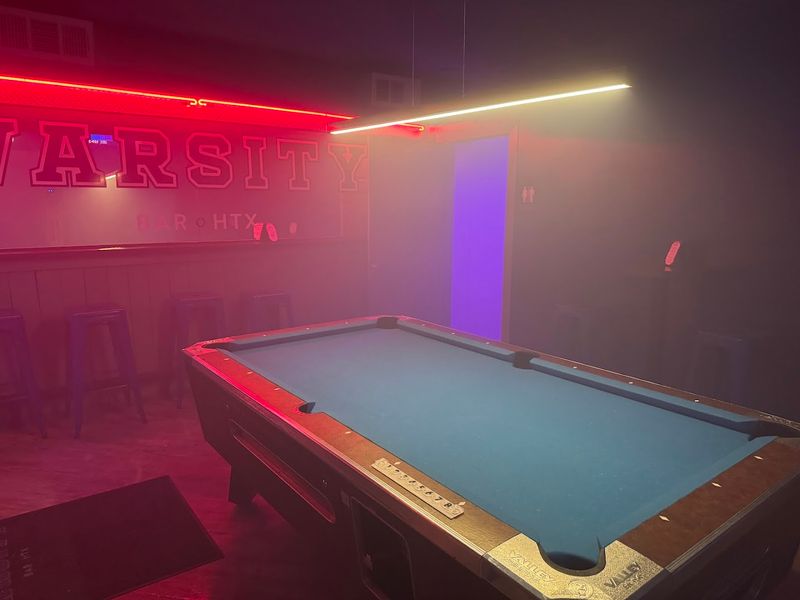
Bigger than a snack stop and louder in reputation than most landmarks, The Varsity has been an Atlanta institution since 1928. This drive-in legend built its name on speed, volume, and a menu that leans unapologetically into classic American comfort food.
The scale is part of the attraction. Even people who know nothing about its history quickly understand they are visiting a place designed to move crowds while keeping the experience memorable and distinctly local.
Chili dogs and a frosted orange drink remain the headline items, but the real draw is the sense of tradition in motion. The Varsity never needed to become subtle or refined.
It just needed to keep doing its thing efficiently, and decades later, that strategy still brings people in.
13. Tujague’s
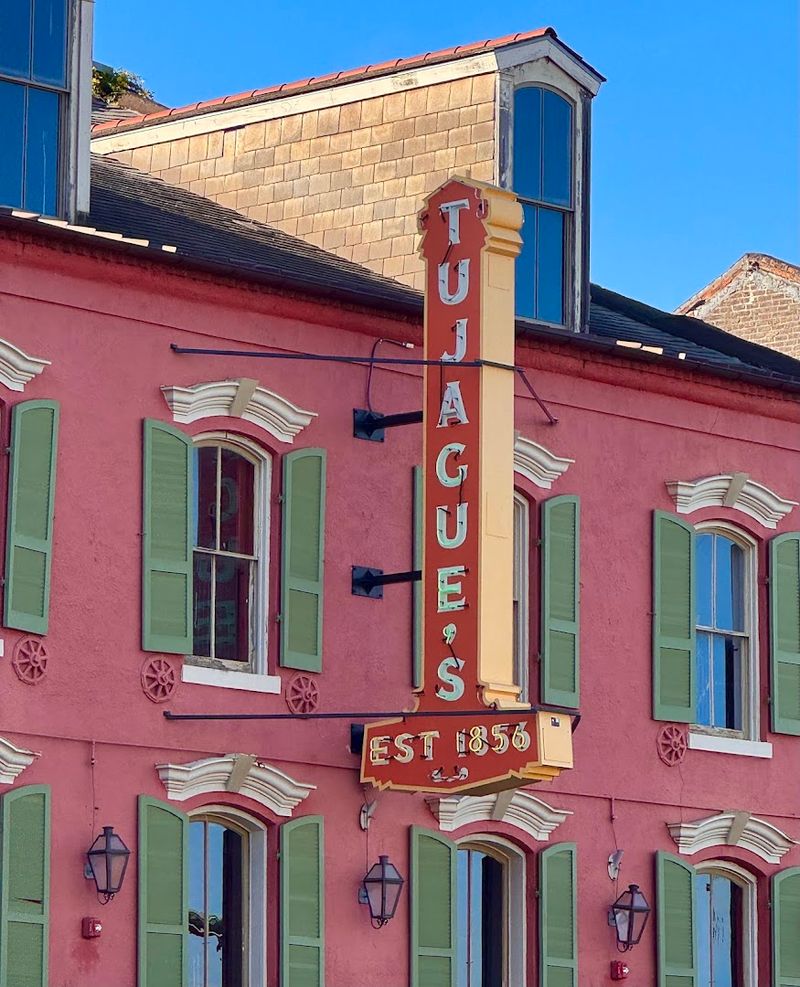
New Orleans has no shortage of famous dining rooms, yet Tujague’s still stands out. Open since 1856, it ranks among the city’s oldest restaurants and carries the kind of long-running identity that makes a meal feel connected to civic history.
The menu remains rooted in classic local cooking, and the service style reinforces the sense that this place values continuity. Rather than performing nostalgia, Tujague’s uses routine, tradition, and established dishes as its main argument.
That argument works because the restaurant feels grounded, not fragile. You are not tiptoeing through history under glass.
You are taking part in a tradition that has kept going through changing neighborhoods, changing tastes, and generations of guests who expected a proper New Orleans meal and got one.
14. Sardi’s
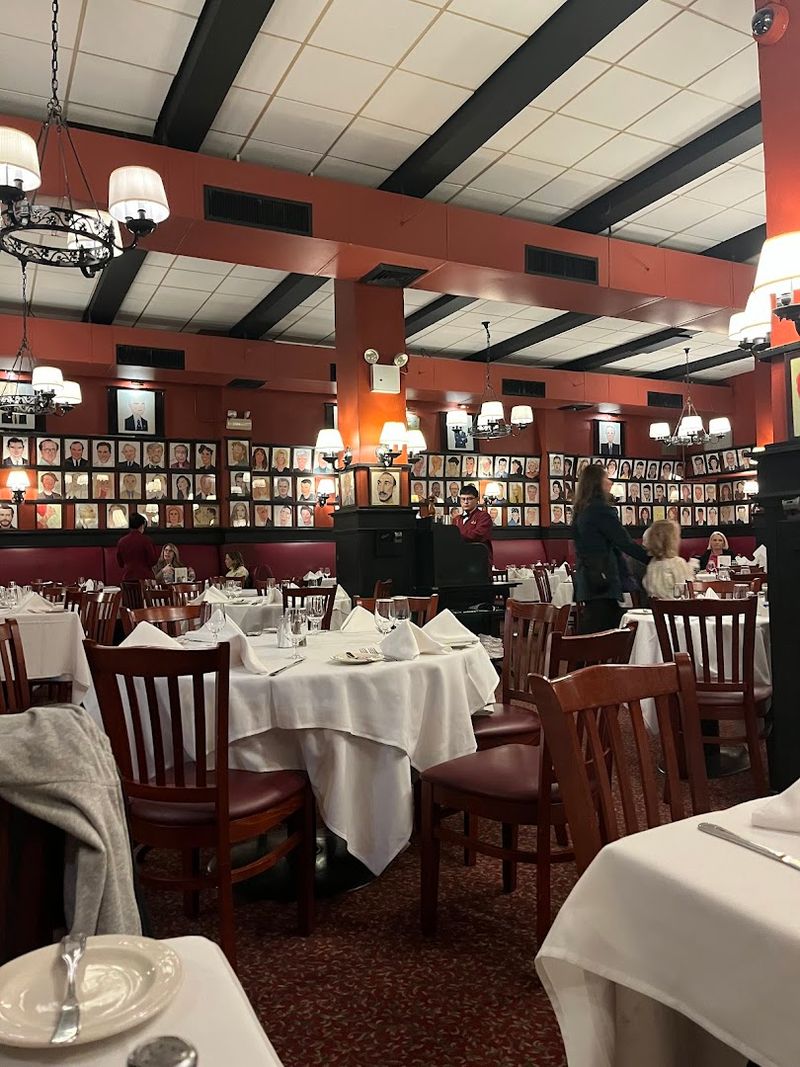
The walls at Sardi’s may be the most famous dining companions in Manhattan. Open since 1927, this theater district institution is known for its caricatures of Broadway stars, turning dinner into a roll call of stage history.
That visual identity gives the restaurant instant personality, but it would not matter much without staying power in the dining room itself. Sardi’s has remained a natural gathering spot for pre-show meals, post-show conversations, and visitors hoping to brush against theatrical tradition.
You do not need a standing ovation to appreciate why it lasts. The restaurant knows its role and plays it well, offering classic service in a location built on timing, ritual, and repeat visits.
In Broadway terms, Sardi’s is the rare production that keeps selling tickets year after year.
15. Canter’s Deli
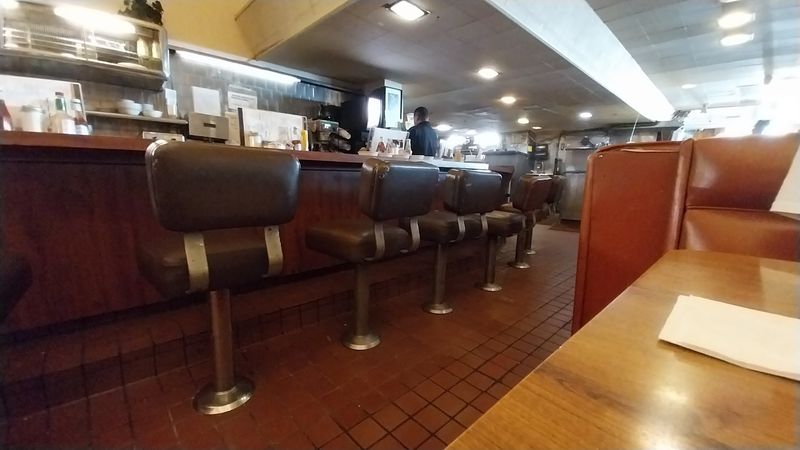
Some places sleep, and Canter’s Deli politely declines. Since 1931, this Los Angeles staple has built its reputation as a round-the-clock deli, serving everyone from neighborhood regulars to night owls who need a booth and a very capable sandwich.
The menu covers deli classics with the reassuring sprawl you want from a place like this. Just as important, the room has the lived-in confidence of a restaurant that has seen decades of changing crowds and never lost its basic purpose.
Celebrity associations get plenty of attention, but the lasting strength is accessibility. Canter’s stays useful, generous, and dependable at hours when many polished restaurants are dark and locked.
There is real power in being the place people know will still be there when they need it.
16. Philippe the Original
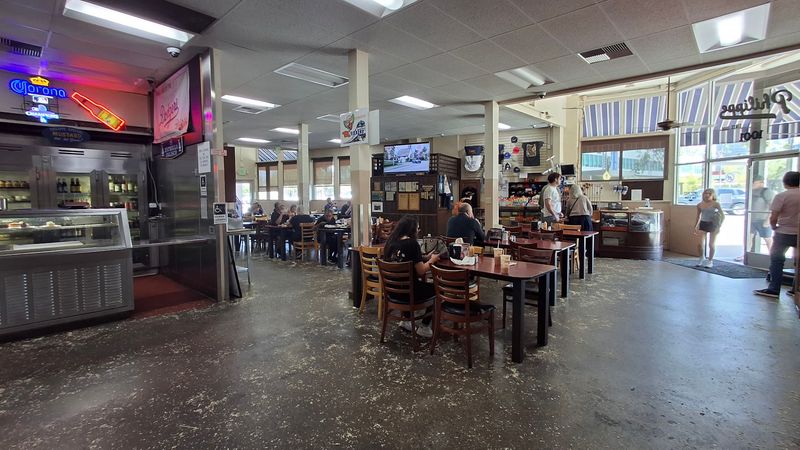
Sawdust on the floor is not a design trend at Philippe the Original. It is part of the enduring character at this Los Angeles institution, which opened in 1908 and built its fame around the claim that the French dip sandwich started here.
The cafeteria-style service keeps things efficient, and the room feels cheerfully unbothered by modern restaurant theatrics. You line up, place your order, and become part of a routine that has worked for more than a century.
That routine is the charm. Philippe the Original does not need dramatic reinvention because its appeal comes from clarity, speed, and a signature sandwich tied tightly to local lore.
In a city that loves reinvention, this place succeeds by sticking to the script with admirable discipline.
17. The Original Pantry Café
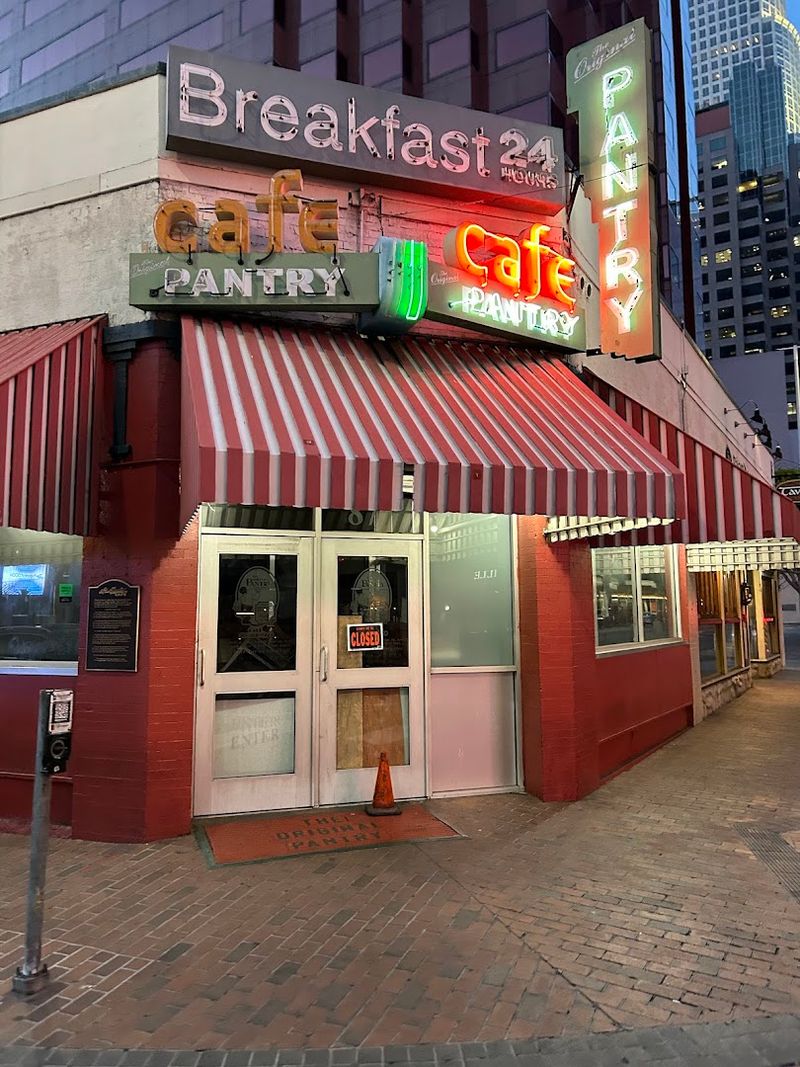
Plenty of diners say they are timeless, but The Original Pantry Café had the receipts. Open since 1924, it became famous for operating continuously for decades without closing for even a single day, which is a flex few restaurants can match.
The downtown Los Angeles landmark built loyalty through simplicity rather than gimmicks. Large breakfasts, classic diner fare, quick turnover, and a straightforward room made it a dependable stop for workers, visitors, and anyone who respected a serious plate.
Its long service record tells you almost everything you need to know. A restaurant does not keep that kind of schedule unless it becomes woven into daily life.
The Pantry lasted because it understood consistency, appetite, and the surprisingly durable magic of doing basic things very well.
18. The Brown Hotel Dining Room
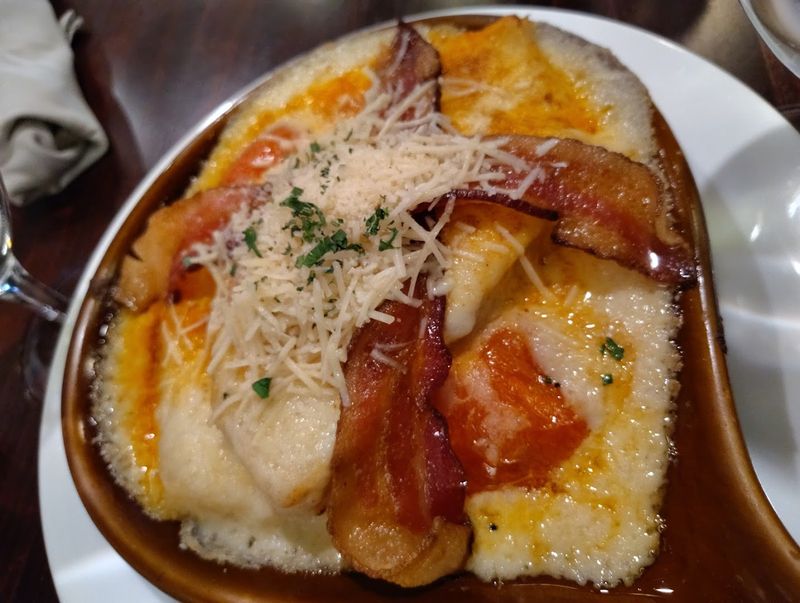
Some signature dishes become so famous they practically introduce the restaurant themselves. At The Brown Hotel Dining Room in Louisville, opened in 1923, that honor belongs to the Hot Brown, a rich open-faced sandwich with a permanent place in local culinary identity.
The hotel setting gives the dining room a certain polish, but the appeal is not stuffy. It is approachable, rooted in tradition, and built around the kind of menu item people specifically travel to try rather than merely notice.
That matters because historic restaurants need a reason to stay present, not just remembered. The Brown Hotel Dining Room has one in every Hot Brown served, along with the grace of a grand room that still knows how to host modern diners without acting trapped in another era.
19. Brennan’s
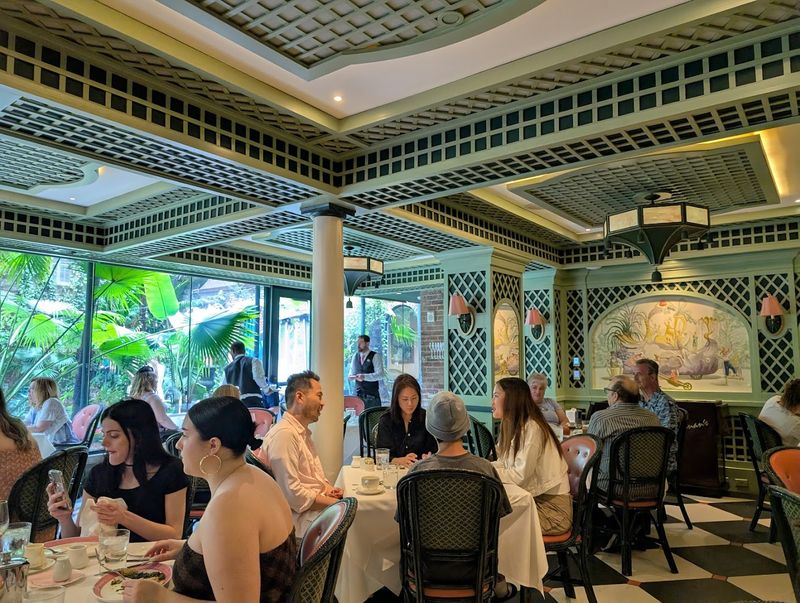
Breakfast gets star treatment at Brennan’s. Open since 1946, this New Orleans classic has become closely associated with morning and brunch traditions, proving that historic restaurants do not need to save all their drama for dinner service.
The setting carries the expected elegance, yet the restaurant remains inviting rather than intimidating. Creole breakfast dishes anchor the experience, and the service helps preserve a style of dining that feels polished without becoming rigid or overly formal.
Brennan’s lasts because it understands occasion. People come here for celebrations, for long-awaited visits, or simply to say they finally did New Orleans breakfast properly.
That sense of purpose gives the restaurant staying power. It knows how to make a meal feel special while still delivering the fundamentals with consistency.
20. Lombardi’s Pizza
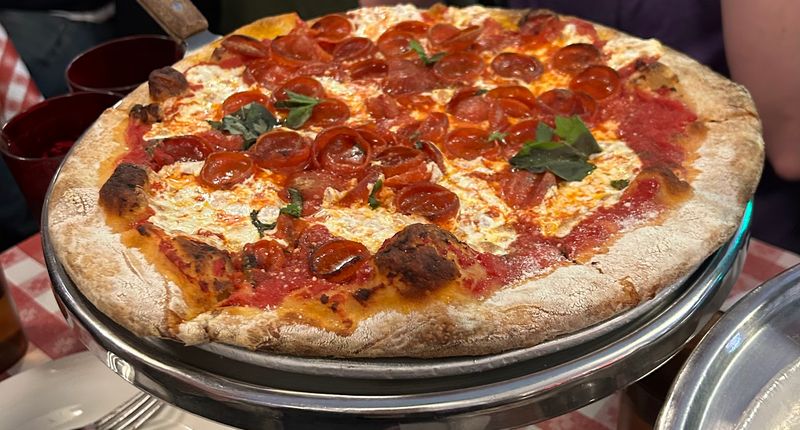
Pizza history gets very practical at Lombardi’s. Open since 1905 and widely recognized as America’s first licensed pizzeria, this New York institution keeps its reputation grounded in a product people still line up to eat.
The coal-fired pies are the obvious headliners, and the restaurant’s old-school status gives every slice a little extra context. Yet Lombardi’s would not endure on a good story alone.
It has to keep producing pizza that justifies the pilgrimage.
That is where the place earns its longevity. You can admire the historical importance while still focusing on the crisp, direct pleasure of a classic pie served in a restaurant that helped define the category in this country.
Not bad for a business built on dough, heat, and confidence.
21. Berghoff Restaurant
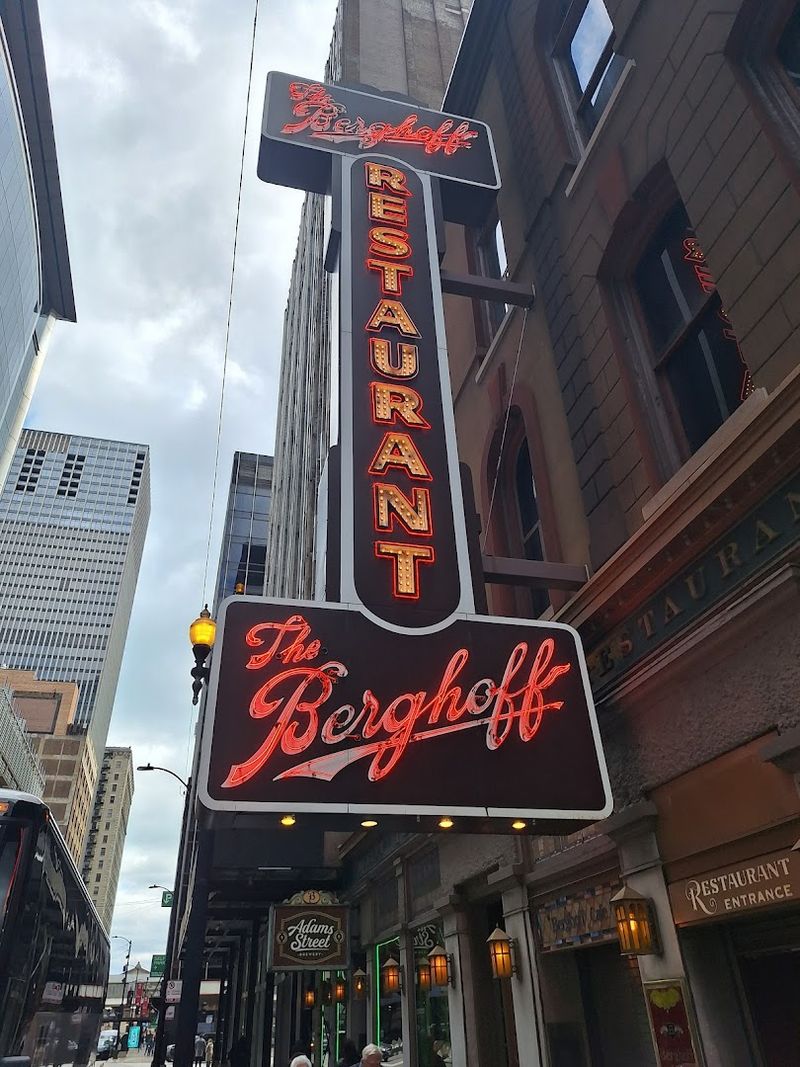
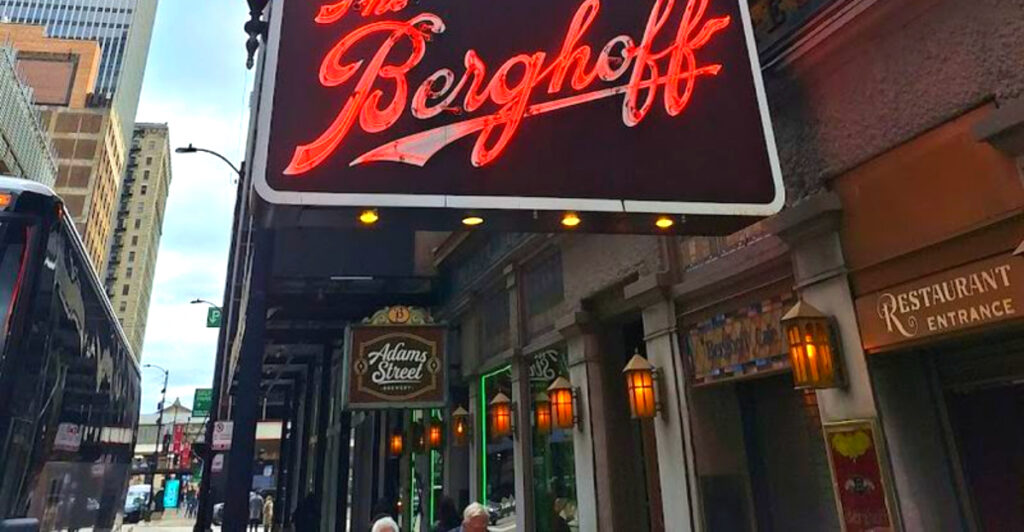
Chicago history has a table ready at Berghoff Restaurant. Since 1898, this downtown fixture has represented a durable strand of German-American dining culture while navigating the city’s constant reinvention with notable composure.
The restaurant is admired not just for longevity but for resilience. It survived the Prohibition era and kept its identity intact, which says a great deal about both loyal customers and careful stewardship across generations.
Today, Berghoff still offers the pleasures of a restaurant that knows exactly what it is. The room feels established, the menu reflects heritage without becoming stiff, and the experience has a civic familiarity that many newer places would love to imitate.
It is a classic Chicago institution that earned the word classic honestly.
22. Ted Drewes Frozen Custard
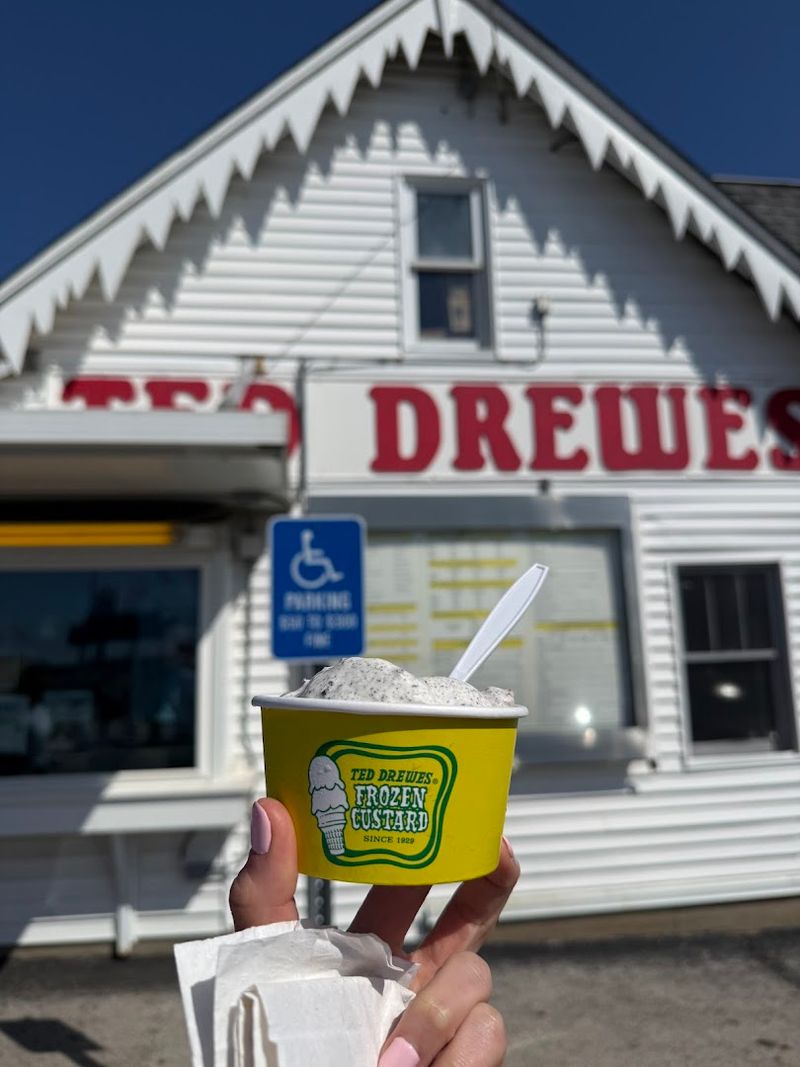
Dessert gets its own roadside legend at Ted Drewes Frozen Custard. Open since 1929 in St. Louis, this Route 66 icon has become famous for ultra-thick concretes and the kind of loyal following that turns a stand into a civic tradition.
The menu is centered, not sprawling, and that focus gives the place unusual strength. People know what they are coming for, and the operation has spent decades proving that a specialized idea can have remarkable staying power.
Part of the charm is how unpretentious it remains. Ted Drewes does not need a huge dining room or a complicated concept to make an impression.
It just needs frozen custard, consistency, and a steady stream of customers who understand that some classics should never be updated beyond recognition.
23. Tadich Grill
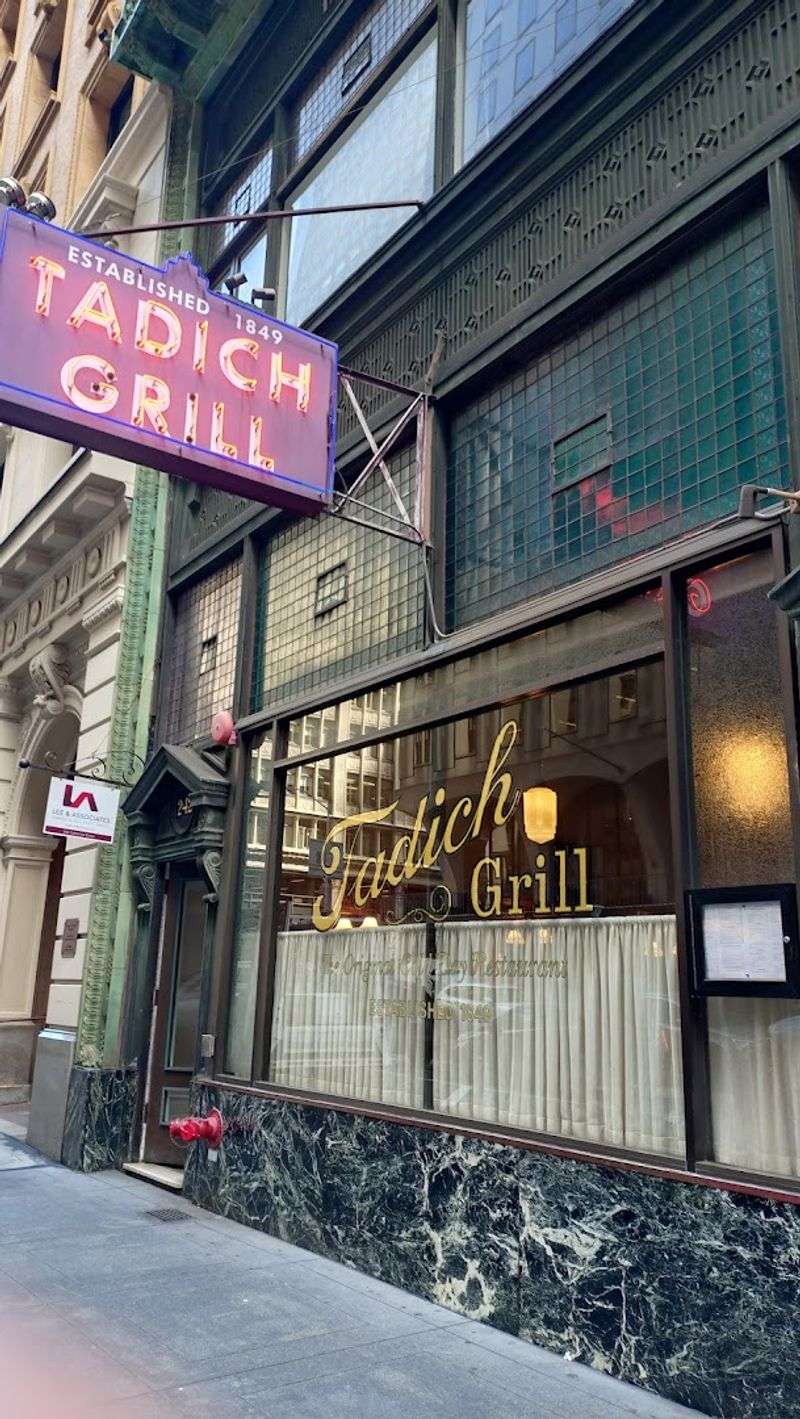
San Francisco keeps many culinary legends, and Tadich Grill is one of its most durable. Founded in 1849, it is recognized as California’s oldest continuously operating restaurant, which gives every meal a pleasing sense of scale and staying power.
The restaurant is especially known for seafood and an old-school service style that feels structured in the best way. Instead of chasing fashion, Tadich Grill has stayed focused on the kind of dependable execution that makes repeat customers look very smart.
You can read the history, but the room itself makes the case more clearly. This is a place built on routine, memory, and standards that survived a city famous for reinvention.
Tadich Grill endures because it treats consistency as a craft, not a fallback option.
Share this story