Travel before smartphones worked very differently from today. Getting around meant printed directions, paper maps, and figuring things out without real-time updates.
Trips relied on tools like guidebooks, payphones, disposable cameras, and hotel brochures. Plans changed often, and solving problems usually meant asking someone nearby instead of checking a screen.
That approach made travel less predictable but often more engaging. This list looks at the habits and routines that defined trips before everything went digital.
1. Carried Fold-Out Maps That Never Refolded Right
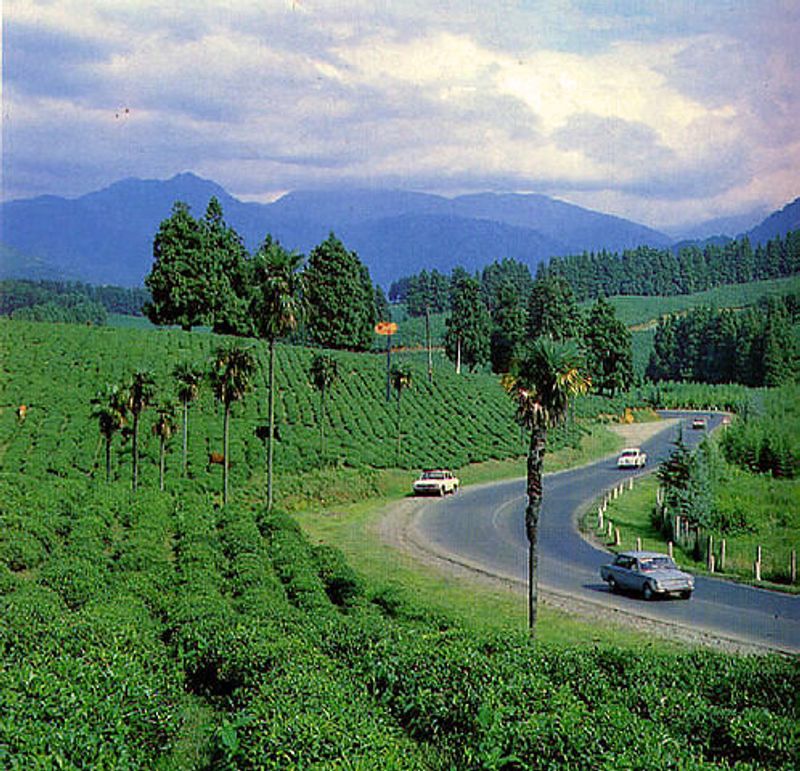
Nothing tested vacation teamwork faster than a paper map the size of a dining table. For decades, travelers bought state maps at gas stations, grabbed AAA TripTiks, or kept folded atlases in the glove box, then tried to decode highways, exits, and tiny town names while the car kept moving.
The problem was never opening the map. The real challenge came when you needed to fold it back into its original neat rectangle, a task that turned many front seats into accidental cartography labs and fueled plenty of low-stakes debates about whose turn it was to navigate.
Yet those maps did something useful that phones rarely do now. They showed the whole region at once, helping you understand distance, alternate routes, and where your motel actually sat in relation to everything else, even if the final crease pattern looked like abstract art.
2. Stopped at Gas Stations Just to Ask for Directions
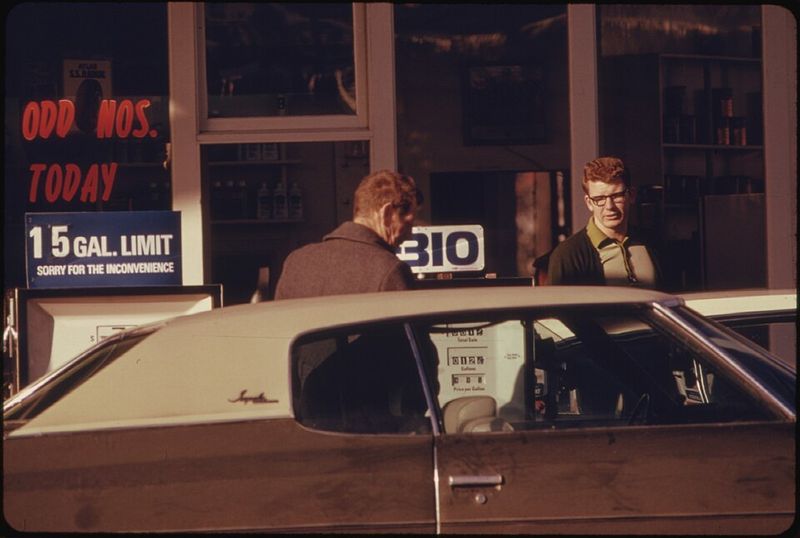
At some point, every vacation car rolled into a gas station for more than fuel. Before GPS, travelers often asked attendants, cashiers, or nearby customers how to reach beaches, campgrounds, motels, or the highway they somehow missed twenty minutes earlier.
The answers were rarely standardized. You got directions built around local landmarks, with phrases like turn at the old diner, go past the water tower, or head west until you see the giant peach, and somehow everyone was expected to nod like this was perfectly precise.
That habit made travel more social and a little more regional. People learned the logic of places through local knowledge rather than a screen, and while the route was not always flawless, those brief conversations often added something useful that modern navigation lacks: context, shortcuts, and warnings about roads under construction.
3. Took Photos You Wouldn’t See for Weeks
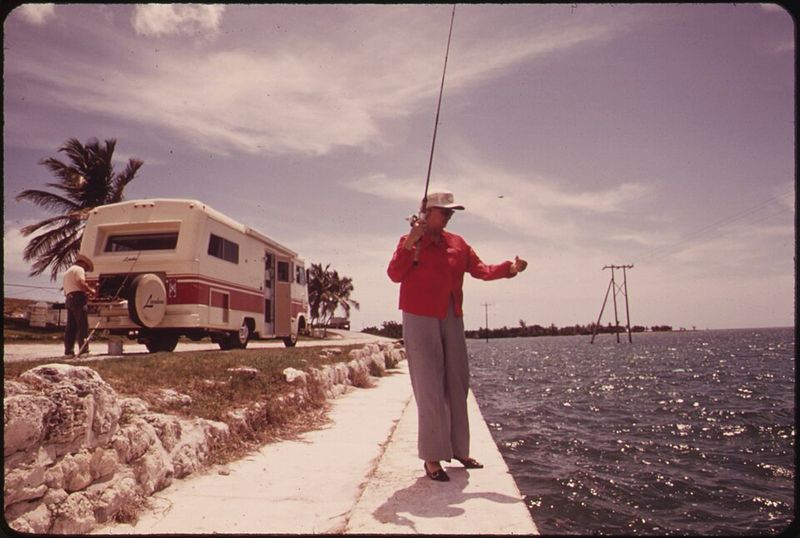
Every vacation photo once came with a delay that now feels almost impossible to imagine. Travelers packed 35mm cameras, disposable cameras, or instant cameras, counted exposures carefully, and had no way to check whether someone blinked, stepped into the frame, or chopped off half the monument.
That uncertainty shaped how people photographed trips. Film and developing cost money, so most families were selective, saving shots for landmarks, restaurant signs, hotel pools, and the relative who insisted everybody stand still for one more picture because this roll had only three frames left.
Then came the waiting period. After the trip, film went to a drugstore, camera shop, or mail-in processor, and only days or weeks later did the vacation become visible again, often in duplicate prints that ended up in albums, envelopes, shoeboxes, and refrigerator magnets for years.
4. Called Home Collect to Save Money
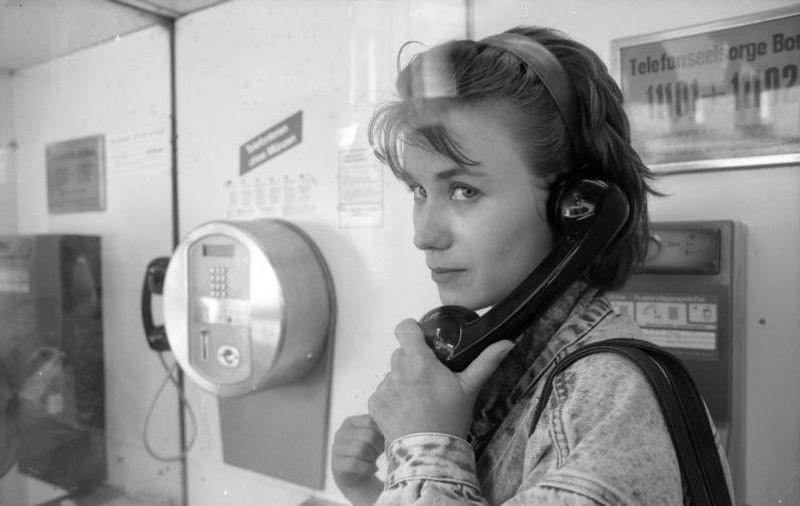
Few travel skills were more tactical than placing a collect call with maximum efficiency. Long-distance charges were expensive for much of the late twentieth century, so vacationers often called home collect from hotel lobbies, roadside payphones, or airports and hoped the person answering understood the plan.
Sometimes the real message was slipped into the name prompt. Families mastered quick coded introductions such as WeMadeItToFlorida or AtTheMotelCallYouLater, knowing the recipient could decline the charges after getting the important information, which was a small domestic workaround that phone companies probably did not love.
It sounds almost comically complicated now, but it reflected the real economics of communication before unlimited plans and messaging apps. Staying in touch required timing, coins, memorized numbers, and a bit of strategy, all just to confirm that everyone had arrived safely and nobody had taken the wrong interstate.
5. Used Travel Guides Like They Were Bibles
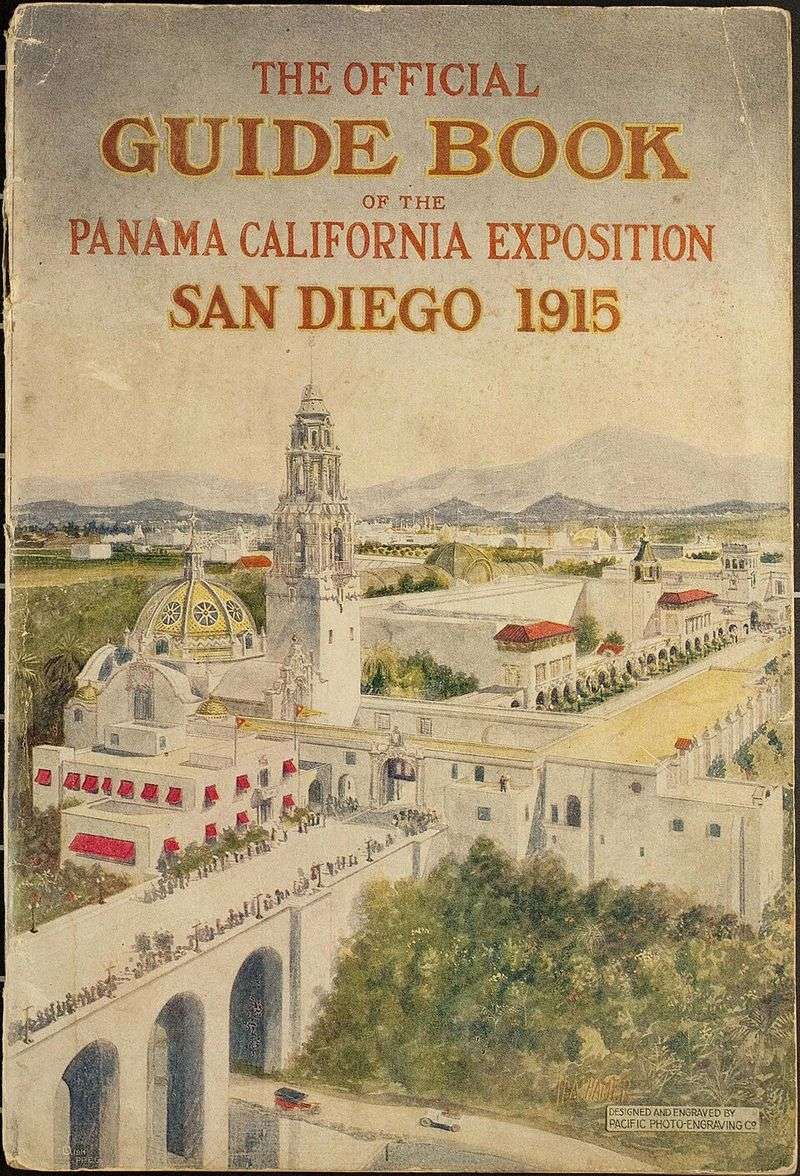
Some vacations were basically co-authored by a paperback guidebook. Before review sites and map apps, travelers relied on titles from Fodor’s, Frommer’s, Lonely Planet, Michelin, and Rick Steves, carrying dog-eared copies stuffed with bookmarks, receipts, and urgent notes about opening hours.
Those books did more than list attractions. They ranked hotels by budget, explained transit systems, mapped neighborhoods, translated menu basics, suggested walking tours, and quietly shaped where millions of people ate, slept, and lined up, all through a few pages highlighted in the rental car or on the plane.
Guidebooks also had authority because information was harder to verify on the spot. If a trusted writer said a museum closed on Monday or a trattoria was worth the detour, many travelers followed that advice without checking twelve competing opinions, which made itinerary decisions feel firmer and occasionally funnier in hindsight.
6. Wrote and Mailed Postcards
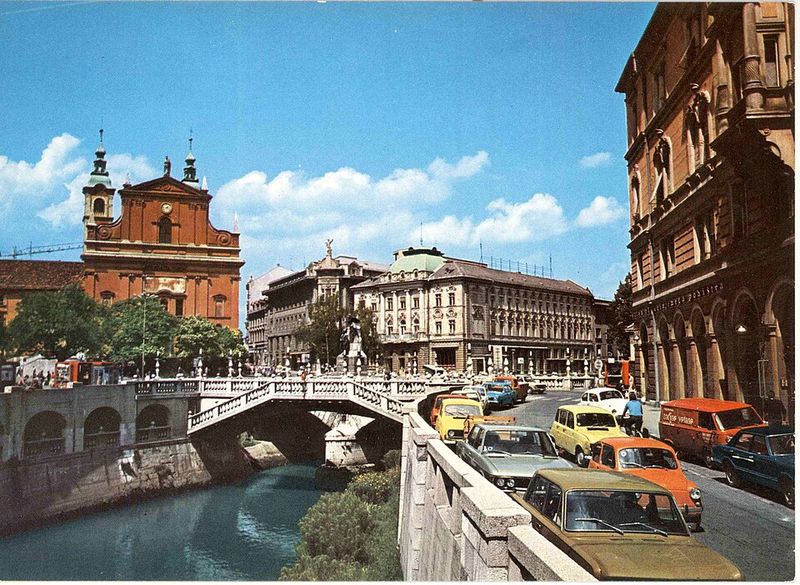
A postcard used to be the official public statement that your vacation was happening. Travelers bought scenic cards from gift shops, hotel counters, museums, and roadside stops, then squeezed tiny updates onto the back with whatever pen was available and a message usually limited by both space and handwriting endurance.
The format never changed much. You wrote where you were, commented on the weather, mentioned a local attraction, added a joke for one relative, and signed off with some version of Wish you were here, even though the card would probably arrive after you had already unpacked.
Still, postcards mattered because they turned travel into correspondence rather than instant broadcasting. Stamps, postmarks, and picture choices gave each note a little personality, and receiving one felt specific in a way that group texts and story updates rarely do, especially when the sender had clearly written it in a hurry.
7. Relied on Hotel Brochures in the Lobby
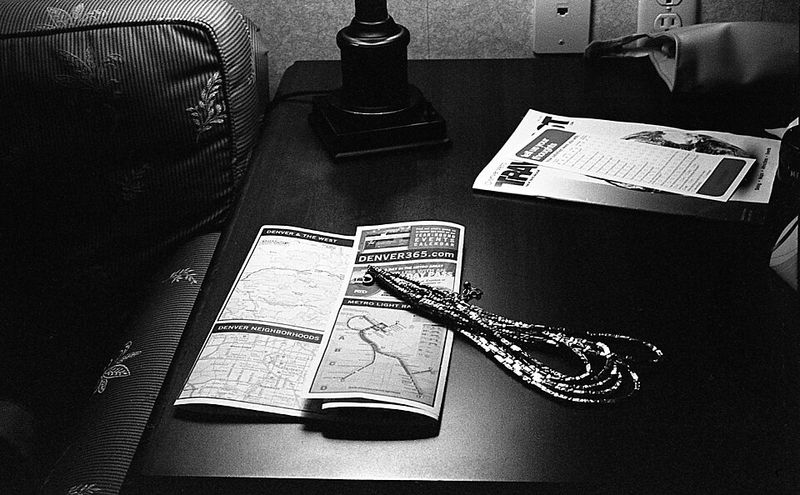
The spinning brochure rack in a hotel lobby once functioned like a search engine with carpet nearby. Travelers arriving at motels and resorts would scan stacks of glossy pamphlets for theme parks, boat tours, outlet malls, dinner shows, museums, zoos, and any attraction promising free parking or kids under twelve admitted free.
These brochures were part advertisement, part survival tool. They offered maps, coupons, hours, phone numbers, and just enough photos to help families decide whether tomorrow should involve miniature golf, a local fort, or a place featuring trained parrots and a suspicious amount of gift shop footage.
Because information was limited, brochure racks carried real influence. A prominently displayed flyer could shape an entire day, and many trips included at least one attraction chosen mostly because the pamphlet looked convincing at 8 a.m. while everyone was still deciding what counted as educational entertainment.
8. Memorized Directions Before Leaving the Hotel
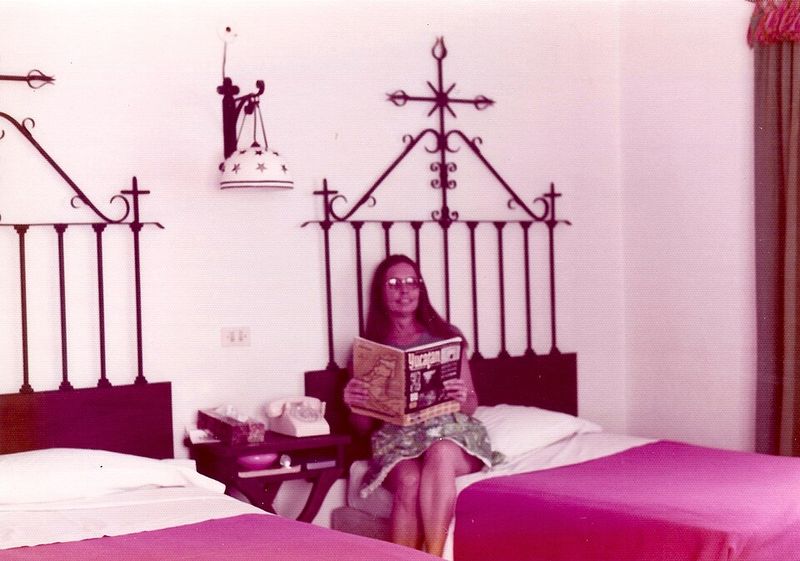
Leaving the hotel once required a short mental exam. Travelers stood by the door repeating directions to themselves, reading notepads covered with arrows, street names, and exit numbers, because once they walked out there was a good chance the only navigation backup was confidence.
This was especially true in cities, beach towns, and foreign destinations where every wrong turn cost time. People copied routes from front desk staff, guidebooks, or folded maps, then tried to memorize landmarks, parking lots, and whether the restaurant was after the church or before the bank with the green sign.
The system sounds fragile because it was. Yet it encouraged people to pay attention to street grids, transit lines, and neighborhood patterns, and many travelers became surprisingly good at building a practical mental map, mostly because wandering for an extra hour was not nearly as charming when everyone was hungry.
9. Waited in Line for Payphones
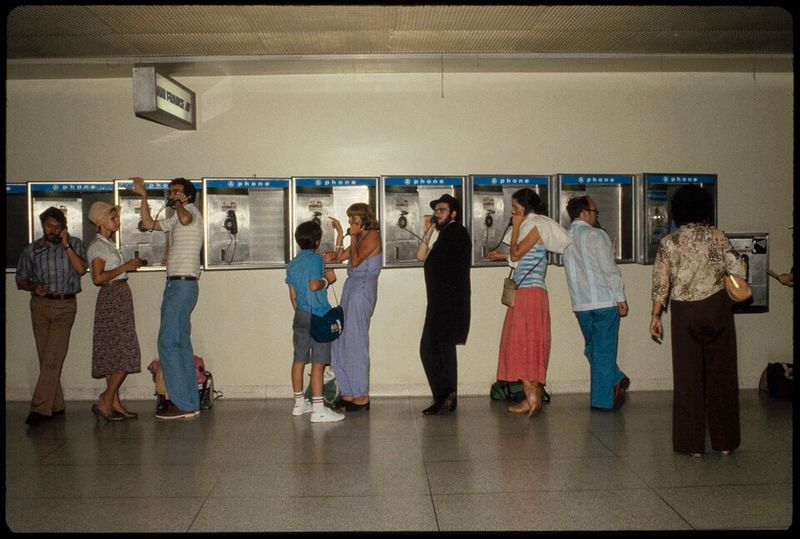
There was a time when a payphone line was just another part of travel logistics. At airports, amusement parks, bus stations, highway rest stops, and popular vacation sites, people queued up to call home, confirm reservations, arrange pickups, or tell somebody they would be late by an amount of time that was not especially precise.
Payphones demanded preparation. You needed coins, or a calling card once those became common in the 1980s and 1990s, plus the actual phone number because very few travelers carried an address book the size required to replace a modern contact list.
The experience was public in a way mobile communication is not. You had little privacy, limited minutes, and occasional pressure from the person behind you who was also trying to update relatives from somewhere between the interstate and a souvenir shop, making every conversation concise, practical, and slightly performative.
10. Recorded Everything on Camcorders
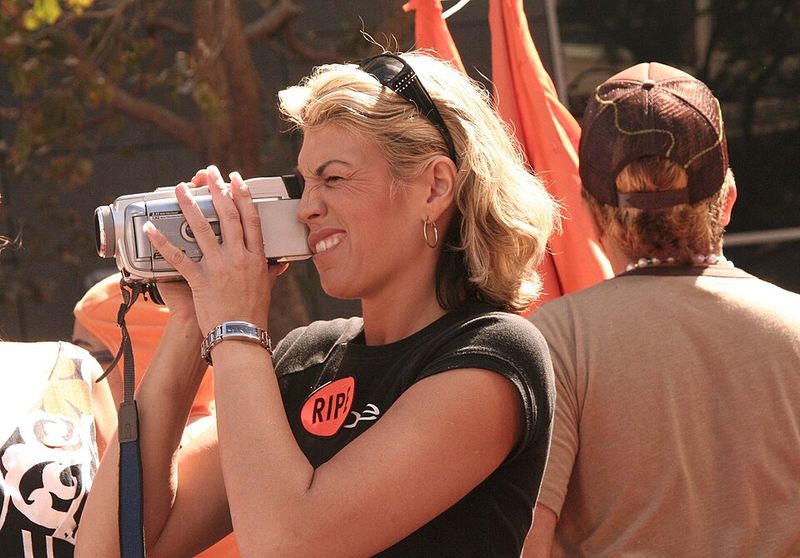
Vacation documentation once came with a shoulder strap and very committed zooming. From the 1980s through the early 2000s, camcorders became a major family travel accessory, first in bulky VHS and VHS-C formats, later in Hi8 and MiniDV, and they turned ordinary sightseeing into home video production.
The results were often charmingly uneven. Someone narrated continuously, panned too quickly, zoomed in far beyond reason, or recorded long stretches of walking between attractions, and yet those tapes became family archives that captured clothing, slang, car interiors, hotel rooms, and travel habits more vividly than posed photos alone.
Camcorders also changed behavior on trips. People staged greetings, repeated entrances, and filmed proof that they had indeed reached the overlook, the beach, or the world’s largest roadside object, then eventually gathered at home to watch everything back on a television, usually with at least one person fast-forwarding through parking lot footage.
11. Asked Locals for the Best Food Spots
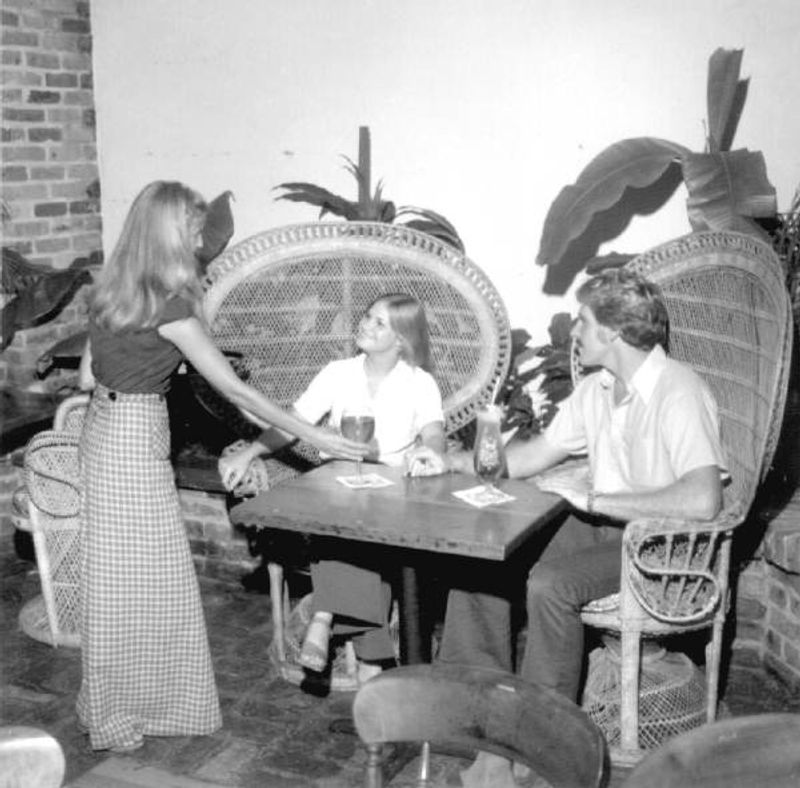
The best meal on a trip often began with a question rather than a rating. Before location apps and endless reviews, travelers asked motel clerks, gas station attendants, shop owners, taxi drivers, and museum staff where people actually ate, especially if they wanted something better than the nearest chain by the highway.
This method had obvious risks and excellent rewards. Recommendations depended on who you asked, what time it was, and whether their idea of a must-visit breakfast spot matched yours, but local advice frequently led to diners, seafood shacks, barbecue counters, bakeries, and family restaurants that never would have surfaced in a national guide.
Those interactions also taught visitors something about place. Instead of choosing only by photos or rankings, people learned which restaurant had been there for decades, which one served the regional specialty correctly, and which place looked ordinary outside but stayed busy for reasons that became clear after the first plate arrived.
12. Packed Entire Suitcases “Just in Case”
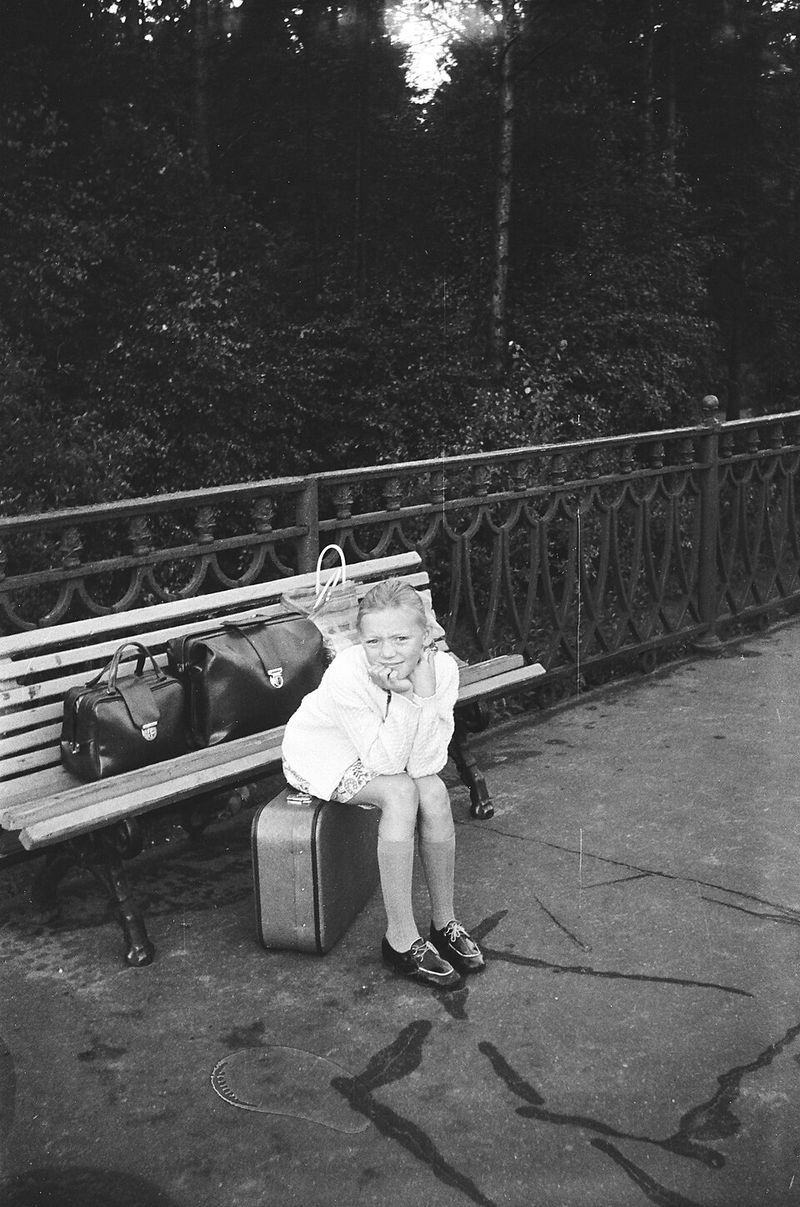
Luggage used to reflect pure uncertainty dressed as responsibility. Without constant weather updates, baggage calculators, or easy access to anything you forgot, many travelers packed for several possible climates, two levels of formality, unexpected rain, extra walking, colder evenings, and a scenario where laundry simply never happened.
This habit was especially common on family trips. Parents loaded cars with backup outfits, additional shoes, beach gear, medicine, travel games, sweaters, maps, and enough spare items to support a minor relocation, because buying replacements on the road could be inconvenient, expensive, or impossible in smaller towns.
The result was suitcases that barely closed and trunks arranged like engineering projects. It may seem excessive now, but overpacking made practical sense in an era when forecasts were less immediate, stores closed earlier, and most people preferred carrying too much over spending a vacation searching for a child-sized raincoat in an unfamiliar shopping center.
13. Got Completely Lost—and Made It Part of the Trip
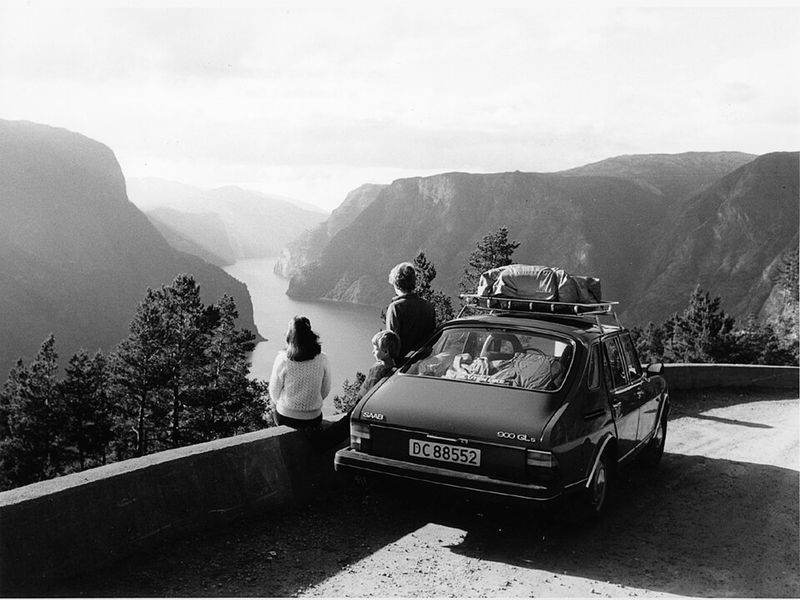
Wrong turns were not a travel bug. They were practically a feature.
Before turn-by-turn navigation became standard, vacationers regularly missed exits, confused county roads, followed outdated map markings, or trusted handwritten directions that made complete sense to the person who wrote them and much less to everybody else.
Getting lost could be inconvenient, but it also changed itineraries in unpredictable ways. Families stumbled onto small museums, uncrowded beaches, local festivals, scenic overlooks, diners, antique shops, and town squares they never planned to visit, simply because someone chose the wrong highway or underestimated how many roads were called Main.
That accidental wandering shaped travel memory more than polished schedules often do now. You might forget the exact route to the major attraction, but many people still remember the unexpected stop, the odd landmark, or the extra hour spent figuring things out, which turned navigation mistakes into stories repeated long after the vacation ended.
14. Listened to Road Trip Playlists on Cassette or CD
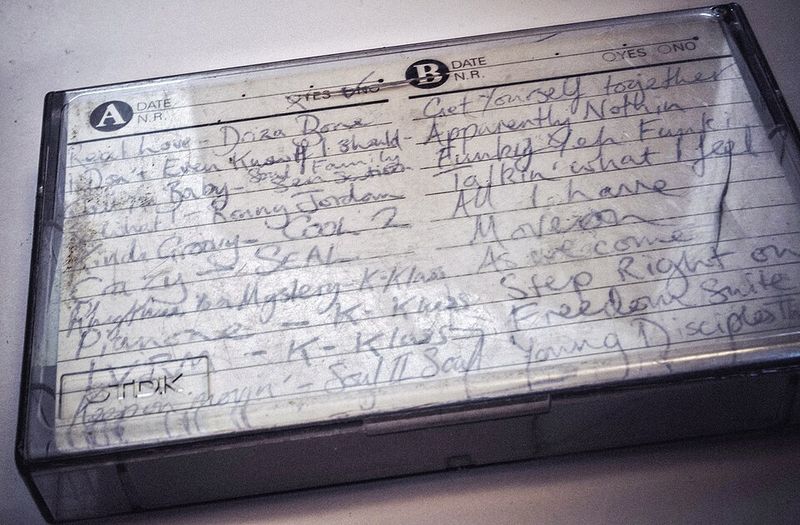
Every road trip once had a soundtrack you physically carried. Travelers packed cassette cases, CD binders, or both, loaded the car stereo before departure, and accepted that music selection depended on what was in the vehicle, what still worked, and whether anyone had remembered to label the homemade mix properly.
That setup created its own rituals. Someone played DJ from the passenger seat, everyone negotiated skips, and entire stretches of highway were accompanied by the same album because changing music required reaching for the right case rather than tapping a screen and summoning millions of options.
The limitations were part of the culture. Mixtapes and burned CDs became personal artifacts, radio stations faded in and out across state lines, and even songs you did not love got heard repeatedly because there was no algorithm rushing in to rescue you, which meant trips often became permanently linked to a very specific stack of music.
15. Lived Fully in the Moment
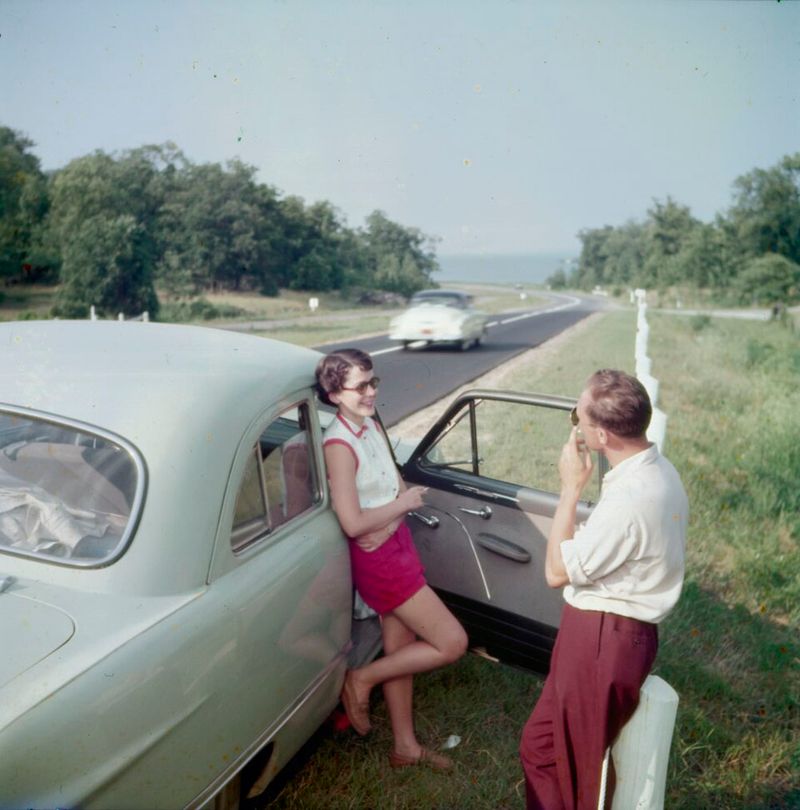
The biggest difference was not one gadget but a whole missing layer of constant interruption. Before smartphones combined camera, map, messenger, browser, and entertainment center, people on vacation often spent longer stretches simply dealing with the place in front of them rather than managing alerts, updates, and digital documentation at the same time.
That did not mean every trip was magically profound. People still got bored in lines, argued over plans, misplaced sunglasses, and complained about traffic, but their attention was less divided, and many ordinary travel moments stayed self-contained instead of being instantly posted, rated, searched, and rechecked.
Looking back, that older rhythm helps explain why pre-smartphone vacations feel distinct in cultural memory. They were slower to organize, harder to navigate, and less efficient in almost every measurable way, yet they often demanded direct observation, conversation, and improvisation, which made the trip itself feel like the main event rather than the background for a device.
Share this story