Luxury travel used to mean something narrower, stranger, and often far more ritualized than a five-star booking app can convey. In the late 19th century and well into the jet age, certain destinations became status symbols because rail lines, steamships, social calendars, and celebrity culture turned arrival itself into a performance.
This list traces the resorts, coastlines, and legendary routes that once signaled prestige long before mass tourism reshaped their image. Keep reading, and you will see how fashion, architecture, transportation, and pop culture quietly promoted these places from exclusive escapes into cultural memory.
1. Palm Springs, California, USA
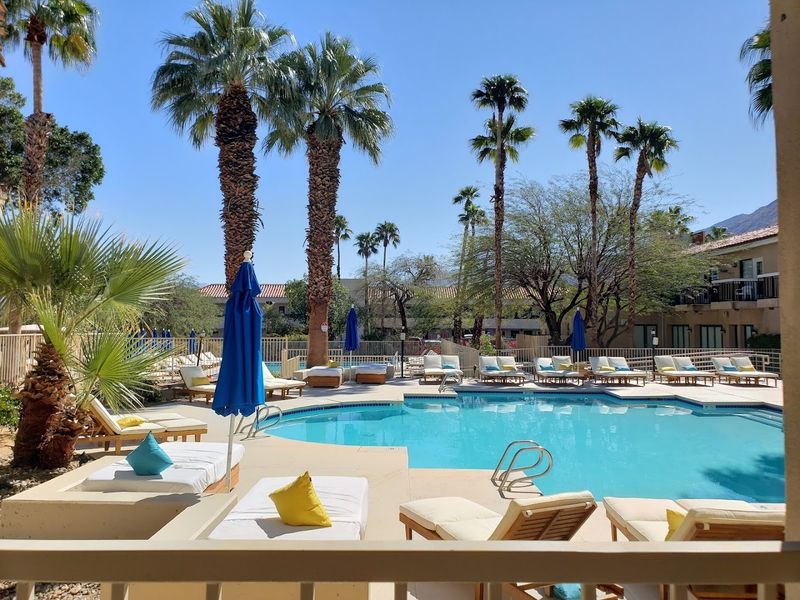
Desert glamour did not happen by accident in Palm Springs. What began as a health retreat and warm-weather refuge developed into a polished getaway by the 1920s, then became a mid-century symbol of status once Los Angeles celebrities turned weekends into publicity gold.
The city benefited from sunshine, privacy, and a studio-era rule that kept contracted actors near Hollywood, making Palm Springs conveniently glamorous. Resorts, golf clubs, and sharply modern homes by architects such as Richard Neutra, Albert Frey, and Donald Wexler gave the place a visual identity that still defines it.
Frank Sinatra, Dinah Shore, Marilyn Monroe, and a long list of entertainers helped transform pool culture into a social performance. Before cheap air travel normalized sun holidays, Palm Springs offered a controlled version of luxury where design, leisure, and celebrity proximity made even casual relaxation look expensive.
2. The Poconos, Pennsylvania, USA
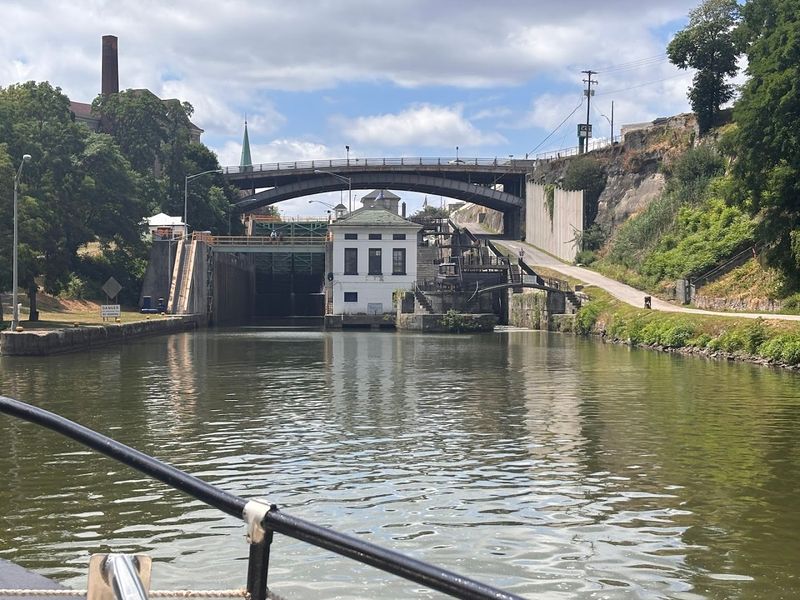
Nothing says mid-century romance marketing quite like the Poconos. In the decades after the Second World War, this Pennsylvania mountain region became a favorite honeymoon destination for East Coast couples who wanted an all-in-one resort experience with privacy, entertainment, and a little theatrical charm.
Resorts such as Cove Haven turned novelty into branding with heart-shaped tubs, mirrored decor, and packages built specifically around newlyweds. The appeal was practical as well as playful, since the Poconos were reachable by car from New York, Philadelphia, and surrounding cities during the great American resort boom.
By the 1950s through the 1970s, a trip there represented aspiration for many middle-class couples who wanted their own version of luxury without crossing an ocean. The style may look kitschy now, but the Poconos once sold exclusivity, convenience, and carefully staged romance with remarkable confidence.
3. Lake Como, Italy
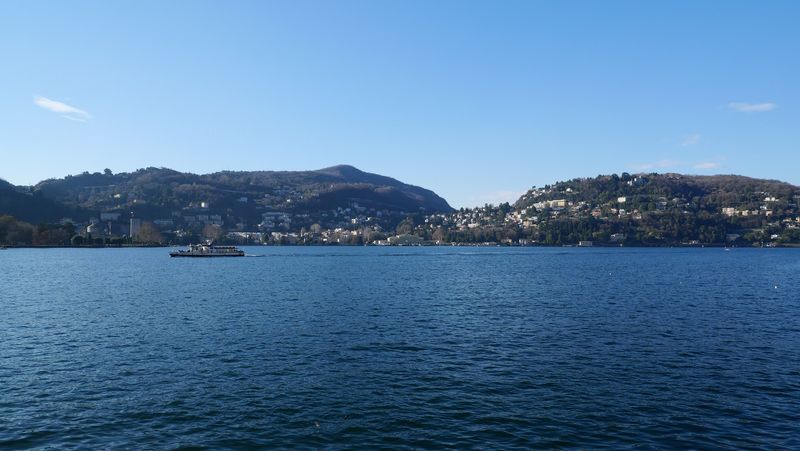
Some destinations barely need advertising, and Lake Como mastered that trick centuries ago. Northern Italian nobles and wealthy European travelers favored the lake as early as the 18th and 19th centuries, drawn by grand villas, formal gardens, and a setting that projected cultivated taste.
Its appeal grew with the Grand Tour, when privileged travelers treated selected European destinations as cultural credentials. Villas such as Balbianello, Carlotta, and d’Este represented more than scenery, since they displayed lineage, architectural ambition, and the kind of leisure that required staff, transport, and a social network.
By the late 19th century, luxury hotels welcomed an international clientele, while steam navigation made movement around the lake more organized. Today Lake Como still reads as upscale, but historically it was an aristocratic retreat first and a tourist destination second, which explains its unusually durable reputation for elegant restraint.
4. Havana, Cuba (Pre-1960s)
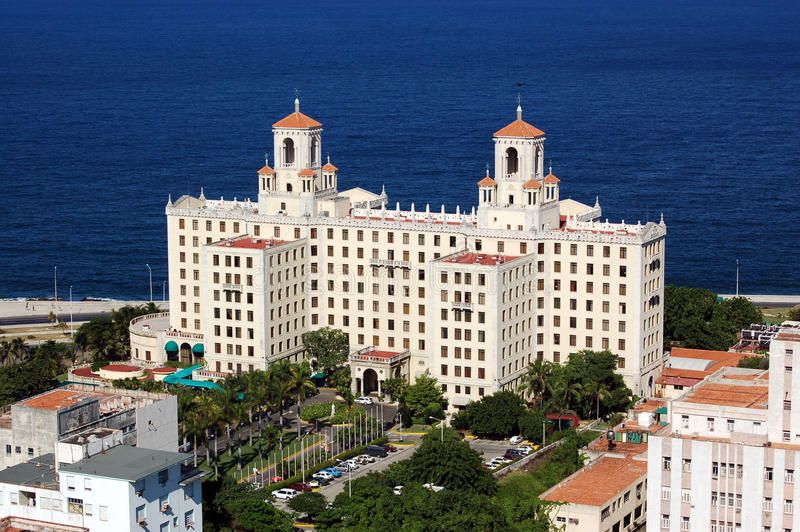
For a stretch of the 1940s and 1950s, Havana sold glamour with remarkable efficiency. Its location, architecture, music venues, major hotels, and close proximity to the United States made it a fashionable stop for entertainers, wealthy vacationers, and travelers chasing a polished Caribbean escape.
Grand properties such as the Hotel Nacional de Cuba and the Riviera became symbols of pre-1960s sophistication. International visitors arrived for nightlife, gaming, cabaret performances, and oceanfront leisure, while airlines and cruise routes made Havana feel accessible yet still special.
That status changed sharply after the Cuban Revolution, when political and economic shifts transformed tourism patterns and interrupted the old luxury circuit. Because of that break, pre-1960s Havana occupies a very specific place in cultural memory: not merely as a resort city, but as a snapshot of mid-century prestige before history changed the itinerary.
5. Niagara Falls, New York/Ontario
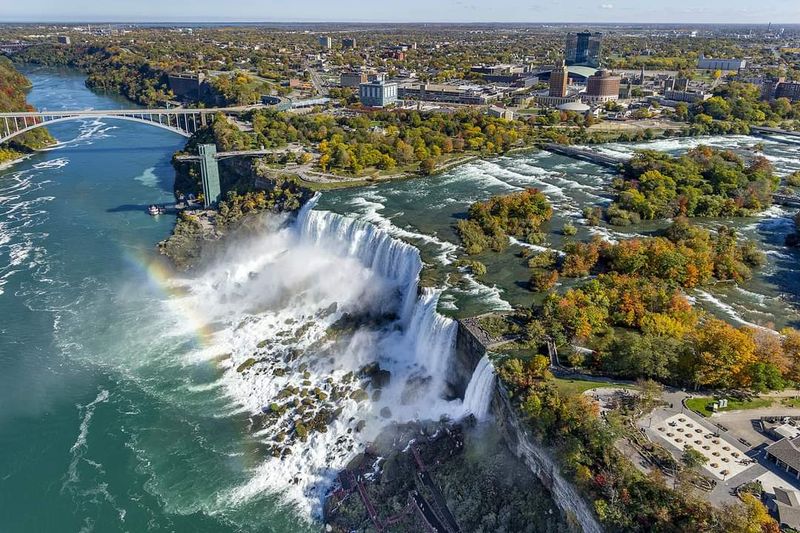
Before it became a family road-trip staple, Niagara Falls ranked as one of North America’s signature luxury getaways. During the 19th century and into the early 20th, improved rail access, grand hotels, and the rise of honeymoon tourism turned the falls into a destination linked with romance and status.
Victorian travelers treated major natural landmarks as markers of refinement, and Niagara fit perfectly into that culture. Couples visited after weddings in such numbers that the region earned its famous title as the honeymoon capital, supported by carriage rides, formal promenades, scenic overlooks, and premium accommodations on both the American and Canadian sides.
Industrialization and hydroelectric development also gave the area modern significance, making it both a natural wonder and a symbol of progress. What seems familiar today once represented an ambitious trip, complete with proper attire, careful planning, and the social cachet of visiting one of the continent’s best-known spectacles.
6. The French Riviera, France
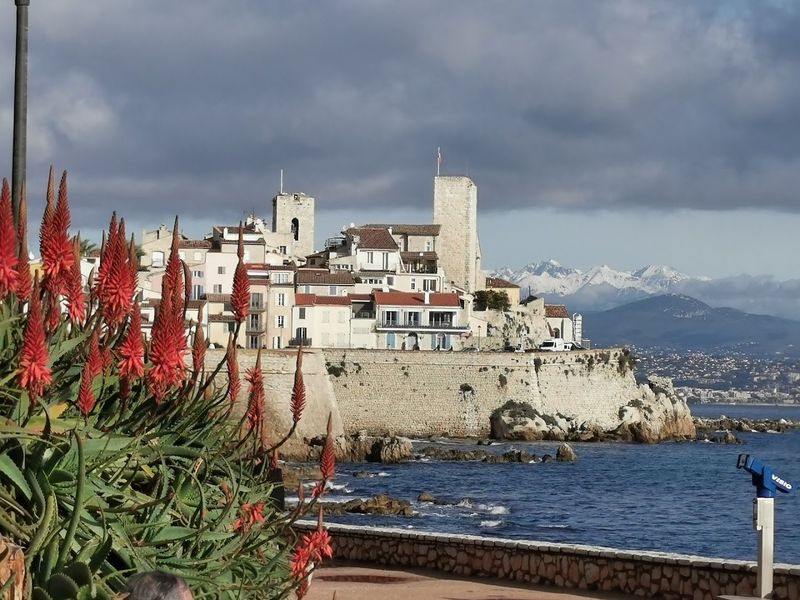
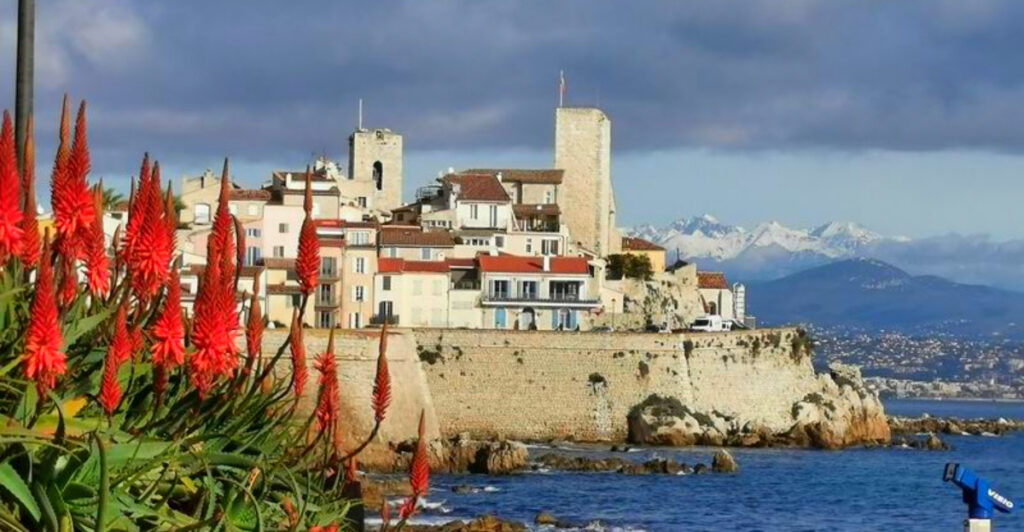
Long before package holidays, the French Riviera operated like a seasonal guest list for aristocrats, industrial families, and film stars. Nice, Cannes, Antibes, and Saint-Jean-Cap-Ferrat grew into prestige addresses during the late 19th and early 20th centuries, helped by rail travel and a mild winter climate.
British elites first popularized the coast, and luxury hotels soon followed, including the Hotel Negresco in Nice and grand properties in Cannes. By the 1920s and 1930s, the Riviera had become tied to couture, private villas, casinos, and carefully photographed leisure that magazines happily circulated.
After the Second World War, Hollywood added another layer of fame, especially through Cannes and its film festival. What feels accessible today once depended on wealth, staff, wardrobes, and extended travel time, which is exactly why the Riviera became shorthand for polished European glamour.
7. Monte Carlo, Monaco
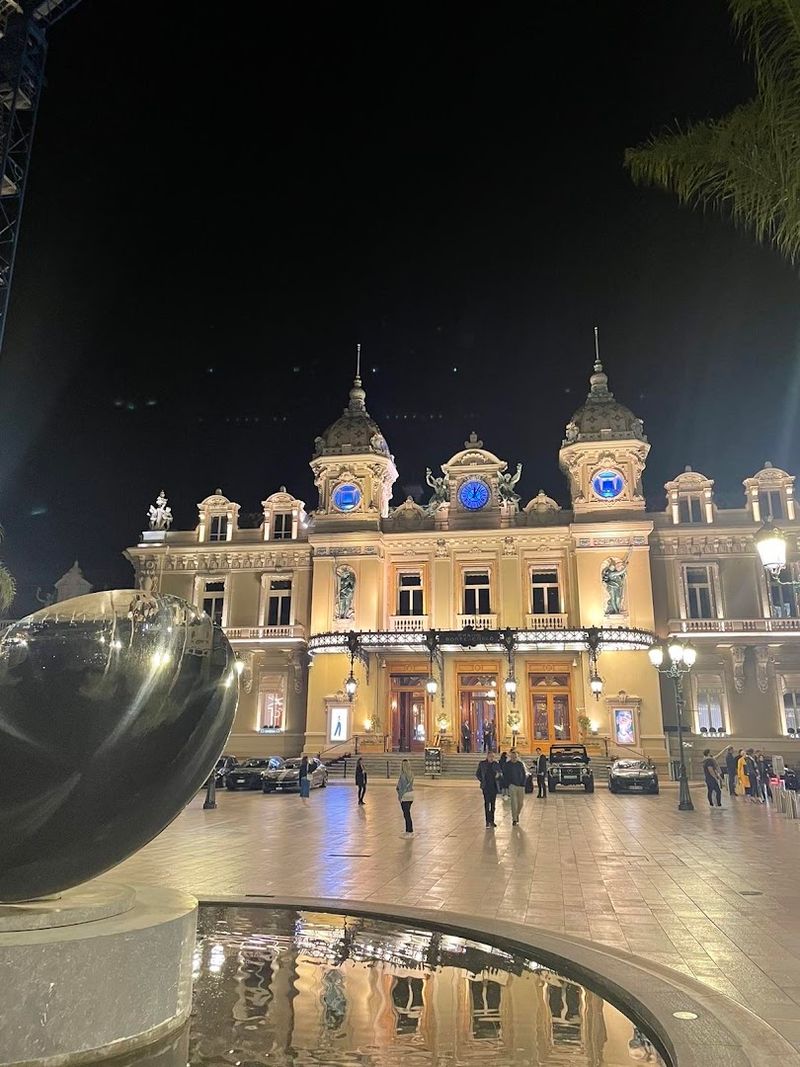
If luxury travel had a mascot, Monte Carlo would have applied early. This district of Monaco rose to fame in the late 19th century when the Casino de Monte-Carlo, grand hotels, and a carefully managed image of exclusivity attracted European royalty, financiers, and fashionable travelers.
The tiny principality understood branding before branding became a business seminar topic. Rail links, a favorable climate, and architecture in the Belle Epoque style made Monte Carlo feel both accessible to elites and visibly separate from ordinary resort life.
Its appeal extended beyond gaming tables to opera, yacht culture, formal dining, and a social calendar that rewarded being seen in the right place at the right time. Even now, Monte Carlo remains shorthand for wealth, but its original prestige came from scarcity, ceremony, and the sense that leisure itself could be staged with almost mathematical precision.
8. Aspen, Colorado, USA
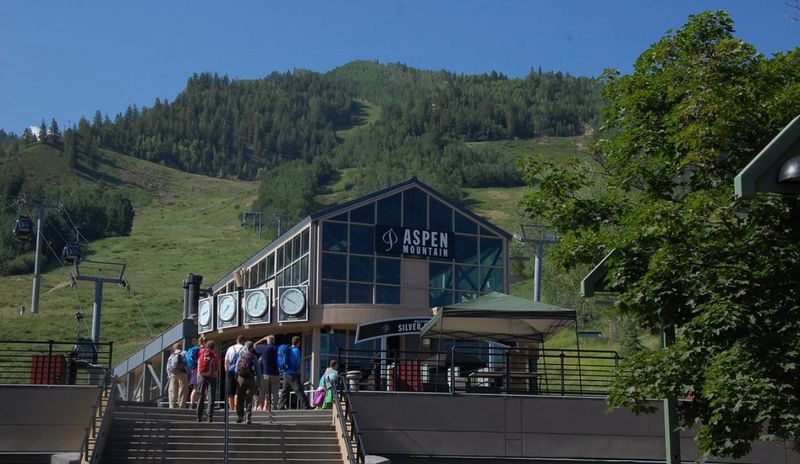
A former silver-mining town does not usually end up on a luxury shortlist, yet Aspen managed it brilliantly. After mining declined, the town reinvented itself in the 20th century, especially after the 1940s, when ski development and cultural investment recast it as a high-end alpine destination.
The Aspen Skiing Company, postwar prosperity, and interest from wealthy visitors pushed the resort into national prominence. By the 1950s and 1960s, celebrities, socialites, and affluent outdoor enthusiasts were arriving for winter sports, upscale lodges, and a refined image that mixed athleticism with cultural prestige.
The Aspen Institute and events centered on music, ideas, and design also distinguished it from purely recreational ski towns. That combination mattered: Aspen was not just selling snow and slopes, but an educated, fashionable version of mountain leisure that appealed to people who preferred their vacations to come with intellectual credentials.
9. The Catskills, New York, USA
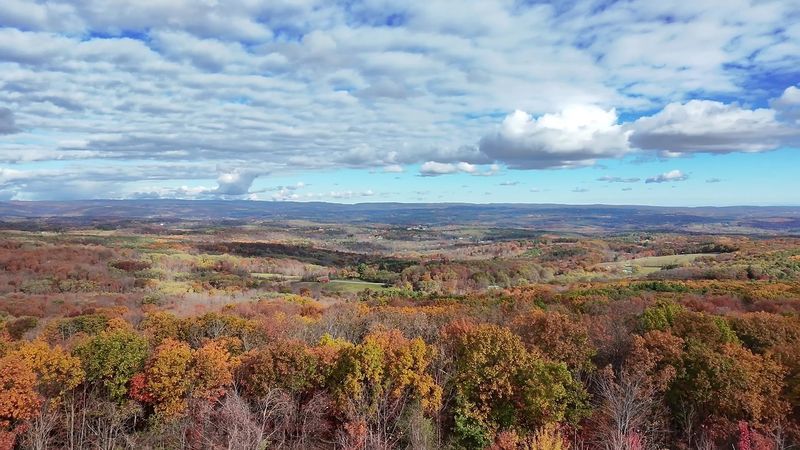
Summer in the Catskills once came with a dress code, a dinner schedule, and a waiting list. From the early to mid-20th century, this region in upstate New York became a major resort destination, especially for Jewish American families seeking upscale accommodations and social life during an era of exclusion elsewhere.
Famous properties such as Grossinger’s and the Concord offered dining rooms, sports, pools, comedy, and packed entertainment calendars. The area became known as the Borscht Belt, and it played an outsized role in American culture by nurturing comedians and performers who later shaped television, film, and stand-up.
Its luxury was specific rather than generic: full-service hospitality, multiweek summer stays, and a built-in social world reachable from New York City. Air travel and changing vacation habits eventually weakened the old resort model, but the Catskills still represent a time when regional tourism could feel both elite and culturally influential.
10. Waikiki, Hawaii, USA
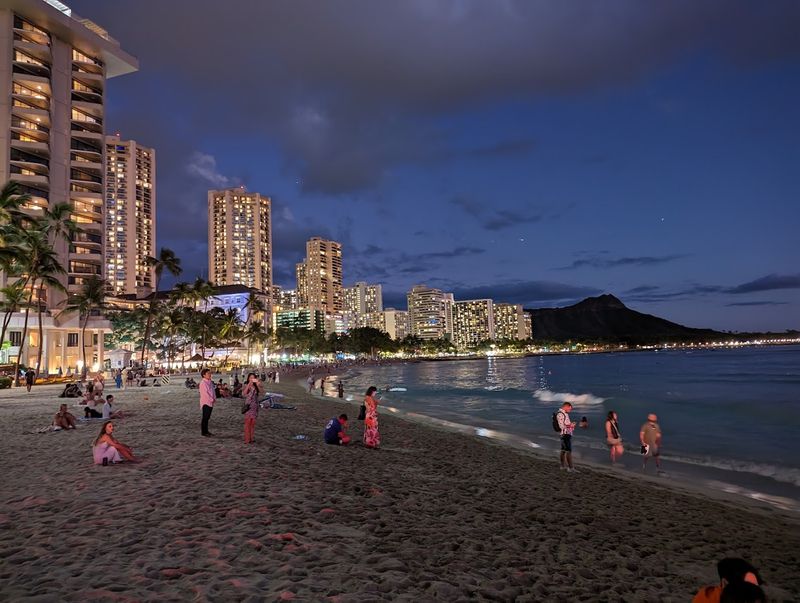
Before tourism scaled up dramatically, Waikiki was marketed as an elite island escape. In the early 20th century, improved steamship travel and carefully curated promotion turned this Honolulu shoreline into a coveted destination for wealthy Americans who wanted tropical scenery with dependable resort comforts.
The 1901 opening of the Moana Hotel, often called the First Lady of Waikiki, signaled a new level of organized hospitality. Later, the Royal Hawaiian strengthened Waikiki’s luxury reputation, while surfing exhibitions, celebrity visits, and the territory’s growing visibility in American culture widened its appeal.
Yet early Waikiki remained exclusive because distance, travel time, and expense limited who could go. Long before cheap flights transformed Hawaiian vacations into a broader aspiration, a trip to Waikiki represented status, planning, and a distinctly modern form of leisure in which paradise had already been packaged for affluent travelers.
11. Baden-Baden, Germany
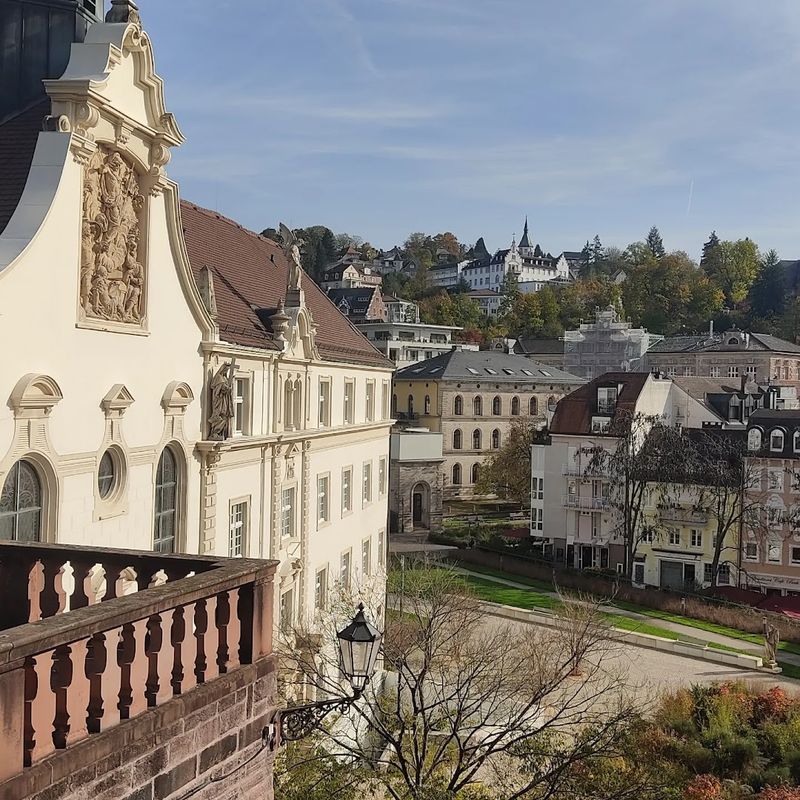
Wellness tourism did not begin with robes and cucumber water, and Baden-Baden proves it. This German spa town became a major destination in the 19th century, when Europe’s upper classes traveled there for thermal baths, social life, and the kind of conspicuous rest that still counts as prestige.
Writers, nobles, and wealthy visitors circulated through its bathhouses, hotels, and casino, giving the town a reputation that stretched well beyond Germany. Russian, French, and British elites treated Baden-Baden as both a health retreat and a social stage, where one could pursue cures, conversation, and elegant diversion in a single schedule.
Its architecture reinforced the point, with promenades, salons, and formal public spaces designed to make leisure visible. Today spa travel feels widespread, but Baden-Baden’s earlier success came from a very old formula: health, status, and travel infrastructure presented with enough polish to look like a social obligation.
12. The Amalfi Coast, Italy
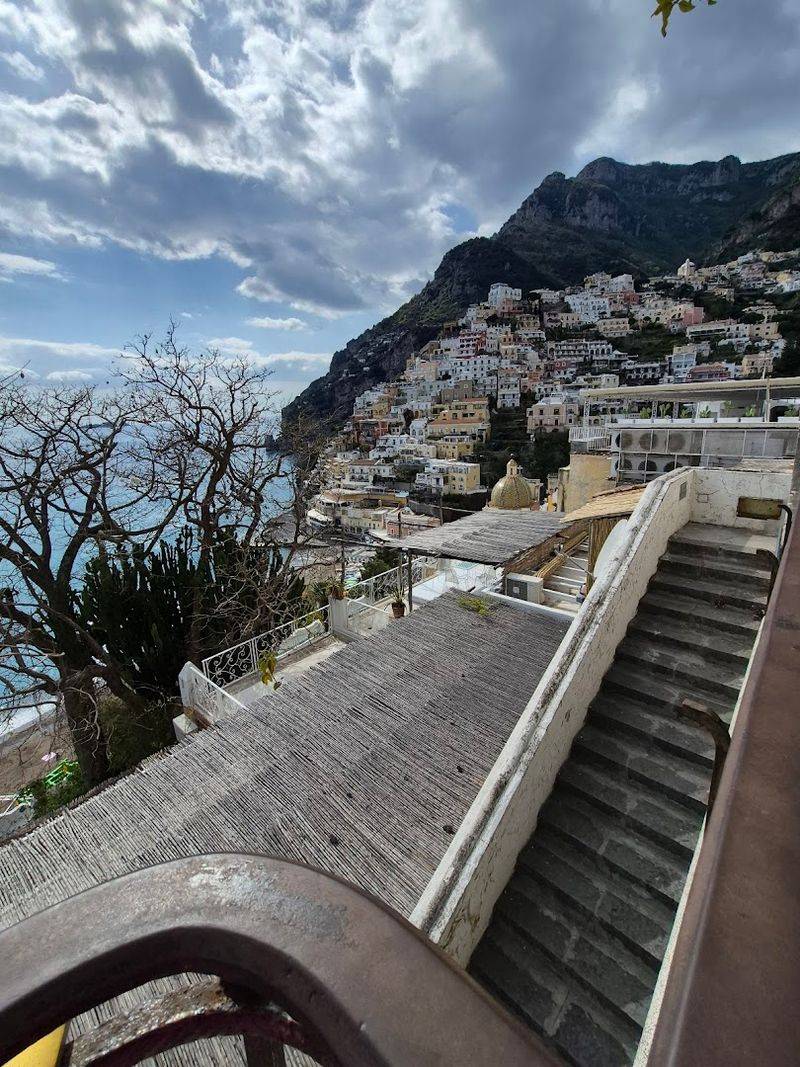
Some coastlines advertise themselves, and the Amalfi Coast has been doing that for generations. Although fishing towns and local trade shaped its earlier history, the area became a coveted high-end retreat in the 19th and 20th centuries as improved roads, literary attention, and luxury hospitality expanded its reputation.
Positano, Amalfi, and Ravello drew travelers who wanted privacy without sacrificing cultural cachet. Writers, aristocrats, and film personalities helped elevate the coast’s profile, while cliffside hotels and private villas offered a version of exclusivity that felt more discreet than the flashier Riviera circuit.
Part of the appeal was logistical inconvenience, which naturally limited crowds before modern transport improved access. Reaching the Amalfi Coast once required time, planning, and means, and that effort itself added to the aura.
What you see today as a famous destination was once a selective itinerary item for travelers with patience and resources.
13. Atlantic City, New Jersey, USA
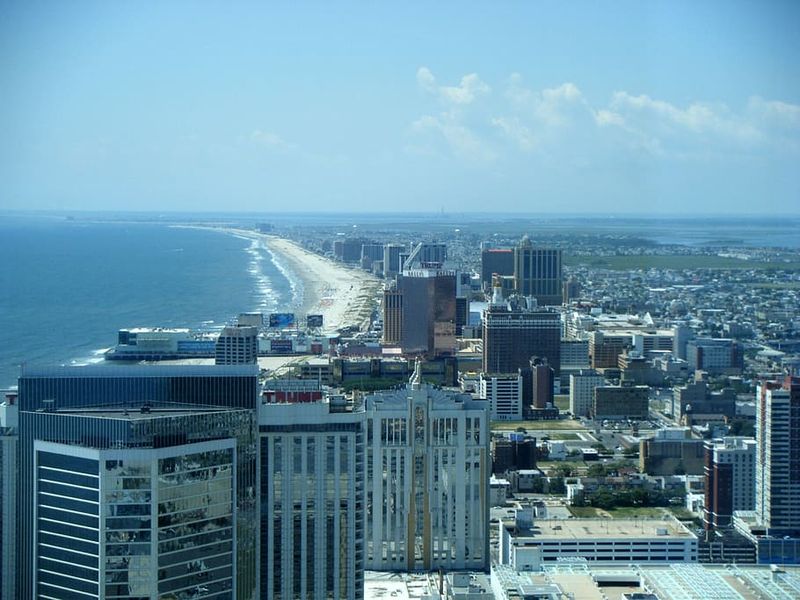
Before reinvention became its long-term hobby, Atlantic City was one of America’s most fashionable seaside resorts. In the late 19th and early 20th centuries, wealthy visitors arrived for grand hotels, the famous Boardwalk, elegant piers, and a style of coastal leisure that mixed spectacle with social status.
Rail travel made the city reachable from major East Coast population centers, and developers responded with upscale accommodations and attractions designed to impress. The Boardwalk itself, first built in 1870, became both a practical innovation and a public stage where vacationers could display fashion, routines, and spending power.
By the 1920s, Atlantic City had become nationally visible, with beauty pageants, entertainment venues, and resort culture helping shape its image. Later changes in transportation, suburbanization, and competition altered that prestige, but for decades the city represented a polished, highly organized version of American luxury by the sea.
14. Interlaken, Switzerland
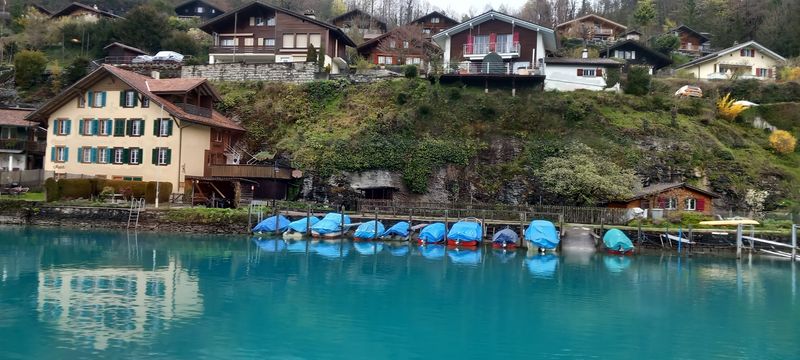
Alpine adventure once came with luggage trunks and hotel staff, not technical outerwear logos. Interlaken became a fashionable Swiss destination in the 19th century as railways, guidebooks, and the broader rise of mountain tourism drew wealthy European and British travelers into the Bernese Oberland.
Grand hotels appeared to serve guests who wanted access to scenic excursions without surrendering comfort or status. Interlaken worked because it balanced natural grandeur with infrastructure, offering promenades, organized tours, and connections to mountain railways that turned demanding terrain into a manageable luxury itinerary.
The destination also fit neatly into the Grand Tour tradition and the Victorian appetite for healthful travel. Visitors could present the trip as invigorating, cultured, and impressively well planned all at once.
That combination made Interlaken more than a pretty stop in Switzerland; it became one of Europe’s early templates for premium adventure tourism.
15. The Orient Express (Europe)
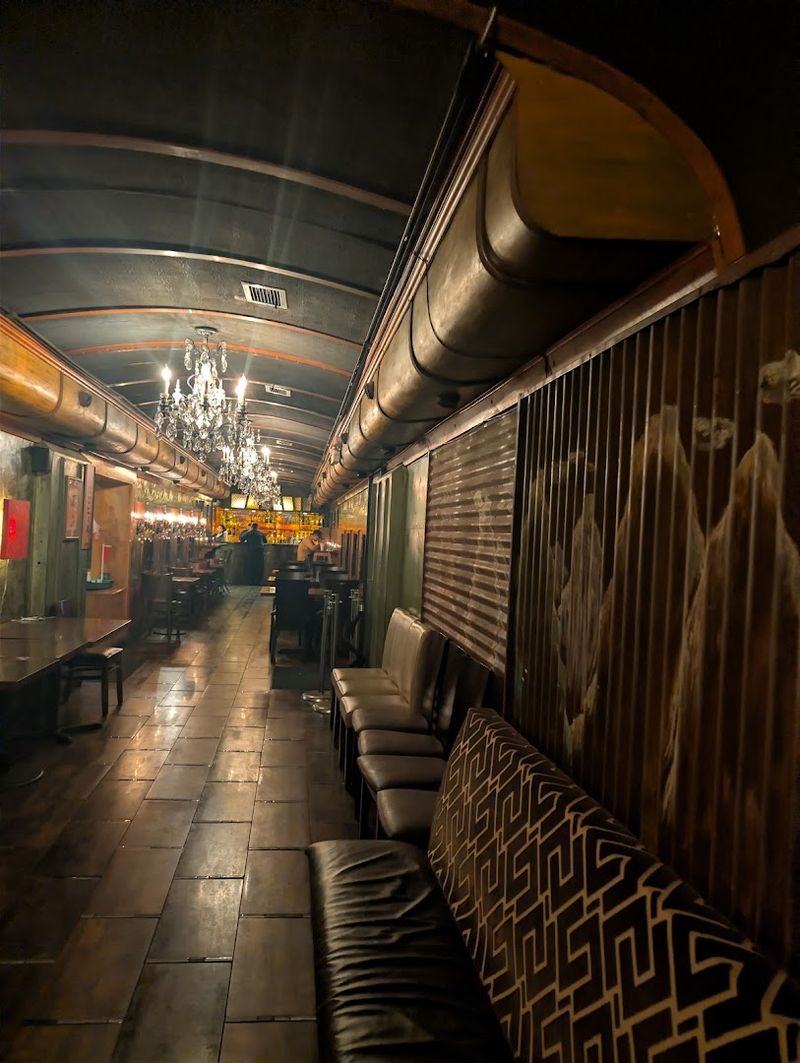
Luxury sometimes arrived on rails, and the Orient Express turned that into legend. Launched in 1883 by the Compagnie Internationale des Wagons-Lits, the train connected major European cities with a level of comfort, service, and international prestige that made the journey itself the attraction.
Its sleeping cars, dining service, and refined interiors set a standard for premium rail travel at a time when long-distance transportation still carried social meaning. Diplomats, aristocrats, business travelers, and writers all contributed to its reputation, while newspapers and novels elevated the route from practical transport to cultural icon.
The exact routes changed over time, but the brand remained tied to sophistication, cosmopolitan travel, and the promise of crossing borders in style. Long before airport lounges tried to suggest exclusivity, the Orient Express had already established the formula: limited access, excellent service, and the useful impression that movement itself could be luxurious.
Share this story