Prairies are some of the most breathtaking and underrated landscapes on our planet. These wide-open grasslands stretch across continents, offering stunning scenery, rich wildlife, and a sense of freedom that is hard to find anywhere else.
From the rolling tallgrass hills of Oklahoma to the sweeping steppes of Central Asia, each prairie has its own personality and charm. Whether you are a nature lover, an adventurer, or simply someone who appreciates wide-open spaces, this list will inspire your next great journey.
1. Tallgrass Prairie Preserve (USA)
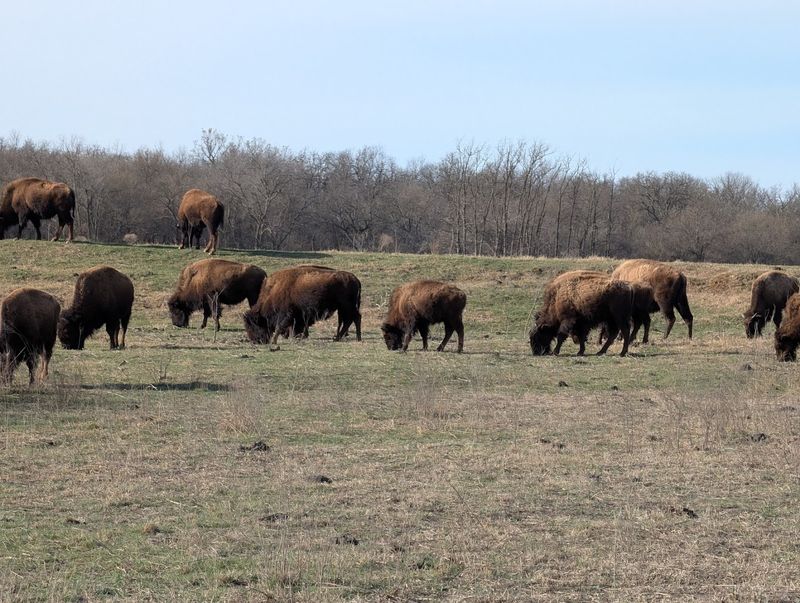
Standing in the middle of the Tallgrass Prairie Preserve in Oklahoma feels like stepping back in time. This is the largest protected tallgrass prairie remaining on Earth, covering over 39,000 acres of rolling hills and towering grasses that can grow taller than a person.
It is managed by the Nature Conservancy and has been carefully preserved so future generations can experience what much of North America once looked like.
Bison herds roam freely here, and watching them move across the landscape is something you will not forget. The preserve is open year-round, and each season brings a completely different look and feel.
Spring brings wildflowers, summer brings buzzing life, fall turns the grasses amber, and winter reveals the bare, dramatic beauty of the land.
Bring your camera and wear comfortable shoes. Sunrise and sunset visits are especially magical here.
2. Flint Hills (USA)
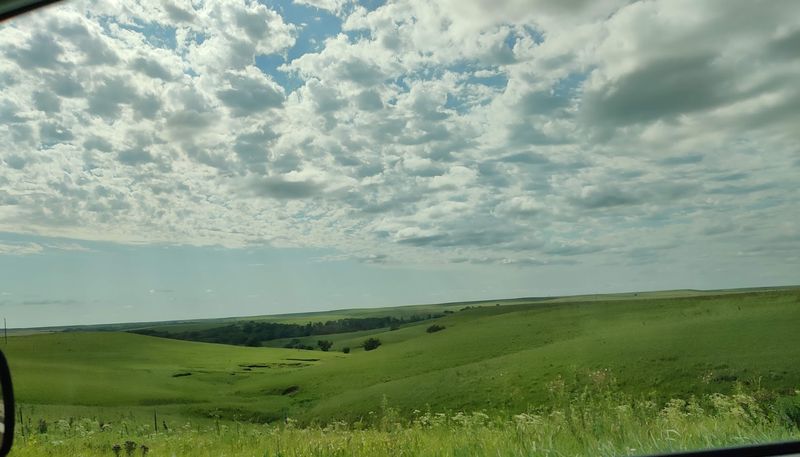
Kansas might not be the first place you think of for stunning scenery, but the Flint Hills will change that opinion fast. Stretching across the eastern part of the state, this region is one of the last remaining intact tallgrass prairie ecosystems in North America.
The rocky limestone soil beneath the surface made it nearly impossible to plow, which is exactly why this landscape survived while so much of the original prairie did not.
At sunrise and sunset, the hills glow with warm golden and amber tones that feel almost unreal. There are scenic drives, hiking trails, and small towns along the way that give visitors a genuine taste of rural American life.
The Flint Hills Discovery Center in Manhattan, Kansas, offers great background information before you explore.
Wildlife spotters will love it here too, as meadowlarks and prairie chickens are common sights throughout the year.
3. Canadian Prairies (Canada)
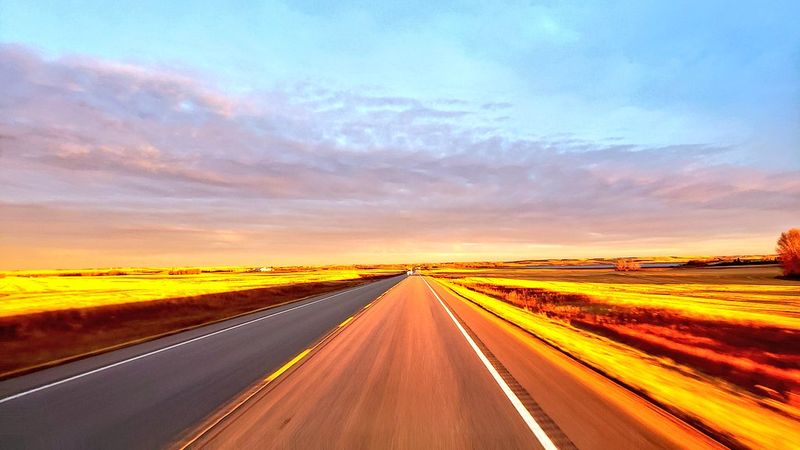
Few places on Earth make you feel as small as the Canadian Prairies. Spanning the provinces of Alberta, Saskatchewan, and Manitoba, this massive grassland region covers hundreds of thousands of square miles.
The sky here is enormous, often filled with dramatic cloud formations that photographers travel great distances to capture. On a clear night, the stars are absolutely overwhelming.
Golden wheat fields dominate much of the landscape in summer, but the prairies also support incredible wildlife. Pronghorn antelope, coyotes, hawks, and migrating waterfowl all call this region home.
Grasslands National Park in Saskatchewan is one of the best protected areas to experience the true, untouched version of this landscape.
The towns scattered across the prairies have a warm, welcoming character all their own. Visiting in late summer, when the fields are fully golden and harvest is underway, is a truly memorable experience.
4. Pampas (Argentina and Uruguay)
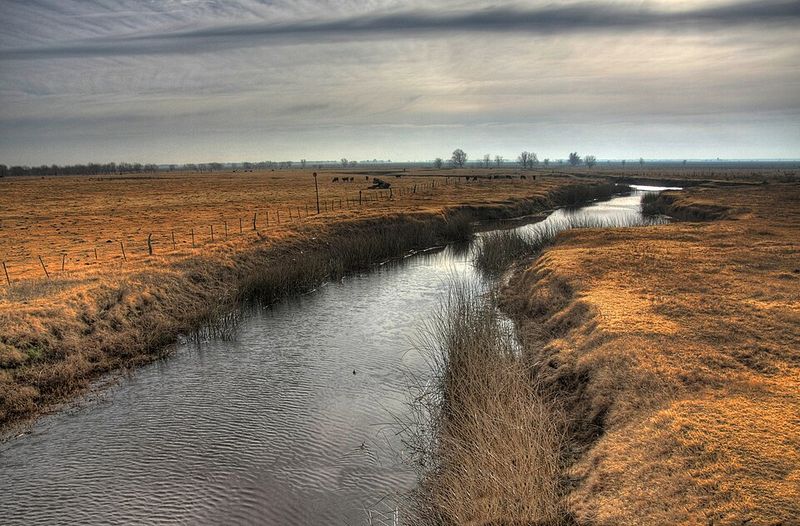
The Pampas are legendary. Stretching across Argentina, Uruguay, and parts of southern Brazil, this enormous fertile plain is one of the most productive agricultural regions in the world.
But beyond the farming, the Pampas carry a deep cultural identity rooted in the gaucho tradition. Gauchos are the skilled horsemen of South America, and their way of life has shaped the spirit of this entire region for centuries.
The landscape itself is quietly dramatic. Flat and seemingly endless, the Pampas stretch to every horizon with grasses, wildflowers, and occasional quebracho trees dotting the view.
Estancias, which are traditional ranches, offer visitors a chance to experience this culture firsthand, with horseback riding, traditional meals, and folk music.
Buenos Aires sits at the edge of the Pampas, making it an easy destination to combine with a city visit. The contrast between urban energy and open grassland is striking and worth experiencing.
5. Veld (South Africa)
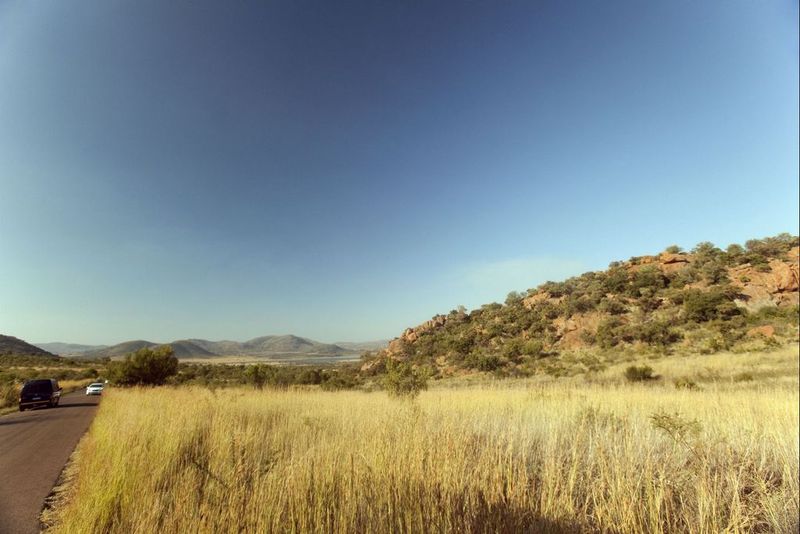
South Africa is famous for its safaris and coastlines, but the veld is a landscape that deserves far more attention. The word veld comes from the Afrikaans word for field, and it describes the open grassland ecosystems that cover large portions of the country.
There are several types of veld, ranging from the highveld plateaus to the bushveld lowlands, each with its own character and wildlife.
During the rainy season, the veld transforms into lush, vivid green. In dry months, it shifts to warm gold and amber tones that are just as beautiful in a different way.
Springbok, zebra, wildebeest, and dozens of bird species thrive across these open plains.
The Drakensberg foothills provide a stunning backdrop to parts of the veld, especially in KwaZulu-Natal. Visiting during the wildflower season adds an extra layer of color and charm to an already beautiful landscape.
6. Eurasian Steppe (Central Asia)
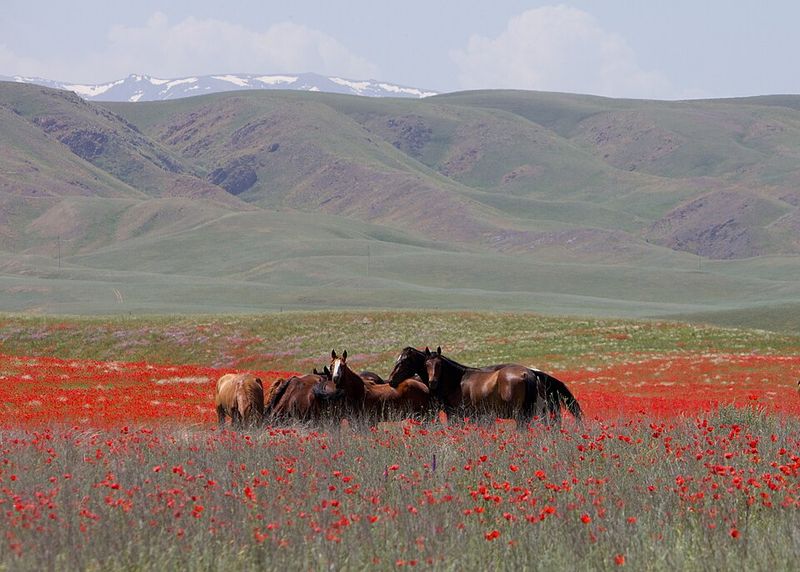
Raw, remote, and almost incomprehensibly vast, the Eurasian Steppe is one of the largest continuous grassland ecosystems on the planet. It stretches roughly 5,000 miles from Hungary in the west all the way to Manchuria in the east, passing through Ukraine, Russia, Kazakhstan, and Mongolia.
For thousands of years, nomadic peoples crossed this enormous corridor on horseback, shaping history along the way.
The steppe feels ancient. There are no mountains blocking the horizon, no forests breaking the view.
Just grass, sky, wind, and silence. That sense of openness can feel both humbling and deeply peaceful.
Wildlife here includes saiga antelope, steppe eagles, and wild horses.
Traveling through Kazakhstan or the Russian steppe gives you a sense of just how vast this landscape truly is. It is not a destination for everyone, but those who seek solitude and raw natural beauty will find it here in abundance.
7. Mongolian Steppe (Mongolia)
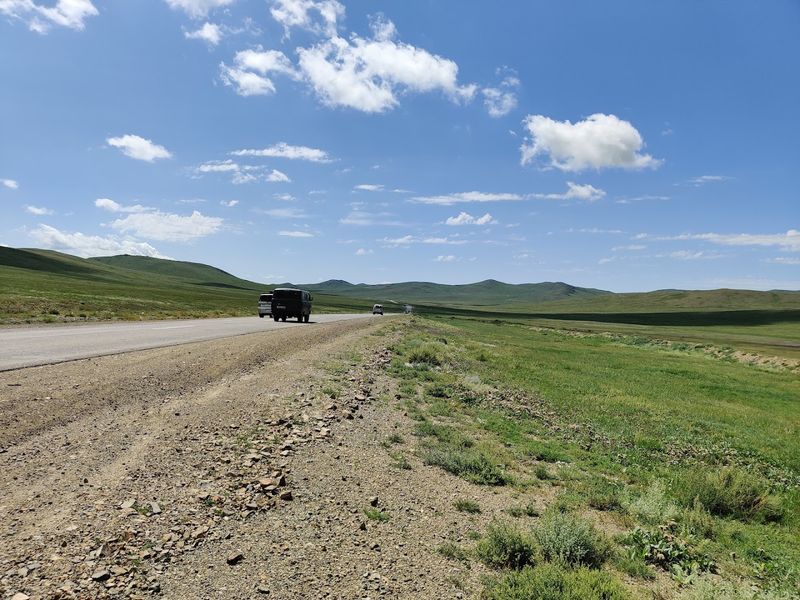
Mongolia is one of those places that seems almost too wild to be real. The Mongolian steppe covers roughly 80 percent of the country and remains one of the least touched grassland landscapes anywhere on Earth.
Wild horses, known as Takhi or Przewalski horses, roam freely here, and seeing them in their natural habitat is a genuinely rare experience that few travelers ever get to have.
Nomadic herder families still live on the steppe in traditional ger tents, moving with their livestock through the seasons just as their ancestors did centuries ago. Staying with a nomadic family is one of the most authentic travel experiences available anywhere in the world.
You will sleep under skies so packed with stars that the Milky Way is visible with the naked eye.
The best time to visit is between June and September, when temperatures are mild and the grass is at its most vibrant green.
8. Puszta (Hungary)
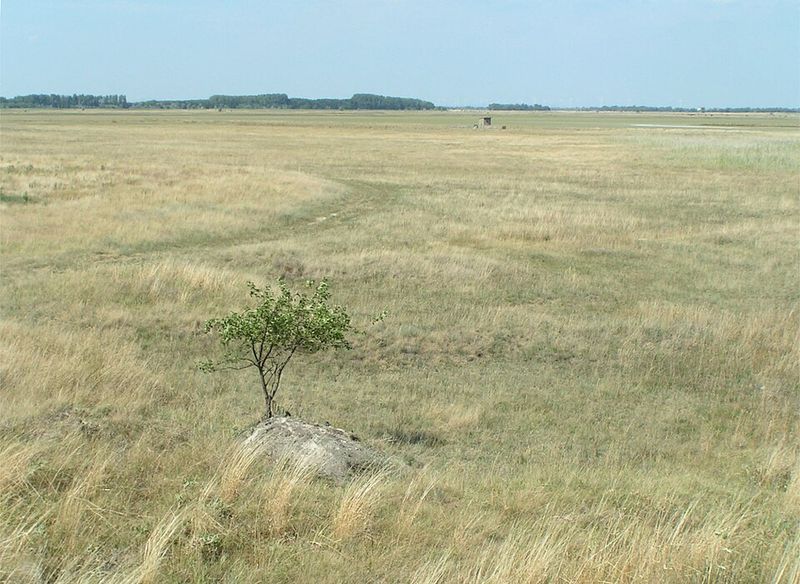
The Puszta is Hungary’s great open plain, and it is unlike any other grassland in Europe. Listed as a UNESCO World Heritage Site, the Hortobagy National Park protects the heart of this landscape and the cultural traditions that go with it.
The Puszta has been shaped by centuries of herding, and today it is still home to traditional csikos, the Hungarian horsemen who perform incredible riding skills that have been passed down through generations.
Rare birds flock to the Puszta in huge numbers, making it a top destination for birdwatchers across Europe. Great bustards, white storks, and Montagu’s harriers are just a few of the species you might spot.
The landscape itself is flat and wide, giving the sky an almost theatrical presence above you.
Autumn is a particularly beautiful time to visit, when migrating cranes gather here by the thousands in a breathtaking natural spectacle that draws visitors from across the continent.
9. Palouse Prairie (USA)
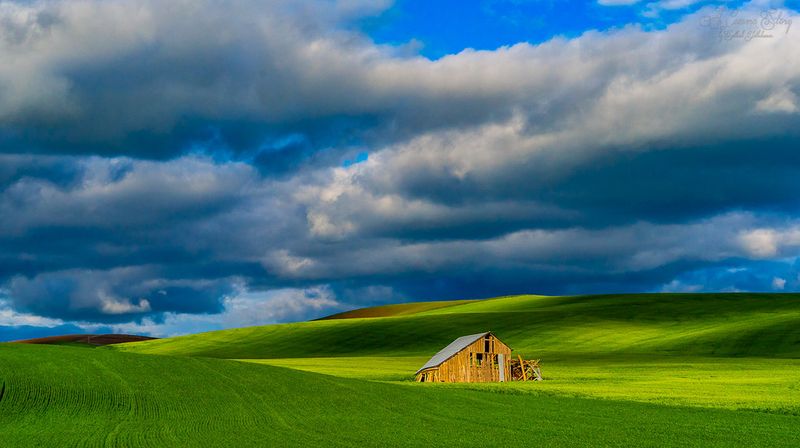
The Palouse does not look quite like anywhere else on Earth. Located in the eastern part of Washington State and extending into northern Idaho, this region is famous for its rolling hills that curve and fold like frozen ocean waves.
The hills are covered in wheat, barley, and lentil crops that shift from brilliant green in spring to deep gold at harvest time, creating a landscape that looks almost painted.
Steptoe Butte State Park is the best place to take in the full panorama. From the top, you can see rolling hills stretching in every direction, and at sunrise the light turns the entire landscape into something magical.
Photographers from around the world plan trips specifically around the Palouse harvest season.
While it is technically a farmed landscape today, the native Palouse prairie ecosystem that once existed here was rich with bunchgrasses and wildflowers, and small remnants of it can still be found.
10. Canterbury Plains (New Zealand)
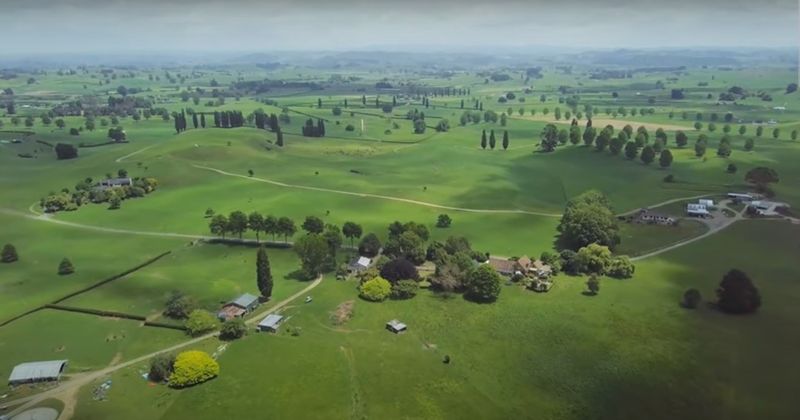
New Zealand is known for its mountains and fjords, but the Canterbury Plains offer a completely different kind of beauty. Stretching across the central South Island between the Southern Alps and the Pacific coast, this broad flat plain is one of the largest areas of open grassland in the Southern Hemisphere.
Tussock grasses, braided rivers, and the dramatic alpine backdrop create a landscape unlike anything else in the Pacific region.
The plains are heavily farmed today, but protected areas like the Mackenzie Basin and the surrounding high country tussocklands give visitors a glimpse of the original landscape. Lake Tekapo, sitting at the edge of the high country, is one of the most photographed spots in all of New Zealand, with lupins, golden grasses, and turquoise water framed by snowcapped peaks.
Stargazing in the Mackenzie Dark Sky Reserve here is world-class, making a night visit just as rewarding as a daytime one.
11. Kazakh Steppe (Kazakhstan)
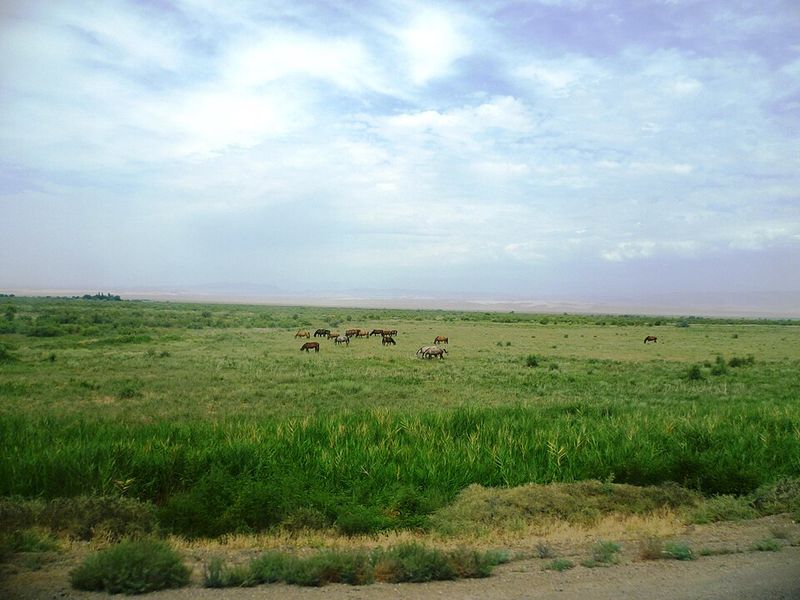
Kazakhstan is home to one of the largest and most dramatic steppe landscapes on Earth. The Kazakh steppe covers roughly 804,000 square miles, making it the world’s largest dry steppe region.
It stretches across the northern and central parts of the country in a seemingly endless sea of grass, wildflowers, and sky. In spring, the steppe bursts into color as tulips, poppies, and other wildflowers carpet the ground in vivid reds and yellows.
The feeling of isolation here is profound. You can drive for hours without seeing a town, and the silence is the kind that actually feels like something.
The saiga antelope, a prehistoric-looking creature with a distinctive bulbous nose, roams these plains in large herds and is one of the steppe’s most iconic residents.
Nur-Sultan, the futuristic capital city, sits on the edge of the steppe and makes an excellent base for exploring the surrounding grasslands during a visit.
12. Rothiemurchus and Cairngorm Plateau Grasslands (Scotland)
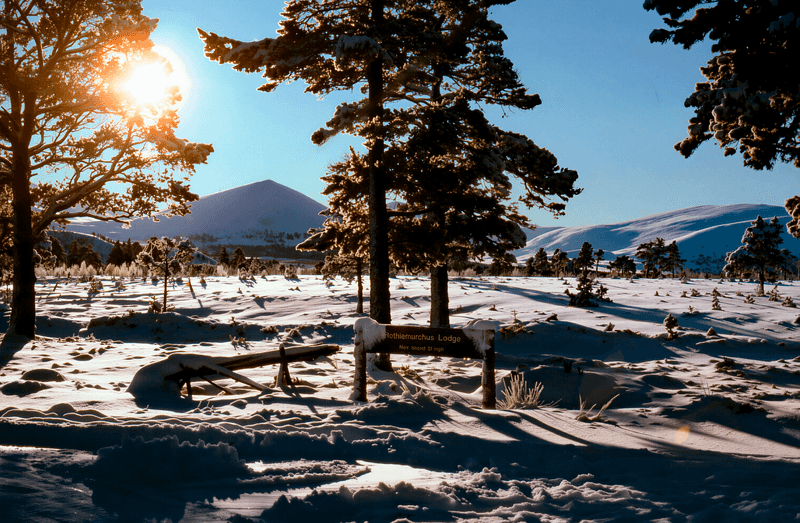
Scotland is not usually the first country that comes to mind when you think of prairies, but the open grasslands and moorlands of the Cairngorms National Park have a wild, windswept character that rivals any grassland on Earth. The Cairngorm plateau is one of the highest and most exposed landscapes in the British Isles, where ancient arctic-alpine plants cling to rocky ground and red deer roam freely across the open heath.
Rothiemurchus, located at the foot of the plateau, combines ancient Caledonian pine forest with open grassland and glittering lochs. The combination creates a landscape that feels both primeval and peaceful.
Red squirrels, ospreys, and capercaillie are among the rare species that call this area home.
Walking the high plateau trails on a clear day rewards you with 360-degree views that stretch for dozens of miles. Even on overcast days, the shifting light and cloud shadows moving across the moorland create an atmosphere that is genuinely unforgettable.
13. Serengeti Plains (Tanzania)
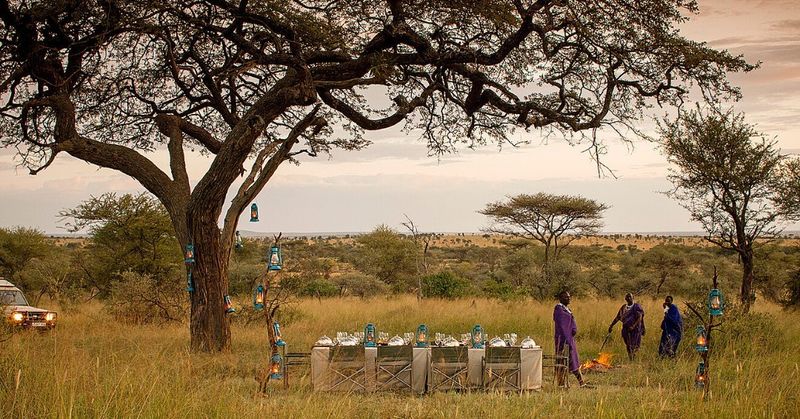
No list of the world’s most stunning grasslands would be complete without the Serengeti. Technically classified as a tropical savanna, the Serengeti feels unmistakably prairie-like with its vast, open plains stretching across northern Tanzania into Kenya.
This is the stage for the Great Migration, one of the most extraordinary wildlife events on Earth, where over 1.5 million wildebeest and hundreds of thousands of zebra move in a massive circuit across the ecosystem each year.
The landscape itself is endlessly dramatic. Flat golden plains give way to kopjes, which are rocky granite outcrops where lions lounge in the sun.
Acacia trees dot the horizon, and the sky at sunset turns into a canvas of orange, pink, and deep purple.
Visiting the Serengeti is a bucket-list experience for good reason. Whether you go during the calving season in January or the dramatic river crossings in July, there is always something breathtaking happening on these ancient plains.
Share this story