Before tablets, streaming, and endless scrolling, moms were the original entertainment directors. They had a gift for turning a rainy afternoon into a full-on adventure using nothing but stuff from around the house.
I still remember my mom pulling out a shoebox of buttons and fabric scraps like she was opening a treasure chest. These are the 13 brilliant, low-tech ways moms kept us busy, creative, and genuinely happy.
Crafting Paper Dolls
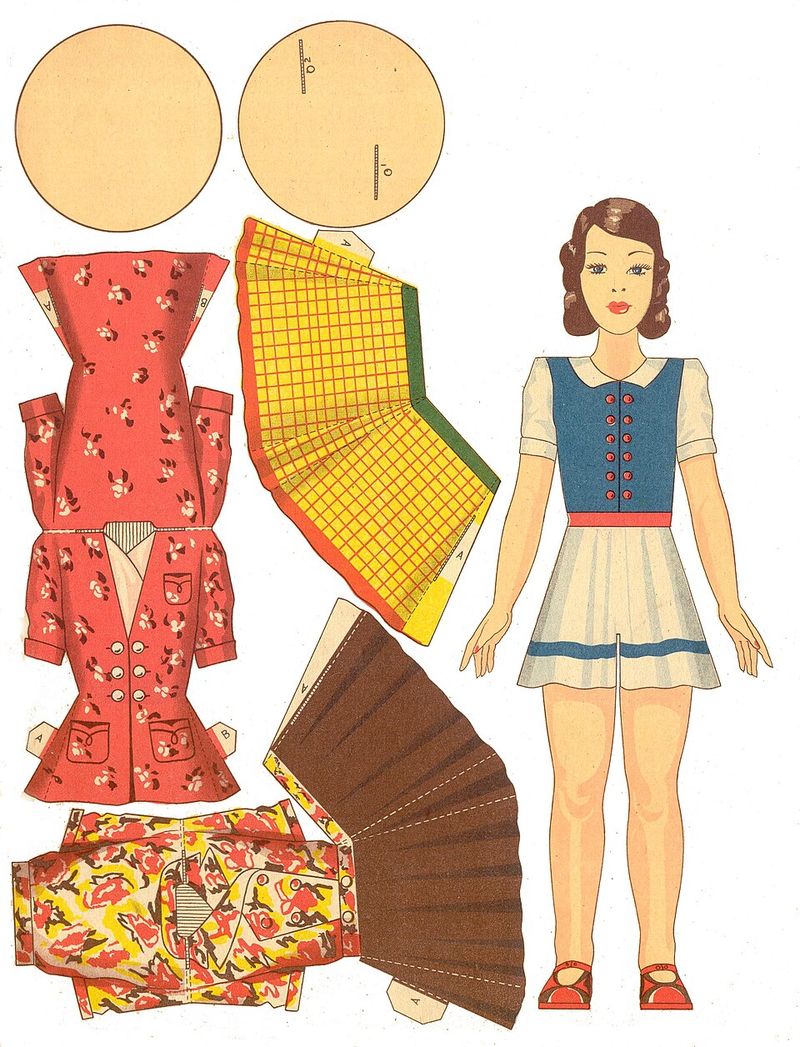
Paper dolls were basically the original fashion influencers, and moms knew it. All it took was a sheet of paper, scissors, and a box of crayons, and suddenly you had an entire wardrobe to design.
My mom could cut a paper doll in under two minutes flat, which felt like pure magic.
Kids would spend hours drawing outfits, mixing and matching tabs and tops like tiny stylists. The dolls could be anyone: queens, astronauts, pop stars.
No batteries required, no app to download.
Paper dolls actually date back to 18th-century Europe, where they were sold as novelty toys for children. Moms kept that tradition alive with nothing but printer paper and imagination.
It was cheap, creative, and surprisingly educational. Kids practiced fine motor skills without even realizing it.
Honestly, paper dolls deserve a serious comeback in every household right now.
String Arts and Cat’s Cradle
One piece of string. Zero cost.
Infinite fun. Cat’s Cradle was the ultimate mom-approved game that required nothing more than a loop of yarn and a willing partner.
Moms passed it down like a secret handshake between generations.
The moves had names like Soldier’s Bed, Candles, and Fish in a Dish, which made the whole thing feel like learning a mysterious ancient code. Getting the pattern wrong meant a tangled mess, which somehow made everyone laugh harder.
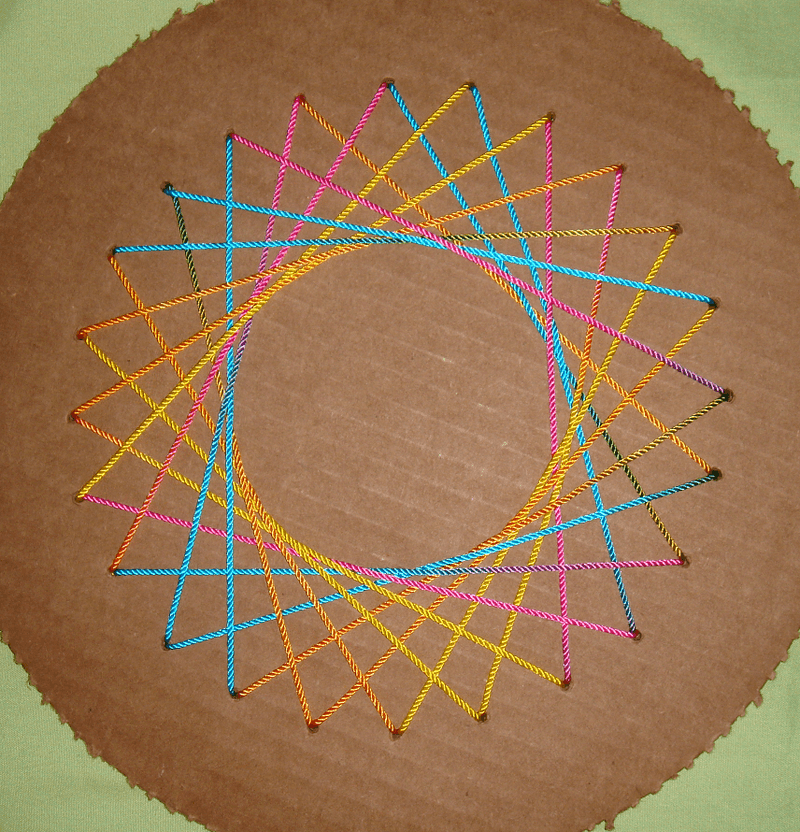
String art on cardboard was the fancier cousin of Cat’s Cradle. Moms would hammer small nails into wood or poke holes in cardboard, then let kids weave colorful thread into geometric designs.
The finished pieces looked genuinely impressive hanging on a bedroom wall. String games are found in cultures worldwide, from indigenous communities in Alaska to villages in Africa.
Moms were basically teaching us global history one loop at a time.
Garden Scavenger Hunts

Nothing got kids off the couch faster than a handwritten list of things to find in the backyard. Garden scavenger hunts were mom’s secret weapon against the dreaded “I’m bored” complaint.
She would spend five minutes writing the list and we would spend two hours outside hunting.
The list always included things like a smooth rock, a red leaf, something that made noise, and a bug with more than six legs. That last one caused serious debate every single time.
Was a spider a bug? A worm?
We argued like tiny scientists.
Beyond the fun, scavenger hunts quietly built observation skills, curiosity, and patience. Kids learned to look closely at the world around them instead of breezing past it.
Moms were essentially running outdoor science class without any lesson plan. Studies show that unstructured outdoor play boosts creativity and problem-solving in children.
Mom knew that way before any study confirmed it.
Jacks and Jump Rope
Jacks required serious skill, steady hands, and nerves of steel when it came to the onesies round. It was one of those games that looked simple until you actually tried it.
My mom could scoop up sevens without flinching, which made her basically a legend.
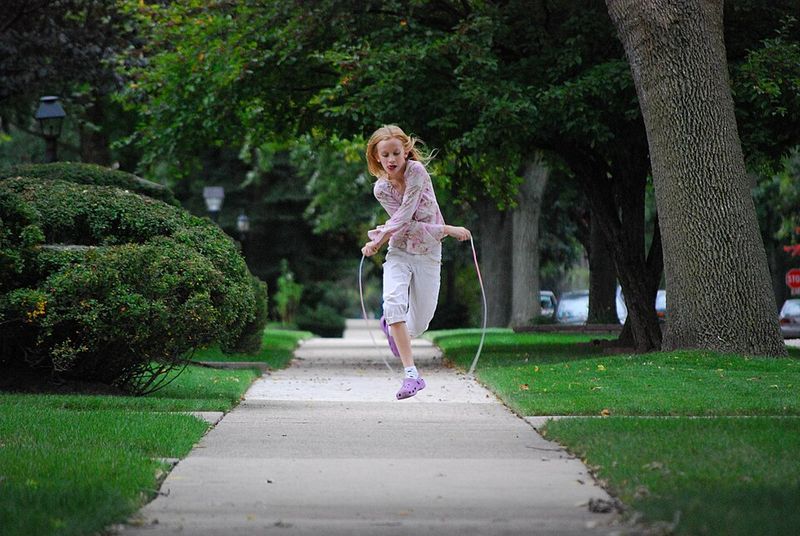
Jump rope was its equally iconic partner in crime. Double Dutch took coordination to a whole new level, and mastering it felt like earning a championship belt.
Moms would turn the rope for hours without complaint, which is honestly a love language of its own.
Both games are ancient. Jacks evolved from a game called Knucklebones played in ancient Greece using actual sheep bones.
Jump rope became popular in American cities during the early 1900s. Kids developed balance, timing, and hand-eye coordination without a single screen involved.
Moms understood that physical play was just as important as creative play. They were right, as always.
Homemade Playdough
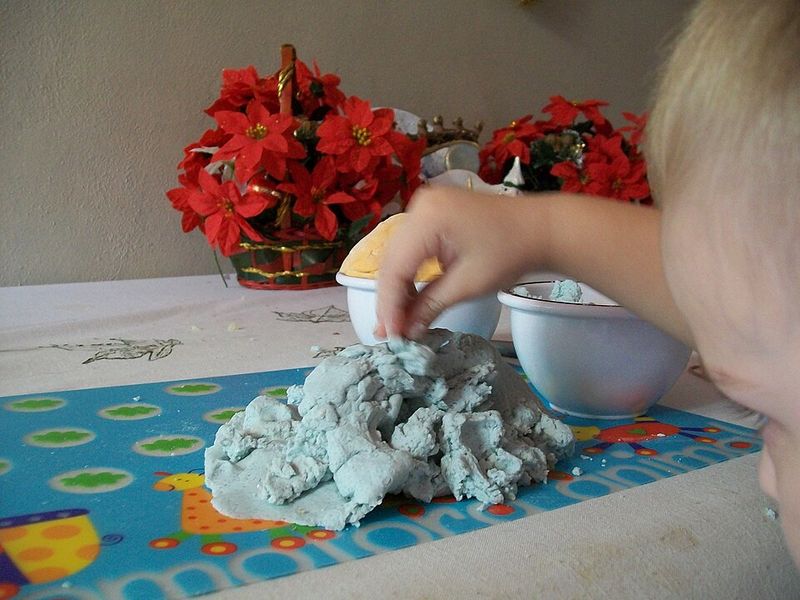
Homemade playdough was mom’s greatest kitchen hack disguised as a craft. Two cups of flour, some salt, cream of tartar, water, and food coloring, and suddenly the kitchen smelled amazing and everyone was occupied for hours.
Store-bought playdough never quite matched it.
Kids could roll it, flatten it, cut it with cookie cutters, or sculpt it into wildly unrecognizable animals that moms always praised enthusiastically. That kind of unconditional artistic support is hard to put a price on.
The dough also kept in a zip-lock bag for weeks, which made it an excellent rainy day reserve.
Sensory play with playdough helps children develop fine motor muscles used later for writing and drawing. Moms were basically running occupational therapy sessions in their kitchens.
The recipe has been passed around since the 1950s, when a school teacher first created it as a wallpaper cleaner. Yes, wallpaper cleaner.
Kids turned it into one of the most beloved crafts in history.
Button and Fabric Crafts
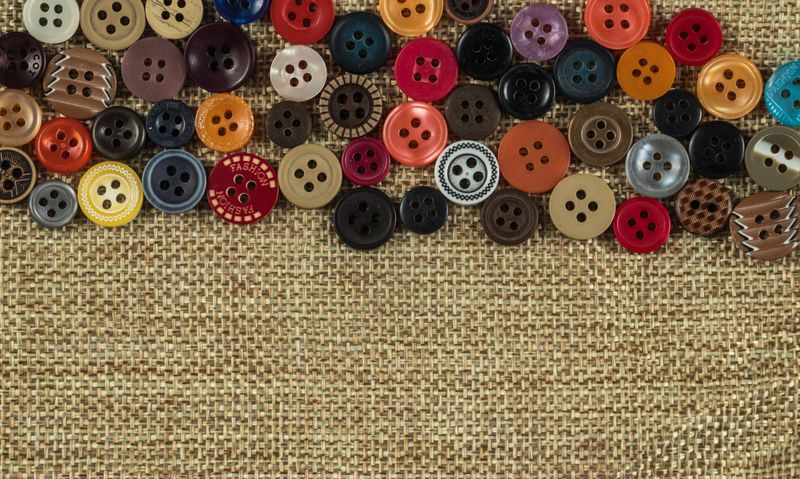
Every mom had a tin of buttons, and opening it felt like finding buried treasure. Buttons of every size, color, and shape, collected over years from old coats, broken shirts, and mystery sources nobody could explain.
That tin was the starting point for an entire afternoon of creativity.
Kids would sort buttons by color, glue them onto cardboard to make faces, or sew them onto fabric scraps to create small pouches and decorations. No two projects looked the same, which made every finished piece genuinely unique.
Moms called it crafting. We called it the best day ever.
Fabric crafts taught kids basic sewing skills, patience, and color coordination without any formal instruction. Threading a needle for the first time was a rite of passage that felt oddly grown-up.
Button art has been a popular children’s activity since at least the early 20th century. Moms kept those tins full for a reason.
They were basically curating art supply kits on a zero-dollar budget.
Pressing Flowers
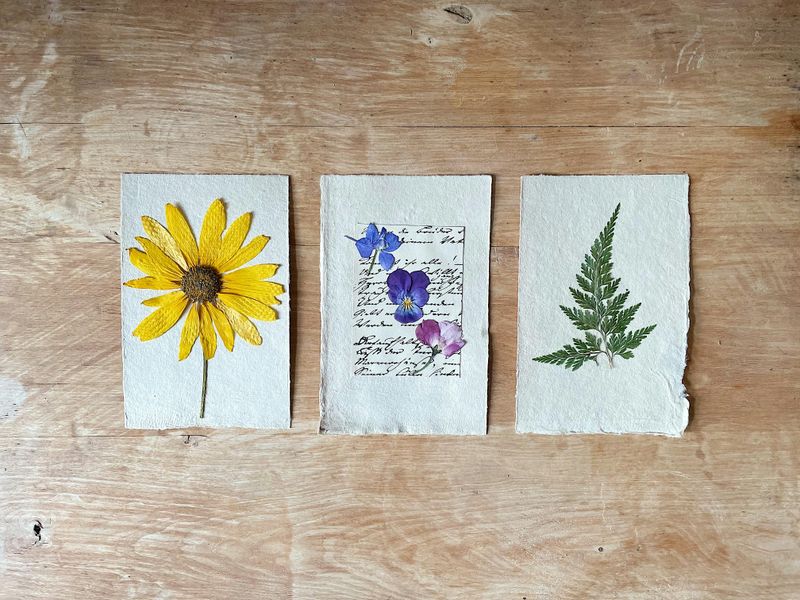
Pressing flowers was the quietest, most meditative thing moms ever taught us, and somehow it was completely captivating. You picked flowers from the garden, placed them between sheets of wax paper, stacked heavy books on top, and then waited.
The waiting was the hardest part.
Two weeks later, you had flat, perfectly preserved flowers that looked like something from a museum. Kids used them to decorate bookmarks, greeting cards, picture frames, and journals.
The results were always surprisingly beautiful, even when made by impatient eight-year-olds.
Botanical pressing dates back to the 16th century, when scientists used it to preserve plant specimens for study. Moms turned a scientific technique into a charming craft without making it feel educational at all.
That is a serious skill. Pressed flower art is still popular today, and handmade pressed flower cards sell for real money on craft sites.
Mom was ahead of the trend by about thirty years.
Trading Cards Collection
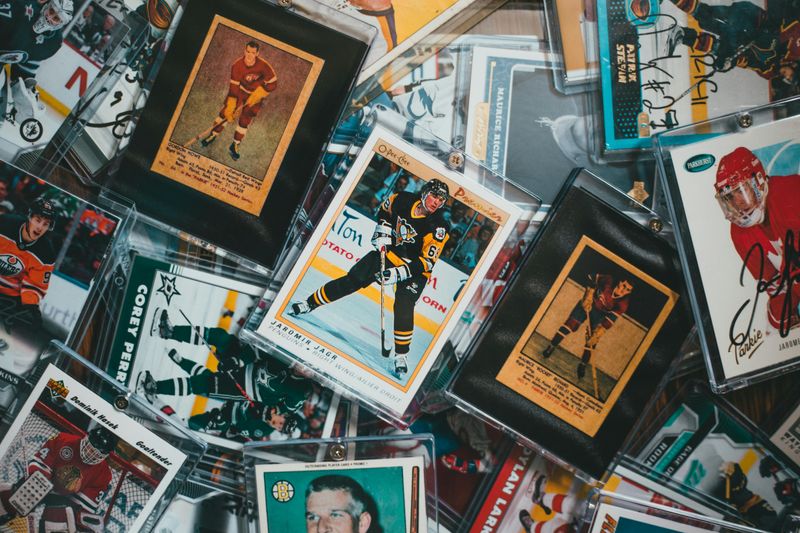
Trading cards turned ordinary kids into serious negotiators faster than any business class could. Baseball cards, football cards, and later Pokemon cards created an entire economy on playgrounds and kitchen tables across the country.
Moms fueled the obsession by occasionally buying a new pack as a reward.
The real thrill was the unboxing. Peeling back that wrapper to see what you got felt like a mini lottery.
Landing a rare card made your whole week. Trading with friends required strategy, memory, and the ability to keep a poker face, which is honestly a life skill.
The first sports trading cards appeared in the 1860s, tucked inside cigarette packs as collectibles for adults. By the mid-20th century, they had become a full-blown childhood obsession.
A rare 1952 Mickey Mantle card sold at auction for over 12 million dollars in 2022. Moms who kept those shoeboxes of cards in the attic may have been sitting on gold without knowing it.
Crafting Sock Puppets
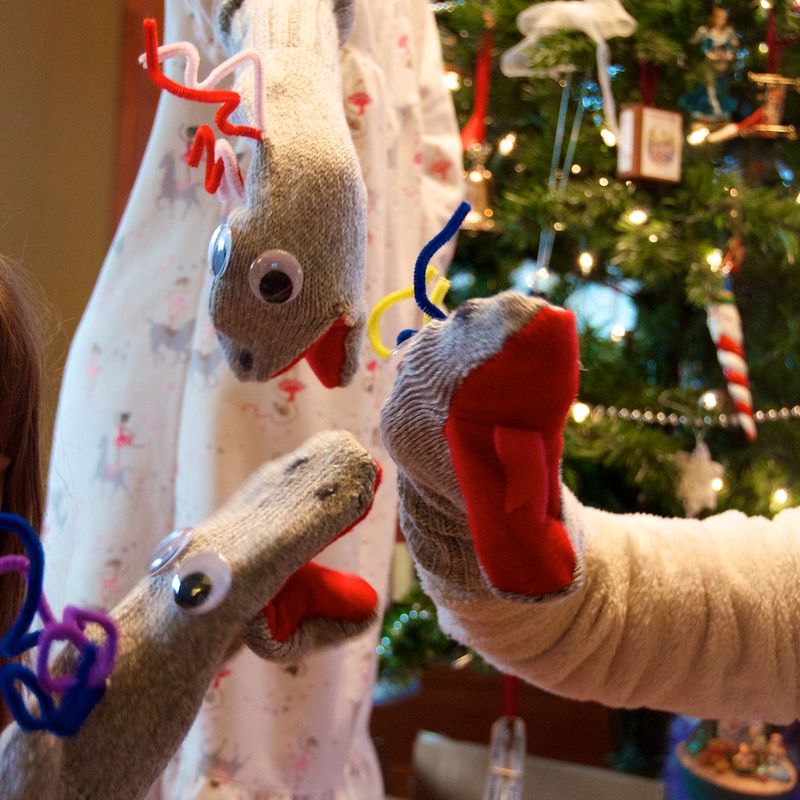
Every lost sock in the laundry pile was not a tragedy. It was raw material for a sock puppet, and moms understood this deeply.
One old sock plus googly eyes, some yarn, and a little fabric glue, and you had a character with more personality than most TV sidekicks.
Kids named their puppets, gave them voices, and wrote entire shows to perform for the family. The living room couch became a stage.
Throw pillows became the audience. Moms sat in the front row and clapped every single time, no matter how chaotic the plot got.
Puppetry is one of the oldest forms of storytelling in human history, with roots going back over 4,000 years. Ancient Egyptian and Greek cultures used puppets in performances and rituals.
Moms accidentally connected us to that tradition with nothing but a mismatched sock and a hot glue gun. Sock puppets also build storytelling skills and confidence in young children.
Mom the puppeteer strikes again.
Building Sheets Forts
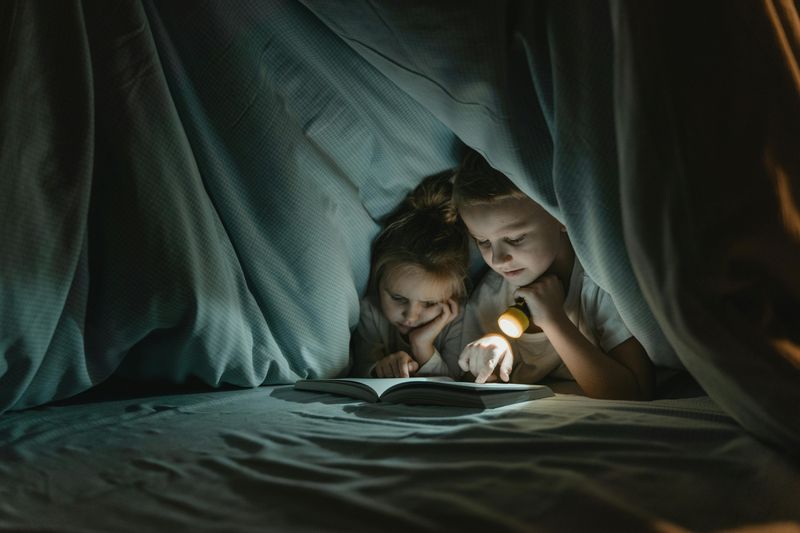
A fort made of sheets and chair backs was the greatest architectural achievement of childhood. Every kid who built one felt like a certified engineer and interior designer rolled into one.
Mom supplied the sheets without complaint, which is a level of generosity that deserves recognition.
The inside of the fort was sacred space. It had its own rules, its own vibe, and its own lighting situation courtesy of a flashlight.
Reading books in there felt different, eating snacks in there felt different, everything felt different. That is the power of a good fort.
Building forts encourages spatial reasoning, collaboration, and creative problem-solving in children. Engineers and architects often cite childhood building play as an early influence on their career interests.
Moms were basically running an informal STEM program with bedsheets and sofa cushions. The structural engineering challenges were real: keeping the roof from collapsing required genuine ingenuity.
Some of our best memories happened under those slightly saggy ceilings.
Creating Macaroni Art
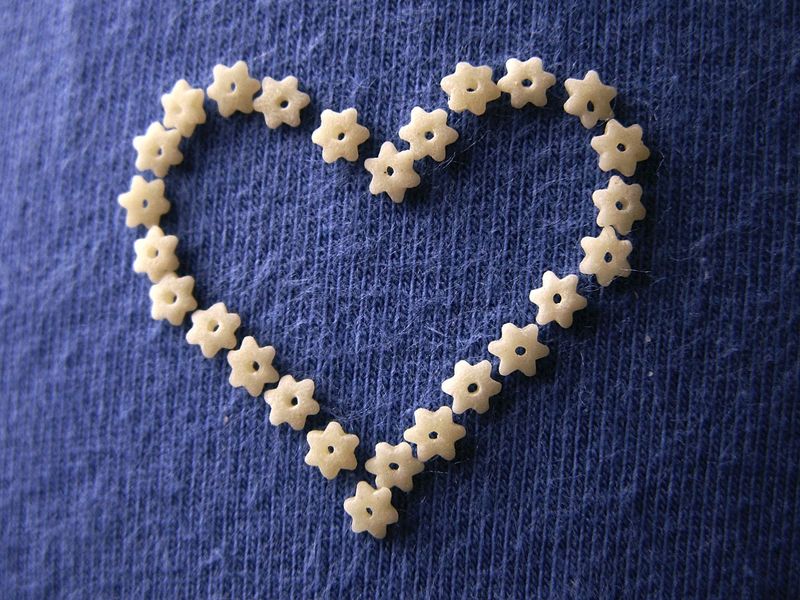
Macaroni art is the craft that launched a thousand refrigerator galleries. Moms handed over a bag of dried pasta, some glue, and a piece of cardboard, and kids went absolutely wild with the possibilities.
Pasta became picture frames, necklaces, mosaics, and abstract sculptures nobody could quite explain.
Spray-painted gold, the macaroni frame looked genuinely fancy. Strung on yarn, the pasta necklace was a fashion statement.
Glued into a portrait of the family, it was practically fine art. Moms displayed every single piece like it belonged in a museum, and that mattered more than any critique.
Using household materials for art teaches children that creativity does not require expensive supplies. This resourcefulness is a valuable mindset that carries into adulthood.
Many professional artists cite early experiences with unconventional materials as foundational to their creative thinking. Moms were teaching that lesson long before art educators put a name to it.
Pasta: the original mixed media.
Tin Can Telephone
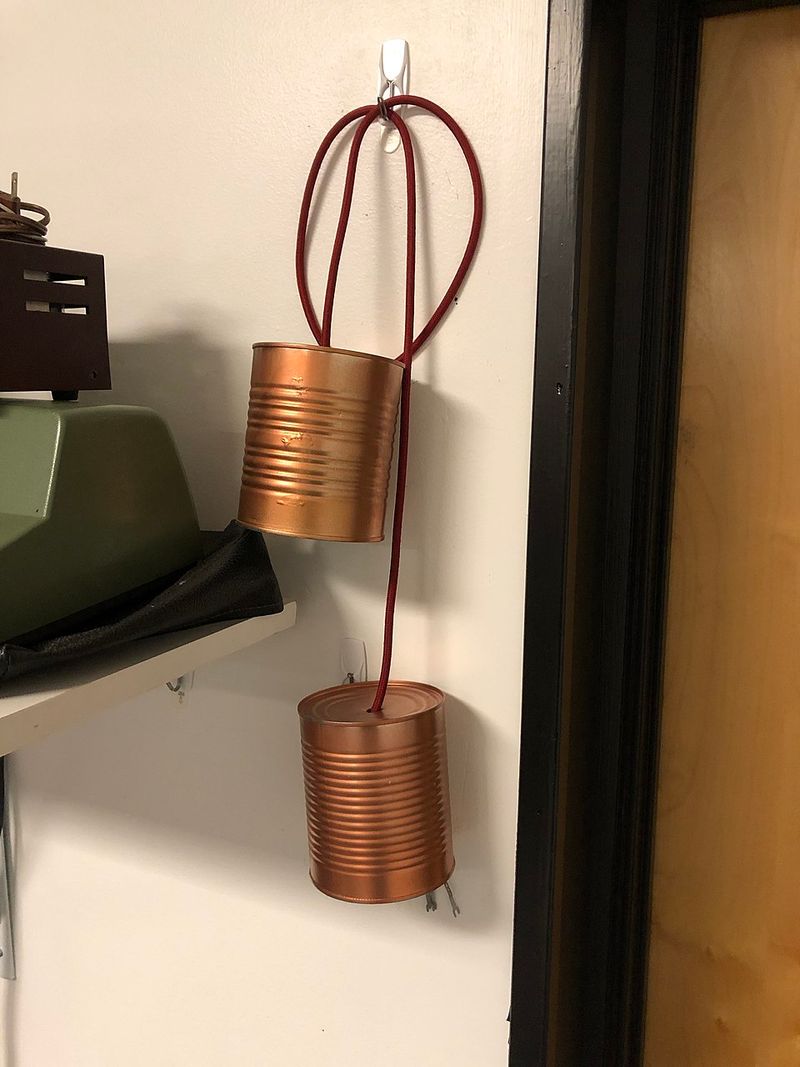
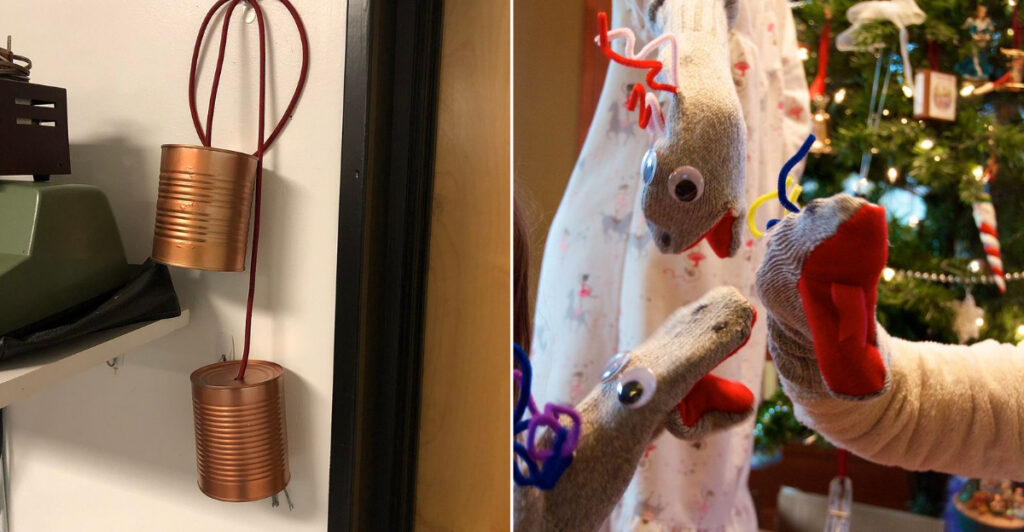
Two tin cans and a piece of string somehow turned into the coolest communication device of childhood. The tin can telephone worked through vibration physics, which is a fact moms did not necessarily explain but quietly understood.
You whispered into one can and the sound traveled through the string to the other end.
Getting the string perfectly taut was the key to success, and figuring that out felt like solving a real scientific puzzle. Kids ran string through walls, across yards, and between bedroom windows.
The longer the string, the more impressive the setup felt.
The physics behind tin can telephones is the same principle used in early acoustic telephone experiments in the 17th century. Robert Hooke, an English scientist, demonstrated the concept in 1667.
Moms were basically handing us a piece of scientific history wrapped in a soup can. It also quietly taught kids about sound waves, tension, and cause and effect.
Science was never this fun in a classroom.
Nature Collections
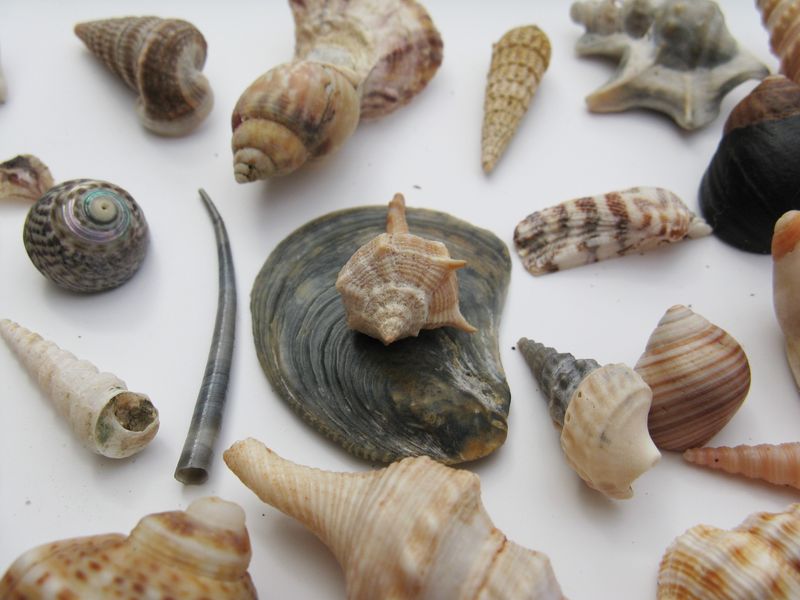
Rocks, pinecones, acorns, feathers, and interesting sticks. Moms somehow convinced us that collecting these things was thrilling, and they were absolutely right.
A nature collection was a personal museum curated entirely by a kid who had very specific opinions about which rocks were cool enough to make the cut.
Collections got labeled, sorted, and displayed on windowsills and shelves with genuine pride. Finding a particularly smooth stone or an unusually shaped leaf felt like striking gold.
Moms encouraged every addition without once suggesting there were too many rocks on the dresser.
Naturalist collections have driven some of the greatest scientific discoveries in history. Charles Darwin famously collected beetles, rocks, and specimens throughout his childhood, a habit that shaped his entire scientific career.
Moms who encouraged nature collecting may have been raising the next generation of scientists without realizing it. Observation, categorization, and curiosity are core scientific skills.
Turns out, a shoebox full of pinecones was basically a starter lab kit.
Share this story