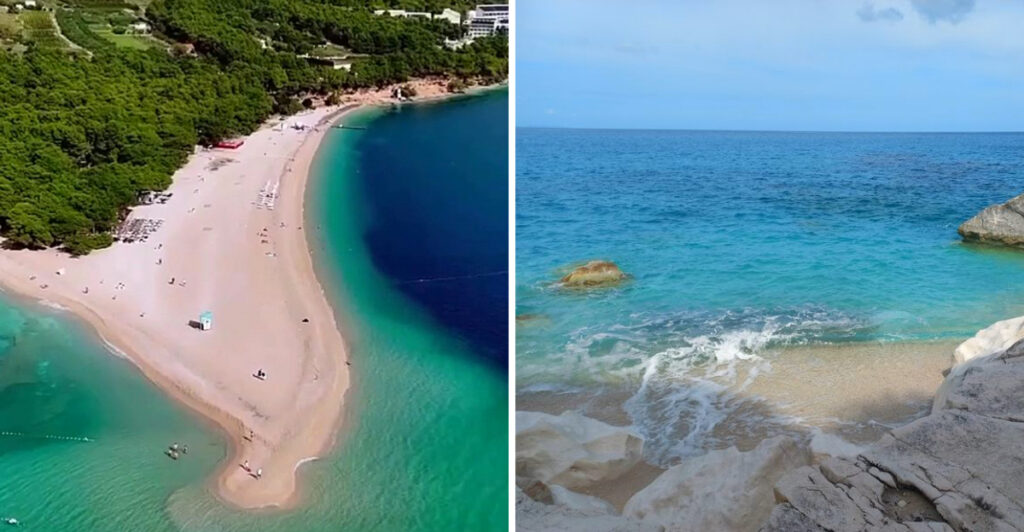
Europe is home to some of the most breathtaking beaches on the planet, and picking just a few to visit can feel overwhelming. From Iceland’s icy black shores to Greece’s sun-soaked coves, the variety is truly stunning.
Whether you love dramatic cliffs, crystal-clear water, or soft white sand, there is something here for every kind of traveler. Pack your sunscreen and your sense of adventure — these 15 beaches are absolutely worth the trip.
Cala Goloritzé, Italy
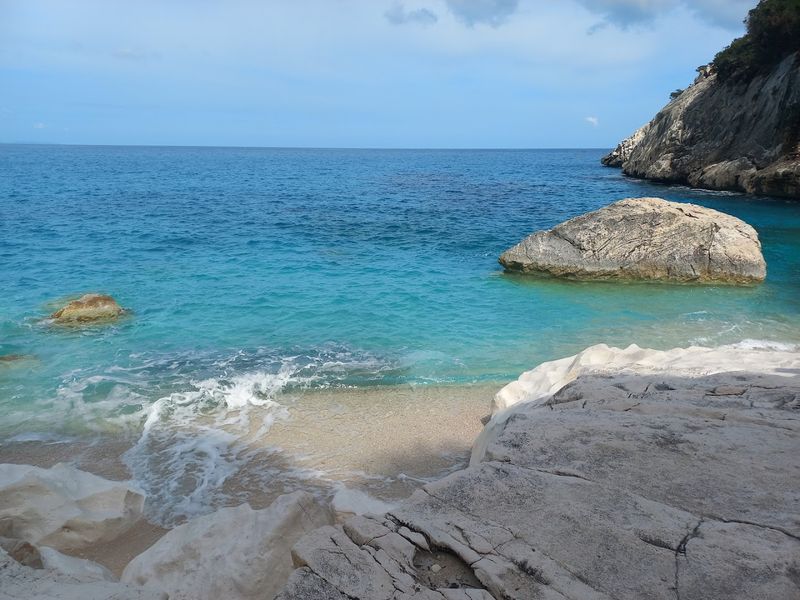
Getting to Cala Goloritzé requires a hike, a boat ride, or both — and honestly, that is exactly what makes arriving there feel like winning a prize. Tucked into the rugged eastern coast of Sardinia, this beach is a UNESCO World Heritage Site, recognized not just for its beauty but for its geological significance.
The towering limestone arch that juts out of the water is practically begging to be photographed.
The water here is so clear you can see the sandy bottom from a remarkable depth. Snorkelers and swimmers absolutely love it.
The pebble shore is a little less lounging-friendly than soft sand, so bring a good mat and comfortable shoes for the trail.
Because reaching it takes real effort, the beach never feels overcrowded, which is a rare luxury in Europe during summer. Boat tours from Baunei are a popular option for those who prefer skipping the hike.
Either way, Cala Goloritzé rewards every visitor with scenery that feels almost too beautiful to be real. Go early in the morning for the best light and the calmest water.
Navagio Beach (Shipwreck Beach), Greece
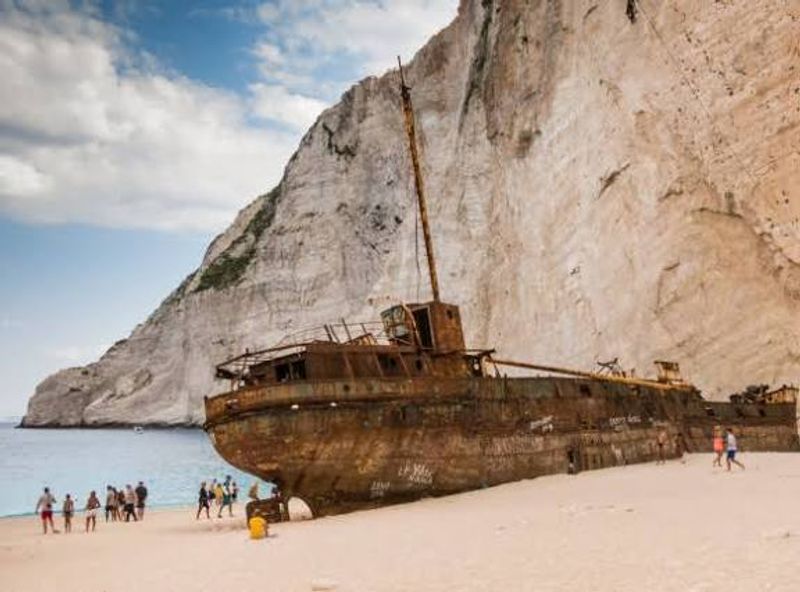
There is a rusted shipwreck sitting right on the sand here, and somehow that only makes it more stunning. Navagio Beach on the island of Zakynthos is completely enclosed by dramatic white cliffs, making it accessible only by boat — no sneaking in through a back road.
The MV Panagiotis ran aground in 1980, and it has been slowly becoming one of the world’s most iconic beach landmarks ever since.
The contrast between the ship’s weathered orange hull, the powder-white sand, and the electric blue water is genuinely jaw-dropping. Boat tours from Porto Vromi and Zakynthos Town run regularly during the summer season.
Most trips allow about 30 to 45 minutes on the beach, which is enough time for photos and a quick swim.
Visiting early in the day is strongly recommended, as the beach gets extremely busy by midday. The cliffs above the beach also offer a breathtaking viewpoint if you prefer to admire from above rather than below.
Either perspective is unforgettable. Navagio is one of those places that looks even better in person than in photos, which is genuinely saying something.
Playa de Rodas, Spain
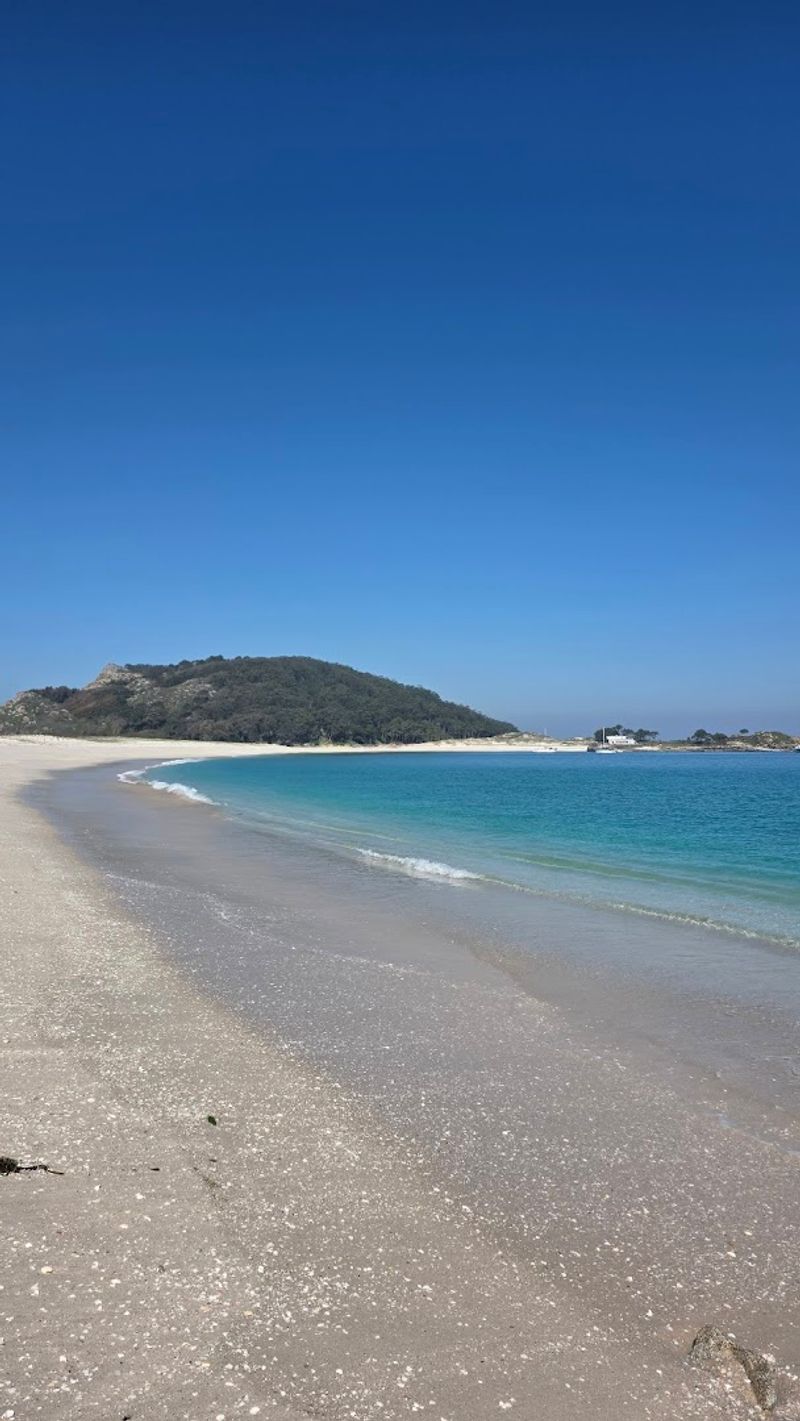
Voted the best beach in the world by The Guardian back in 2007, Playa de Rodas has had a legendary reputation ever since. Located in the Cíes Islands off the coast of Galicia, this beach sits inside a protected national park, which means visitor numbers are capped and the environment stays remarkably pristine.
Getting here requires a ferry from Vigo, and permits are needed during peak season — plan well in advance.
The sand is fine and brilliantly white, and the water between the two main islands forms a calm, sheltered lagoon ideal for swimming. It genuinely feels like a tropical island, which makes it all the more surprising that it sits in northwestern Spain, not the Caribbean.
The surrounding nature reserve is full of walking trails and birdwatching opportunities.
Camping is available on the island for those who want to extend the experience beyond a day trip. Facilities are modest but adequate, keeping the atmosphere simple and natural.
Sunrise and sunset here are particularly spectacular, with golden light washing over the sand and water. If you only visit one beach in Spain, make it this one.
Praia da Marinha, Portugal
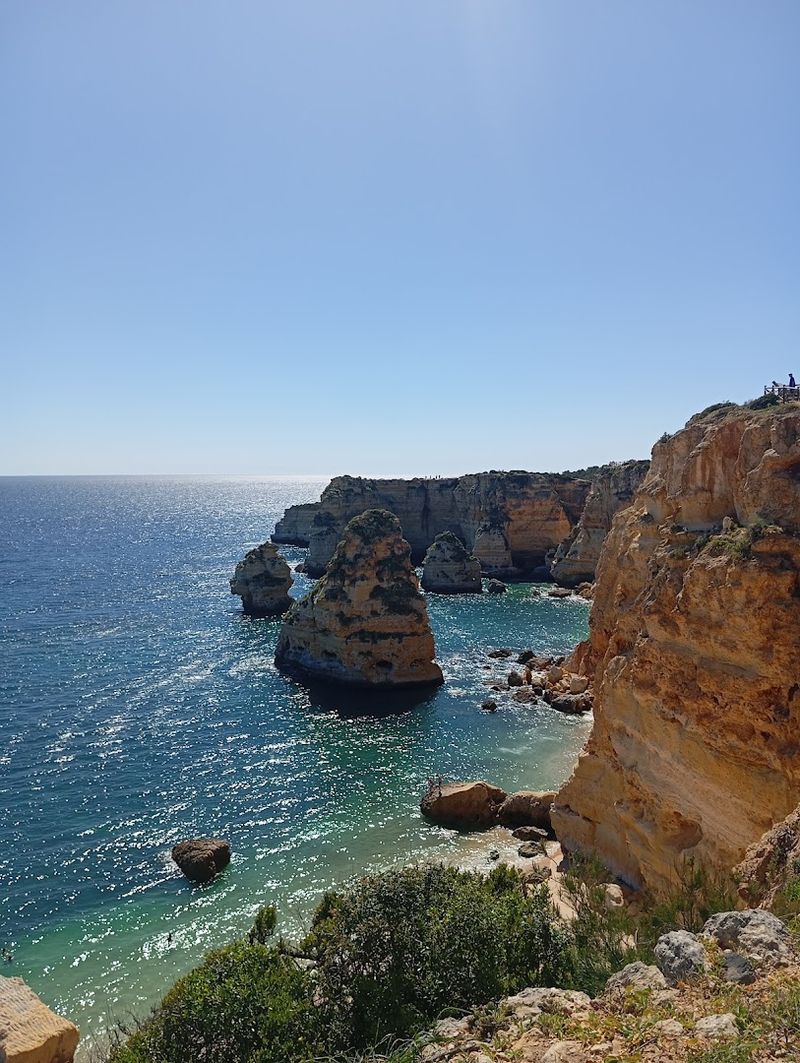
Framed by golden-orange cliffs that glow like embers at sunset, Praia da Marinha is arguably the most photogenic stretch of coastline in Portugal. Situated along the Algarve, this beach is famous for its sea caves, rock arches, and natural pools that fill with calm water at low tide.
Snorkelers and underwater photographers particularly love it here.
The beach itself is relatively small, which gives it an intimate, tucked-away feel even when visitors are present. Reaching the sand requires a short but steep descent via wooden steps cut into the cliff — nothing too challenging, but worth knowing before you arrive in flip-flops.
The rewards at the bottom more than justify the effort.
Swimming conditions are generally good during summer, though the Atlantic can bring strong currents at times, so always check local conditions before heading in. The coastal walking trail above the cliffs offers stunning panoramic views and connects several nearby beaches.
Arriving early in the morning means fewer crowds and better lighting for photography. Praia da Marinha consistently appears on best-beaches-in-Europe lists, and after one visit, it is very easy to understand why it keeps earning that recognition.
Elafonissi Beach, Greece
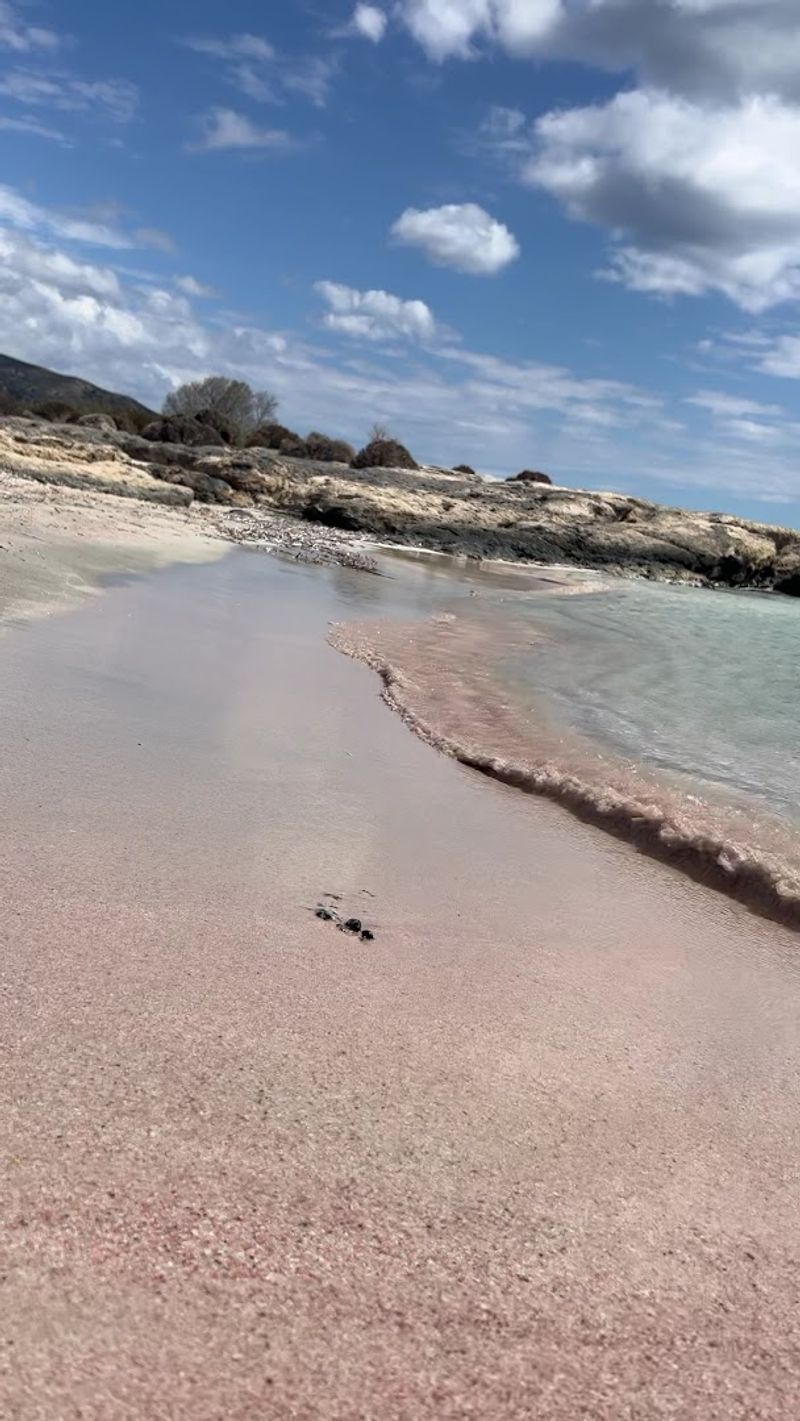
Pink sand sounds like something from a fantasy novel, but Elafonissi Beach in southwestern Crete makes it completely real. The rosy tint comes from crushed shells and coral mixed into the white sand, and it becomes most visible when the sand is wet.
Combined with the shallow, warm turquoise lagoon, the whole beach has a soft, almost dreamlike quality that photographs beautifully.
Families with young children flock here because the water is so shallow and calm near the shore. Kids can wade far out without the depth increasing dramatically, making it one of the safest swimming beaches in Greece.
The lagoon is separated from the open sea by a sandbar you can actually walk across during low tide.
Elafonissi is located about 75 kilometers from Chania, and the drive along the winding coastal road is scenic in its own right. The beach can get very busy in July and August, so arriving before 10 AM is the best strategy for finding a good spot.
There are sunbeds and a small snack bar on site. Despite the summer crowds, the natural setting here is so striking that even a brief visit leaves a lasting impression.
La Pelosa Beach, Italy
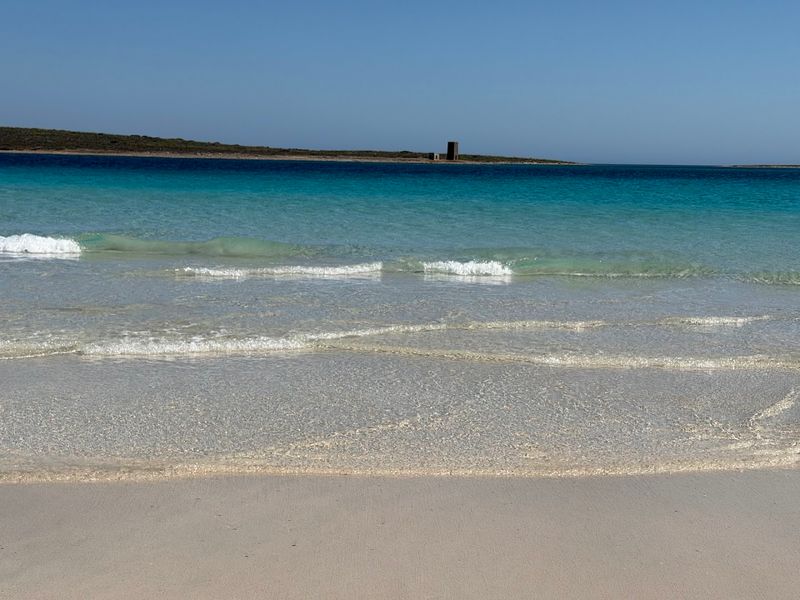
Shallow enough to wade across and clear enough to count the grains of sand beneath your feet, La Pelosa Beach in northwestern Sardinia is the kind of place that makes people question why they ever booked a flight to the Maldives. The water here shifts through every shade of blue and green imaginable, and the fine white sand stays cool underfoot even on the hottest days.
It is genuinely stunning.
The medieval watchtower visible just offshore — Torre della Pelosa — adds a historical touch to the already picturesque setting. Built in the 16th century to guard against coastal raids, it now serves mostly as a backdrop for holiday photos.
Boat rentals are available nearby if you want to paddle out and explore.
To protect the fragile ecosystem, Sardinia introduced daily visitor limits and a fee system at La Pelosa in recent years. Reservations are required during peak season, so book ahead.
Visitors are also asked not to remove sand or disturb the seabed. These measures have helped keep the beach in excellent condition.
Arriving at opening time gives you the best light and the calmest water before the afternoon breeze picks up.
Keem Beach, Ireland
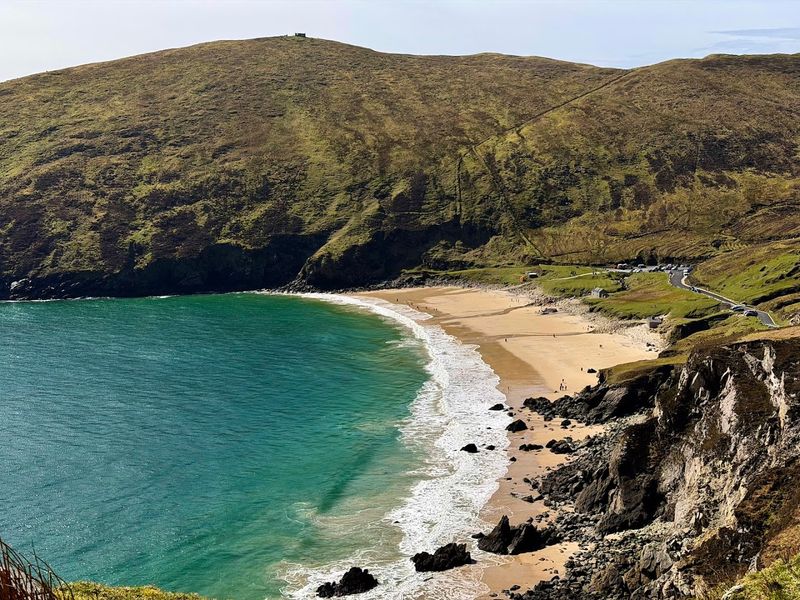
Tucked inside a horseshoe of dramatic green cliffs on Achill Island, Keem Beach looks like something straight out of a fairy tale — a wild, windswept Irish one. The drive to reach it along the Atlantic Drive is jaw-dropping all on its own, winding along cliff edges with the ocean crashing far below.
By the time you arrive at the beach, you already feel like you have earned it.
The water is a surprisingly vivid shade of blue for somewhere so far north, and on calm days it is genuinely clear enough for swimming. Basking sharks were historically spotted in the bay during summer, though sightings are much rarer today.
The beach earned Blue Flag status, meaning the water quality consistently meets high standards.
Keem is a working beach — you may spot lobster pots and small fishing boats nearby, which adds to its authentic, unhurried character. There is a small car park at the top of the hill, and a short walk leads down to the sand.
Facilities are minimal, which suits the wild, natural atmosphere perfectly. If you visit Ireland and skip Keem Beach, you have genuinely missed one of the country’s most spectacular natural sights.
Porto Katsiki, Greece
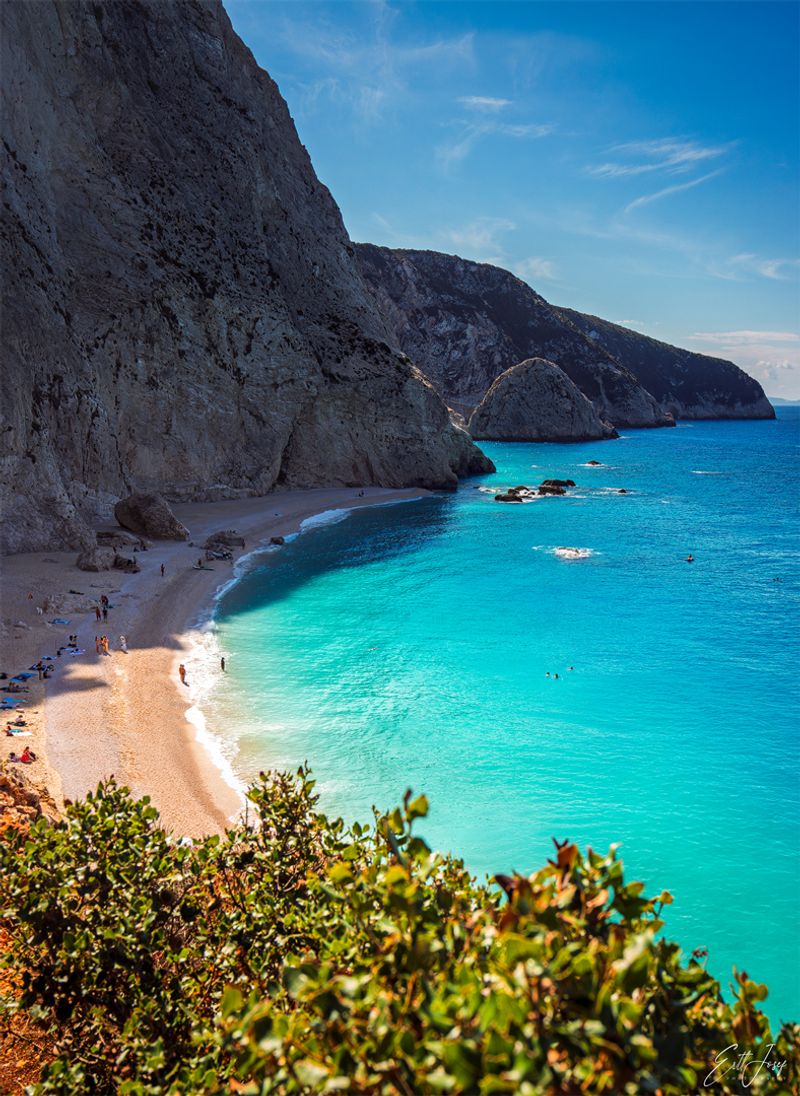
The name Porto Katsiki translates roughly to “goat port,” which is a clue about the kind of terrain you are dealing with before you even reach the water. Located on the southwestern tip of Lefkada, this beach sits at the base of near-vertical white chalk cliffs that plunge dramatically into the electric blue Ionian Sea.
A long wooden staircase winds down the cliff face, and the view from the top is worth the trip alone.
The water is a particularly vivid shade of blue-green, even by Greek standards, and the beach itself is a mix of pebbles and coarse sand. Sunbeds and umbrellas are available for rent, and a small canteen sells drinks and snacks.
Boat trips from Nydri and Vassiliki also stop here, making it accessible from the water as well.
Afternoons tend to get windy at Porto Katsiki, which creates choppy conditions for swimming but makes for spectacular scenery. Mornings are calmer and less crowded.
The cliffs provide natural shade in the late afternoon, which is a welcome relief during hot summer days. This beach consistently ranks among the most beautiful in Greece, and the setting truly lives up to that reputation every single time.
Zlatni Rat, Croatia
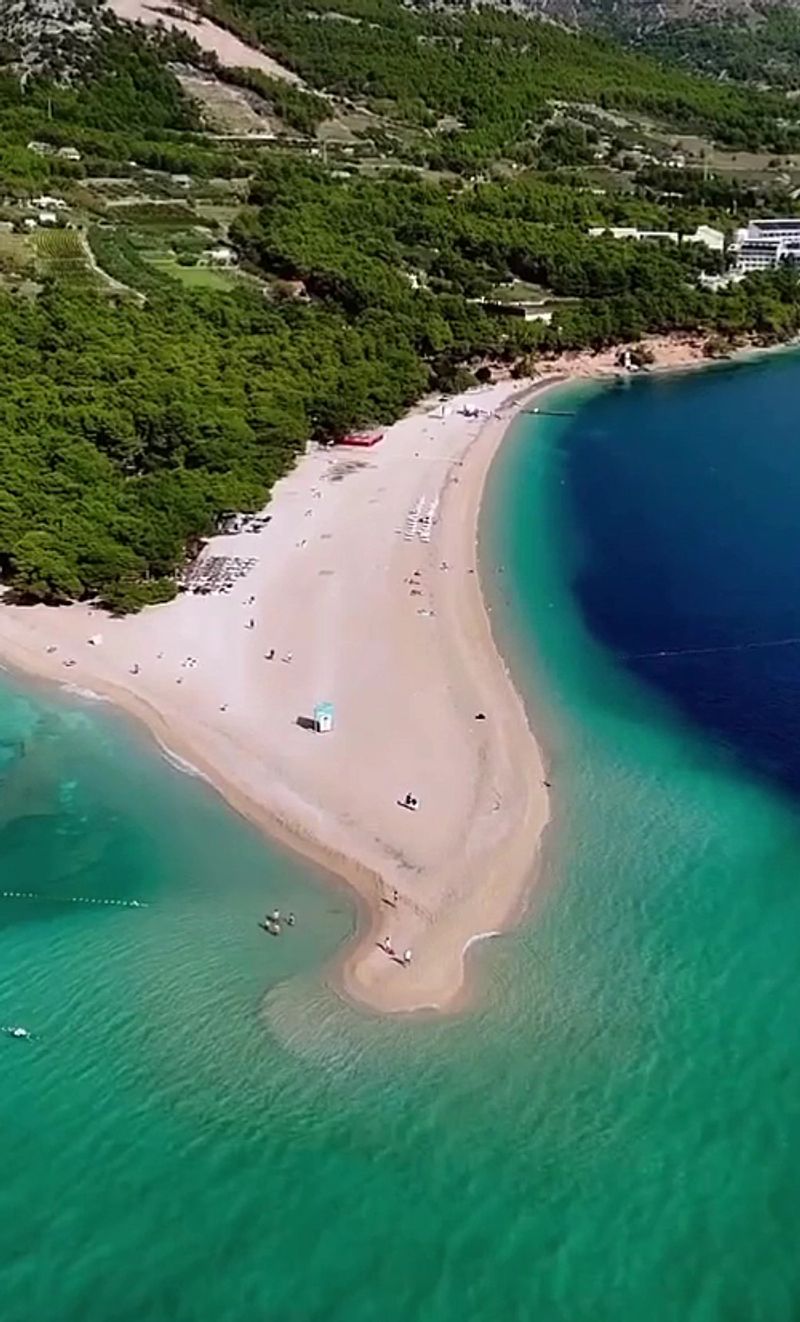
No other beach in Europe quite behaves like Zlatni Rat. This remarkable spit of white pebbles on the island of Brac literally shifts direction depending on wind and sea currents, making its tip point in different directions on different days.
Scientists and geographers find it fascinating. Beachgoers just find it beautiful.
Both reactions are completely valid.
The beach extends about 500 meters into the Adriatic Sea, flanked by pine trees that provide natural shade along the edges. The water on both sides is shallow and calm near the shore, making it excellent for swimming.
Zlatni Rat is also one of Croatia’s top windsurfing and kitesurfing destinations, with reliable afternoon winds that attract enthusiasts from across Europe.
The nearby town of Bol offers a good range of restaurants, cafes, and accommodation, making it easy to base yourself there for several days. Regular ferries connect Brac to Split on the mainland.
The beach gets very busy in July and August, but the mornings are noticeably quieter. Zlatni Rat is also beautiful in late spring and early autumn when the crowds thin out and the water is still warm enough for comfortable swimming.
It is one of Croatia’s most recognizable natural landmarks for very good reason.
Blue Lagoon, Malta
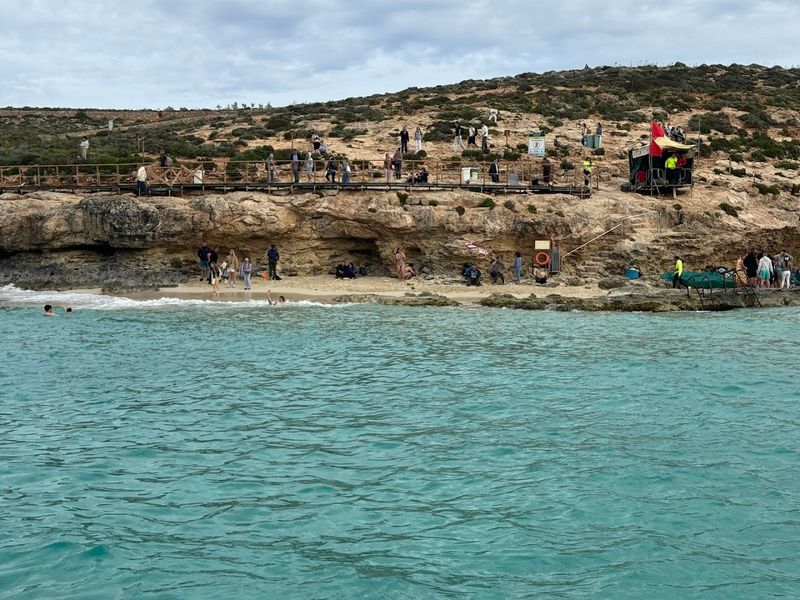
The water at the Blue Lagoon on Comino Island is so intensely turquoise it almost looks digitally enhanced — but it is completely real and every bit as vivid in person. This tiny uninhabited island between Malta and Gozo attracts enormous numbers of visitors each summer, and for good reason.
The combination of warm, shallow water and a sandy seabed creates perfect swimming and snorkeling conditions.
Comino has no permanent residents and almost no facilities beyond basic amenities, giving the lagoon a wild, natural feel despite the summer crowds. Ferries run regularly from both Malta and Gozo, making it an easy day trip.
Arriving on the first morning ferry is the best way to enjoy the lagoon before the midday rush of tour boats and day-trippers.
Snorkeling here reveals sea urchins, small fish, and colorful underwater rock formations just beneath the surface. The surrounding coastline is also worth exploring on foot, with dramatic cliffs and hidden coves nearby.
Water temperatures are comfortable from May through October. Visiting in shoulder season — May or September — gives you noticeably calmer conditions and shorter queues for the ferries.
The Blue Lagoon is genuinely one of the most striking natural swimming spots anywhere in the Mediterranean.
Diamond Beach, Iceland
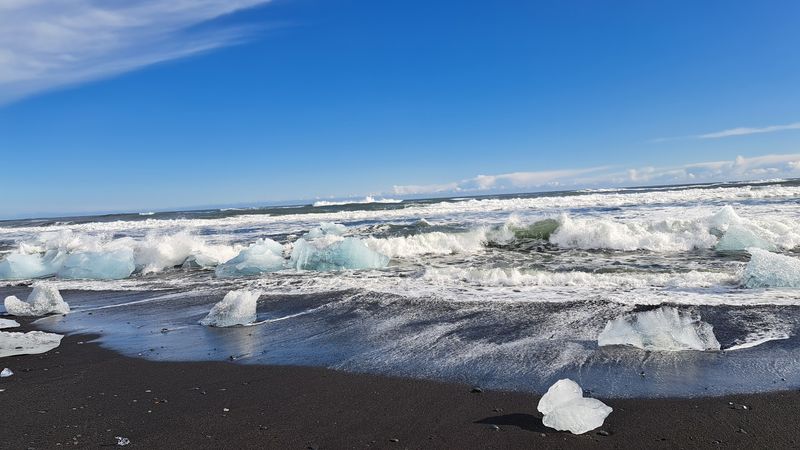
Chunks of ancient glacial ice, some as large as cars, wash up on a jet-black volcanic sand beach and catch the light like scattered diamonds — that is Diamond Beach in Iceland, and it looks like nothing else on Earth. Located near the Jokulsarlon glacier lagoon on Iceland’s south coast, this beach sits where the lagoon meets the Atlantic Ocean.
Icebergs that break off from the glacier drift into the lagoon and eventually wash ashore here.
The visual contrast is extraordinary: transparent blue-white ice against black sand, with waves crashing around each piece. Photographers travel from all over the world specifically to capture this scene, especially at sunrise or sunset when the light turns golden and reflects off the ice in spectacular ways.
The beach is accessible year-round, and each visit looks completely different depending on how much ice has washed up.
Wildlife is an added bonus — seals are frequently spotted lounging on the ice chunks in the lagoon nearby. Warm, waterproof clothing is essential even in summer, as temperatures and wind can shift quickly.
Walking on the ice is not permitted for safety reasons. Diamond Beach is one of the most genuinely unique coastal landscapes in all of Europe, and visiting it feels like stepping onto another planet entirely.
Santa Giulia Beach, France
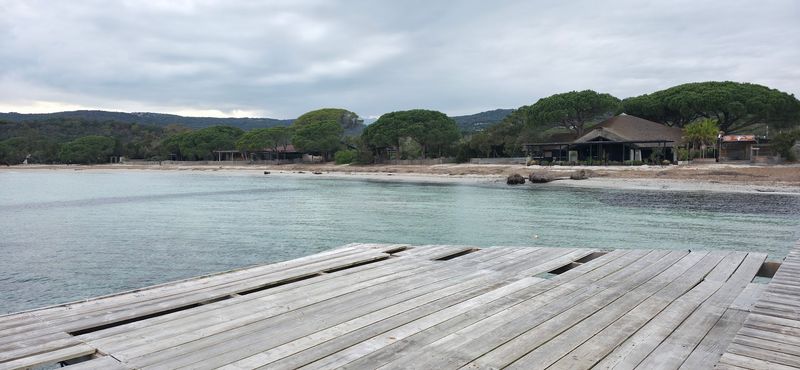
Sheltered by a crescent of pine-covered hills, Santa Giulia Beach in southern Corsica has the kind of calm, glassy water that makes you want to float on your back for hours and simply stare at the sky. The bay faces east, which means mornings here are particularly beautiful, with soft light filtering through the pines and warming the pale sand.
It is the sort of beach that earns the word “serene” without any exaggeration.
The water is shallow and warm throughout summer, making it popular with families and anyone who prefers swimming conditions that feel more like a pool than the open sea. Several water sports operators offer paddleboard and kayak rentals along the shore.
The beach is well-organized with sunbeds and umbrellas available, and a handful of restaurants and bars sit just behind the sand.
Santa Giulia is located about 15 kilometers south of Porto-Vecchio, which offers a wider range of dining and accommodation options. The drive between the two is scenic and easy.
Corsica as a whole tends to attract visitors who want natural beauty without the extreme crowds of other Mediterranean destinations. Santa Giulia represents the best of what the island has to offer — calm, beautiful, and genuinely relaxing in every possible way.
Haukland Beach, Norway
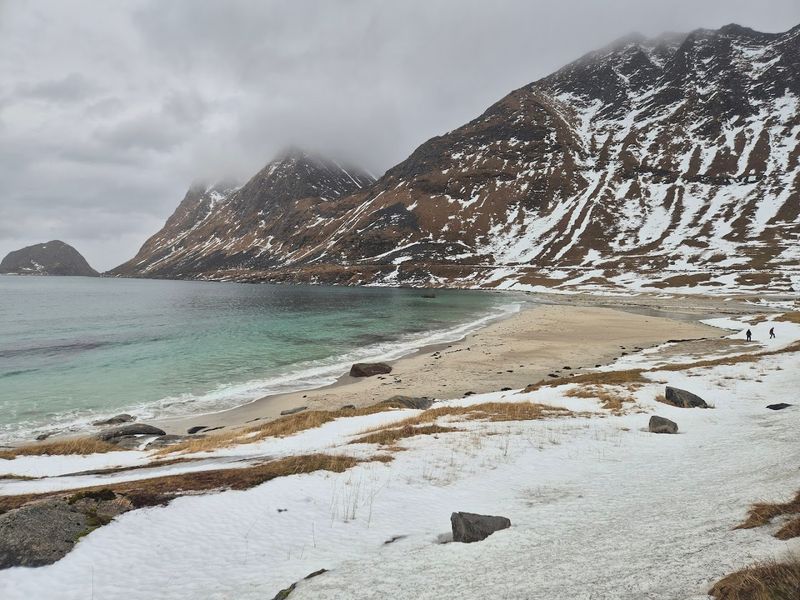
Snow-capped mountains rising directly from the shoreline, white sand that rivals any Mediterranean beach, and water that shimmers turquoise even under grey Arctic skies — Haukland Beach in Norway’s Lofoten Islands casually defies every expectation you might have about northern beaches. Most people do not associate Norway with beach holidays, and Haukland exists specifically to change that assumption.
Located on Vestvagoy island, the beach is accessible by road and has basic facilities including toilets and a small parking area. Swimming is possible in summer when water temperatures rise enough to be manageable, though most visitors come for the scenery rather than a dip.
The combination of mountains, sea, and sky here is genuinely unlike anything found further south in Europe.
Haukland is also a superb location for the Northern Lights between September and March, which means it transforms into an entirely different kind of spectacular destination depending on the season. Hiking trails nearby offer elevated views across the entire Lofoten archipelago.
The midnight sun in summer means you can explore the beach at any hour, with warm golden light lasting well past midnight. Haukland Beach is proof that some of Europe’s most extraordinary natural landscapes are hiding in places most tourists never think to look.
Calo des Moro, Spain
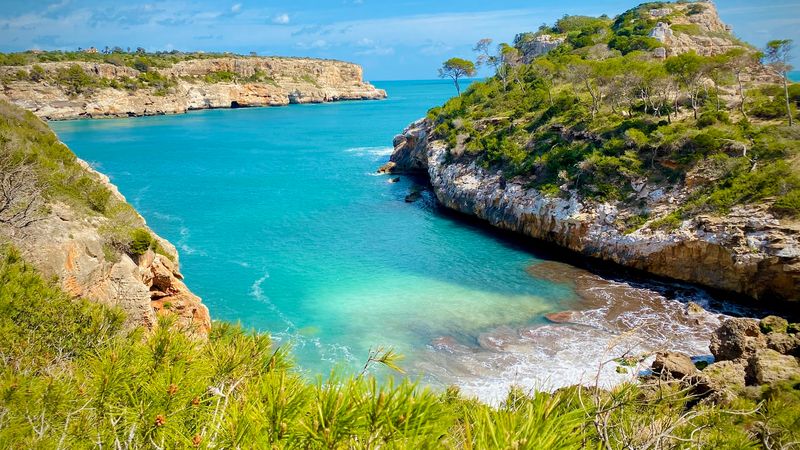
Finding Calo des Moro in Mallorca requires a bit of determination — the access path is narrow, signage is minimal, and you will likely park some distance away and walk through scrubland to reach it. That mild inconvenience is entirely deliberate, and the locals would prefer to keep it that way.
What waits at the end of the walk is a tiny, cliff-enclosed cove with water so clear and blue-green it genuinely stops you mid-step.
The beach itself is small and rocky rather than sandy, so bring water shoes and a decent mat. The swimming, however, is exceptional.
The water is calm within the cove, protected by the surrounding cliffs, and the color intensifies beautifully as the sun moves overhead. Snorkeling along the rocky edges reveals a surprisingly rich underwater world.
Calo des Moro sits near the southeastern tip of Mallorca, not far from Santanyi. The area has several other beautiful coves nearby, making it worth spending a full day exploring the coastline.
Visiting on a weekday in early June or late September is the smartest move — the cove has a strict unwritten capacity limit enforced by its sheer smallness. When it is quiet, it is absolutely magical.
When it is crowded, the magic shrinks considerably.
Pasjača Beach, Croatia
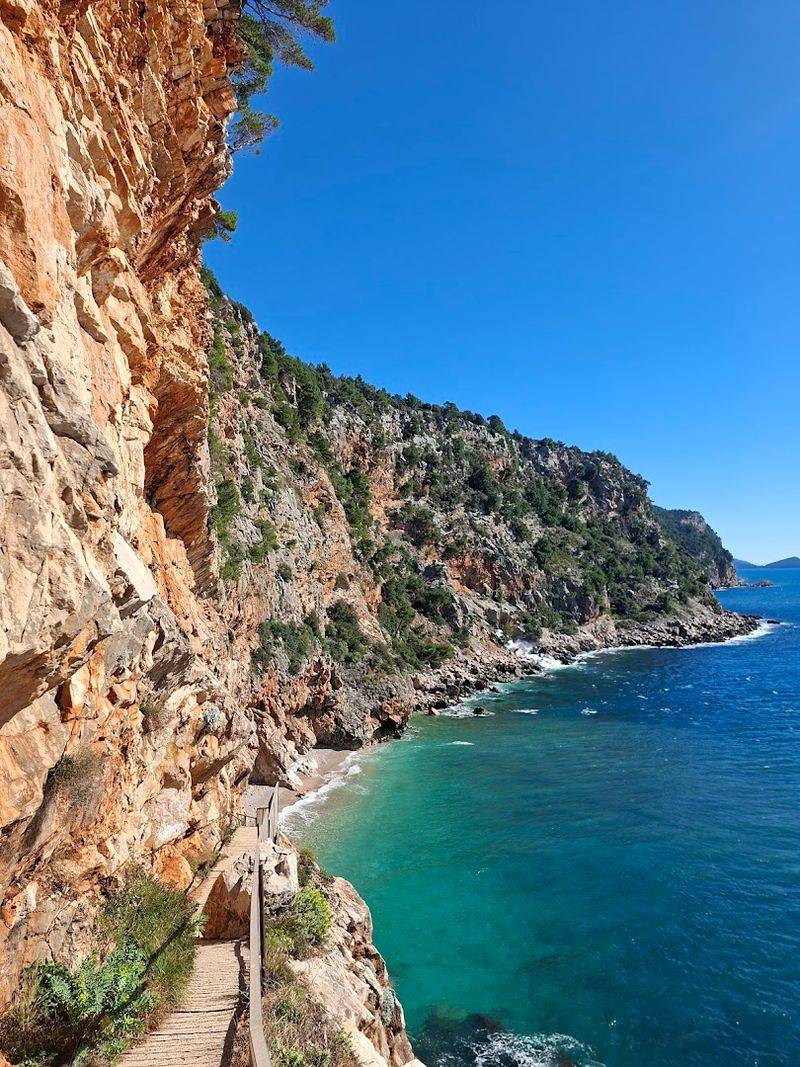
Reaching Pasjača Beach near Dubrovnik involves following a narrow, unmarked path along a cliff edge, descending a steep rocky trail, and arriving at a sliver of pebble beach hemmed in by walls of towering rock. It sounds dramatic because it absolutely is.
This beach was essentially a local secret for years before social media discovered it and sent it viral — though even now, its difficult access keeps visitor numbers well below typical Croatian beaches.
The setting is theatrical in the best possible way. Cliffs rise sharply on three sides, the Adriatic stretches out ahead in a deep, rich blue, and the sense of seclusion is almost total.
There are no facilities, no sunbed rentals, and no cafes — just rock, water, and sky. Bring everything you need before making the descent.
The pebbles are large and smooth, so flat shoes with grip are strongly recommended for the walk down. Swimming conditions are generally excellent, with clean, calm water in the sheltered area near the base of the cliffs.
Pasjača is best visited in the morning before the sun moves behind the cliffs and the light changes. For anyone willing to put in a little extra effort, this hidden gem near one of Croatia’s most visited cities offers a peaceful, unforgettable reward.
Share this story