Around the world, festivals bring cultures to life through vibrant colors, music, and shared traditions. From powder-filled streets to elaborate parades and glowing lantern displays, these celebrations offer some of the most visually spectacular experiences a traveler can witness.
Many of them mark seasonal changes, religious traditions, or historical events, blending meaning with celebration. What they all share is a sense of energy and unity—moments when entire cities transform into stages of color and creativity.
Here are 14 destinations known for hosting some of the most colorful festivals on Earth.
Rio Carnival – Brazil
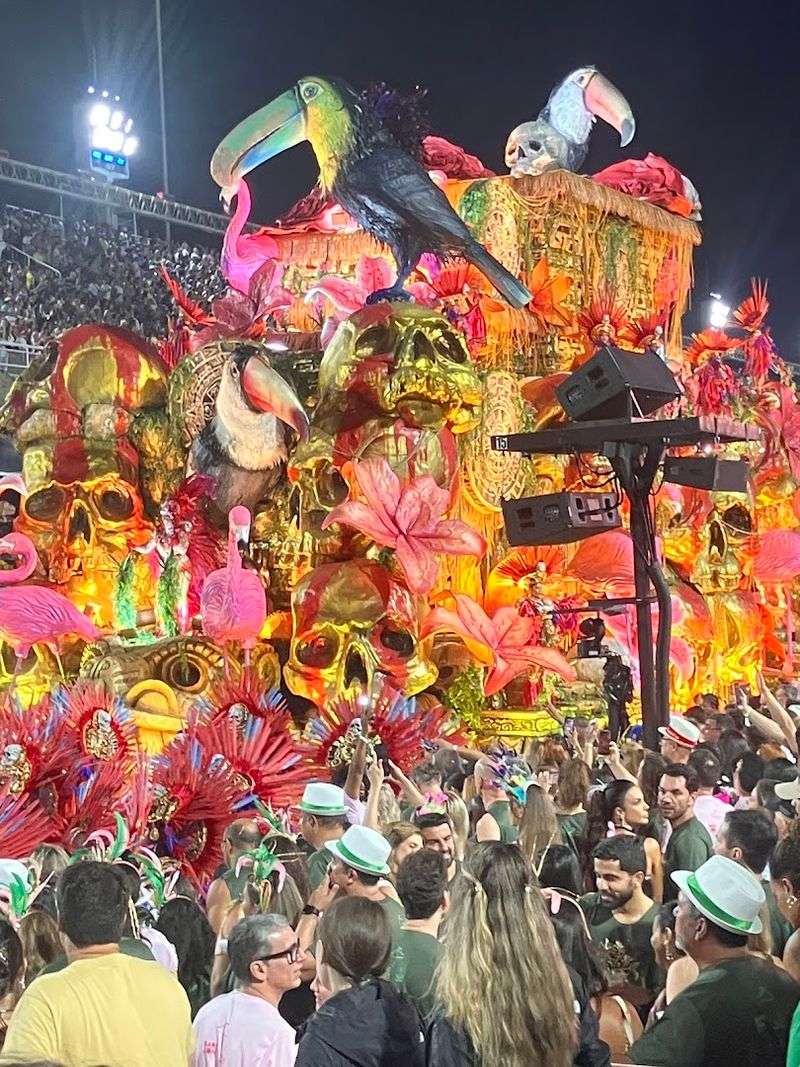
If festivals had a world championship, Rio Carnival would probably retire the trophy. Held every February before Lent, this Brazilian extravaganza draws over two million people into the streets of Rio de Janeiro each day.
That is not a typo—two million, daily.
The heart of the event is the Sambadrome, a purpose-built parade runway where samba schools compete in jaw-dropping performances. Each school spends an entire year and enormous amounts of money designing floats, costumes, and choreography.
The result is pure theatrical madness—feathers, sequins, drums, and dancing that goes on through the night.
Beyond the Sambadrome, Rio’s neighborhoods host blocos, which are street parties with live music and thousands of revelers. The energy is infectious and impossible to resist.
Travelers should book accommodations months in advance, as the city fills up fast. Comfortable shoes are a must because you will be dancing whether you planned to or not.
Rio Carnival is not just a festival—it is a full-body experience that leaves every visitor with stories they will be telling for years.
La Tomatina – Spain
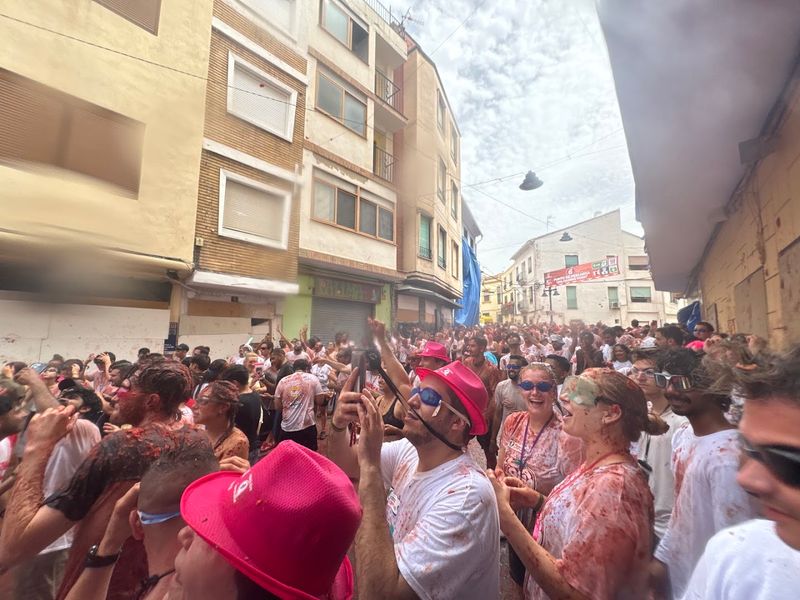
Whoever decided that the best use of 150,000 tomatoes was a massive street fight deserves some kind of award. La Tomatina, held every August in the small Spanish town of Buñol, is exactly what it sounds like—a one-hour tomato-throwing battle involving thousands of willing participants from around the world.
The quirky origin dates back to 1945, when a group of young people allegedly started throwing tomatoes from a market stall during a town parade. The tradition stuck, and today it attracts visitors from dozens of countries who come specifically to get absolutely drenched in tomato pulp.
The streets run red like a scene from a produce-themed action movie.
There are a few ground rules worth knowing. Tomatoes must be squished before throwing to avoid injury, no bottles or hard objects are allowed, and the fight ends precisely when a water cannon fires.
Buñol itself is a charming small town that transforms completely during festival week. Most travelers combine the trip with a visit to nearby Valencia.
Wear old clothes, leave your phone somewhere dry, and prepare to smell faintly of marinara for the rest of the day.
Songkran – Thailand
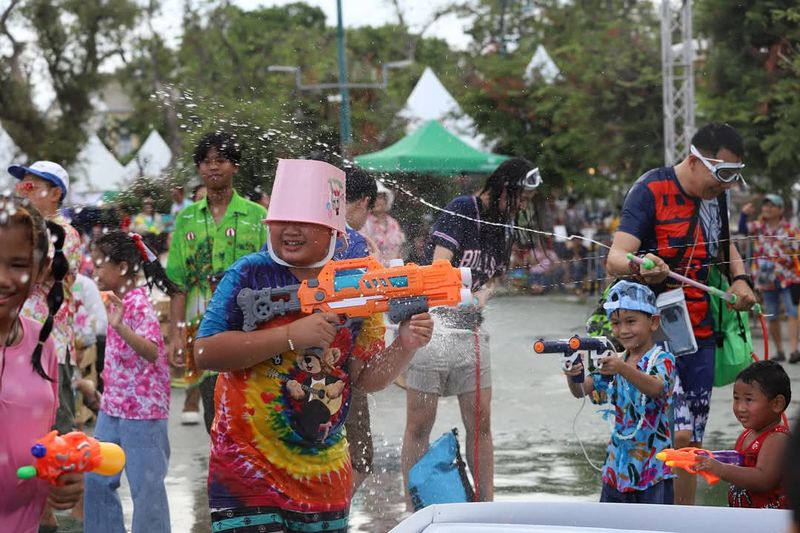
Forget carrying an umbrella—during Songkran, even that will not save you. Thailand’s New Year celebration, held every April, is the world’s biggest water fight, and the entire country participates with unbridled enthusiasm.
Streets in Bangkok, Chiang Mai, and Phuket turn into giant splash zones where no one stays dry for more than thirty seconds.
The water symbolizes washing away bad luck and starting fresh, which is a genuinely lovely concept wrapped inside what is essentially a national soaking. Traditional ceremonies still take place alongside the splashing, including the respectful pouring of scented water over elders’ hands as a blessing.
The mix of playful chaos and meaningful ritual is what makes Songkran so special.
Chiang Mai is widely considered the best city to experience the festival at its most festive. The moat surrounding the old city becomes the epicenter of the action, with music, food stalls, and water cannons everywhere.
Protect electronics in waterproof bags and wear quick-dry clothing. The festival runs for three days officially, though celebrations often stretch longer.
Songkran is joyful, communal, and refreshingly literal—you will leave cleaner and happier than when you arrived.
Holi – India
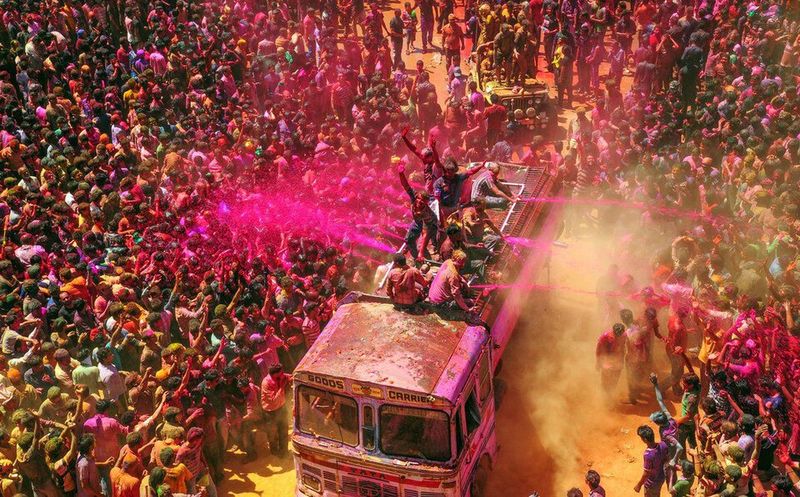
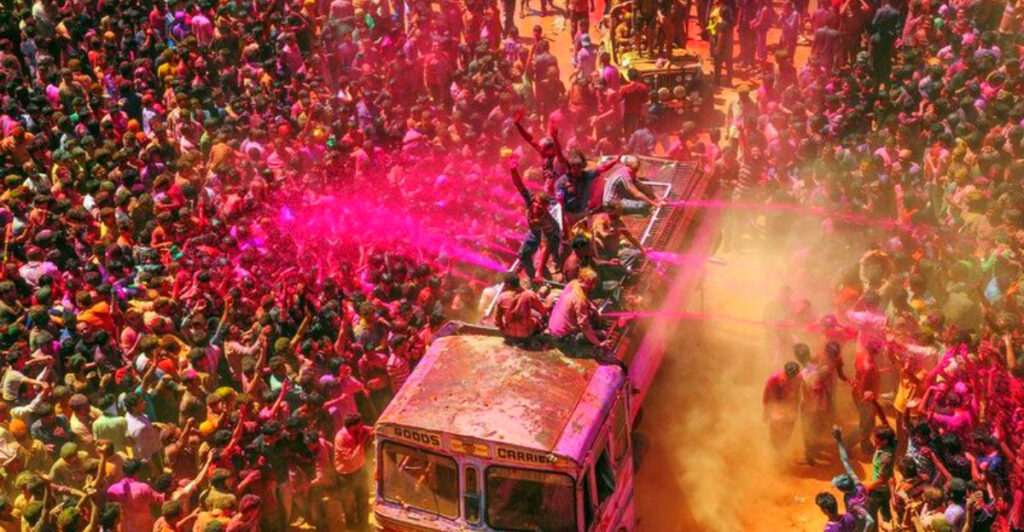
Every March, India essentially explodes in color—and we mean that in the most beautiful way possible. Holi, known as the Festival of Colors, sees people across the country hurling bright powders and splashing colored water on anyone within range.
Nobody is safe, and honestly, nobody wants to be.
Celebrated to welcome spring and honor the triumph of good over evil, Holi carries deep roots in Hindu mythology. The story of Prahlad and the demoness Holika gives the festival its name and its fiery spirit.
Cities like Mathura and Vrindavan, both closely tied to the god Krishna, host some of the largest and most spirited celebrations anywhere on the planet.
First-timers should wear clothes they never want to see clean again and protect their eyes with sunglasses. The powders, called gulal, are made from flowers and natural dyes.
Beyond the chaos, Holi is genuinely about reconnecting with people—strangers become friends, grudges get dropped, and everyone ends the day looking like a walking rainbow. It is messy, loud, and completely unforgettable.
Chinese New Year – China
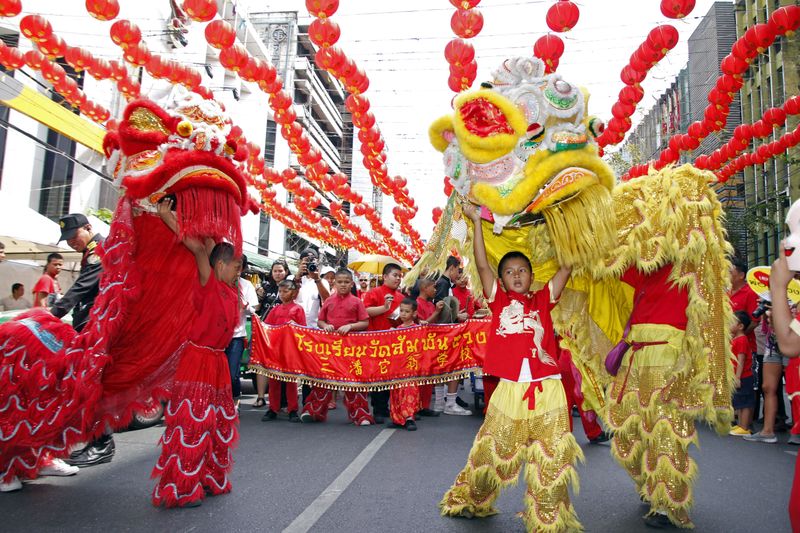
Red lanterns, booming firecrackers, golden dragons weaving through cheering crowds—Chinese New Year is a full sensory overload in the most spectacular way. Celebrated between late January and mid-February depending on the lunar calendar, it is the most important holiday in China and one of the most visually stunning festivals anywhere on Earth.
Each new year is linked to one of twelve zodiac animals, which shapes the decorations, gifts, and even the food people prepare. Families travel across the country to reunite, making it the largest annual human migration on the planet.
Billions of red envelopes filled with money are exchanged as symbols of good luck and prosperity.
The celebrations last fifteen days and culminate in the Lantern Festival, when glowing lanterns are released into the sky or floated on rivers—a sight that is genuinely breathtaking. Cities like Beijing, Shanghai, and Hong Kong host elaborate public displays, but smaller towns often carry their own deeply rooted traditions.
Visitors should expect crowds, noise, and color at every turn. Restaurants fill up fast, so plan ahead.
Chinese New Year is tradition, art, and pure festive joy rolled into one extraordinary celebration.
Albuquerque International Balloon Fiesta – USA
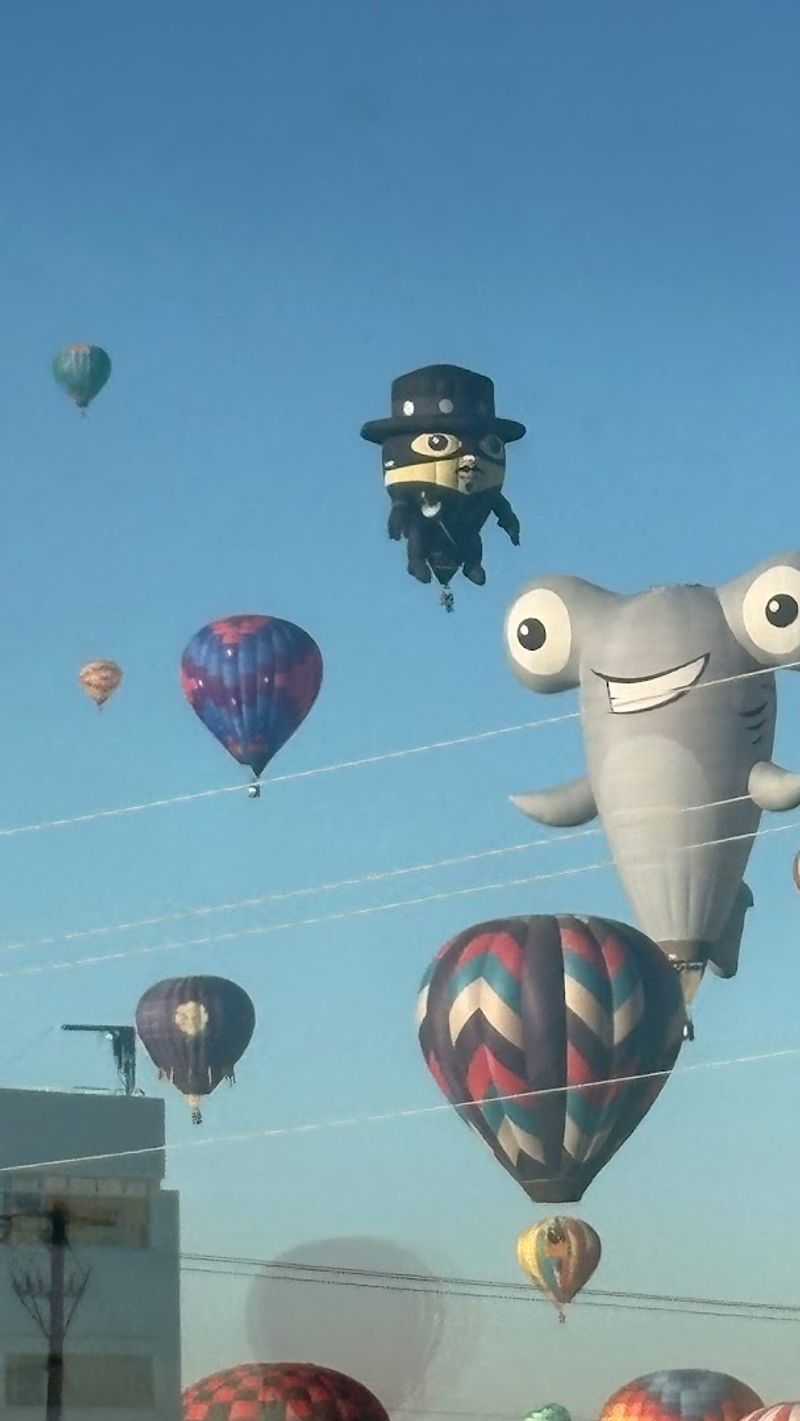
Picture waking up before dawn, stepping outside into crisp October air, and watching hundreds of glowing hot air balloons rise silently into a New Mexico sky. That is the Albuquerque International Balloon Fiesta in a single sentence, and no photograph fully captures how breathtaking it actually is in person.
Held every October since 1972, this nine-day event is the largest balloon festival in the world, drawing over 500 balloons and around 900,000 visitors annually. The Mass Ascension event, where hundreds of balloons lift off together in waves, is considered one of the most photographed moments in American festival culture.
Some balloons are shaped like animals, cartoon characters, and even giant food items, which adds a delightful layer of absurdity to an already magical scene.
The festival also features night glows, where tethered balloons illuminate from within after dark, turning the field into a glowing patchwork of color. Albuquerque’s high desert landscape and clear autumn skies create near-perfect flying conditions.
Arrive early to get good viewing spots and dress in layers since mornings are cold. The Balloon Fiesta is calm, beautiful, and unlike anything else on this list—proof that sometimes the best festivals happen above your head.
Mardi Gras – New Orleans, USA
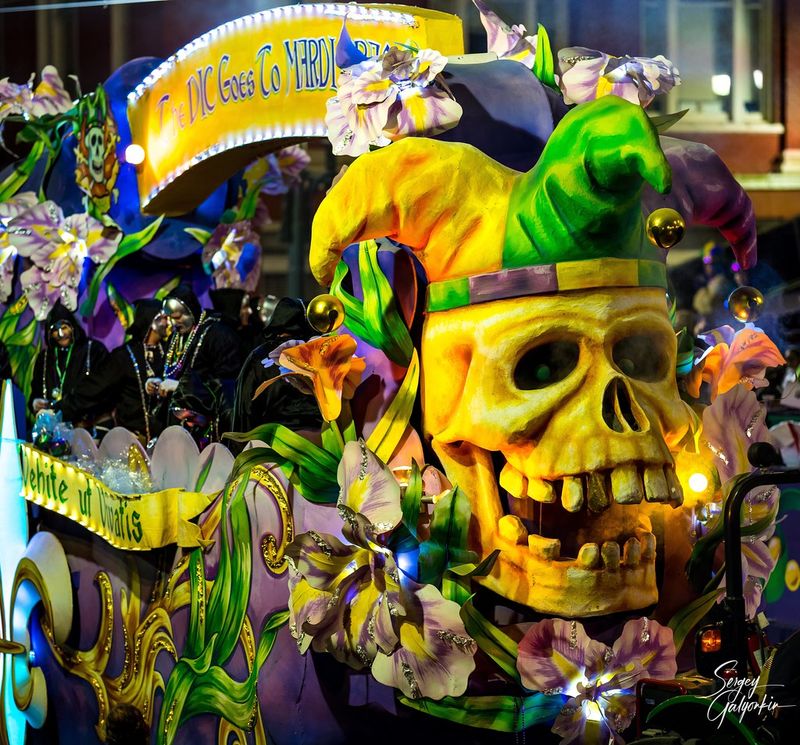
New Orleans does not do anything halfway, and Mardi Gras is the proof. This legendary celebration, held in the weeks leading up to Lent, turns the entire city into a nonstop parade of color, music, and spectacle.
The official colors—purple, gold, and green—are everywhere, from elaborate float decorations to the plastic beads flying through the air.
The parades are organized by groups called krewes, each with its own traditions, floats, and personality. Some krewes have been rolling through the streets for over a century.
Riders toss beads, cups, and trinkets to the crowd, and catching a prized throw is considered a small victory worth celebrating loudly. The French Quarter becomes the epicenter of street parties that last well into the early morning hours.
Mardi Gras is rooted in French Catholic tradition but has evolved into a uniquely New Orleans experience that blends jazz, Creole culture, and Southern hospitality into one remarkable event. The food alone—king cake, beignets, crawfish étouffée—is worth the trip.
Families, couples, and solo travelers all find their place here. Fat Tuesday, the final day, is the wildest and most memorable of all.
New Orleans was made for this celebration.
Venice Carnival – Italy
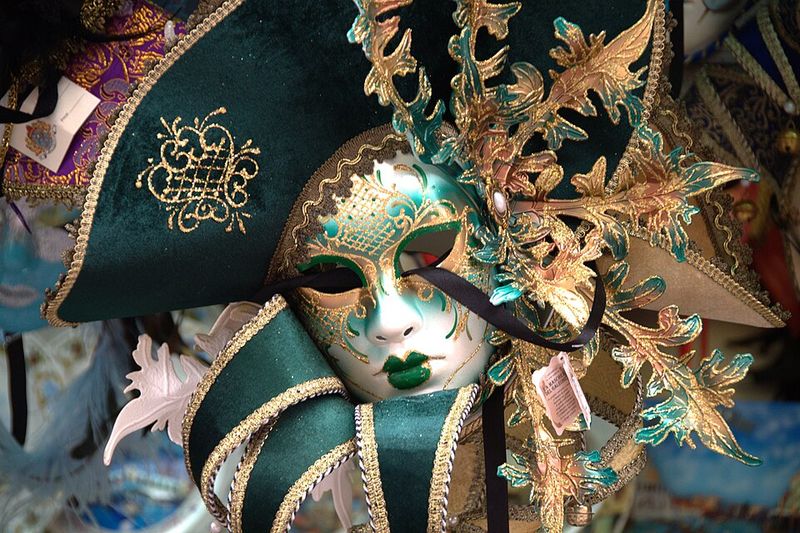
There is something quietly surreal about wandering through Venice in February and coming face to face with a figure in a gold-trimmed mask and a silk cape, posing beside a centuries-old canal as if time itself has paused. Venice Carnival does that to you—it blurs the line between history and fantasy in a way no other festival quite manages.
Dating back to the 11th century, the Carnival was originally a period of indulgence before Lent, when Venetians wore masks to shed their social identities and mingle freely across class lines. That spirit of mystery and playfulness still runs through the event today.
The iconic bauta mask, the beaked plague doctor, and the full-face volto are all part of the visual vocabulary that makes this festival instantly recognizable worldwide.
The two-week celebration fills Venice’s bridges, squares, and waterways with costumed revelers, masquerade balls, and theatrical performances. St. Mark’s Square becomes a living museum of elaborate artistry.
Many visitors rent or buy their own costumes to join in rather than just observe—and that is genuinely the right call. Venice in winter is already hauntingly beautiful, and Carnival transforms it into something that feels entirely out of another era.
Hanami – Japan
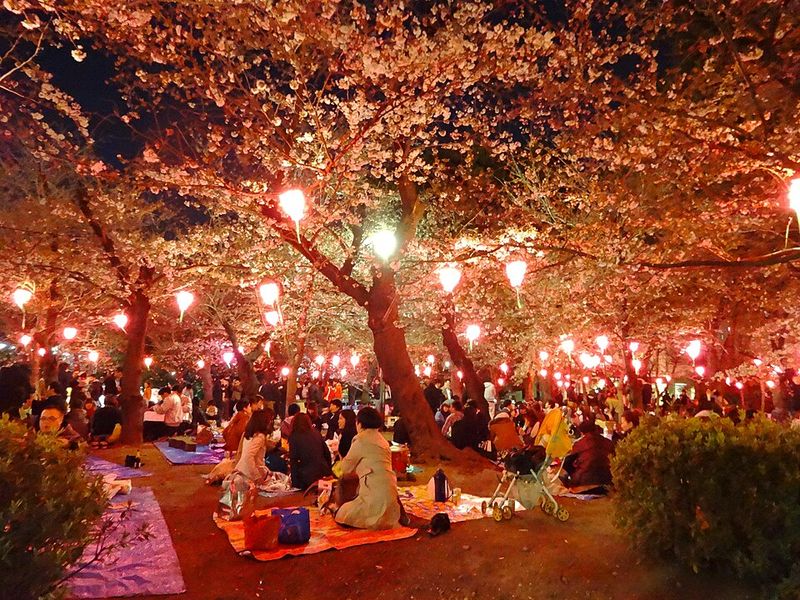
Cherry blossoms only bloom for about two weeks each year, and the entire country of Japan treats those two weeks like a national treasure. Hanami, which translates to flower viewing, is the centuries-old tradition of gathering beneath blooming sakura trees to eat, drink, and appreciate the fleeting beauty of spring.
It is peaceful, lovely, and deeply meaningful.
The tradition dates back over a thousand years, originally practiced by Japanese aristocracy before spreading to all levels of society. Today, friends, families, and colleagues stake out spots in parks days in advance to secure the best view of the blossoms.
Blue tarps appear under the trees like a patchwork quilt, and the air smells of cherry blossoms mixed with grilled skewers and warm sake.
Tokyo’s Ueno Park, Kyoto’s Maruyama Park, and Osaka’s Mint Bureau are among the most celebrated spots. The Japan Meteorological Corporation even publishes an annual sakura forecast so people can plan their viewing.
Night hanami, called yozakura, is particularly magical—lanterns illuminate the pink blossoms from below, creating a soft, glowing canopy. Unlike most festivals on this list, Hanami asks nothing of you except to slow down and look up.
That simplicity is exactly what makes it so powerful.
Harbin Ice and Snow Festival – China
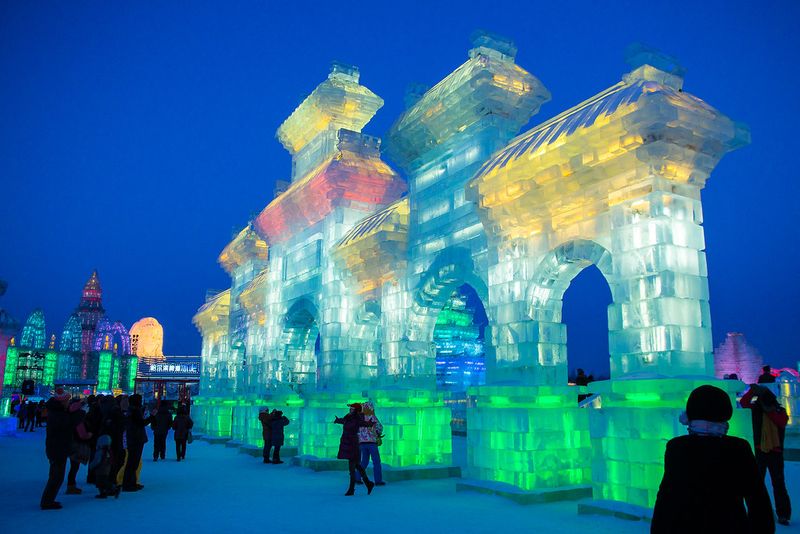
Imagine an entire city built from ice and snow, lit up at night with thousands of colored LEDs until it glows like something from a science fiction film. That is Harbin’s Ice and Snow Festival, held every January in northeastern China, and it is jaw-dropping in the most literal sense—cold air tends to do that too.
The festival began in 1963 and has grown into the world’s largest ice and snow event. Sculptors from across China and around the globe carve massive structures—palaces, pagodas, bridges, and replicas of famous world landmarks—entirely from blocks of ice harvested from the nearby Songhua River.
The largest structures can stand over twenty meters tall. At night, internal lighting transforms the sculptures into glowing works of art that change color slowly and dramatically.
Temperatures in Harbin during January regularly drop to minus twenty Celsius, so layering up is not optional—it is survival strategy. Visitors should wear thermal base layers, insulated boots, and waterproof outer layers.
Despite the cold, the festival draws millions of visitors each winter. Ice slides, snow sculptures, and frozen activities keep children entertained for hours.
Harbin proves that winter, done right, can be one of the most visually spectacular seasons of all.
Barranquilla Carnival – Colombia
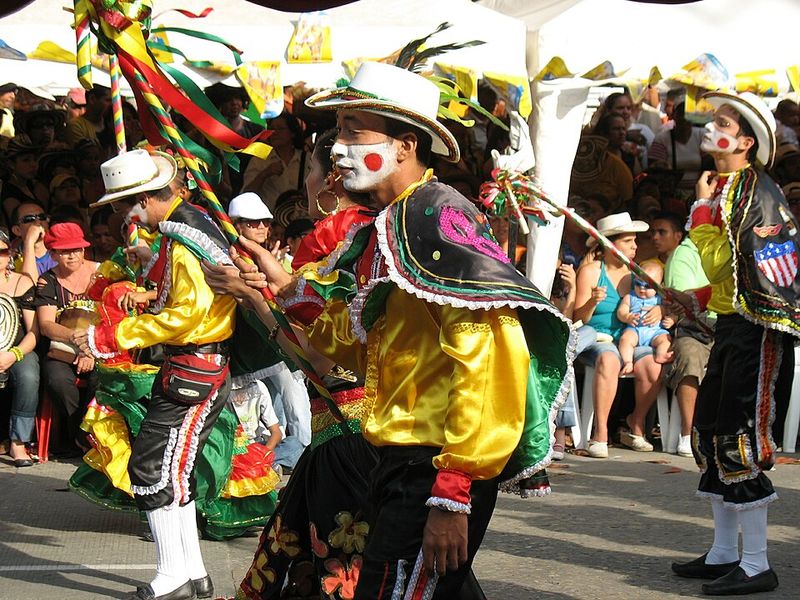
Colombia’s Barranquilla Carnival has a UNESCO Intangible Cultural Heritage designation, which is essentially the world’s way of saying this festival is too important to ever let disappear. Held every February in the coastal city of Barranquilla, it is the second largest carnival in the world after Rio—and it brings an energy that is entirely its own.
The four-day event blends African, Indigenous, and Spanish cultural traditions into a dazzling mix of music, dance, and costume. Cumbia, mapalé, and porro rhythms pour through the streets as elaborately costumed dancers perform in processions that wind through the city.
The Battle of Flowers parade, which opens the carnival, dates back to 1903 and remains one of the most beloved traditions in Colombian culture.
Each day of the carnival has its own character and events, from the Grand Parade to the burial of Joselito Carnaval—a symbolic figure whose ceremonial farewell marks the end of the festivities. Barranquilla itself is a warm, welcoming city full of Caribbean flavor and coastal charm.
Street food vendors line every corner, and the dancing never really stops. Travelers who make it to Barranquilla in February often say it completely changed their understanding of what a festival can be.
St. Patrick’s Day – Ireland
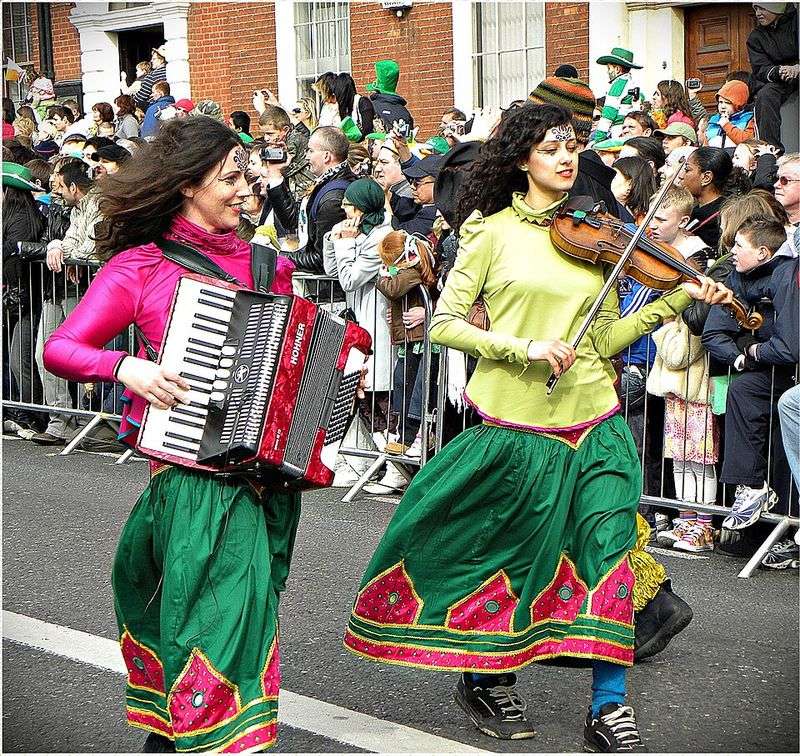
On March 17th, Dublin turns green—and so does the rest of the world, from the Chicago River to the Sydney Opera House. St. Patrick’s Day started as a religious feast day honoring Ireland’s patron saint, but it has evolved into a global celebration of Irish culture that spans every continent.
The color green has never had a better marketing campaign.
The main parade in Dublin draws hundreds of thousands of spectators and features elaborate floats, marching bands, and performers from across Ireland and abroad. The atmosphere is warm, communal, and refreshingly unpretentious.
Irish pubs fill up quickly, traditional music spills onto the streets, and strangers strike up conversations with the ease of old friends.
What makes St. Patrick’s Day genuinely special is how deeply personal it feels despite its massive scale. For many Irish families, it is a day of genuine cultural pride—a time to celebrate language, history, and identity.
For international visitors, it offers a welcoming entry point into Irish traditions. Galway and Cork also host lively local celebrations worth exploring.
The festival runs for several days in Dublin, with cultural events, theater, and music filling the calendar. Wear green, bring good humor, and expect to make at least one unexpected friend.
Busan Fireworks Festival – South Korea
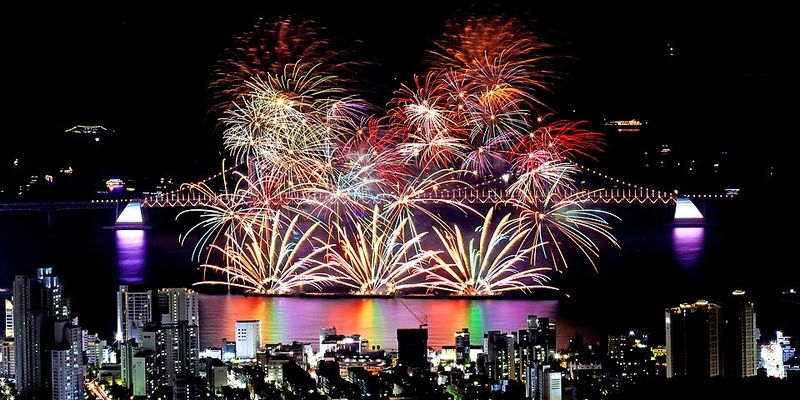
When fireworks explode over open ocean and their reflections ripple across the water below, something happens to the human brain that can only be described as pure awe. Busan’s annual Fireworks Festival, held every October at Gwangalli Beach, delivers exactly that experience—and then cranks it up with lasers, synchronized music, and a crowd of over a million people who all came for the same reason.
South Korea’s second largest city pulls out every stop for this two-night event. Teams from multiple countries compete with choreographed displays that are timed to music, creating something closer to a theatrical performance than a traditional fireworks show.
The Gwangan Bridge, one of Busan’s most recognizable landmarks, serves as the dramatic backdrop for the main displays. Seeing it lit up while fireworks burst overhead is a genuinely unforgettable image.
Gwangalli Beach fills up hours before the show begins, so arriving early with a blanket and snacks is the move. The surrounding cafes and rooftop bars offer elevated views for those willing to pay a premium.
Busan is a fantastic travel destination year-round, with beaches, mountains, and incredible seafood markets—but October, with the festival in full swing, is when the city truly shines brightest. This is a night sky worth traveling across the world to see.
Share this story