 Unearth The Voyage
Some hotels are just a place to drop your bags. But a handful of places around the world flip that idea completely, making the stay itself the whole reason for the trip.
From underwater bedrooms to rooms carved out of ancient caves, these are the destinations where you book the accommodation first and figure out the itinerary second. Get ready, because your travel bucket list is about to get a serious upgrade.
The Muraka at Conrad Maldives Rangali Island, Maldives
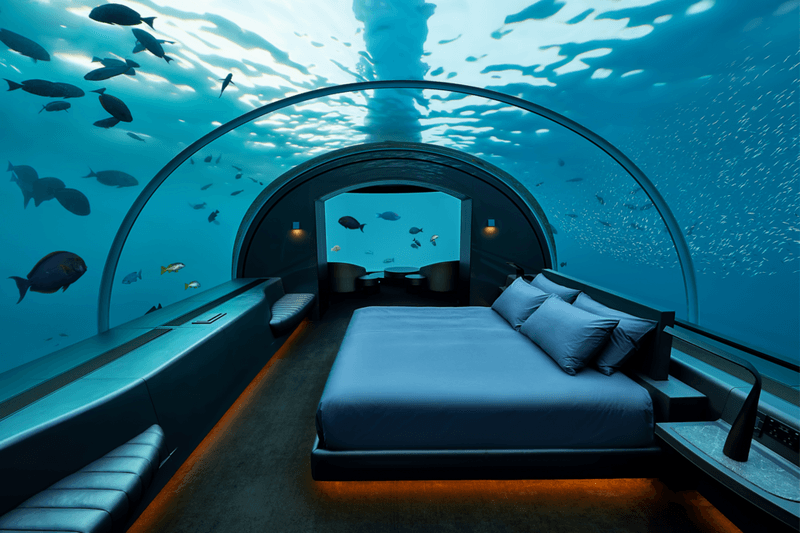
Sleeping underwater sounds like something from a science fiction movie, but The Muraka makes it embarrassingly real. Located at Conrad Maldives Rangali Island, this two-level villa has its lower bedroom submerged beneath the Indian Ocean.
The curved acrylic dome above your bed gives you an unobstructed view of the reef, so your nighttime companions are parrotfish, manta rays, and whatever else decides to cruise past at 2 a.m. It is the world’s first undersea residence, and the price tag reflects that distinction generously.
The upper level includes a private pool, a gym, and a butler, because apparently roughing it is not part of the deal. Guests fly into Male and take a seaplane to the island, which already feels like an event before you even unpack.
The Muraka is not a hotel room with a view. The view is the entire point of the room.
ICEHOTEL, Sweden
Every November, a team of artists from around the world descends on a small Swedish village called Jukkasjarvi and starts building a hotel out of ice. By January, it is ready for guests.
By April, it has melted back into the Torne River. Then the whole wild process starts again.
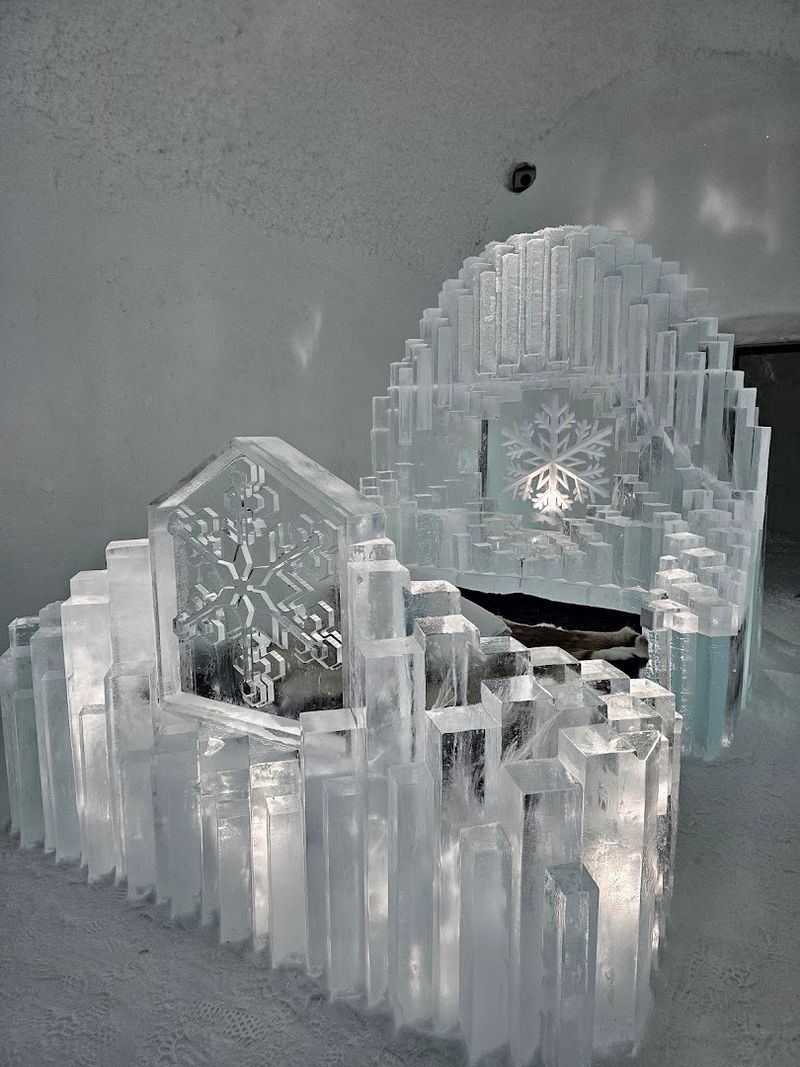
ICEHOTEL has been doing this since 1990, which makes it the original and still the most legendary cold-weather stay on the planet. Each room is a unique art installation, sculpted by a different artist, so no two winters are ever the same.
Guests sleep on ice beds topped with reindeer skins and thermal sleeping bags, and the temperature inside stays around minus five degrees Celsius.
Warm rooms are available for those who prefer not to test their limits. The ice bar, ice chapel, and stunning northern lights overhead make this more art trip than hotel stay.
Pack your warmest socks. Seriously.
Hotel de Glace, Canada
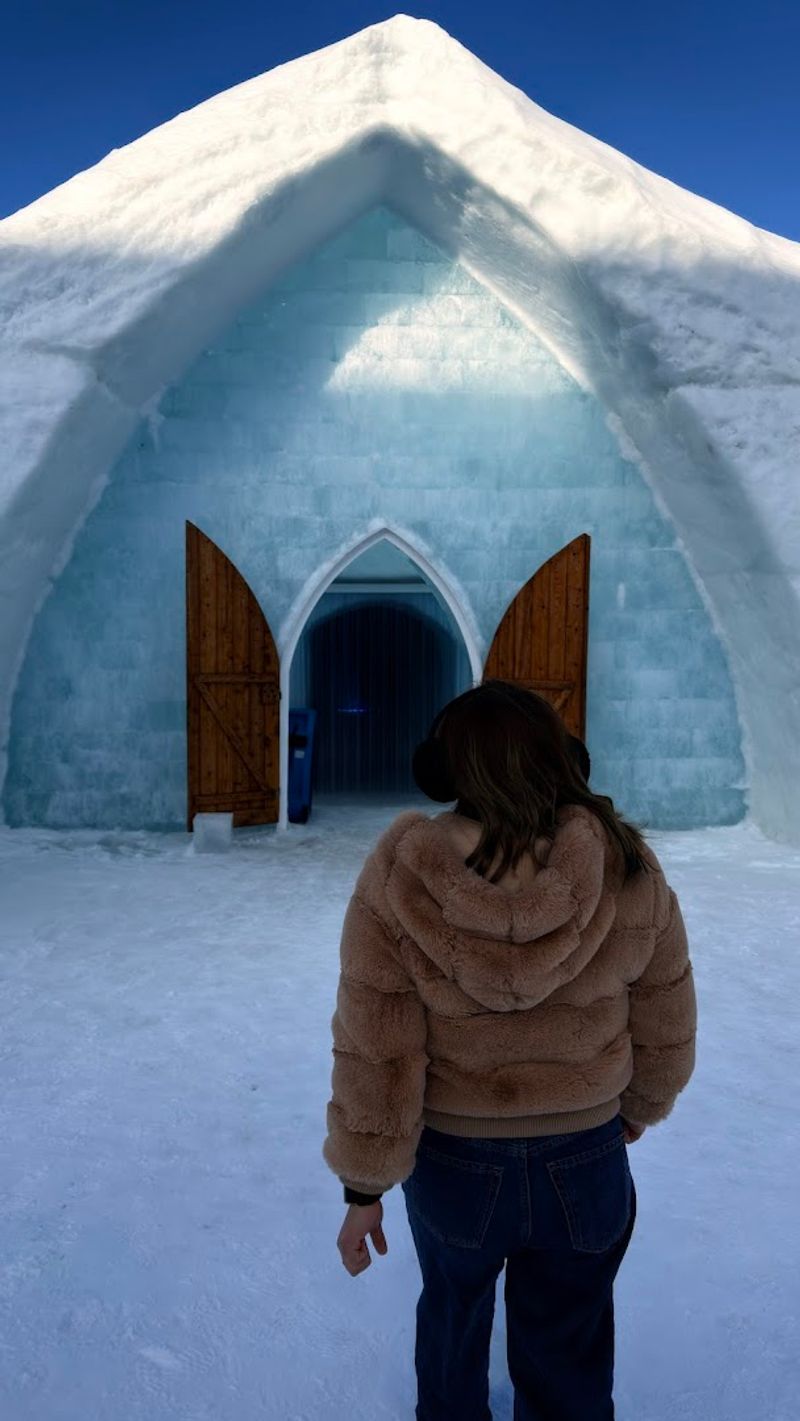
North America has exactly one ice hotel, and Quebec built it. Hotel de Glace opens every January and disappears by mid-March, which means your window to visit is narrow and your motivation to actually book needs to be strong.
Each season, a completely new hotel is constructed using roughly 15,000 tons of snow and 500 tons of ice. The results are spectacular.
Think grand arched corridors, glowing ice sculptures, a slide connecting floors, and a chapel where real weddings actually take place. Couples really do say their vows inside a structure that will melt in spring.
Romantic or stressful, depending on your perspective.
Sleeping here requires a thermal sleeping bag and a willingness to embrace temperatures around minus five degrees Celsius indoors. Warm-up rooms and a Nordic spa are available for those who need a break from the cold.
The whole experience lasts just one night for most visitors, but nobody forgets it.
Skylodge Adventure Suites, Peru
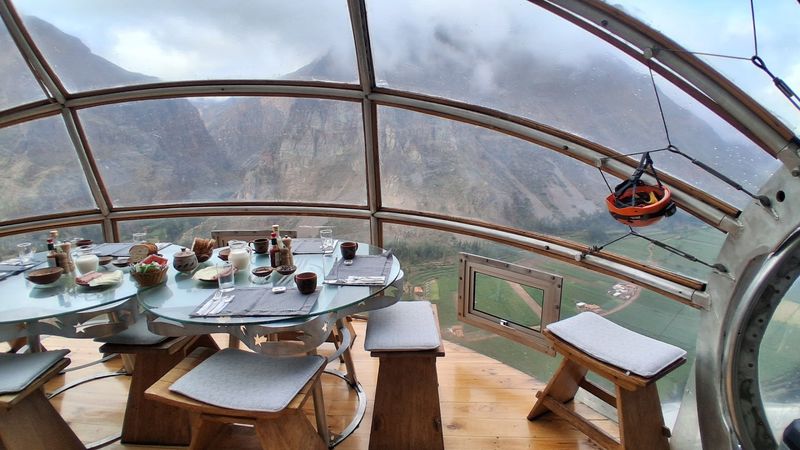
Getting to your hotel room should not require a harness, but at Skylodge Adventure Suites in Peru, that is exactly what happens. Guests either climb a via ferrata up the cliff face or zipline in.
Either way, the room is worth the effort.
The suites are transparent polycarbonate capsules bolted to a sheer granite mountainside above Sacred Valley. Each capsule sleeps up to four people and comes with a private bathroom, a chef-prepared dinner, and views that stretch across one of the most dramatic valleys in the Andes.
You fall asleep looking at stars with nothing between you and the sky.
Morning means breakfast delivered by your guide, because room service at this altitude has its own logistics. The capsules stay at a comfortable temperature year-round thanks to natural ventilation design.
This is not a gimmick stay. Guests who make the climb consistently describe it as one of the most memorable nights of their lives.
Giraffe Manor, Kenya
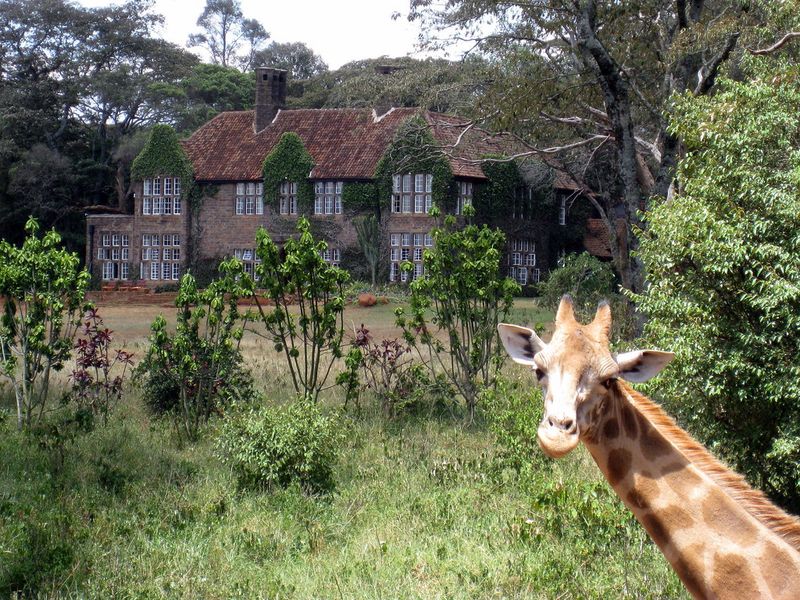
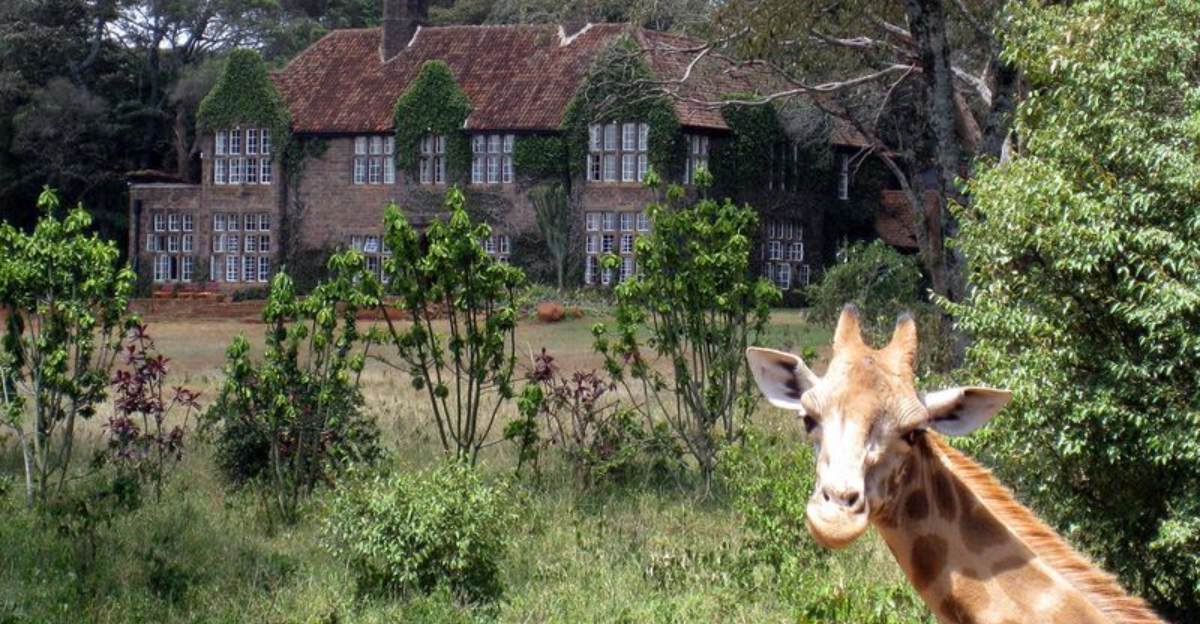
A giraffe once photobombed my breakfast, and honestly, it was the highlight of my entire trip to Kenya. At Giraffe Manor in Nairobi, that is not a rare occurrence.
It is basically the morning routine.
The resident Rothschild giraffes roam the grounds freely and have zero personal space boundaries. They will lean through your window, steal your toast, and blink at you with those ridiculous long lashes like they own the place.
Spoiler: they kind of do.
The manor itself is a gorgeous 1930s property with only 12 rooms, which keeps things wonderfully intimate. Bookings fill up fast, sometimes a year in advance, so planning ahead is essential.
The experience goes beyond novelty. Rothschild giraffes are endangered, and the hotel actively supports conservation.
Staying here means your holiday money does real good. That is a rare thing in travel, and it makes every giraffe selfie feel just a little more meaningful.
Treehotel, Sweden
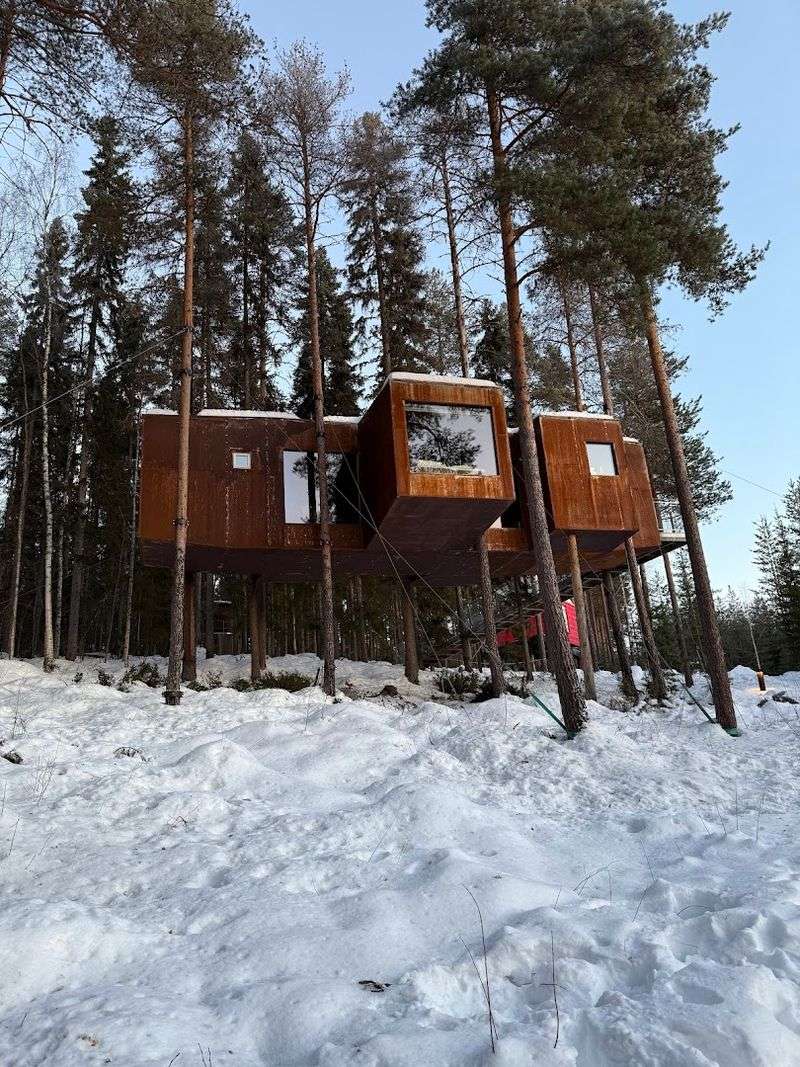
Somebody at Treehotel looked at a forest in northern Sweden and thought, what if we hung a mirrored cube in it? Then they did it, and now the Mirrorcube is one of the most photographed hotel rooms on earth.
Treehotel in Harads has a collection of elevated rooms that read more like architecture installations than accommodation. The Bird’s Nest looks exactly like what the name suggests.
The Biosphere is a spherical pod that hovers between the trees. The UFO room is, well, a UFO.
Each one was designed by a different Swedish architect, and each one is genuinely stunning.
Guests staying here are not looking for a convenient base. They come specifically for the experience of sleeping in the forest canopy with clean Lapland air and total quiet.
The nearby Lule River is great for kayaking in summer and snowmobile tours in winter. Treehotel is the rare place where the room is the destination, the activity, and the story all at once.
Sextantio Le Grotte della Civita, Italy
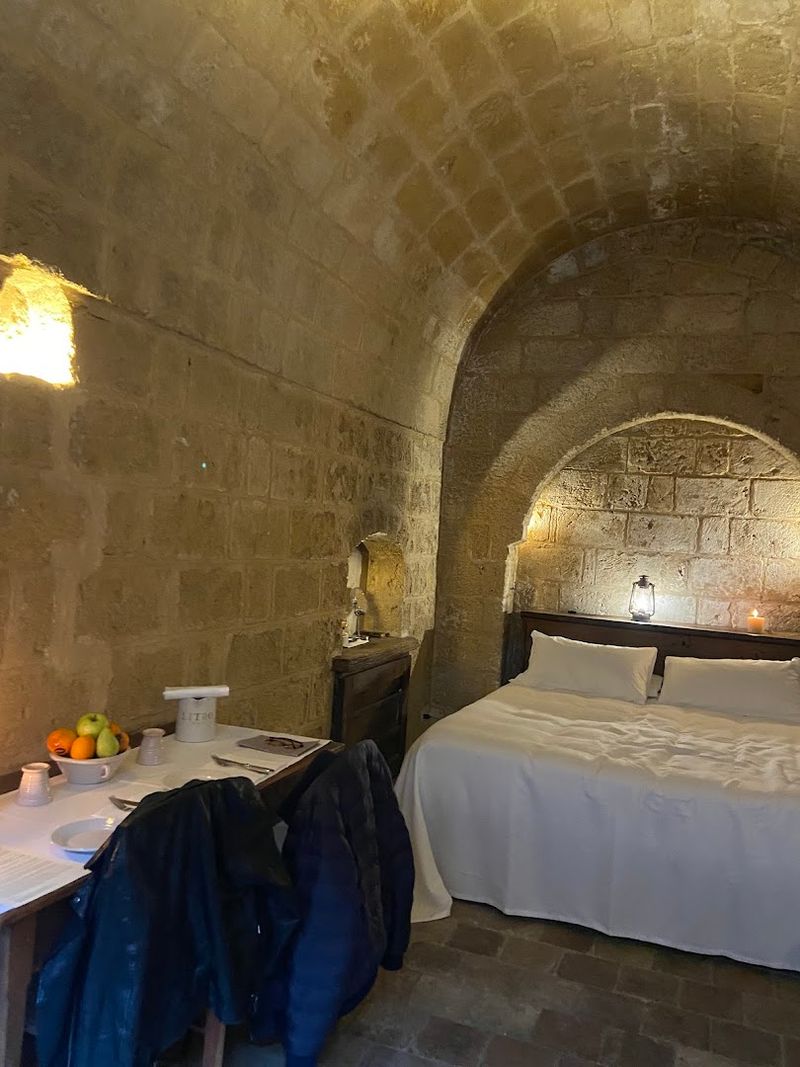
Matera is one of the oldest continuously inhabited cities on earth, and Sextantio Le Grotte della Civita lets you sleep in the part of it that dates back thousands of years. The hotel is built into the Sassi, a network of ancient cave dwellings carved into the tufa stone cliffs.
Rooms here are stripped back and deliberately simple. Rough stone walls, vaulted ceilings, minimal furniture, and soft lighting replace the usual hotel frills.
That restraint is the whole point. The caves speak for themselves, and over-decorating them would ruin the effect entirely.
The hotel sits in a UNESCO World Heritage Site, which means strict rules govern what can and cannot be changed. Breakfast arrives in your cave each morning.
The silence at night is something most city-dwellers have genuinely never experienced. Matera was also the filming location for parts of Mel Gibson’s The Passion of the Christ, which gives the landscape an extra layer of cinematic weight worth appreciating on a slow evening walk.
Amangiri, Utah, USA
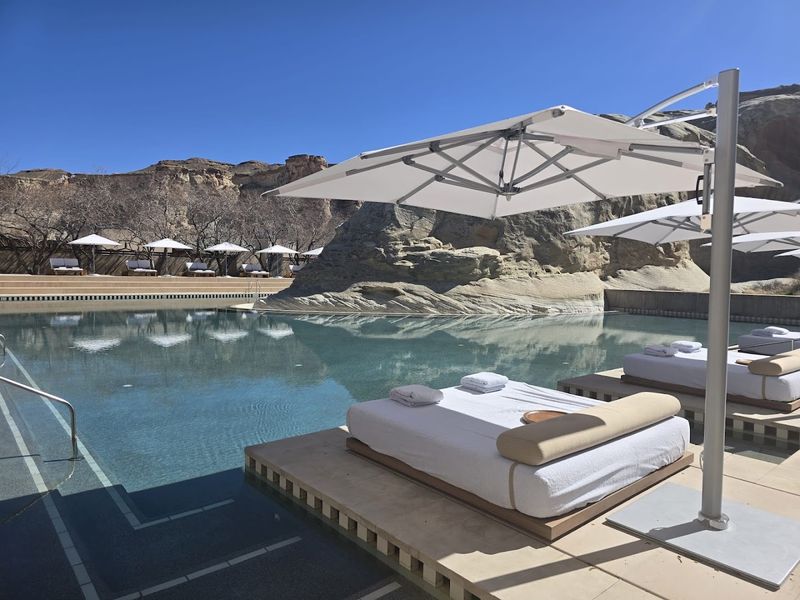
The architects who designed Amangiri had one rule: do not fight the landscape. The result is a resort so perfectly integrated into the southern Utah desert that the buildings look like they grew out of the rock formation rather than being placed on top of it.
Set near the Colorado Plateau, Amangiri sits in one of the most visually dramatic corners of the American Southwest. The infinity pool wraps around a natural rock formation.
The spa is built into the canyon. Every suite faces the open desert with floor-to-ceiling windows and a private terrace.
Activities include helicopter tours over the Grand Canyon, guided hikes through slot canyons, and stargazing sessions that take advantage of some of the darkest skies in the country. The resort is deliberately remote and deliberately quiet.
Phones work, but you stop wanting to use them fairly quickly. Amangiri is the kind of place where sitting still and looking out the window counts as a full day well spent.
Longitude 131, Australia
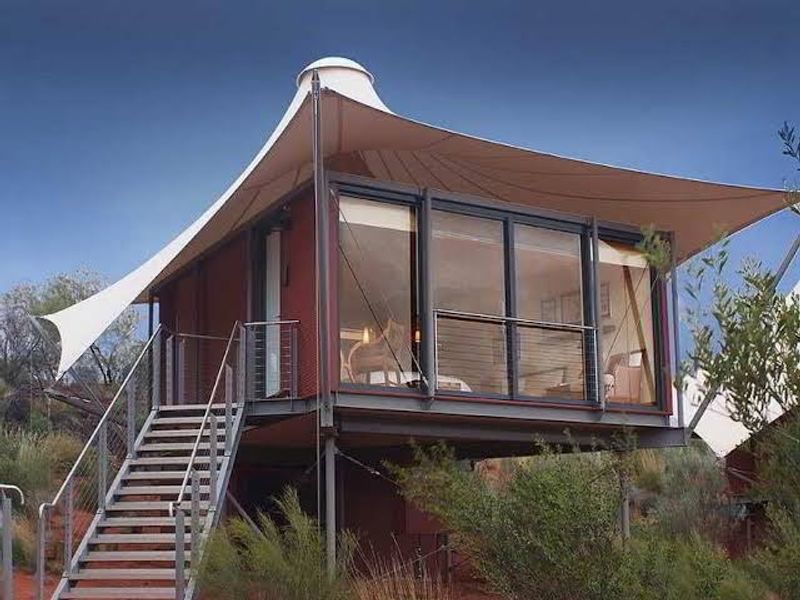
Uluru at dawn is one of those sights that genuinely stops people mid-sentence. Longitude 131 positions its guests to experience that moment from their own private deck, with nothing between them and the world’s most iconic sandstone monolith except open desert air.
The property consists of 15 tented pavilions raised on wooden platforms in the Red Centre of Australia. Each tent faces Uluru directly.
The design is luxurious without being fussy, using natural materials and warm tones that echo the surrounding landscape rather than compete with it.
Uluru changes color throughout the day depending on the light, which means the view from your tent is technically never the same twice. Guided cultural experiences with Anangu Traditional Owners are part of the stay and offer a depth of understanding that standard tourism rarely provides.
Climbing Uluru is now permanently closed out of respect for its sacred status, so the ground-level experience offered here is genuinely the best way to connect with it.
Fogo Island Inn, Canada
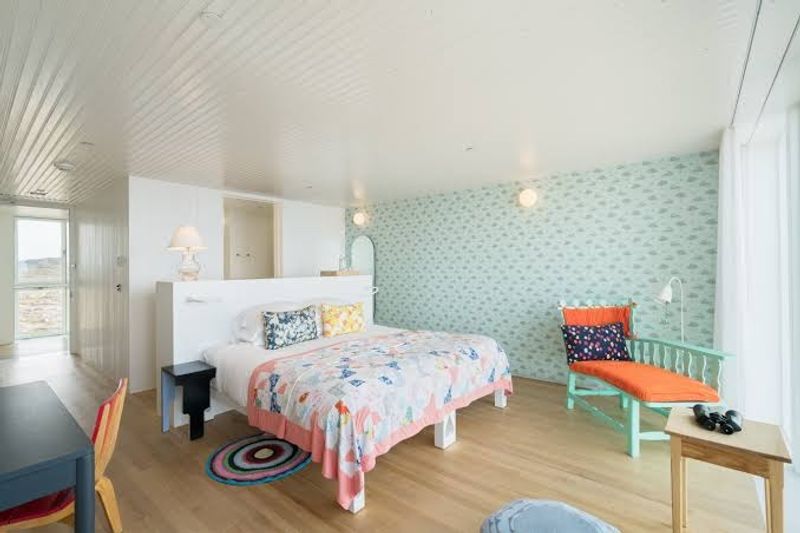
Fogo Island is technically in Canada, but it operates on its own timezone, its own logic, and its own very particular kind of beauty. The island sits off the northeast coast of Newfoundland, and getting there involves a ferry, a small plane, or a combination of both.
That isolation is not a bug. It is the feature.
Fogo Island Inn rises from the rocky shoreline on wooden stilts, its stark white geometry contrasting sharply with the wild Atlantic behind it. Every room faces the ocean.
The architecture won international awards, and the design is extraordinary, but what sets the inn apart is its relationship with the local community.
Profits from the inn go directly into supporting Fogo Island’s arts, culture, and economy through the Shorefast Foundation. Guests eat local food, meet local artists, and explore one of the most geologically ancient landscapes on the planet.
This is the rare luxury stay with genuine soul behind it.
Kakslauttanen Arctic Resort, Finland
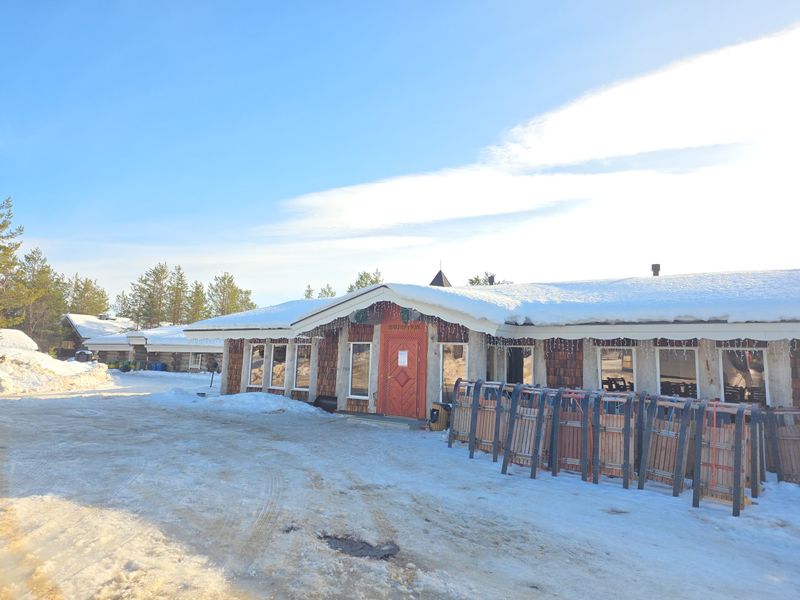
Finnish Lapland in winter is cold, dark, and spectacularly beautiful. Kakslauttanen Arctic Resort figured out how to make that darkness the main attraction by building glass igloos you can sleep inside while watching the northern lights from your bed.
The resort sits in Saariselka, well above the Arctic Circle, where aurora activity is reliably strong from September through March. The thermal glass domes keep guests warm while providing an unobstructed view of the sky.
No alarm clock needed when the lights are putting on a show at 2 a.m.
Beyond the glass igloos, the resort also offers log cabins, snow chalets, and traditional smoke saunas. Reindeer safaris, husky sled rides, and snowmobile tours round out the experience during daylight hours.
The resort is family-friendly, and kids tend to be completely undone by the husky puppies. Book the glass igloos as far ahead as possible.
They sell out every year without exception, and for very obvious reasons.
The Silo Hotel, South Africa
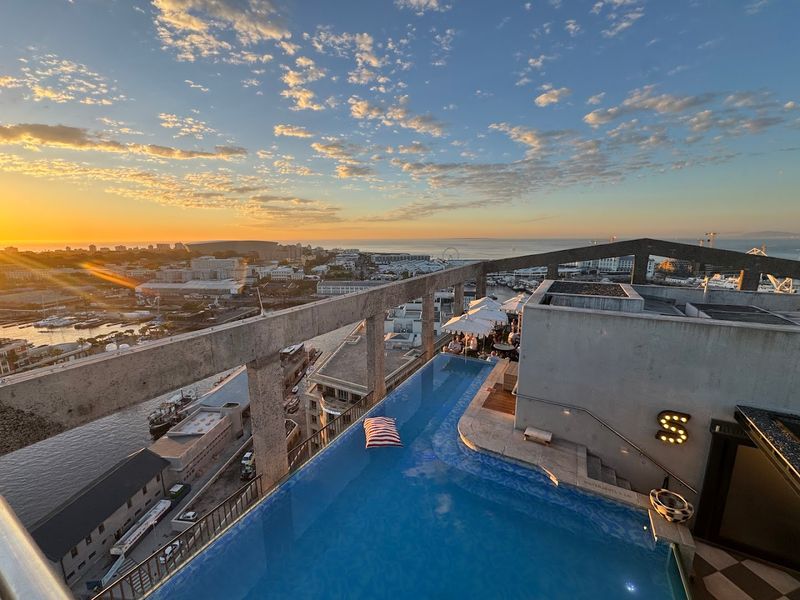
Cape Town already has one of the most dramatic natural backdrops of any city on earth, and The Silo Hotel somehow manages to hold its own against Table Mountain. That takes architectural confidence of the highest order.
The building is a converted grain silo at the V&A Waterfront, transformed by designer Thomas Heatherwick into a hotel topped with distinctive pillowed glass windows that bulge outward from the facade. Those windows are now one of Cape Town’s most recognizable modern landmarks.
Inside, the rooms are packed with South African art from the Zeitz Museum of Contemporary Art Africa, which occupies the lower floors of the same building.
Guests essentially sleep inside an art museum with Table Mountain on one side and the Atlantic on the other. The rooftop pool and bar have views that make it genuinely difficult to leave.
The Silo is the kind of place where checking in feels like arriving somewhere that already has a story, and you are just the latest chapter in it.
Hotel Montana Magica, Chile
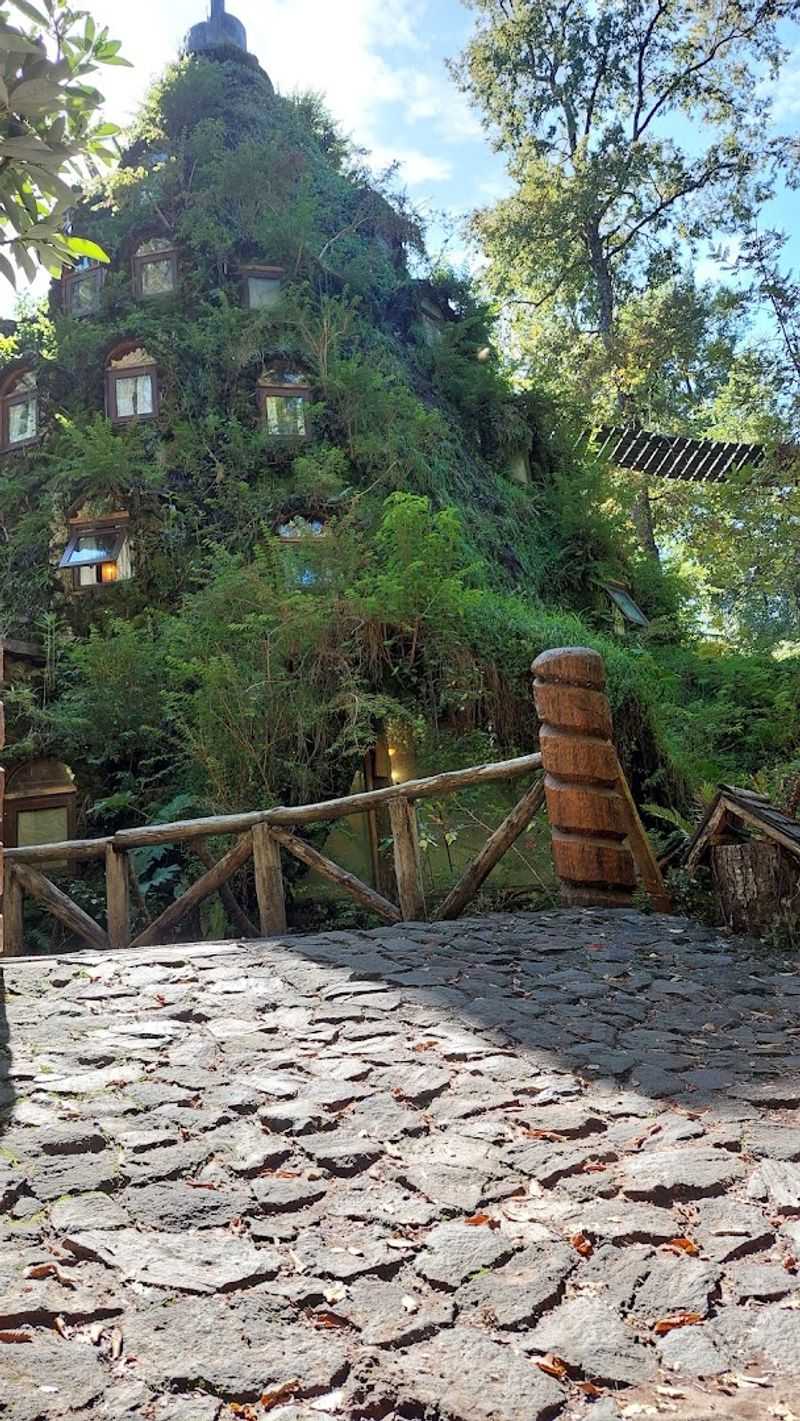
Some hotels look like hotels. Hotel Montana Magica looks like a volcano that a very enthusiastic wizard decided to move into.
Rising from the dense rainforest of Chile’s Huilo Huilo Biological Reserve, the structure is covered in living moss, draped in vines, and has an actual waterfall pouring from its peak. It is completely absurd.
It is completely wonderful.
The reserve sits in the Patagonian Lake District and is home to pumas, pudus, and Andean condors. Getting there requires some effort, which filters out casual visitors and keeps the atmosphere genuinely wild.
The hotel leans hard into its fantasy aesthetic, with interiors that feel like a forest cabin cranked up to maximum whimsy.
Activities include white-water rafting, zip-lining through the canopy, and soaking in natural hot springs. The reserve runs its own conservation programs, so the ecological commitment is real.
Hotel Montana Magica is proof that a hotel can be architecturally ridiculous, environmentally serious, and completely unforgettable all at the same time.



