Travel can make almost any crowded restaurant look irresistible, especially when you are hungry and standing near a famous sight. But locals usually know which places survive on hype, convenience, and inflated prices instead of genuinely good food.
If you want meals that feel memorable for the right reasons, it helps to spot the warning signs before you sit down. These tourist-heavy food spots may look tempting, but there is usually a smarter choice nearby.
1. Restaurants Right Next to Major Landmarks
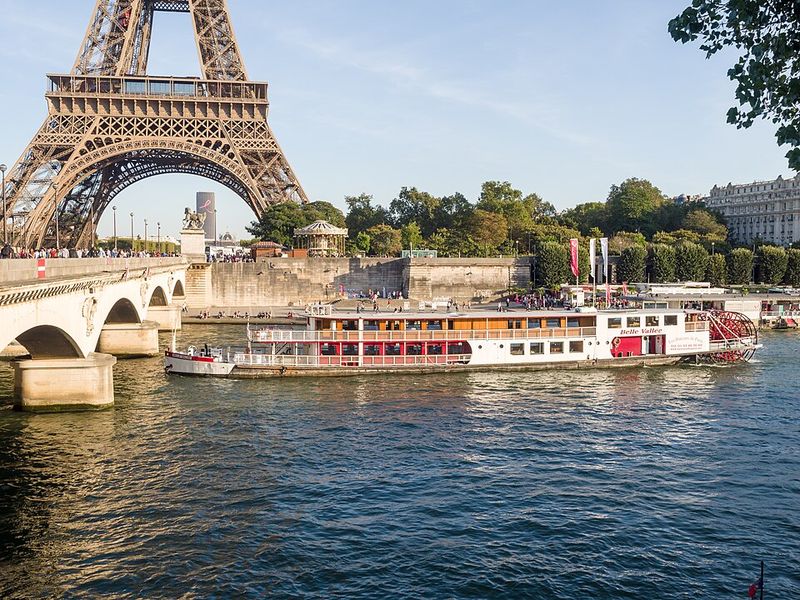
If you can see the landmark perfectly from your seat, there is a good chance you are paying for the view more than the meal. These places know hungry visitors want convenience, so prices climb fast while quality often stays stubbornly average.
You may leave with decent photos but a forgettable lunch.
Locals usually head a few blocks away, where rent is lower and kitchens work harder to earn repeat customers. That short walk often gets you fresher ingredients, calmer service, and dishes made with more care.
When the address is the main attraction, the food rarely needs to improve. I always trust the place hidden just out of sight.
2. Menus in Five Different Languages
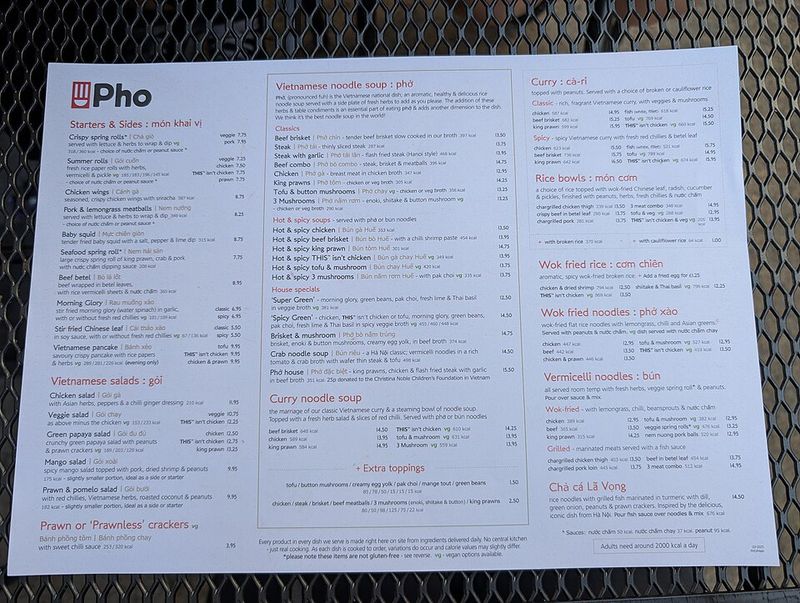
A menu in several languages can feel welcoming when you are traveling, but it often signals a kitchen built for volume, not identity. Dishes are usually softened, simplified, and priced for visitors who want something safe instead of something memorable.
It is convenience dressed up as authenticity.
Locals tend to choose places where the menu reflects the neighborhood first and tourists second. That usually means fewer translations, clearer specialties, and food cooked with more confidence.
You do not need to decode every word to eat well, because the best meals often come from kitchens that know exactly who they are serving. If everything feels overly explained, the flavors may be toned down just as much as the language.
3. Places with Staff Actively Pulling You In
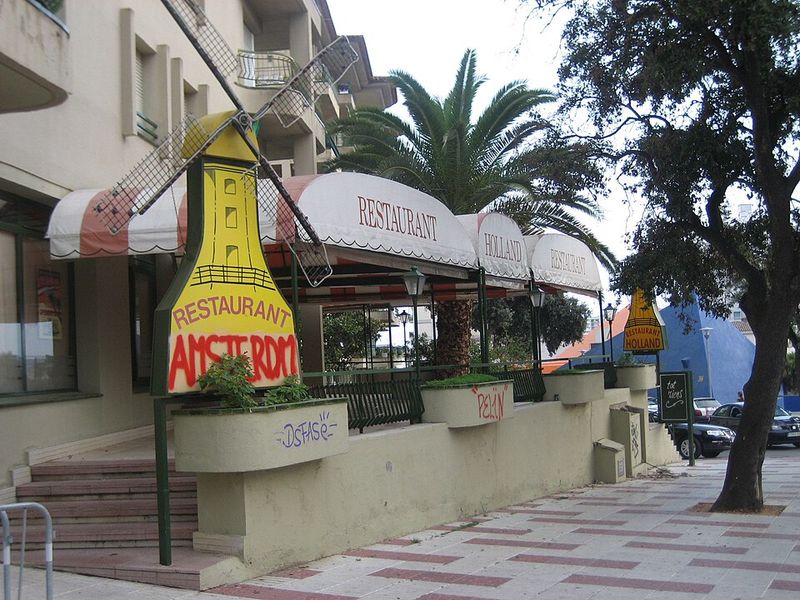
When someone is standing outside urgently waving you in, that pressure is usually the first warning. Strong restaurants rarely need to chase strangers off the sidewalk because good food, fair prices, and local loyalty already keep tables full.
The hard sell often hides weak cooking or inflated bills.
Locals notice this instantly and keep walking toward spots that let the food speak for itself. A calm doorway, a focused menu, and steady neighborhood traffic usually tell a better story than an aggressive pitch.
You should never feel recruited into dinner like it is a timeshare presentation. If the welcome feels performative before you even sit down, the meal may be just as staged once it reaches your table.
4. Overly Instagrammable Dessert Shops
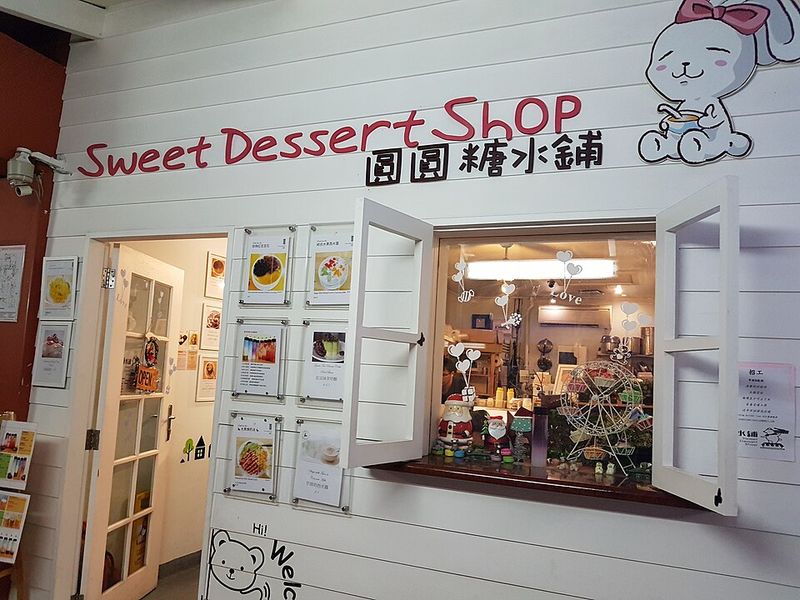
These dessert shops are built to stop your scroll before they satisfy your appetite. Giant toppings, bright colors, and neon walls create great photos, but flavor can become an afterthought once the visual spectacle takes over.
You may pay premium prices for something that tastes sweeter in pictures than in real life.
Locals often prefer bakeries with simpler displays, shorter captions, and fresher pastries coming straight from the oven. Those places may not hand you a dessert shaped like a cartoon cloud, but they usually deliver better texture, better balance, and better value.
I have learned that if every surface begs for a photo, the recipe may not be doing enough work. A plain tart from a trusted bakery often wins by a mile.
5. World Famous Spots with No Local Crowd
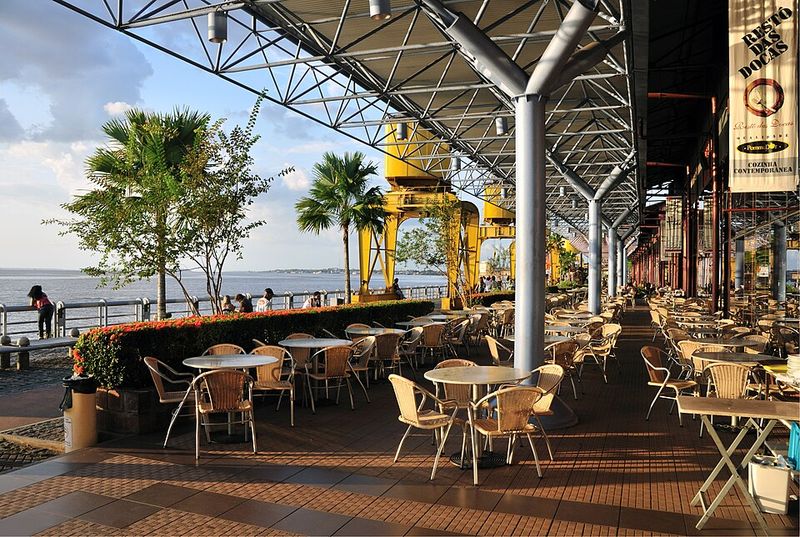
A place can be world famous and still be the wrong place to eat. If the dining room is filled entirely with visitors clutching guidebooks while nearby residents ignore it, that tells you plenty about who the restaurant truly serves.
Hype may be the main ingredient keeping it alive.
Locals usually reward consistency, not branding, and they are quick to abandon spots that coast on reputation alone. A restaurant that mattered years ago can become a performance of its former self once tourism takes over.
You deserve more than a famous sign and a story repeated at every table. When I see no local crowd at peak mealtime, I assume the smart diners already found somewhere better, cheaper, and more reliable around the corner.
6. Restaurants with Huge, Everything-On-It Menus
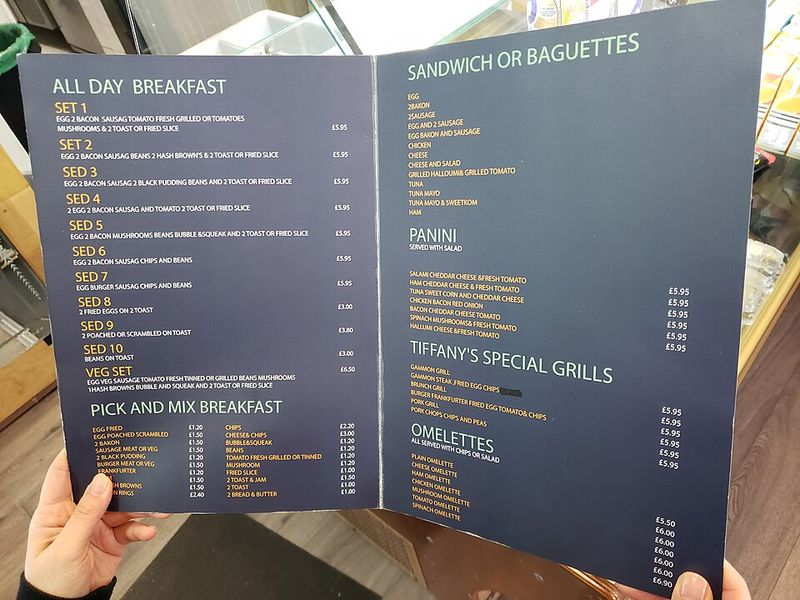
When one kitchen claims mastery over pizza, sushi, burgers, pasta, and curry all at once, skepticism is healthy. Massive menus usually mean frozen shortcuts, prepped components, and cooks spreading attention across too many styles to do any of them especially well.
Variety sounds generous, but it often tastes generic.
Locals know the strongest restaurants usually specialize in a few dishes and execute them with confidence. A shorter menu can signal fresher ingredients, better timing, and recipes the kitchen actually cares about repeating every day.
You are far more likely to remember a great bowl of noodles than a place that offered seventy options and nailed none. If everything is available all day, chances are very little is being made with true intention.
7. Buffets in Tourist Districts
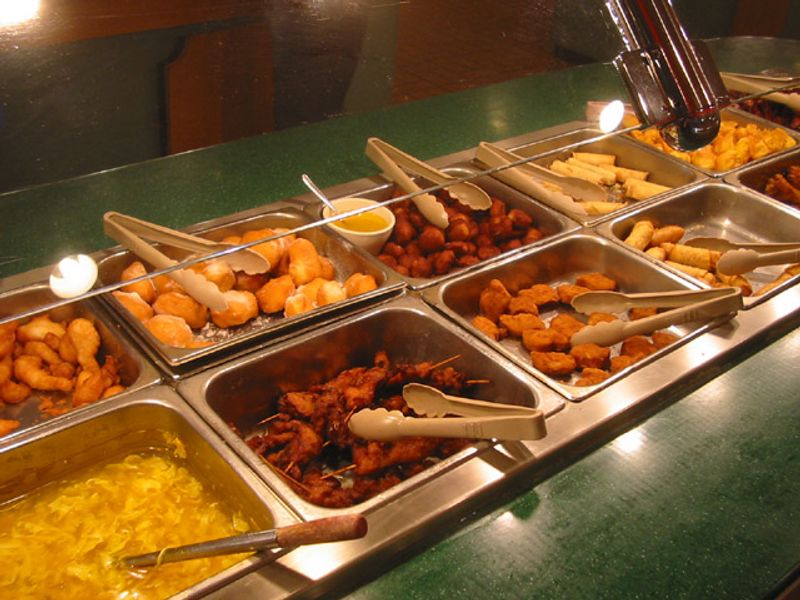
Tourist district buffets promise abundance, but that abundance often comes with a tradeoff you can taste. Food sits longer, seasoning gets blunter, and dishes are designed to satisfy broad expectations rather than express any real regional character.
You may fill your plate, yet still feel strangely underwhelmed.
Locals usually choose smaller kitchens where meals are cooked closer to the moment and adjusted by someone paying attention. Freshness matters more than endless options, especially when you are trying to understand what a place actually eats.
Buffets can make sense for convenience, but they rarely create the kind of meal you remember later. I would rather have one excellent specialty dish from a tiny kitchen than six lukewarm samples from a stainless steel line.
8. Chain Restaurants in Cultural Hotspots
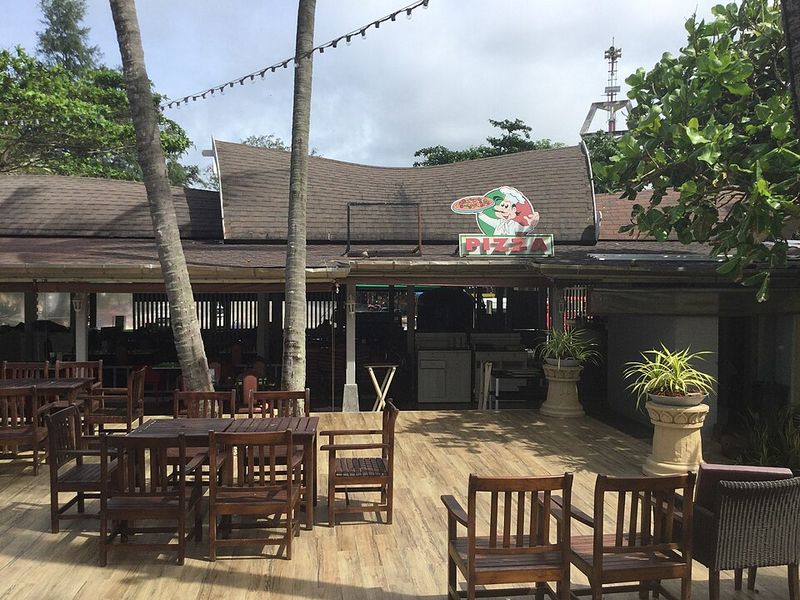
There is comfort in a familiar chain, especially when travel feels overwhelming, but that comfort can cost you the local experience you came for. Eating the same standardized meal beside a historic square or market usually says more about convenience than curiosity.
The neighborhood deserves better attention than that.
Locals skip chains because they already know what those places taste like and what they leave out. Regional restaurants, even humble ones, reveal more about a city through ingredients, rhythms, and small traditions no global brand can package.
You do not need the fanciest place, just one connected to where you actually are. When a destination is rich with culture, choosing a chain is like muting the soundtrack before the best scene begins.
9. Overpriced Traditional Snack Stalls
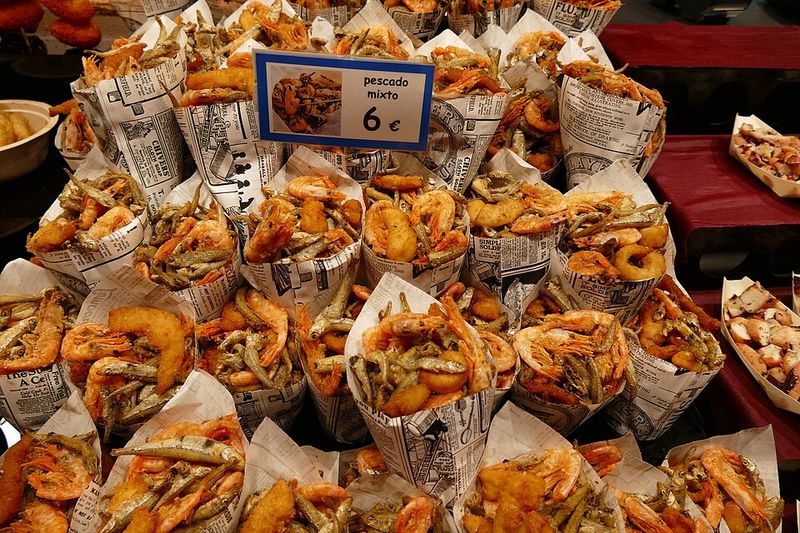
A stall can call something traditional all day long, but the label alone does not guarantee quality or honesty. In tourist zones, snacks are often adapted for speed, shelf life, and maximum markup, which can leave you with an expensive version of something locals barely recognize.
Heritage becomes a sales pitch.
Residents usually know the better vendor is one street away, where prices are fairer and the recipe still tastes like it belongs there. Those less obvious stalls may look simpler, yet they often offer fresher batches and more pride in the product.
You should not assume the closest snack to the attraction is the most authentic one. If every sign screams tradition, I start wondering how much of the tradition survived the pricing strategy.
10. Restaurants with Photos of Every Dish
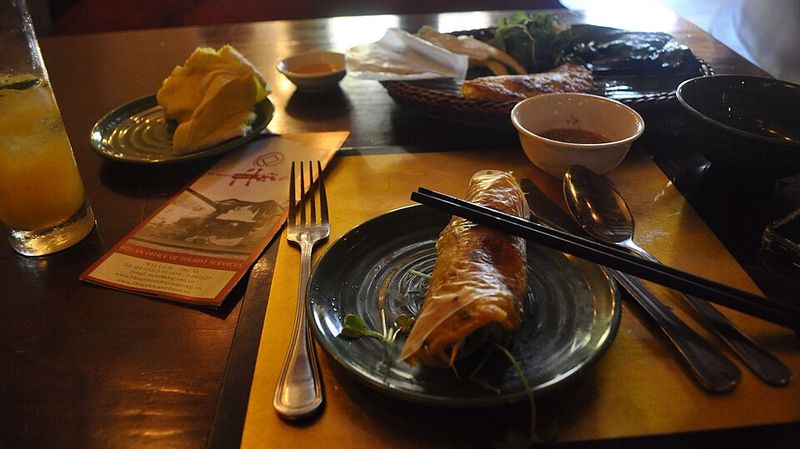
Photo menus can be useful when you do not speak the language, but they often appear where speed matters more than craft. Many of these restaurants are built to move visitors through quickly with familiar-looking dishes, predictable flavors, and minimal surprises.
That reassurance can come at the cost of real quality.
Locals generally trust places where the cooking has enough reputation that every plate does not need a sales portrait. A tighter menu, verbal recommendations, or a chalkboard special often points to a kitchen making food rather than advertising it.
Of course, there are exceptions, but the all-photo format is frequently a clue that turnover drives the business. If each dish looks better on the sign than on the table, you already know the pattern.
11. Spots Recommended Only by Taxi Drivers
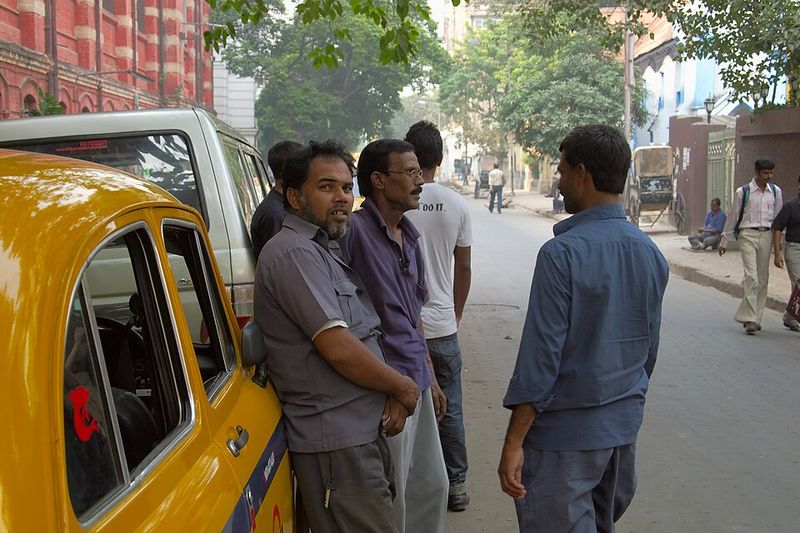
Some taxi drivers give fantastic food tips, but some recommendations come with a quiet financial incentive attached. That means the restaurant may be paying for traffic instead of earning it through quality, and you are the one funding the arrangement once the bill arrives.
Locals usually know this game well.
The easiest clue is when a driver insists on one specific place without asking what you like to eat. Good recommendations are usually personal and flexible, not rehearsed like a scripted detour.
You are better off cross-checking with hotel staff, shop owners, or residents who have no reason to send you anywhere particular. I listen politely, but if the suggestion feels too immediate and too polished, I assume the meter is not the only thing driving the choice.
12. Dining Spots Inside Souvenir Streets
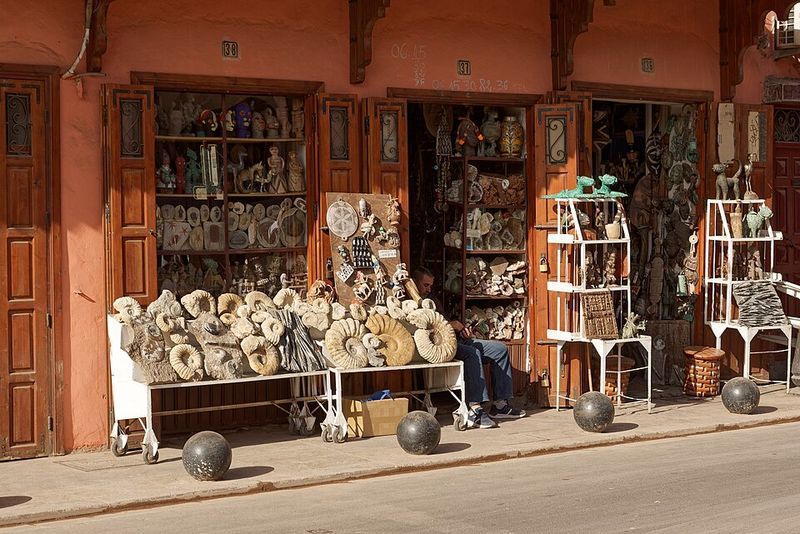
If your table is surrounded by snow globes, novelty shirts, and rows of keychains, food is probably not the main attraction. Restaurants on souvenir streets often survive because foot traffic is constant, not because the cooking inspires anyone to return.
They are selling convenience to people already primed to spend.
Locals rarely choose these spots when better meals exist just outside the shopping corridor. A short walk into a residential or market street usually brings calmer service, better prices, and dishes made for regulars rather than one-time visitors.
You do not need to eat where every storefront is trying to sell you a miniature landmark. When shopping is the neighborhood’s purpose, dinner can easily become just another souvenir you regret buying later.
13. Restaurants with Long Lines All Day
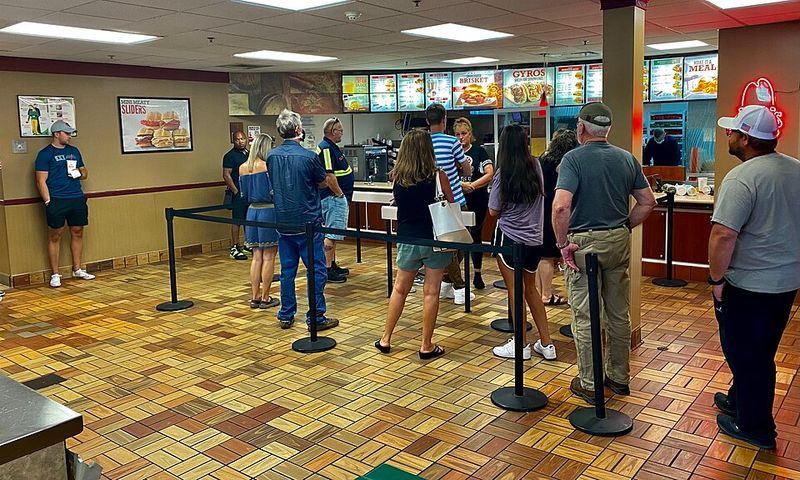
A long line can suggest greatness, but it can also reflect brilliant marketing, viral hype, or a dining room too small for the attention it attracts. Tourists often assume waiting proves quality, then overlook that locals with options are quietly eating elsewhere.
Popular and worthwhile are not always the same thing.
Residents tend to value reliability over spectacle, especially when they know comparable food is available nearby without the theatrical queue. Sometimes the famous spot is excellent, but sometimes the line becomes part of the product and keeps the buzz alive.
You should ask whether the meal is special or whether the wait simply makes it feel earned. If a restaurant is crowded every minute of the day, I start looking for where people who live there actually go.
14. Places with Loud Music and Flashy Decor
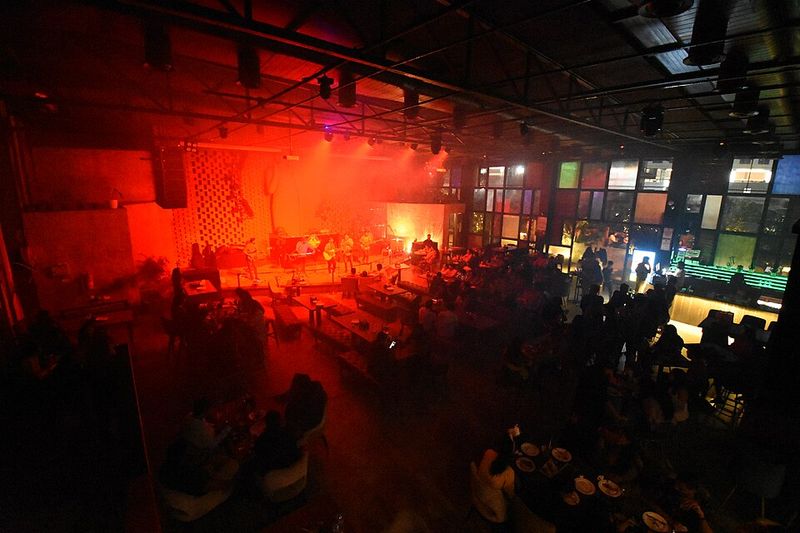
Some restaurants clearly want to entertain you before they ever feed you. Loud music, neon slogans, giant props, and theatrical plating can create a fun night, but they can also distract from food that would not stand on its own in a quieter room.
The performance becomes the point.
Locals often prefer understated places where conversation is easy and the kitchen gets the spotlight instead. Good cooking does not need a smoke machine, and a memorable dish rarely depends on a soundtrack turned up to nightclub levels.
You can absolutely enjoy a lively atmosphere, but it helps to notice when the vibe is doing all the heavy lifting. If the decor is unforgettable and the menu feels like an afterthought, the priorities are probably backwards from the start.
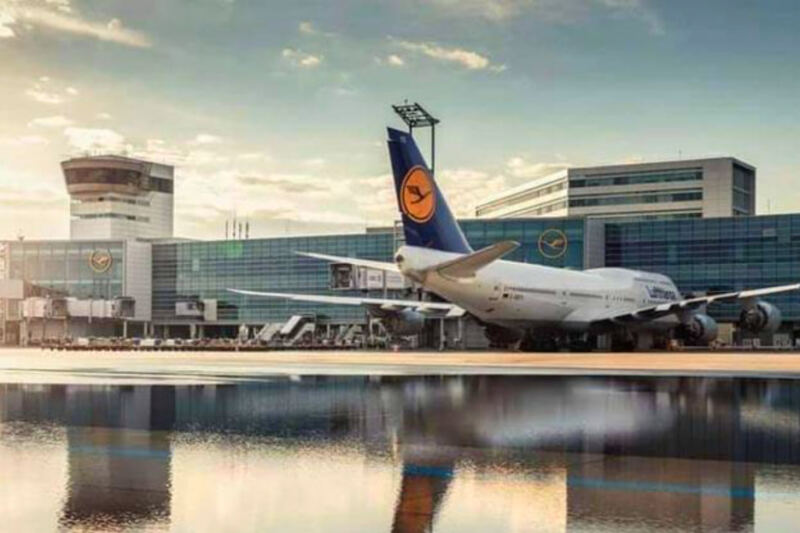
15. Authentic Restaurants in Airports or Train Stations
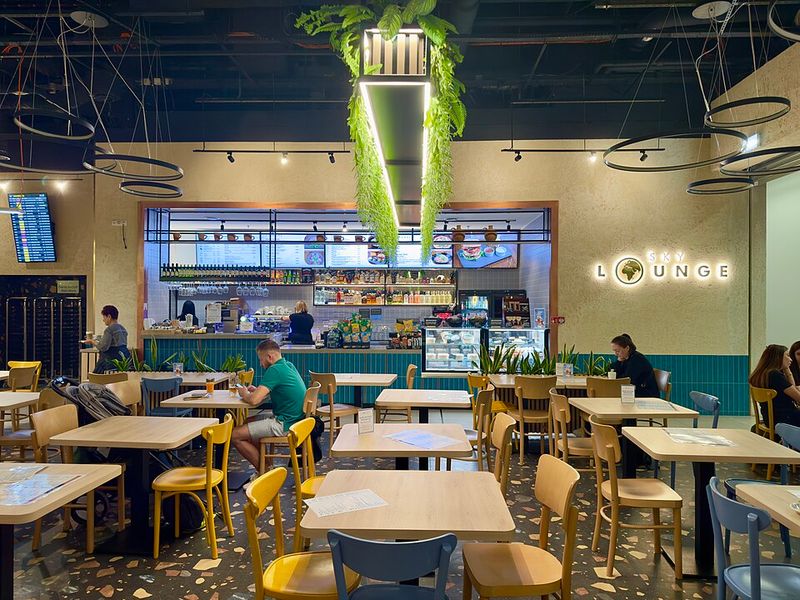
Transit hubs are built for speed, convenience, and captive audiences, not usually for the most meaningful version of local cuisine. A restaurant can use the word authentic on a station sign, but the food is often adjusted for fast turnover, broad tastes, and premium captive pricing.
It fills a gap more than a craving.
Locals know the best meals usually begin once you leave the terminal and enter the neighborhood itself. Even a modest cafe a few stops away can offer more character, better value, and a stronger sense of place than anything beside a departure board.
Sometimes you have no choice, and that is fine. But if time allows, stepping beyond the airport or station is often the difference between eating locally and merely eating near transportation.
Share this story