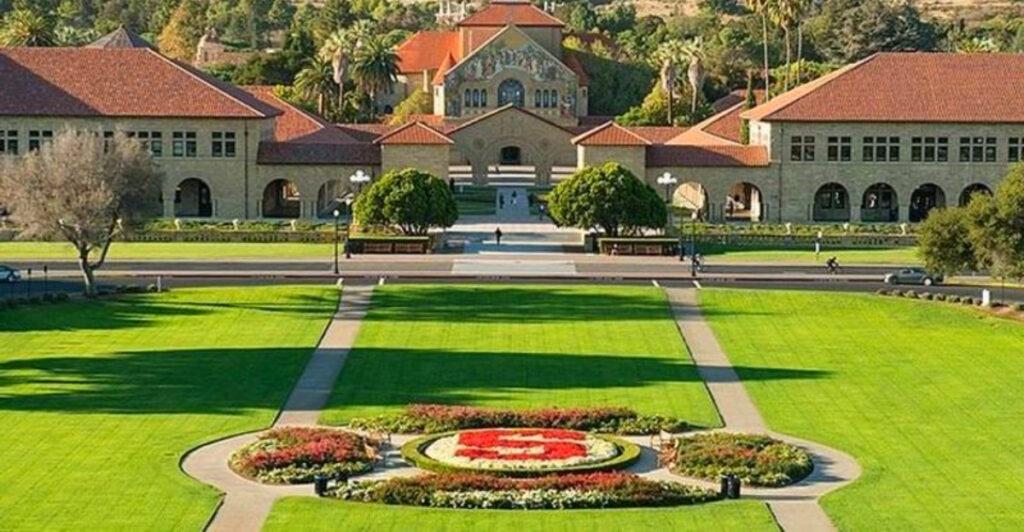
Some universities are so legendary that just saying their name turns heads. These institutions have shaped history, produced Nobel Prize winners, and trained the leaders, scientists, and thinkers who changed the world.
Whether you dream of studying medicine, engineering, law, or the arts, the universities on this list represent the very best education has to offer. Get ready to meet 13 of the most prestigious and respected universities on the planet.
University of Oxford (United Kingdom)
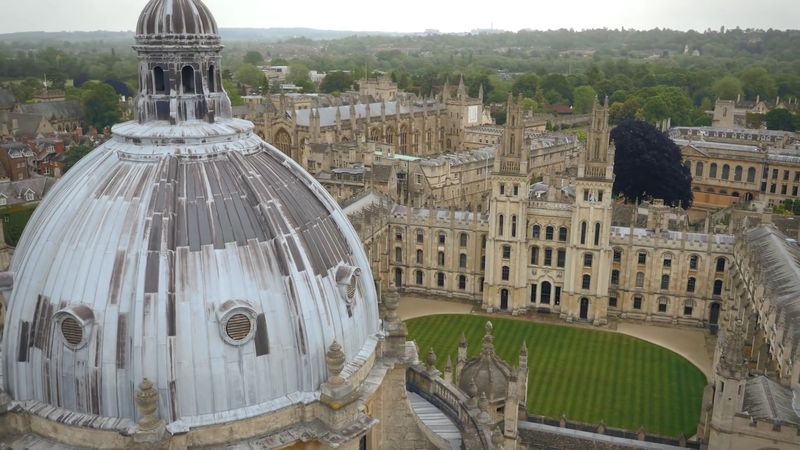
Walking through Oxford feels like stepping into a living history book — every cobblestone has a story to tell. Founded in the 12th century, the University of Oxford is the oldest English-speaking university in the world, and it has been setting the gold standard for education ever since.
Kings, prime ministers, and literary giants have all called Oxford home.
Oxford’s tutorial system is one of its most distinctive features. Instead of sitting in giant lecture halls, students meet one-on-one or in tiny groups with expert professors who challenge them to think sharper and argue smarter.
That kind of personal attention is rare at any university, let alone one ranked number one globally.
The university is divided into 39 independent colleges, each with its own traditions, dining halls, and social culture. Subjects like humanities, medicine, and philosophy thrive here.
Oxford has produced 28 British Prime Ministers and over 70 Nobel laureates. If academic royalty had an address, it would be Oxford, England.
Massachusetts Institute of Technology (MIT), USA
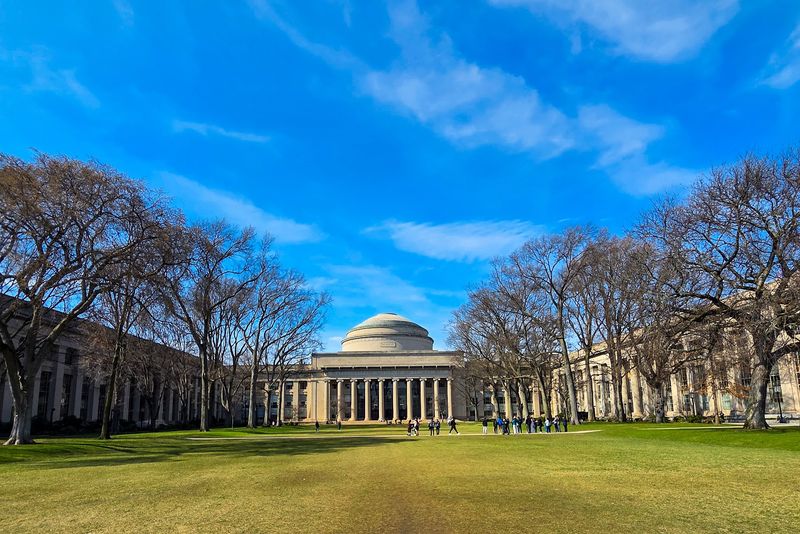
Legend has it that MIT students once hacked a campus building to look like a giant Tetris game — and the faculty was quietly impressed. That spirit of bold, creative problem-solving is exactly what makes MIT one of the most electric universities on Earth.
Located in Cambridge, Massachusetts, it sits right across the river from Boston, buzzing with energy and ideas.
MIT is the undisputed king of engineering and technology education. Its labs are where artificial intelligence, robotics, and quantum computing go from science fiction to reality.
Students do not just study breakthroughs — they create them. Research funding here runs into billions of dollars annually, attracting the sharpest minds from every corner of the globe.
The culture at MIT is intense but deeply collaborative. Students call their heavy workload the “firehose” — like drinking water from a fire hose.
But they also play hard, compete in hackathons, and launch startups. MIT alumni have founded companies worth trillions of dollars combined.
If innovation had a home base, MIT would be it.
Stanford University, USA
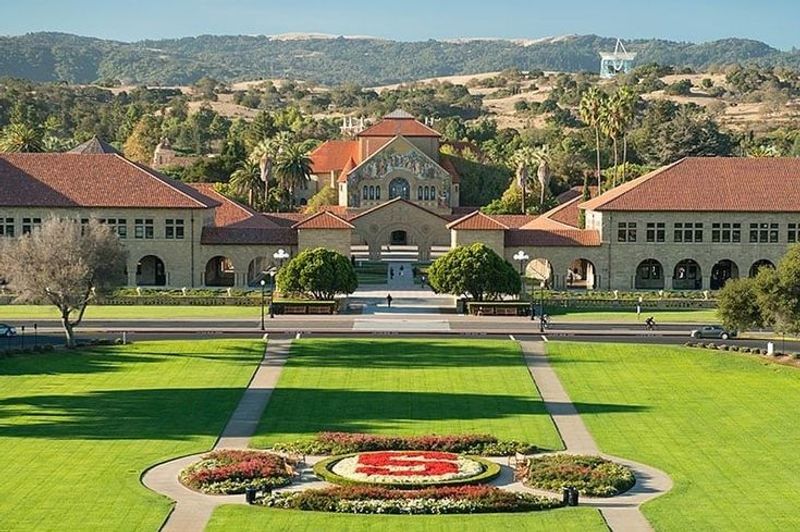
Somewhere between the California sunshine and the hum of Silicon Valley, Stanford University turned into the world’s greatest idea factory. Nestled in Palo Alto, its red-tiled roofs and palm-lined paths make it one of the most beautiful campuses anywhere.
But the real magic is what happens inside those buildings.
Stanford’s connection to the tech world is almost unreal. Google was literally born in a Stanford dorm room.
Hewlett-Packard started in a campus garage. Netflix, Instagram, and countless other billion-dollar companies trace their roots back to Stanford students and professors who refused to think small.
The university’s proximity to major tech firms means internships and partnerships are practically built into the experience.
Academically, Stanford excels across the board — from computer science and engineering to law, medicine, and the arts. Its acceptance rate hovers around 4%, making it one of the hardest universities to get into in the world.
Students here are driven, curious, and wildly ambitious. Stanford does not just prepare students for careers — it prepares them to build industries.
Harvard University, USA
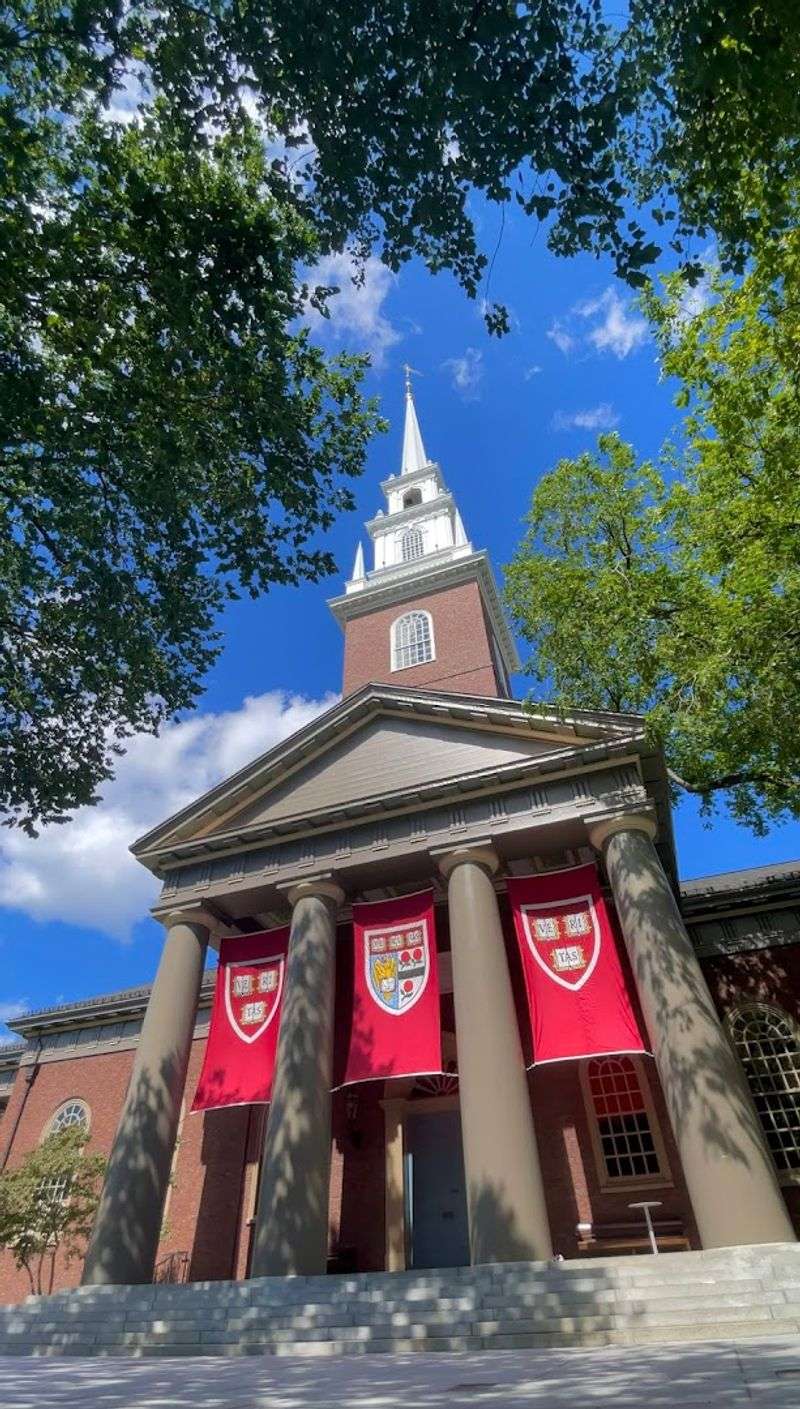
Eight U.S. presidents went to Harvard. So did Mark Zuckerberg — even if he did drop out to start Facebook.
Founded in 1636, Harvard is the oldest university in the United States, and its name carries a weight that very few institutions in the world can match. Just saying “I went to Harvard” is a conversation-stopper at any dinner table.
Harvard’s academic reputation spans every field imaginable. Its law school is considered the finest in the country.
Its medical school trains some of the world’s top doctors. Its business school has shaped CEOs, entrepreneurs, and world leaders for over a century.
The university’s library system holds over 20 million volumes — the largest academic library collection on the planet.
Life at Harvard is demanding, competitive, and endlessly stimulating. Students are surrounded by some of the most brilliant peers in the world, which pushes everyone to perform at their absolute best.
The campus in Cambridge is stunning, full of red-brick buildings and leafy courtyards that feel timeless. Harvard is not just a university — it is an experience that shapes a person for life.
University of Cambridge (United Kingdom)
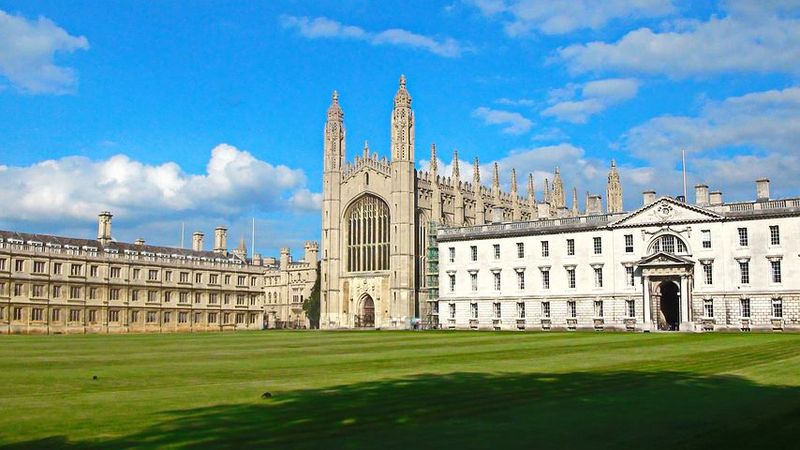
Isaac Newton figured out gravity here. Charles Darwin developed his theory of evolution here.
Stephen Hawking rewrote our understanding of the universe here. The University of Cambridge has a habit of producing people who change everything, and it has been doing so since 1209.
That is over 800 years of world-altering ideas.
Cambridge is made up of 31 colleges, each operating almost like its own mini-university with unique traditions and rituals. One beloved tradition is punting — gliding along the River Cam on a flat-bottomed boat while discussing everything from quantum physics to medieval poetry.
It sounds dreamy, and honestly, it is.
The academic standards at Cambridge are extraordinarily high. Students are expected to read widely, think independently, and challenge established ideas.
The supervision system — similar to Oxford’s tutorials — means professors give students focused, individual attention that is hard to find elsewhere. Cambridge consistently ranks in the global top three for universities.
With 121 Nobel laureates among its alumni and staff, it is not just prestigious — it is practically a Nobel Prize factory.
California Institute of Technology (Caltech), USA
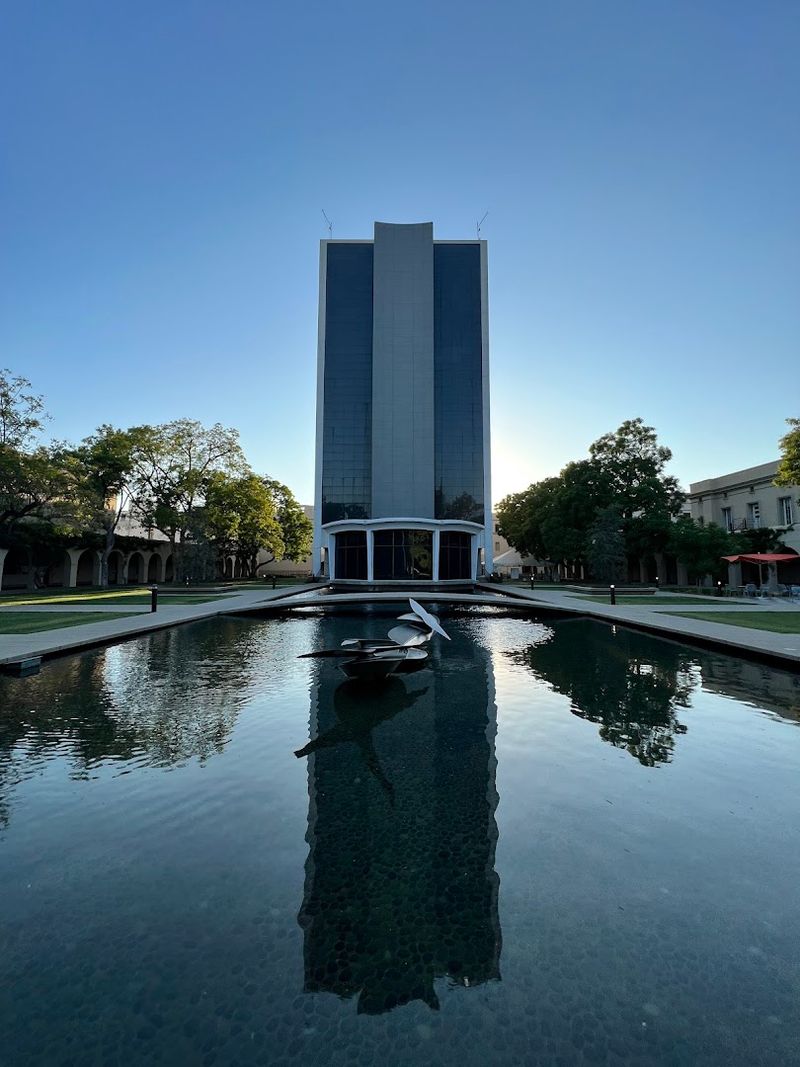
Caltech has fewer than 2,500 students total — smaller than many high schools — yet it consistently ranks among the top five universities in the entire world. How does a tiny school punch so far above its weight?
The answer is simple: it recruits and trains some of the most gifted scientific minds on the planet, then sets them loose on the hardest problems in existence.
Located in Pasadena, California, Caltech manages NASA’s Jet Propulsion Laboratory, which is responsible for sending rovers to Mars and probes to the outer edges of our solar system. So yes, Caltech literally helps humans explore space.
The university has produced 46 Nobel Prize winners — an astonishing number given its small size. Research output per faculty member here is among the highest in the world.
Students at Caltech are known for their intense academic focus and legendary pranks. They once changed the Rose Bowl scoreboard to show “Caltech 38, MIT 9” — a school that does not even have a football team.
That mix of intellectual seriousness and playful creativity defines Caltech culture. Small in size, enormous in impact.
Imperial College London (United Kingdom)
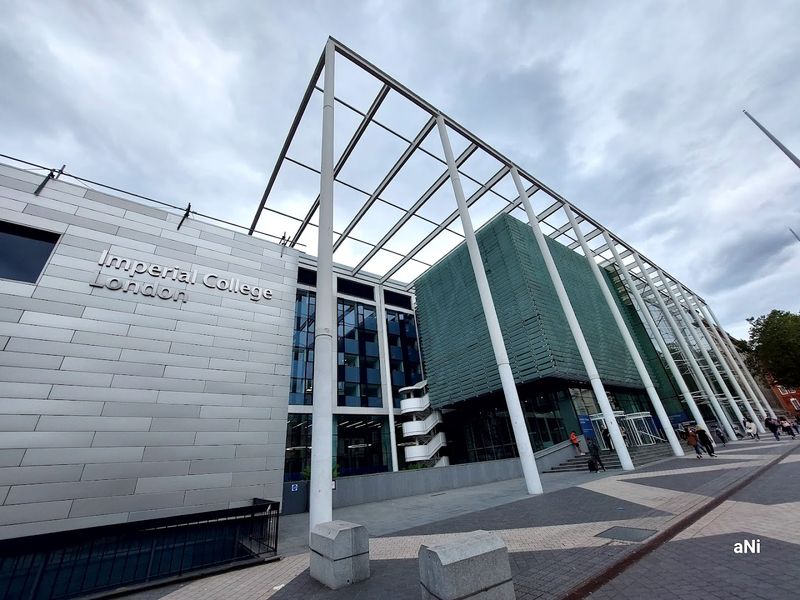
Right in the heart of London, surrounded by world-class museums and global businesses, Imperial College London has built a reputation as one of Europe’s most powerful universities for science, engineering, and medicine. Its location alone is a massive advantage — students are not just studying in a great city, they are studying in the center of a global hub.
Imperial was founded in 1907 and has always had a laser focus on applied knowledge — the kind of learning that solves real problems in the real world. Its researchers have contributed to everything from the development of penicillin to cutting-edge climate science.
During the COVID-19 pandemic, Imperial’s epidemiologists were among the first to model the virus’s spread and advise world governments on their responses.
The student body at Imperial is remarkably international, with students from over 140 countries bringing diverse perspectives to every lecture and lab. Connections to London’s finance, healthcare, and technology sectors give graduates a significant career edge.
Imperial consistently ranks in the global top ten, proving that a focused, specialized university can absolutely compete with the all-rounders at the very top.
ETH Zurich (Switzerland)
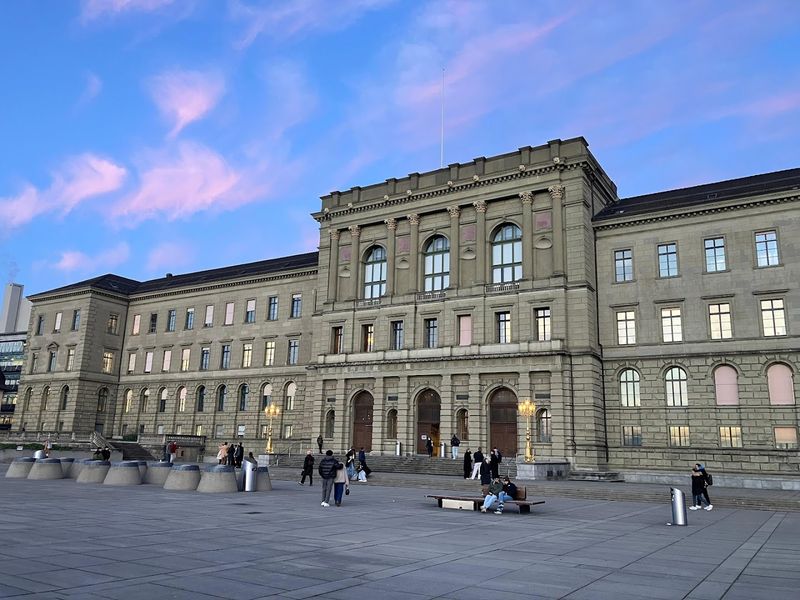
Albert Einstein was rejected by ETH Zurich on his first application — then came back, graduated, and went on to develop the theory of relativity. That story says a lot about both Einstein and ETH Zurich: this is a university that attracts extraordinary people and pushes them toward extraordinary things.
Located in Switzerland’s vibrant city of Zurich, ETH is Europe’s crown jewel for science and technology.
ETH Zurich has produced 22 Nobel Prize winners, an incredible number for a single institution. Its strengths lie in engineering, mathematics, physics, and computer science, though it excels across the natural sciences broadly.
The university’s research is globally recognized, and its graduates are recruited by the world’s top companies and research institutions without hesitation.
Switzerland’s reputation for precision, quality, and innovation flows directly into ETH’s culture. Students are trained to be rigorous, methodical, and creative in equal measure.
The campus itself is stunning — perched above the city with views of the Alps on clear days. Instruction is primarily in German, which adds a unique dimension for international students eager to immerse themselves fully.
ETH Zurich is proof that world-class education does not require an English-speaking country.
University of California, Berkeley (USA)
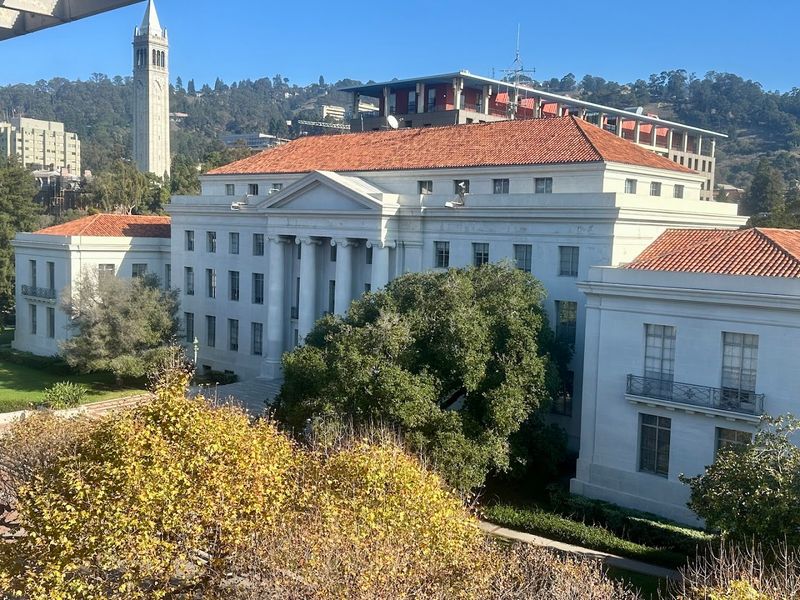
UC Berkeley has a rebellious spirit baked into its DNA. In the 1960s, it was the birthplace of the Free Speech Movement, a student-led uprising that changed how Americans think about civil rights and free expression on campuses.
That bold, questioning energy never left — and it is part of what makes Berkeley one of the most intellectually alive universities in the world.
As a public university, Berkeley is remarkable for offering world-class education at a fraction of the cost of private Ivy League schools. It ranks among the top public universities globally and has produced more Nobel Prize winners than most countries.
Fields like chemistry, physics, computer science, and economics are particularly celebrated here. Berkeley researchers have helped develop everything from the polio vaccine to the internet itself.
The campus is iconic — dominated by the Sather Tower campanile, which chimes every hour over the bustling student population. With over 40,000 students, Berkeley has the energy of a small city.
The surrounding Bay Area gives students access to Silicon Valley tech firms, San Francisco’s cultural scene, and one of the most dynamic job markets in the country. Berkeley proves that public education can be world-class.
Yale University (USA)
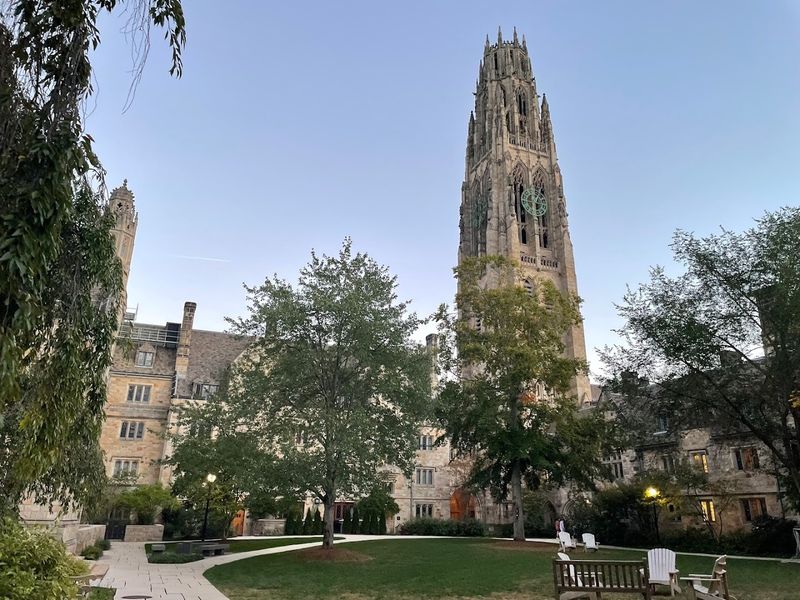
Yale’s campus looks like someone designed it specifically to make students feel like they are living inside a fantasy novel. Gothic stone towers, hidden courtyards, carved gargoyles, and centuries-old dining halls create an atmosphere that is equal parts dramatic and inspiring.
Founded in 1701, Yale is one of America’s original nine colonial colleges, and it has been producing world-changers ever since.
Yale is best known for its law school, which is consistently ranked the finest in the United States. Five U.S. presidents attended Yale, along with countless Supreme Court justices, senators, and global leaders.
Its drama school has launched legendary careers in film and theater. The Whiffenpoofs, Yale’s all-male a cappella group founded in 1909, is one of the oldest college singing groups in America — a quirky but charming piece of the university’s cultural fabric.
Academically, Yale places a strong emphasis on the humanities and social sciences while maintaining excellent programs across all disciplines. The residential college system groups students into smaller communities within the larger university, creating tight-knit social bonds.
Yale graduates carry a deep sense of civic responsibility and intellectual curiosity — qualities the university deliberately cultivates from day one.
Princeton University (USA)
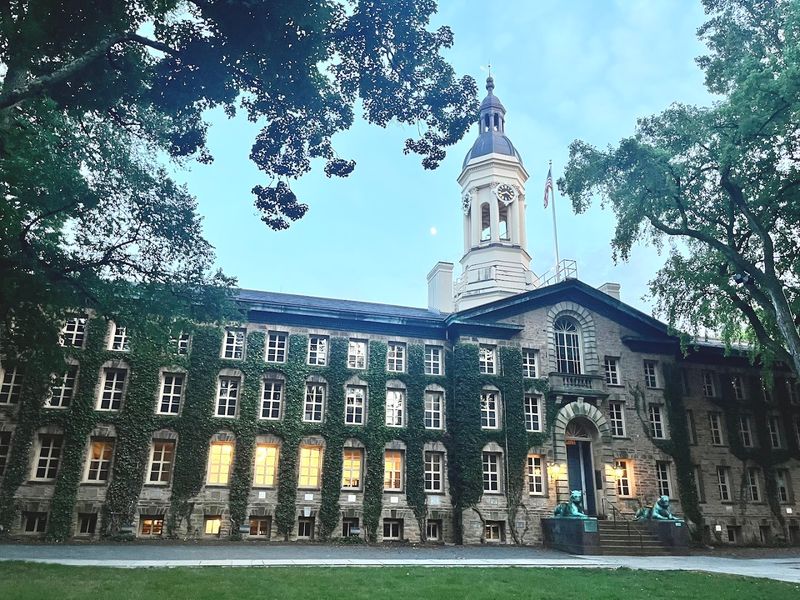
Princeton has a quiet confidence that sets it apart from flashier Ivy League rivals. There are no professional schools here — no law school, no business school, no medical school.
Princeton made a deliberate choice to focus almost entirely on undergraduate and graduate academic programs, and that laser focus has made it one of the finest teaching universities in the world.
Ranked consistently in the top five globally, Princeton is especially celebrated for mathematics, physics, economics, and public policy. The Institute for Advanced Study, located just down the road, once employed Albert Einstein — and Princeton’s connection to world-class theoretical research runs deep.
The student-to-faculty ratio is impressively low, meaning students get real access to professors who are leaders in their fields.
The campus in New Jersey is one of the most beautiful in the country, filled with Gothic and Romanesque architecture that feels both grand and welcoming. The eating clubs — private social organizations that replace traditional fraternities — are a uniquely Princeton tradition that gives campus social life a distinctive, old-world character.
Princeton produces graduates who are not just academically brilliant but deeply equipped to lead, question, and contribute meaningfully to the world.
National University of Singapore (NUS), Singapore
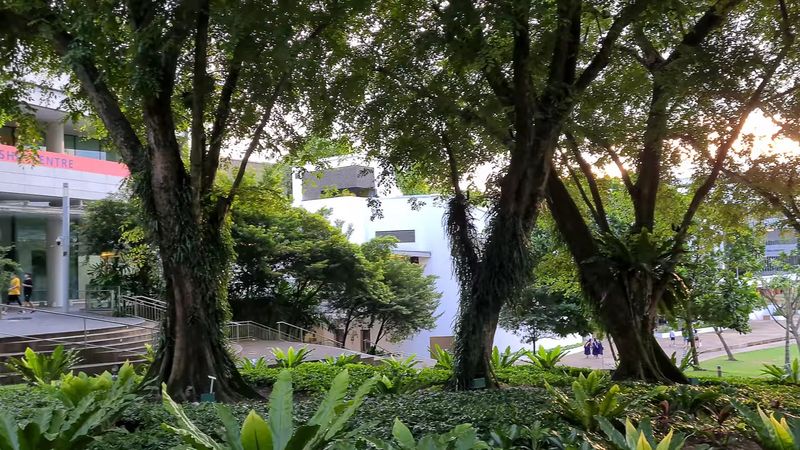
NUS does not just dominate Asian university rankings — it regularly crashes the global top twenty, rubbing shoulders with Oxford, MIT, and Harvard as if it belongs there. Spoiler: it absolutely does.
Founded in 1905, the National University of Singapore has grown from a small medical college into one of the most dynamic and globally connected research universities on the planet.
Singapore’s strategic position as a global business and technology hub flows directly into the NUS experience. Students have access to partnerships with multinational companies, government agencies, and leading research institutions across Asia and beyond.
Programs in engineering, business, computing, and life sciences are particularly strong, drawing students from over 100 countries who want a world-class degree with an Asian edge.
The campus itself is vast and lush, spread across a hilly area in western Singapore with tropical greenery softening the sleek, modern architecture. NUS invests heavily in research, particularly in areas like smart cities, biomedical science, and sustainable technology — fields that will define the next century.
Graduates leave with not just excellent credentials but a genuinely global perspective. NUS is living proof that world-class education is not limited to Europe or North America.
University College London (UCL), United Kingdom
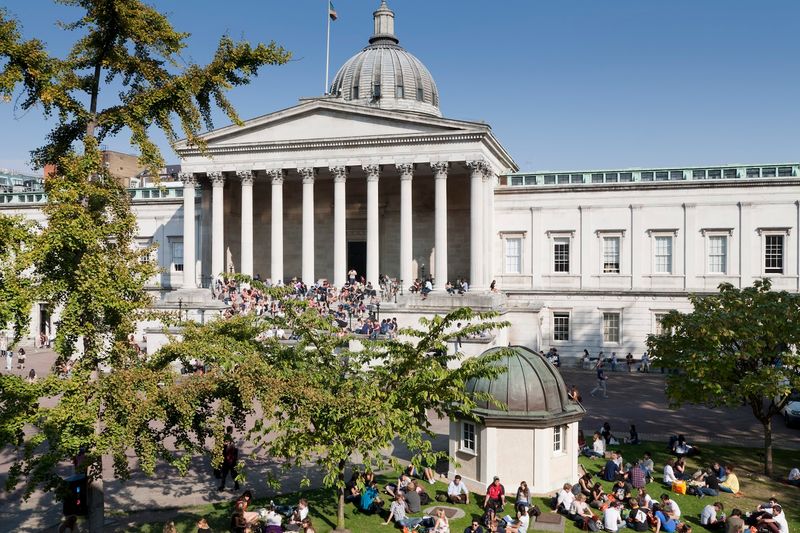
UCL was founded in 1826 as a radical institution — it was the first university in England to admit students regardless of religion, and one of the first in the world to welcome women on equal terms with men. That progressive, barrier-breaking spirit is still very much alive today, making UCL one of the most diverse and forward-thinking universities anywhere.
Located in Bloomsbury, central London, UCL sits in one of the world’s great intellectual neighborhoods, surrounded by the British Museum, world-class hospitals, and a dense network of research institutions. Its strengths span an enormous range of disciplines — from neuroscience and architecture to law, economics, and the fine arts.
UCL researchers have made landmark contributions to genetics, brain science, and urban planning, among many other fields.
The student population is strikingly international, with roughly half of all students coming from outside the United Kingdom. That mix of cultures, languages, and perspectives creates a campus atmosphere that feels genuinely global.
UCL consistently ranks in the world’s top ten universities and has produced 30 Nobel Prize winners. For students who want academic excellence wrapped in the energy of one of the world’s greatest cities, UCL is an extraordinary choice.
Share this story