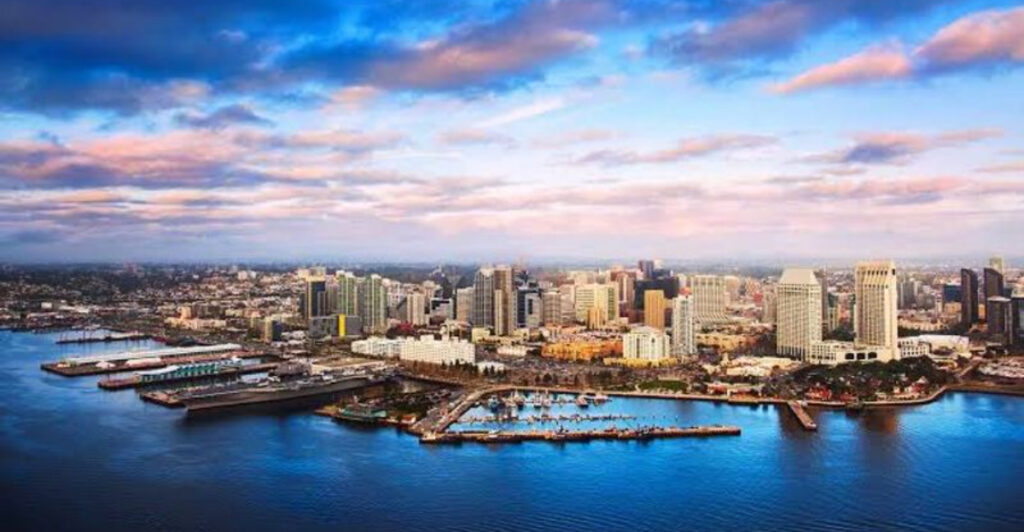
Some cities are meant to be rushed through, and some are meant to be savored like a good meal. The United States is packed with places where every street corner has a story, every building carries a memory, and every neighborhood holds a culture all its own.
I learned this firsthand when I spent a lazy afternoon in Charleston just sitting on a porch, realizing I had barely scratched the surface. These 15 cities reward the slow traveler who shows up curious and leaves with a full heart.
New Orleans, Louisiana
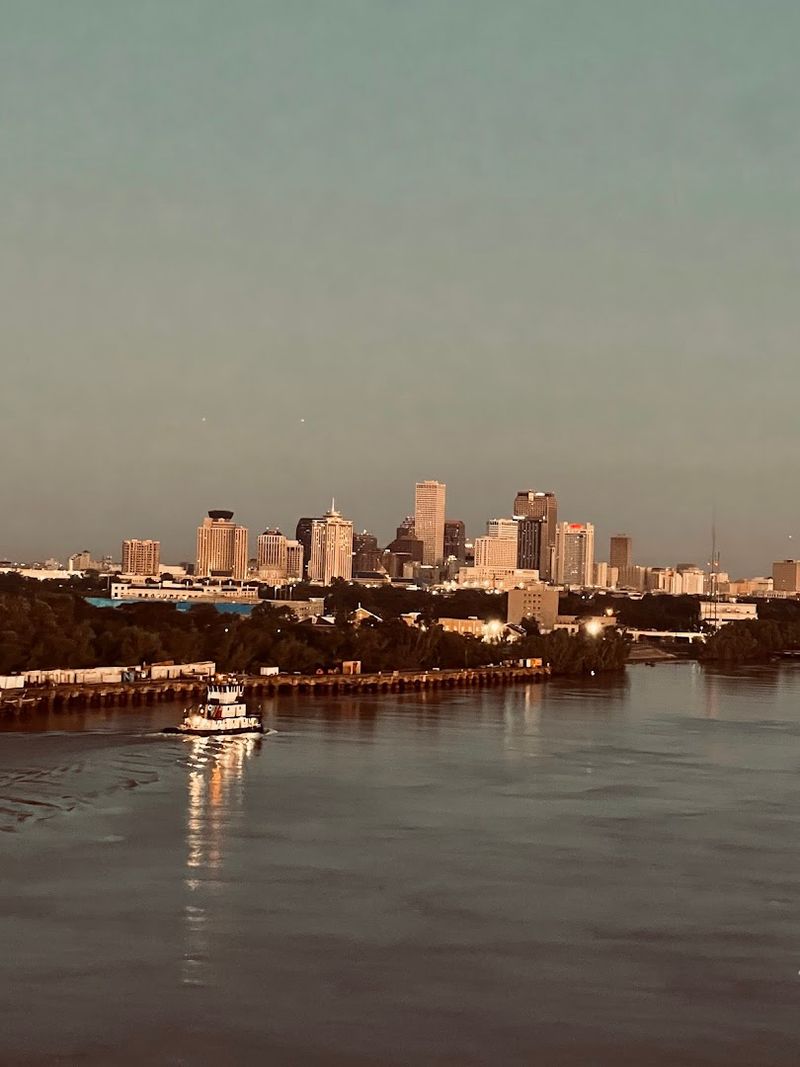
No city in America throws a party quite like New Orleans, and trust me, it shows up even on a Tuesday. The French Quarter alone is a living museum of wrought-iron balconies, Creole cooking, and jazz that seems to leak out of every open door.
Founded in 1718 by French colonists, New Orleans blends French, Spanish, African, and Native American cultures into something entirely its own. The food here is not just food.
It is a cultural statement. Beignets, gumbo, and crawfish etouffee are all worth the trip alone.
Walk slowly through the Garden District and let the oak trees and painted mansions do the talking. Visit the historic cemeteries, called Cities of the Dead, where above-ground tombs tell stories going back centuries.
New Orleans does not rush, and neither should you.
Santa Fe, New Mexico
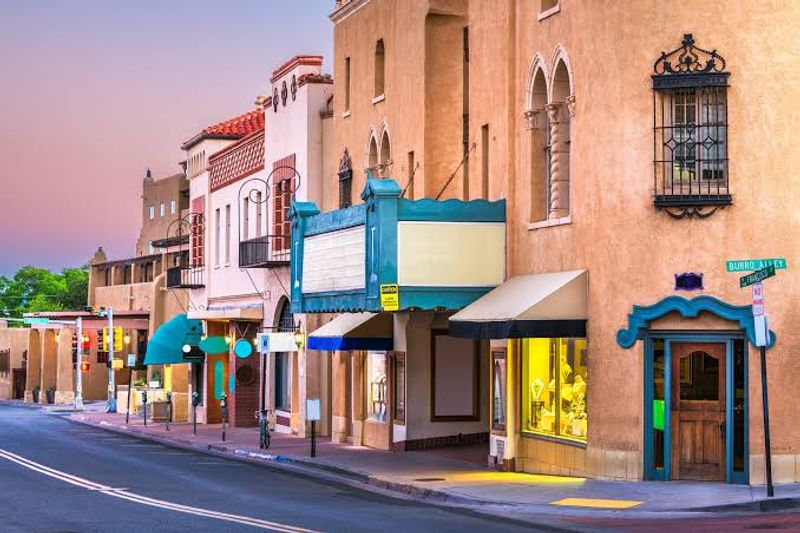
At 7,000 feet above sea level, Santa Fe sits higher than most U.S. cities, and its culture feels just as elevated. Founded in 1610, it is the oldest state capital in the country, which means history here is not a museum exhibit.
It is the actual city itself.
The adobe architecture is not a style choice. It is a tradition stretching back centuries, blending Spanish colonial and Pueblo Native influences into a look found nowhere else on Earth.
The Plaza at the center of town has been a gathering place for over 400 years.
I spent a morning at the Palace of the Governors watching Native artisans sell handmade jewelry under its portal, just as they have done for generations. The Georgia O’Keeffe Museum and Canyon Road galleries make Santa Fe one of the most art-dense small cities anywhere.
Slow down here. Every detail rewards attention.
Charleston, South Carolina
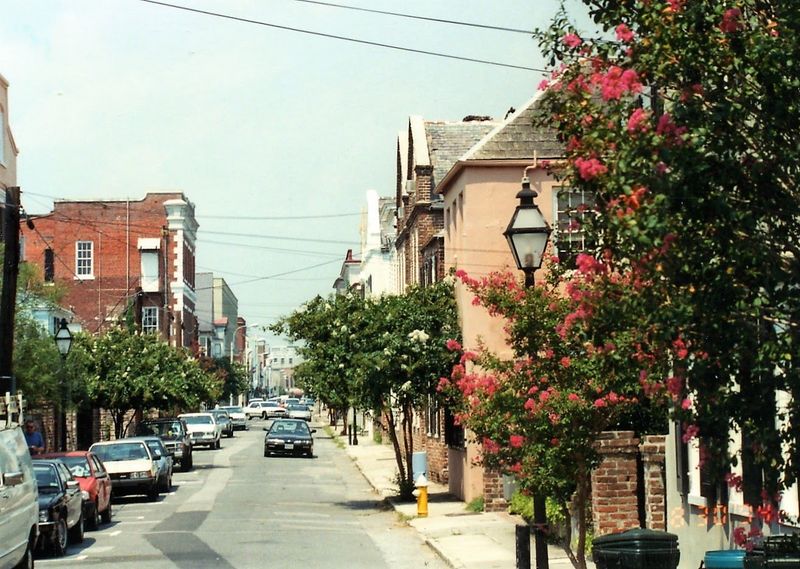
Charleston is the kind of city that makes you forget what year it is, and honestly, that is a compliment. Founded in 1670, it is one of the oldest cities in the South, and it carries that weight with both pride and a willingness to reckon with its complicated past.
The Battery promenade, antebellum mansions, and centuries-old churches give the city a layered beauty that takes time to appreciate. Rainbow Row, a stretch of 13 colorful Georgian row houses, is probably the most photographed block in South Carolina for good reason.
Charleston is also a food city of serious standing. She-crab soup and shrimp and grits are local staples that taste even better when eaten at a table overlooking the harbor.
The city’s history includes the painful legacy of slavery, and sites like the International African American Museum make sure that story is told honestly. Go slow here.
There is a lot to carry.
San Antonio, Texas
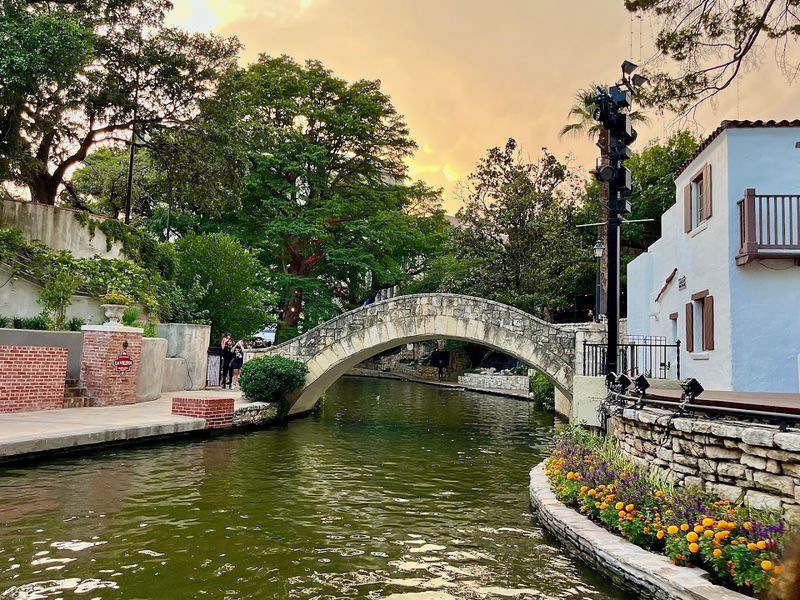
San Antonio is proof that Texas history is bigger, older, and more complicated than the cowboy hats suggest. The city sits at the crossroads of Native American, Spanish, Mexican, and American cultures, and you can feel all four pulling at you at once.
The Alamo is the obvious starting point, but do not stop there. Mission San Jose and the other four Spanish colonial missions along the San Antonio Missions National Historical Park are a UNESCO World Heritage Site and absolutely stunning.
They date back to the early 1700s.
The River Walk is a beloved stretch of restaurants, shops, and public art winding along the San Antonio River below street level. It is touristy, yes, but also genuinely charming.
The historic Market Square, known as El Mercado, is the largest Mexican market in the United States and a living piece of the city’s deeply rooted Tejano culture. Budget extra time here.
Savannah, Georgia
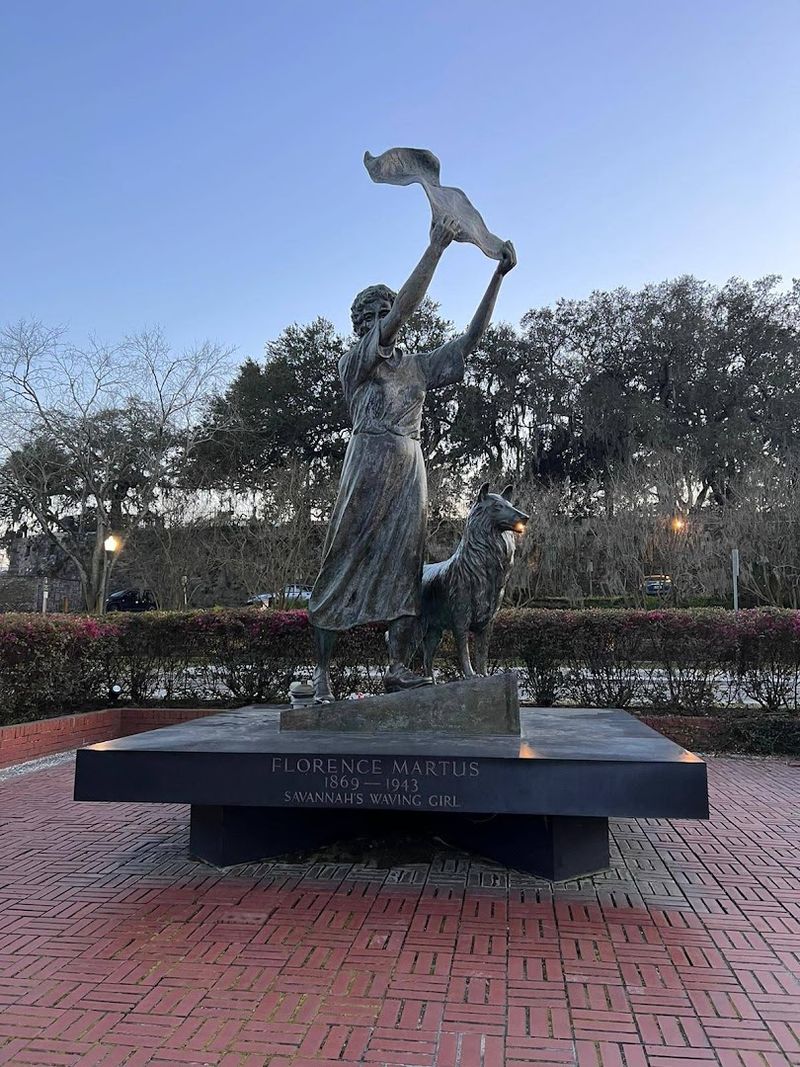
Savannah was designed to be walked slowly, and its founders knew exactly what they were doing. The city’s famous grid of 22 public squares, laid out in 1733 by General James Oglethorpe, is one of the most thoughtfully planned urban spaces in American history.
Each square is a little neighborhood park surrounded by historic homes, churches, and monuments. Forsyth Park, the crown jewel, features a gorgeous 19th-century fountain that has appeared in more Instagram photos than anyone can count.
The entire city feels like a film set, except it is completely real.
Savannah’s history is rich and layered. It was the first planned city in America, a major port during the Civil War, and home to one of the country’s most vibrant African American cultural scenes.
The First African Baptist Church, founded in 1773, is the oldest Black church in North America. That alone is worth the trip.
St. Augustine, Florida
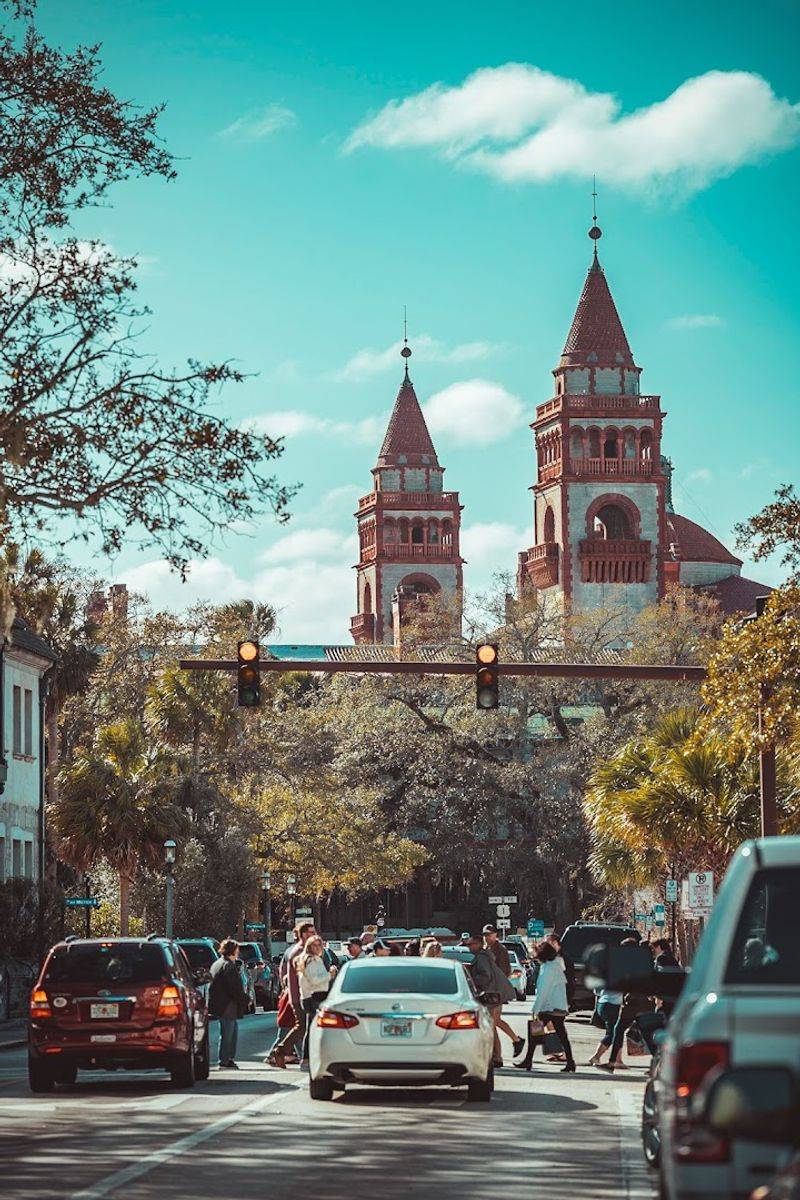
St. Augustine holds the title of oldest continuously occupied European settlement in the United States, established by Spanish explorers in 1565. That is more than 50 years before the Pilgrims showed up at Plymouth Rock, just to put things in perspective.
Walking through the old city feels genuinely different from most American historic districts because the history here is so deep it almost defies belief. The Castillo de San Marcos, a massive coquina stone fort completed in 1695, still stands at the edge of the bay and is remarkably well preserved.
St. George Street is the main pedestrian drag, lined with colonial-era buildings, quirky shops, and restaurants serving fresh Florida seafood. The Flagler College campus, housed in what was once Henry Flagler’s luxurious Ponce de Leon Hotel from 1888, is worth a tour on its own.
St. Augustine rewards visitors who slow down and read every historical marker they pass.
Philadelphia, Pennsylvania
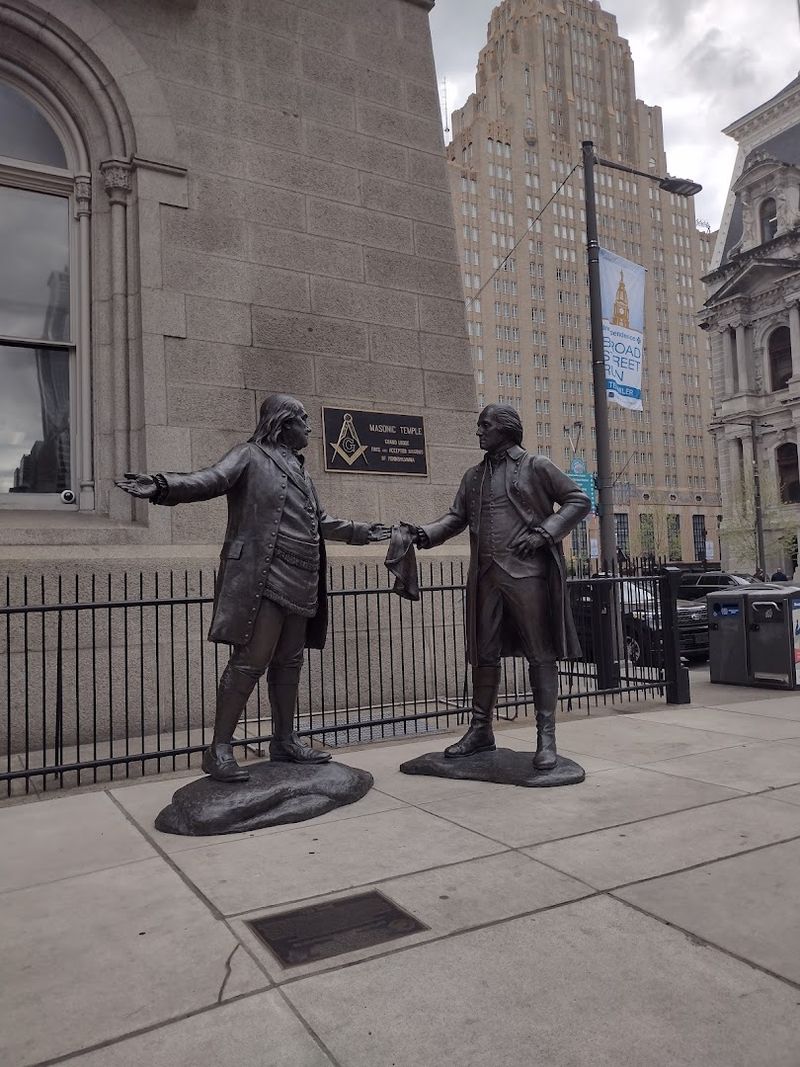
Philadelphia is where the United States basically wrote its own origin story, and the receipts are still on display. The Declaration of Independence and the U.S.
Constitution were both drafted here, and you can stand in the very rooms where it happened at Independence Hall.
Beyond the founding documents, Philly has one of the richest cultural scenes of any American city. The Philadelphia Museum of Art, the Barnes Foundation, and the Rodin Museum sit within easy walking distance of each other and together hold more masterpieces than most countries claim.
The city’s neighborhoods are equally compelling. South Philly has Italian American roots that go back over a century, while the African American cultural history centered around the neighborhood of North Philadelphia is profound and often overlooked by tourists.
The Reading Terminal Market, open since 1893, is a beloved food hall where Amish vendors sell pretzels next to cheesesteak stands. Philly keeps it real, always.
San Francisco, California
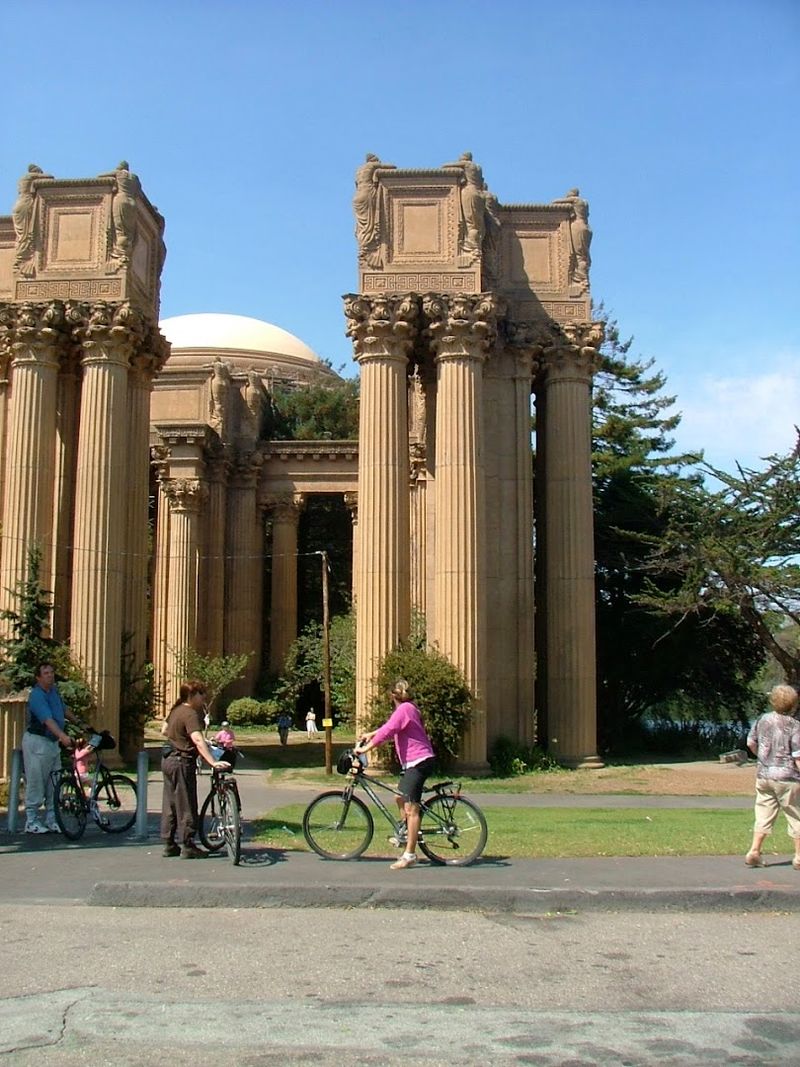
San Francisco has been reinventing itself for over 170 years, and somehow it never loses its edge. From the Gold Rush of 1849 to the Beat Generation of the 1950s to the Summer of Love in 1967, the city has always been a magnet for people who color outside the lines.
Chinatown here is the oldest in North America, established in 1848, and it remains a thriving, living neighborhood rather than a theme park version of itself. The Mission District’s murals cover entire building sides with Latinx history and political art that changes with the times.
Alcatraz Island sits in the middle of the bay like a stone puzzle, and the audio tour there is one of the best in the country. The cable cars, the fog, the sourdough bread at Fisherman’s Wharf, and the views from Twin Peaks all add up to a city that earns every cliche it has ever collected.
Go at your own pace.
Honolulu, Hawaii
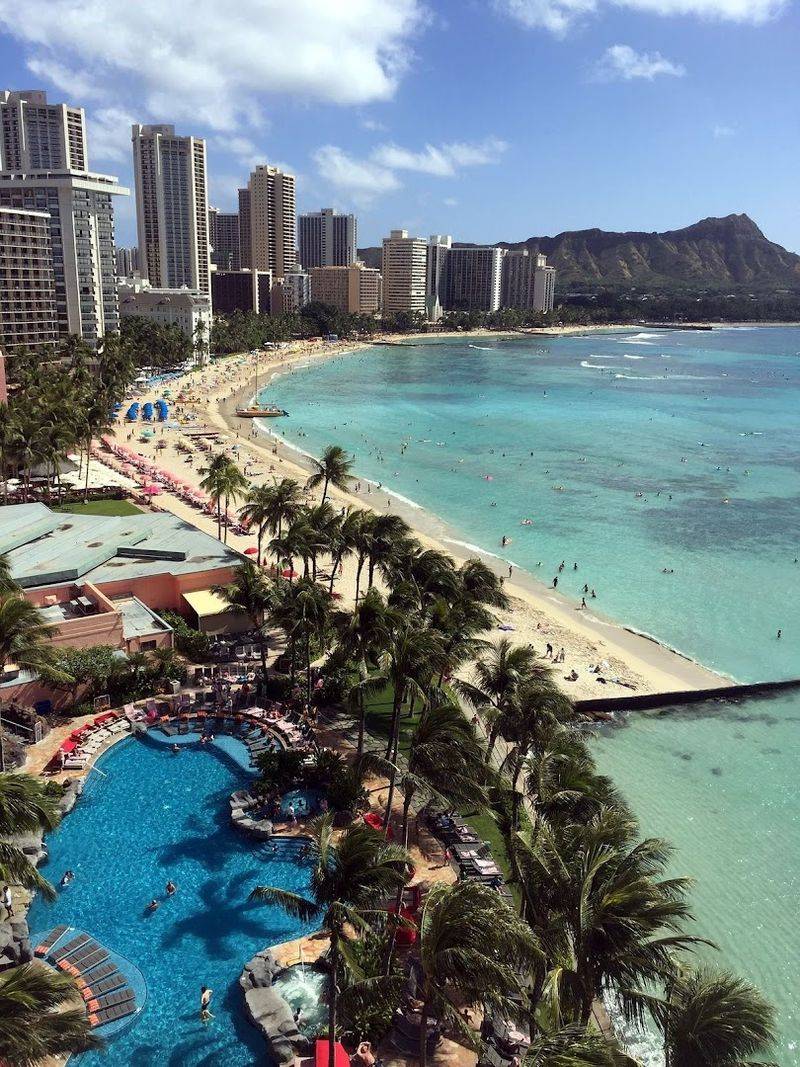
Honolulu is not just a beach destination. It is a city carrying the weight of ancient Polynesian tradition, colonial history, and one of the most pivotal moments in American military history, all within a few square miles of each other.
The Bishop Museum holds the largest collection of Hawaiian and Pacific artifacts in the world, and spending even an afternoon there changes how you understand the islands. The Royal Hawaiian Hotel, known as the Pink Palace, opened in 1927 and still stands on Waikiki Beach as a reminder of an earlier, slower era of travel.
Pearl Harbor and the USS Arizona Memorial are genuinely moving to visit. Over 1,000 sailors remain entombed in the sunken battleship below.
Chinatown in Honolulu is one of the city’s oldest neighborhoods, packed with history, art galleries, and some of the best pho in the Pacific. Honolulu holds more layers than most people expect to find.
Memphis, Tennessee
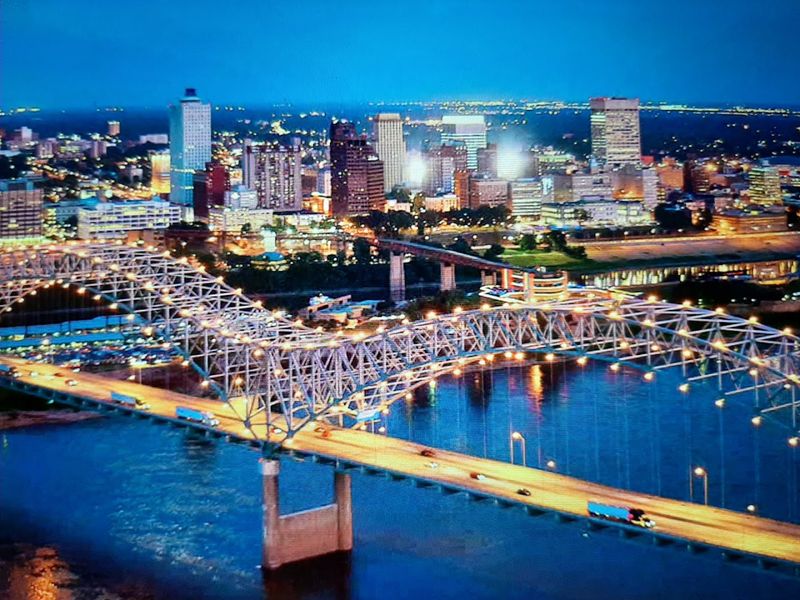
Memphis gave the world the blues, soul music, and rock and roll, and it did all three before most cities figured out what a record player was. Beale Street is the spiritual home of American blues, and walking it at any hour feels like a pilgrimage for music lovers.
Sun Studio, opened in 1950 by Sam Phillips, is where Elvis Presley, Johnny Cash, Jerry Lee Lewis, and B.B. King all recorded their early work.
The tours are run by people who genuinely love this history, and it shows. The studio is tiny, which somehow makes it feel more powerful.
Graceland draws over 600,000 visitors a year and remains one of the most visited private homes in the country. The National Civil Rights Museum, built around the Lorraine Motel where Dr. Martin Luther King Jr. was assassinated in 1968, is one of the most important cultural sites in America.
Memphis does not flinch from its history.
Boston, Massachusetts
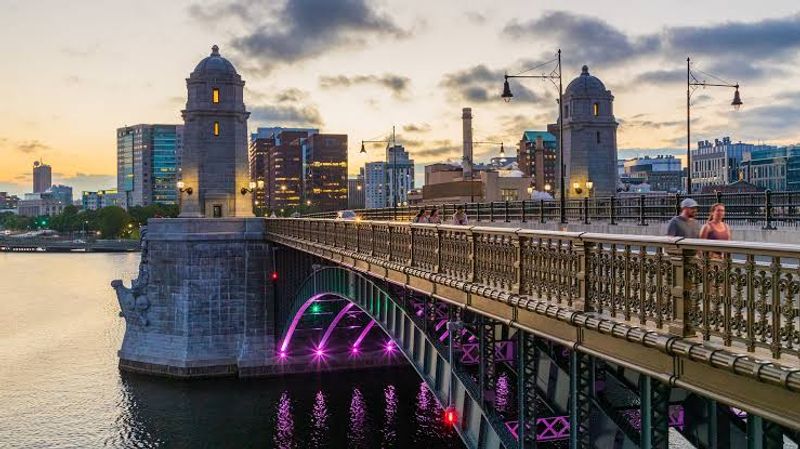
Boston is the city that basically started a revolution, and it has been a little smug about it ever since. Justified smugness, though.
The Freedom Trail is a 2.5-mile walking path connecting 16 sites central to the birth of American independence, and it is one of the best self-guided history walks in the world.
The Paul Revere House, the oldest remaining structure in downtown Boston, dates to around 1680. The Old South Meeting House is where colonists gathered before the Boston Tea Party.
These are not reconstructions. They are the actual buildings, and that matters.
Harvard University and MIT both sit just across the Charles River in Cambridge, giving the whole area a brainy energy that has been buzzing since 1636. The North End, Boston’s Italian neighborhood, has been continuously inhabited for over 300 years and still serves the best cannoli in New England.
Boston earns every history lesson it delivers.
Detroit, Michigan
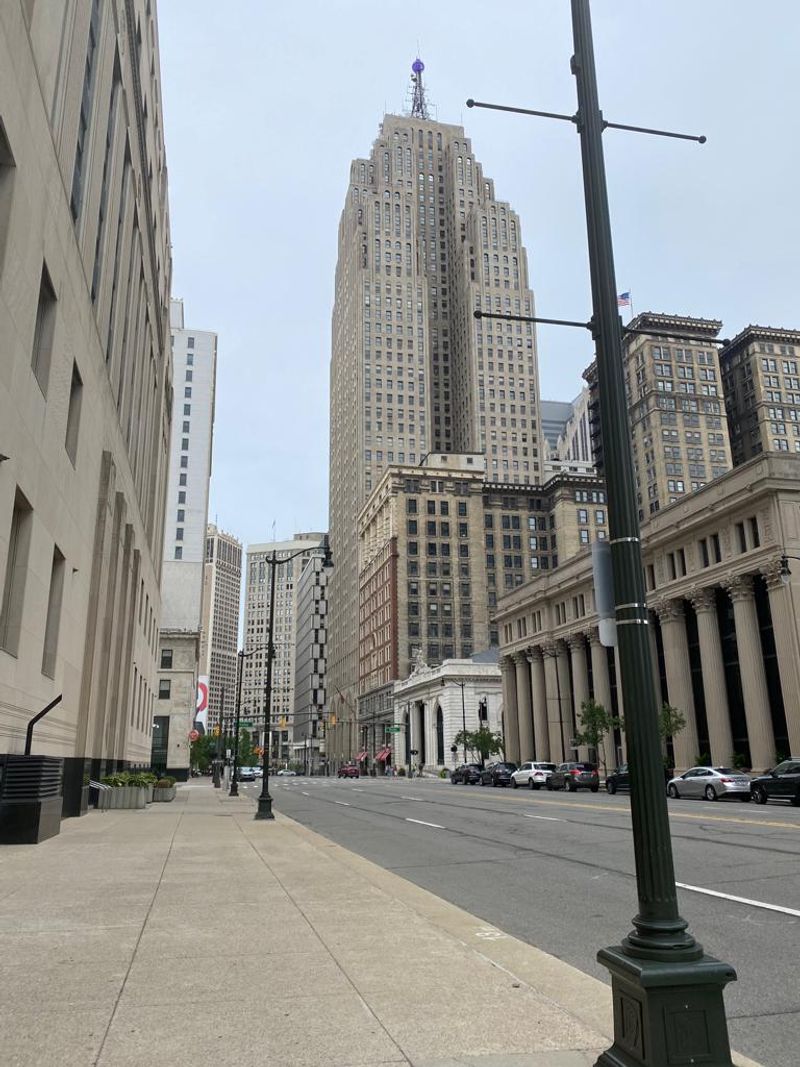
Detroit gets underestimated constantly, and that is a mistake that mostly benefits the people smart enough to show up anyway. This city invented Motown, shaped American automotive culture, and produced a techno music scene that influenced dance floors from Berlin to Tokyo.
The Motown Museum, housed in the original Hitsville U.S.A. recording studio on West Grand Boulevard, is a must. Standing in Studio A where Marvin Gaye, Stevie Wonder, and Diana Ross all recorded is genuinely surreal.
The studio has been preserved almost exactly as it was in the 1960s.
Detroit’s art scene is thriving in ways that surprise first-time visitors. The Detroit Institute of Arts houses Diego Rivera’s famous Detroit Industry Murals, painted in 1932 and considered among the greatest works of public art in North America.
Eastern Market, one of the largest historic public markets in the country, buzzes every Saturday with local vendors and street art. Detroit rewards the curious.
Washington, District of Columbia
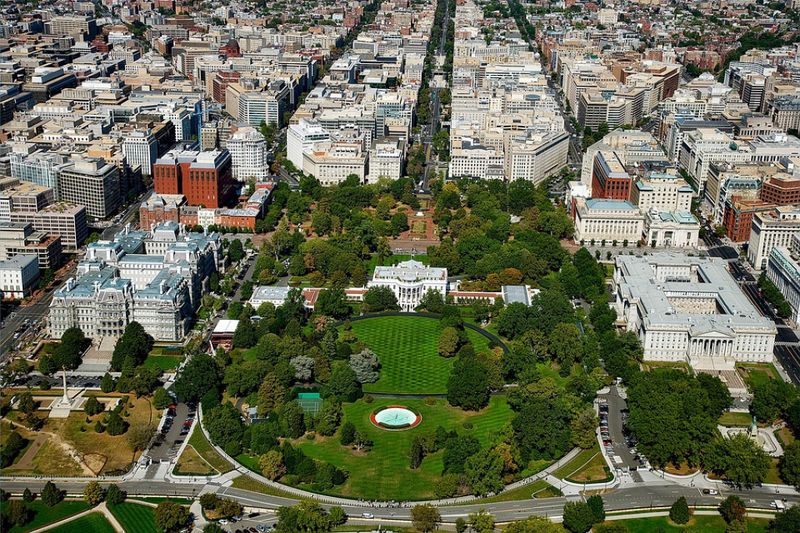
Washington D.C. is the kind of city where you can spend an entire week visiting free world-class museums and still feel like you only scratched the surface. The Smithsonian Institution alone runs 19 museums and galleries, all free, all extraordinary.
The National Museum of African American History and Culture, opened in 2016, is one of the most powerful museum experiences in the country. Plan for at least half a day and bring tissues.
The National Mall stretching from the Capitol to the Lincoln Memorial is a civic space unlike any other in America.
Georgetown, one of D.C.’s oldest neighborhoods, predates the capital itself, having been established as a tobacco port in 1751. The Library of Congress, the largest library in the world, offers public tours that feel almost illegal in how much they let you see.
D.C. is not just about politics. It is about the full, complicated story of a nation still figuring itself out.
San Diego, California
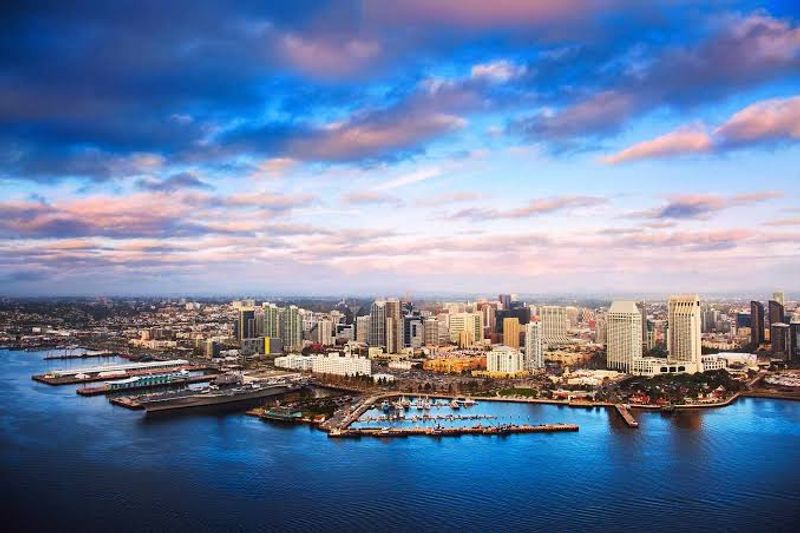
San Diego tends to get filed under beach town in most people’s mental travel folders, and that filing system is doing the city a serious disservice. This is where California’s European history begins, with the founding of Mission San Diego de Alcala in 1769 by Father Junipero Serra.
Old Town San Diego State Historic Park preserves the site of California’s first European settlement and does a genuinely good job of representing both the Spanish colonial and early American periods. The adobe buildings, period-accurate shops, and open plazas make it one of the more engaging outdoor history sites on the West Coast.
Balboa Park is a 1,200-acre urban cultural park housing 17 museums, multiple theaters, and the famous San Diego Zoo. The park’s Spanish Colonial Revival architecture, built largely for the 1915 Panama-California Exposition, is stunning on its own merits.
The USS Midway Museum, a decommissioned aircraft carrier turned floating museum, is one of the most visited naval museums in the world.
Albuquerque, New Mexico
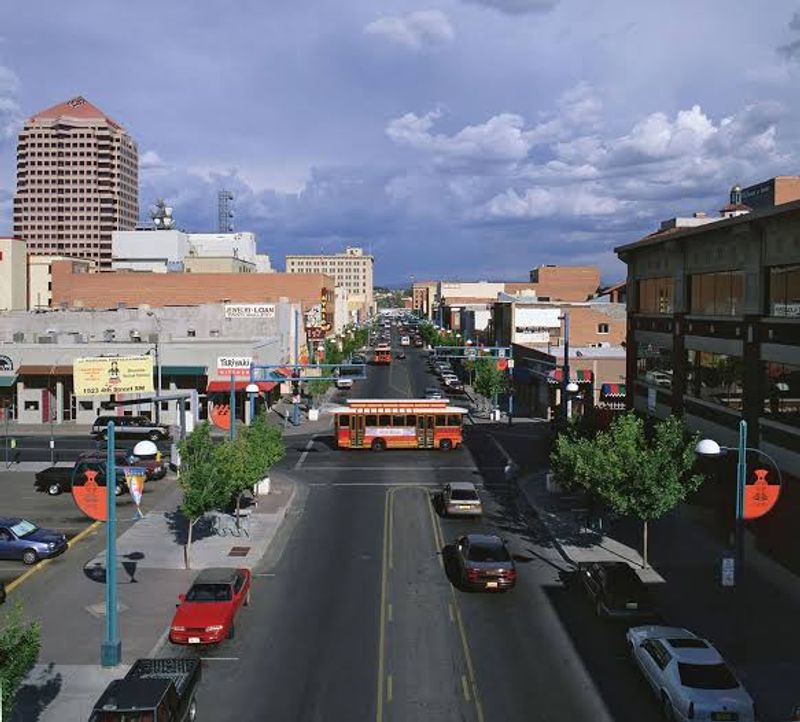
Albuquerque is one of those cities that sneaks up on you. Founded in 1706 by Spanish settlers, it sits in the Rio Grande valley with the Sandia Mountains looming to the east and a cultural depth that most visitors seriously underestimate.
Old Town Albuquerque, the original settlement, clusters around a central plaza shaded by cottonwood trees and anchored by the San Felipe de Neri Church, which has been in continuous use since 1793. Local artisans sell pottery, jewelry, and woven textiles under portal overhangs just as they have for generations.
The Indian Pueblo Cultural Center, operated by the 19 Pueblos of New Mexico, is one of the finest Native American cultural institutions in the country. The National Hispanic Cultural Center tells stories that are too often left out of mainstream American history books.
Every October, the Albuquerque International Balloon Fiesta fills the sky with hundreds of hot air balloons, making the city briefly, spectacularly impossible to ignore.
Share this story