World War II is often presented through famous battles, leaders, and turning points, but much of the real story sat behind locked files, polite denials, and carefully edited public statements for years. Some secrets involved codebreaking and deception, while others reshaped science, intelligence, and international politics long after 1945.
What makes these episodes so fascinating is not just that they were hidden, but how many ordinary workers, analysts, and officials helped keep them quiet while history books stayed a step behind. Keep reading, and you will see how secrecy influenced everything from invasion plans to postwar technology, and why several of these stories still spark debate decades later.
1. The Breaking of the Enigma Code
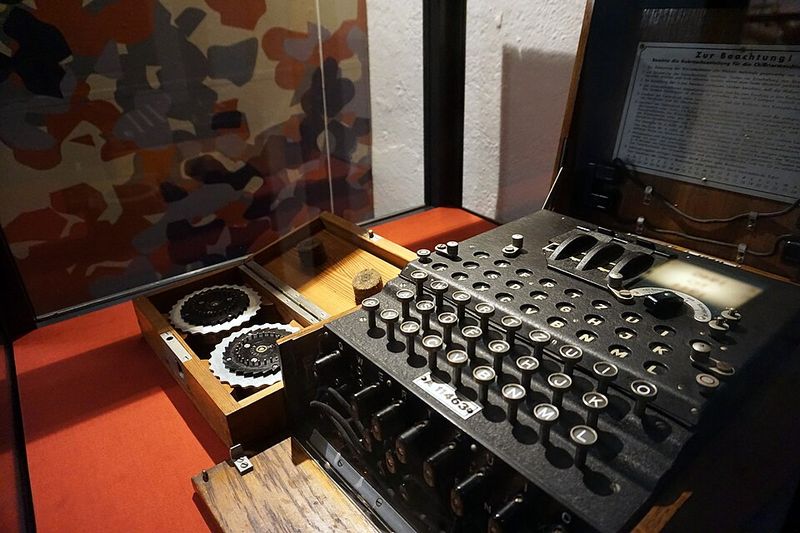
The real plot twist arrived in a quiet country house, not on a battlefield. At Bletchley Park, British cryptanalysts, joined by Polish groundwork and later American support, broke key versions of Germany’s Enigma system.
The achievement gave Allied planners access to military communications that shaped convoy routes, air defense, and operational timing. Yet officials guarded the secret so tightly that many veterans stayed silent for decades, even with family.
That silence mattered. If Germany had realized Enigma traffic was readable, procedures would have changed fast, and one of the war’s greatest intelligence advantages might have vanished overnight.
2. The Manhattan Project’s True Scale
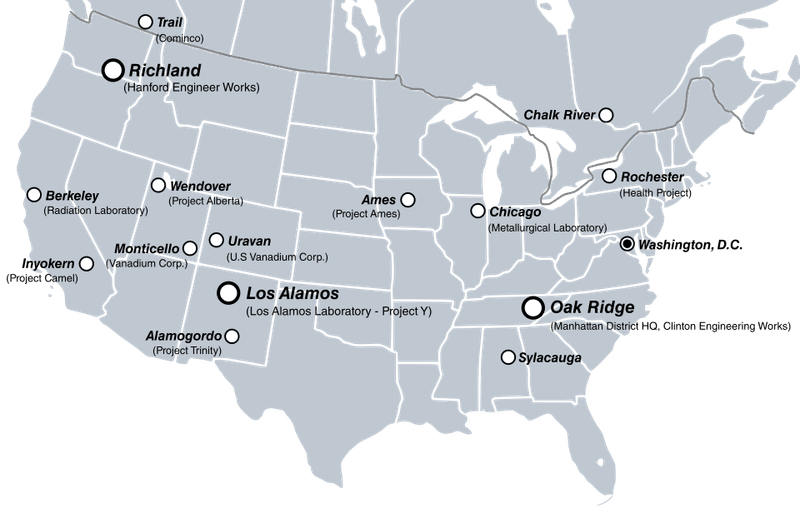
This secret was less a single project than a hidden nation inside a nation. The Manhattan Project spread across Los Alamos, Oak Ridge, Hanford, and dozens of supporting sites, employing well over 100,000 people under layers of compartmentalized security.
Many workers knew only a sliver of what they were building, which was exactly the point. The public later learned that the program consumed enormous money, electricity, raw materials, and scientific talent on a scale few imagined during wartime.
Its true size changed how people understood federal power, modern research, and the marriage of science and secrecy in the twentieth century.
3. The Soviet Katyn Massacre (1940)
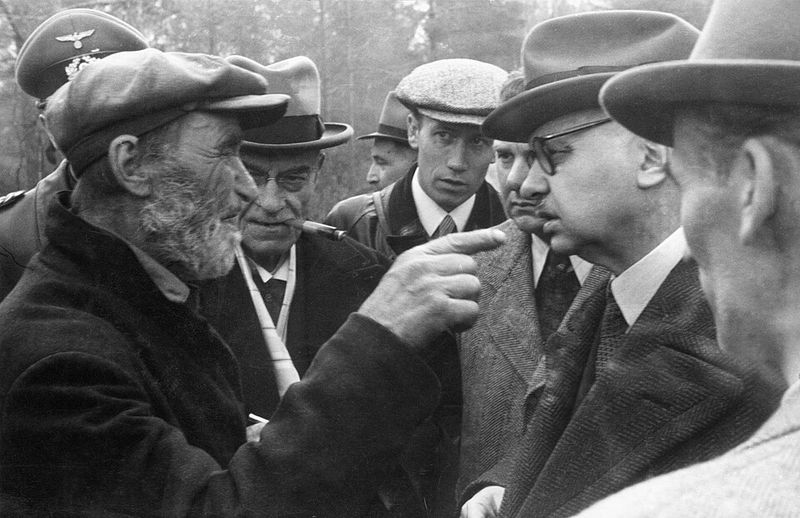
Few wartime cover stories lasted as stubbornly as this one. In 1940, thousands of Polish officers and members of the intelligentsia were executed by Soviet security forces, but responsibility was denied and redirected for decades.
During the war and after it, politics kept the truth boxed away because the Soviet Union was a key Allied partner. Evidence surfaced repeatedly, yet official acknowledgment from Moscow did not come until 1990.
The long delay shaped Polish memory, strained diplomacy, and showed how major powers could bury documented events when strategic convenience took priority. History, in this case, waited far too long for an honest footnote.
4. Operation Bodyguard (D-Day Deception)
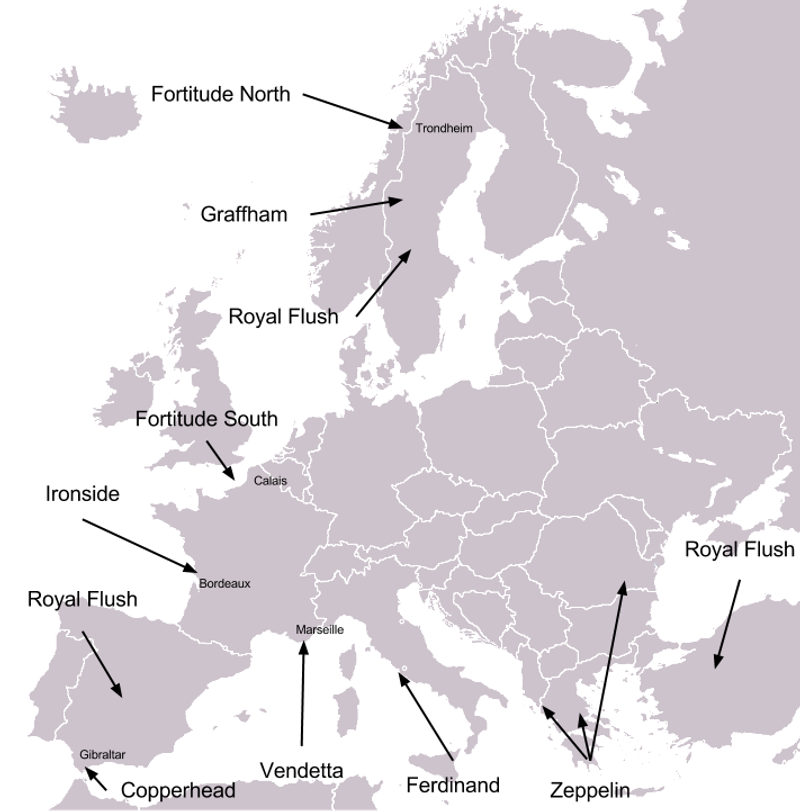
If misinformation ever deserved a medal, Operation Bodyguard would have earned several. Before D-Day, Allied planners built an elaborate deception campaign designed to convince Germany that the main invasion would strike somewhere other than Normandy.
Fake radio traffic, dummy equipment, double agents, and the invented First U.S. Army Group under George Patton all played a role.
The effort kept German forces uncertain at a critical moment and delayed decisive redeployment.
For years, much of the operation stayed hidden because revealing it would have exposed intelligence methods, agent networks, and just how systematically the Allies manipulated enemy expectations through careful, disciplined planning.
5. The Magic Program (U.S. Codebreaking of Japan)
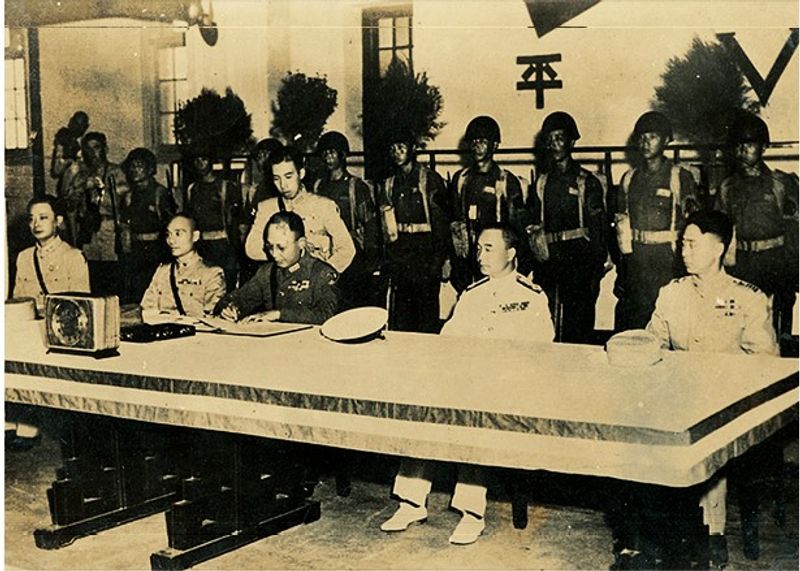
Behind tidy government language, the Magic program was a remarkable intelligence breakthrough. American cryptanalysts intercepted and decoded important Japanese diplomatic communications, giving officials insight into negotiations, strategy, and shifting priorities before and during the war.
Magic was not the same as every military code being fully readable, which is where confusion often starts. Still, it delivered high-level information so sensitive that knowledge of it remained tightly restricted long after 1945.
The secrecy reflected more than wartime caution. U.S. leaders wanted to protect methods, equipment, and future signals intelligence work, making Magic one of the quieter but most consequential hidden advantages of the era.
6. Operation Paperclip
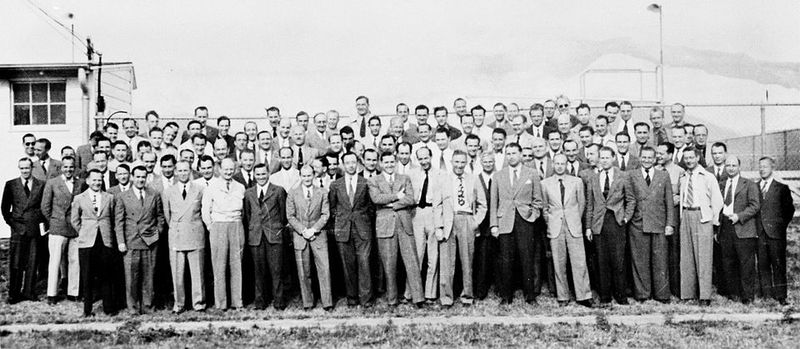
The paperwork looked ordinary, but the implications were anything but. Operation Paperclip brought German scientists, engineers, and technicians to the United States after the war, often with backgrounds that raised difficult moral and political questions.
American officials wanted expertise in rockets, aviation, and other technologies before the Soviet Union could secure the same talent. To make that happen, records were sometimes softened or selectively presented, a detail that became clearer only later.
As archives opened, Paperclip stopped looking like a tidy recruitment drive and started resembling a revealing case study in Cold War priorities, where strategic advantage often outran public transparency.
7. The Bombing of Dresden Casualty Debate
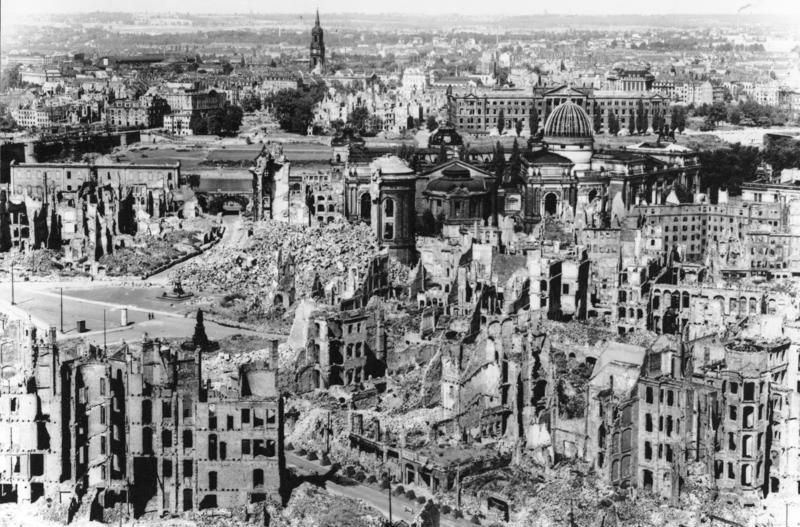
Numbers, not headlines, kept this controversy alive for decades. The 1945 bombing of Dresden became a lasting subject of debate because casualty estimates, military justifications, and propaganda claims varied widely in the years that followed.
Some early accounts inflated totals dramatically, while later research revised figures downward using archival records and demographic analysis. At the same time, broader questions remained about strategic bombing policy, urban targets, and what leaders expected such raids to achieve.
The reason this stayed murky was simple. Governments controlled information tightly, wartime narratives hardened quickly, and postwar politics made balanced public discussion difficult, especially when national reputations were on the line.
8. The Bletchley Park Workforce
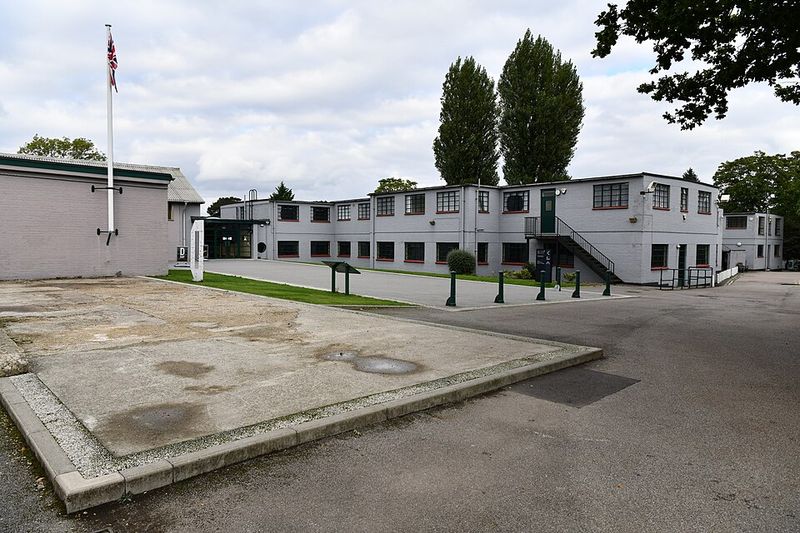
The famous machines get attention, but the workforce was the real engine. At Bletchley Park, thousands of linguists, mathematicians, clerks, engineers, Wrens, and indexers kept codebreaking operations moving around the clock in extreme secrecy.
For many years, public memory focused on a handful of celebrated figures rather than the full organization. Countless veterans returned to ordinary jobs and never discussed their roles, partly because the Official Secrets Act still carried weight.
When details finally emerged, the story expanded beyond genius mythology. Bletchley was also a vast administrative and technical effort, proving that major intelligence breakthroughs depend on disciplined teams, not just dramatic individual moments.
9. Japanese Unit 731 Experiments
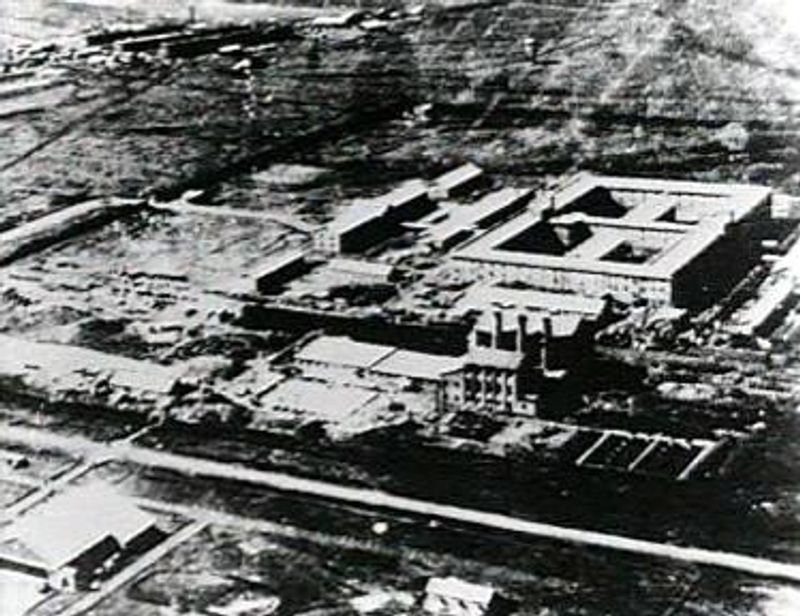
Some files stayed quiet because the facts were too disturbing for easy public handling. Unit 731, a covert Japanese military research program in occupied Manchuria, conducted inhumane biological and chemical experiments that remained obscured for many years.
After the war, information was not fully aired in public forums, and some individuals associated with the program reportedly received protection in exchange for research data. That bargain shaped how slowly the broader record became known outside specialist circles.
Today, Unit 731 stands as a stark reminder that secrecy can outlive conflict itself. Archival work and survivor testimony gradually assembled a fuller account that governments had little interest in spotlighting earlier.
10. The German V-2 Rocket Program Details
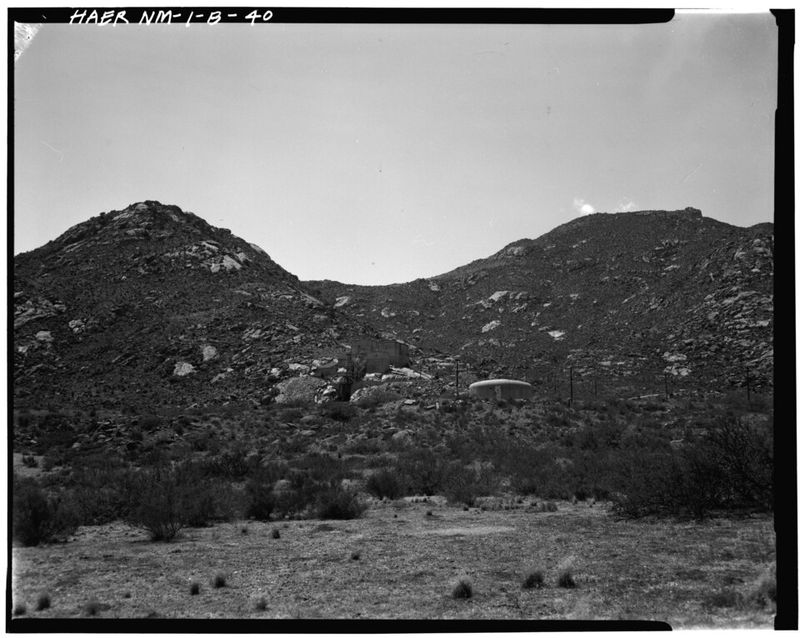
Germany’s V-2 program looked like futuristic engineering, but its hidden foundations told a harsher story. The rocket, developed under Wernher von Braun and others, represented a major technological leap, yet production relied heavily on brutal labor conditions in underground facilities.
For years, public discussion often emphasized the weapon’s innovation more than the system behind its manufacture. As historians gained access to records, the scale of coercion, exploitation, and secrecy surrounding Mittelwerk and related sites became much clearer.
That fuller picture changed the legacy of the V-2. It was not merely a milestone in rocketry but also a case study in how advanced technology can be built inside deeply concealed wartime structures.
11. The True Extent of Allied Intelligence Sharing
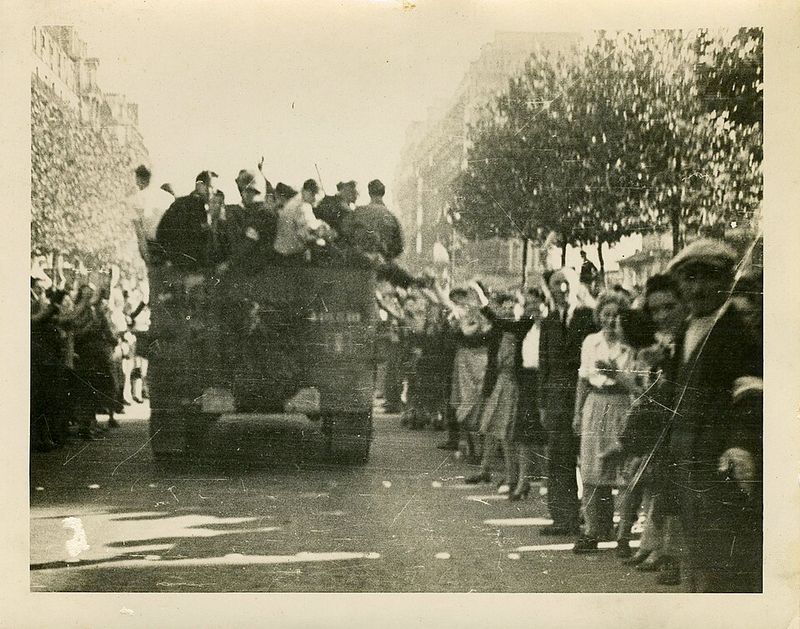
Public wartime unity was only part of the story; the classified version was far denser. Britain, the United States, and other Allied governments shared intelligence on codes, radar, weapons, shipping, and strategic planning at levels the public barely understood at the time.
Agreements tied together cryptanalysis, signals interception, scientific research, and military assessments in ways that shaped operations across multiple theaters. Much of this collaboration remained hidden because each nation wanted to protect sources while also controlling how much partners, and later citizens, could know.
When the record widened, it became clear that Allied success depended not just on armies and factories but on an unusually deep information alliance built in absolute discretion.
12. The Tehran Conference Tensions
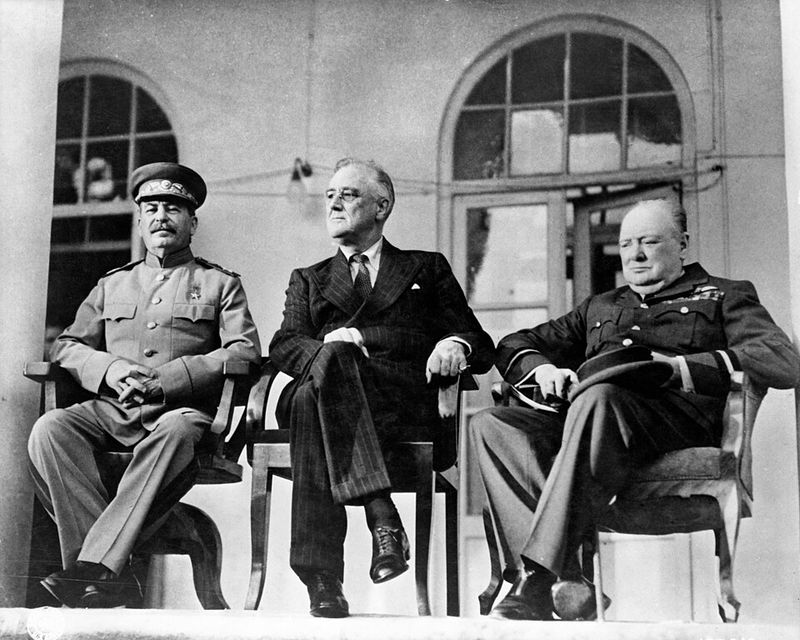
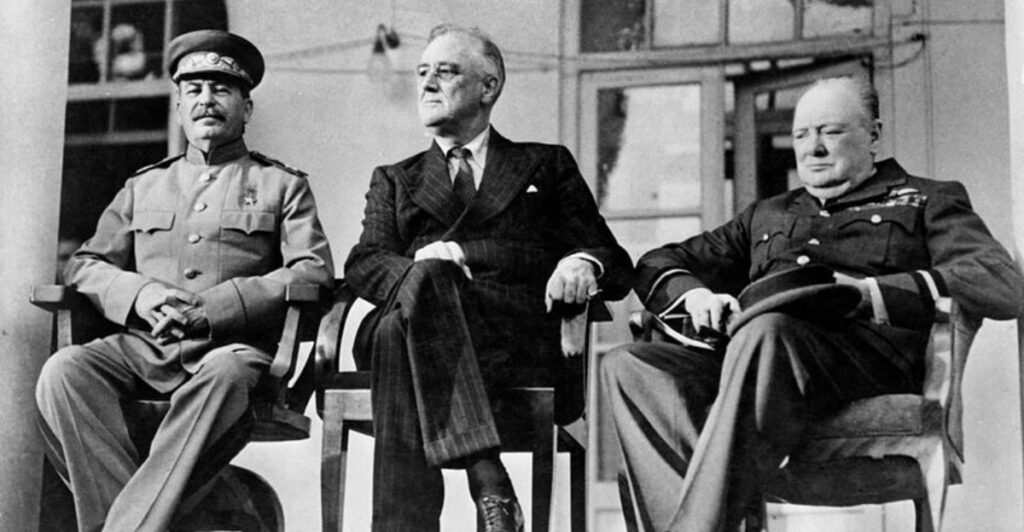
Official photographs suggested calm cooperation, but the private conversations were much sharper. At the 1943 Tehran Conference, Roosevelt, Churchill, and Stalin discussed opening a western front, postwar borders, military coordination, and the future balance of power.
Behind the public statements, disagreements over timing, influence, and strategic priorities were substantial. Each leader arrived with distinct goals, and the polished communiques revealed only a fraction of the bargaining that took place in those rooms.
Later archival releases showed how much of the postwar order was shaped by tense exchanges rather than smooth alliance rhetoric. Tehran was not a tidy summit meeting.
It was a hard negotiation masked by diplomatic stagecraft.
13. The U-Boat Intelligence War
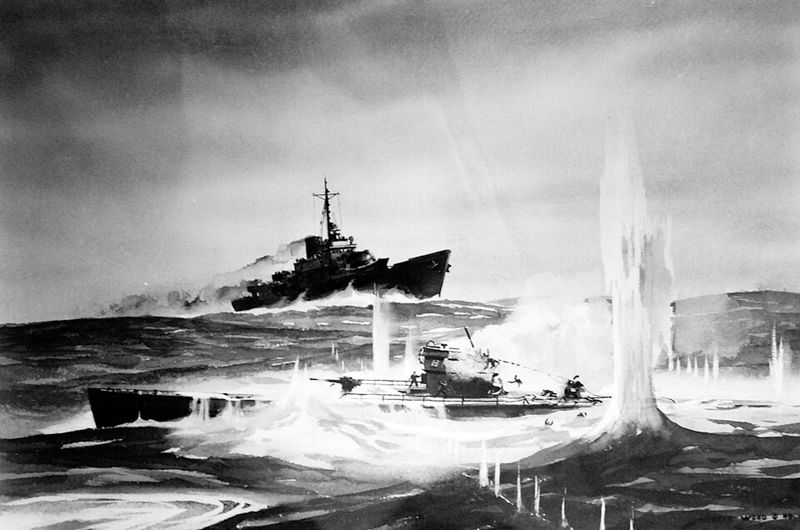
The Atlantic campaign was also a paperwork campaign, and that rarely makes movie posters. Allied commanders gradually built an impressive picture of German U-boat movements using codebreaking, direction finding, captured materials, and centralized analysis.
This intelligence helped reroute convoys, position escorts, and anticipate submarine concentrations with far greater precision than the public knew. Officials protected that advantage fiercely, since any public hint of how much was understood might have alerted Germany to weaknesses in its communications security.
For decades, many accounts emphasized ships and admirals while giving less attention to the analysts behind the charts. Yet the intelligence war at sea was one of the conflict’s quietest deciding factors.
14. The Internment of Japanese Americans
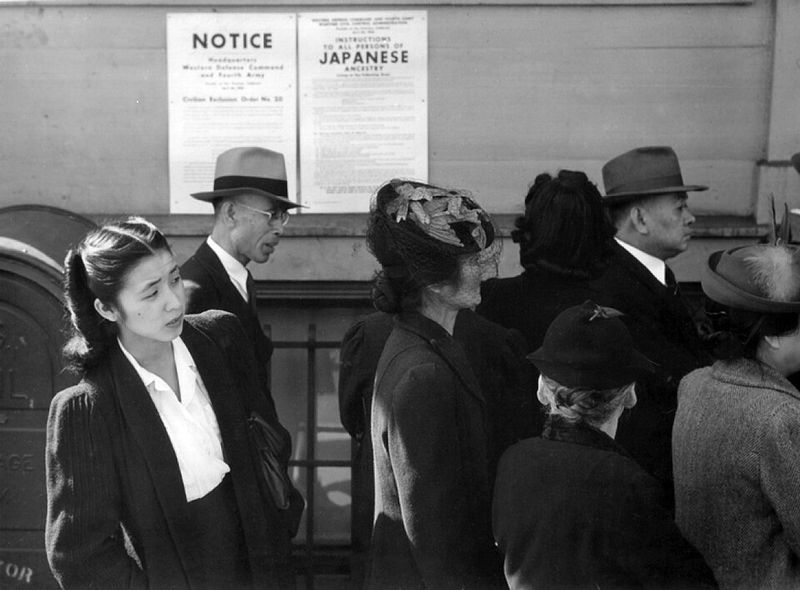
What was publicly presented as security policy contained far more internal doubt than people first saw. The wartime internment of Japanese Americans was known at the time, but later records exposed disputes inside the government over evidence, necessity, and legality.
Memoranda, reports, and legal reviews showed that some officials questioned broad claims of danger and challenged the policy’s sweeping scope. Those concerns were not always front and center in public explanations, which made the eventual documentary record especially important.
As archives opened, the story shifted from a simple wartime measure to a revealing example of how fear, bureaucracy, and selective disclosure can shape national decisions with lasting consequences.
15. The Secret of the Norden Bombsight
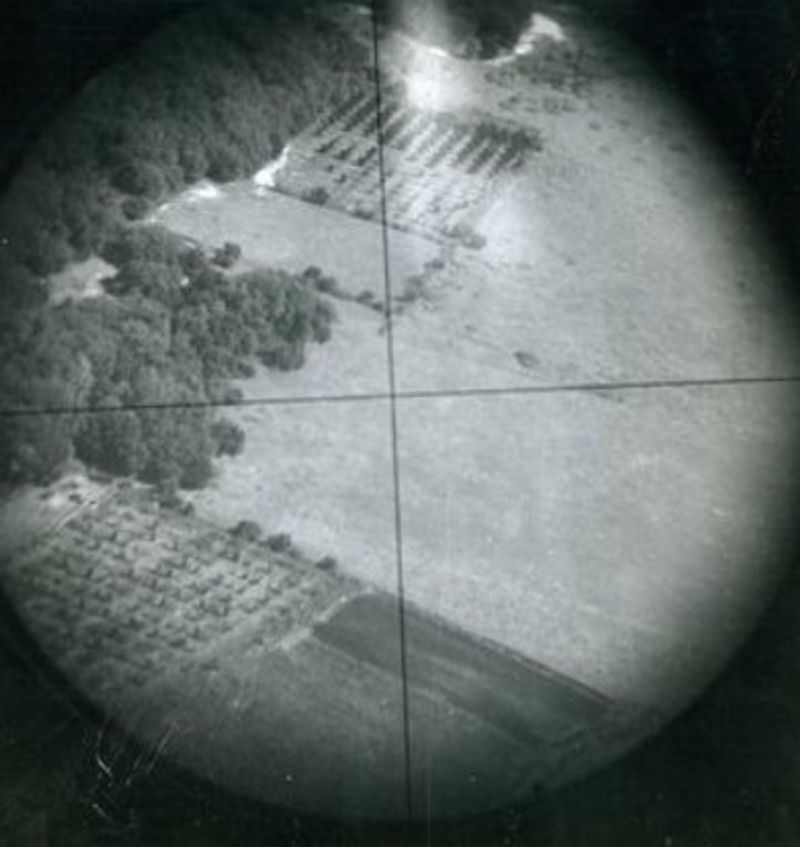
Few gadgets carried a reputation as polished as the Norden bombsight. The United States treated this targeting device as a closely guarded secret, promoting it as a precision instrument that could greatly improve bombing accuracy under the right conditions.
Bombardiers trained extensively with it, and crews were told to protect it if an aircraft went down. The image of near-perfect accuracy became part technology story and part wartime messaging, which helped elevate the device into a symbol of scientific confidence.
Only later did broader analysis make clear how weather, altitude, enemy defenses, and operational realities limited results. The real secret was not just the mechanism, but the carefully managed myth around it.
16. The Role of Women Codebreakers
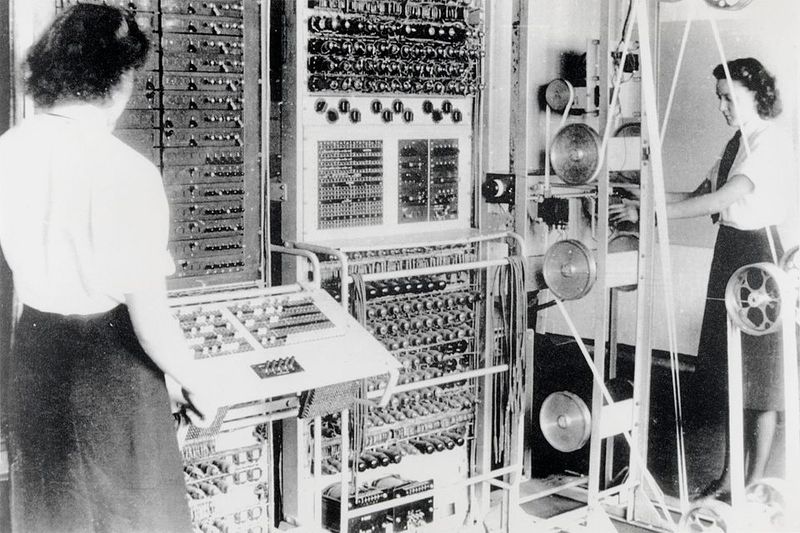
For a long time, the public story of wartime intelligence was missing many of its key workers. Women served in large numbers as codebreakers, translators, clerks, indexers, machine operators, and analysts across British and American intelligence organizations.
At Bletchley Park and in U.S. naval and army programs, they handled essential technical and administrative tasks that kept encrypted traffic flowing into usable intelligence. Yet secrecy rules and postwar social habits often pushed their contributions into the background once the fighting ended.
Later research corrected that imbalance. These women were not supporting characters in the margins of intelligence history.
They were central participants in one of the war’s most sophisticated information efforts.
17. The OSS’s Covert Missions
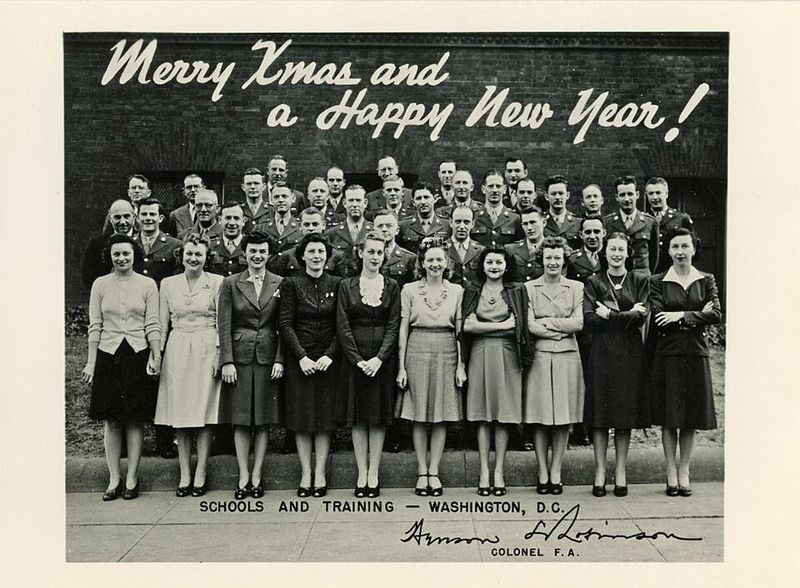
Before the CIA had a name, the OSS was already testing America’s appetite for covert action. The Office of Strategic Services ran espionage, resistance support, propaganda, analysis, and special missions across Europe and Asia, often in highly compartmentalized channels.
Some operations were modest, some ambitious, and many were barely known outside narrow official circles at the time. The agency also became a training ground for future intelligence professionals, which gave its wartime experiments a much longer institutional afterlife than people first realized.
As documents were declassified, the OSS looked less like a wartime improvisation and more like a prototype. It helped define how the United States would conduct secret operations in later decades.
18. The Extent of Resistance Movements
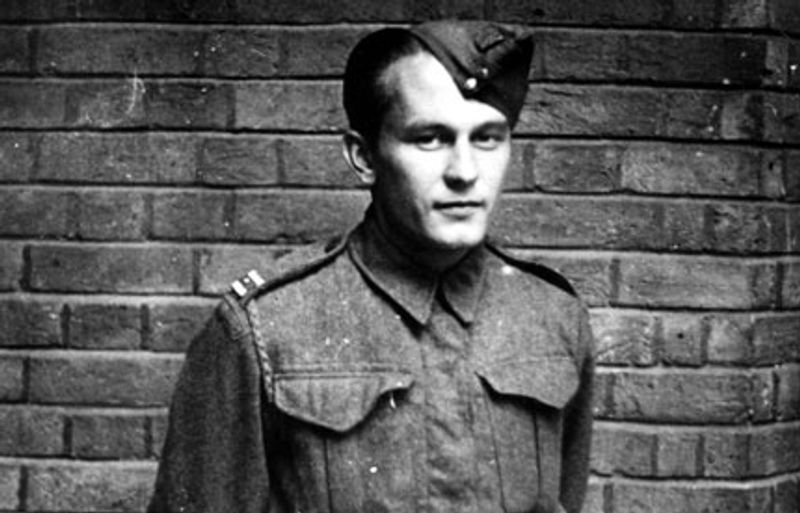
The popular image of resistance is brave, but often frustratingly vague. Across occupied Europe and parts of Asia, underground networks handled sabotage, intelligence gathering, escape lines, clandestine publications, and local coordination that remained only partly visible for years.
Some operations stayed classified to protect surviving participants, intelligence methods, or political sensitivities in the postwar period. In several countries, official narratives also favored certain groups while sidelining others, which further blurred the real scale and diversity of resistance activity.
As records broadened, the picture became more complicated and more impressive. Resistance was not a single movement with one ideology.
It was a patchwork of networks, motives, and risks managed under severe pressure.
19. The Delayed Release of Holocaust Documentation
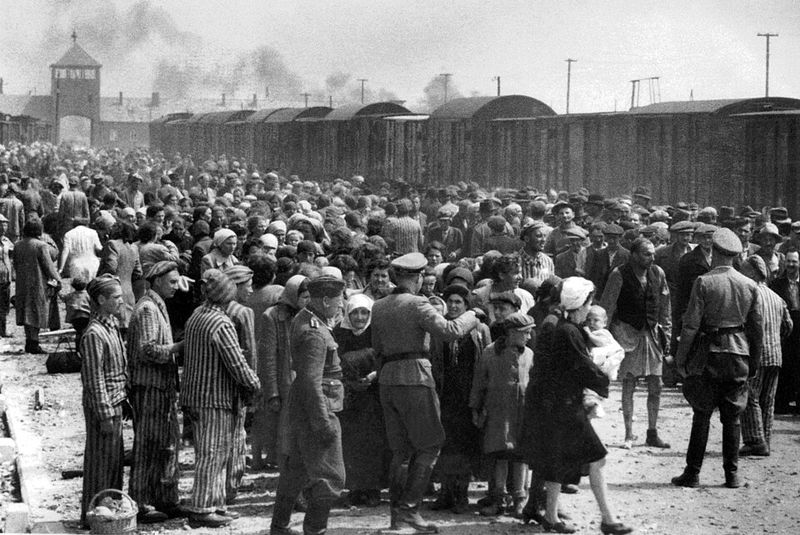
Even when the broad reality was known, the documentary record took much longer to assemble publicly. Detailed Holocaust files, testimonies, transport records, administrative correspondence, and local archives were scattered, restricted, or slow to enter public circulation after the war.
Some governments controlled access, some institutions lacked resources, and Cold War politics often redirected attention. As more collections opened over time, historians gained a fuller view of the bureaucracy, coordination, and regional variation behind one of history’s most documented crimes.
The delayed release mattered enormously. Public understanding deepened not because the event was unknown, but because evidence became more accessible, more organized, and harder for anyone to minimize or distort.
Share this story