There is a small community tucked along the Indian River Lagoon in Martin County, Florida, that most people drive right past without a second glance. It sits quietly between the Atlantic Ocean and the lush Florida interior, with a population of fewer than a thousand people and a pace of life that feels like the rest of the world forgot to rush it.
Retirees who have discovered it tend to stay, and it is not hard to understand why once you spend a little time there. From the waterfront views to the warm winters and the surprisingly rich community culture, this place checks every box that matters most when you are thinking about where to spend your best years.
Keep reading, because what you find out next might just change your retirement plans entirely.
Welcome to Rio, Florida: Address, Location, and First Impressions
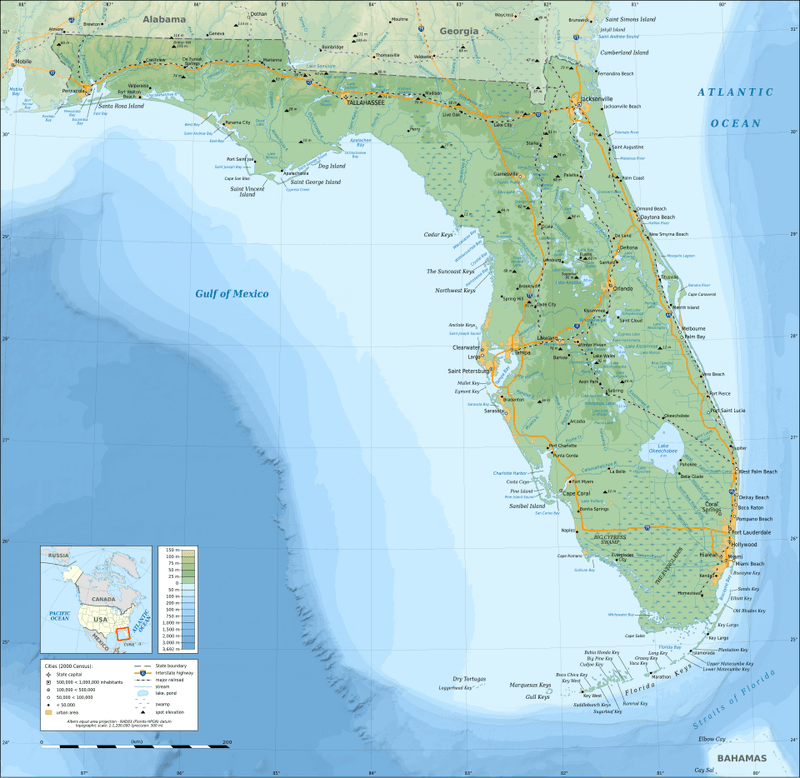
Rio, Florida is an unincorporated community and census-designated place in Martin County, Florida, United States, located at approximately 27.22 degrees north latitude along the Indian River Lagoon.
It sits within the Port St. Lucie Metropolitan Statistical Area, placing it in one of Florida’s fastest-growing regions while somehow maintaining its own unhurried identity.
The population was recorded at just 980 residents during the 2020 census, which tells you everything about the scale of life here.
One thing that surprises nearly every newcomer is the local pronunciation: residents say “Rye-oh,” not “Ree-oh,” and getting that right earns you instant credibility with the locals.
The community hugs the western shore of the Indian River Lagoon, giving it a waterfront character that most towns ten times its size would envy.
The Indian River Lagoon: A Backyard That Belongs on a Postcard
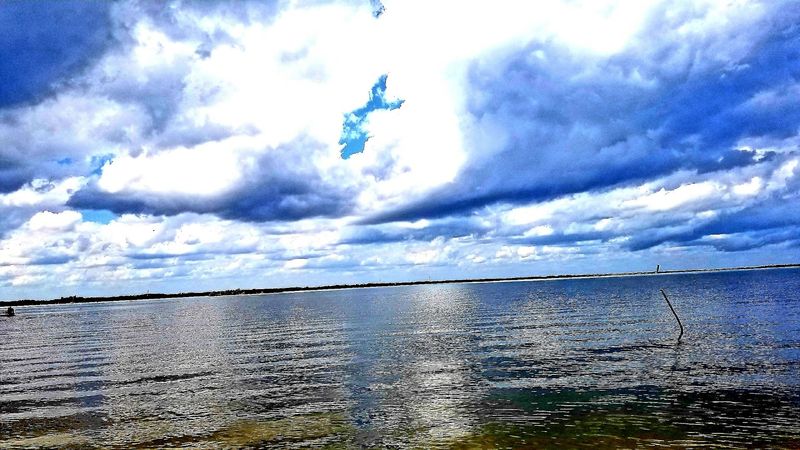
The Indian River Lagoon stretches along Rio’s eastern edge like a permanent nature exhibit, and I found myself stopping mid-conversation more than once just to stare at it.
This estuary is one of the most biodiverse in North America, supporting over 4,300 species of plants and animals, including manatees, dolphins, and a stunning variety of shorebirds.
For retirees, that kind of natural richness translates into daily entertainment that costs absolutely nothing.
Morning kayak trips, afternoon birdwatching from a lawn chair, and evening walks along the water’s edge are all part of the ordinary routine here.
The lagoon also moderates the local climate, keeping temperatures noticeably comfortable during cooler months, which is a practical bonus on top of all the beauty.
Honestly, waking up to that view every morning would make even the earliest riser feel like retirement was the best decision they ever made.
Martin County’s Retirement Appeal: Why the Surrounding Region Matters
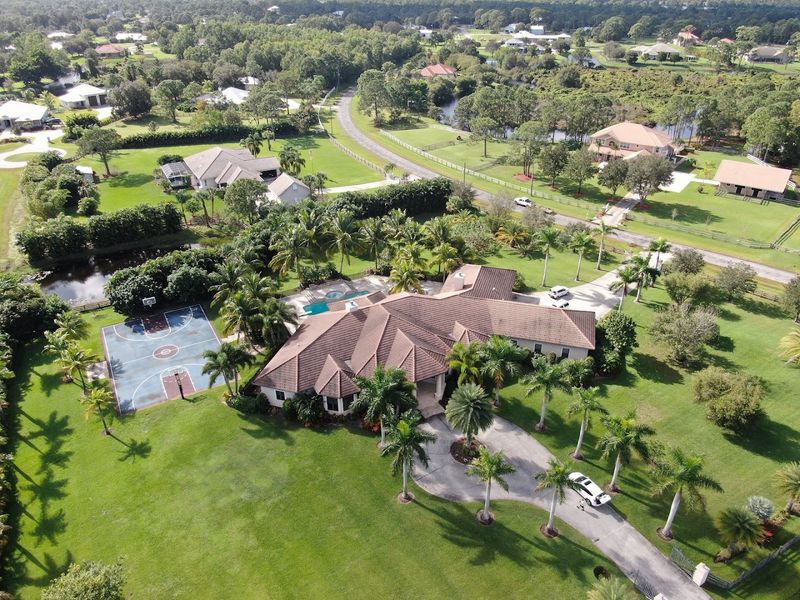
Rio’s location within Martin County is one of its biggest selling points, and that county has earned a reputation as one of Florida’s most livable regions for a reason.
Martin County consistently ranks among Florida’s healthiest counties, with low crime rates, strong environmental protections, and a community that genuinely values quality of life over rapid development.
The county has strict building height limits and green space requirements that keep the area from turning into another overdeveloped corridor.
That means Rio residents benefit from all the infrastructure and services of a well-managed county without sacrificing the small-town feel that drew them here in the first place.
Healthcare access is solid, with Cleveland Clinic Martin North Hospital serving the area and providing retirees with peace of mind about medical needs.
The county’s commitment to preserving its natural character is something you feel the moment you cross into it from the north or south.
The Climate: Warm Winters and Sunshine That Feels Personal
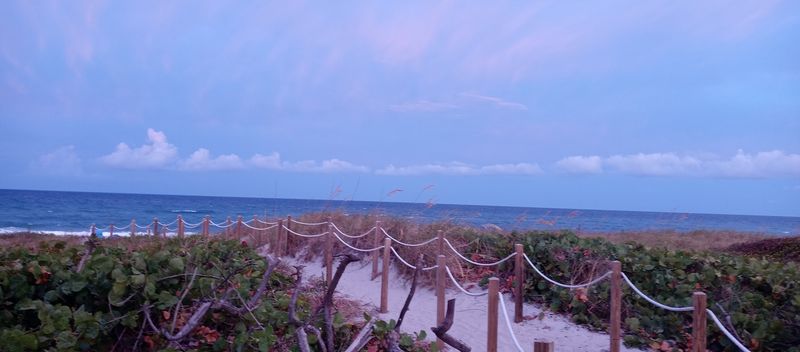
Florida’s reputation for sunshine is well-earned, but not every part of the state delivers the same experience, and Rio’s position in Martin County puts it in a particularly favorable climate zone.
Average winter temperatures hover in the low to mid-70s Fahrenheit, which means you can wear a light jacket in December and be perfectly comfortable outdoors by noon.
Summer humidity is real and worth acknowledging, but the lagoon breezes that roll through Rio soften the heat in a way that flat inland communities simply cannot offer.
Rainfall tends to concentrate in the summer months, leaving the rest of the year relatively dry and sunny, which is exactly what most retirees are looking for when they leave behind northern winters.
The growing season is nearly year-round, so backyard gardens and flowering plants stay vibrant in ways that feel genuinely rewarding after decades of dealing with frost.
Cost of Living: Affordable Without Feeling Like a Compromise
One of the most practical reasons Rio keeps attracting retirees is that the cost of living remains more reasonable than many comparable coastal communities in Florida.
Housing prices in and around Rio are lower than in Palm Beach County to the south, yet the scenery and water access are remarkably similar in quality.
Florida’s tax structure already works in retirees’ favor, with no state income tax, and Martin County’s property tax rates are competitive without being punishing.
Everyday expenses like groceries, dining, and services are manageable, and the area has enough local options that you are not forced to drive long distances for basic needs.
The combination of affordable housing, favorable taxes, and a genuinely pleasant environment creates a financial picture that makes retirement feel sustainable rather than stressful.
Getting more life for your money without giving up waterfront access is a balance that very few Florida communities actually manage to strike.
Outdoor Activities: Staying Active Without Trying Too Hard
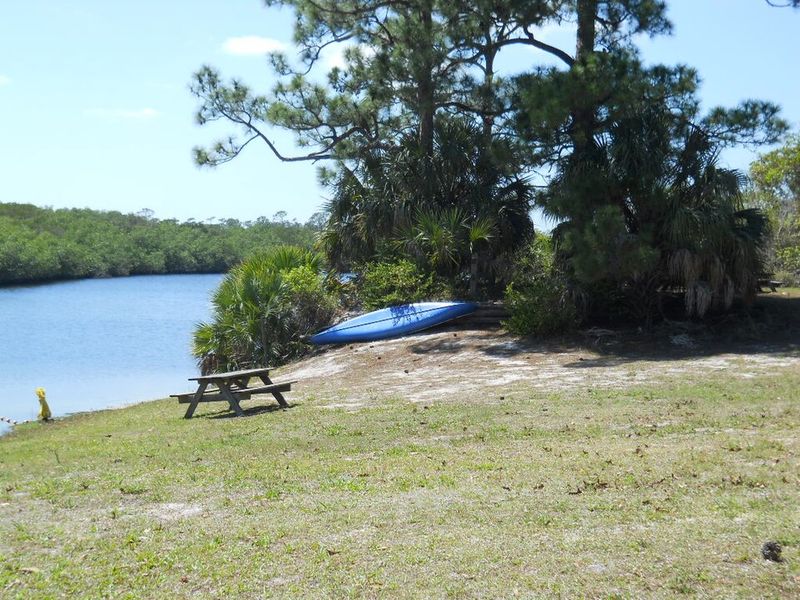
Staying active in retirement is easier when your surroundings practically insist on it, and Rio is one of those places where getting outdoors feels natural rather than obligatory.
Kayaking and paddleboarding on the Indian River Lagoon are accessible from multiple nearby launch points, and the calm lagoon waters make both activities manageable for a wide range of fitness levels.
Fishing is practically a local pastime, with snook, redfish, and trout all common catches along the lagoon and nearby waterways.
The nearby Jonathan Dickinson State Park, Florida’s largest state park south of the Ocala National Forest, offers hiking trails, canoeing, and guided wildlife tours that could keep an outdoor enthusiast busy for months.
Cycling is popular along local roads and nearby trails, and the flat terrain makes it accessible even for those who are just getting back into regular exercise.
The options here reward curiosity and keep the body moving without demanding any particular level of athletic commitment.
Jonathan Dickinson State Park: Florida’s Wild Side Is Right Next Door
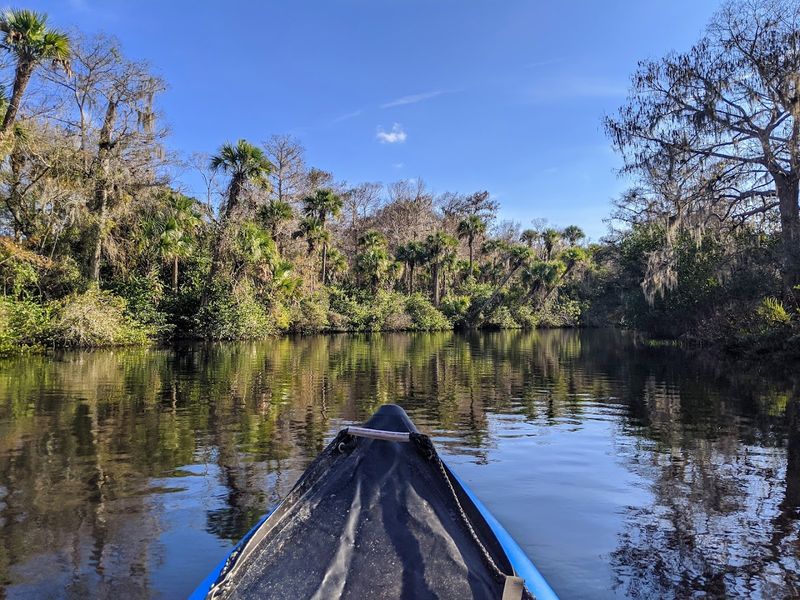
Just a short drive from Rio sits Jonathan Dickinson State Park, a 11,500-acre preserve that feels like a completely different world from the manicured suburbs nearby.
The Loxahatchee River, Florida’s first federally designated Wild and Scenic River, winds through the park and offers some of the most memorable canoe and kayak experiences in the entire state.
Guided boat tours are available for those who prefer to let someone else do the paddling while they focus on spotting manatees, ospreys, and river otters along the banks.
The park also has camping, mountain biking trails, and equestrian paths, making it a genuinely multi-use destination that appeals to a broad range of interests.
For retirees living in Rio, having a park of this caliber within easy reach is the kind of bonus that rarely shows up on any retirement ranking checklist but makes an enormous difference in daily life quality.
Wildlife and Nature: When the Neighbors Have Fins and Feathers
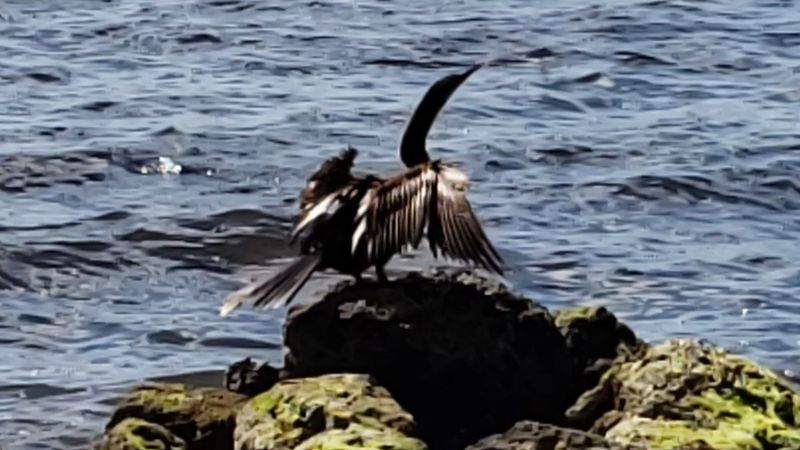
Rio’s proximity to the Indian River Lagoon means that wildlife encounters are not special occasions here; they are Tuesday mornings.
West Indian manatees are a frequent sight in the lagoon, particularly during cooler months when they gather near warm water outflows, and watching one surface quietly a few feet from a dock never gets old.
Bottlenose dolphins patrol the lagoon regularly, and their presence has a way of making even a routine afternoon feel like something worth remembering.
The bird life is extraordinary, with roseate spoonbills, great blue herons, osprey, and bald eagles all making regular appearances along the shoreline.
Gopher tortoises, which are a protected species in Florida, are common in the upland areas surrounding the community, and spotting one crossing a path feels like a small privilege.
Nature here does not require a reservation, a guided tour, or any particular effort beyond simply paying attention.
Community Atmosphere: Small Town Warmth Without Small Town Limitations
With fewer than a thousand residents, Rio has the kind of community feel where familiar faces become a genuine source of daily comfort rather than an inconvenience.
The unincorporated nature of the community means there is no local government bureaucracy layered on top of everyday life, and residents tend to appreciate that simplicity.
Nearby Stuart, the Martin County seat, provides the cultural and commercial infrastructure that a small community like Rio cannot sustain on its own, and it does so without overwhelming the area’s quieter character.
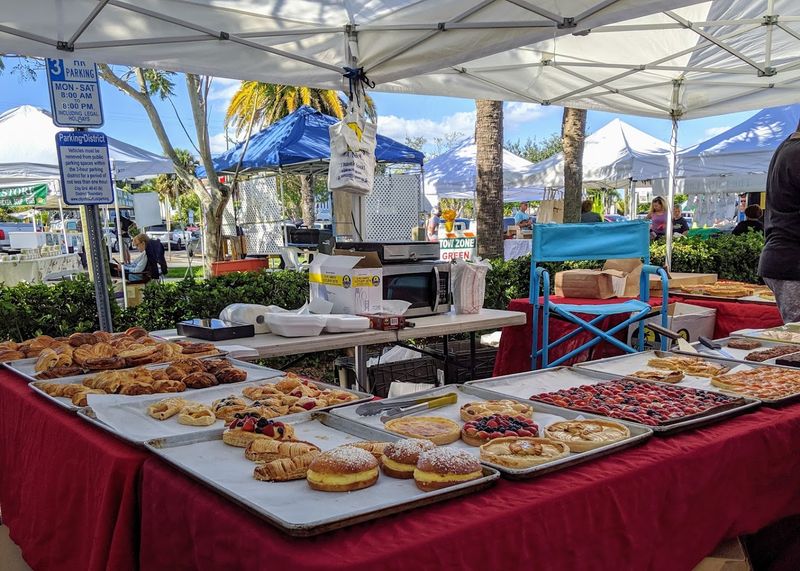
Farmers markets, community events, and local festivals in Stuart draw Rio residents into a broader social circle that keeps life interesting and connected.
The people who choose to live in Rio tend to be intentional about their lifestyle, which creates a shared culture of appreciation for nature, quiet, and community that newcomers often find surprisingly easy to settle into.
That shared sensibility turns neighbors into friends faster than almost anywhere else I have been.
Stuart, Florida: The Nearby Hub That Makes Rio’s Location Even Better
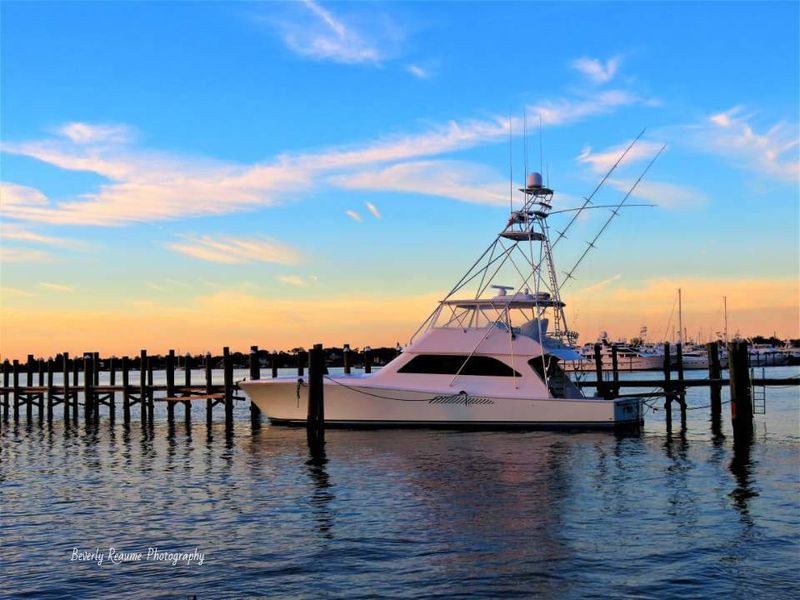
Stuart, Florida sits just minutes from Rio and serves as the commercial and cultural heart of Martin County, offering everything from specialty grocery stores to independent restaurants and live music venues.
The historic downtown district along the St. Lucie River has a genuine small-city charm, with locally owned shops, art galleries, and a waterfront park that draws residents from across the county on weekends.
The Stuart Airshow, the Lyric Theatre, and the Stuart Heritage Museum are just a few of the cultural anchors that give the area a sense of identity beyond beach tourism.
Medical facilities, including the Cleveland Clinic Martin North Hospital, are located in Stuart, which is a significant practical consideration for retirees evaluating long-term healthcare access.
Having a well-developed nearby city means Rio residents enjoy the peace of a small community without sacrificing access to the services and experiences that make daily life comfortable and engaging.
Healthcare Access: Peace of Mind Included With the View
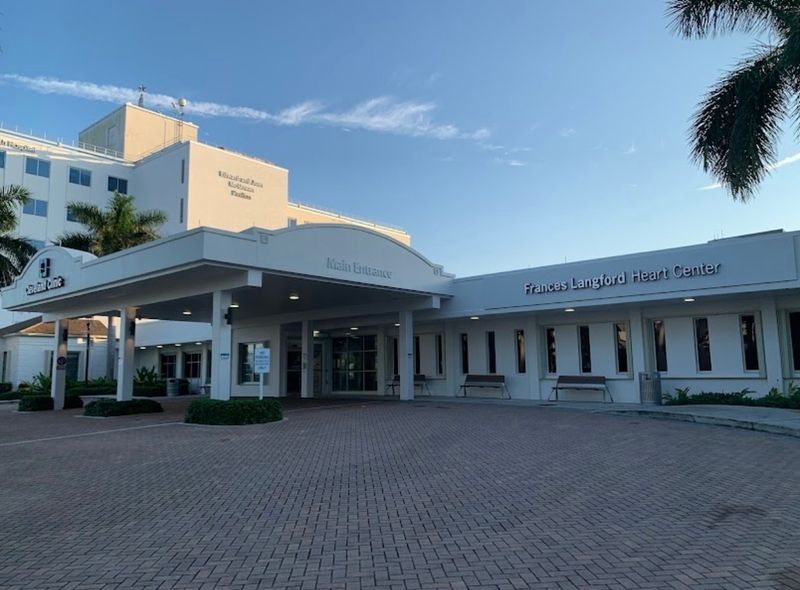
Healthcare access is one of the top concerns for retirees evaluating any location, and Rio’s position in Martin County addresses that concern more effectively than many similarly sized communities.
Cleveland Clinic Martin North Hospital in Stuart is the primary acute care facility serving the area, and Cleveland Clinic’s national reputation for quality care carries real weight for people making long-term retirement decisions.
The broader Port St. Lucie metropolitan area adds additional healthcare options, with specialist offices, urgent care centers, and rehabilitation facilities all within a reasonable driving distance.
Martin County also has a strong network of primary care physicians and wellness-focused practitioners who have built practices specifically oriented toward the region’s older population.
Telehealth services have expanded the reach of quality care even further, meaning that routine consultations often do not require a drive at all.
The combination of local hospital quality and regional healthcare depth gives Rio a healthcare profile that competes well above its population size.
Beaches Within Reach: Atlantic Access Without the Crowd Penalty
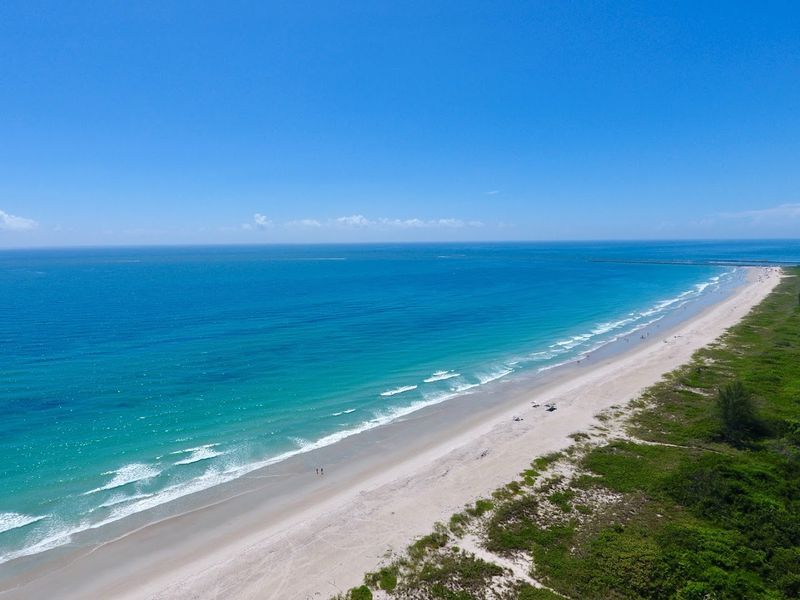
Rio does not sit directly on the Atlantic Ocean, but the beaches of Hutchinson Island are close enough that a beach day requires nothing more than a short drive and a parking spot.
Hutchinson Island stretches along Martin County’s eastern coast and is notable for maintaining a relatively undeveloped character compared to many Florida barrier islands further south.
The beaches here are clean, the crowds are manageable even in peak season, and the water quality tends to be excellent thanks to Martin County’s strict environmental regulations that limit runoff and development near the coast.
Bathtub Beach, one of the most popular spots on Hutchinson Island, offers a naturally calm swimming area created by a nearshore reef, making it particularly appealing for those who prefer gentler surf.
Having Atlantic Ocean beaches within easy reach without the traffic and overcrowding of Miami or Fort Lauderdale is a balance that retirees in Rio genuinely appreciate on a weekly basis.
Local Dining and Food Culture: Fresh, Flavorful, and Never Far Away

Rio itself does not have a restaurant district, but the dining scene in nearby Stuart more than compensates for that, with a range of options that lean heavily on fresh local seafood and Florida-grown produce.
Waterfront dining along the St. Lucie River and the Indian River Lagoon is a regular feature of the Stuart restaurant scene, and eating outdoors year-round is one of those retirement luxuries that never loses its appeal.
Local fish markets sell the day’s catch directly to residents, and knowing that the snook or grouper on your plate was swimming that morning is a particular pleasure that feels very specific to living here.
The Stuart Farmers Market brings local produce, baked goods, and artisan food products to the community on a regular basis, adding variety and freshness to the local food culture.
The proximity to Florida’s agricultural heartland means that fresh citrus, tropical fruit, and vegetables are consistently available and priced fairly throughout the year.
Share this story