Summer in Europe gets all the glory, but spring is quietly stealing the show. Fewer crowds, lower prices, and seasonal events that simply do not happen any other time of year make spring one of the smartest times to book a trip.
From tulip fields in Amsterdam to narcissus blooms above the Swiss Riviera, Europe in spring has a personality all its own. Pack a light jacket and get ready, because these 13 destinations are at their absolute best before the summer rush even begins.
Amsterdam, Netherlands
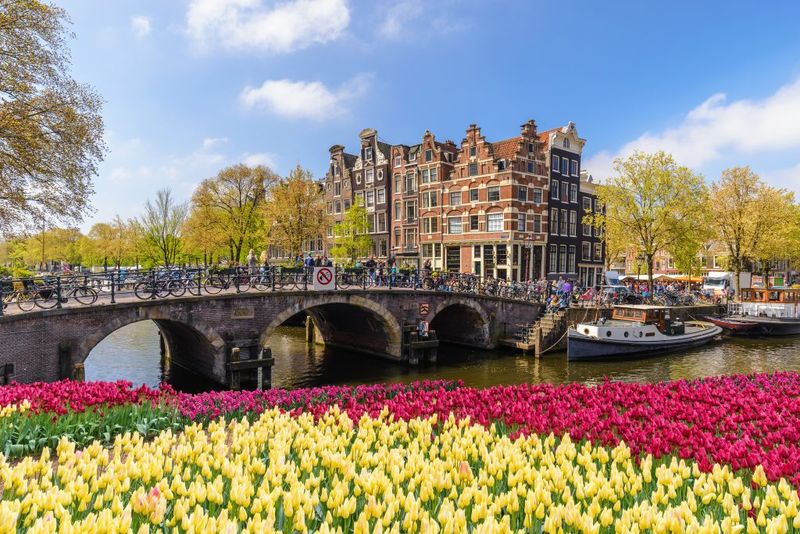
Amsterdam pulls off something rare in spring: it becomes a limited-edition version of itself. The tulip fields surrounding the city burst into color, Keukenhof opens its gates, and the citywide Tulip Festival turns canals and courtyards into outdoor galleries.
No other season gives Amsterdam this kind of visual identity.
I visited during the festival a few years back and genuinely could not stop taking photos. Every corner had a new floral arrangement competing for attention.
The crowds were there, sure, but nothing like the shoulder-to-shoulder chaos of peak summer.
Spring also means longer days are just starting to stretch out, so you get good light without the heat. Cycling through the tulip fields outside the city is a classic move for good reason.
If Amsterdam is on your list, spring is not just a good time to go. It is the right time.
Seville, Spain
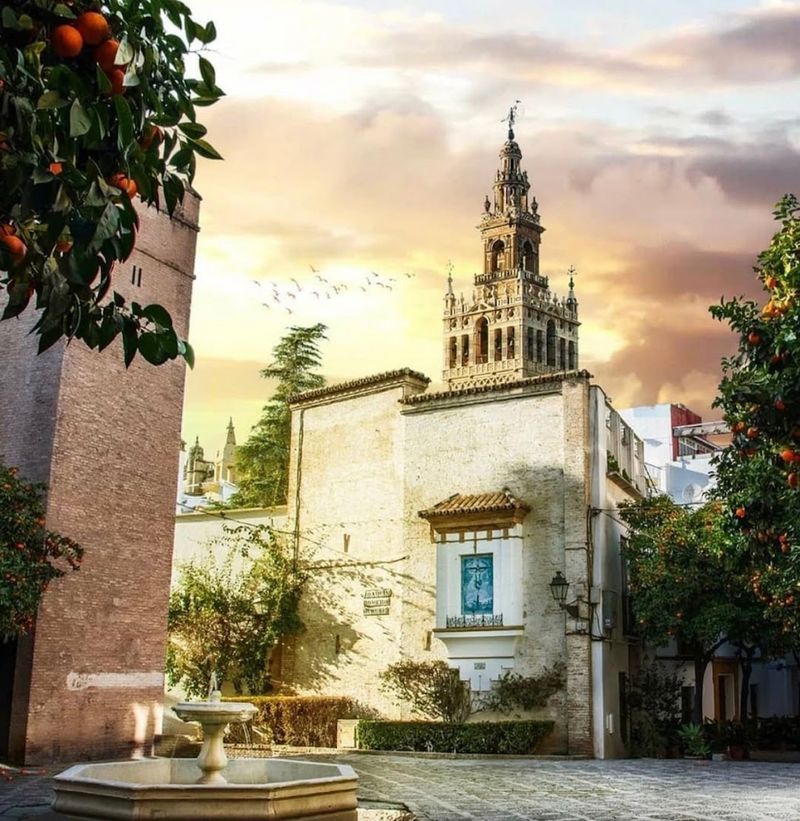
Seville in spring smells like a perfume counter, and that is genuinely a compliment. Orange blossom season hits the city hard in April, turning every street into something almost unfairly pleasant.
Add Semana Santa and Feria de Abril into the mix, and you have a city operating at full cultural throttle.
Semana Santa brings solemn, candlelit processions through narrow streets that have been doing this for centuries. Then Feria de Abril flips the mood entirely with flamenco, horses, and enough celebration to last until sunrise.
These are not tourist performances. They are city traditions that happen to be open to everyone.
Summer in Seville is brutal. Temperatures regularly push past 40 degrees Celsius, and the city slows to a crawl in the heat.
Spring keeps things lively without cooking you in the process. The festivals alone are worth the trip, but the orange blossom scent seals the deal.
Madeira, Portugal
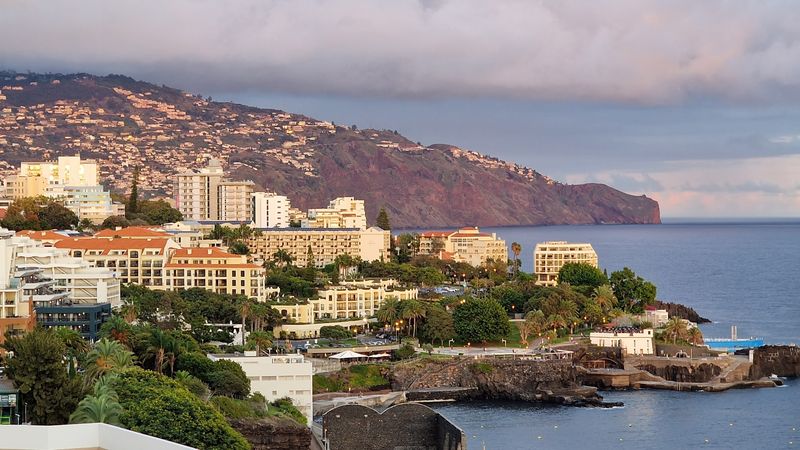
Madeira does not do spring quietly. The island goes full floral spectacle for the Flower Festival, which in 2026 runs from late April through the end of May.
Funchal fills with elaborate petal carpets, flower-covered parade floats, and outdoor events that make the whole city feel like one giant botanical garden.
The festival is genuinely one of the most visually impressive seasonal events in Europe, and it does not get nearly as much attention as it deserves. Madeira already has dramatic cliffs, levada walks, and year-round mild weather going for it.
Spring just adds an extra layer of color and energy that summer cannot replicate.
Crowds are also far more manageable during the festival than during peak summer. You can actually enjoy the floral displays without being swept along by tour groups.
Funchal’s hillside streets and waterfront take on a celebratory mood that feels genuinely local rather than staged for visitors.
Athens, Greece
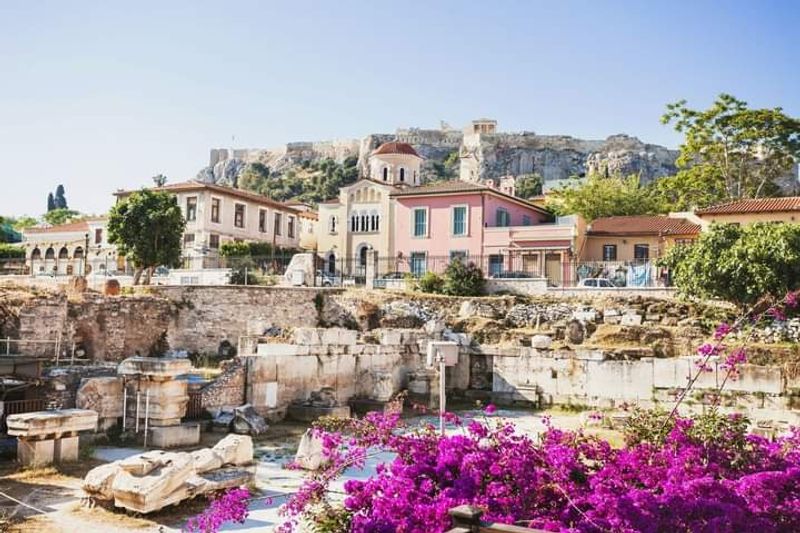
Walking the Acropolis in July is basically a survival exercise. Marble reflects heat like a mirror, shade is scarce, and the site is packed.
Spring flips all of that on its head with mild temperatures that actually make sightseeing enjoyable rather than something to survive.
Greek Easter is the city’s biggest celebration, and it falls in spring. The streets fill with candlelit processions, lamb roasting, and a festive atmosphere that feels deeply rooted in the city’s identity.
It is one of those experiences that makes a trip feel genuinely memorable rather than just well-photographed.
The Athens Riviera is also far more pleasant in spring. Beach clubs are not yet in full swing, so the coastline has a quieter, more relaxed character.
Ancient sites like the Agora and the Temple of Olympian Zeus are easier to explore without the summer haze and heat. Spring Athens rewards walkers, and there is a lot of walking to do here.
Rome, Italy
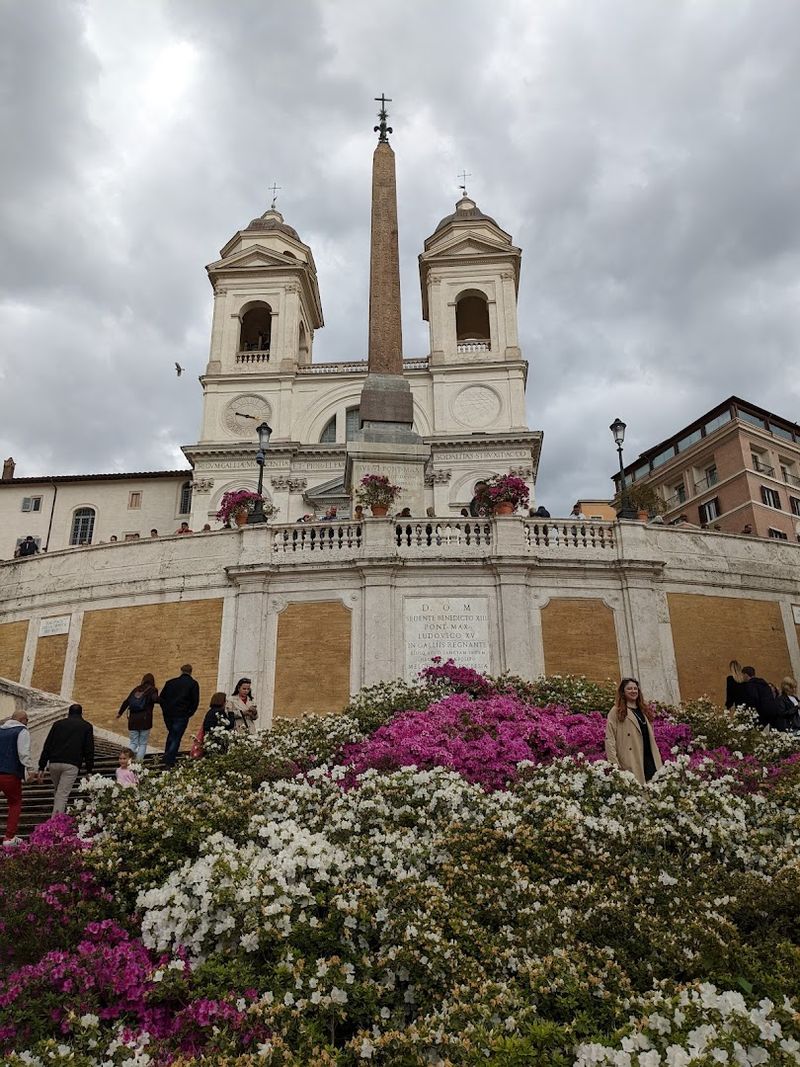
Rome’s Rose Garden on the Aventine Hill is only open for a few weeks each spring, and it is the kind of place that makes you feel genuinely lucky to be there. Hundreds of rose varieties bloom against a backdrop that includes the Roman Forum.
It is a limited-window experience that summer visitors simply miss entirely.
Beyond the garden, spring gives Rome the best version of itself for sightseeing. The Colosseum, the Forum, and the Vatican are all more enjoyable when you are not melting.
Lines are shorter, the light is softer, and the city has not yet hit its summer saturation point where every piazza feels like a theme park queue.
Outdoor dining also hits differently in spring. Sitting at a terrace without wilting in the heat is one of life’s underrated pleasures, and Rome’s restaurant scene is perfectly set up for it.
The food is the same year-round. The comfort level is not.
Venice, Italy
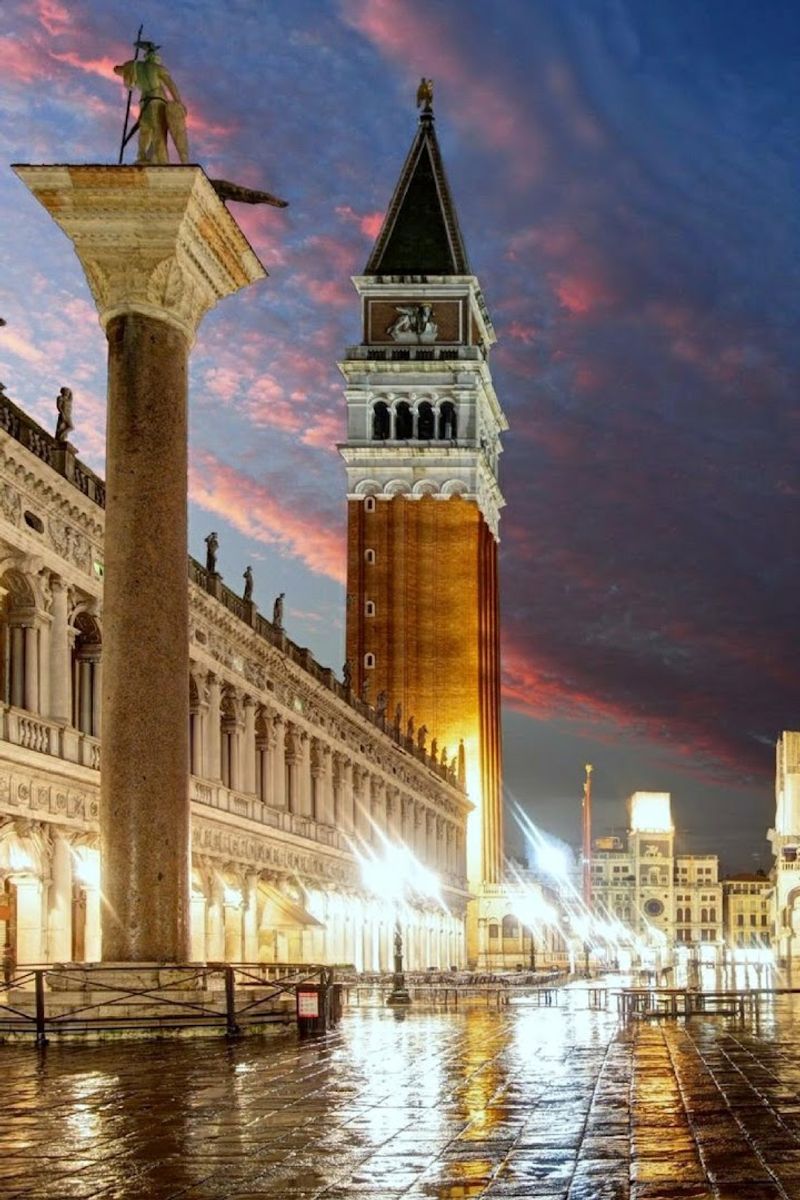
Venice and summer have a complicated relationship. The city is stunning, but peak season turns its narrow calli into slow-moving human traffic jams.
Spring offers the same canals, the same bridges, and the same jaw-dropping architecture without the full weight of summer tourism pressing down on every corner.
Official Venice tourism pages describe spring as the season when the city blooms, and they are not wrong. Garden islands like Sant’Erasmo and Giudecca come alive, lagoon walks become genuinely pleasant, and the longer days mean more time to wander without feeling rushed.
The city’s quieter neighborhoods finally get the attention they deserve.
Spring light in Venice is also something photographers obsess over for good reason. The softer morning glow hits the facades differently than the harsh summer sun.
You do not need to be a photographer to appreciate it. You just need to be awake early enough, which is easier when the heat is not keeping you up at night.
Dubrovnik, Croatia
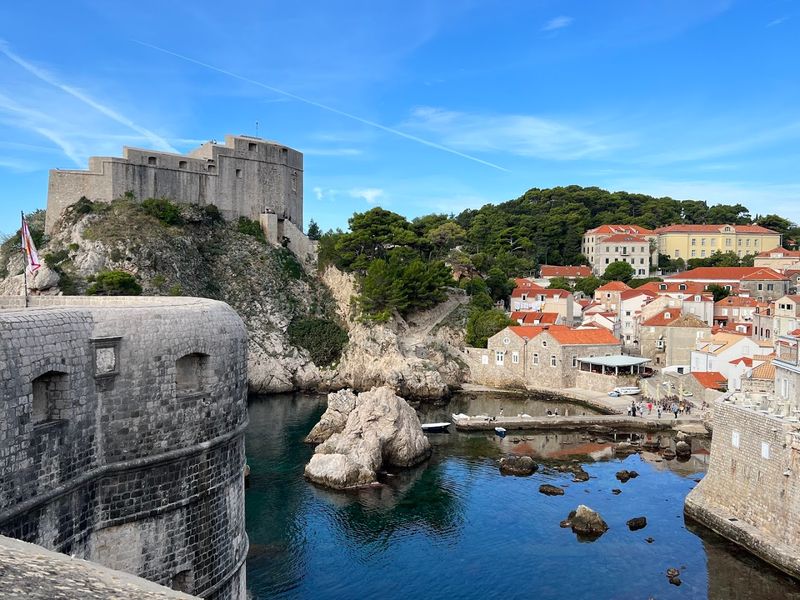
Dubrovnik in summer is famous for two things: its beauty and its crowds. The old city walls can feel more like a conveyor belt than a walk in peak season.
Spring keeps the beauty and quietly removes most of the chaos, which is a trade most travelers would happily make.
Easter programming and spring events give the historic center a lively feel without requiring the full summer surge to make it happen. The streets are still active, the restaurants are open, and the Adriatic is starting to warm up.
You get the city as a place rather than a bottleneck, which is exactly what Dubrovnik deserves.
Prices in spring are also noticeably lower, and accommodation is far easier to book. The Game of Thrones tourism wave has made summer reservations genuinely competitive.
Spring sidesteps all of that. The city looks just as dramatic in April as it does in August, but your wallet and your patience will both thank you for the timing.
Plitvice Lakes, Croatia
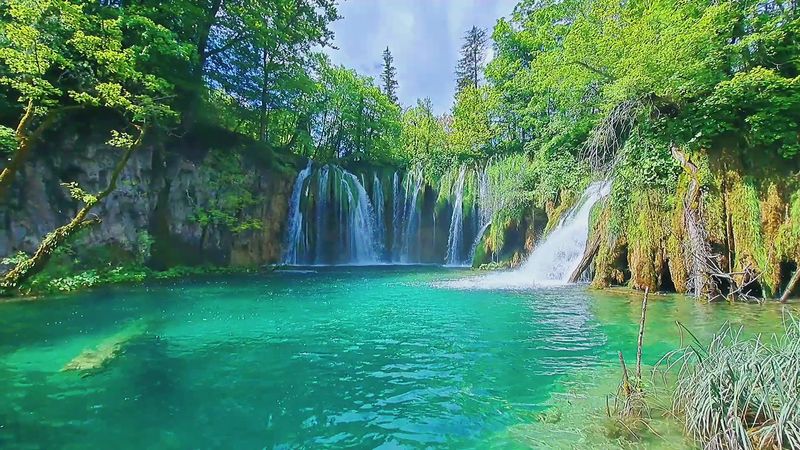
Plitvice Lakes does something spectacular in spring: the waterfalls go absolutely wild. Snowmelt from the surrounding mountains feeds the system, pushing the falls to their most dramatic flow of the year.
The turquoise lakes look almost unreal against the fresh green of the forest waking up around them.
The park officially promotes spring as its season of awakening, and that is not just marketing copy. Wildflowers appear along the boardwalks, birds return in numbers, and the whole ecosystem seems to be operating at full energy.
Summer brings more visitors, but spring brings more water and more life.
Crowds are also significantly lighter in spring compared to July and August, when the park can feel overwhelmed. The wooden boardwalk paths are easier to enjoy when you are not queuing to cross them.
Plitvice is one of Croatia’s most visited sites for good reason. Visiting in spring just means you actually get to experience it rather than simply pass through it.
Lake Bled, Slovenia
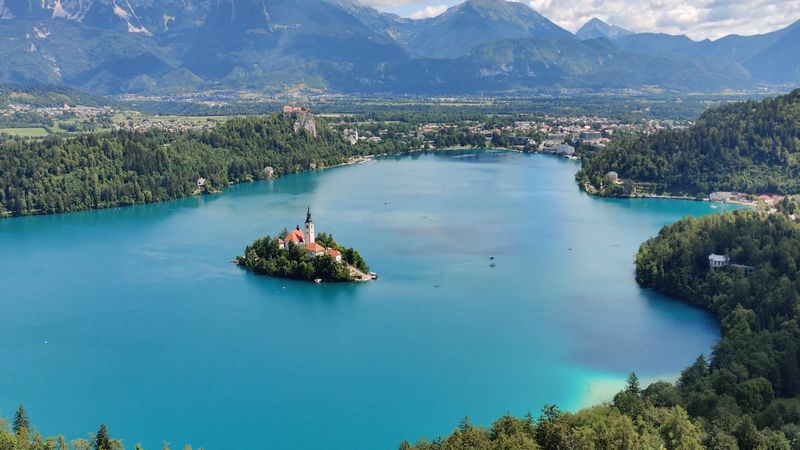
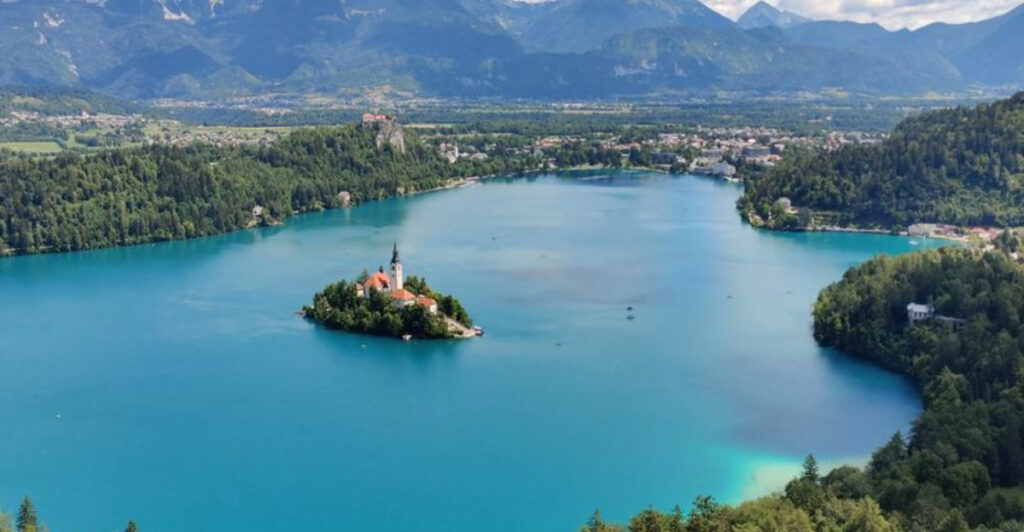
Lake Bled is one of those places that looks almost too good to be real, and spring adds a layer of drama that summer actually cannot match. Snow still caps the Julian Alps in the background while wildflowers bloom along the shoreline, and the island church sits in the middle of it all like it was placed there specifically to ruin your sense of what is normal scenery.
Bled’s official tourism site has an entire spring section dedicated to blooming scenery, lake walks, and the moment nature fully wakes up. That is not an accident.
The destination genuinely delivers on the seasonal promise. The views are the whole point here, and spring frames them beautifully.
The village itself is far more relaxed in spring than during the summer peak. You can actually get a table at a cafe without a wait, rent a rowboat without queuing, and take the classic viewpoint photo without twenty other people in the frame.
That alone is worth the off-peak timing.
Istanbul, Türkiye
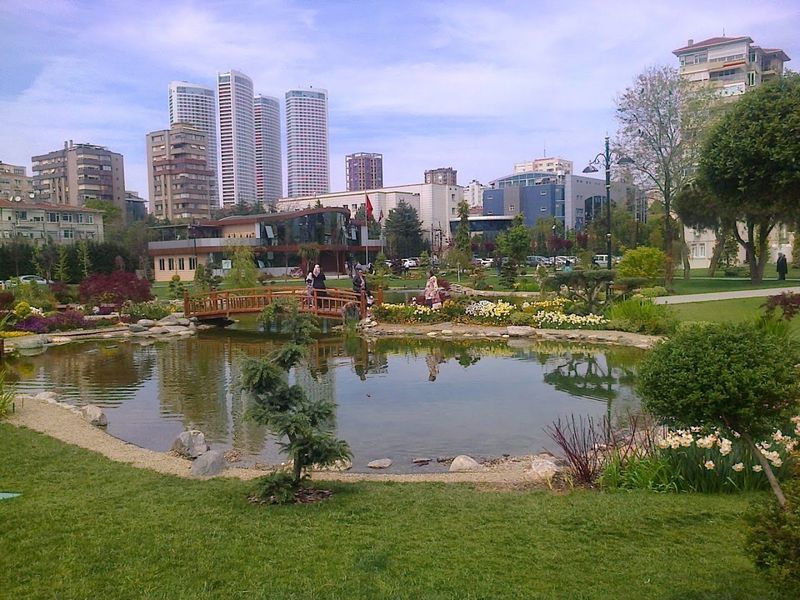
Istanbul has a spring secret that most visitors do not know about until they see it: millions of tulips. Every April, the city plants tulips across parks, public squares, and gardens as part of the Istanbul Tulip Festival.
Emirgan Park alone turns into a sea of color that genuinely stops people mid-stride.
The tulip is actually deeply connected to Ottoman history, so this is not a modern tourist gimmick. The flower was cultivated and celebrated in Istanbul centuries before it became famous in the Netherlands.
Seeing it bloom across the city in spring adds a historical layer that makes the whole experience feel more meaningful.
Summer in Istanbul is hot, crowded, and relentless. Spring keeps the energy high but the temperature manageable, which matters a lot when you are climbing hills between mosques and bazaars.
The Bosphorus views, the Grand Bazaar, and the historic peninsula are all more enjoyable when you are not sweating through your shirt by 10am.
Paris, France
Paris in spring is not a cliche. It is just accurate.
The cherry blossoms along the Canal Saint-Martin and in parks like the Champ de Mars actually do look like the postcards, and the City of Paris publishes official spring garden guides every year because the seasonal bloom circuit is genuinely worth following.
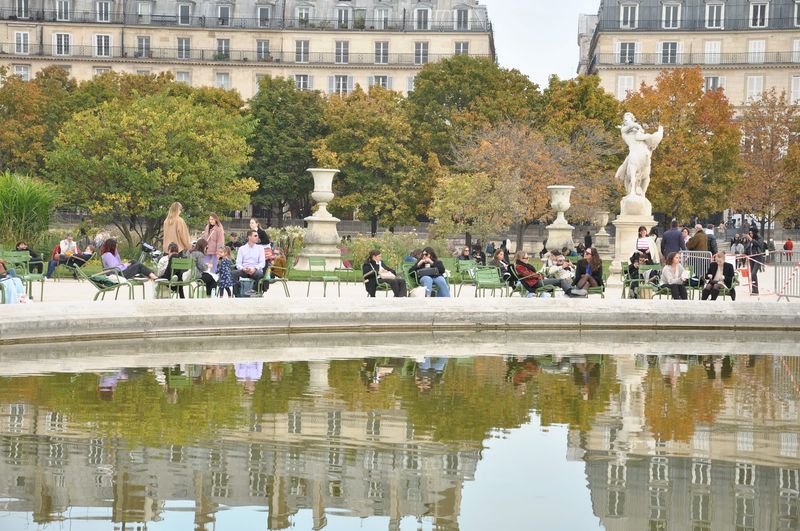
The parks are the real story. Luxembourg Gardens, the Tuileries, and Palais Royal all hit peak form in spring when flowers are out and locals reclaim the benches and lawns.
Paris je t’aime actively points visitors toward spring outings for a reason. The city uses its green spaces better than almost anywhere in Europe, and spring is when they deliver.
Summer Paris is iconic but exhausting. The Louvre queues stretch forever, the Metro is sticky, and everyone is there at once.
Spring keeps the energy without the full crush. The cafes still have terraces, the Seine is still beautiful, and the city still does its thing.
Just with slightly more breathing room.
Copenhagen, Denmark
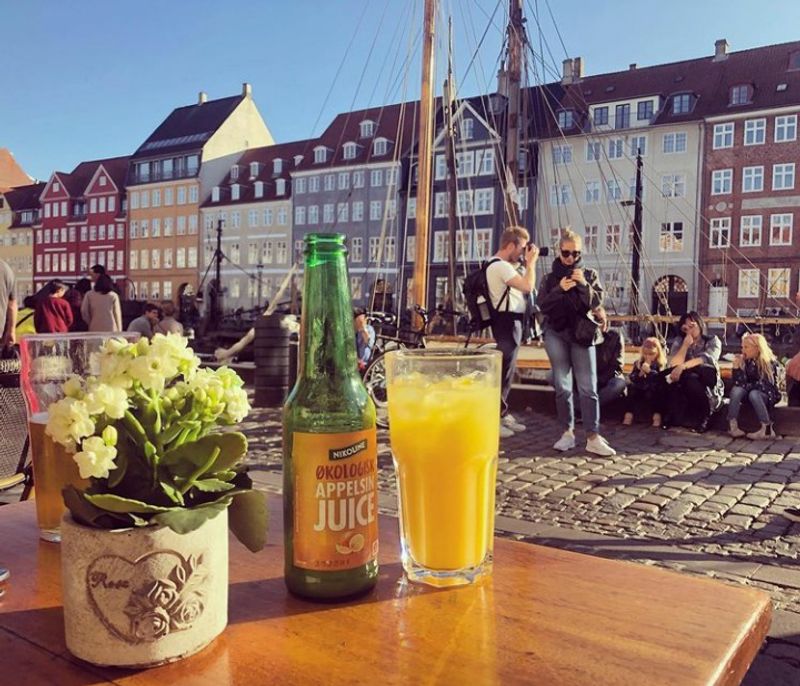
Copenhagen does winter stoically and summer loudly, but spring is the season when the city finds its best mood. The sidewalk cafes reopen, flea markets pop up in neighborhood squares, and locals spill into parks and waterfronts like they have been waiting all year for exactly this moment.
They have.
Visit Copenhagen describes spring as the city waking up, and the energy shift is real and noticeable. Nyhavn’s colorful facades look especially good in spring light before the summer tourist wave arrives.
The canal benches fill with locals drinking coffee and looking very pleased with themselves, which is a Copenhagen tradition worth observing.
Tivoli Gardens reopens in spring, which is always a good sign. The amusement park is central to the city’s character and hits a sweet spot in spring when it is festive without being overwhelmed.
Copenhagen in spring rewards slow exploration: good coffee, long canal walks, and the quiet satisfaction of visiting somewhere wonderful just before everyone else figures out how wonderful it is.
Montreux Riviera, Switzerland
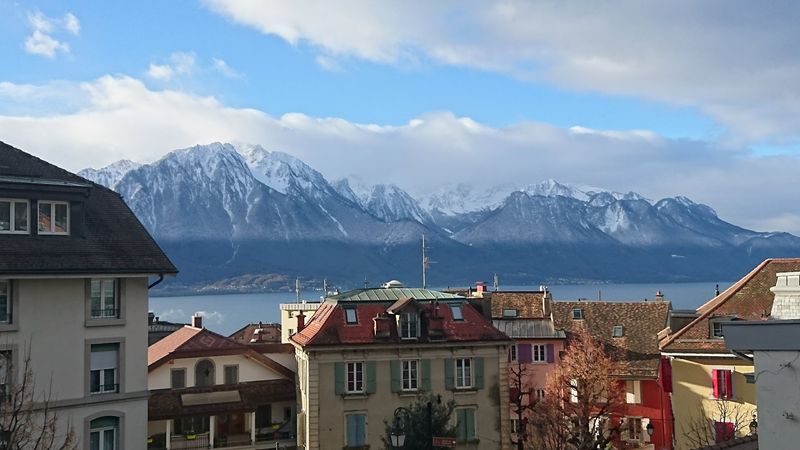
The Swiss call it “May snow,” and once you see it, the nickname makes complete sense. Every spring, the hillsides above the Montreux Riviera turn white with millions of blooming narcissus flowers, particularly around Les Avants and Les Pléiades.
It looks like a snowfall that somehow smells incredible.
This is one of Europe’s most underrated seasonal events, and it is strictly a spring phenomenon. Summer visitors get the lake views and the mountain air, but they miss the bloom entirely.
The narcissus festival draws hikers and photographers up into the hills for a reason. The combination of white flowers, the blue of Lake Geneva below, and the Alps behind it is genuinely hard to top.
Montreux itself is a lovely base with its famous lakeside promenade, the Chateau de Chillon nearby, and a relaxed Riviera character that suits spring perfectly. This is not a destination where spring is simply good.
Spring is the actual reason to go, and that makes it one of the most honest picks on this list.
Share this story