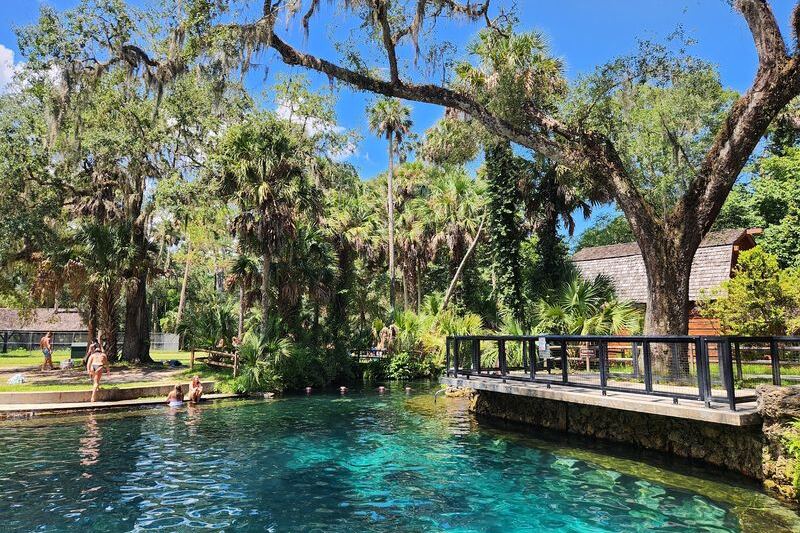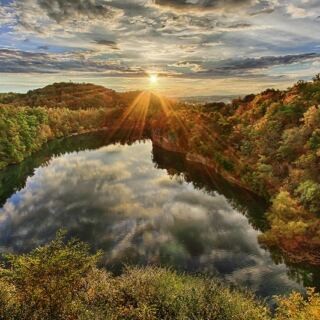
There is a place in Jacksonville, Florida, where ancient history, wild coastal landscapes, and untouched nature all share the same address. Salt marshes stretch as far as the eye can see, massive live oaks drape their limbs over shaded trails, and somewhere in the distance, a bald eagle might just be watching you from a treetop.
This is not a small neighborhood park you pass through in twenty minutes. The Timucuan Ecological and Historical Preserve covers roughly 46,000 acres and holds stories that go back thousands of years, from the original Timucua people to French colonists and beyond.
Whether you are a history lover, a birder, a hiker, or someone who simply needs a quiet morning away from the city, this preserve has a way of making you feel like you have discovered something truly special.
Where the Preserve Begins: Location and First Impressions
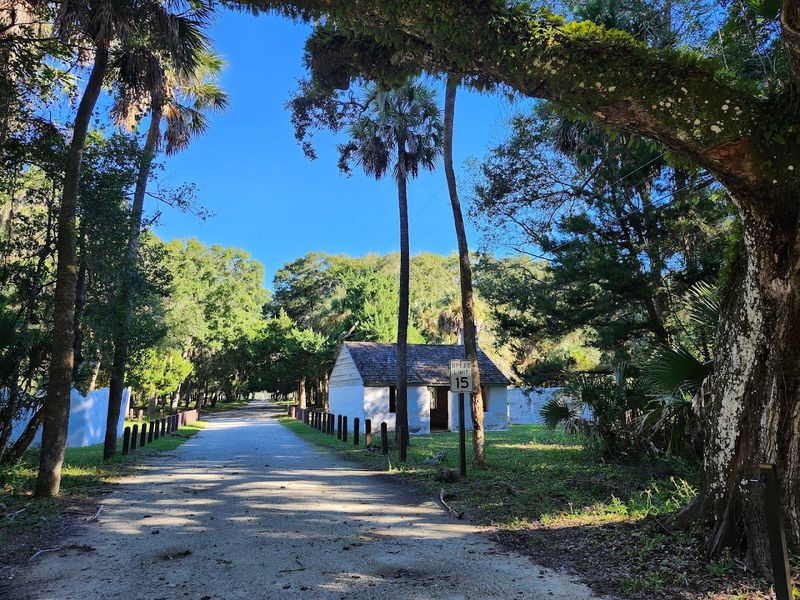
The visitor center at 12713 Fort Caroline Road, Jacksonville, is your best starting point for exploring this remarkable National Park Service site. The building itself is clean, welcoming, and staffed by rangers who genuinely enjoy talking about the preserve’s ecology and history.
Park rangers here are known for being knowledgeable and approachable, ready to answer questions about trails, wildlife, and the various historic sites spread across the property. Friendly staff at the front desk will offer maps, suggestions, and a warm greeting that makes you feel at home right away.
The visitor center is open Wednesday through Sunday from 9 AM to 5 PM and is closed on Mondays and Tuesdays. Admission is completely free, which makes planning a spontaneous visit incredibly easy.
You can reach the park by phone at 904-641-7155 or visit nps.gov/timu for more details before your trip.
The Ancient Timucua People and Their Legacy
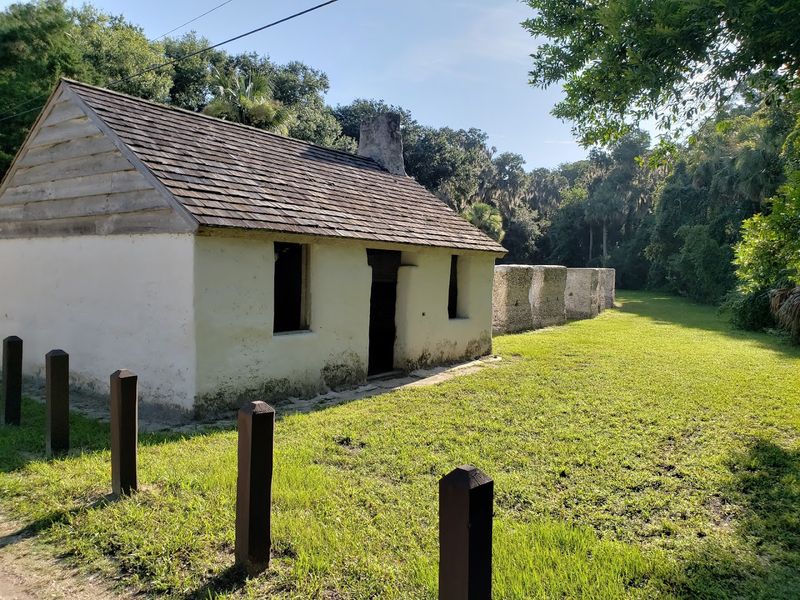
Long before European ships appeared on the horizon, the Timucua people thrived along the waterways and forests of what is now northeastern Florida. They were skilled hunters, fishers, and farmers who built complex communities and left behind a rich cultural legacy that archaeologists are still piecing together today.
The preserve’s museum does a thorough job of presenting what historians and archaeologists have learned about the Timucua through written records and excavation findings. Displays cover their daily life, spiritual practices, and the dramatic changes that came with European contact in the 1500s.
Reconstructed huts representing the kind of dwellings the Timucua would have used are scattered near Fort Caroline and give visitors a tangible sense of what life once looked like here. Informational plaques placed around the grounds add even more context, making the outdoor experience feel as educational as any classroom lesson.
Fort Caroline National Memorial and Its French Colonial Story
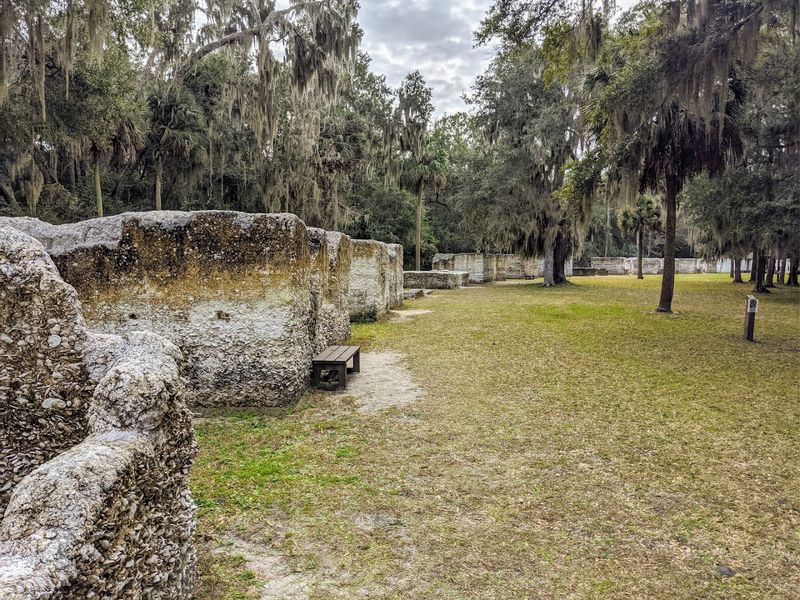
Fort Caroline National Memorial is one of the most historically significant sites in the entire southeastern United States, yet it remains surprisingly overlooked by many travelers. French Huguenots established a colony here in 1564, making it one of the earliest European settlement attempts on what would become American soil.
A reconstructed version of the fort stands on the grounds today, giving visitors a physical sense of what the French colonists built along the St. Johns River. The triangular fort design, wooden palisades, and period details make for a genuinely interesting walk-through experience.
The story of Fort Caroline is both dramatic and sobering, involving conflict between French and Spanish forces that ultimately ended the colony’s short existence. Rangers and educational panels tell this story with clarity and depth, helping visitors connect the dots between this small outpost and the larger sweep of colonial history in North America.
Kingsley Plantation: A Complicated Chapter in Florida History
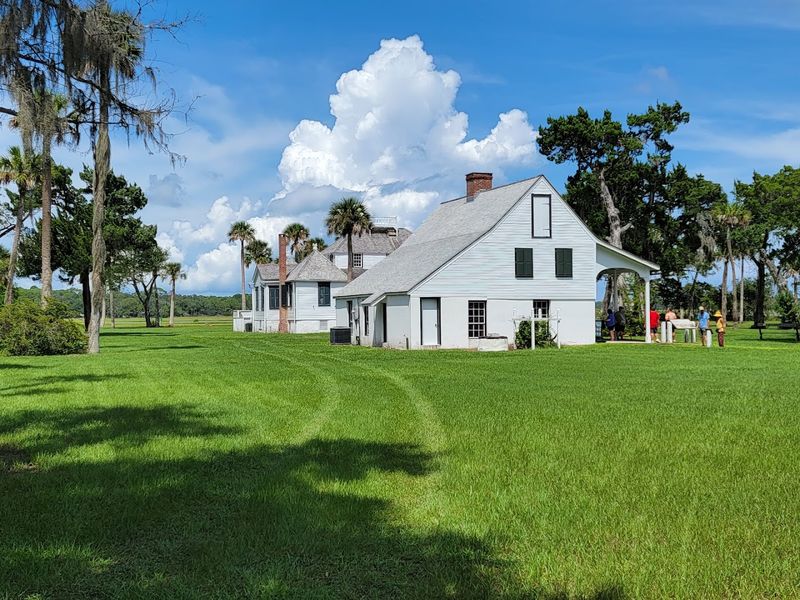
Tucked within the preserve on Fort George Island, Kingsley Plantation is the oldest surviving plantation in Florida and one of the most thought-provoking historic sites in the entire state. The property dates back to the early 1800s and tells a layered story about land, power, and the lives of enslaved people who worked there.
The main plantation house, the barn, and a remarkable row of tabby-construction slave cabins are all still standing and open for exploration. These structures are hauntingly well-preserved, and standing among them gives you a real sense of the weight of that era.
Guided tours are available and are led by rangers who handle the difficult history with honesty and care. One particularly moving experience involves learning about the “witnessing trees,” old-growth trees on the property that have stood through every chapter of this place’s history, silently observing it all.
Theodore Roosevelt Area Trails: A Hiker’s Favorite Spot
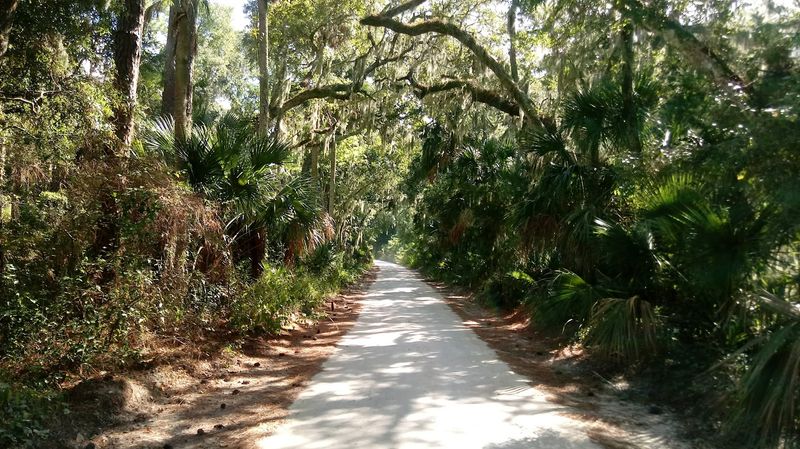
The Theodore Roosevelt Area within the preserve is where many visitors fall in love with the outdoor side of Timucuan. Two main trailheads, Spanish Pond (marked in red) and Theodore Roosevelt (marked in blue), sit about 1.7 miles apart and connect through a well-marked trail system that rewards every step.
The scenic black loop trail is a particular highlight, leading hikers out to a beautiful coastal peninsula with a raised viewing platform that offers sweeping views of the surrounding marshes and waterways. The total distance from Spanish Pond to Roosevelt and through most of the scenic loop runs about 4.1 miles, which most walkers complete in roughly an hour and twenty minutes.
Florida is famously flat, so the surprising elevation changes along this trail system genuinely catch people off guard in the best way. Benches positioned near gorgeous oak trees give you built-in reasons to slow down and soak it all in.
Salt Marshes and Wetlands That Take Your Breath Away
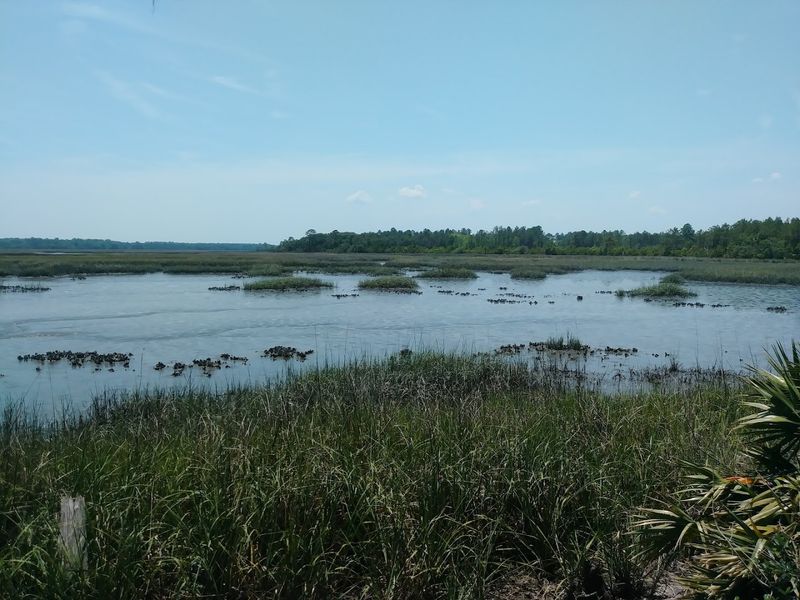
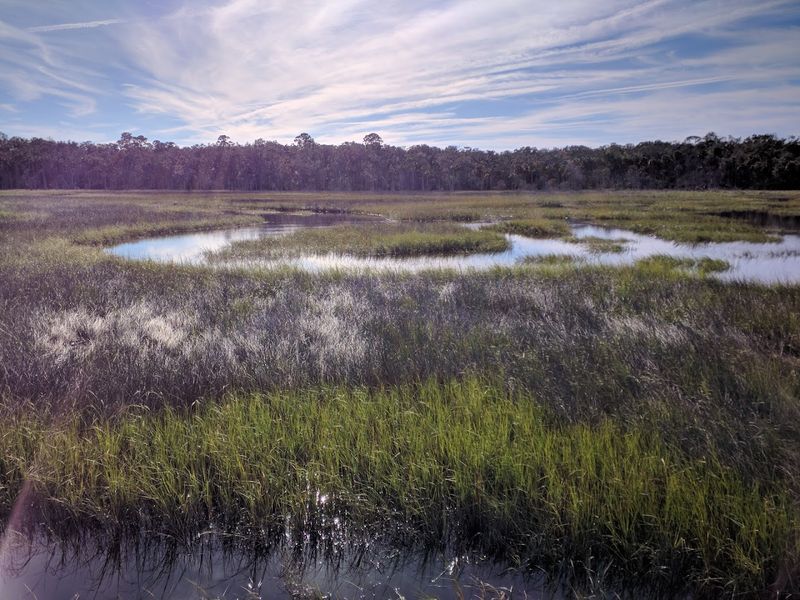
The salt marshes at Timucuan are not just scenery; they are living ecosystems that support an extraordinary range of wildlife. Stretching across thousands of acres, these wetlands act as nurseries for fish, feeding grounds for shorebirds, and natural filters that keep the surrounding waterways clean and healthy.
Walking out to the marsh overlook on the trail from the Theodore Roosevelt area gives you a front-row seat to one of Florida’s most underappreciated coastal habitats. The view from the raised platform is wide, open, and genuinely stunning, especially on a clear morning when the light hits the water just right.
The Willie Browne Cemetery sits near this area as well, adding a quiet historical note to an already contemplative walk. Birders especially love this section of the preserve because migrating species stop here regularly, filling the air with sounds that are hard to find anywhere near a major city.
Birdwatching Paradise: Wings, Calls, and Canopy Life
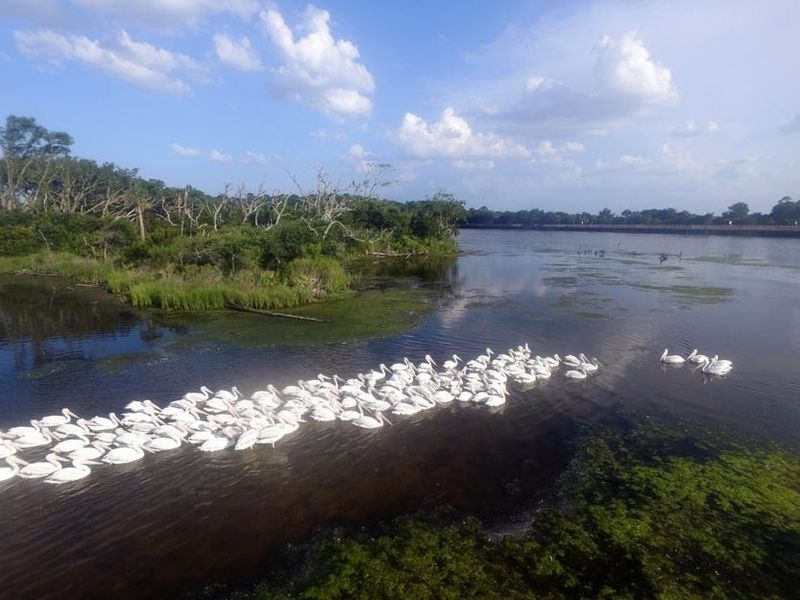
Birders who visit Timucuan for the first time often leave with a life-list entry or two they were not expecting. The preserve’s mix of hardwood forest, salt marsh, and coastal waterways creates an ideal patchwork of habitats that attracts an impressive variety of bird species throughout the year.
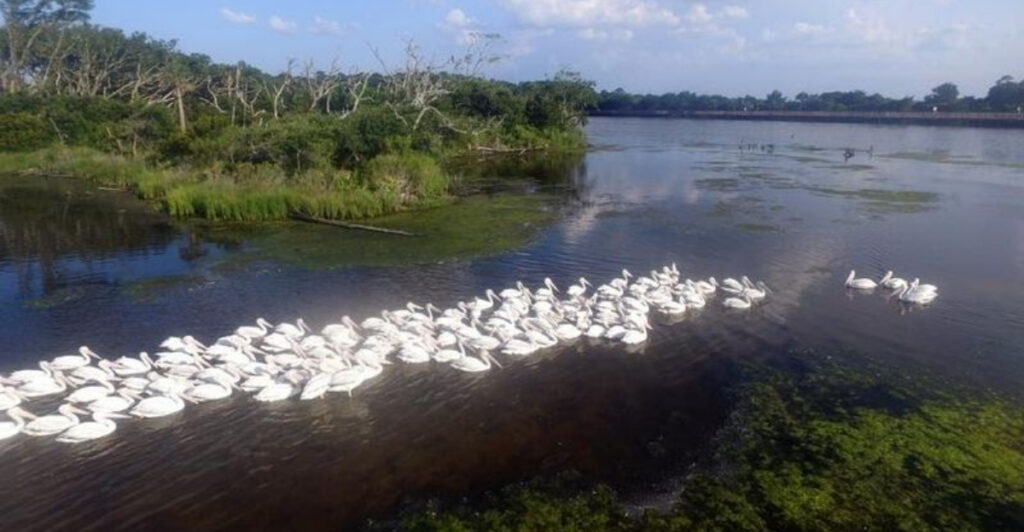
Bald eagles nest here, and spotting them is a genuine thrill that never gets old no matter how many times you visit. Egrets, herons, and shorebirds work the marsh edges at low tide, while the forest canopy hides warblers, vireos, woodpeckers, and cardinals that reward patient observers.
During migration season, the preserve becomes a temporary rest stop for species traveling along the Atlantic Flyway, which means the variety of birds changes with the calendar in fascinating ways. Bringing binoculars is strongly recommended, and arriving early in the morning when bird activity peaks will give you the richest experience possible.
The Ribault Column and a Monument to Exploration
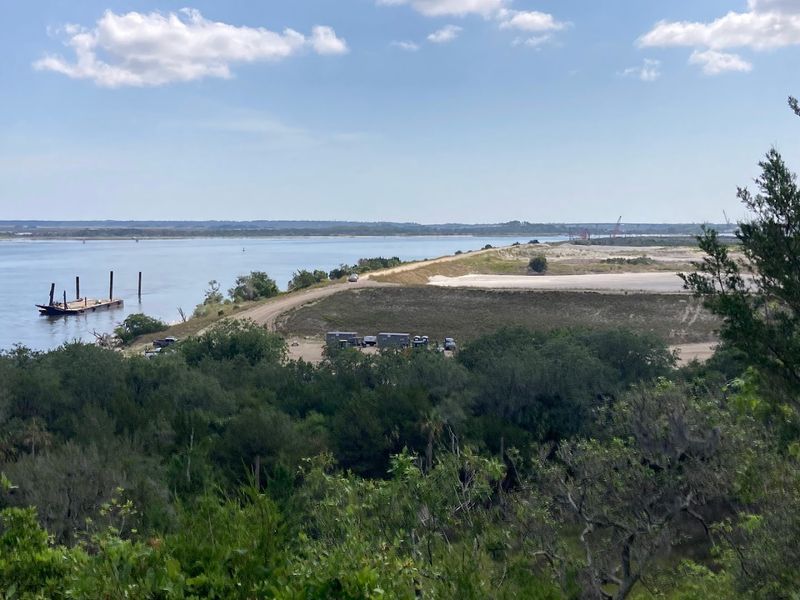
Jean Ribault was a French naval officer who planted a stone column near the mouth of the St. Johns River in 1562 to claim the land for France, and the reproduction of that column stands at the preserve today as a quiet but meaningful landmark. It marks one of the earliest recorded moments of European exploration in what would eventually become the United States.
The site includes an overlook with seating that faces the water, making it a pleasant spot to rest and reflect on the layers of history packed into this stretch of Florida coastline. Visitors can reach the column via stairs or a ramp, so accessibility is not an issue.
The column itself is a reproduction rather than the original, and the signage at the site is upfront about that fact. Still, standing near it while looking out over the same river that Ribault once sailed is a genuinely evocative experience that connects the present to a very distant past.
Live Oak Canopy Trails and the Magic of Old-Growth Trees
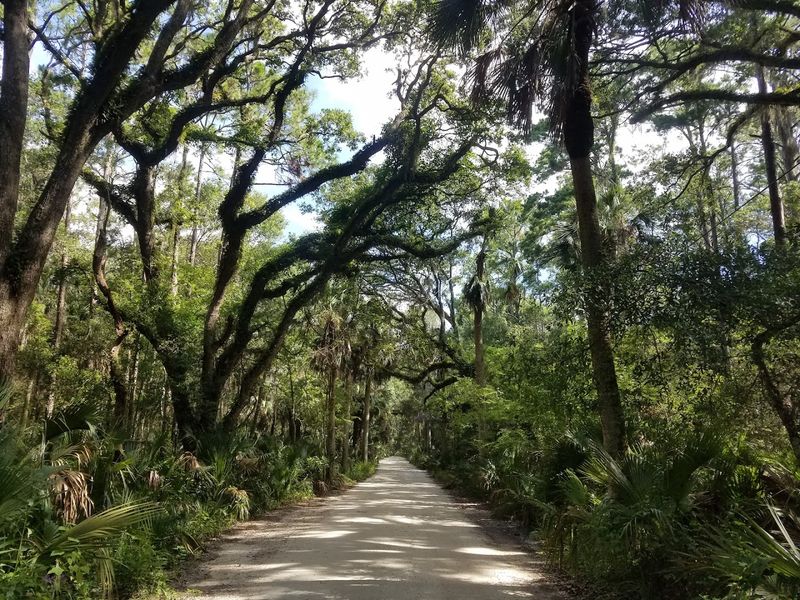
Some of the most memorable moments at Timucuan happen not at a historic site or a marsh overlook, but simply while walking beneath a canopy of ancient live oaks. These trees are enormous, their limbs spreading wide and draped with Spanish moss that sways gently in the coastal breeze.
The trails that wind through this hardwood forest feel almost cathedral-like in the way the branches arch overhead and filter the sunlight into soft, shifting patterns on the ground below. It is the kind of walking environment that slows your pace naturally and makes you want to look up more than forward.
During summer, the dense canopy keeps temperatures noticeably cooler than the surrounding open areas, which is a genuine relief in a Florida summer. Benches placed thoughtfully along the trail let you sit in the shade and listen to the forest, which on a quiet weekday morning sounds like a completely different world.
Junior Ranger Program: The Perfect Activity for Young Visitors
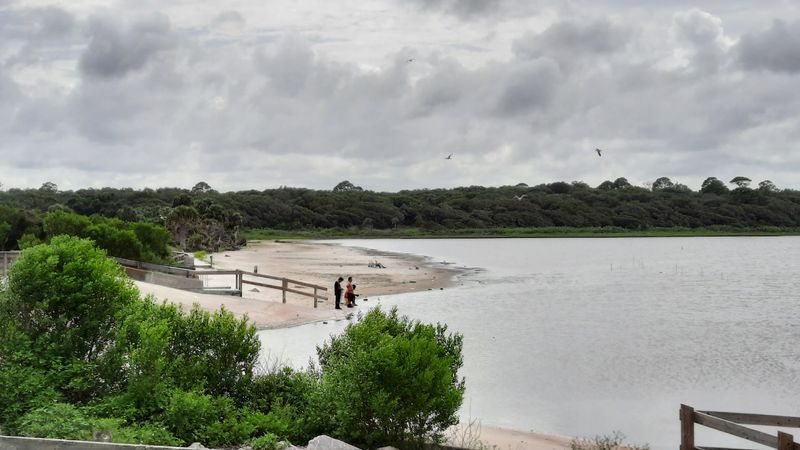
Families with children have a built-in reason to linger longer at Timucuan, and that reason comes in the form of the Junior Ranger program. Kids who complete the program’s activities earn an official badge, and the pride on a child’s face when that badge gets pinned on is the kind of moment parents remember long after the trip is over.
The program is designed to be both educational and genuinely fun, encouraging kids to explore the visitor center, observe the natural environment, and engage with the preserve’s history in age-appropriate ways. Rangers guide participants through the process with enthusiasm and patience.
The program works especially well for families who are homeschooling or looking for a meaningful hands-on supplement to classroom learning about Florida’s ecology and Native American history. The Timucuan story, with its ancient indigenous culture, European contact, and rich natural setting, gives children a lot of material to think about long after they head home.
Coastal Views and Water Access for Boaters and Paddlers
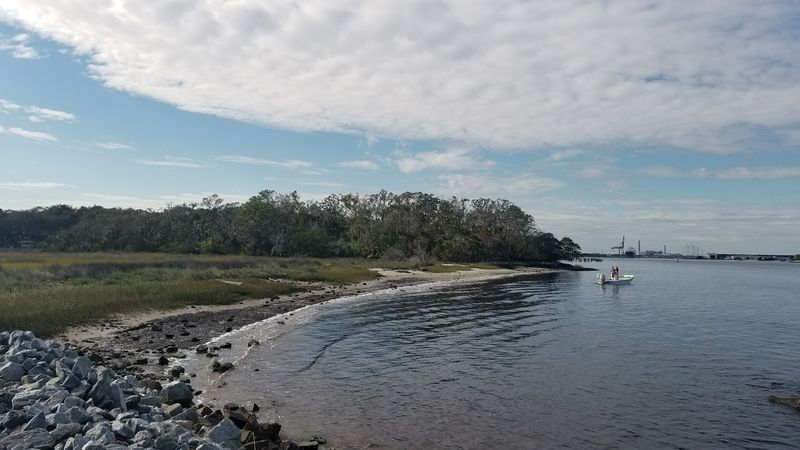
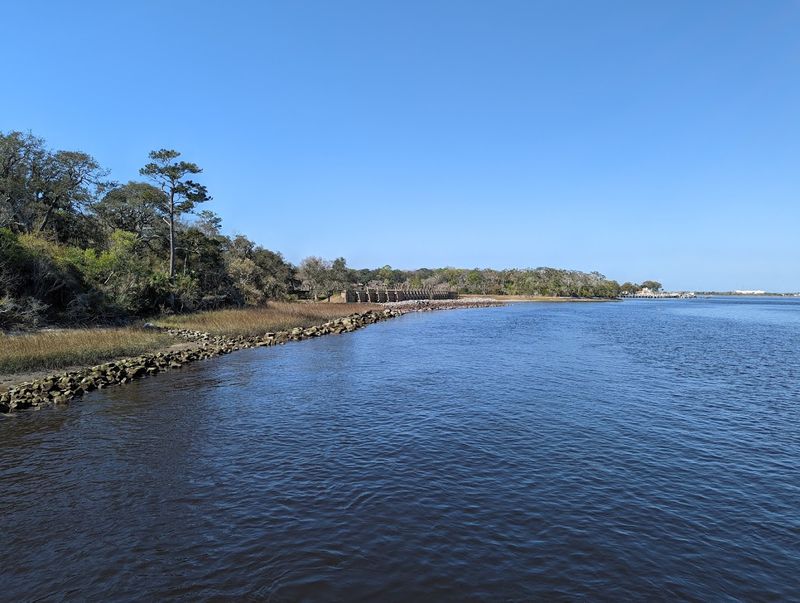
The preserve’s position along the Intracoastal Waterway and the St. Johns River makes it a natural destination for people who love being on the water as much as on land. Boaters and kayakers who access the preserve from the water get a completely different perspective on the landscape, one that feels wide open and almost primeval.
The tidal creeks and sheltered coves within the preserve are ideal for paddling at a relaxed pace, with marsh grasses lining the banks and osprey circling overhead. The waterways here connect to some of the most ecologically intact stretches of the northeastern Florida coast, which makes every paddle feel like a genuine nature excursion.
Those who live near the preserve and access it regularly by boat often describe it as one of their favorite places on earth, and it is easy to understand why. The combination of open water, protected shoreline, and wild scenery is hard to replicate anywhere else near Jacksonville.
Best Times to Visit and Practical Tips for a Great Trip
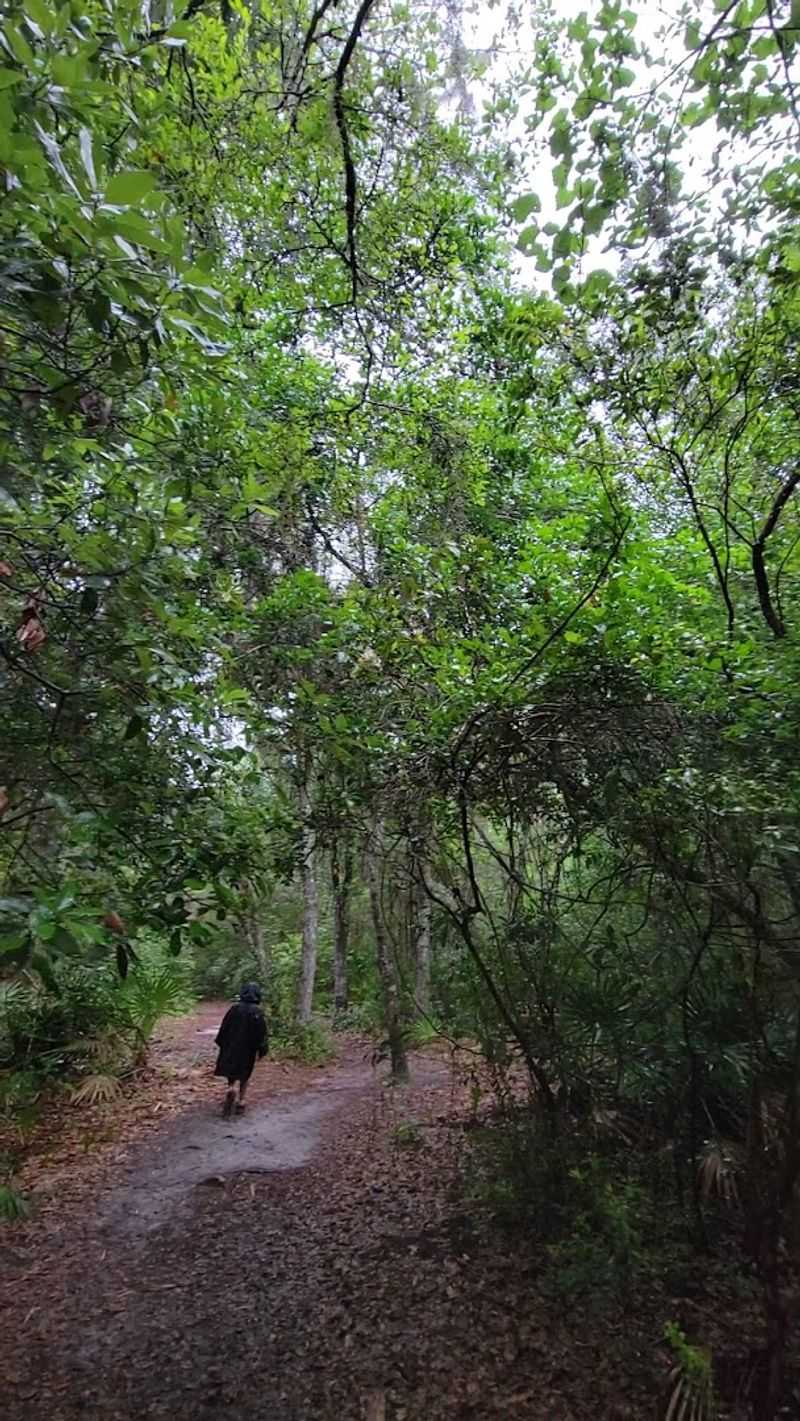
Spring and fall are widely considered the best seasons to visit Timucuan, and for good reason. Temperatures are comfortable, humidity drops to manageable levels, and the preserve buzzes with migrating birds and active wildlife that make every walk feel rewarding.
Summer visits are absolutely possible, but the heat and humidity in Jacksonville from June through September can be intense, and insect activity picks up significantly during those months. Bringing insect repellent is not optional during warm weather; it is a genuine necessity if you want to enjoy the trails without constant interruption from mosquitoes and horseflies.
Wearing light, breathable clothing and carrying plenty of water will make any warm-weather visit far more comfortable. The preserve opens at 9 AM Wednesday through Sunday, so arriving close to opening time means cooler temperatures, fewer crowds, and the best chance of spotting wildlife before the day heats up fully.
Free Admission and the Gift of an Accessible National Park
One of the most refreshing things about Timucuan is that it costs absolutely nothing to visit. As a unit of the National Park Service, the preserve offers free admission to everyone, which removes one of the most common barriers to outdoor recreation and historic exploration.
The visitor center includes clean restrooms, a picnic pavilion, a gift shop, and a river overlook with seating, all at no charge. You can also collect National Park passport stamps here, which is a small but deeply satisfying ritual for anyone who makes a habit of visiting NPS sites across the country.
Parking is plentiful, the trails are well-maintained and clearly marked, and the overall experience is polished in a way that makes the free admission feel almost too good to be true. For families, solo travelers, or anyone working with a tight budget, Timucuan offers a genuinely full day of exploration without spending a single dollar.
Wildlife Beyond Birds: What Else Roams the Preserve
Birds get most of the attention at Timucuan, but the preserve’s wildlife extends well beyond the canopy. White-tailed deer move quietly through the hardwood forest, and their presence is easy to overlook until one steps out onto the trail just a few feet ahead of you.
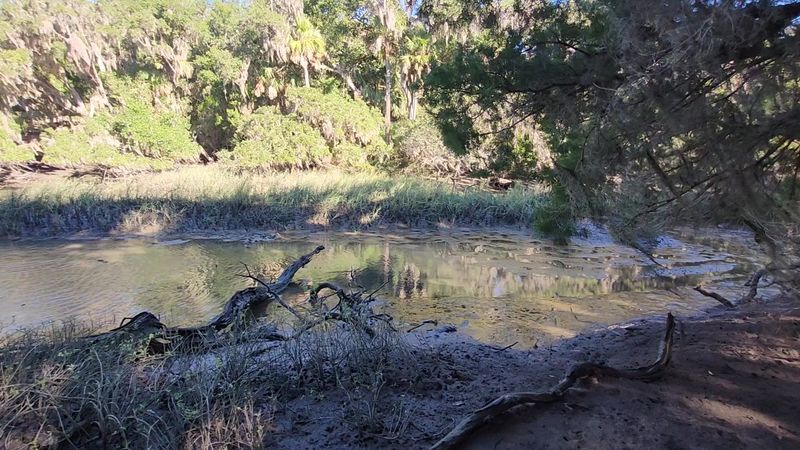
The salt marshes support a healthy population of fiddler crabs, mullet, and other estuarine species that form the base of the coastal food web. Dolphins occasionally work the deeper channels near the preserve’s waterways, and loggerhead sea turtles nest along nearby Atlantic beaches that fall within the preserve’s protected boundaries.
River otters, raccoons, and various reptile species round out a surprisingly diverse wildlife community for a preserve located within a major metropolitan area. The sheer variety of animals living here is a testament to how well the preserve’s ecosystems have been protected and maintained over the decades since it was established in 1988.
A Place Worth Returning To: The Lasting Appeal of Timucuan
There are places you visit once and check off a list, and then there are places that keep pulling you back. Timucuan falls firmly into the second category, and the reasons are different for everyone who comes here regularly.
Some return for the trails, finding new details in the forest and marsh with every season. Others come back for the history, spending more time at Kingsley Plantation or Fort Caroline each visit and walking away with a deeper understanding than the time before.
Families who started coming when their children were small find that the preserve grows with them, offering new layers of meaning as kids get older and begin to grasp the full weight of what happened here.
The preserve’s combination of ecological richness, honest history, accessible trails, and completely free admission makes it one of the most genuinely rewarding outdoor destinations in all of Florida, and a place that Jacksonville residents should consider a true local treasure.
Share this story