The Guardian Building in downtown Detroit is often called the city’s most impressive piece of architecture, and it is easy to see why. Completed in 1929, it stands out for its bold design, detailed tilework, and one of the most recognizable interiors in the region.
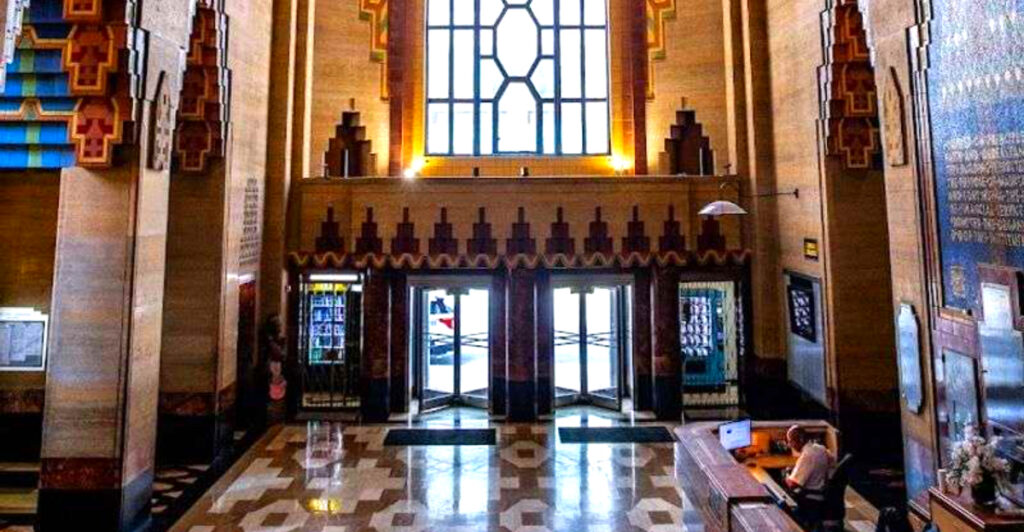
From the moment you step inside, the focus shifts to the lobby. Intricate patterns, vivid materials, and carefully preserved details make it one of the most photographed spaces in Detroit.
What makes it worth visiting is how well it has held up over time. Nearly a century later, it still feels distinct from anything else in the city, drawing in both first-time visitors and locals who never get tired of it.
Where to Find This Orange-Bricked Marvel
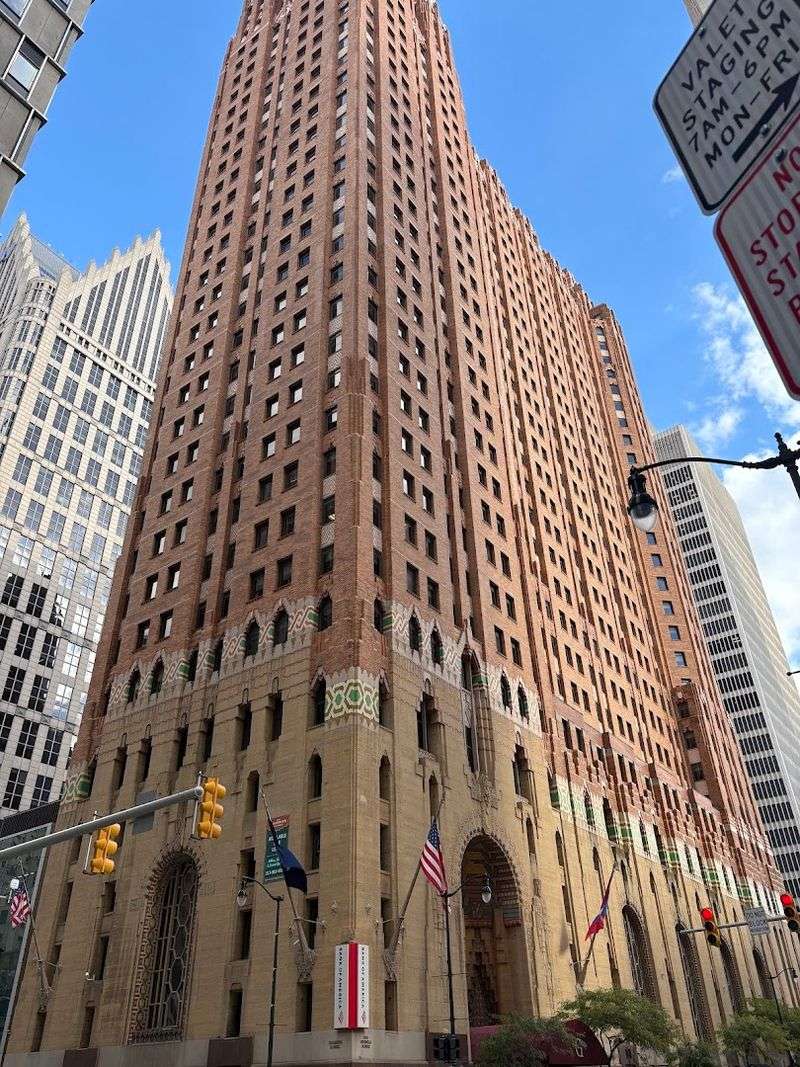
The Guardian Building stands at 500 Griswold St, Detroit, MI 48226, right in the heart of downtown Detroit’s financial district. Getting there is straightforward, and it is within easy walking distance of other well-known downtown landmarks like Campus Martius and the Spirit of Detroit statue.
The building is also conveniently close to the Detroit People Mover, making it accessible even if you are not driving. You can spot it from several blocks away thanks to its distinctive warm orange exterior, which almost glows in afternoon sunlight.
It is listed as open 24 hours a day, seven days a week, so there is really no excuse to skip it on your Detroit itinerary. The phone number for general inquiries is +1 313-963-4567, and their official website at guardianbuilding.com has up-to-date information on tours and events.
Arriving on foot from the surrounding streets gives you the best first impression of the full facade.
The Story Behind a 40-Story Masterpiece
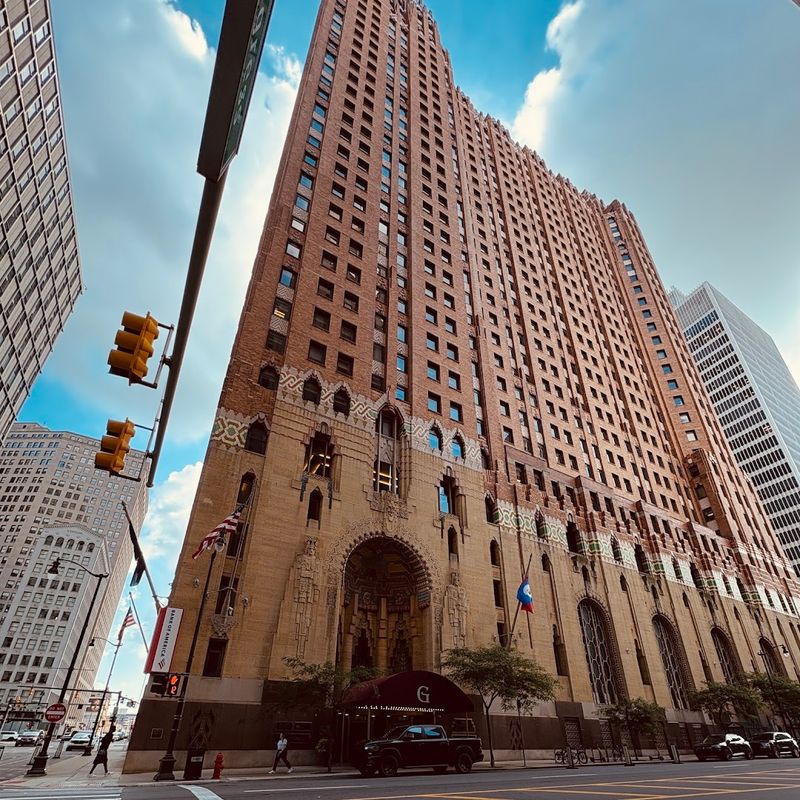
Completed in 1929, the Guardian Building was originally known as the Union Trust Building, serving as the headquarters of the Union Trust Company. At 40 stories and 496 feet tall, it was one of the tallest buildings in the world at the time of its completion.
The architect was Wirt C. Rowland, who worked with the firm Smith, Hinchman and Grylls.
Rowland was determined to create something that had never been done before, blending Art Deco design with elements of Mayan Revival architecture to produce a style that was entirely its own.
The building earned the nickname “Cathedral of Finance” during its early years, a title that still fits perfectly when you stand inside the grand lobby and look upward. It survived the Great Depression, multiple ownership changes, and decades of urban shifts in Detroit.
Today it stands as a National Historic Landmark, a rare survivor that feels as alive and relevant now as it did nearly a century ago.
Nearly 1.8 Million Bricks and a Color Unlike Any Other
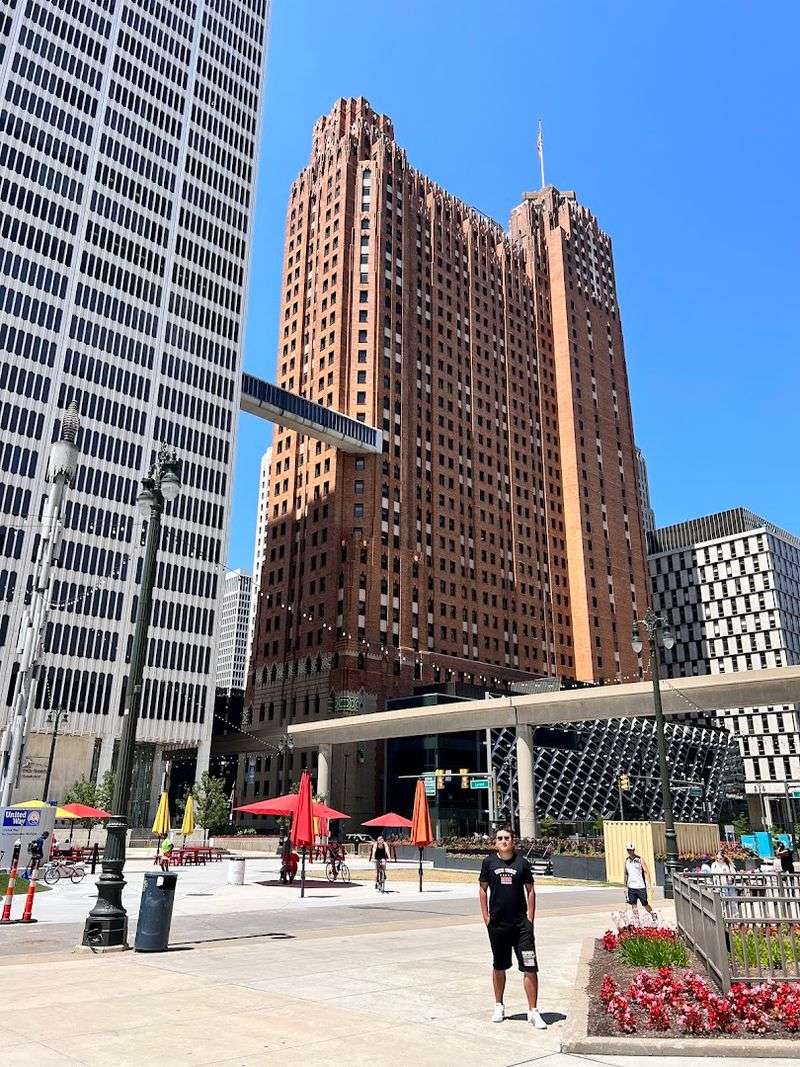
Most buildings try to blend in. The Guardian Building was designed to do the exact opposite.
The exterior is clad in approximately 1.8 million bricks in a shade so specific and warm that it has its own name: Guardian orange.
The color is not simply red and not quite terracotta. On a sunny day it almost seems to radiate heat, giving the building a presence that photographs cannot fully capture.
Architect Wirt Rowland chose this distinctive palette deliberately, wanting the structure to feel bold and alive rather than cold and institutional.
Decorative tilework panels run across the facade, featuring geometric patterns that shift and repeat in ways that reward close inspection. Bands of color in cream, teal, and deep rust accent the orange brickwork at various levels.
Looking up from the sidewalk directly in front of the building gives you the best sense of how the patterns stack and intensify as the tower rises. The exterior alone is worth the trip downtown.
The Lobby That Makes People Forget to Breathe
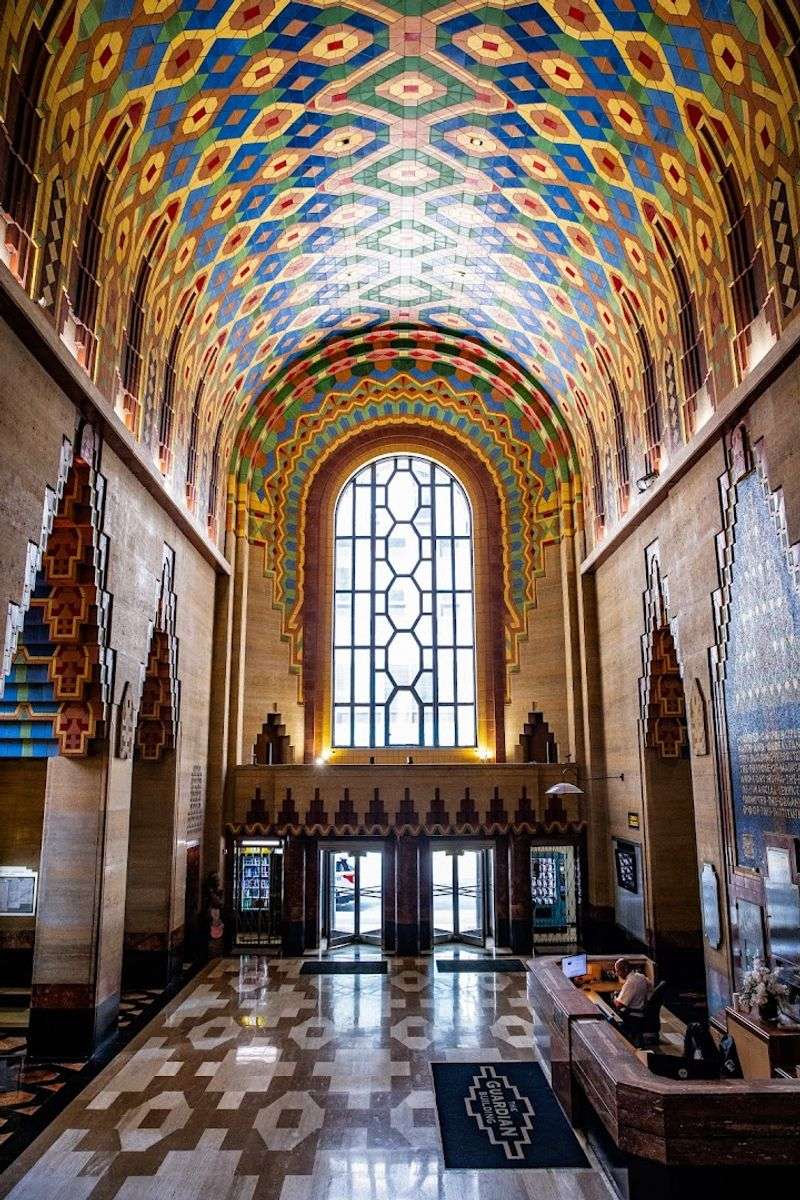
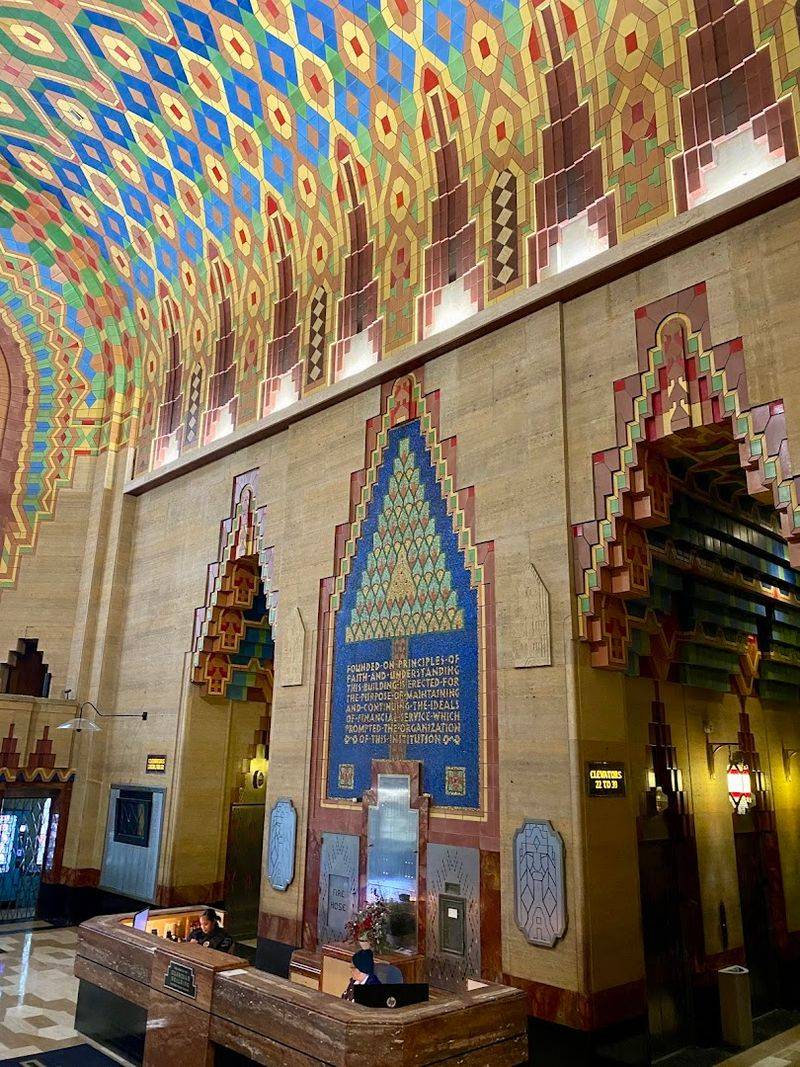
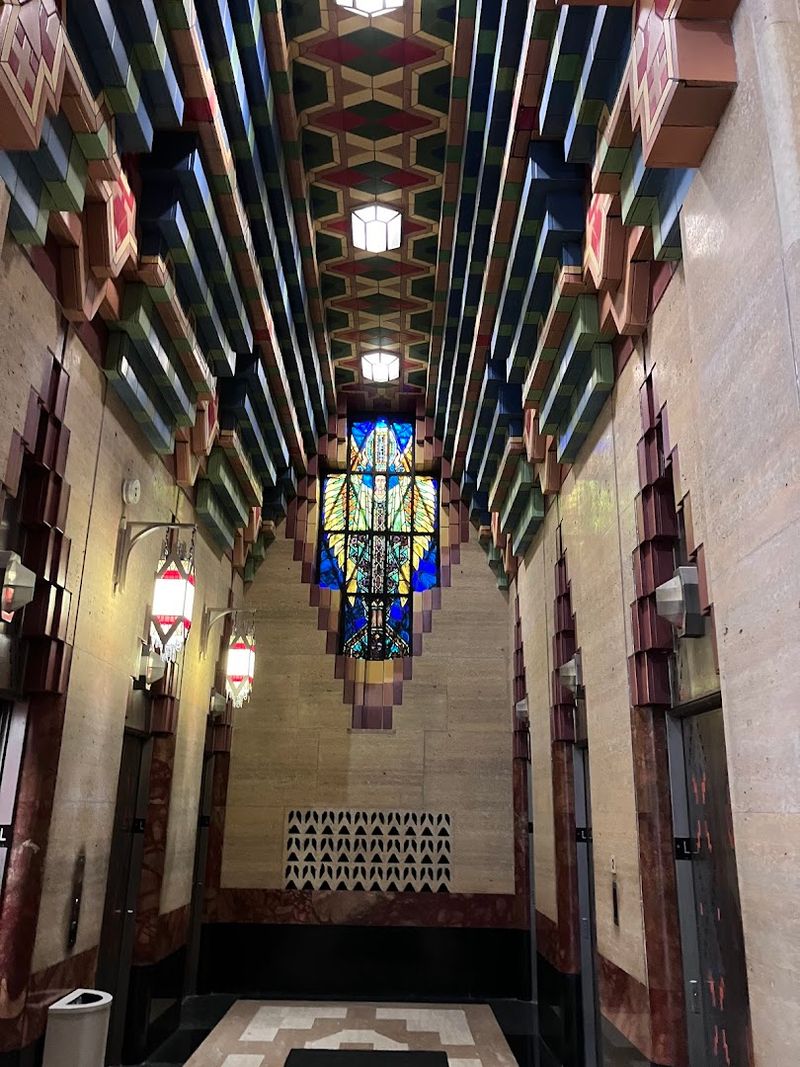
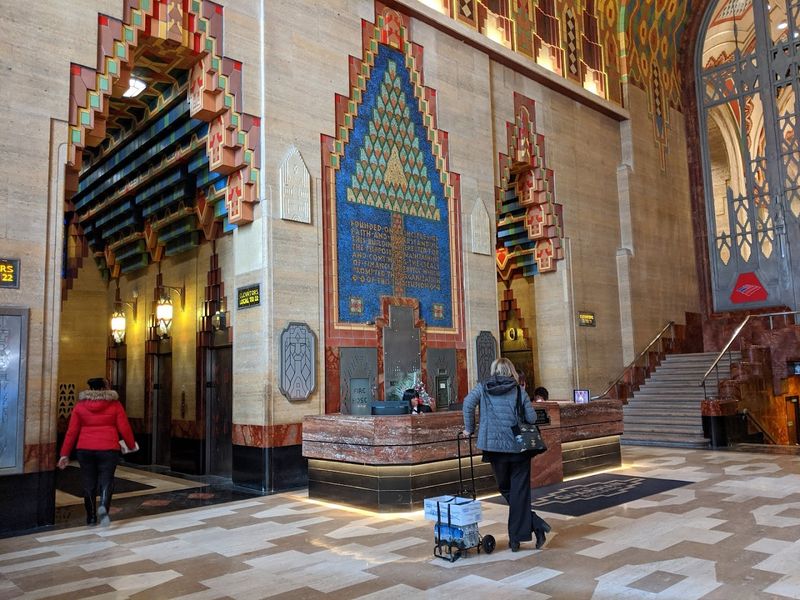
Nothing fully prepares you for the lobby. The moment you step inside, the ceiling opens up into a massive vaulted space covered in bold geometric mosaics in shades of blue, green, gold, and ochre.
The patterns are so precise and so dense that your eyes genuinely do not know where to start.
Much of the tilework was created by Pewabic Pottery, a legendary Detroit ceramics studio that has been producing handcrafted tiles since 1903. Each tile was made locally, which gives the lobby a deeply Detroit identity that goes far beyond just good design.
The floor, the walls, the archways, and the elevator surrounds all carry the same intense decorative energy. There is not a single bare or boring surface in sight.
The best photo tip is to stand in the center of the lobby and aim your camera straight up at the ceiling for a shot that will make your friends genuinely jealous. The lobby is free to enter during open hours, so there is zero barrier to experiencing it yourself.
Murals, Michigan, and the Grand Hall
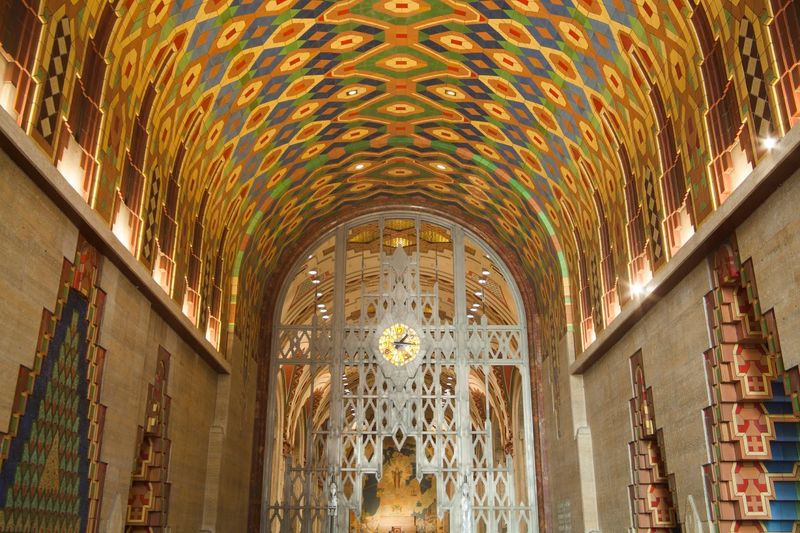
Beyond the main lobby corridor lies the Grand Hall, a space that feels more like a cathedral than an office building. Sweeping murals cover the walls, depicting Michigan’s natural resources including its forests, waterways, and industrial heritage, all rendered in rich colors with gilded accents that catch the light beautifully.
One of the most talked-about features is a large decorative map of the state of Michigan, ribboned with gold leaf details and symbolic imagery that celebrates the state’s identity. It is the kind of thing you could stare at for twenty minutes and still notice new details.
The ceiling treatment in the Grand Hall was also engineered with acoustics in mind. Special construction techniques were used during the original build to help control sound within the space, which means the room has a particular hush to it that feels almost intentional.
At the end of the hall, a grand Tiffany clock marks the entrance to what was once the banking hall, its ornate metal gate still intact and still impressive after all these decades.
Pewabic Pottery: Detroit’s Secret Ingredient
One of the most fascinating parts of the Guardian Building story is how deeply local its materials are. Pewabic Pottery, founded in Detroit in 1903 by Mary Chase Perry Stratton, produced thousands of individual tiles used throughout the lobby and interior spaces.
Pewabic tiles are known for their distinctive iridescent glazes, a quality that makes them shimmer slightly depending on the angle of the light. In the Guardian Building, this effect transforms the lobby into something that feels almost alive, as the colors shift subtly when you move through the space.
The pottery studio is still operating today in Detroit’s East Village neighborhood, and visiting Pewabic after seeing the Guardian Building makes for a genuinely satisfying day of Detroit design history. Knowing that the tiles above your head were handcrafted just a few miles away by local artisans adds a layer of meaning to the experience that you simply cannot get from imported materials.
It is a reminder that the building is not just beautiful, it is unmistakably and proudly Detroit.
The Insider’s Tour That Unlocks Hidden Floors
The lobby is free and open to anyone who walks through the door, but the real insiders know that the guided tour takes the experience to a completely different level. Pure Detroit and City Tour Detroit both offer what they call an Insider’s Tour, which runs about 60 minutes and costs roughly $12 per person.
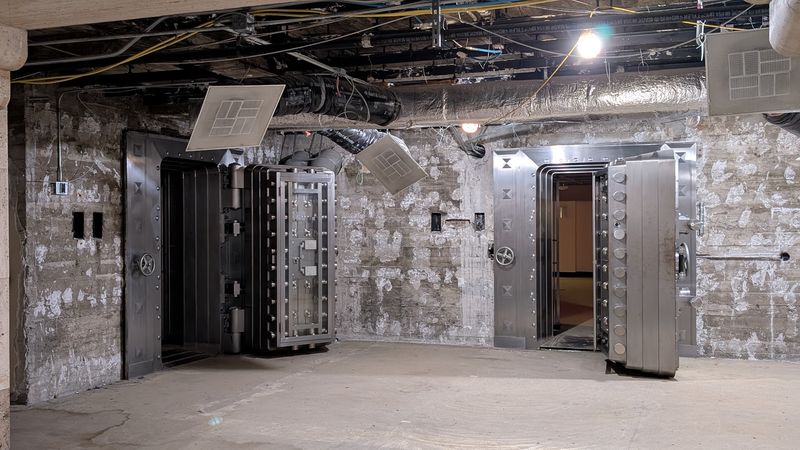
The tour takes you to floors that are off-limits to self-guided visitors, including the basement where you can actually step inside a historic bank vault. The vault is massive, thick-walled, and still carries that specific combination of steel and old air that makes history feel very real and very close.
Tours that run after 4 p.m. come with a special bonus: access to the upper floors, where panoramic views of the Detroit skyline stretch out in every direction. The tour guides are notably passionate and knowledgeable, weaving architectural facts together with city history in a way that feels like storytelling rather than a lecture.
Tipping your guide is genuinely encouraged, and after an hour with them, you will absolutely want to.
Stained Glass, Elevator Doors, and Every Detail in Between
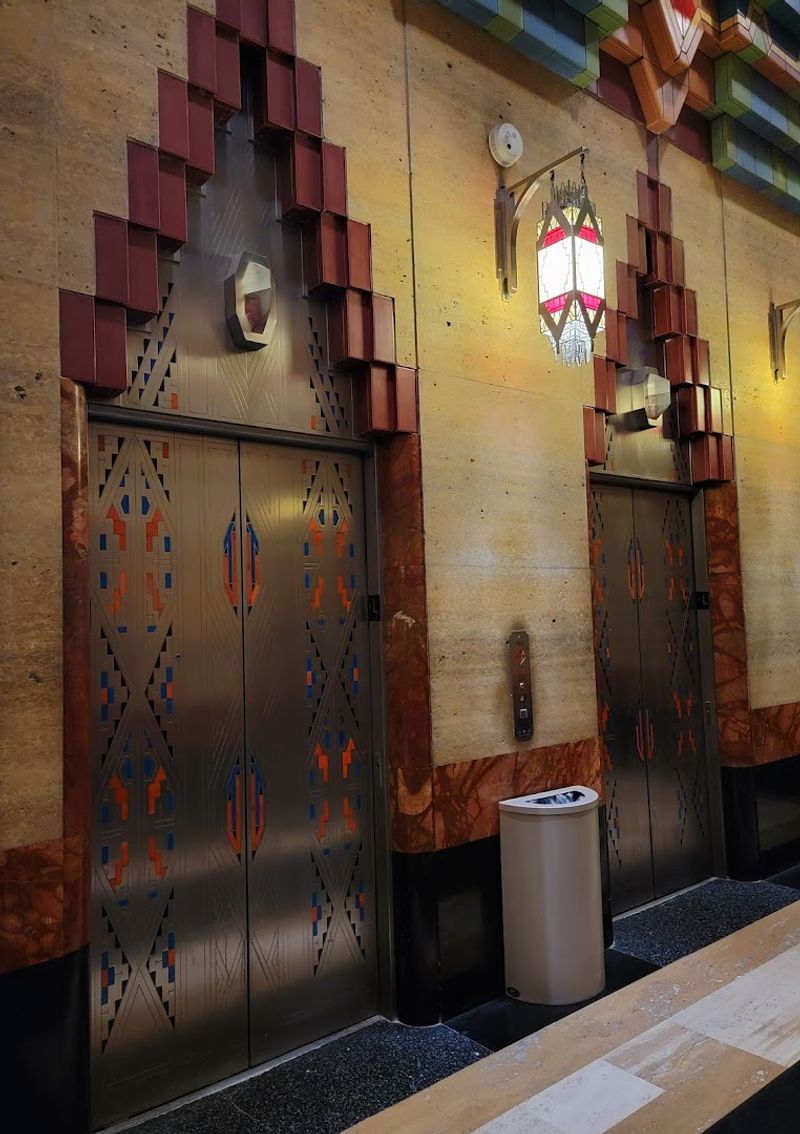
The Guardian Building is the kind of place where the details are the destination. The elevator banks are framed with elaborate metalwork in geometric patterns that match the overall Art Deco language of the building.
Stained glass windows glow at the ends of hallways, casting colored light across the floors during the right time of day.
The railings along the staircases, the design of each step, the clock faces, the window frames, and even the door hardware all carry the same obsessive attention to craft. Nothing was left as an afterthought.
Wirt Rowland reportedly oversaw every decorative detail personally, which explains why the building feels so cohesive despite its enormous scale.
Photographers in particular tend to lose a lot of time here, moving from one detail to the next and finding that every angle offers something worth capturing. The ornate metal gate leading to the former banking hall is one of the most photographed features, and it earns every click of the shutter with its layered geometric design and warm metallic finish.
Stones From Tunisia and a Construction Story Worth Knowing
The materials that went into the Guardian Building came from far beyond Michigan’s borders. Some of the decorative stonework used in the interior was sourced all the way from Tunisia, a detail that adds an unexpected international dimension to what is already a remarkable American building.
Construction began in 1928 and was completed in 1929, a timeline that seems almost impossible given the level of craftsmanship involved. Workers installed millions of bricks, thousands of handmade ceramic tiles, custom metalwork, and elaborate mosaic panels, all within a period of intense activity during the final years of the Roaring Twenties.
The scale of the logistical effort required to bring all these materials together and execute the design at this level of precision is genuinely hard to wrap your head around today. Standing inside the finished result, knowing that Tunisian stone and Detroit-made ceramics and custom-cast metal all came together in one unified vision, makes the building feel less like a construction project and more like a carefully assembled work of art that just happens to be 40 stories tall.
What Else to See Before You Leave Downtown Detroit
The Guardian Building does not exist in isolation. Downtown Detroit has one of the most concentrated collections of Art Deco architecture in the entire United States, and the Guardian sits at the center of it all.
The Fisher Building, often called Detroit’s largest art object, is another must-see just a few miles north in the New Center neighborhood.
The Penobscot Building, visible from Griswold Street, is another impressive example of late 1920s skyscraper design. Walking between these landmarks on foot gives you a sense of just how ambitious Detroit’s architectural moment was during that era.
The Spirit of Detroit statue and The Fist monument at Hart Plaza are also within easy walking distance, making it simple to build a full downtown day around the Guardian as your anchor stop.
The building itself has a gift shop stocked with Detroit and Michigan-themed items, and public restrooms are available on the first floor. With a 4.7-star rating across more than 2,500 reviews, the Guardian Building has clearly earned its reputation, and a visit here is the kind of experience that tends to linger long after you have left Detroit behind.
Share this story