Travel doesn’t have to be expensive to be unforgettable. In fact, some of the world’s most iconic attractions—from historic landmarks to natural wonders—can be experienced completely free of charge.
Many cities intentionally offer free access to cultural sites, parks, and museums to make travel more accessible and enriching. From world-famous museums to breathtaking outdoor landscapes, these destinations prove that you don’t need a big budget to have a meaningful travel experience.
Here are 15 amazing free attractions you can visit around the world.
Central Park – New York City, USA
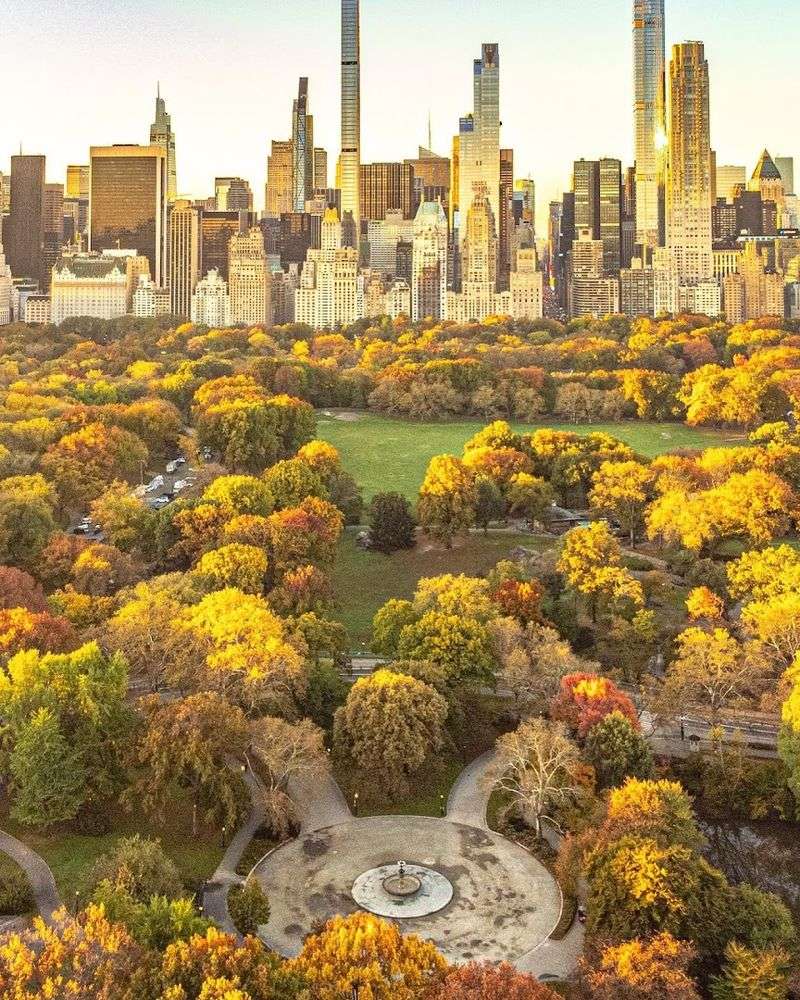
Eight hundred and forty-three acres of pure green magic sitting right in the middle of one of the world’s busiest cities—that’s Central Park for you. It’s the kind of place where joggers, dog walkers, street musicians, and tourists all somehow coexist in perfect harmony.
No admission fee, no dress code, just fresh air and good vibes.
The park is packed with things to see and do. Stroll across Bow Bridge, rent a rowboat on the lake, or grab a blanket and find a sunny spot on the Great Lawn.
During summer, free concerts and Shakespeare performances take place right inside the park.
Families love it because kids can run free at one of the many playgrounds scattered throughout. Photographers go wild over the Bethesda Fountain, especially in golden hour light.
Whether you have 30 minutes or an entire afternoon, Central Park delivers an experience that feels anything but ordinary. It’s living proof that the best things in life really can be free.
British Museum – London, England
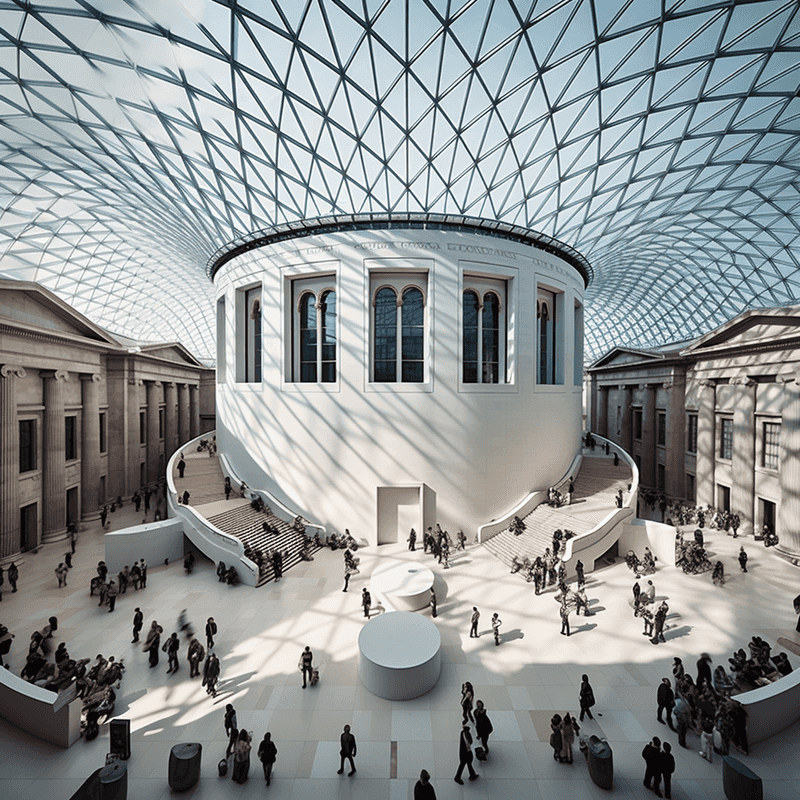
Somewhere inside the British Museum, there’s a 2,200-year-old stone that changed how humans understand ancient Egypt forever—and you can stand right in front of it without paying a single penny. The Rosetta Stone is just one of the eight million objects housed in this legendary institution.
That number alone should make your jaw drop.
Founded in 1753, the British Museum was actually the world’s first public national museum. Its Great Court, covered by a stunning glass-and-steel roof, is one of the most impressive indoor spaces in Europe.
You could easily spend an entire day here and still not see everything.
Highlights include ancient Greek sculptures, Viking artifacts, Egyptian mummies, and treasures from civilizations most people only read about in textbooks. The museum offers free guided tours and audio guides to help visitors navigate its vast collection.
Families, history buffs, and curious wanderers all find something to love here. Best of all, London’s free museum culture means you can return as many times as you like without worrying about the cost.
St. Peter’s Basilica – Vatican City
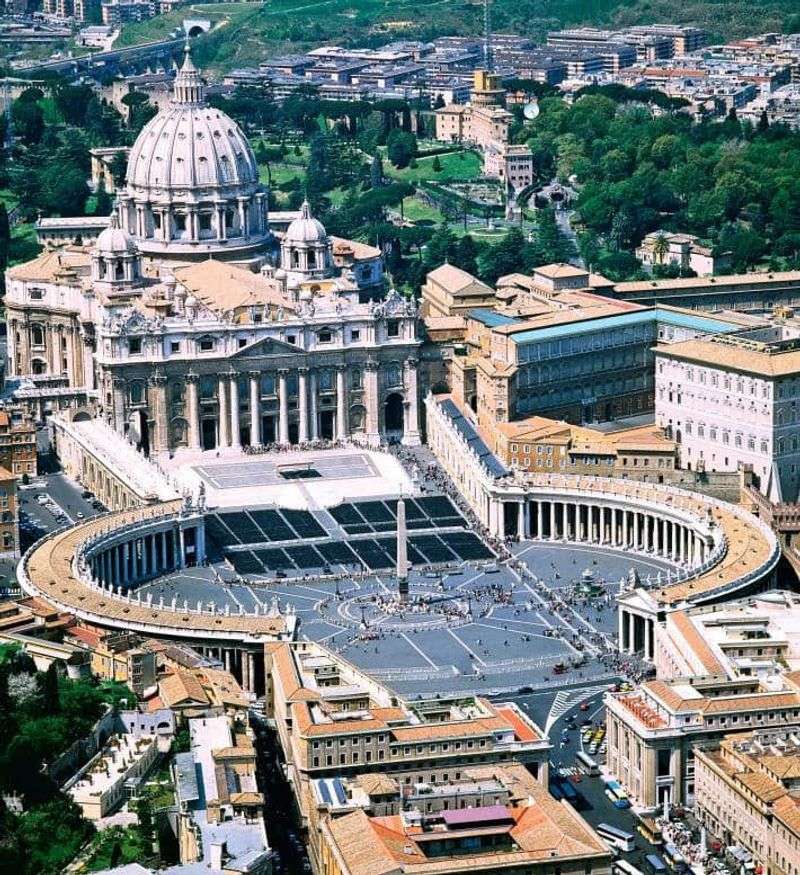
Walking through the doors of St. Peter’s Basilica feels like stepping into a different dimension—one where everything is impossibly grand, impossibly beautiful, and surprisingly free. This is the largest church in the world, built over more than a century by some of history’s greatest artists and architects.
Michelangelo himself designed the iconic dome that still dominates Rome’s skyline.
Inside, visitors can marvel at Michelangelo’s Pietà, a breathtaking marble sculpture carved when the artist was just 24 years old. The sheer scale of the interior is hard to process at first.
Gilded ceilings, towering columns, and elaborate mosaics surround you at every turn.
Entry to the basilica is free, though modest dress is required—shoulders and knees must be covered. Arriving early in the morning helps avoid the longest lines, which can stretch considerably during peak tourist season.
Climbing to the top of the dome costs a small fee, but even staying at ground level offers an experience that’s genuinely awe-inspiring. For art lovers, history enthusiasts, and spiritual seekers alike, St. Peter’s Basilica is an absolute must-visit.
Gardens by the Bay (Outdoor Areas) – Singapore
Imagine a forest designed by the future—towering steel trees covered in plants, glowing at night like something out of a science fiction film. That’s exactly what greets visitors at Gardens by the Bay’s outdoor areas, and the best part is that it costs absolutely nothing to explore them.
Singapore somehow made futuristic and free work together seamlessly.
The iconic Supertrees range from 25 to 50 meters tall and are covered with more than 162,900 plants. During the evening, the OCBC Garden Rhapsody light and sound show transforms the grove into a full sensory spectacle—completely free for all visitors.
The surrounding Bay East and Bay South gardens are also open without charge.
Daytime visits offer great views of Marina Bay Sands and the Singapore skyline. Photographers especially love the area around sunset when warm light hits the Supertrees at just the right angle.
Families with children find the outdoor play areas and wide open spaces perfect for an afternoon out. While the indoor Cloud Forest and Flower Dome require tickets, you genuinely don’t need them to have an incredible time here.
Bondi Beach – Sydney, Australia
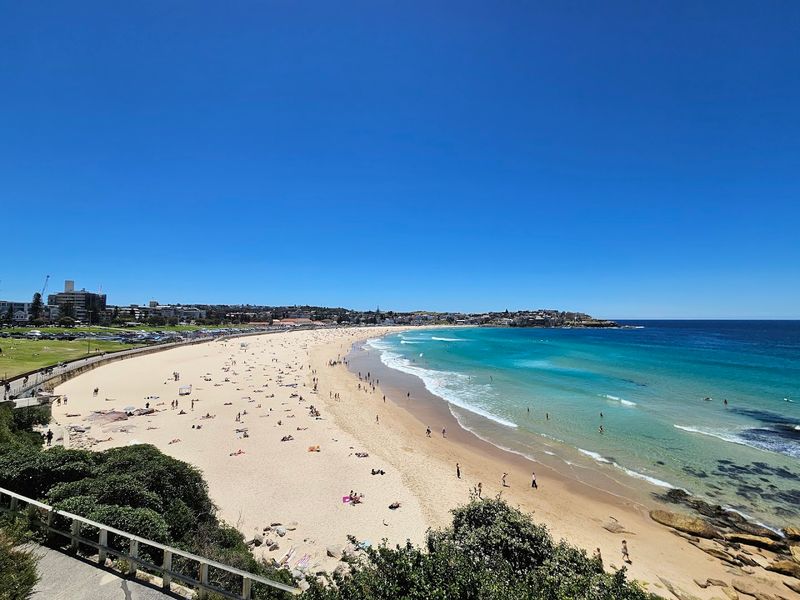
Few places on Earth match the effortless cool of Bondi Beach on a sunny Sydney morning. The sand is golden, the waves are inviting, and the atmosphere buzzes with a laid-back energy that’s impossible to fake.
Surfers, swimmers, and sunbathers all share the shoreline in a way that feels genuinely democratic—no VIP section required.
Beyond the beach itself, the Bondi to Coogee Coastal Walk is one of Sydney’s great free experiences. The 6-kilometer trail hugs the clifftops, passing through smaller beaches, rock pools, and sculpture installations along the way.
On a clear day, the ocean views are simply stunning.
The beach suburb of Bondi also has a thriving café culture, street art scene, and weekend markets worth exploring. Lifeguards patrol the beach year-round, making it a safe option for families and less confident swimmers.
Summer in Sydney runs from December to February, but the beach draws crowds in every season. Whether you’re catching waves, watching a beach volleyball game, or just sitting on the sand with a coffee, Bondi delivers one of Australia’s most satisfying free experiences without asking for a cent.
The National Mall & Smithsonian Museums – Washington, D.C., USA
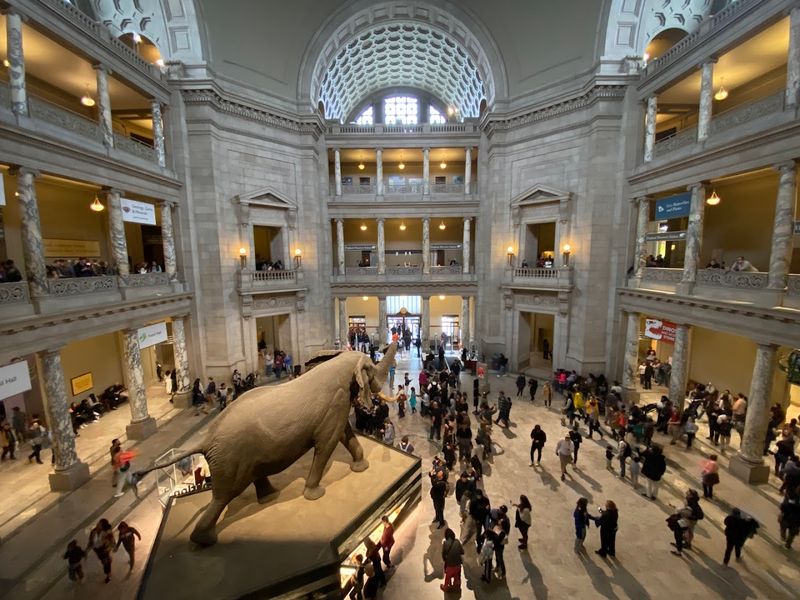
Picture this: 17 world-class museums, all free, all lined up along one of the most iconic stretches of land in America. The National Mall and its Smithsonian museums make Washington, D.C. arguably the greatest city on Earth for budget travelers with curious minds.
History, science, art, and culture all live here—no credit card needed.
The collection spans everything imaginable. The National Air and Space Museum houses actual spacecraft and the Wright Brothers’ original Flyer.
The Natural History Museum is home to the famous Hope Diamond and a life-size blue whale model. The National Museum of African American History and Culture is one of the most powerful and moving museum experiences anywhere in the world.
Between visits, the Mall itself is a beautiful open-air landmark. The Lincoln Memorial, Washington Monument, and Vietnam Veterans Memorial are all free to visit and deeply moving in person.
Food trucks and vendors line the paths, offering affordable snacks for hungry explorers. Plan to spend at least two or three days to do the area justice.
Locals and tourists alike return repeatedly, and with 17 museums to choose from, there’s always something new to discover.
The High Line – New York City, USA
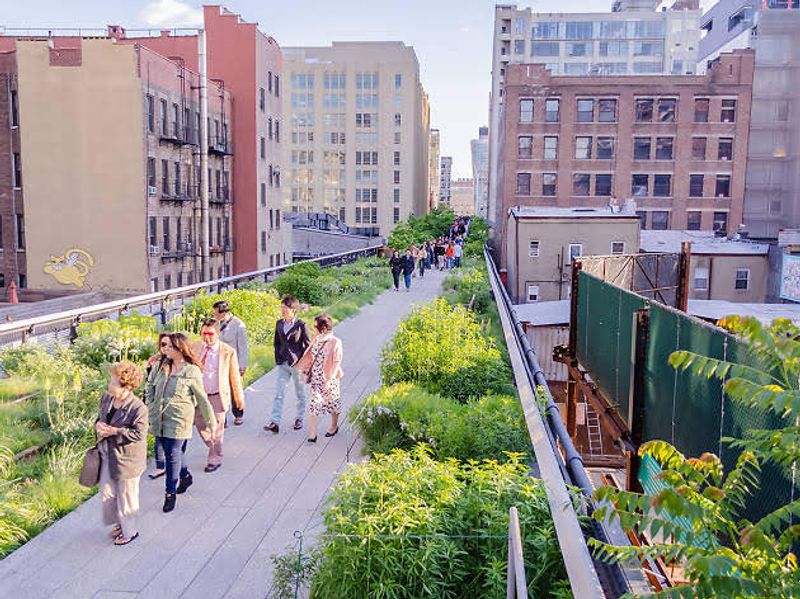
Who knew an abandoned freight railway could become one of the coolest parks in the world? The High Line is exactly that—a 1.45-mile elevated walkway on Manhattan’s West Side, transformed from rusty old tracks into a beautifully landscaped public park.
It opened in 2009 and has been winning over New Yorkers and tourists ever since.
Walking the High Line feels like floating above the city. Gardens change with the seasons, offering wildflowers in summer and sculptural grasses in winter.
Art installations pop up regularly, and the views of the Hudson River, Chelsea’s rooftops, and the city’s ever-changing skyline are genuinely spectacular.
The park is free to enter at multiple access points along 10th Avenue between Gansevoort Street and 34th Street. Benches and seating areas are scattered throughout, making it easy to slow down and soak in the surroundings.
Food vendors near certain entrances offer snacks and drinks if you need fuel. Weekend mornings tend to be less crowded, which makes for a more relaxed experience.
It’s a perfect example of creative urban design turning something forgotten into something extraordinary—and free.
Notre-Dame & Seine Walks – Paris, France
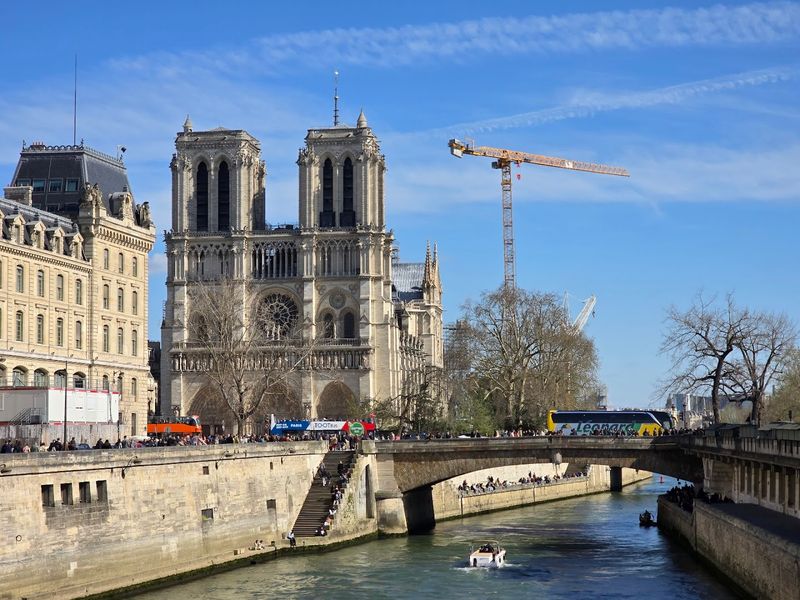
Even before you step foot inside, Notre-Dame Cathedral stops you in your tracks. The Gothic towers, the flying buttresses, the stone gargoyles perched above—every angle of this 850-year-old masterpiece begs to be photographed.
After the 2019 fire and ongoing restoration, the cathedral’s exterior remains one of Paris’s most powerful sights, and viewing it costs nothing.
Pairing a visit to Notre-Dame with a walk along the Seine riverbanks is one of Paris’s most rewarding free experiences. The river is lined with bouquinistes—those iconic green boxes selling old books and prints—and the views of the Eiffel Tower from Pont d’Iéna are unforgettable.
At sunset, the city turns golden and the whole scene becomes almost impossibly romantic.
The Île de la Cité, the island where Notre-Dame sits, is also worth exploring on foot. Nearby Sainte-Chapelle requires a ticket, but simply wandering the surrounding medieval streets is a joy.
Street musicians often perform along the river, adding a lovely soundtrack to any evening stroll. Paris rewards slow, curious walkers—and the best parts of the city, including this stretch along the Seine, ask for nothing in return.
Blue Mosque – Istanbul, Turkey
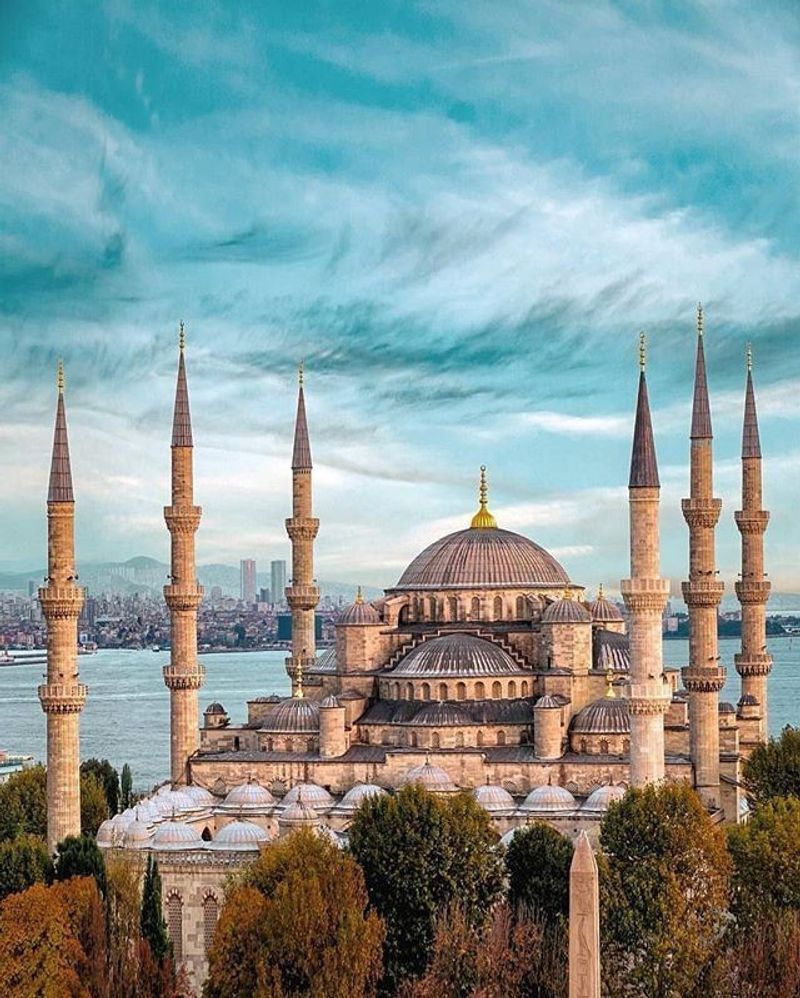
Six slender minarets pierce the Istanbul sky above the Blue Mosque, making it instantly recognizable from almost anywhere in the city. Built between 1609 and 1616 under Sultan Ahmed I, it remains an active place of worship—which makes visiting it feel genuinely special rather than just touristy.
Respectful visitors are welcomed outside of prayer times completely free of charge.
The real magic happens inside. More than 20,000 hand-painted Iznik tiles in shades of blue and turquoise cover the interior walls, creating a visual effect that’s almost hypnotic.
Light filters through 260 stained glass windows, casting shifting patterns across the enormous prayer hall. The acoustic quality inside is equally remarkable.
Visitors are asked to remove shoes before entering and to dress modestly—women should cover their hair with a scarf, and both men and women should cover their shoulders and knees. Scarves are available at the entrance if needed.
Arriving shortly after prayer time ends gives you the best chance of a quieter, more immersive visit. The surrounding Sultanahmet Square, also free to explore, sits just across from the Hagia Sophia, making this area one of the world’s most historically dense neighborhoods.
Ueno Park – Tokyo, Japan
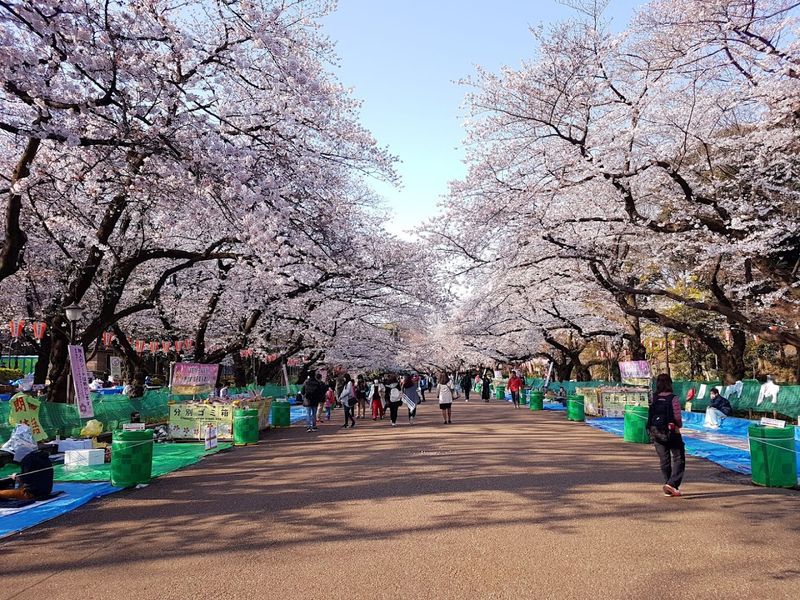
Every spring, something almost magical happens in Ueno Park. The cherry blossoms explode into clouds of pale pink, and the entire park transforms into a living painting that draws millions of visitors from across Japan and around the world.
This annual tradition, called hanami, turns the park into a massive, joyful outdoor celebration—and attending costs absolutely nothing.
Located in central Tokyo, Ueno Park covers about 53 hectares and offers far more than seasonal flowers. The park is home to several world-class museums, a zoo, and a large lotus-covered pond.
While some of these institutions charge admission, simply wandering the park’s wide paths, feeding the pigeons, and watching city life unfold is a satisfying experience on its own.
Street food stalls often set up near the park’s main entrance, selling yakitori, crepes, and roasted sweet potatoes—perfect for a cheap and delicious snack. Ueno is also conveniently located near Akihabara and Asakusa, making it easy to combine with a full day of Tokyo exploration.
Even outside cherry blossom season, the park offers a calm, green escape from the city’s relentless pace. Locals treat it like their living room, and visitors are always welcome to pull up a bench.
Berlin Wall Memorial – Berlin, Germany
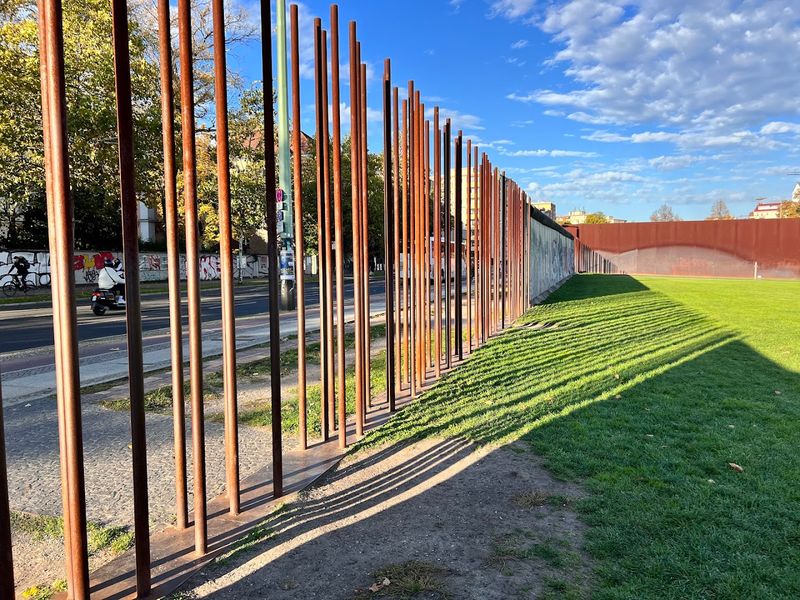
There’s a particular kind of silence at the Berlin Wall Memorial that’s hard to describe but impossible to forget. Standing in front of a preserved section of the actual wall, with the watchtower still looming overhead, history stops being something you read about and becomes something you feel.
This open-air memorial is free to visit and remains one of the most emotionally significant sites in Europe.
The memorial stretches along Bernauer Strasse and includes a documentation center, an outdoor exhibition, and a Chapel of Reconciliation built on the former death strip. Information panels in both German and English explain the wall’s construction in 1961, the stories of those who tried to escape, and the events leading to its fall in 1989.
Visiting on a weekday morning tends to be quieter, allowing more time for reflection without large tour groups nearby. The nearby East Side Gallery—a 1.3-kilometer stretch of the wall covered in murals—is also free and just a short distance away.
Together, these two sites offer a comprehensive and deeply moving portrait of a city that was literally split in two and eventually chose to come back together. Berlin handles its complicated history with remarkable honesty.
Grand Bazaar (Exploration) – Istanbul, Turkey
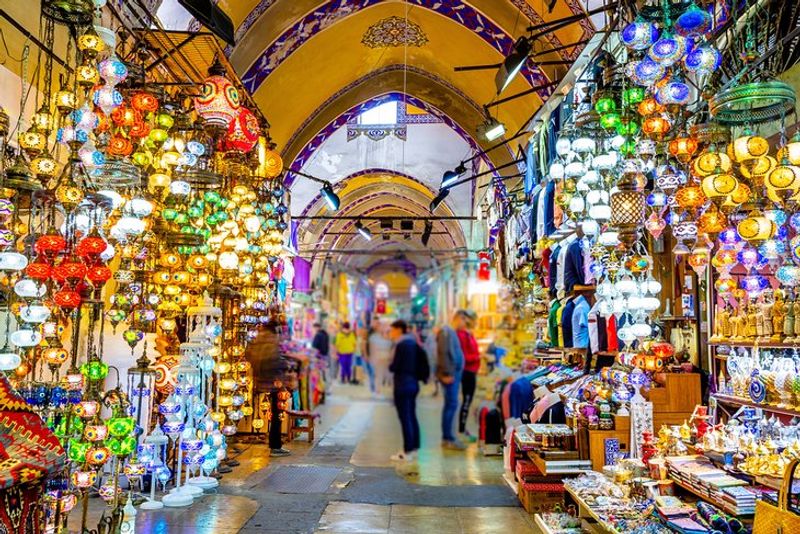
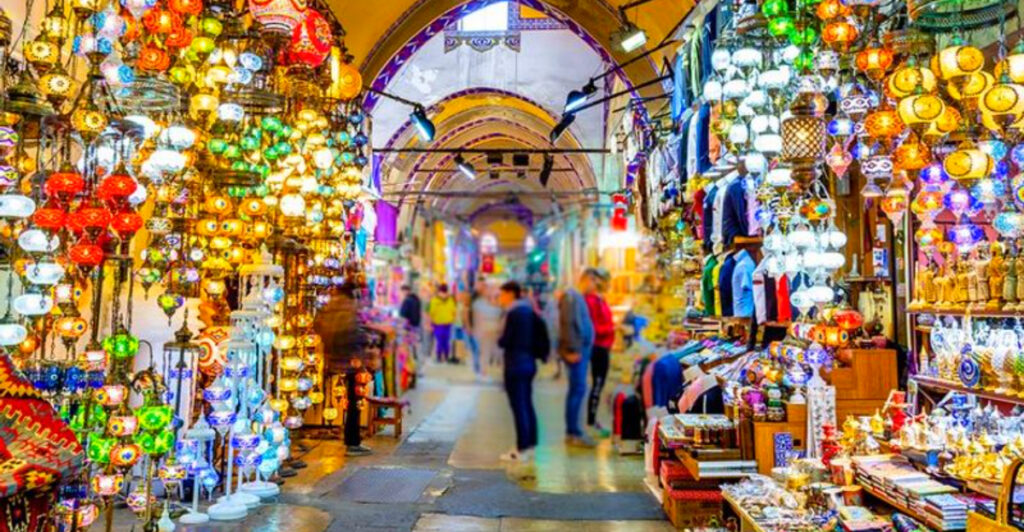
Sixty-one covered streets, over 4,000 shops, and a history stretching back to 1461—the Grand Bazaar is not just a market, it’s a living, breathing city within a city. You don’t have to buy a single thing to have an extraordinary time here.
Simply wandering through its labyrinthine corridors, soaking in the colors, scents, and sounds, is an experience that stays with you long after you leave Istanbul.
Vendors call out cheerfully as you pass, offering tea, compliments, and occasionally some very enthusiastic sales pitches. Turkish lamps in every color hang from the ceilings, casting warm kaleidoscopic light across the stone walkways.
The smell of spices, leather, and freshly brewed tea drifts through the air in waves.
Getting pleasantly lost here is practically a rite of passage. Most visitors find that wandering without a map leads to the best discoveries—hidden courtyards, old fountains, and tiny stalls selling handmade goods.
If you do want to buy something, Turkish delight, hand-painted ceramics, and woven textiles make wonderful souvenirs. Arriving mid-morning on a weekday avoids the heaviest crowds.
Whether you’re a shopaholic or just a curious explorer, the Grand Bazaar delivers a sensory experience unlike anything else on Earth.
Charles Bridge – Prague, Czech Republic
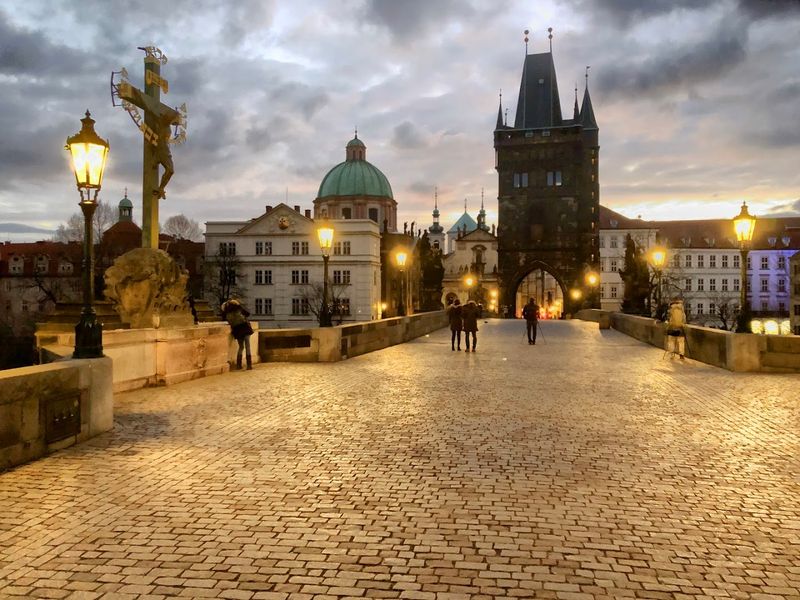
At 5:30 in the morning, when the mist is still rising off the Vltava River and the city is barely awake, Charles Bridge belongs entirely to you. This 14th-century Gothic bridge is one of Europe’s most photographed landmarks, and for good reason—30 Baroque statues line its edges, Prague Castle looms dramatically in the background, and the river below reflects it all in glassy silence.
Walking across it is completely free, any time of day.
Construction began in 1357 under King Charles IV, and the bridge served as the main crossing over the Vltava for centuries. Each of the 30 statues tells a different religious or historical story, and small plaques near each one explain their significance.
Street musicians often perform at the midpoint, adding a romantic soundtrack to the crossing.
Visiting at sunrise or after dark offers the most atmospheric experience, with far fewer tourists competing for the view. Daytime crowds can be thick, especially in summer, but even then the bridge retains its medieval grandeur.
The surrounding Old Town and Lesser Town neighborhoods are also free to explore on foot and packed with architectural gems. Charles Bridge is one of those rare places where the reality actually surpasses the photographs.
Reykjavik’s Natural Landscapes – Iceland
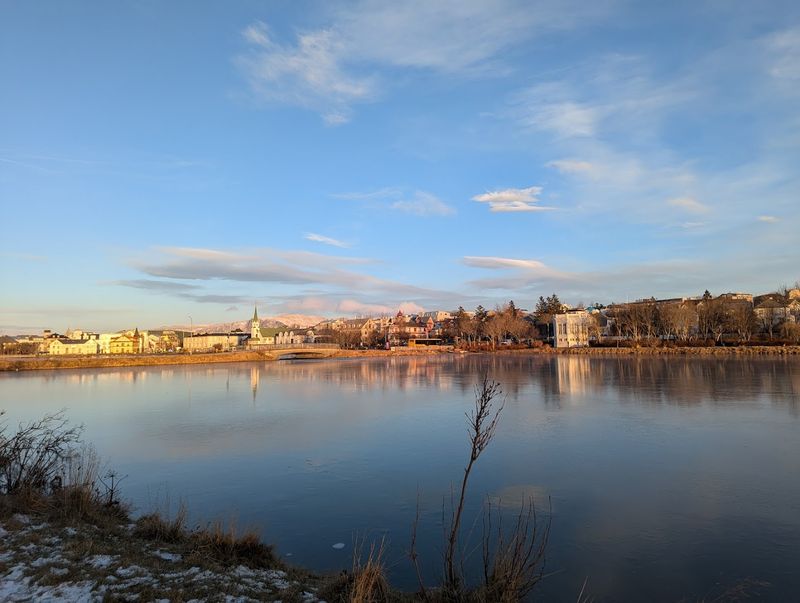
Iceland operates by its own set of rules. Where else can you stand next to a roaring waterfall, watch geysers shoot boiling water 30 meters into the air, and stare across a volcanic landscape that looks like another planet—all without paying an entrance fee?
The country’s most jaw-dropping natural attractions are remarkably accessible, and many require nothing more than a car and a sense of adventure.
Reykjavik itself sits within easy driving distance of some of Iceland’s most iconic sights. The Þingvellir National Park, a UNESCO World Heritage Site where the North American and Eurasian tectonic plates visibly pull apart, is free to enter.
The Öxará River runs through it, and the landscape carries an almost mythical quality that’s hard to put into words.
The famous Golden Circle route passes through Þingvellir, Geysir, and Gullfoss waterfall—three of Iceland’s most beloved natural sites. While some parking areas charge a small fee, the attractions themselves remain free.
Watching the Northern Lights is also free, though visibility depends on the season and weather. Iceland’s dramatic scenery rewards those willing to explore, and the sheer variety of landscapes packed into a small island makes every drive feel like a new discovery.
Vondelpark – Amsterdam, Netherlands
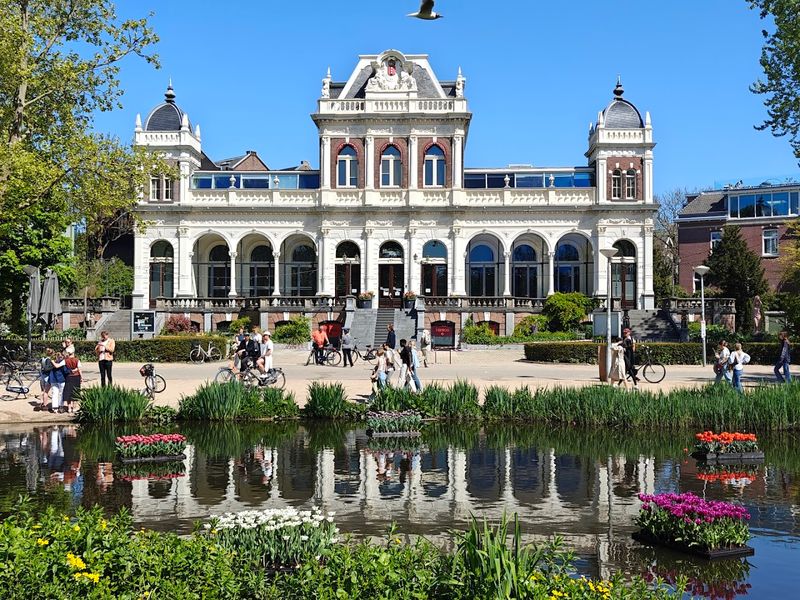
On a warm Amsterdam afternoon, Vondelpark hums with life in the most wonderfully chaotic way. Cyclists weave between families on picnic blankets, dogs chase each other through the grass, and somewhere near the open-air theater, someone is playing guitar just well enough to draw a small crowd.
This is Amsterdam’s beloved backyard, and it’s free to enjoy every single day of the year.
Spanning 47 hectares, Vondelpark is the largest park in Amsterdam and one of the most visited in Europe, welcoming around 10 million visitors annually. The park features winding paths, ornamental ponds, playgrounds, rose gardens, and several cafés where you can grab a coffee without venturing far from nature.
In summer, the open-air theater hosts free concerts, theater performances, and film screenings.
The park is also a major cycling hub—renting a bike and cycling through Vondelpark before heading out to explore the city’s famous canal rings is a quintessentially Amsterdam experience. Nearby museums like the Rijksmuseum and Van Gogh Museum are within easy walking distance for those wanting to add cultural stops to the day.
Vondelpark proves that a city doesn’t need to charge admission to offer its residents and visitors something genuinely wonderful.
Share this story