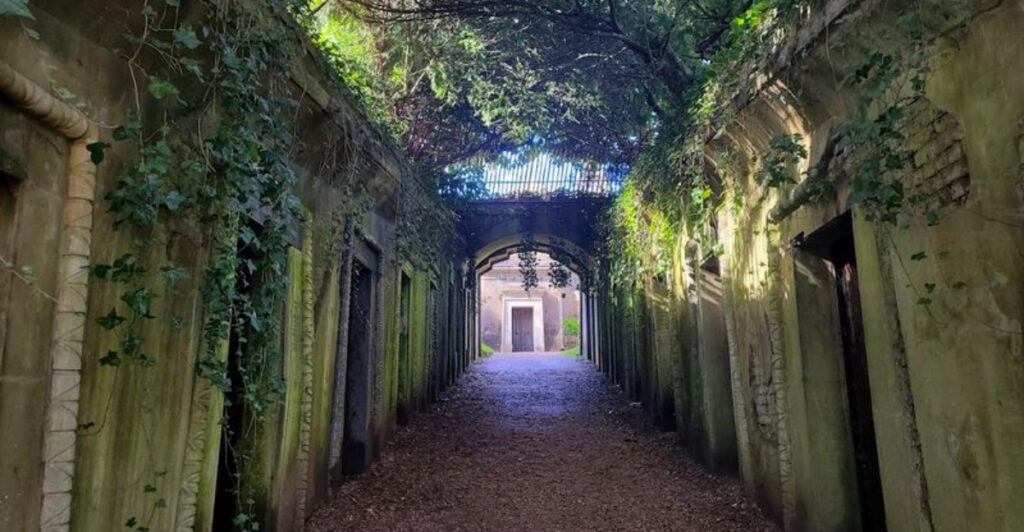
Europe’s long and often turbulent history has left behind more than castles and cathedrals—it has created some of the most haunted places in the world. From medieval fortresses and abandoned villages to underground tunnels and ancient cemeteries, many of these locations are open to visitors who are curious about the paranormal.
What makes them especially fascinating is the blend of history and legend. Whether you believe in ghosts or not, these sites offer eerie atmospheres, chilling stories, and unforgettable experiences—here are 15 haunted locations across Europe you can actually visit, if you dare.
Edinburgh Castle – Scotland
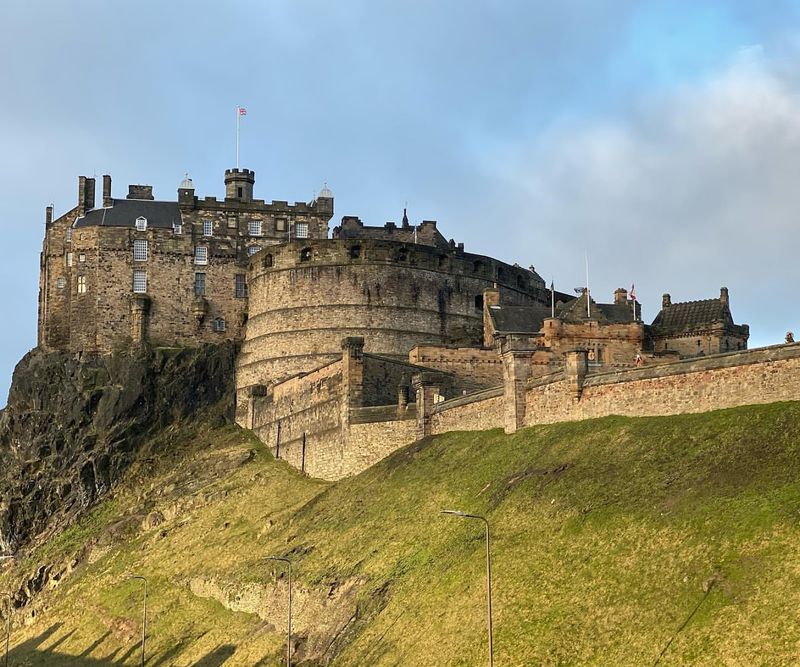
Phantom drumbeats echoing through stone corridors might sound like a movie plot, but at Edinburgh Castle, visitors have been reporting exactly that for centuries. Perched dramatically on volcanic rock in the heart of the Scottish capital, this fortress has stood since the 12th century.
It has witnessed sieges, executions, and countless tragedies that seem to have soaked into its very walls.
The headless drummer is just one of many reported apparitions here. Paranormal investigators who studied the castle found that visitors experienced significantly more unexplained sensations in areas with the darkest histories.
Cold spots, shadowy figures, and the eerie feeling of being watched are all on the menu.
Thankfully, the castle is fully open to the public year-round, and guided ghost tours are available for those wanting a spine-tingling deep-dive into its supernatural side. Even the daytime experience feels charged with something unexplainable.
Edinburgh Castle is not just a history lesson—it is an experience that lingers long after you leave.
Bran Castle – Romania
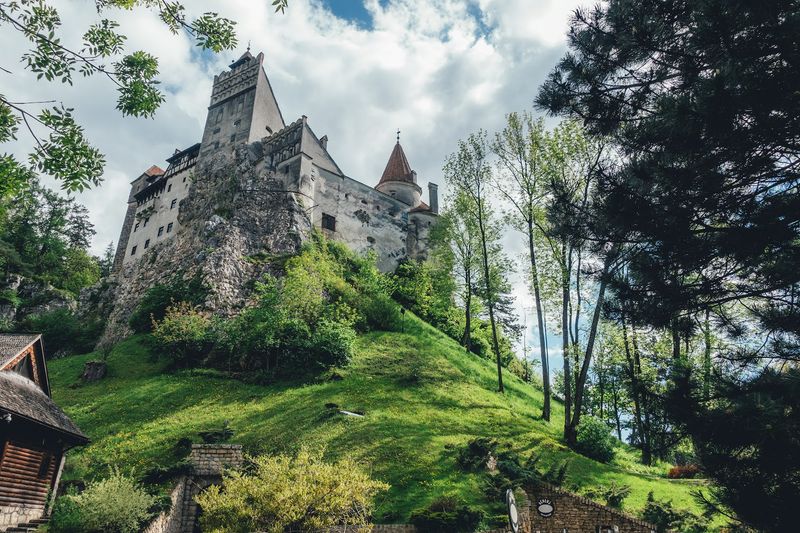
Sitting high on a rocky cliff surrounded by thick Transylvanian forest, Bran Castle looks exactly like the setting of a classic horror novel—because it basically inspired one. Commonly associated with the Dracula legend, this striking fortress draws visitors from every corner of the globe who come hungry for vampire lore and Gothic atmosphere.
Historians will point out that Vlad the Impaler’s actual connection to Bran Castle is shaky at best. But the castle’s brooding architecture and isolated hilltop position make it feel haunted whether or not the history fully checks out.
Visitors frequently report unexplained noises and the unsettling sensation of being followed through the winding interior rooms.
Special nighttime tours run seasonally and are genuinely worth booking ahead of time—they tend to sell out fast, especially around Halloween. The surrounding village of Bran is charming and makes for a great base.
Pack comfortable shoes because the climb to the castle entrance is steeper than it looks in photos, and bring a camera because every angle of this place is dramatically photogenic in the best possible way.
Paris Catacombs – France
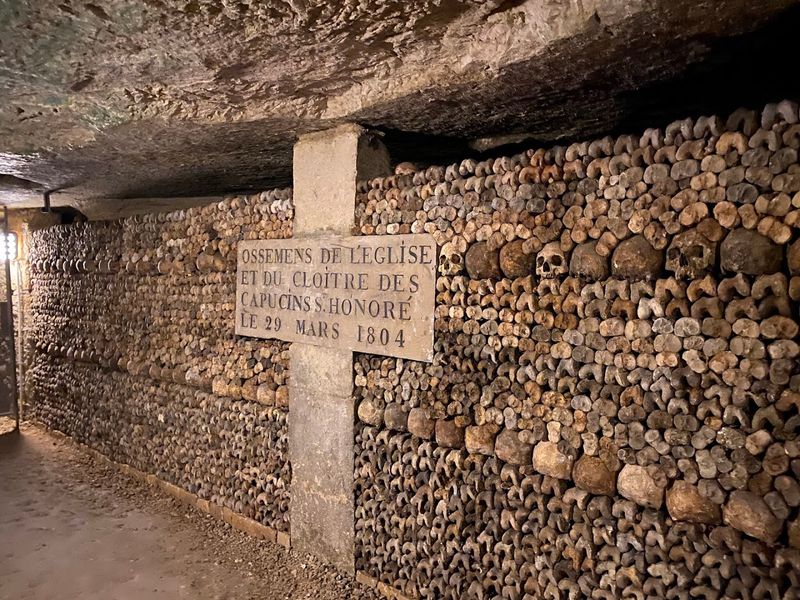
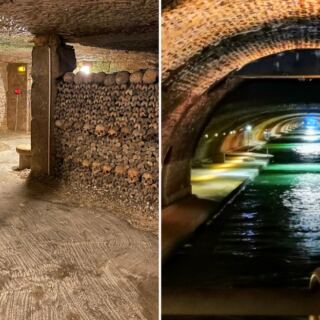
Six million people are resting beneath the streets of Paris, and most tourists walk right over them without a second thought. The Paris Catacombs stretch for nearly 300 kilometers under the city, though only a small, carefully managed section is open to the public.
That section alone is more than enough to make even the most skeptical visitor feel deeply uneasy.
The bones were transferred here in the late 18th century to solve a very practical problem—Paris’s cemeteries were overflowing and causing public health crises. Workers arranged the remains into elaborate patterns along the tunnel walls, which sounds morbid but is also strangely artistic.
The silence down there is unlike anything you will experience above ground.
Visitors commonly describe cold spots, strange sounds, and an oppressive heaviness in the air that is hard to shake off. The official tour is well-organized and takes about 45 minutes underground.
Queues can be extremely long in peak season, so booking timed-entry tickets online in advance is strongly recommended. Photography is allowed, and trust us—the images you capture will not look like anything else in your travel album.
Leap Castle – Ireland
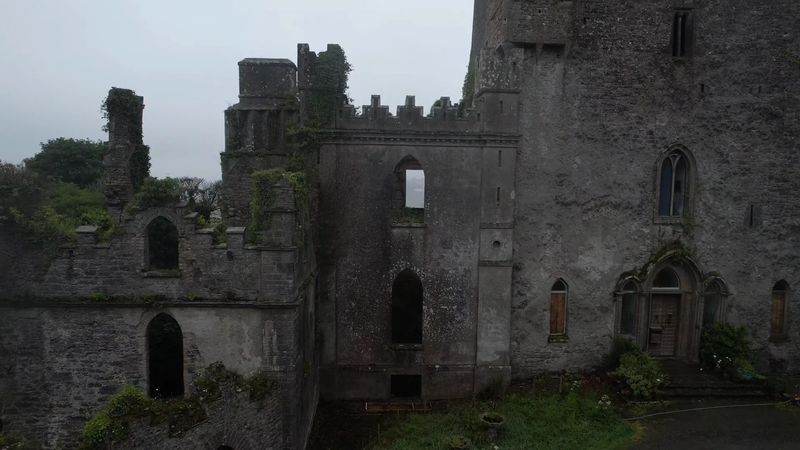
Earning the nickname “the most haunted castle in Ireland” is no small achievement in a country absolutely overflowing with haunted castles, but Leap Castle has managed it with grim distinction. Located in County Offaly, this ruined fortress has a history so dark it reads like a checklist of everything horrifying about medieval life.
Betrayal, massacre, and a dungeon stuffed with human remains—Leap Castle has experienced all of it.
The so-called Oubliette—a hidden pit beneath the castle floor—was discovered in the 1920s and found to contain cartloads of human bones. Workers reportedly needed several cartloads to clear the remains out.
The castle is also said to be home to an “Elemental,” a non-human entity described by witnesses as deeply unsettling and smelling of decay.
The castle is privately owned but is sometimes open to visitors and paranormal investigators by arrangement. It is worth contacting the owners directly if you want to visit, as access can be limited.
Leap Castle is not a polished tourist attraction with gift shops and audio guides—it is raw, atmospheric, and genuinely chilling in a way that few places can match.
Highgate Cemetery – England
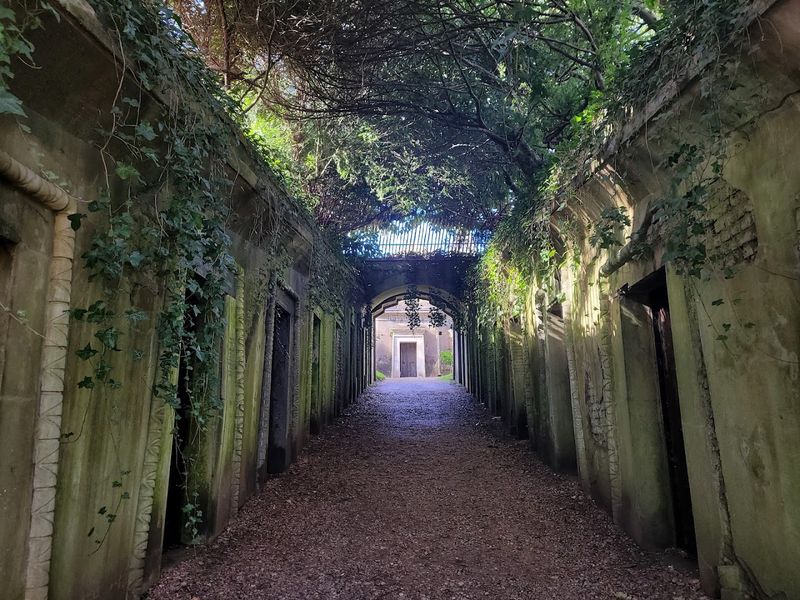
Overgrown ivy, crumbling Victorian mausoleums, and stone angels staring blankly into the fog—Highgate Cemetery in North London is so dramatically gothic that it almost feels theatrical. With over 170,000 burials across its East and West sections, it is one of the most famous cemeteries in the world, and it has earned every bit of that reputation.
In the 1970s, the area became the center of a genuine public panic over the so-called “Highgate Vampire.” Locals reported sightings of a tall, dark figure near the cemetery gates, which sparked a wave of amateur vampire hunters descending on the site with stakes and garlic. The story sounds ridiculous until you actually stand at those gates after dark.
The West Cemetery can only be visited on a guided tour, while the East Cemetery—where Karl Marx is buried—allows self-guided entry. Tours run regularly and are genuinely informative, blending Victorian history with the cemetery’s more supernatural reputation.
Bring a jacket even in summer because it stays noticeably cooler under the dense canopy of trees. Ghost walks are also available for those specifically chasing the paranormal angle of this remarkable place.
Mary King’s Close – Scotland
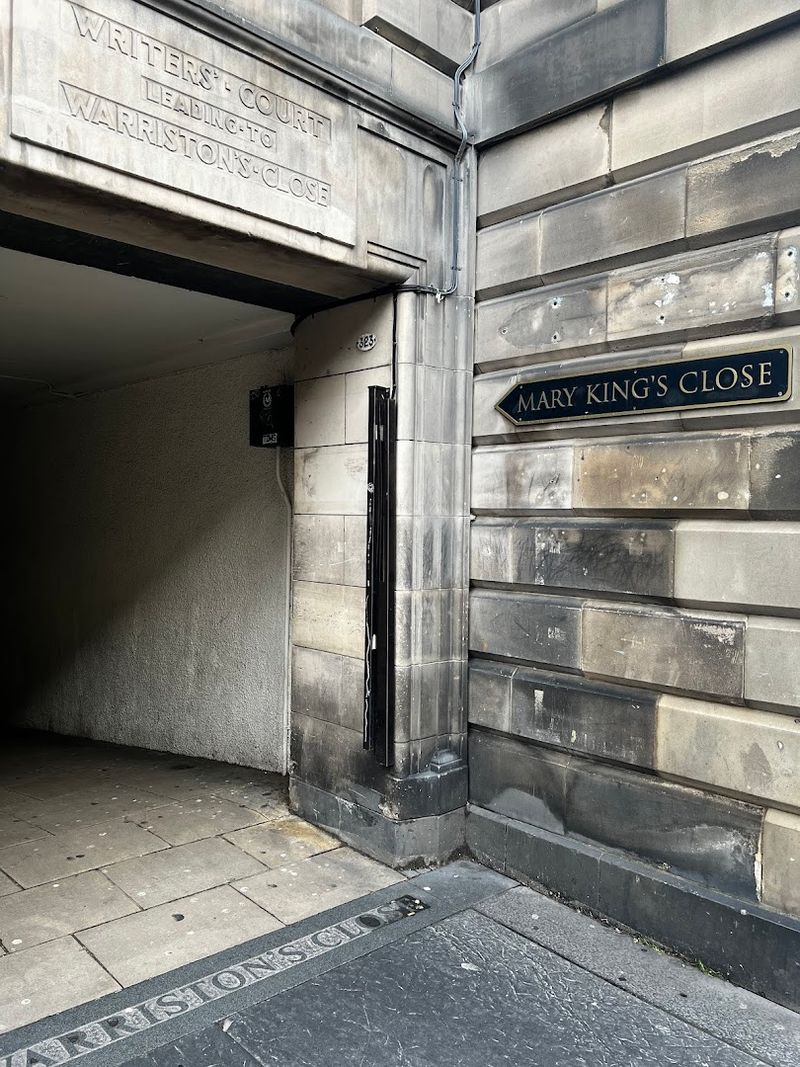
Sealed off and buried beneath Edinburgh’s Old Town for centuries, Mary King’s Close is essentially a ghost street frozen in time. This network of underground alleyways and rooms dates back to the 17th century and is closely associated with Edinburgh’s devastating plague outbreaks.
When the city built over it, the Close was simply left—along with, many believe, some of its former residents.
One of the most talked-about encounters involves a young girl named Annie, whose spirit is said to inhabit one of the smaller rooms. Visitors began leaving toys and trinkets for her after a Japanese psychic claimed to sense her presence in the 1990s, and the tradition has continued ever since.
The room is now filled with hundreds of small offerings, which is either heartwarming or deeply creepy depending on your perspective.
Guided tours run daily and are genuinely excellent—the storytelling is theatrical without feeling cheesy. The close stays at a chilly temperature year-round, so wearing layers is a smart move regardless of the season above ground.
It is one of Edinburgh’s most popular attractions, so booking tickets in advance is strongly advised to avoid disappointment on the day.
Château de Brissac – France
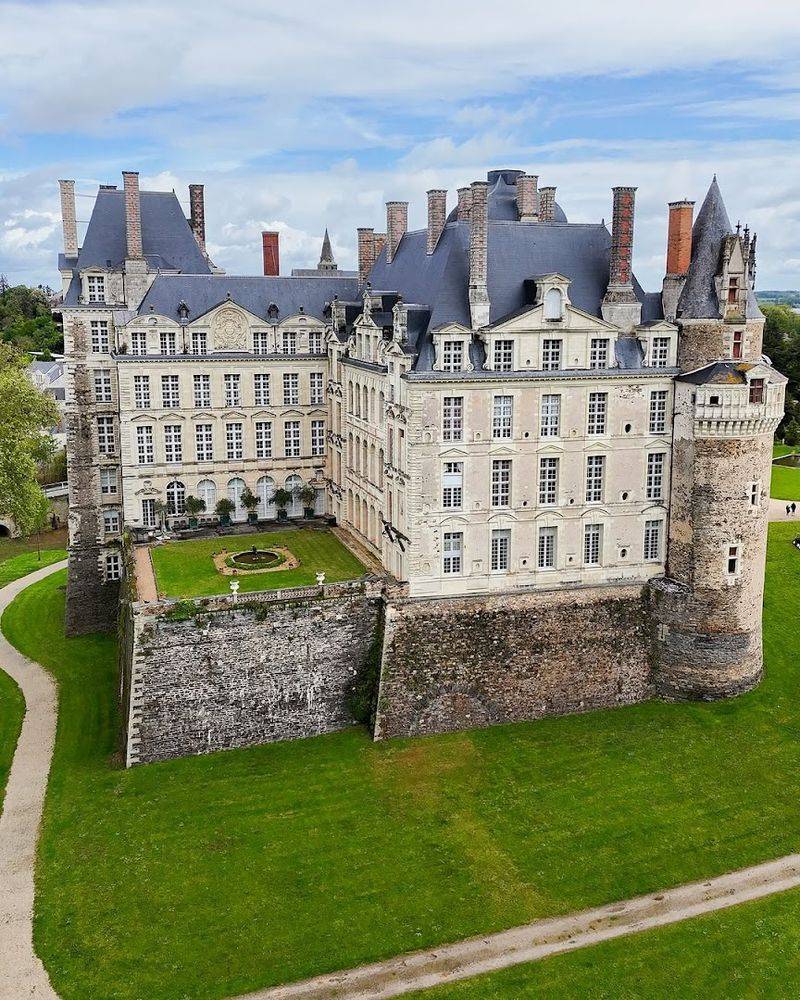
Standing seven stories tall with 204 rooms, Chateau de Brissac is the tallest castle in France—and reportedly home to one of its most tragic ghosts. The “Green Lady,” known in French as La Dame Verte, is said to be the spirit of Charlotte de Breze, murdered within the castle walls by her husband in the 15th century after he discovered her infidelity.
Guests who have stayed overnight describe seeing a woman in a green dress drifting silently through the upper floors.
What makes Brissac particularly interesting is that it is still a family home. The Duke of Brissac and his family live in part of the castle, which gives the whole place an intimacy that most grand chateaux lack.
Visitors tour the beautifully furnished rooms while knowing that somewhere upstairs, someone is having breakfast.
Overnight stays are available in the castle’s guest rooms, and this is genuinely one of the most atmospheric places to spend a night in all of France. Wine tastings are also offered, as the estate produces its own vintages.
The combination of elegance, history, and genuine ghost lore makes Brissac a truly unforgettable stop on any French road trip.
Tower of London – England
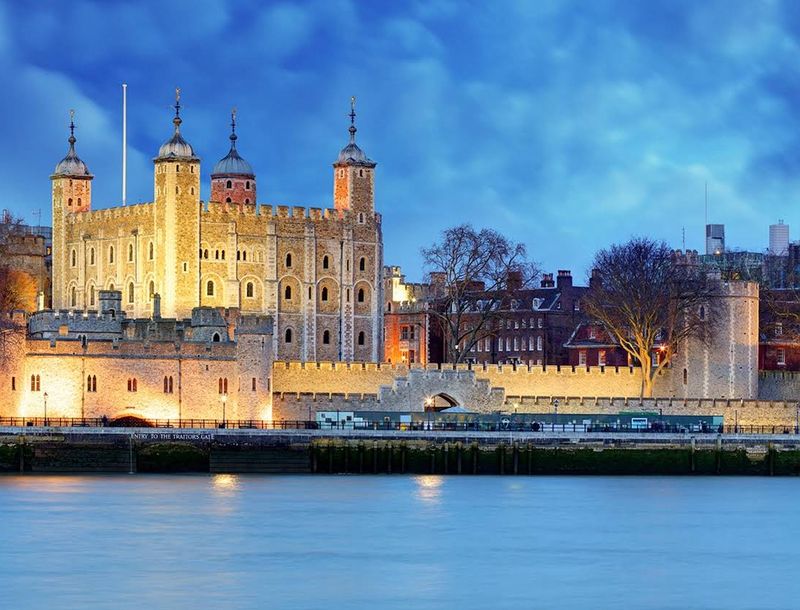
Anne Boleyn reportedly still wanders the corridors where she spent her final days, and honestly, who could blame her for sticking around? The Tower of London has one of the most blood-soaked histories of any building in Europe.
Kings, queens, and noblemen were imprisoned and executed here, leaving behind stories that refuse to stay buried.
Yeoman Warders—better known as Beefeaters—have their own collection of ghost encounters, some of which they share openly on the popular evening tours. Visitors near the Chapel Royal of St. Peter ad Vincula often report strange cold drafts and an overwhelming sense of sadness that seems to come from nowhere.
Beyond the ghost stories, the Tower is packed with genuine historical treasures, including the Crown Jewels. Admission prices are on the higher end for London, but the experience absolutely justifies it.
Book a Yeoman Warder tour in advance, arrive early to beat the crowds, and keep your eyes open—you never quite know what might be lurking in the shadows of one of England’s most iconic landmarks.
Akershus Fortress – Norway
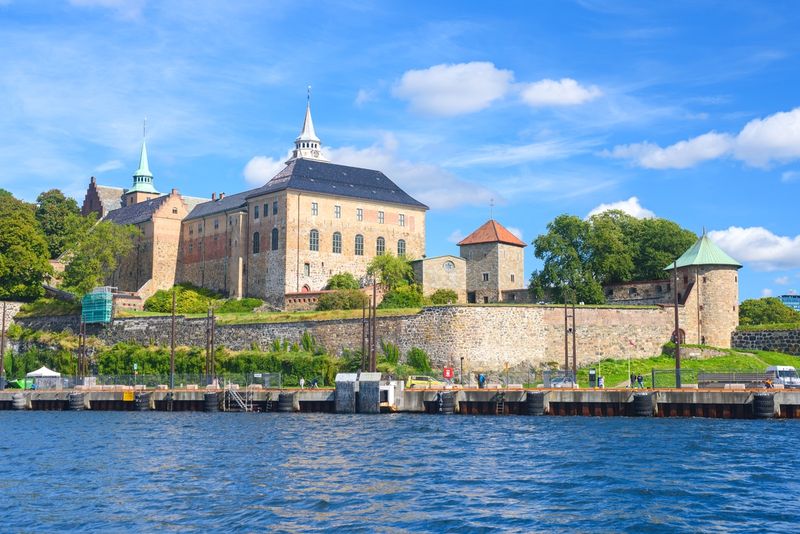
Guarding the Oslo fjord since the 13th century, Akershus Fortress has played a central role in Norwegian history through wars, sieges, and political upheaval. It served as a Nazi headquarters during the Second World War and was also used as a prison for much of its long life.
That kind of concentrated suffering tends to leave marks—at least according to the guards who have worked here after dark.
The most frequently reported apparition is a faceless woman who drifts silently through the fortress grounds before vanishing near one of the older towers. A ghostly dog named Malcanisen is also said to guard the main gate, and according to local legend, anyone who encounters it is doomed.
Cheerful stuff, really.
Despite its darker reputation, Akershus is a genuinely beautiful place to visit during daylight hours. The views across the fjord are spectacular, and the castle museum inside covers Norwegian history from the medieval period through the 20th century.
Entry to the grounds is free, though the castle interior charges a small admission fee. Evening ghost tours are available seasonally and are popular with both locals and tourists looking for something a little different from Oslo’s usual offerings.
Moosham Castle – Austria
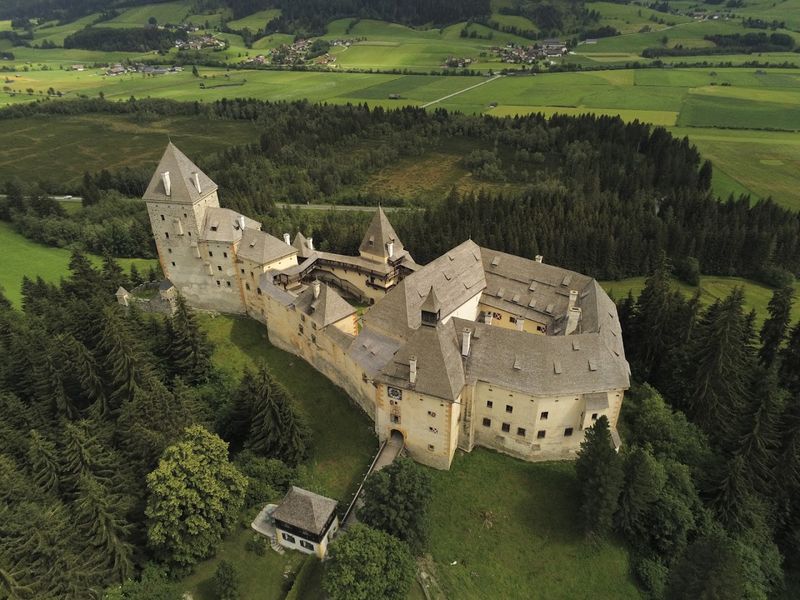
Tucked away in the Austrian Alps, Moosham Castle looks peaceful enough from a distance—until you learn what happened here between the 17th and 18th centuries. The castle was a central location for the Salzburg witch trials, during which hundreds of people were accused, tortured, and executed on its grounds.
It earned the grim nickname “Witches Castle” and has never quite shaken it.
Adding to its eerie reputation, a series of unexplained animal deaths in the surrounding area during the 19th century sparked werewolf rumors that spread across the region. Local villagers were convinced something supernatural was at work, and the legend has persisted to this day.
Visitors and paranormal investigators report cold presences, unexplained sounds, and an uncomfortable heaviness in certain rooms of the castle.
Moosham is privately owned by the Wilczek family and is open to visitors for guided tours during the warmer months. The tour covers both the castle’s architectural history and its darker chapters in equal measure.
Getting there requires a car since public transport options are limited in that part of Austria, but the remote alpine setting is genuinely stunning and makes the journey feel like its own adventure before you even arrive at the gates.
Glamis Castle – Scotland
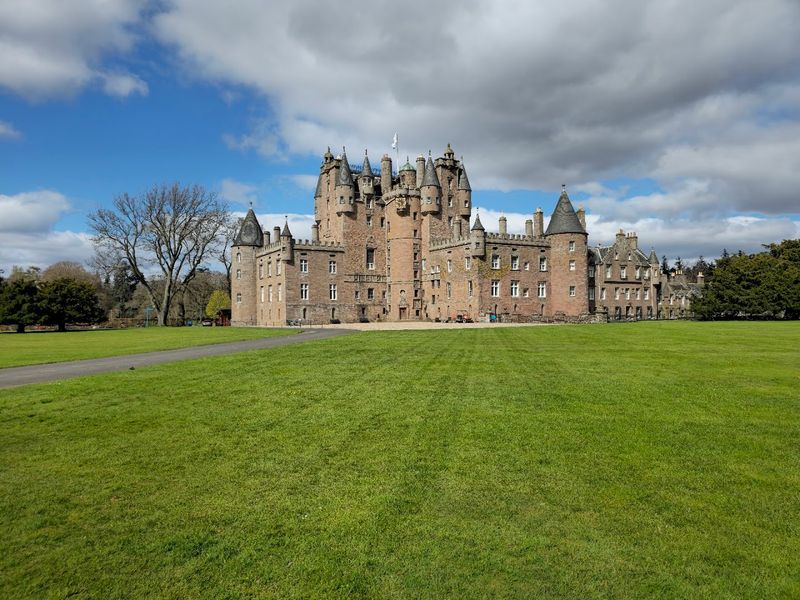
Scotland clearly has a competitive advantage when it comes to haunted castles, and Glamis Castle is one of the strongest entries in that already impressive lineup. The ancestral home of the Earls of Strathmore and Kinghorne, Glamis is also famously the childhood home of Queen Elizabeth The Queen Mother.
It is the kind of place that feels grand and unsettling in equal measure.
The castle is said to house multiple ghosts, including the “Grey Lady” believed to be the spirit of Janet Douglas, burned at the stake for witchcraft in 1537. There is also the legend of the “Monster of Glamis”—a secret family member supposedly hidden in a sealed room for his entire life.
Whether that story is true or not, the castle has enough secret passages and locked doors to make it entirely believable.
Glamis Castle is open to visitors from April through October, with guided tours running throughout the day. The grounds alone are worth the visit, featuring beautiful gardens and woodland walks.
Audio guides are available and do an excellent job of weaving the ghost legends into the broader history of the estate. It is a polished, well-managed attraction that still manages to feel genuinely eerie.
Borgvattnet Vicarage – Sweden
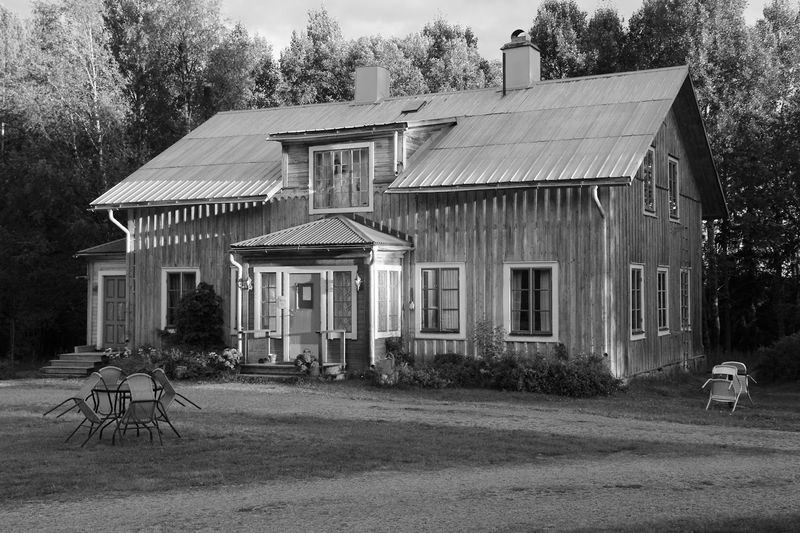
Most haunted locations on this list are dramatic stone fortresses—Borgvattnet Vicarage in northern Sweden is a modest red wooden house, which somehow makes it even creepier. Since the 1920s, every single person who has lived or worked in this building has reported something deeply strange.
Rocking chairs moving on their own, figures appearing in doorways, objects vanishing and reappearing in different rooms—it has all been documented here.
The first recorded incident dates to 1927, when a chaplain reported his laundry being torn down by an invisible force. Subsequent residents filed official reports of disturbances, which gives Borgvattnet an unusually well-documented paranormal history compared to most supposedly haunted sites.
The Swedish Church eventually acknowledged the reports, which is not something religious institutions do lightly.
Today the vicarage operates as a guesthouse and cafe, meaning you can actually spend the night in one of Sweden’s most haunted buildings. Guests who last through the night reportedly receive a certificate confirming their bravery, which is either a fun novelty or the most useful travel souvenir imaginable depending on how the night goes.
The surrounding landscape in Jamtland is also spectacularly beautiful, especially in winter when the whole area is buried under deep snow.
Wolfsegg Castle – Germany
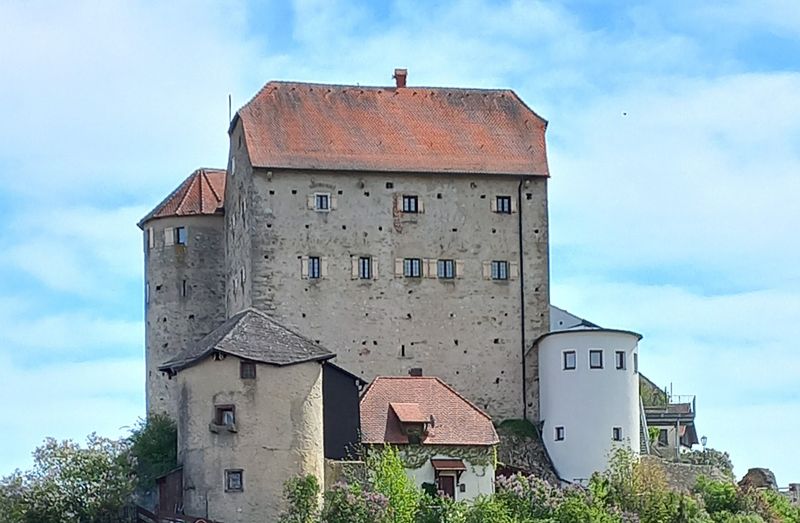
Perched on a forested hill in Bavaria, Wolfsegg Castle is small by castle standards but punches well above its weight in the ghost department. The fortress dates back to the 13th century and has been associated with supernatural activity for so long that local legends about it predate written records.
That is a considerable amount of haunted history for one fairly compact building.
The most famous spirit here is believed to be a noblewoman who was murdered within the castle walls, possibly by a jealous husband. Her presence has been reported consistently across different centuries and by people with no prior knowledge of the legend, which ghost enthusiasts consider particularly compelling evidence.
Strange sounds, moving shadows, and sudden drops in temperature are the most commonly noted experiences.
Wolfsegg Castle is open to the public and can be visited on a self-guided basis, which adds to its charm—there is no scripted tour, just you and the castle and whatever decides to join you. The surrounding Bavarian countryside is gorgeous and worth exploring beyond just the castle itself.
Combine a visit with a drive through the Regensburg area for a genuinely memorable day out that balances beautiful scenery with a healthy dose of the unexplained.
Houska Castle – Czech Republic
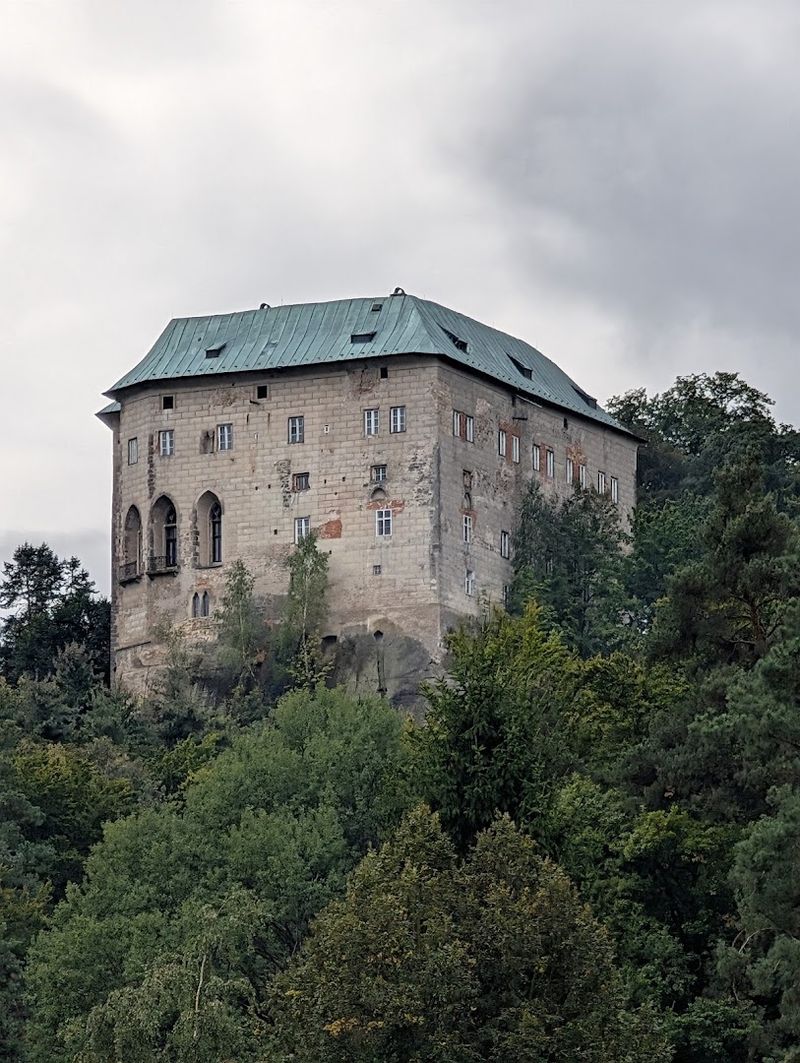
Built in the middle of a dense forest with no strategic military value, no nearby water source, and no town to protect, Houska Castle makes absolutely no logical sense—and that is exactly what makes it so fascinating. According to local legend, the castle was constructed not to keep enemies out but to seal something terrifying in.
Specifically, a bottomless pit in the rock below the chapel, which locals believed was a literal gateway to hell.
Workers who helped build the castle in the 13th century reportedly refused to enter certain areas after dark. During the Nazi occupation of World War II, German officers allegedly conducted occult experiments at the site, adding yet another disturbing layer to an already deeply strange history.
Visitors today describe an oppressive atmosphere in the chapel area that is difficult to explain away.
The castle is open to tourists and offers guided tours that cover both the architectural history and the more outlandish legends with equal enthusiasm. It sits about an hour’s drive north of Prague, making it an easy day trip from the capital.
The forest surrounding the castle is beautiful but unnervingly quiet, which only adds to the overall experience of visiting one of Europe’s genuinely strangest and most mysterious buildings.
Crumlin Road Gaol – Northern Ireland
Walking through a Victorian prison where 17 men were executed is not everyone’s idea of a fun afternoon, but at Crumlin Road Gaol in Belfast, it is surprisingly compelling. Opened in 1845, this imposing red-brick building served as a working prison for nearly 150 years before closing in 1996.
In that time, it witnessed enough suffering, unrest, and tragedy to fuel ghost stories for generations.
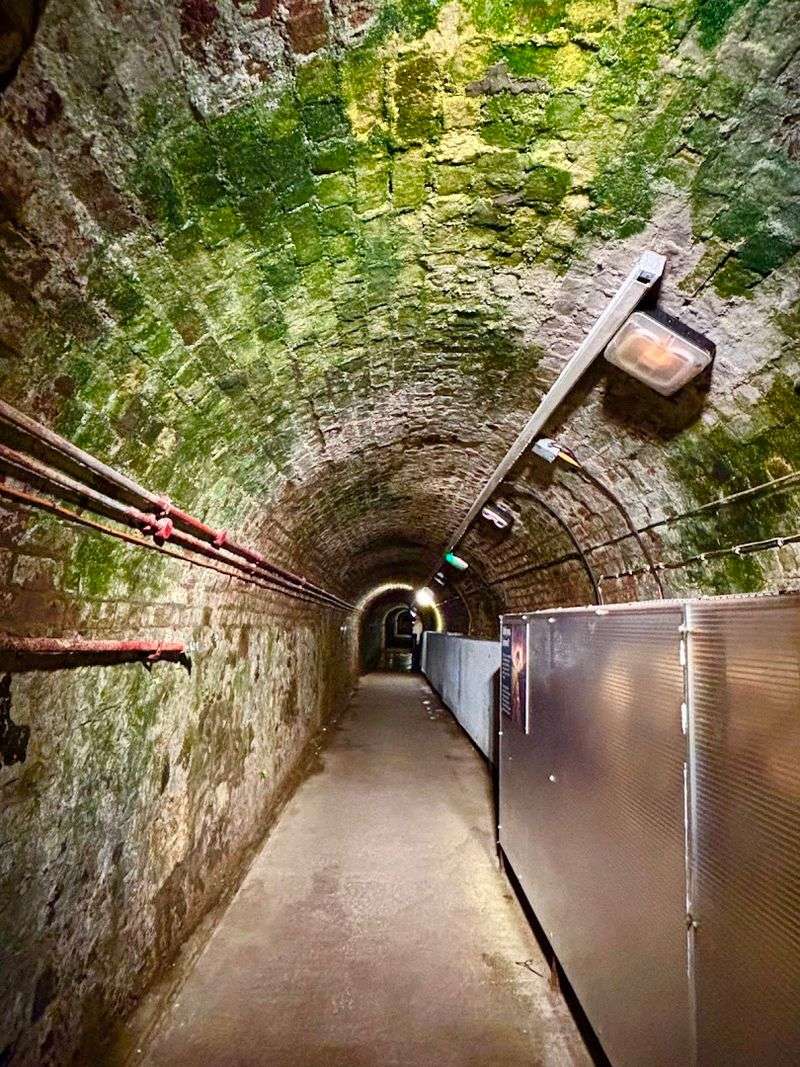
Staff and visitors report hearing unexplained footsteps in empty corridors, doors slamming with no one nearby, and the distinct sensation of being watched in the underground tunnel that once connected the prison to the courthouse across the road. The condemned cell—where prisoners spent their final hours before execution—is considered the most active area for paranormal activity by those who have investigated the building.
Today Crumlin Road Gaol operates as a museum and events venue, offering daytime historical tours that are informative and genuinely moving. The nighttime ghost tours are a completely different experience—darker, quieter, and far more unsettling.
Both options are bookable online, and the ghost tours in particular sell out well in advance. Belfast is a wonderfully vibrant city to explore, and the Gaol makes for one of its most unique and memorable attractions.
Share this story