History has not always been kind or fair to the women who shaped it. Many remarkable women have been reduced to rumors, stereotypes, or outright lies passed down through centuries.
From ancient queens to modern artists, their real stories are far more complex and compelling than the myths suggest. Taking a closer look at who these women truly were can change the way we understand history itself.
1. Cleopatra
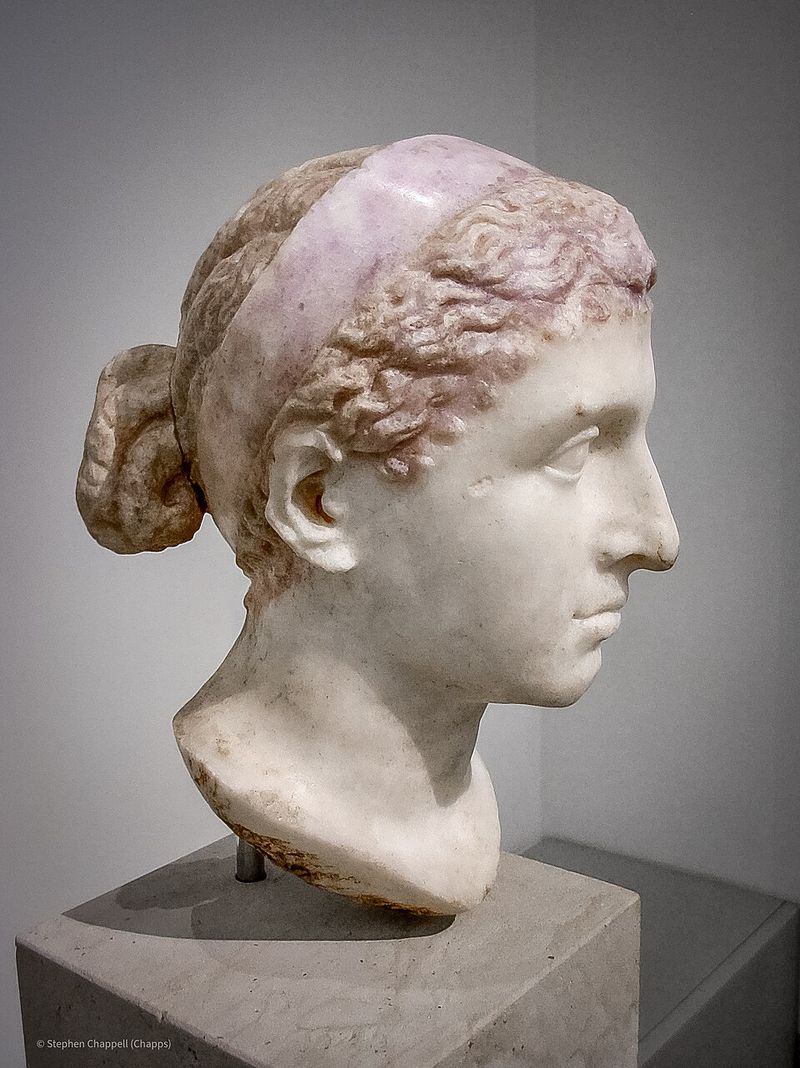
Cleopatra VII is one of the most famous women who ever lived, yet most people picture her only as a seductive temptress. That image sells her far short of who she actually was.
She ruled Egypt with sharp intelligence and remarkable political skill at a time when the world was dominated entirely by men.
She spoke around nine languages, including Egyptian, Greek, and Latin, making her the first Ptolemaic ruler to even bother learning the native Egyptian tongue. She used her diplomatic abilities to build alliances with Julius Caesar and Mark Antony not out of romance alone, but out of calculated strategy to protect her kingdom.
Ancient Roman writers, threatened by her power, painted her as dangerous and immoral. Modern historians have worked to restore her reputation as a highly educated, strategically brilliant leader who fought hard to keep Egypt independent.
2. Marie Antoinette
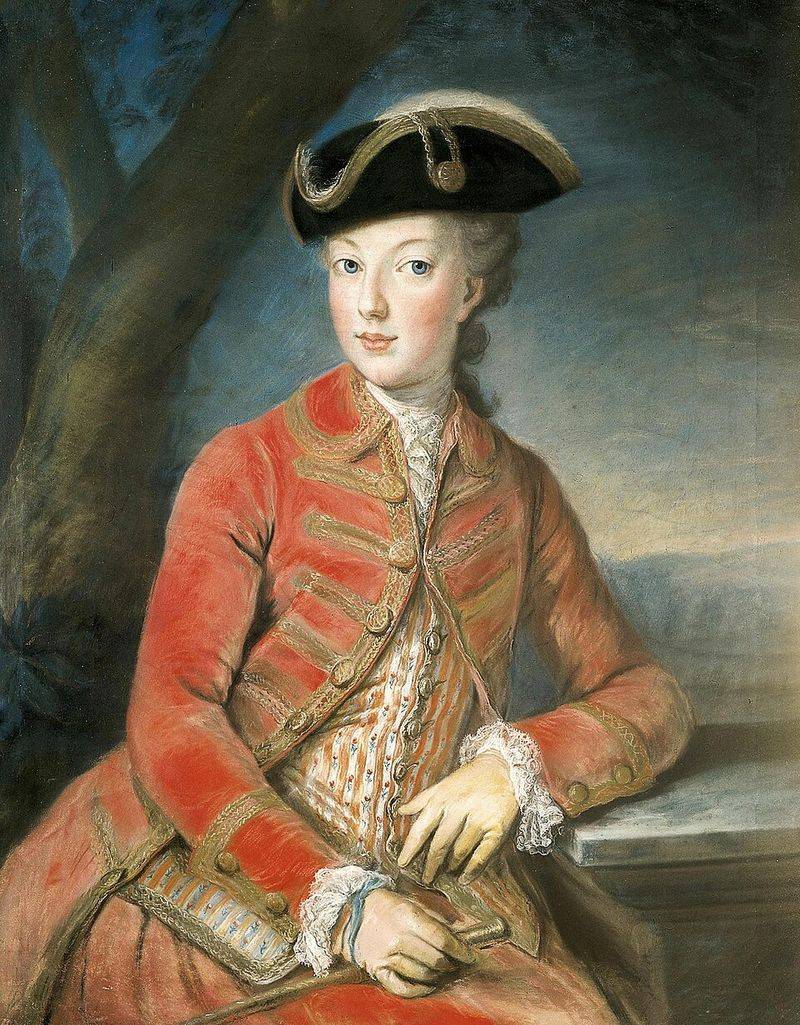
“Let them eat cake” may be the most famous quote never actually spoken. Marie Antoinette, the young queen of France, has carried that line for centuries, yet historians widely agree she never said it.
The phrase appeared in philosopher Jean-Jacques Rousseau’s writings when she was still a child in Austria.
She arrived in France at just fourteen years old, thrust into a world of rigid royal expectations and public scrutiny. The French people, struggling with poverty and food shortages, needed someone to blame, and the foreign-born queen became an easy target.
While she did enjoy luxury at Versailles, her spending was not dramatically different from other royals of her era. She also showed genuine kindness in private, supporting charities and arts programs.
Her execution during the French Revolution turned a complex, often lonely young woman into a lasting symbol of royal excess.
3. Anne Boleyn
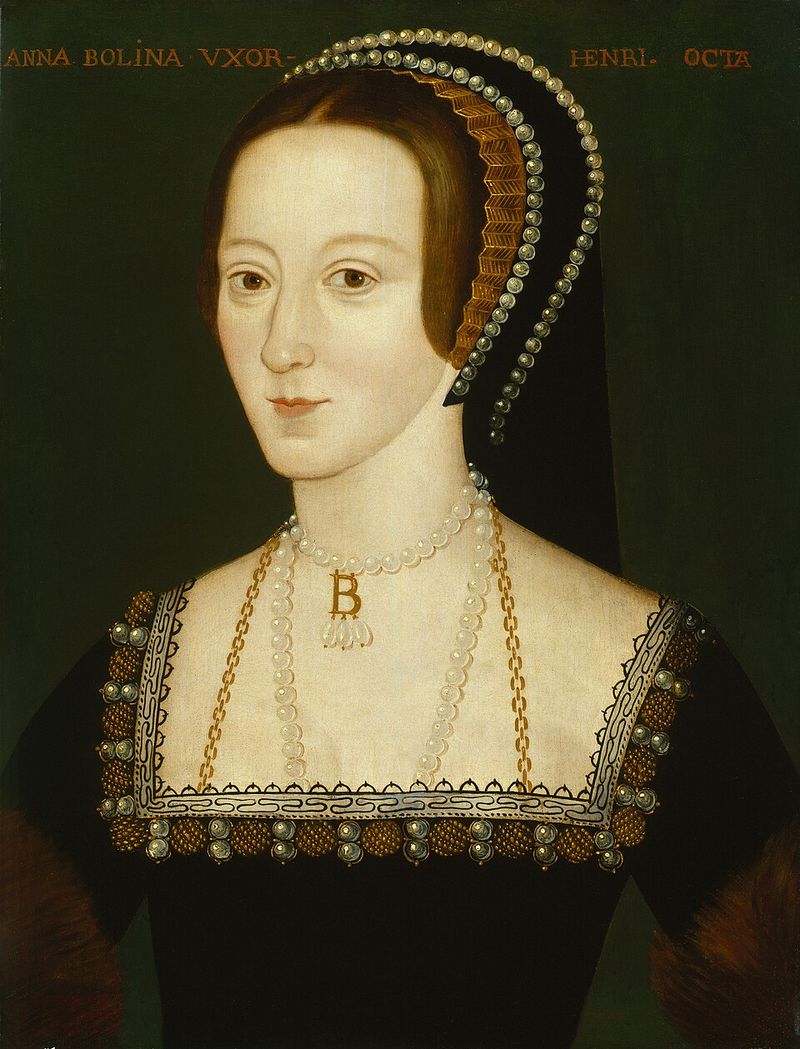
Anne Boleyn is remembered by many as a scheming, ambitious woman who tore apart a marriage and a kingdom to get what she wanted. That version of her story, however, ignores the enormous pressure and danger she faced inside the English court every single day.
Henry VIII pursued Anne relentlessly for years before she agreed to become his queen. She used that time not to manipulate him, but to advocate for Protestant reform and to protect herself in a court where women had very little real power.
She was sharp, outspoken, and deeply religious, qualities that made powerful enemies quickly.
When she failed to produce a male heir, those enemies moved fast. The charges of adultery and treason brought against her were almost certainly fabricated.
Most historians today view Anne as a victim of ruthless political scheming rather than a villain who deserved her fate at the Tower of London.
4. Joan of Arc
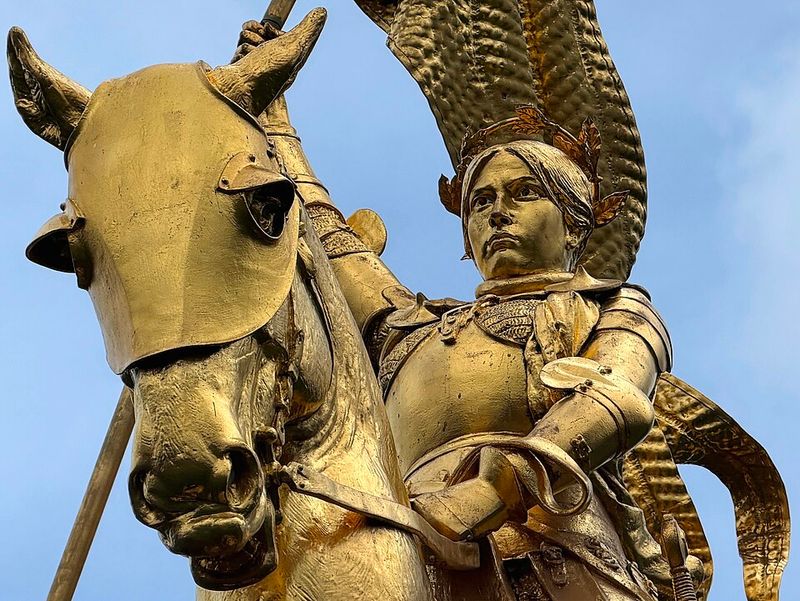
At just seventeen years old, Joan of Arc led French armies to a series of stunning victories during the Hundred Years War. She claimed to hear the voices of saints guiding her, and those visions gave her both extraordinary courage and, eventually, her greatest vulnerability.
Captured by the Burgundians and handed over to the English, she was put on trial not for her military actions but for heresy. The charges were largely political.
Church leaders and English authorities wanted to discredit her and, by extension, the French king she had helped crown.
She was burned at the stake in 1431 at only nineteen. A retrial held decades later officially cleared her name, and the Catholic Church declared her a saint in 1920.
Joan went from condemned heretic to national hero and spiritual icon, a transformation that says more about the politics of her time than about who she truly was.
5. Ada Lovelace
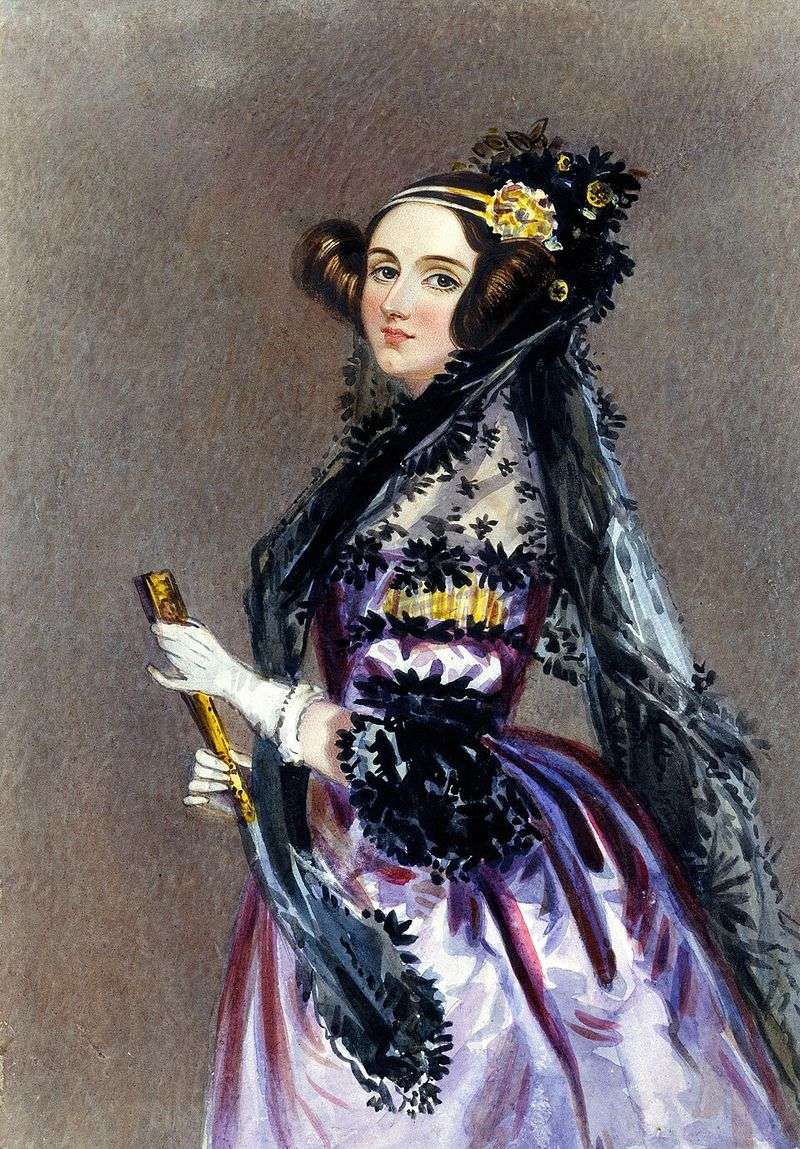
Ada Lovelace was the daughter of the famous poet Lord Byron, but she carved out a legacy entirely her own in the world of mathematics and early computing. For a long time, her contributions were dismissed or credited to the men she worked alongside.
That oversight has slowly but surely been corrected.
Working with inventor Charles Babbage on his proposed Analytical Engine in the 1840s, Ada did far more than translate a paper about the machine. She added her own extensive notes, which included what is now recognized as the first algorithm intended to be processed by a machine.
That makes her the world’s first computer programmer, a title she earned more than a century before computers existed.
She saw potential in computing that even Babbage himself had not fully imagined. Today, a programming language called Ada is named in her honor, a fitting tribute to a visionary who was ahead of her entire era.
6. Empress Dowager Cixi
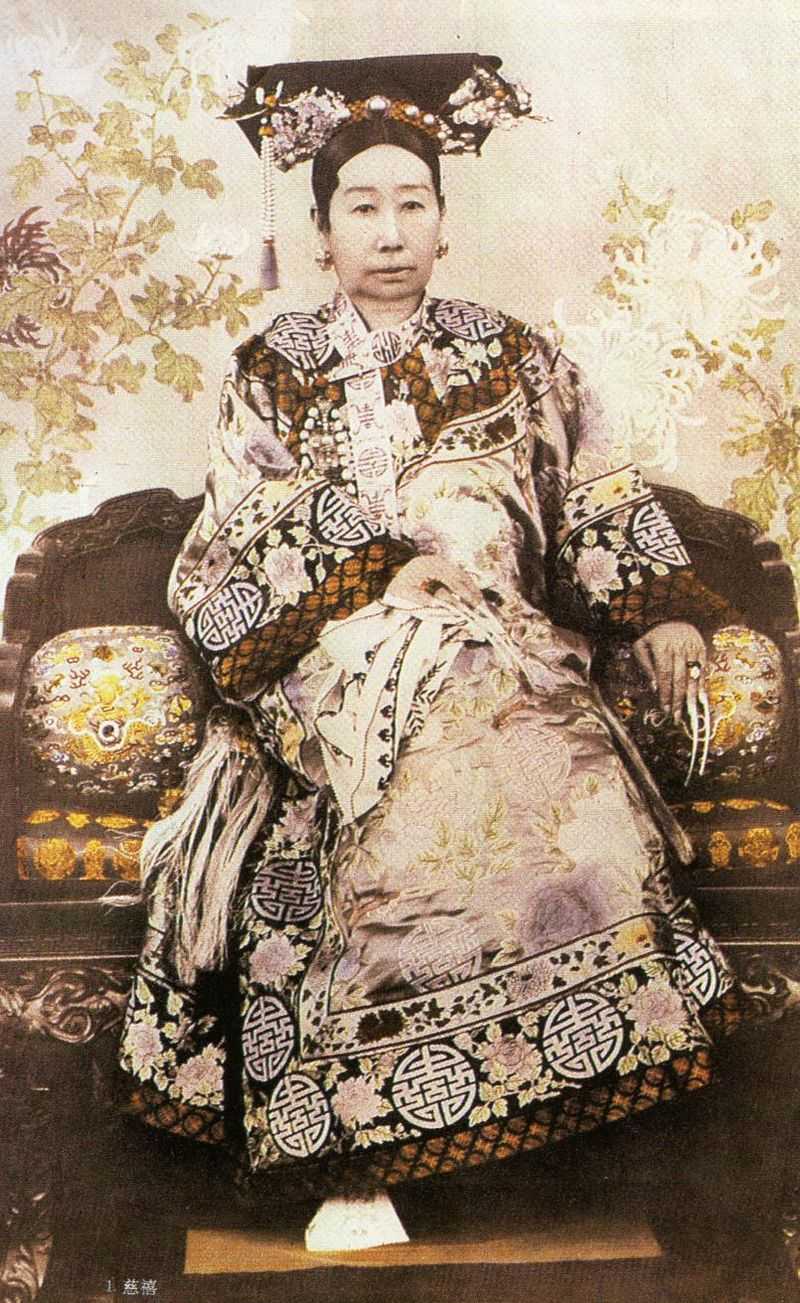
Empress Dowager Cixi ruled China from behind the scenes for nearly five decades, and Western accounts have rarely been flattering. She has been painted as a corrupt, power-obsessed woman who kept China backward while the rest of the world modernized.
The reality is considerably more layered than that.
Cixi rose from a low-ranking concubine to the most powerful person in the Qing dynasty through remarkable political instinct. She navigated a court filled with intrigue, foreign pressure, and internal rebellion.
Some of the reforms she introduced in her later years, including changes to the legal system and education, were genuinely progressive for the time.
Western diplomats and journalists of the era had every reason to portray her negatively, since she resisted foreign domination of China. Some historians now argue that many failures blamed on her were actually the result of systemic problems far beyond any single ruler’s control.
7. Mata Hari
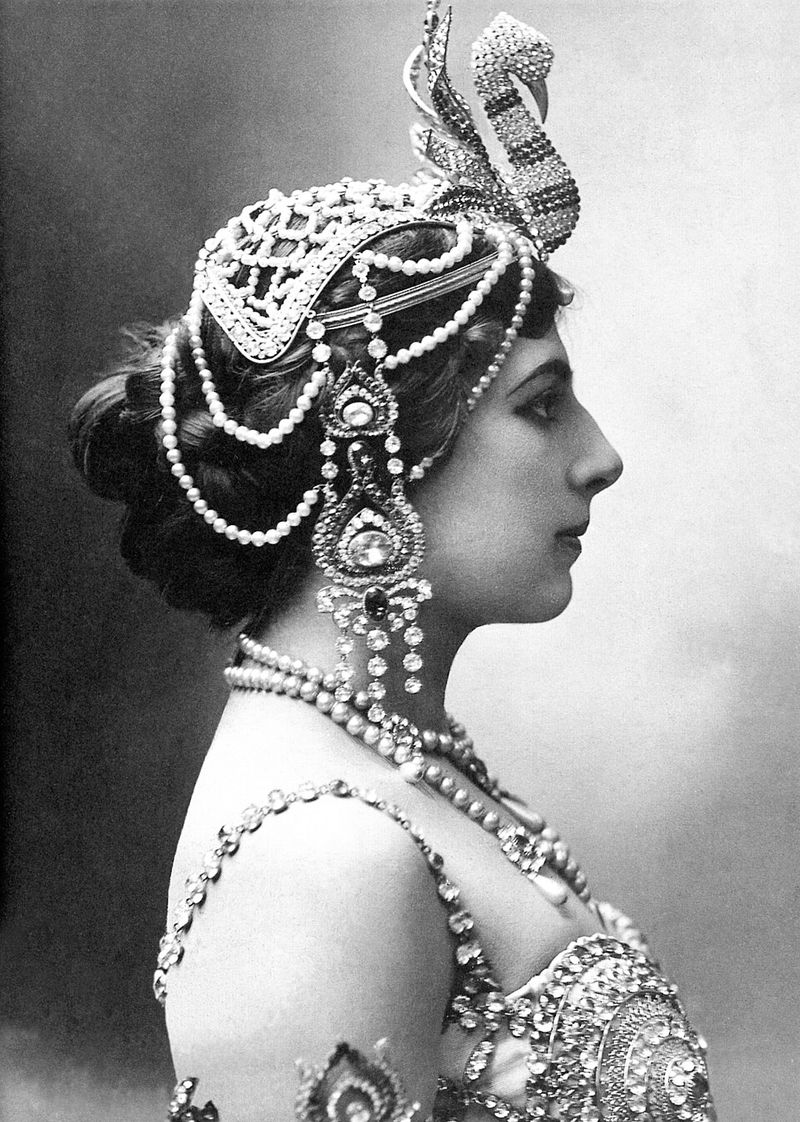
Few names in history carry as much mystery and intrigue as Mata Hari. The Dutch-born exotic dancer became one of the most famous performers in pre-World War I Europe, and then, almost overnight, she became one of its most notorious accused spies.
Her execution by French firing squad in 1917 shocked the world.
The evidence used to convict her was thin at best. France, humiliated by military losses and desperate for a scapegoat, found one in a foreign woman who had relationships with men on both sides of the conflict.
Her flamboyant lifestyle made her an easy target for suspicion and propaganda.
Declassified documents and modern investigations have led many historians to conclude that she was not an effective spy, and possibly not a spy at all. She may have been a naive woman caught in a web of wartime paranoia rather than the calculating double agent history made her out to be.
8. Lizzie Borden
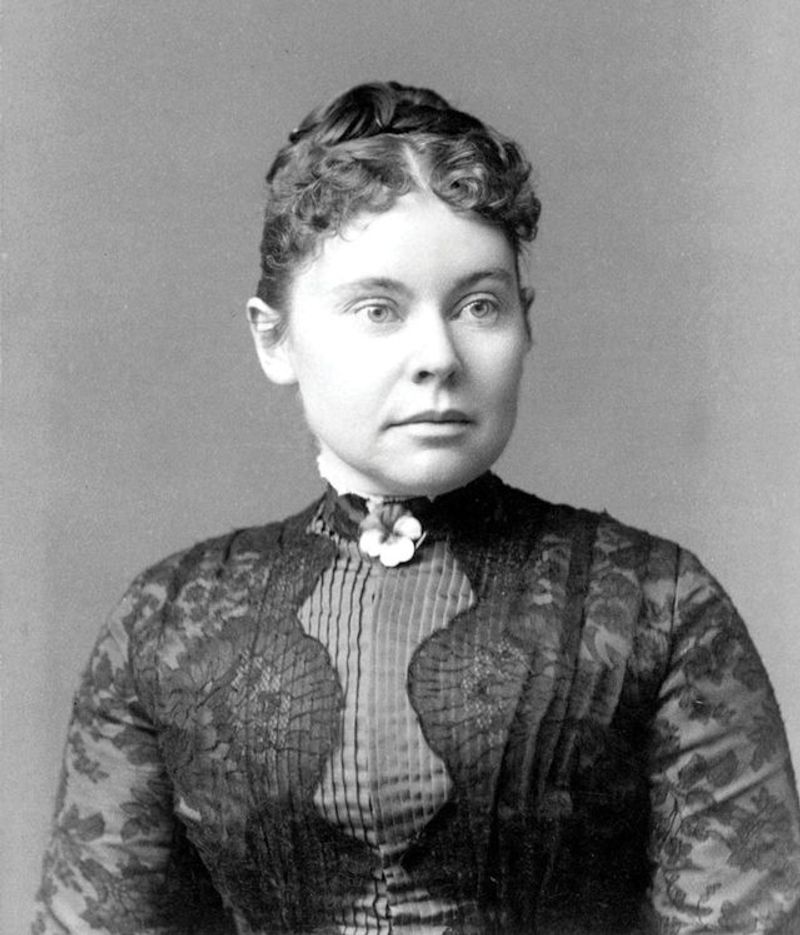
“Lizzie Borden took an axe, gave her mother forty whacks.” That nursery rhyme has haunted Lizzie Borden for well over a century. The problem is that she was tried for the 1892 murders of her father and stepmother and found not guilty by a jury of her peers.
Legally speaking, she was innocent.
The evidence against her was circumstantial, and the prosecution struggled to build a solid case. No murder weapon was ever conclusively tied to her.
Yet public opinion had already made up its mind, largely because the newspapers of the era ran sensationalized stories that assumed her guilt before the trial even began.
She spent the rest of her life in Fall River, Massachusetts, shunned by much of society despite her acquittal. The case remains officially unsolved.
Lizzie Borden stands as a striking example of how media coverage and public perception can permanently damage a person regardless of what a court decides.
9. Mary Magdalene
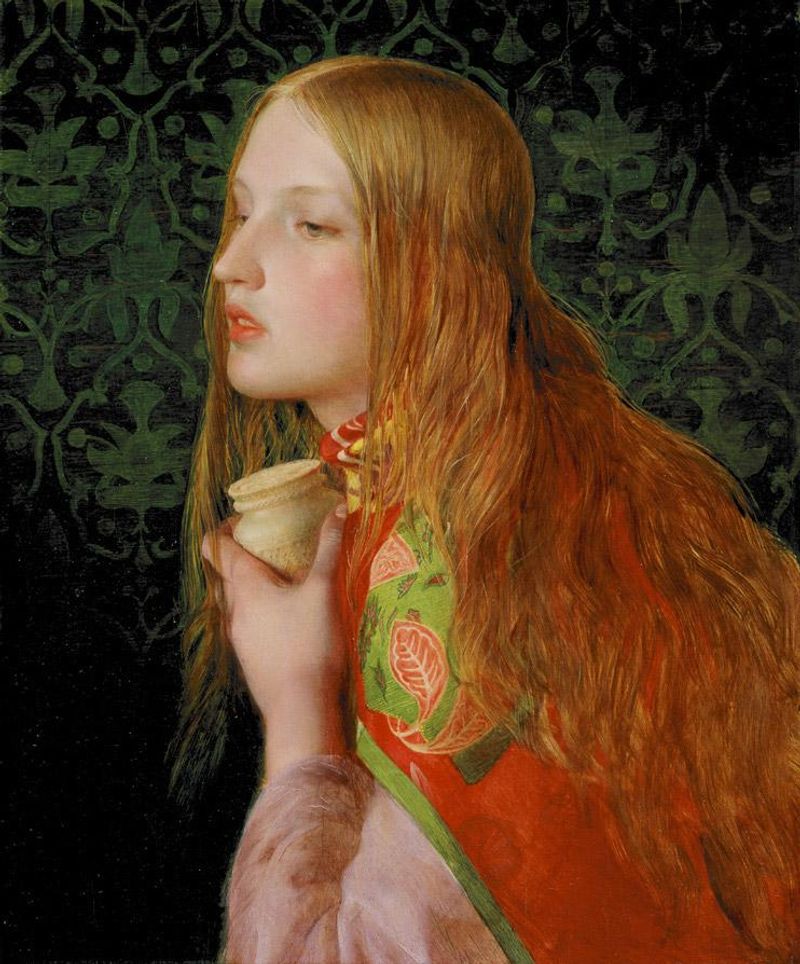
For most of Christian history, Mary Magdalene has been identified as a repentant prostitute. That label stuck so thoroughly that her name became a common word for fallen women.
But that characterization has no real basis in the biblical text. It was the result of a sermon preached by Pope Gregory I in 591 AD that incorrectly merged her identity with two other women in the Gospels.
What the Bible actually says is quite different. Mary Magdalene was a devoted follower of Jesus, one of the few disciples present at the crucifixion, and the first person reported to have witnessed the resurrection.
That is not a minor role. In early Christian communities, she was sometimes called the Apostle to the Apostles.
The Catholic Church officially clarified in 1969 that she had been wrongly conflated with those other figures. Modern scholars view her as a woman of significant spiritual standing whose legacy was systematically diminished over centuries.
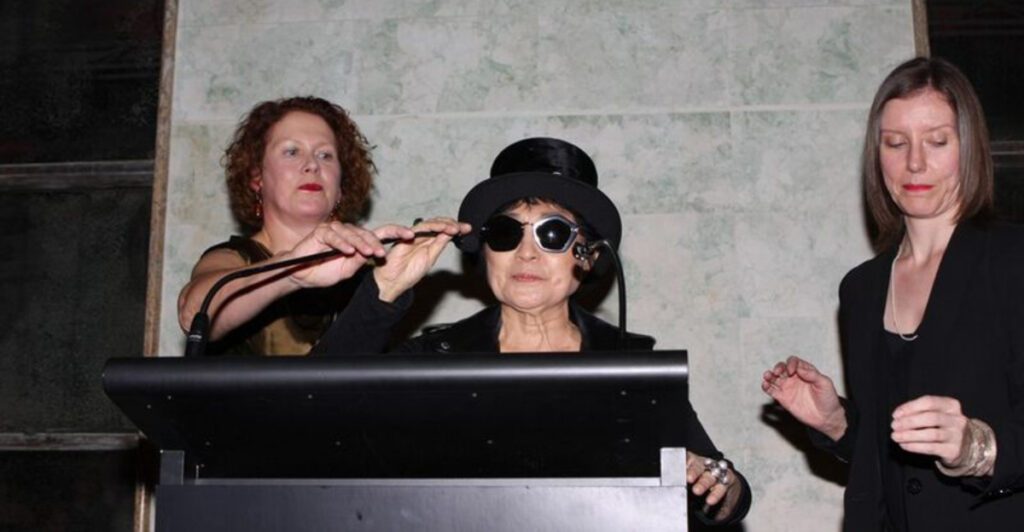
10. Yoko Ono
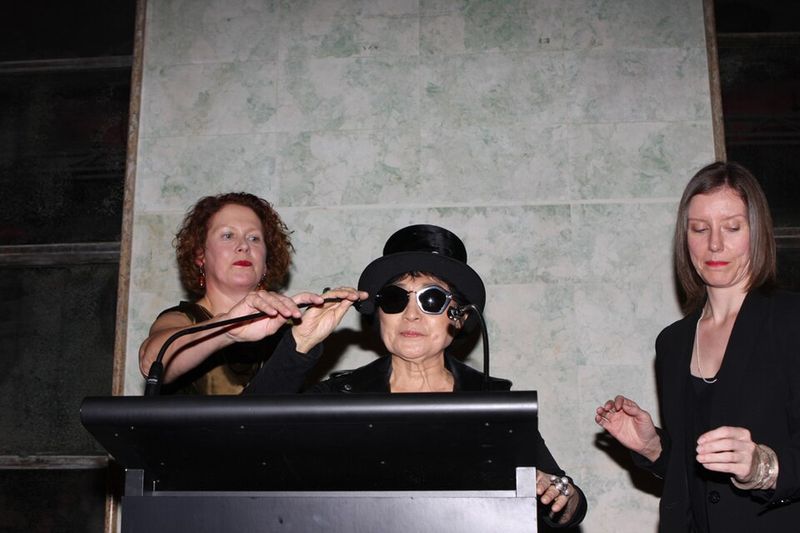
Ask almost anyone who broke up The Beatles, and there is a good chance the answer you get is Yoko Ono. That story has been repeated so many times it feels like settled history.
But the full picture is far messier and far more interesting than blaming one woman for the end of a band.
The Beatles were already fracturing well before John Lennon and Yoko became inseparable. Business disputes, creative differences, and the loss of their manager Brian Epstein in 1967 had already set serious cracks in motion.
Paul McCartney, George Harrison, and John Lennon had deep personal tensions that had nothing to do with Yoko at all.
Meanwhile, Yoko Ono was building a remarkable artistic career entirely on her own terms. She was a pioneer of conceptual art and performance art long before she met Lennon.
Reducing her entire identity to a scapegoat for a band’s breakup does a real disservice to an original and influential creative thinker.
11. Eva Peron
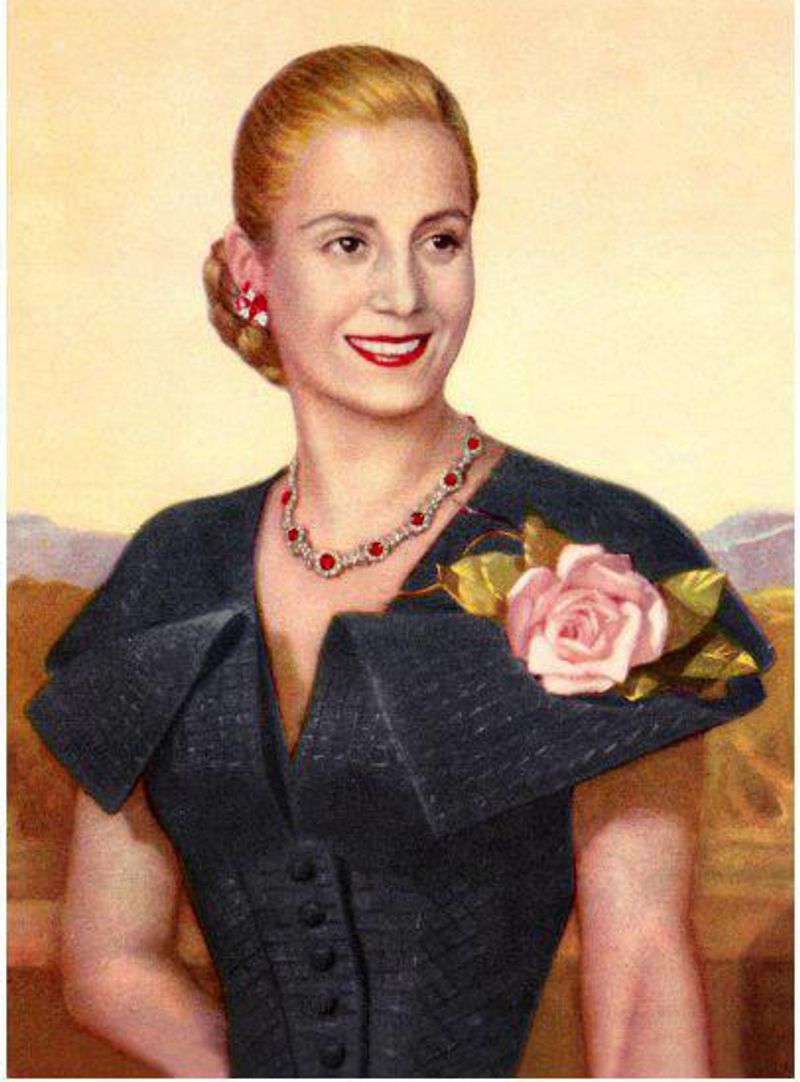
Eva Peron, known affectionately as Evita by millions of Argentinians, remains one of the most polarizing figures in South American history. To the poor and working class of Argentina, she was a saint who fought for their rights and dignity.
To the elite and her political enemies, she was a manipulative opportunist who used her husband’s presidency for personal gain.
The truth sits somewhere between those two extremes. Eva genuinely championed social programs that helped women gain voting rights, funded hospitals and schools, and created housing for the poor.
Her charitable foundation, though sometimes criticized for lacking transparency, delivered real aid to real people.
She died of cancer at only thirty-three, which cemented her near-mythological status among her supporters. Whatever her flaws, dismissing her entirely as a schemer ignores the tangible ways she improved lives.
Her story is a reminder that complex people rarely fit neatly into either villain or saint categories.
12. Agrippina the Younger
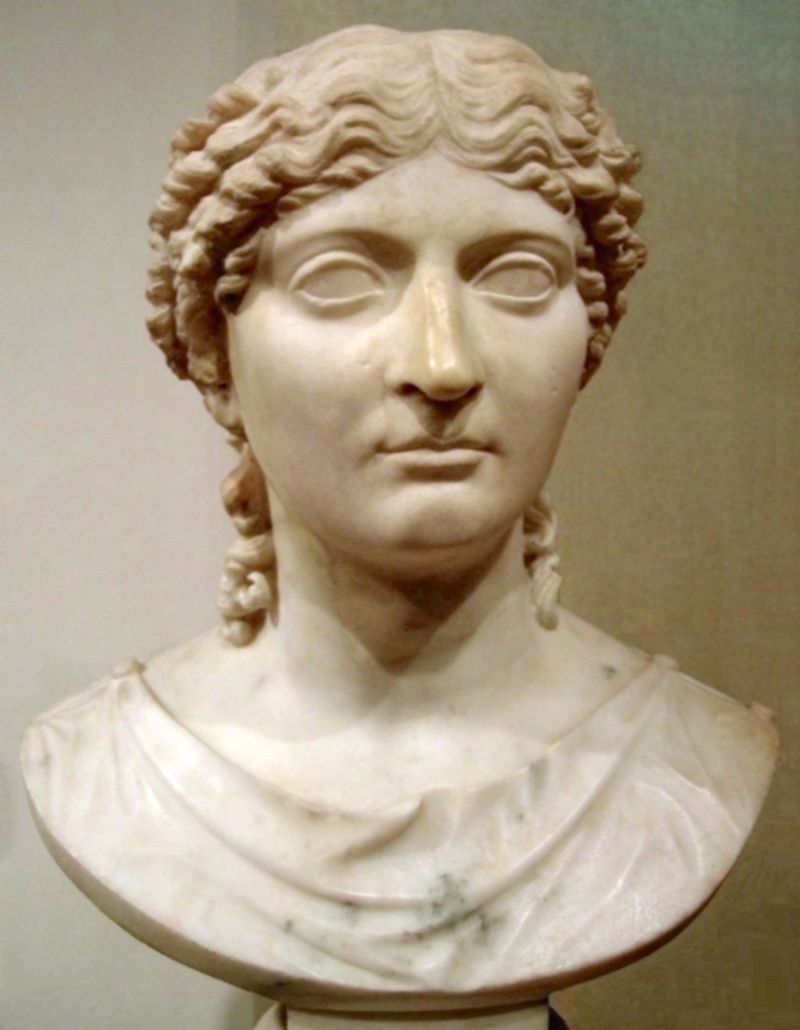
Agrippina the Younger was the mother of Emperor Nero and one of the most powerful women in Roman history. Ancient historians like Tacitus and Suetonius described her as ruthless, scheming, and dangerous.
Those accounts have largely shaped how she has been remembered for two thousand years.
There is a significant problem with that narrative, though. Roman historians were writing in a culture that deeply distrusted powerful women.
Any woman who wielded real political influence was almost automatically portrayed as using manipulation or poison rather than intelligence and skill. The bias built into those sources is hard to overstate.
Agrippina did pursue power aggressively, but she did so in a world where open political participation was completely closed to women. She used the tools available to her, including strategic marriages and alliances, to protect herself and her position.
Modern classicists increasingly read her story as one of survival and ambition in an extraordinarily hostile environment.
13. Rosalind Franklin
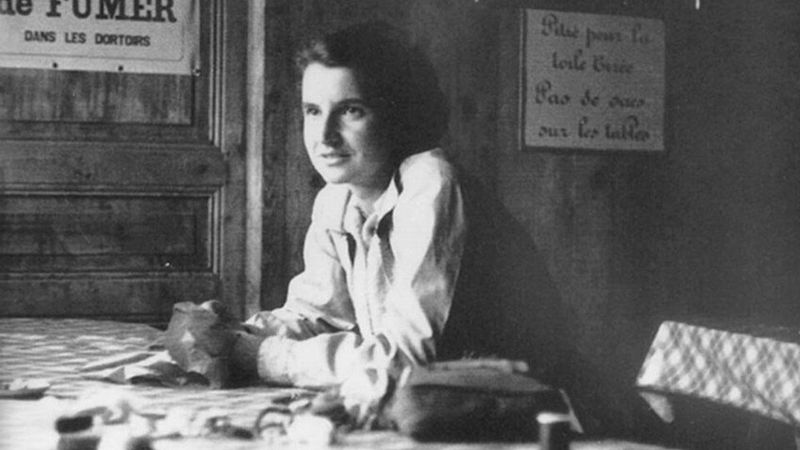
Photo 51 changed science forever. That X-ray image of DNA, taken by Rosalind Franklin and her student Raymond Gosling in 1952, provided the critical evidence that Watson and Crick used to build their famous double helix model.
For decades, Franklin received almost none of the credit for that contribution.
Watson and Crick had access to her data without her direct knowledge or consent. When they published their landmark 1953 paper, Franklin’s foundational work was barely acknowledged.
Watson, Crick, and Maurice Wilkins were awarded the Nobel Prize in 1962. Franklin had died of cancer in 1958 and could not be considered, since the Nobel Prize is not awarded posthumously.
Watson’s memoir later portrayed Franklin in dismissive and unfair terms, adding insult to injury. Historians of science have spent years working to restore her rightful place in the story of DNA’s discovery.
She was not a supporting character. She was central to one of the greatest scientific breakthroughs of the twentieth century.
14. Lucrezia Borgia
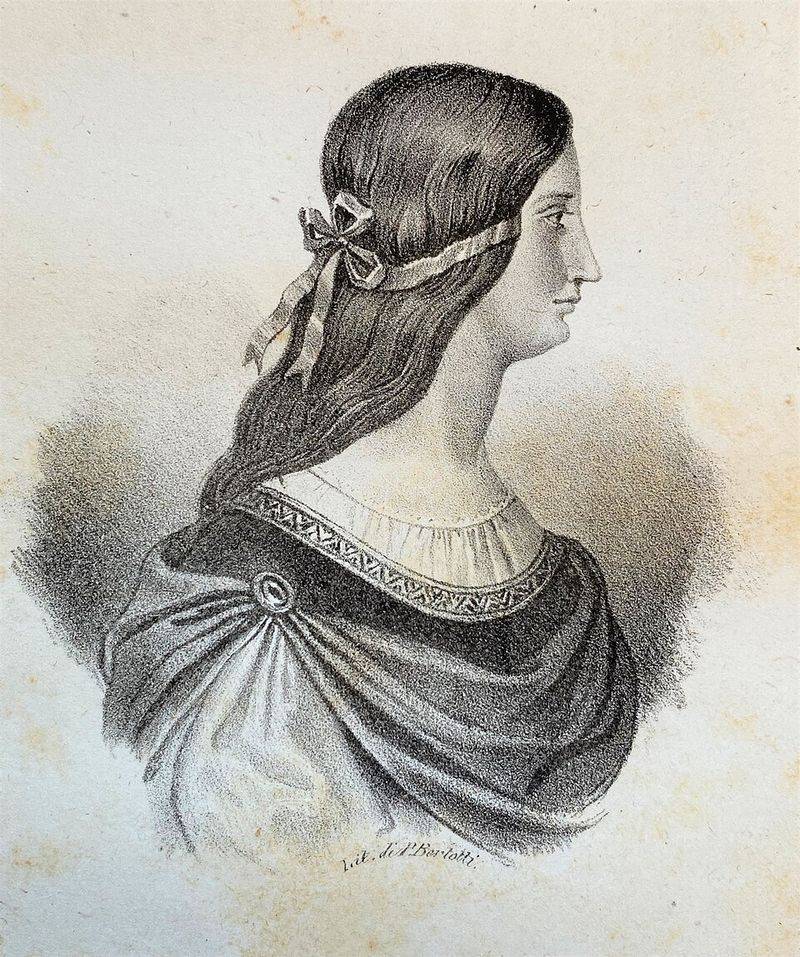
The name Borgia has become almost synonymous with poison, conspiracy, and corruption. Lucrezia Borgia, daughter of Pope Alexander VI and sister of the infamous Cesare Borgia, has been cast as the most dangerous woman of the Italian Renaissance.
Plays, novels, and films have depicted her as a cold-blooded poisoner and seductress. Most of those stories are almost certainly fiction.
Contemporary records from the court of Ferrara, where Lucrezia spent most of her adult life as Duchess, paint a very different picture. She was known as a generous patron of the arts, a devoted mother, and a capable administrator who managed the duchy effectively while her husband was away at war.
The scandalous rumors about her originated largely from her family’s political enemies and from her own brother and father, who may have used her as a bargaining piece in political marriages. She was a woman with very little control over her own fate, not the scheming villain of popular imagination.
15. Coco Chanel
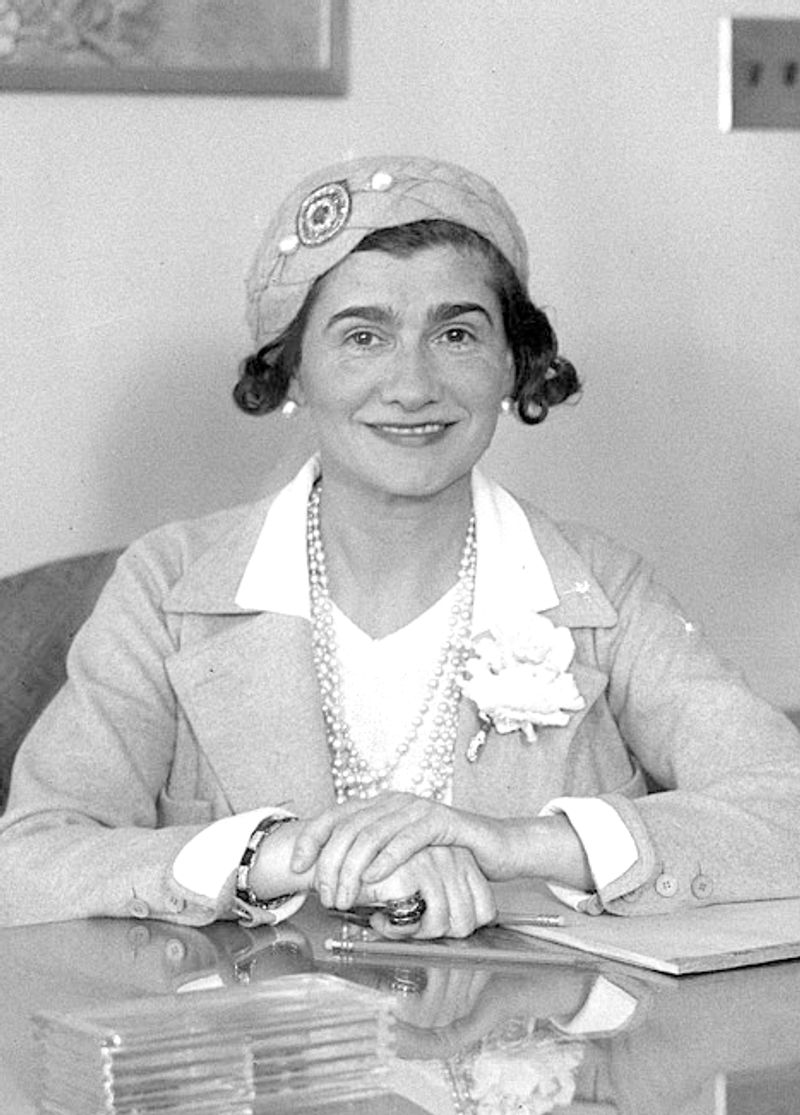
Coco Chanel revolutionized fashion by liberating women from corsets and overly ornate clothing, replacing them with clean lines, comfortable fabrics, and timeless elegance. She built an empire from almost nothing, rising from poverty and an orphanage to become one of the most influential designers in history.
That story is genuinely inspiring.
The harder part of her legacy involves World War II. During the German occupation of Paris, Chanel had a romantic relationship with a Nazi officer and lived in the Hotel Ritz, which served as German military headquarters.
There is credible evidence she worked as an intelligence agent for German military intelligence, though the full extent of her activities remains debated among historians.
Her postwar reputation recovered largely because of her powerful connections and the world’s appetite to forget. Chanel is not simply a misunderstood heroine.
She is a complicated figure whose genuine creativity and troubling wartime choices must both be acknowledged honestly to understand who she really was.
Share this story