Some ice cream shops still make everything from scratch, and it shows in every scoop. This list highlights places across the country that focus on small-batch production, local dairy, and time-tested methods instead of shortcuts.
You will find a mix of college-town creameries, family-run counters, historic stands, and neighborhood staples where the menu reflects years of refinement. Long lines are common, and usually a sign you are in the right place.
What makes these spots worth seeking out is the process behind the product. Careful techniques, consistent quality, and a commitment to doing it right set them apart from typical ice cream stops.
1. Bassett’s Ice Cream – Philadelphia, Pennsylvania
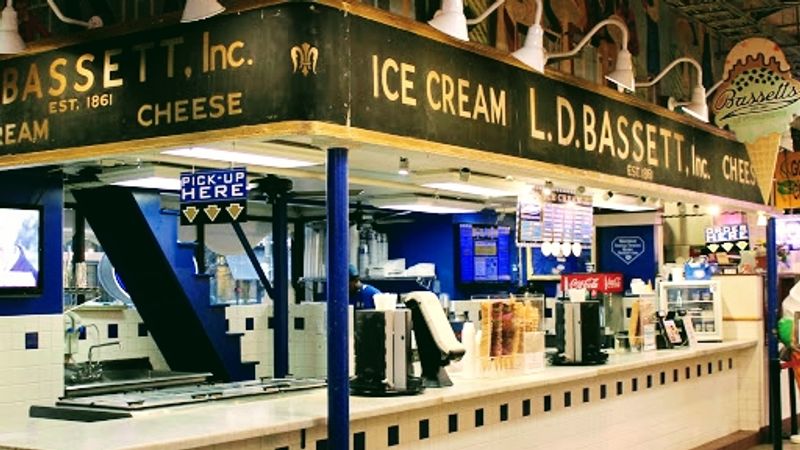
History shows up by the scoop at Bassett’s, and this Philadelphia institution wears its 1861 pedigree without acting precious about it. Inside Reading Terminal Market, the counter stays busy with shoppers who know the draw is dense, Philadelphia-style ice cream made without egg yolks and with very little fuss.
The company has stayed famous for rich classics, practical portions, and a texture that feels distinctly old school because the recipe never chased trends. You are not coming here for theatrical gimmicks or novelty piles of toppings, but for a product built on consistency and a serious understanding of dairy.
That straightforward approach is exactly why Bassett’s still matters. In a city packed with food history, this stand keeps proving that a well-made scoop can carry a century and a half of reputation, especially when the people behind it keep doing the work the hard way every single day.
2. The Penn State Berkey Creamery – State College, Pennsylvania
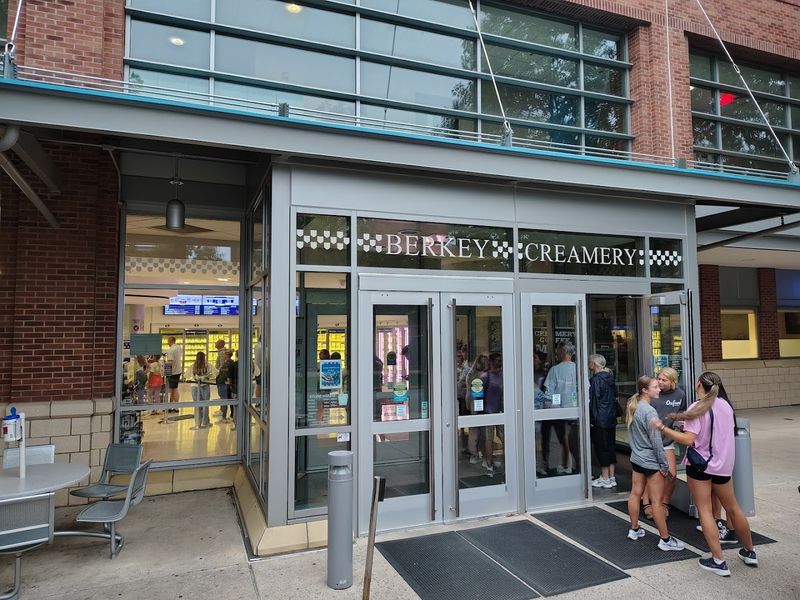
Here, homework can end with a cone, which gives the Berkey Creamery an advantage most places would envy. At Penn State, the ice cream is tied to a working dairy program, so the famous scoops come with a side of academic credibility and generations of hands-on training.
That structure matters because the craft is not treated like folklore. Students learn production methods, fresh dairy moves through a serious system, and the final result includes beloved campus flavors such as Peachy Paterno, which has become almost as recognizable as the school itself.
For visitors, the creamery feels both classic and purposeful. You are getting ice cream from a place where making it well is part of the institution’s identity, not just a profitable side hustle.
That connection between education, agriculture, and dessert keeps Berkey firmly in the old-school camp, even when the line looks more like game day than lab work.
3. Molly Moon’s (Original Methods Roots) – Seattle, Washington
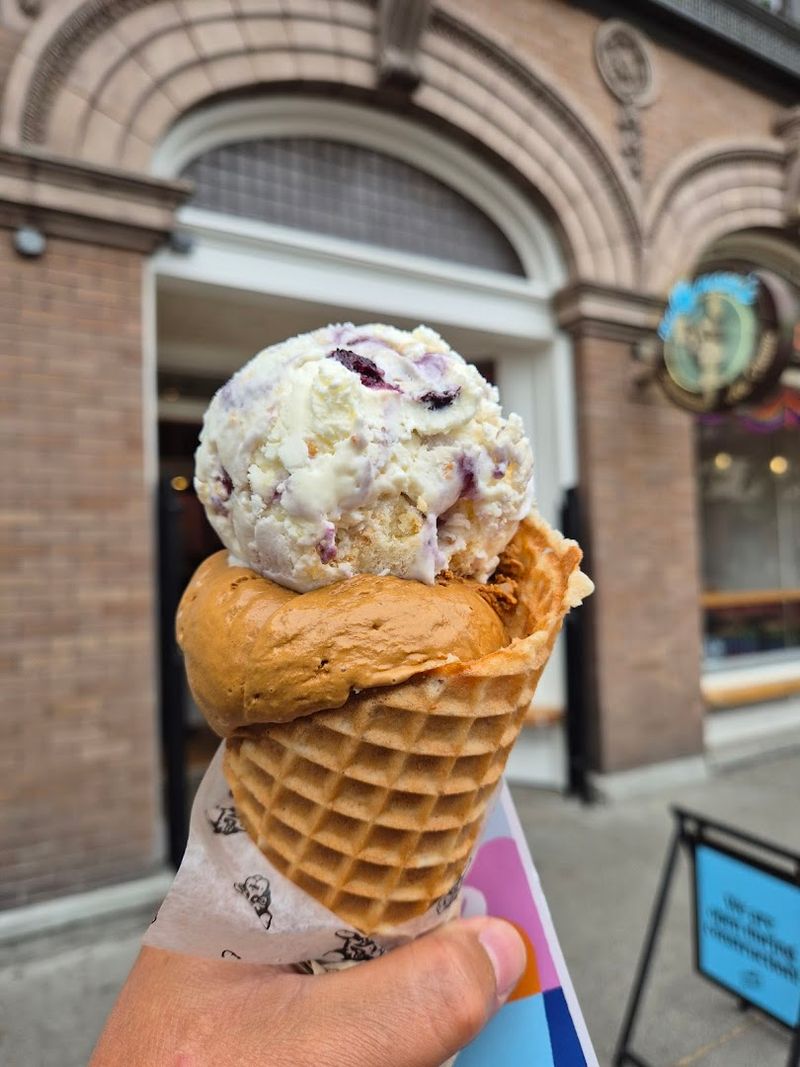
Modern branding does not automatically mean modern shortcuts, and Molly Moon’s is a good reminder of that. Although the look is cleaner and newer than many vintage parlors on this list, the roots of the operation stay tied to small-batch production and serious local sourcing.
That commitment gives the shop an old-school backbone under a contemporary surface. Seasonal ingredients, regional dairy, and careful batch work shape the menu, so the flavors feel connected to place rather than pulled from a generic formula built for speed and shelf life.
The result is a shop that respects tradition without pretending it lives in a museum. You can appreciate the practical side of the model too, because making less at a time usually means paying closer attention to quality control and ingredient selection.
Molly Moon’s proves that doing things the hard way can still look current, neighborhood-minded, and refreshingly direct.
4. Island Creamery – Chincoteague, Virginia
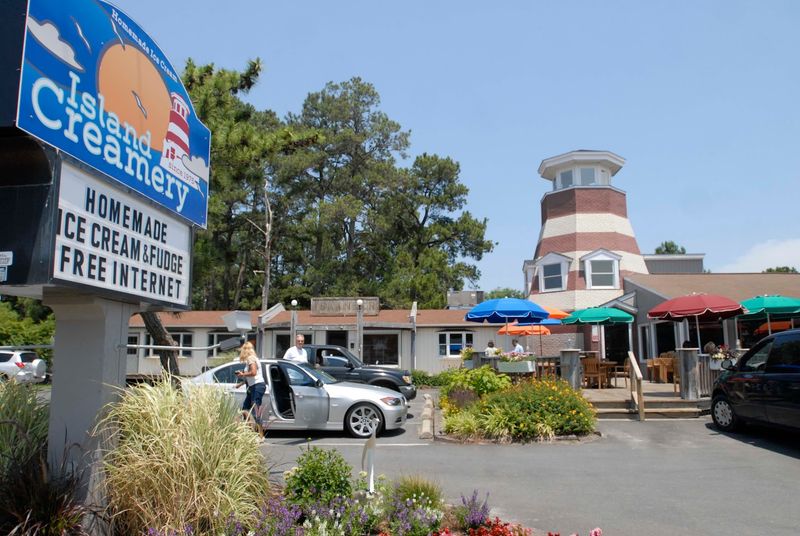
A long line can be annoying, but at Island Creamery it mostly works as free advertising. This Chincoteague favorite makes ice cream on site every day, and the steady crowd suggests that people are perfectly willing to wait when the product clearly comes from more than a scoop-and-serve freezer.
The shop leans into homemade credibility without overcomplicating the visit. You get a menu with both classic and playful options, a pace that feels brisk despite the popularity, and a small-town setting that fits the handmade approach rather than dressing it up.
What stands out most is the discipline behind the popularity. Daily production, dependable texture, and strong local loyalty do not happen by accident, especially in a seasonal destination where plenty of businesses chase convenience.
Island Creamery keeps proving that patience can still be part of the deal, and that a carefully made cone remains one of vacation’s smartest choices.
5. Toscanini’s – Cambridge, Massachusetts
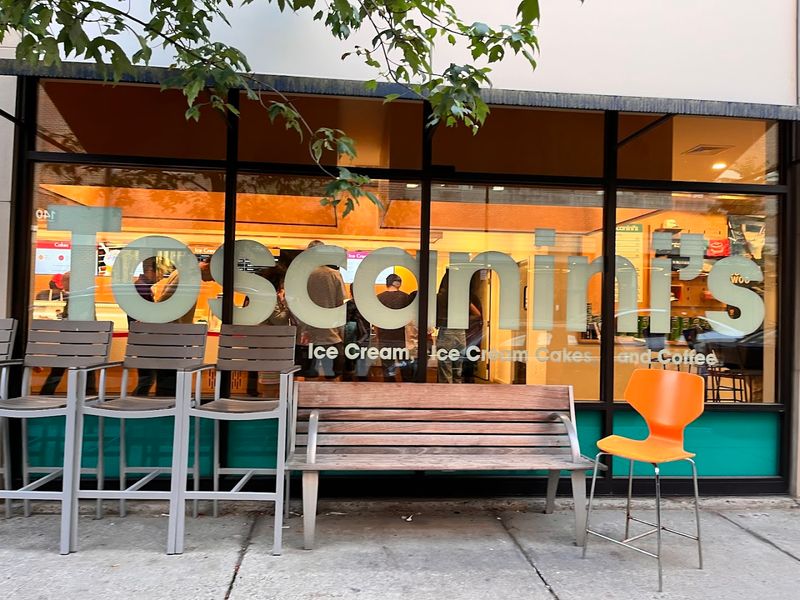
Flavor gets top billing at Toscanini’s, and the shop has spent years proving that intensity beats gimmickry. In Cambridge, this small-batch favorite built a loyal following by making ice cream with a straightforward setup, a strong point of view, and a refusal to treat bold flavor as a passing trend.
The menu has long rewarded people who read it carefully. Classics sit beside more unusual options, but the common thread is control: each scoop tastes like somebody paid attention during production instead of letting sweetness do all the heavy lifting.
That precision gives Toscanini’s its old-fashioned credibility. Even with a reputation that reaches well beyond the neighborhood, the shop still feels grounded in the discipline of making smaller batches and getting the details right.
You come away remembering not a flashy interior or a giant sundae construction, but the rare pleasure of ice cream that tastes specific, deliberate, and confidently made.
6. The Franklin Fountain – Philadelphia, Pennsylvania
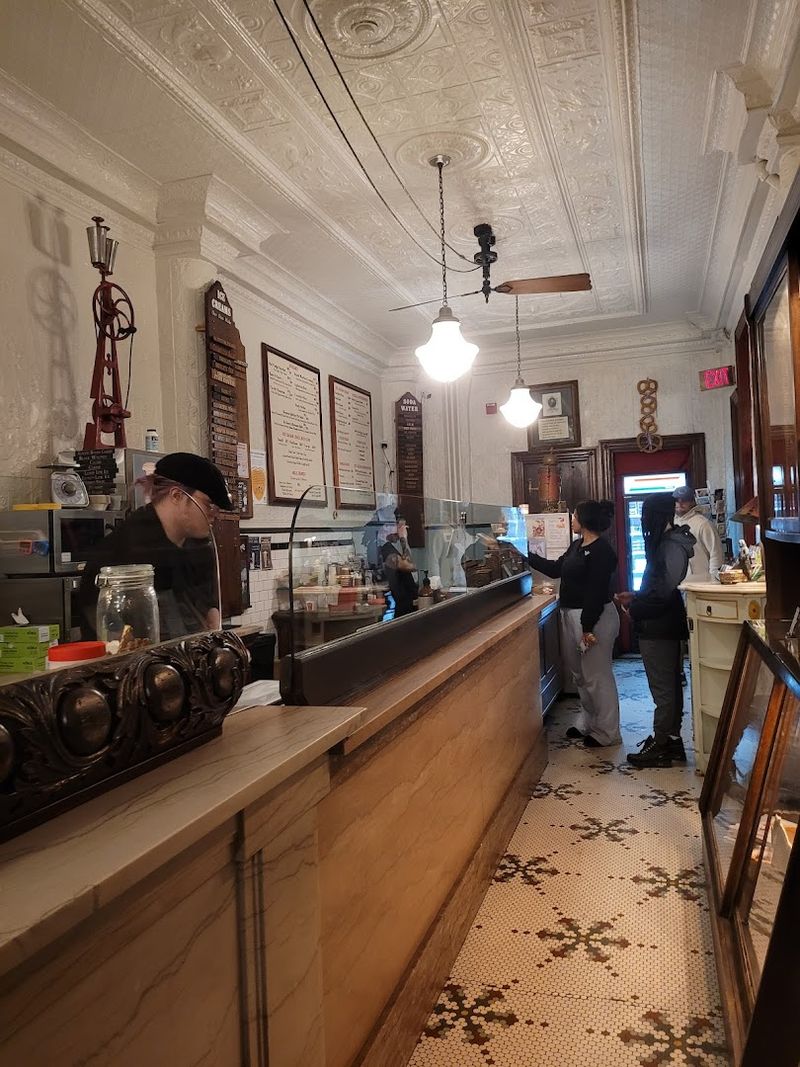
Time travel is not on the menu, but The Franklin Fountain comes unusually close. In Philadelphia, the shop commits to a turn-of-the-century soda fountain format with period uniforms, historic presentation, and recipes that draw from older methods instead of merely borrowing the look.
The details could have slipped into theme-park territory, yet the operation stays grounded because the ice cream and hand-spun sodas are taken seriously. Service style, menu design, and preparation all support the central idea that traditional technique is worth preserving in full view.
That makes a visit feel more substantial than a cute photo stop. You are seeing a business that understands history as a working system, not just decoration on the wall.
The Franklin Fountain stands out because it connects craftsmanship with context, letting the old-fashioned approach shape everything from the counter rhythm to the final scoop. The result is charming, yes, but also impressively disciplined and clear about its mission.
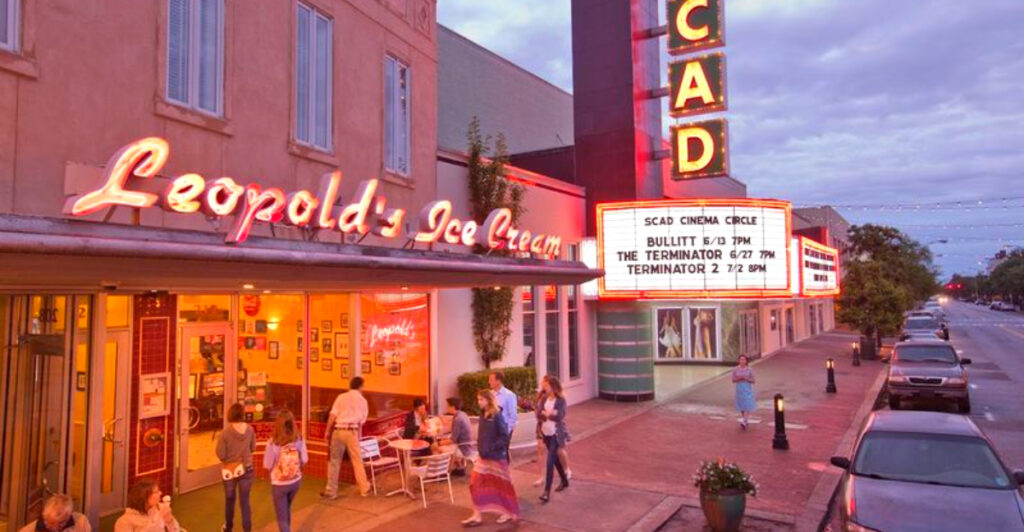
7. Leopold’s Ice Cream – Savannah, Georgia
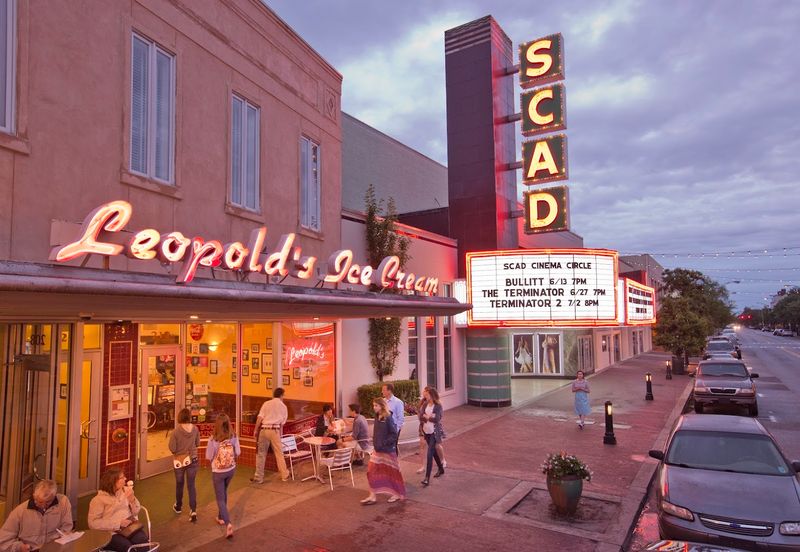
Few places commit to the soda fountain playbook as confidently as Leopold’s, where the old-fashioned format is still the main event rather than a costume. Since 1919, this Savannah favorite has built its reputation on small-batch production, a polished retro counter, and recipes that continue to pull in regulars and curious newcomers.
The menu balances classic flavors with house specialties, and the shop keeps the experience focused on the ice cream instead of turning everything into a social media stunt. You can see why the place endures: the operation feels organized, practiced, and rooted in routines that reward patience.
Leopold’s also benefits from real continuity. The vintage details are charming, sure, but the stronger point is that the ice cream still earns the attention on its own merits, with handcrafted methods and dependable execution that make the whole stop feel less like nostalgia and more like standards done properly.
8. Graeter’s – Cincinnati, Ohio

Some shops talk about tradition, while Graeter’s can point to a machine and say, there it is. The Cincinnati institution still uses the rare French Pot process, producing only a few gallons at a time, which gives the ice cream its famously dense character and keeps the method central to the brand.
That limited-batch system is wonderfully inconvenient in the best possible way. It demands more attention, slows production, and preserves a texture that larger industrial methods struggle to imitate, especially when the goal is character rather than maximum output.
Graeter’s longevity comes from making that hard path part of everyday business instead of a special promotional talking point. You can walk in for a simple scoop and still be tasting a process that refuses to disappear.
For anyone interested in old-school ice cream as actual technique, not just retro packaging, Graeter’s belongs high on the list because the equipment, the scale, and the final product all tell the same story clearly.
9. Jeni’s Splendid Ice Creams (Original Craft Model) – Columbus, Ohio
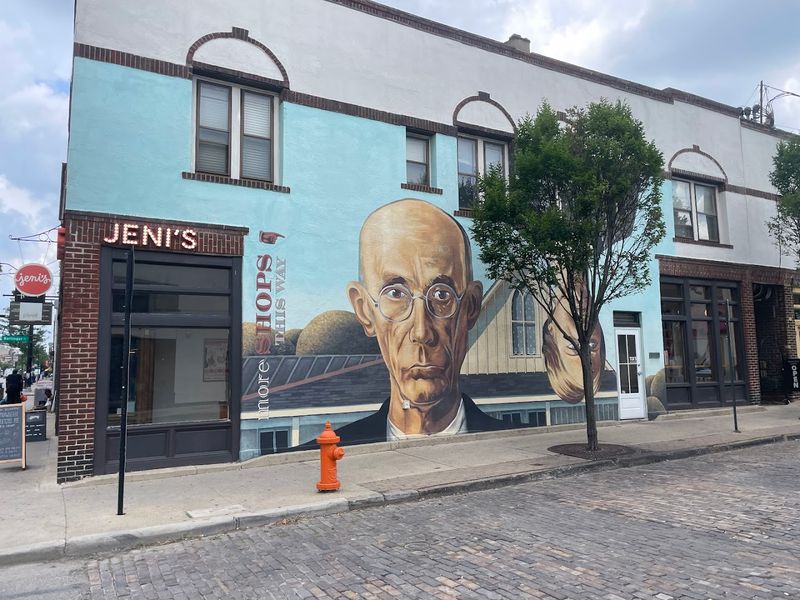
Before national expansion entered the picture, Jeni’s built its reputation on a craft model that took ingredients and method seriously. That origin story still matters, because the Columbus roots were shaped by an artisan approach to dairy, bold flavor development, and small-batch discipline.
The shop helped broaden expectations for what modern American ice cream could be, but the original appeal was never just novelty. Better ingredients, focused recipes, and thoughtful production gave the flavors structure, which is a much sturdier foundation than hype and colorful packaging alone.
That early commitment earns Jeni’s a place in this lineup, especially when you look at the company through its starting principles rather than its current footprint. The old-school connection here is about craftsmanship adapted for a newer audience, not nostalgia for soda fountains or striped paper hats.
You are seeing how careful methods can launch something bigger without erasing the hand-built standards that made people pay attention in the first place.
10. Whitey’s Ice Cream – Moline, Illinois
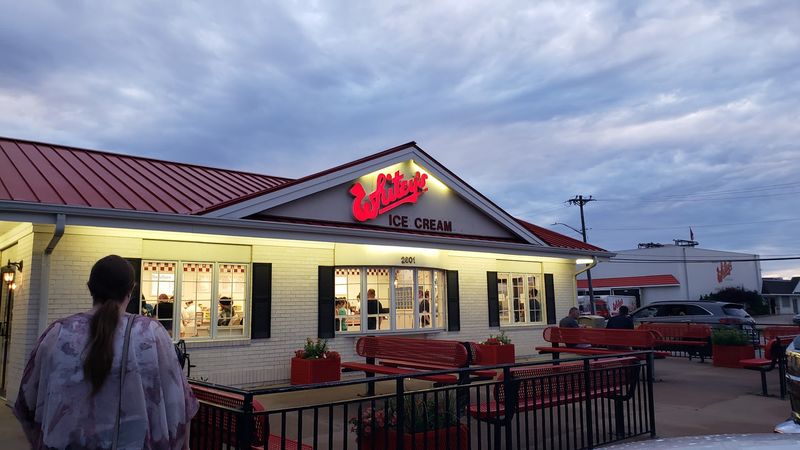
Family ownership still means something at Whitey’s, especially when the business has been doing this since 1933. In Moline, the shop remains known for rich, custard-style ice cream, generous portions, and the kind of consistency that turns a local stop into a multigenerational habit.
The menu does not need to reinvent itself every season to stay relevant. Instead, Whitey’s relies on a traditional style, dependable production, and a clear understanding that many people return because they want the same quality they remember from years ago.
That loyalty is hard to build and even harder to keep. Shops with this kind of staying power usually get there by respecting process, training staff well, and resisting the temptation to dilute the original formula in the name of convenience.
Whitey’s keeps its old-school status through persistence more than spectacle, which may be the most traditional move of all. Sometimes the smartest business plan is simply making very good ice cream, over and over again.
11. Mitchell’s Ice Cream – Cleveland, Ohio
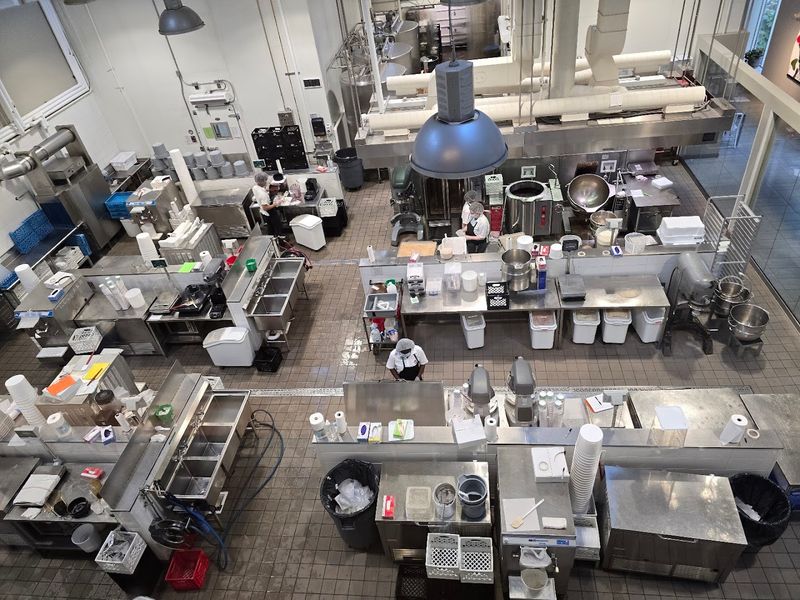
Mitchell’s makes a strong case for letting people see the work behind the scoop. In Cleveland, the shop is known for using fresh local dairy and handling production in-house, including pasteurizing and churning, which gives the entire operation a level of transparency that feels refreshingly direct.
That setup reinforces the old-school spirit better than any vintage sign could. When a creamery controls more of the process itself, the menu reflects real production choices rather than marketing language, and customers get a clearer sense of what careful craftsmanship actually involves.
The in-house model also keeps Mitchell’s closely tied to its region. Local sourcing is not just a slogan here, because the dairy relationship affects quality, freshness, and the identity of the final product.
You are looking at a place that treats ice cream as a made thing, not a finished item that appears from somewhere else. That distinction is exactly why Mitchell’s belongs on a list like this.
12. The Charmery – Baltimore, Maryland
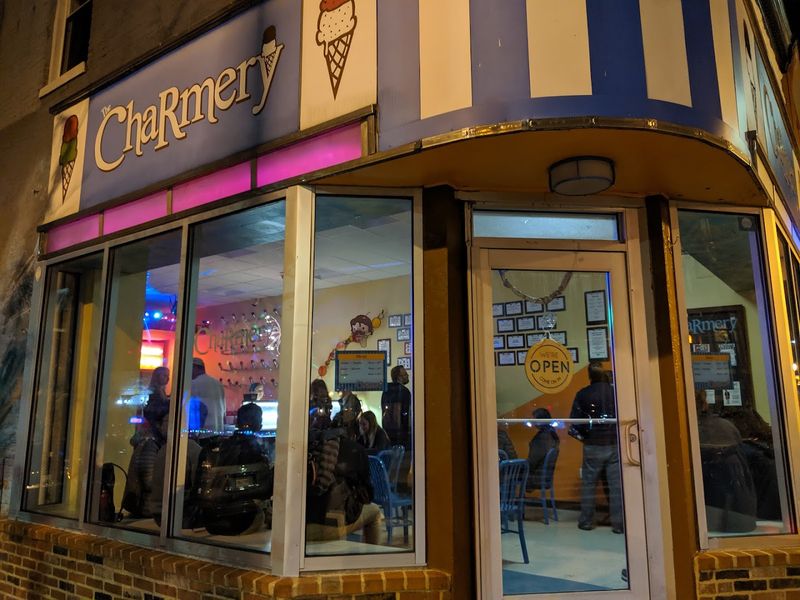
Neighborhood loyalty carries a lot of weight, and The Charmery has earned plenty of it in Baltimore. The shop makes small-batch ice cream by hand and keeps its identity closely tied to the surrounding community, which gives the place a strong local backbone beneath its playful personality.
That neighborhood focus helps the old-school methods land in a very current way. Handmade production, thoughtful flavor development, and a visible connection to local routines create the kind of trust that turns a dessert stop into part of the weekly pattern for nearby residents.
The Charmery works because it does not confuse being fun with being careless. Behind the cheerful energy, there is clear discipline in the batch process and a commitment to making ice cream that reflects place rather than chasing anonymous scale.
You can feel that balance in the menu and the service style. It is a modern neighborhood shop with an older craft heartbeat, which is exactly the combination that keeps traditional methods alive without freezing them in time.
13. Lappert’s Ice Cream – Hanapepe, Hawaii
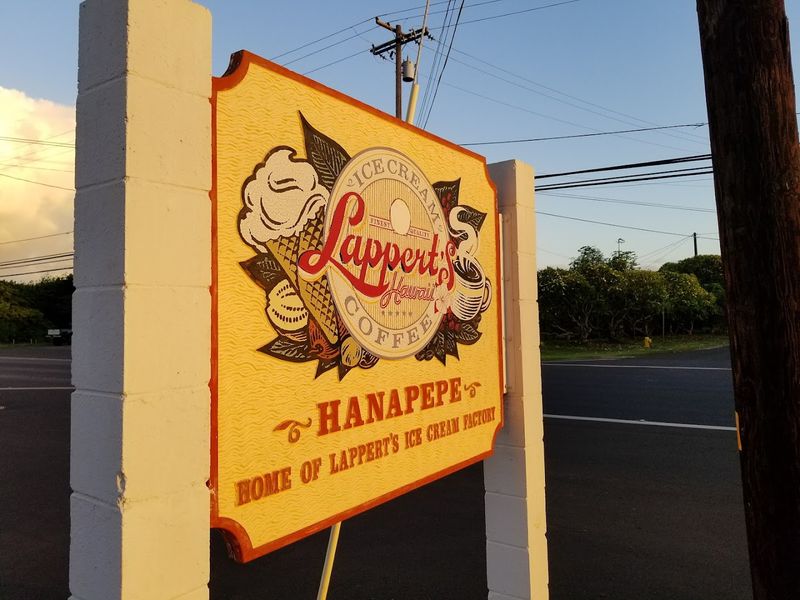
Island flavors get the handmade treatment at Lappert’s, where the small-town roots still shape the shop’s appeal. What began as a local operation in Hanapepe became known for ultra-rich ice cream and distinctive regional flavors that feel connected to Hawaii rather than copied from a mainland template.
That sense of place is the big draw. Instead of relying only on familiar standards, Lappert’s built identity through ingredient choices and recipe decisions that highlight local character while keeping the production style grounded in traditional creamery values.
The old-school part is not just about age or location, but about refusing to make the product generic. Richness, careful small-batch attention, and a clear regional point of view help the shop stand apart in a category where sameness can creep in quickly.
You come away with more than a cold dessert and a vacation photo. Lappert’s offers a reminder that handcrafted ice cream can also function as local storytelling, provided the craftsmanship is strong enough to support the tale.
14. Brown Dog Ice Cream – Cape Charles, Virginia
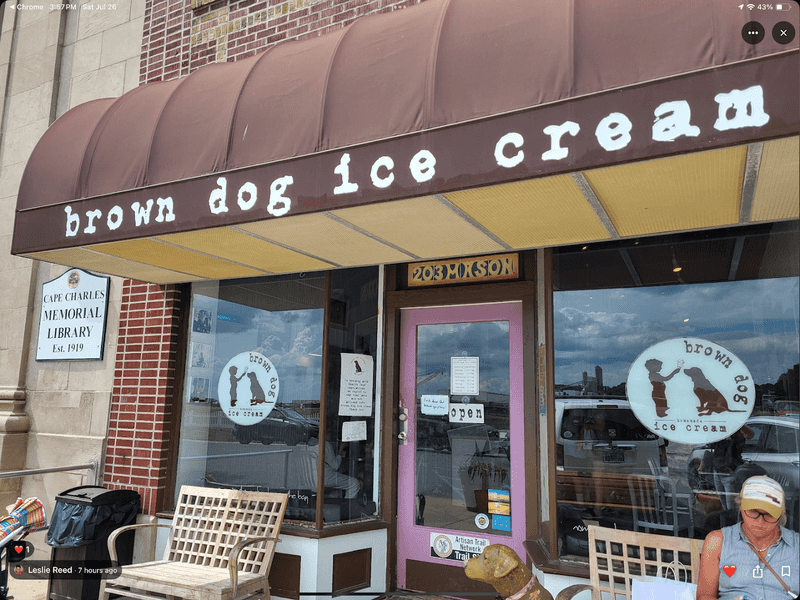
Scratch-made ambition keeps Brown Dog interesting, and that matters in a world full of copycat flavor boards. In Cape Charles, the shop has earned attention for creative combinations made entirely from scratch, proving that old-school craftsmanship does not require a strictly old-fashioned menu.
The key is that the creativity rests on process, not shortcuts. Bases, mix-ins, and final flavors are treated like parts of the same careful system, so even unusual scoops feel built rather than assembled from convenient store-bought pieces.
That discipline makes Brown Dog fit naturally beside much older names. It honors the hard-way tradition through labor, attention, and an obvious refusal to cut corners just because customers might never notice.
In fact, people usually do notice, especially when a small shop takes the time to make everything itself and still keeps the results balanced and clear. Brown Dog shows that craft can stay playful without becoming chaotic, and that is a very respectable trick in the ice cream business.
Share this story