Ireland is famous for its green hills, ancient castles, and cozy pubs, but the country is hiding so much more beneath the surface. Some of the most jaw-dropping spots never make it onto the typical tourist checklist, and that is honestly their greatest charm.
From underground caves with dark histories to secret city gardens, these 13 attractions have a way of catching even seasoned travelers completely off guard. Pack your curiosity along with your rain jacket, because this list is about to take you somewhere you did not see coming.
Dunmore Cave, County Kilkenny
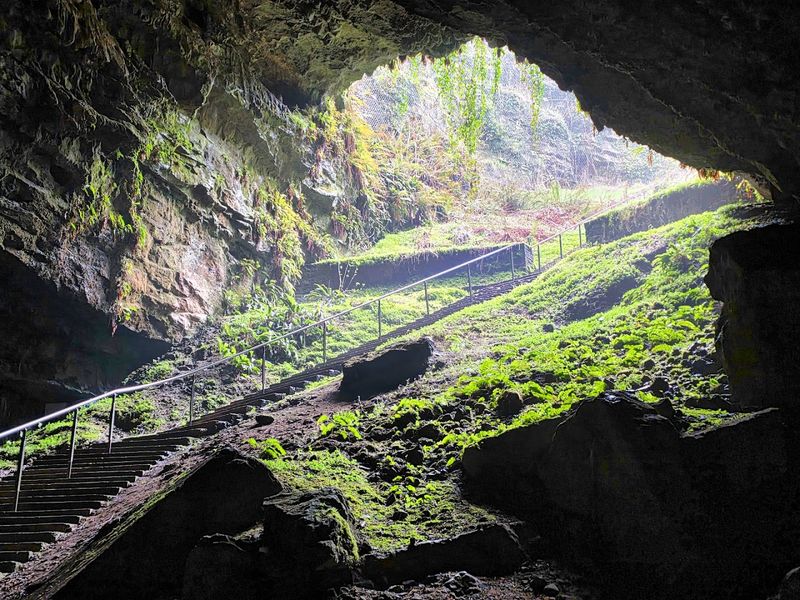
Underground Ireland has a dark side, and Dunmore Cave might be its most dramatic chapter. Hidden beneath the Kilkenny countryside, this limestone cave is packed with stunning calcite formations that have been growing for millions of years.
The stalactites and stalagmites look like something from a fantasy novel.
What makes Dunmore genuinely unforgettable is its grim past. According to the Annals of the Four Masters, a Viking massacre took place here in AD 928.
Archaeologists have found human remains inside, which confirms the story is not just legend.
When I first read about the massacre, I honestly got chills before even arriving. The cave is well-lit and guided tours run regularly, so it is completely accessible for most visitors.
It sits just outside Kilkenny city, making it an easy half-day detour. Few places manage to combine natural wonder with genuine historical horror quite so effectively.
Corlea Iron Age Roadway, County Longford
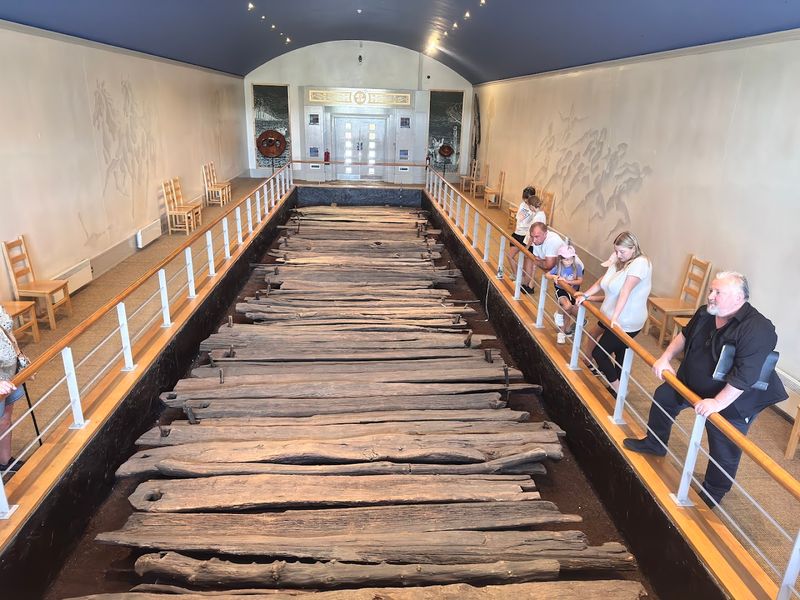
County Longford is not exactly on most Ireland itineraries, which is exactly why Corlea keeps surprising people. Buried deep in the boglands, this site preserves part of a massive oak road built in 148 BC.
That is over 2,000 years old and still largely intact.
Corlea is recognized as Europe’s largest discovered Iron Age bog road, which is a title that deserves far more attention than it gets. The preserved section on display inside the visitor centre stretches 18 meters and sits in a specially humidity-controlled room to prevent it from cracking.
The engineering is genuinely impressive for any era.
Bogs are remarkable natural preservers, and Corlea is proof of that in the most spectacular way. The visitor centre does a brilliant job of explaining how the road was built, who built it, and why it was abandoned.
For history fans who love the unusual, this one is an absolute must.
Céide Fields, County Mayo
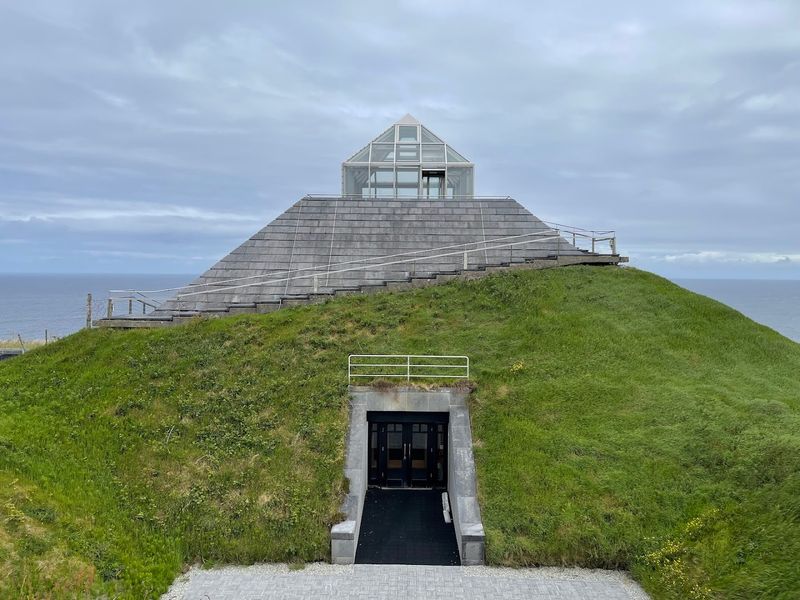
Standing on a windswept bog in north Mayo and realizing you are above the world’s most extensive Stone Age monument is a genuinely surreal experience. Céide Fields contains ancient field systems, walls, and tombs dating back almost 6,000 years, all preserved beneath the peat.
Heritage Ireland describes it as the most extensive Stone Age monument in the world, which puts every other Neolithic site in a slightly humbling perspective. The landscape looks deceptively simple from above, but what lies beneath is an entire farming community frozen in time by the growing bog.
The pyramid-shaped visitor centre perched on the cliff edge is worth the trip alone. Staff use long probes to show visitors exactly where ancient walls are hiding just below the surface, which is one of the most hands-on archaeological experiences available anywhere in Ireland.
The Atlantic backdrop does not hurt either. Honestly, Mayo deserves more credit than it gets.
Lough Gur, County Limerick
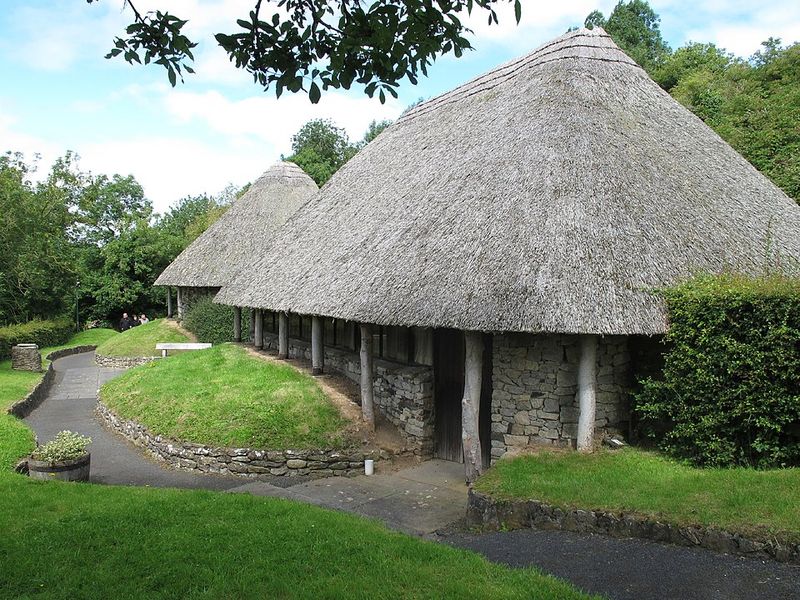
Lough Gur is the kind of place that makes you feel like you have stumbled into a history book by accident. The site holds Ireland’s largest and oldest stone circle, and the wider landscape carries evidence of 9,000 years of continuous human settlement according to Heritage Ireland.
That number is staggering.
The stone circle itself is beautifully preserved and completely open to visit. Unlike some prehistoric monuments that feel roped-off and distant, Lough Gur lets you walk right up and stand among the stones.
It is quietly powerful in a way that does not need much fanfare.
The lake adds a genuinely scenic dimension that separates this site from purely archaeological stops. Local mythology is rich here too, with stories of a chieftain cursed to ride the lake forever.
Whether or not you believe the legends, they add a wonderful layer of atmosphere. Lough Gur folds myth, history, and natural beauty into one remarkably easy visit.
Dún Aonghasa, Inis Mór, County Galway
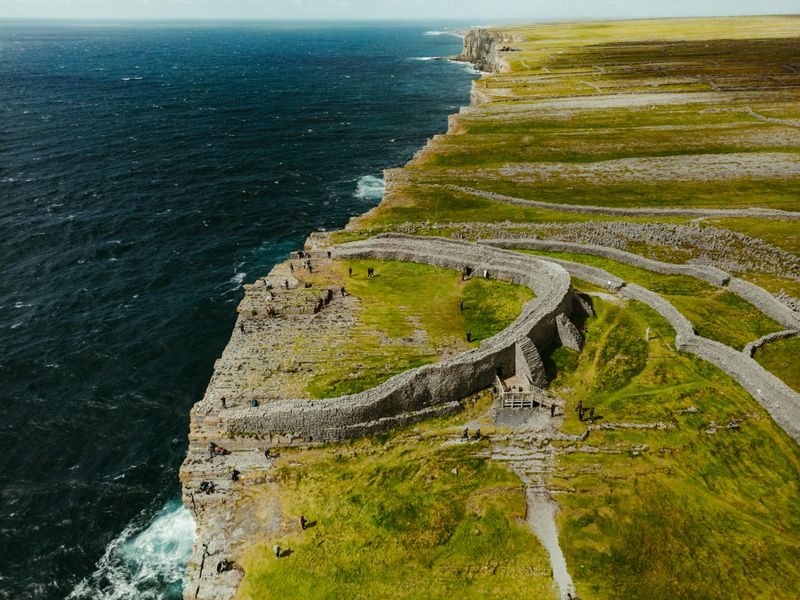
Perched on the edge of sheer Atlantic cliffs with nothing but ocean beyond, Dún Aonghasa is the kind of place that stops you mid-sentence. Heritage Ireland calls it one of western Europe’s most magnificent stone forts, and after visiting, it is very hard to argue with that description.
The fort sits on Inis Mór, the largest of the Aran Islands, and reaching it requires a short but rewarding uphill walk from the visitor centre below. The final approach, crawling on hands and knees to peer over the cliff edge, is both terrifying and completely unforgettable.
There are no safety railings. That is deliberate.
Archaeological evidence shows prehistoric metalworking happened here, along with later refortification, meaning this site was important across multiple eras. The ferry crossing from Rossaveel adds to the whole adventure.
Inis Mór itself is worth at least a full day, and Dún Aonghasa is the undisputed headline act of the island.
Carrowmore Megalithic Cemetery, County Sligo
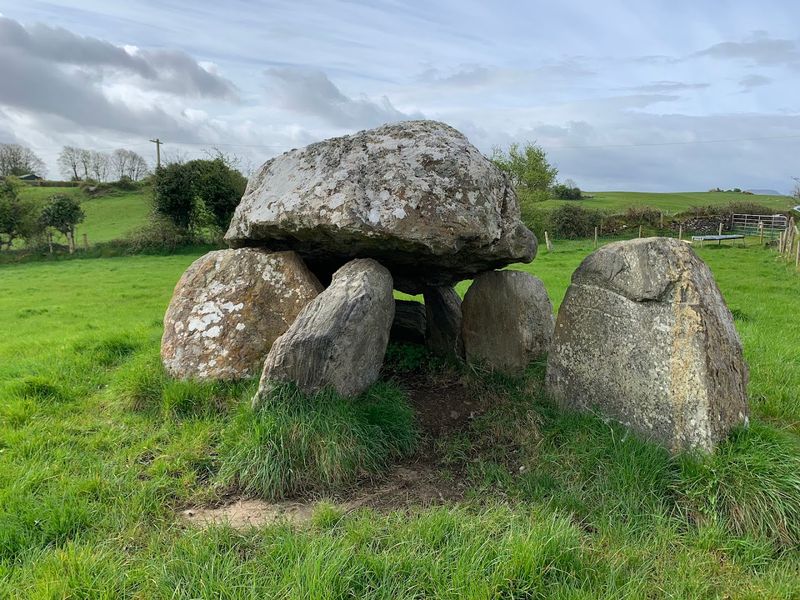
Most ancient burial sites feel a bit enclosed, but Carrowmore does the opposite. Spread across an open valley in County Sligo, this cemetery contains more than 30 surviving megalithic monuments and feels more like a prehistoric park than a graveyard.
It is remarkably peaceful.
Heritage Ireland describes Carrowmore as the largest and oldest collection of Neolithic tombs in Ireland, with some monuments dating back over 5,800 years. That makes it older than Newgrange, a fact that surprises almost everyone who visits.
The scale of the site only becomes clear once you start walking between the individual tombs.
Queen Maeve’s cairn on the summit of Knocknarea looms over the whole valley, adding a mythological backdrop that feels almost theatrical. Carrowmore is also refreshingly uncrowded compared to better-known sites.
Entry is affordable and the visitor centre gives solid context before you head out. For sheer prehistoric atmosphere without the crowds, Sligo is wildly underrated.
The Blasket Centre, County Kerry
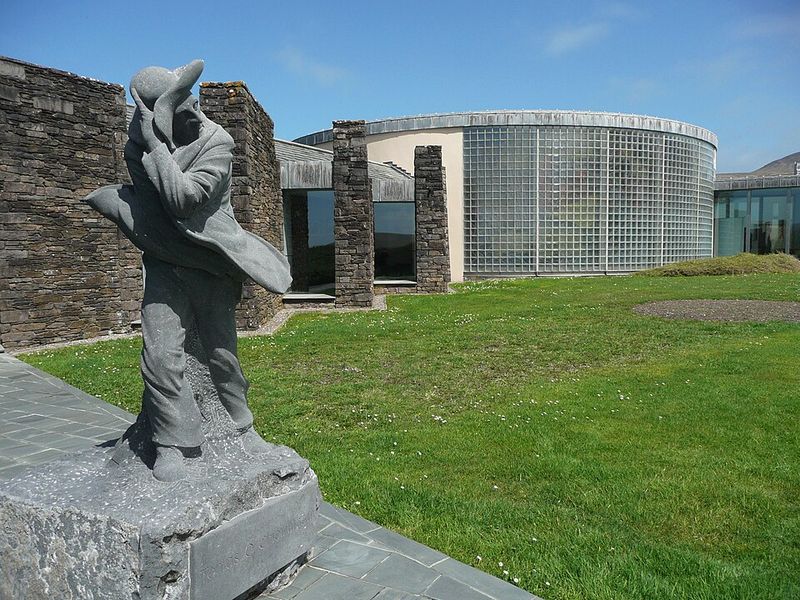
Kerry gets plenty of visitors, but most of them drive straight past Dunquin chasing the next scenic viewpoint. That means the Blasket Centre, one of the most emotionally affecting museums on the entire island, is often overlooked.
Their loss, honestly.
The centre tells the story of the Irish-speaking community that lived on the Blasket Islands until their final evacuation in 1953. These islanders produced an extraordinary body of literature given their small numbers, and the museum brings their voices back to life through photographs, artifacts, and first-person accounts.
It is genuinely moving.
Heritage Ireland notes that the building itself is architecturally remarkable, designed to frame views of the islands across the water. On a clear day, you can see the Great Blasket from the windows, which makes the stories inside feel immediate rather than historical.
Allow at least two hours here. Visitors who skip it for another cliff view are missing something far more lasting.
Ilnacullin (Garinish Island), County Cork
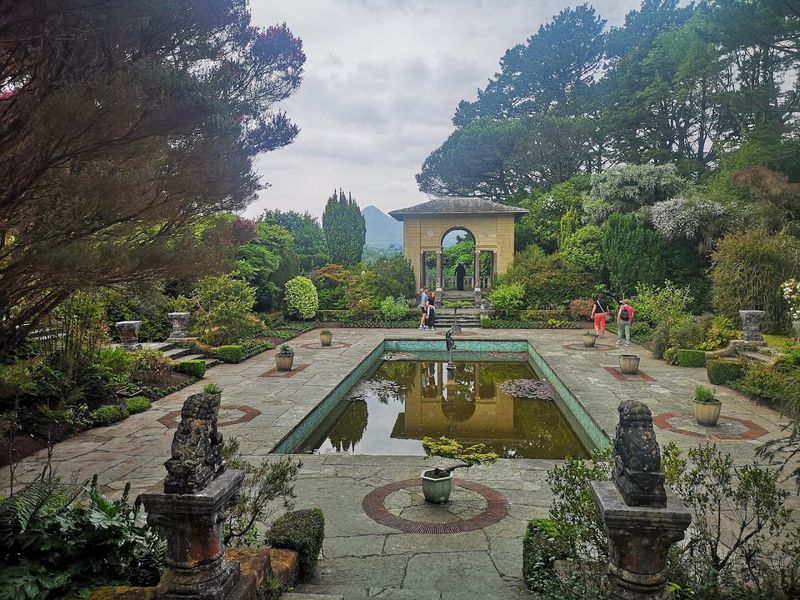
An island garden in Bantry Bay sounds like someone made it up, but Ilnacullin is absolutely real and absolutely worth the short boat ride. Heritage Ireland describes it as an island garden of rare beauty filled with horticultural and architectural surprises, which is one of the more accurate official descriptions you will ever read.
The garden was created in the early 20th century by Annan Bryce and garden designer Harold Peto, who transformed a rocky island into an Italian-inspired landscape complete with a classical pavilion and walled gardens. The mild Gulf Stream climate allows plants from around the world to thrive here that would never survive on the mainland.
Seals often lounge on the rocks near the boat landing, which gives the whole trip an unexpectedly wildlife-friendly opening act. The island is small enough to explore fully in a couple of hours.
Combining Ilnacullin with a drive around the Beara Peninsula makes for one of the best underrated days out in all of Cork.
Birr Castle Demesne, County Offaly
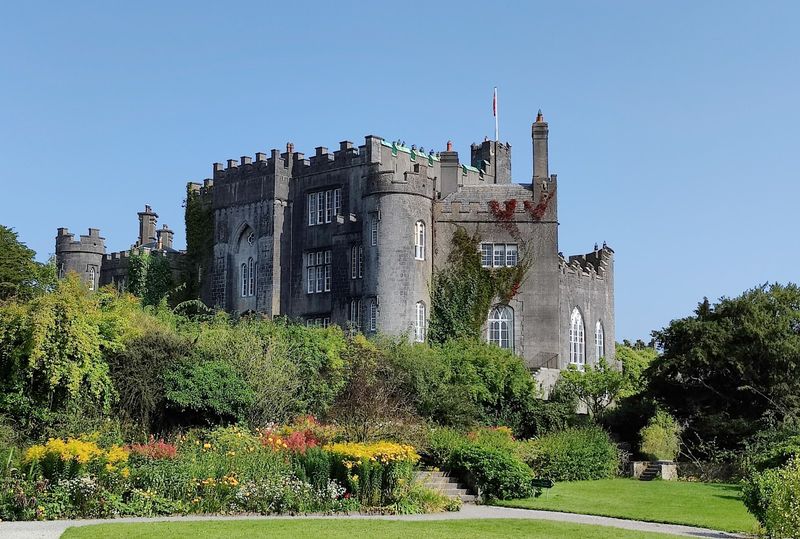
County Offaly does not always get the spotlight, but Birr Castle Demesne is quietly one of the most interesting estates in the entire country. It blends Victorian science, award-winning gardens, and family-friendly exploration in a way that few heritage sites manage to pull off simultaneously.
The castle grounds are home to the Great Telescope, once the largest in the world, built by the third Earl of Rosse in 1845. That same earl used it to discover the spiral nature of galaxies, which is a genuinely world-changing achievement for a man tinkering in the Irish midlands.
The science centre on site explains the full story brilliantly.
Discover Ireland highlights Birr as one of the country’s truly unique places, and visitors can also climb Ireland’s largest treehouse, which adds a completely different kind of excitement to the day. The gardens feature over 1,000 species of trees and shrubs.
Birr is the rare attraction that works equally well for curious adults and easily bored kids.
Mizen Head Visitor Centre and Signal Station, County Cork
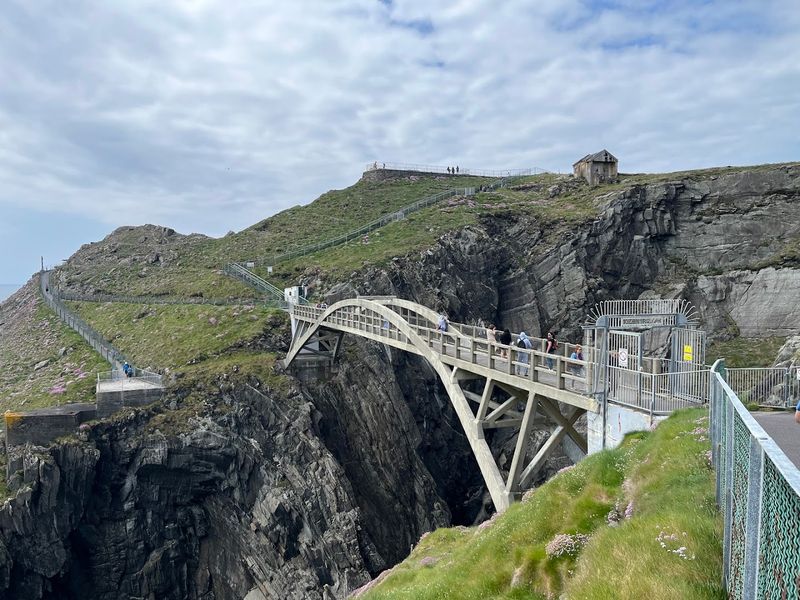
Standing at the very southwestern tip of Ireland with Atlantic waves crashing far below is the kind of experience that recalibrates your sense of scale. Mizen Head delivers exactly that, plus a signal station, a dramatic footbridge, and views that stretch toward nothing but open ocean.
The site’s official visitor centre confirms current opening hours and guided access to the signal station, which was built in 1909 and operated until automation took over. Walking across the iconic arched footbridge suspended above the churning water below is the highlight for most visitors, and it genuinely earns that reputation.
What makes Mizen Head stand out from other coastal viewpoints is the combination of maritime history and raw landscape. It never feels theme-parked or overdone.
The walk along the clifftop path to reach the station takes about 15 minutes and is well maintained. For travelers who want something dramatic without the tour bus crowds, Mizen Head is a consistent overperformer.
Famine Warhouse 1848, County Tipperary
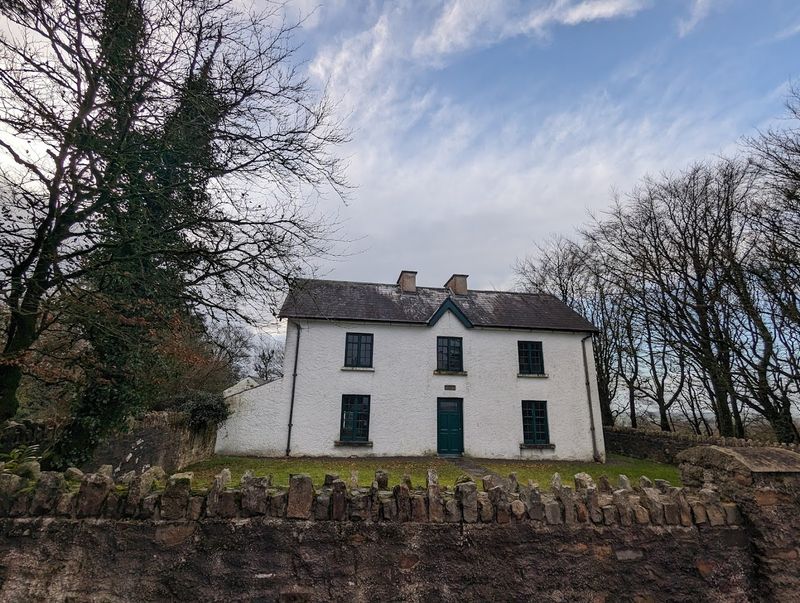
The name alone stops people in their tracks. The Famine Warhouse 1848 in County Tipperary is one of those places where the history is so specific and so layered that it feels completely different from a standard heritage centre.
It does not try to cover everything. It covers one extraordinary moment in detail.
Heritage Ireland explains that the museum tells the story of the Young Irelander Rebellion, the trials and exile of its leaders, and the wider upheaval of the Great Famine era. The rebellion of 1848 is often overshadowed by other events in Irish history, which makes having a dedicated space to explore it genuinely valuable.
The building itself has a raw, honest quality that suits the subject matter. Nothing here feels polished or sanitized.
For travelers who want Irish history beyond round towers and medieval abbeys, this is the kind of stop that lingers long after the drive home. Tipperary is full of surprises, and this one hits hardest.
The Swiss Cottage, County Tipperary
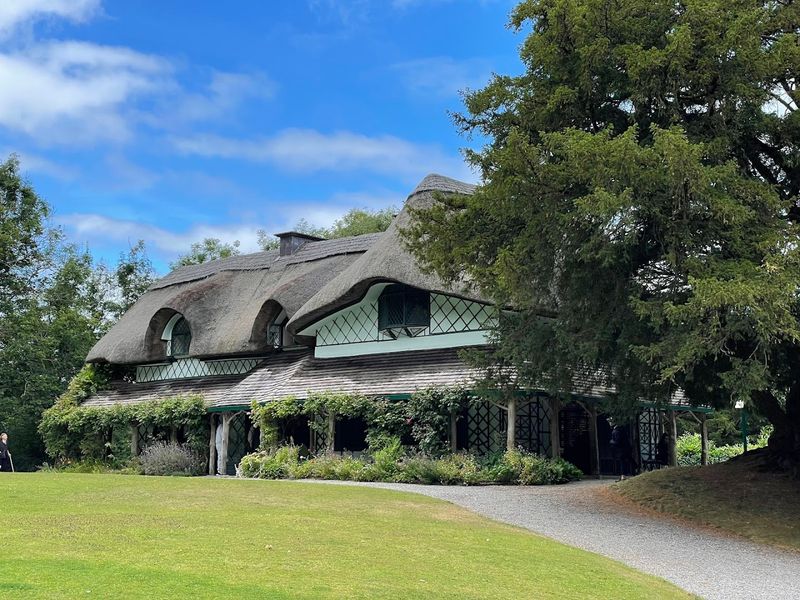
Nothing in Ireland quite prepares you for the Swiss Cottage. Tucked into the Suir Valley near Cahir, this elaborate thatched fantasy looks like it belongs in a fairy tale rather than a Tipperary field.
It was built around 1810 as an aristocratic escape for the Earl and Countess of Glengall.
Heritage Ireland describes it as a cottage orné and connects it to the celebrated architect John Nash, who also designed Buckingham Palace’s famous facade. The idea was to create a deliberately rustic retreat for picnics, fishing, and elegant socializing while pretending to live simply.
Aristocratic logic at its finest.
The interior is beautifully restored and guided tours bring out the full theatrical charm of the place. Hand-painted French wallpaper, a spiral staircase, and an original music room are among the highlights.
Entry is affordable and it pairs perfectly with nearby Cahir Castle for a full day out. The Swiss Cottage is genuinely one of Ireland’s most underrated architectural oddities.
Iveagh Gardens, Dublin
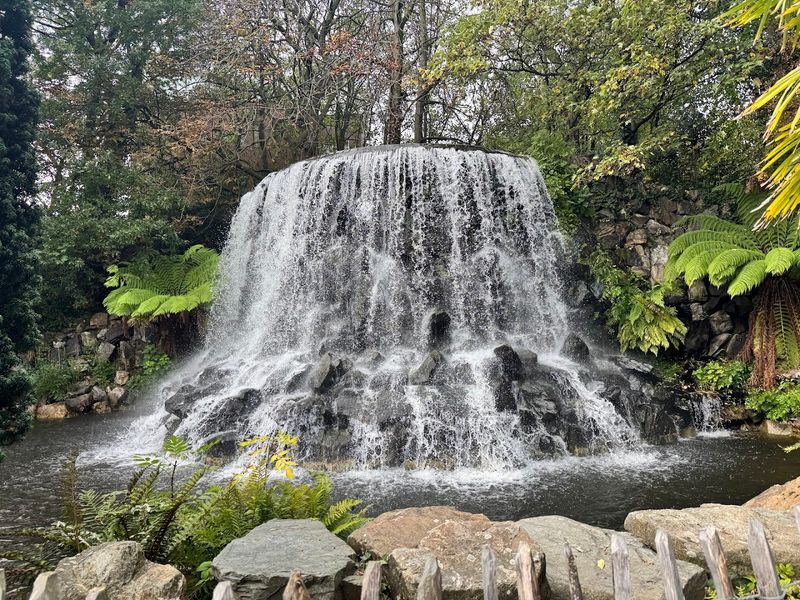
Dublin has no shortage of famous stops, but Iveagh Gardens keeps its head down and lets the big names take the crowds. Tucked behind the National Concert Hall, this walled garden is described by Heritage Ireland as the city’s secret garden, and the label fits perfectly.
The gardens feature grottos, a rustic cascade, sunken lawns, a maze, and fountain features, all designed in the 1860s by Ninian Niven. What makes Iveagh special is how complete the design feels.
Every corner has something deliberately composed, yet the whole place still manages to feel calm and unhurried.
I stumbled in here once while dodging a rain shower and ended up staying for nearly an hour. Entry is free, which makes it one of the best zero-cost experiences in the entire city.
It is open year-round and located a short walk from St. Stephen’s Green. For anyone building an Ireland itinerary around Dublin, Iveagh Gardens is the easiest unexpected addition you will ever make.
Share this story