Movies have a special talent for making the completely impossible look totally believable. From exploding sharks to instant ice ages, Hollywood has given us some of the most dramatic deaths ever put on screen.
Science, however, tells a very different story. Here are 15 unforgettable movie deaths that defy the laws of physics, biology, and chemistry, yet somehow remain some of cinema’s most beloved moments.
1. Titanic (1997) – Jack Freezes to Death
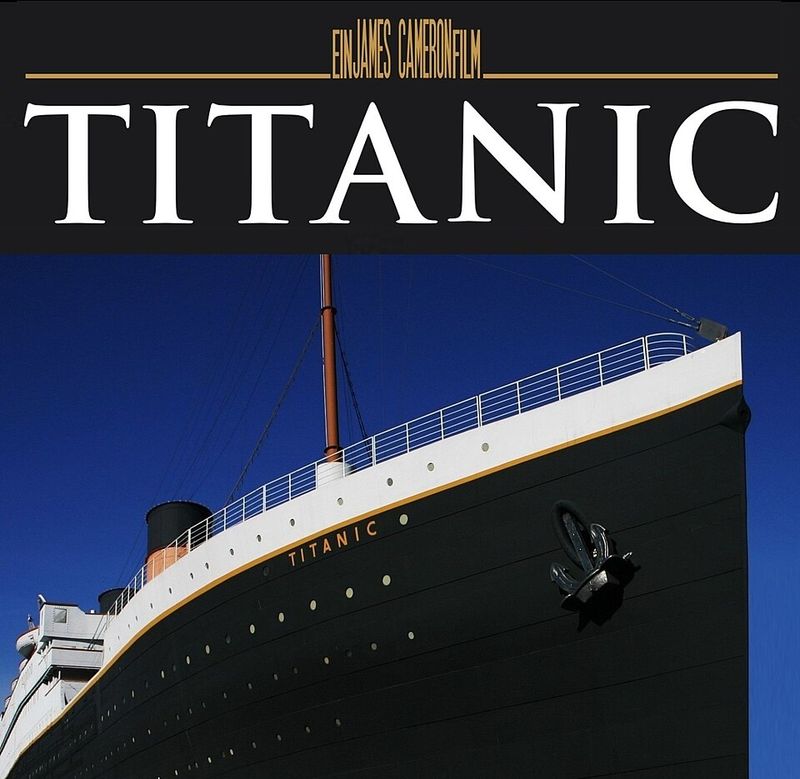
Few movie moments have sparked more debate at dinner tables than Jack Dawson’s fate in Titanic. Rose floats safely on a large wooden door panel while Jack treads freezing water beside her, eventually succumbing to hypothermia.
The problem? That door looks big enough for two people.
Scientists and fans alike have run the numbers. Mythbusters even tested it and found that with the right weight distribution, both characters could have survived.
The real science of hypothermia is brutal but not instant, meaning Jack had more time to problem-solve than the film suggests.
Water at freezing temperatures causes the body to lose heat roughly 25 times faster than cold air. Muscle failure, not unconsciousness, comes first.
Jack’s dramatic, peaceful slipping away is more poetic than accurate, but honestly, would we trade that scene for a physics lecture? Probably not.
2. Die Hard (1988) – Hans Gruber’s Fall

Hans Gruber’s exit from Nakatomi Plaza is one of the most satisfying villain deaths in action movie history. Alan Rickman’s slow-motion fall, complete with a look of pure shock, has been replayed and celebrated for decades.
There is just one small issue with the whole setup.
In reality, a fall from that height would take roughly three to four seconds. The human brain simply cannot process and display complex emotional reactions in that time frame.
Rickman’s famous expression of dawning horror, while brilliant acting, would be physically impossible at that speed.
Interestingly, the surprise on Rickman’s face was reportedly real. Director John McTiernan had the actor dropped unexpectedly to capture an authentic reaction.
So the emotion was genuine, even if the physics were not. That little filmmaking trick makes the impossible moment feel strangely more human and believable than any scripted expression could.
3. Jaws (1975) – The Exploding Shark
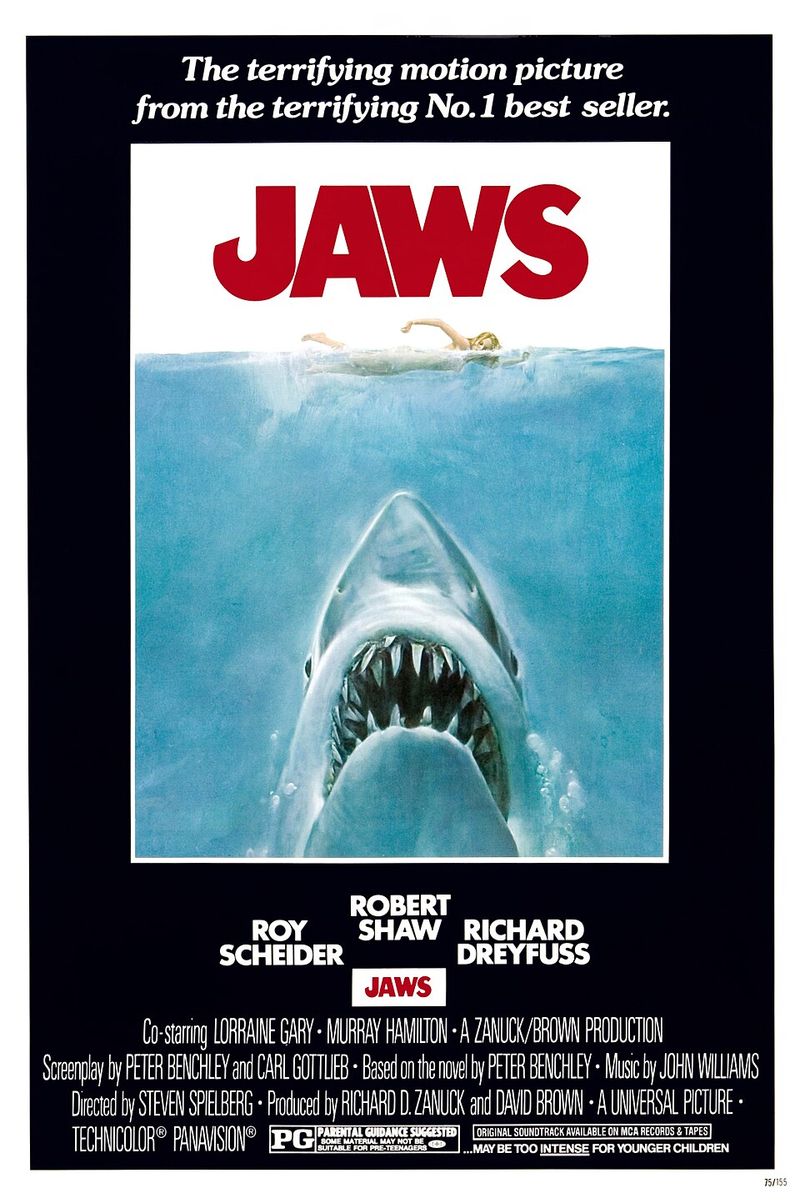
Chief Brody shooting a scuba tank lodged in the shark’s mouth and triggering a massive explosion is one of the most iconic finales in film history. The image of that enormous shark erupting in a fireball is burned into the memory of anyone who grew up watching Jaws.
Science, though, has some notes.
Compressed air tanks, even when ruptured by a bullet, do not explode like bombs. The tank would likely crack, releasing air rapidly and possibly spinning through the water, but there would be no Hollywood-grade fireball.
Fire requires fuel, oxygen in the right mix, and an ignition source, none of which a scuba tank reliably provides underwater.
The myth was thoroughly tested and debunked by multiple sources over the years. Still, director Steven Spielberg needed a satisfying ending, and a quietly leaking tank just does not have the same dramatic punch as a spectacular oceanic explosion.
4. Spider-Man (2002) – Green Goblin’s Glider
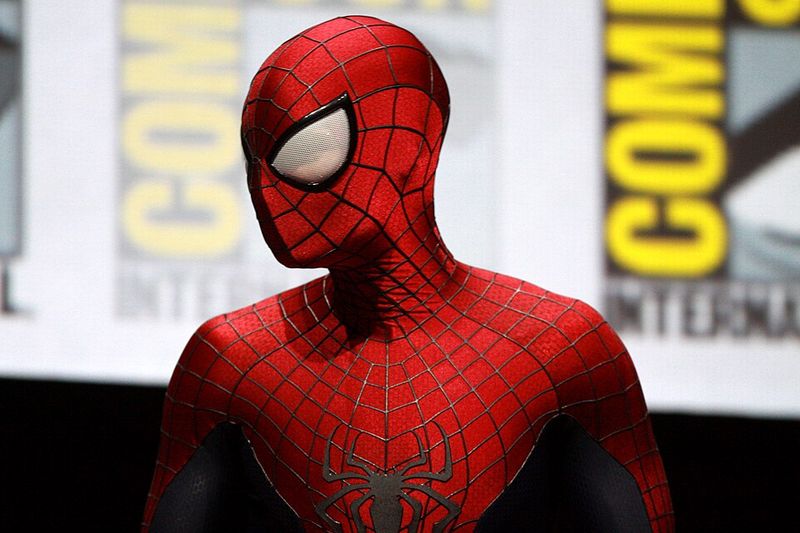
Norman Osborn’s death in the original Spider-Man film is genuinely startling. He sends his remote-controlled glider to attack Peter Parker, but Spider-Man dodges at the last second and the blades slam into Norman himself.
It is a poetic, villain-undone-by-his-own-weapon kind of moment.
Physics has a few objections, though. A fast-moving object with that kind of momentum hitting a human body would generate enormous force, likely throwing the person backward rather than pinning them cleanly in place.
The idea of the glider’s blades perfectly skewering someone at that angle and speed stretches what real impact dynamics would allow.
The scene also glosses over the fact that Norman is wearing a reinforced suit throughout the film. Suddenly that armor offers no protection at all.
Convenient storytelling, perhaps, but it works emotionally. The death feels earned, and that is why audiences have never really complained too loudly about the physics problem lurking underneath.
5. World War Z (2013) – The Zombie Tower
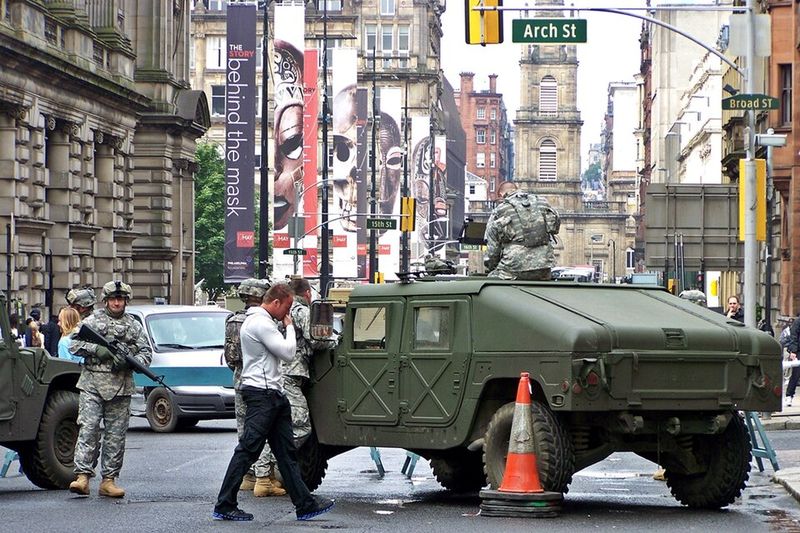
World War Z introduced a new kind of zombie, fast, frantic, and apparently capable of forming spontaneous living towers to scale walls. The sequence where zombies pile on top of each other to climb over a massive barrier in Jerusalem is visually breathtaking and genuinely tense to watch.
Structural engineers, however, would have a field day with this scene. Human bodies are not load-bearing columns.
The weight and movement at the base of such a pile would cause catastrophic collapse almost immediately. Bones, joints, and soft tissue simply cannot support the compression forces that a tower of hundreds of bodies would generate.
Add in the fact that these zombies are constantly thrashing and moving, and you have a recipe for instant structural failure. The scene works beautifully as spectacle and as a metaphor for unstoppable mass behavior.
But as a realistic depiction of physics and anatomy? It collapses under the slightest scrutiny.
6. Terminator 2 (1991) – The T-1000 Melts
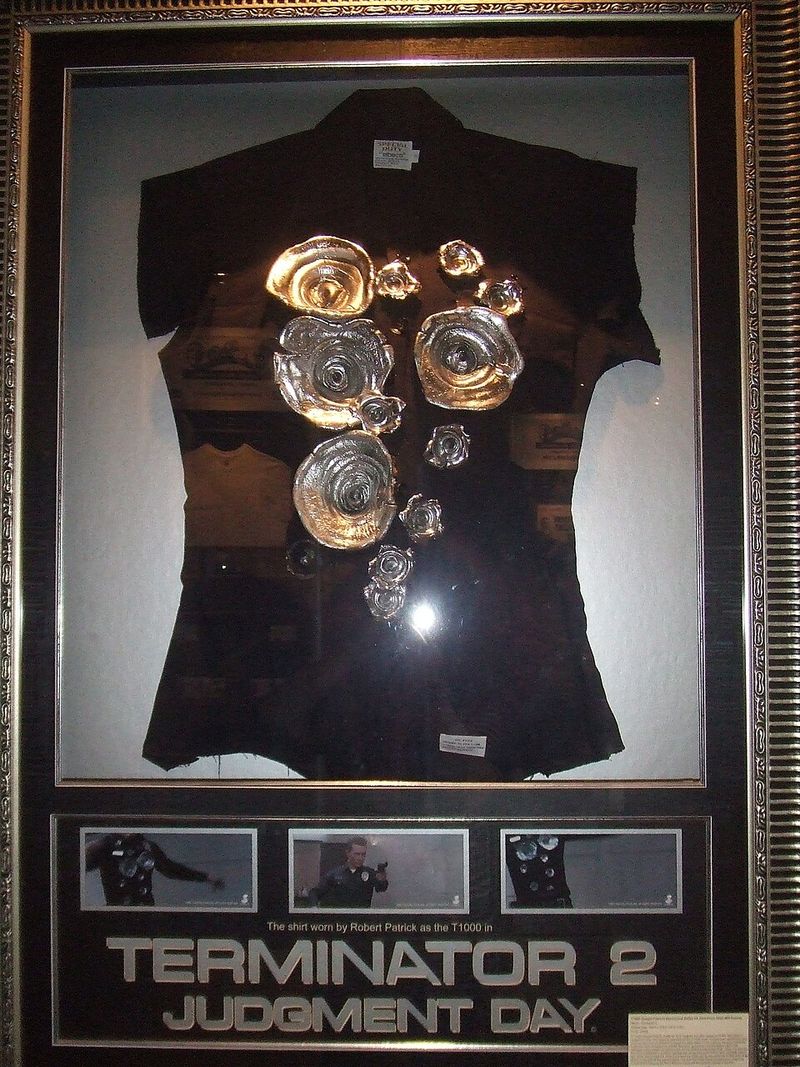
The T-1000’s death in Terminator 2 is a visual masterpiece. Watching that silver shape-shifting villain stumble into molten steel and slowly dissolve while cycling through every form it ever took is genuinely haunting.
James Cameron made it look like the most dramatic possible way for a machine to die.
Real molten metal behaves quite differently from what the film shows. Steel melts at around 1,370 degrees Celsius, and contact with anything at that temperature would cause near-instantaneous destruction, not a slow, expressive melt.
The T-1000 cycles through faces and forms for a surprisingly long time given the temperature involved.
The film’s own logic also gets a bit wobbly here. If the T-1000 can regenerate from bullet wounds and explosions throughout the movie, why does molten steel finally finish it off so completely?
The answer, of course, is that the story needed an ending, and this one is unforgettable.
7. Indiana Jones and the Kingdom of the Crystal Skull – The Nuclear Fridge

Few scenes in modern blockbuster history have generated as much groaning as Indiana Jones climbing into a lead-lined refrigerator to survive a nuclear test blast. The fridge gets hurled miles through the air by the shockwave and tumbles across the desert before Indy steps out looking mildly disheveled.
Audiences were not amused.
The physics problems are enormous. A nuclear shockwave would not gently toss a refrigerator, it would obliterate it.
Even if the fridge somehow survived, the deceleration forces upon landing would be fatal. Lead lining also does not provide meaningful protection from the radiation, heat, and electromagnetic pulse of a nuclear detonation at close range.
Director Steven Spielberg and producer George Lucas actually discussed the fridge scene extensively before filming. They believed audiences would accept it as old-fashioned pulp adventure logic.
They were wrong. The scene became a cultural shorthand for when a beloved franchise pushes its luck just a little too far.
8. Fast and Furious 6 (2013) – The Infinite Runway
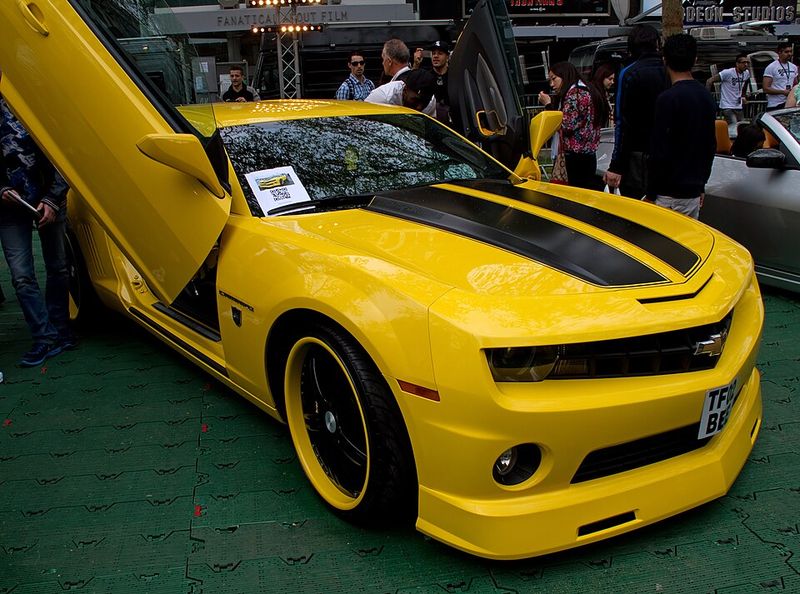
Fast and Furious 6 closes with an extended sequence where the heroes chase a massive cargo plane down a runway to prevent it from taking off. Cars attach to the plane with cables, people swing between vehicles, and the whole thing builds to a dramatic crash.
It runs for roughly 13 minutes of screen time.
Aviation fans did the math almost immediately. A plane of that size and power would reach takeoff speed in roughly 3,500 meters.
The runway in the film, based on the time elapsed and the speeds involved, would need to stretch somewhere between 18 and 28 kilometers. No airport runway on Earth comes close to that length.
The filmmakers almost certainly knew this and simply did not care. The Fast and Furious franchise operates on its own laws of physics, and fans have essentially agreed to go along for the ride.
The runway scene is absurd, thrilling, and completely impossible, all at once.
9. Batman and Robin (1997) – Instant Freeze
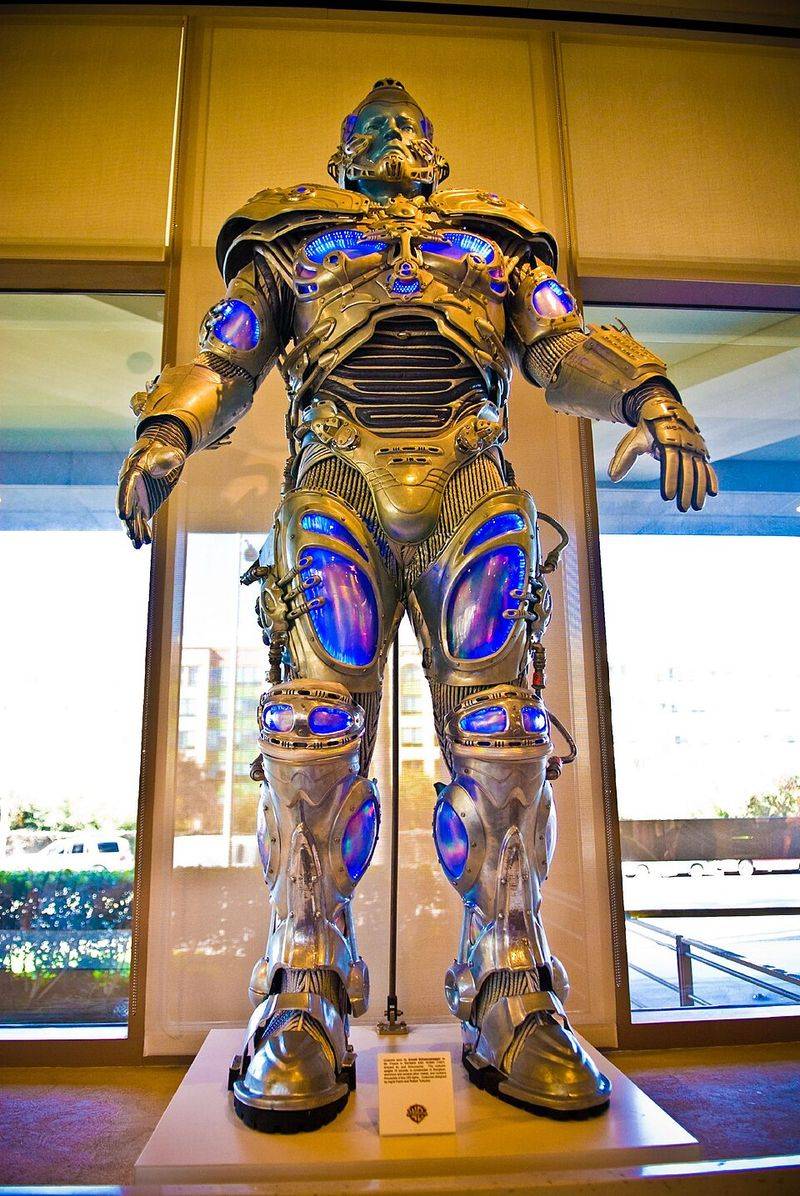
Mr. Freeze is the king of cold puns in Batman and Robin, but his freeze ray also delivers some of the film’s most scientifically creative moments. Characters hit by the ray turn solid in an instant, and at one point a frozen victim shatters dramatically when struck.
The whole thing looks spectacular in a campy, over-the-top way.
Human tissue does not freeze that quickly under any realistic conditions. Cryogenic freezing, even in laboratory settings designed for it, takes careful time and controlled processes.
Flash-freezing a living person solid in under a second would require temperatures far beyond anything a handheld device could produce.
The shattering is even less realistic. Frozen human tissue is more like frozen meat than glass, it does not shatter cleanly into pieces when struck.
But this is a movie with a Bat-credit card and ice skates built into the suit, so perhaps holding it to a scientific standard was never really the point.
10. The Day After Tomorrow (2004) – The Freezing Wave

The Day After Tomorrow commits fully to its disaster premise, and nowhere is that more visible than the scene where a wave of super-cooled air races through New York City, freezing everything it touches almost instantly. People outrun it by climbing stairs, and the cold front stops right at a door.
Dramatic? Absolutely.
Accurate? Not remotely.
Temperature change does not move through space like a physical wave with a defined front edge. Cold air mixes with warm air gradually, not in a sharp boundary that chases people down hallways.
The idea of a freezing front that you could literally outpace on foot defies how atmospheric science works at every level.
Climate scientists were vocal about the film’s liberties when it released. Rapid climate shifts are a real concern, but they occur over years or decades, not hours.
The movie’s heart is in the right place even if its science is not, and the visual spectacle remains genuinely impressive to this day.
11. Star Wars – Force Lightning Deaths

Force lightning is one of Star Wars’ most visually striking weapons, crackling with energy as it slowly overwhelms its victims in dramatic, prolonged sequences. Emperor Palpatine uses it memorably in Return of the Jedi, and it reappears across the saga as a symbol of dark side power and cruelty.
Real electrocution, even at relatively low voltages, causes immediate cardiac arrest and muscle seizure. A sustained blast of electricity powerful enough to visibly arc across a room would kill a person in fractions of a second, not over the course of a long, agonizing scene.
The nervous system simply cannot endure that kind of sustained electrical assault.
Of course, Force lightning is a fictional energy weapon in a galaxy far, far away, so strict real-world physics may not be the most relevant standard. Still, the slow, glowing death it delivers makes for compelling cinema, even if any actual physicist would be shaking their head throughout the entire sequence.
12. The Amazing Spider-Man (2012) – The Lizard Transformation
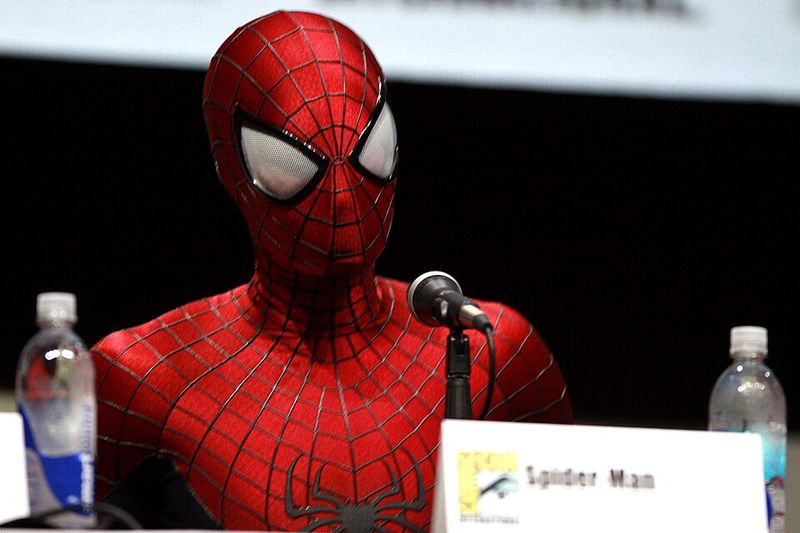
Dr. Curt Connors injects himself with a reptile serum and transforms into the Lizard almost immediately, growing scales, a tail, and a new skeletal structure within seconds. Later transformations happen even faster, and the process reverses just as quickly once the antidote is applied.
It makes for visually exciting sequences throughout the film.
Biology operates on entirely different timescales. Genetic expression, even in cases of rapid mutation, requires cellular replication and protein synthesis that cannot be shortcut.
Growing new bone structure, regrowing a limb, and replacing skin with scales would take at minimum days or weeks under any biological framework science currently understands.
The reversibility is even harder to accept. Antidotes that undo complex structural changes to bone, muscle, and skin in minutes do not exist in any form that real biochemistry recognizes.
The film borrows the visual language of transformation horror from classic monster movies and updates it with modern effects, trading scientific accuracy for pure spectacle.
13. I Am Legend (2007) – The Grenade Sacrifice
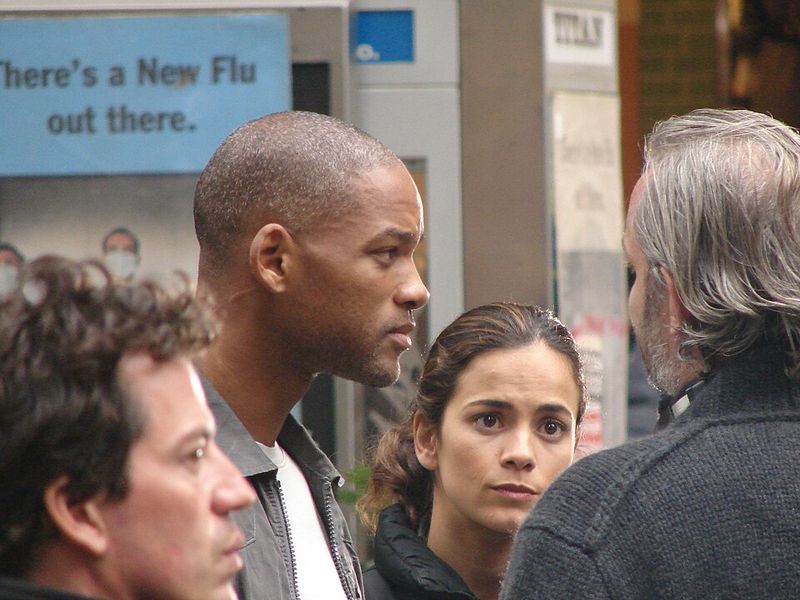
Will Smith’s Robert Neville ends his story by pulling the pin on a grenade while surrounded by a horde of Darkseekers, sacrificing himself to protect survivors hiding behind a thick glass partition. It is an emotionally devastating scene designed to hit hard, and for most viewers, it absolutely delivers that punch.
Grenade blast radius is where the science steps in to complicate things. A standard fragmentation grenade has a lethal radius of roughly five meters, with shrapnel traveling much farther.
The glass partition Neville stands near would not survive that blast, and the room holding the other survivors is well within lethal range.
The original theatrical ending was actually changed from the source material, where Neville’s fate is more ambiguous. The sacrifice ending tests the limits of what a sealed room and a pane of glass can realistically withstand.
Emotionally, the scene works. Physically, everyone in that basement should have been in serious trouble.
14. Armageddon (1998) – Splitting the Asteroid
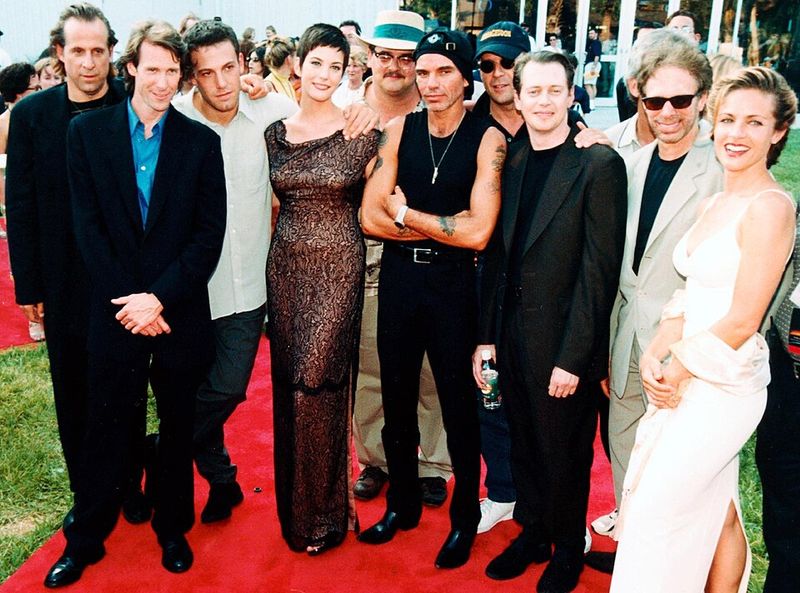
Armageddon sends a team of oil drillers to an asteroid the size of Texas to plant a nuclear bomb and split it in half before it hits Earth. The bomb goes off, the asteroid divides neatly into two pieces that drift safely around the planet, and humanity is saved.
It is rousing, emotional, and built on some genuinely shaky orbital mechanics.
Asteroid composition varies wildly, and most are not solid rocks that cleave cleanly. A nuclear detonation on or inside an asteroid would likely create a chaotic debris field of fragments, not two tidy halves.
Some of those fragments could still be large enough to cause catastrophic damage on impact.
NASA scientists were famously unimpressed with the film’s accuracy when it released. The agency reportedly uses Armageddon as a training exercise, asking employees to identify all the scientific errors in the film.
The current count reportedly exceeds 160 separate inaccuracies, which is almost impressive in its own right.
15. John Wick (2014) – Endless Gunshot Survival
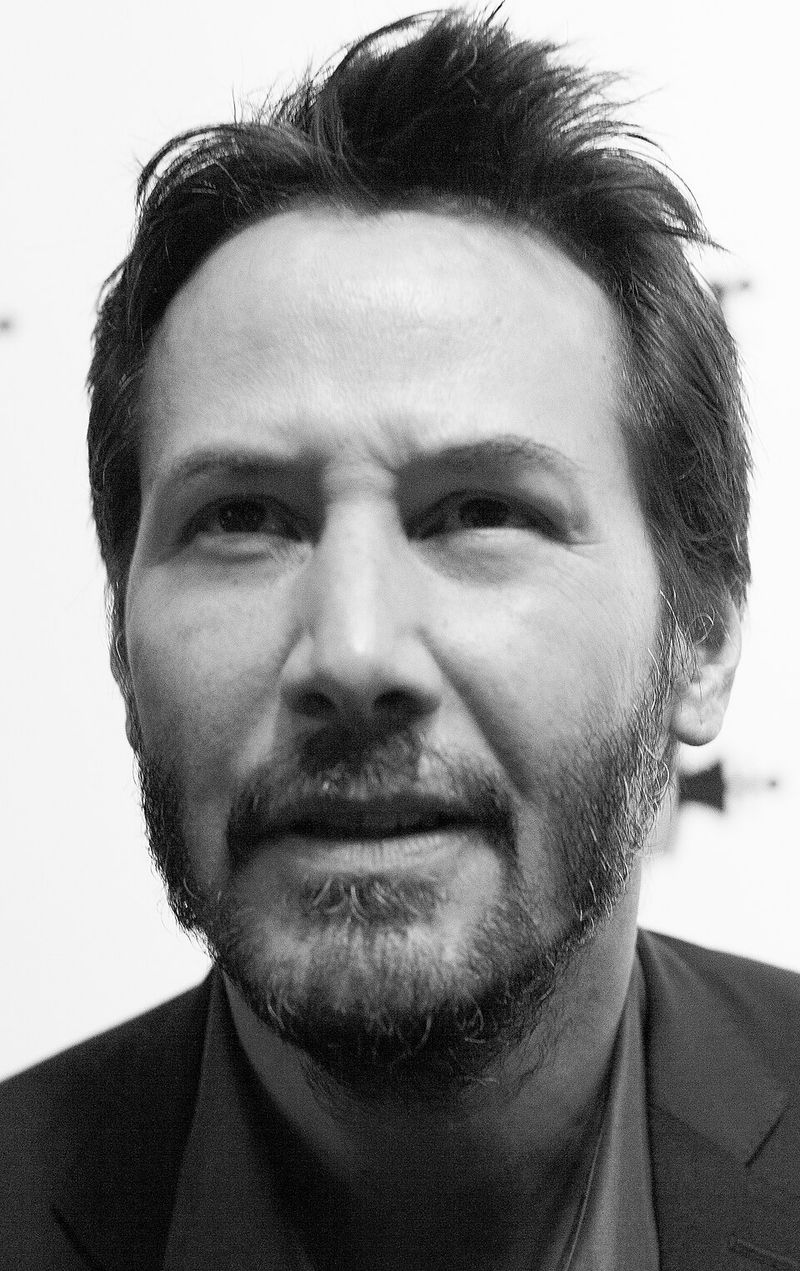
John Wick is a masterpiece of action choreography, and part of what makes it so thrilling is that Keanu Reeves’ character takes damage throughout. He gets shot, stabbed, and thrown around, yet keeps moving with lethal efficiency.
The film earns points for at least acknowledging that he gets hurt, unlike many action heroes who seem bulletproof.
Even so, the survivability of multiple gunshot wounds in the film stretches well past what medicine would consider plausible. A single well-placed round to the torso causes massive blood loss, shock, and organ damage that would incapacitate even the most trained and determined person within minutes, not hours of continued combat.
The franchise has leaned further into this over sequels, with Wick surviving injuries that would be fatal several times over. The films have essentially created their own mythology around his endurance.
Audiences accept it because the action is so beautifully crafted that suspending disbelief feels less like a chore and more like a genuine pleasure.
Share this story