Big museums get the attention, but smaller ones often tell the story better. This list focuses on places where history feels direct, specific, and easier to connect with.
You will find everything from aviation pioneers and sports history to art communities and unexpected local landmarks. Each stop highlights a different piece of American life without the scale or crowds of larger institutions.
What makes these worth visiting is the clarity. They focus on real people and tangible stories, making it easier to understand how those moments shaped the bigger picture.
1. National Soaring Museum – Big Flats, New York
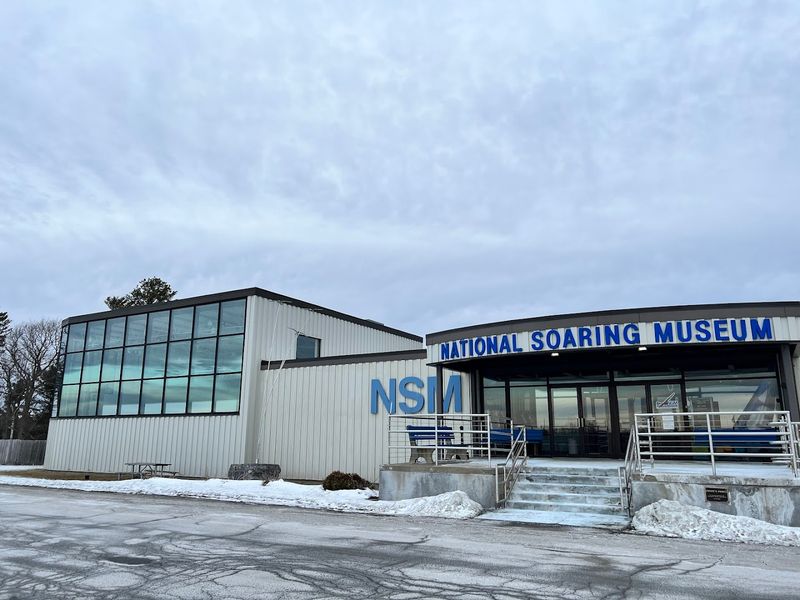
Gravity meets its most polite opponent at this museum devoted to flight without engines. The National Soaring Museum explains how gliders shaped aviation history, competitive sport, and military training, all from a quiet corner of New York.
You can study elegant sailplanes, learn about record-setting pilots, and see how design evolved from early experiments to refined aircraft. The exhibits make technical ideas approachable, so lift, drag, and weather patterns stop sounding like homework.
What stays with many visitors is the human ambition behind silent flight. In a town near Elmira, the museum preserves a very American mix of risk, ingenuity, and stubborn curiosity, which is a pretty impressive payload for something built to stay light.
2. Frontier Times Museum – Bandera, Texas
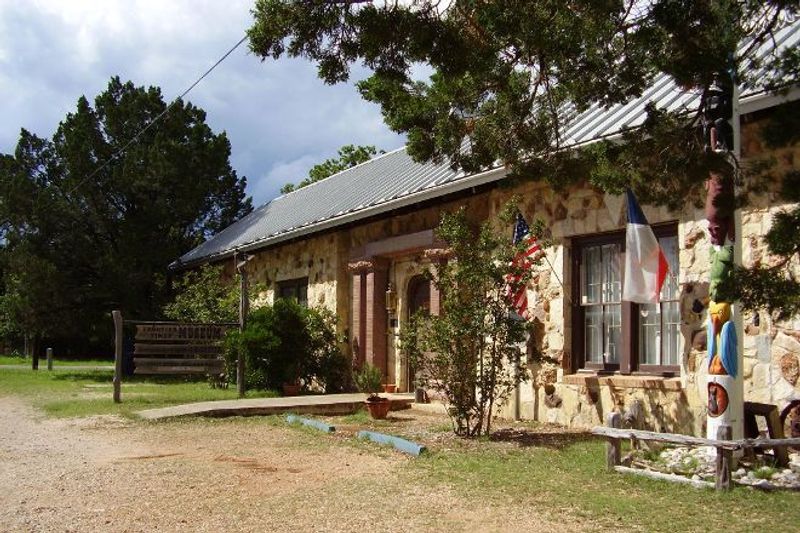
This place wastes no time pretending history was tidy. Frontier Times Museum packs cowboy culture, pioneer artifacts, newspaper oddities, and enough frontier lore to keep your eyebrows raised for an entire visit.
Bandera calls itself the Cowboy Capital of the World, and the museum leans into that identity with saddles, weapons, clothing, and stories from ranching life. Then it swerves delightfully into curiosities and eccentric collections, because the Old West was never just one thing.
You get a fuller picture of how communities entertained themselves, documented local legends, and built identities around grit and showmanship. It feels less like a polished textbook and more like a spirited argument that American history has always included a little dust and a lot of personality.
3. Mark Twain Boyhood Home & Museum – Hannibal, Missouri
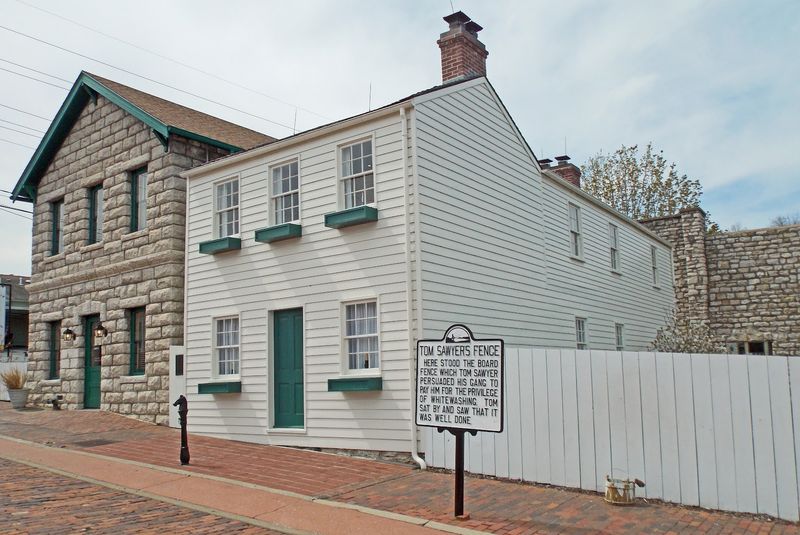
Few addresses have launched more mischief onto the page than this one. Mark Twain Boyhood Home and Museum connects Hannibal’s streets, river culture, and local characters to the books that helped define American literature.
You can move through preserved spaces tied to Samuel Clemens’s early life and see exhibits explaining how real people became fictional troublemakers with staying power. The museum does a smart job linking childhood memories to larger themes like race, class, freedom, and humor.
That balance keeps the visit lively instead of overly reverent. For readers, it is a chance to spot the roots of famous scenes; for everyone else, it is proof that a small river town can leave fingerprints all over the national imagination.
4. Dr. George R. Christie House Museum – Long Prairie, Minnesota
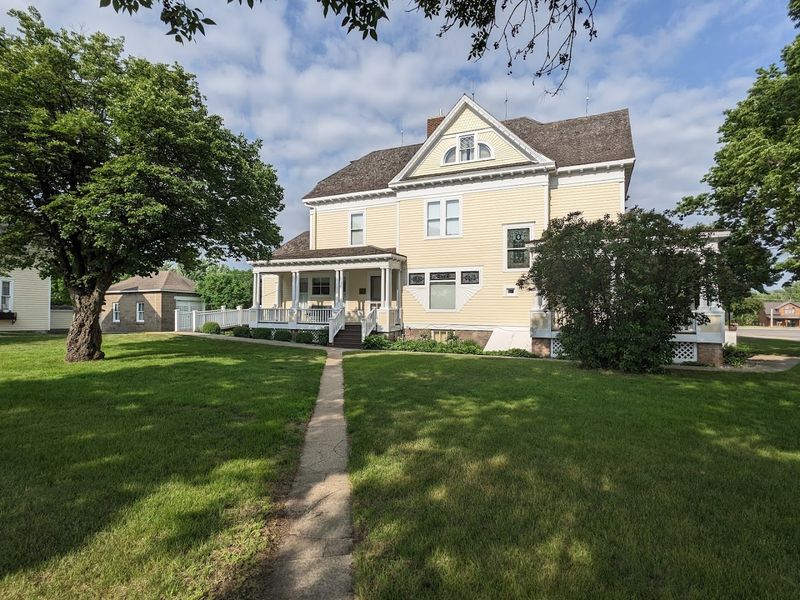
A doctor’s house can tell you far more than who owned the stethoscope. The Dr. George R.
Christie House Museum preserves a home, office, and medical world that show how healthcare once worked in a small Minnesota community.
Inside, period furnishings and instruments reveal what treatment looked like before modern convenience took over every room. You also get a practical portrait of daily life, because the home explains family routines, social status, and the close relationship between town doctors and their neighbors.
That mix gives the museum unusual range. It is part medical history, part domestic time capsule, and part reminder that in many towns one physician served as advisor, emergency responder, and local steady hand long before specialized care became the norm.
5. National Baseball Hall of Fame – Cooperstown, New York
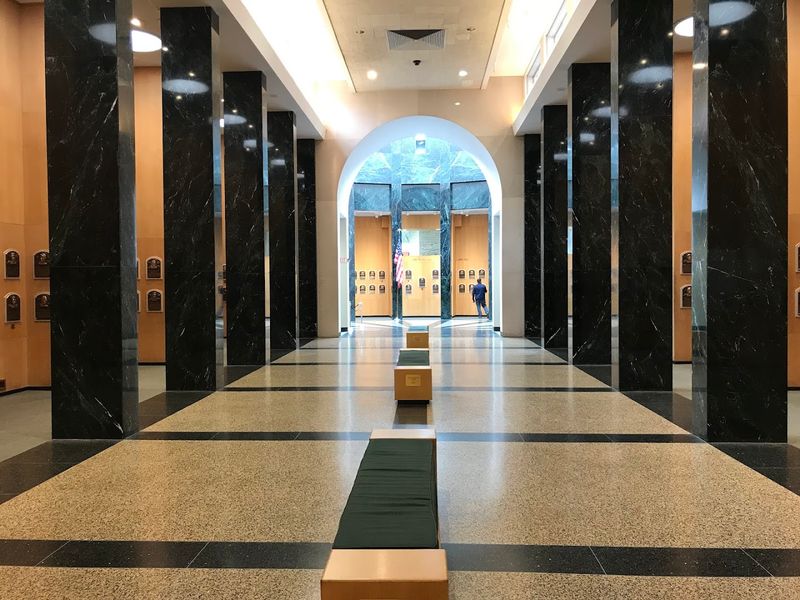
Cooperstown swings far above its population when baseball is the subject. The National Baseball Hall of Fame preserves the sport’s stars, statistics, artifacts, and cultural reach in a town that has become a pilgrimage site for fans.
You can trace rule changes, study legendary careers, and see how baseball intersected with broadcasting, business, civil rights, and hometown identity. The exhibits keep moving, so even visitors who know their box scores by heart usually find something new.
What makes the museum bigger than sports is its record of shared memory. Family traditions, summer routines, famous moments, and neighborhood debates all show up here, proving that a bat and ball can carry stories about immigration, integration, celebrity, and national ritual surprisingly well.
6. Oasis Bordello Museum – Wallace, Idaho
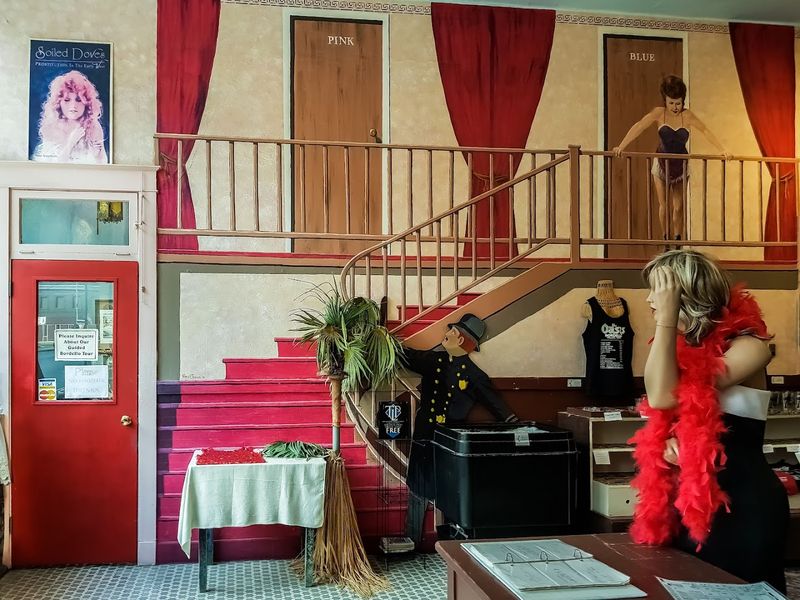
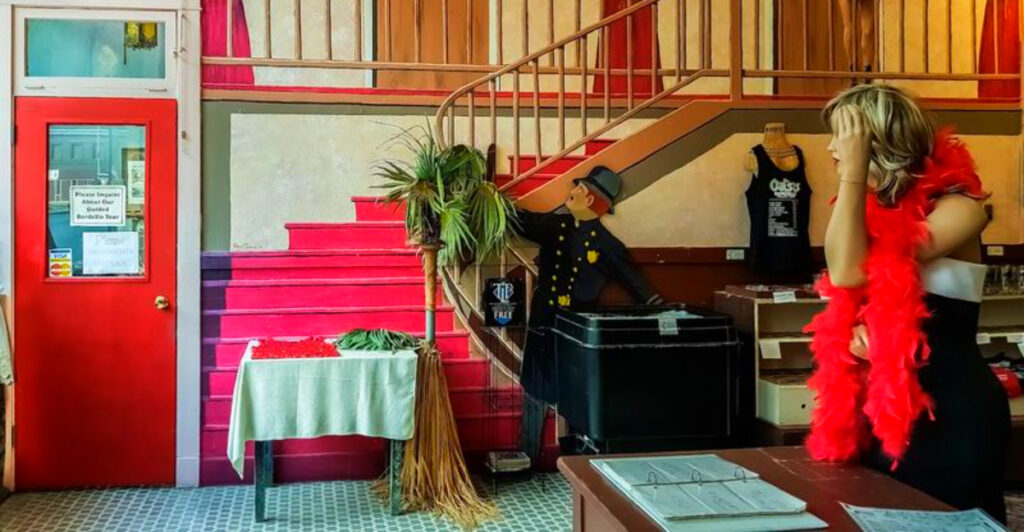
Some museums whisper, but this one raises an eyebrow first. The Oasis Bordello Museum preserves a former business exactly as it was left behind, giving Wallace a blunt, revealing record of mining-town commerce and social life.
The rooms, furnishings, and personal items show how women worked, lived, and negotiated survival in a place shaped by extraction and constant movement. Instead of polishing the past into something neat, the museum keeps its edges visible.
That honesty is what makes it valuable. You leave with a better sense of how unofficial labor, gender expectations, and local economics intersected in a small Western town, and you also get the rare museum experience of learning serious history from a place that clearly never aimed to behave politely.
7. Hattiesburg Pocket Museum – Hattiesburg, Mississippi
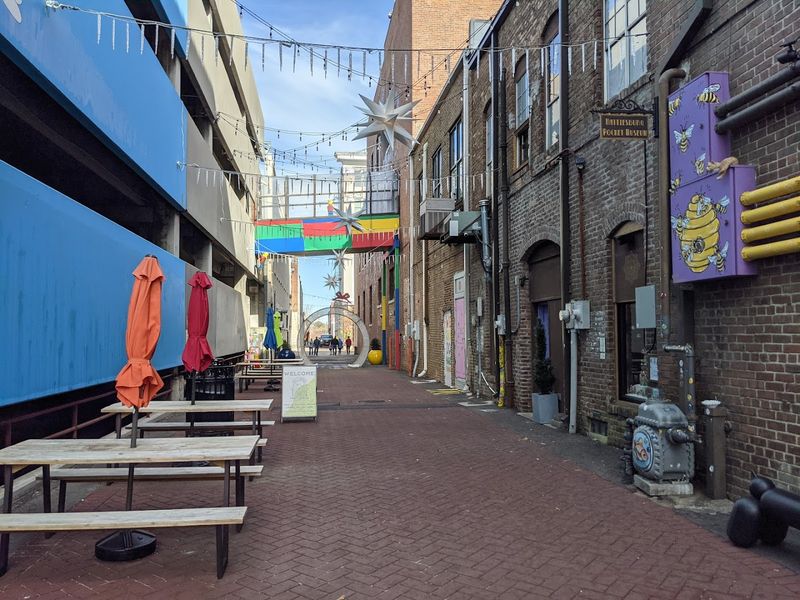
Small enough to miss, memorable enough to hijack your camera roll, this museum turns an alley into a conversation. The Hattiesburg Pocket Museum uses miniature installations and rotating displays to prove that scale has nothing to do with cultural impact.
The project blends public art, community participation, and social media savvy in a way larger institutions sometimes overthink. Visitors hunt for details, photograph tiny scenes, and return to see what has changed, which gives the museum an unusually playful relationship with its audience.
It also says something useful about modern local identity. In a modest footprint, Hattiesburg shows how creativity can energize downtown space, invite repeat visits, and make art feel accessible rather than ceremonial, all without needing acres of galleries or a giant admissions desk.
8. General John J. Pershing Boyhood Home – Laclede, Missouri
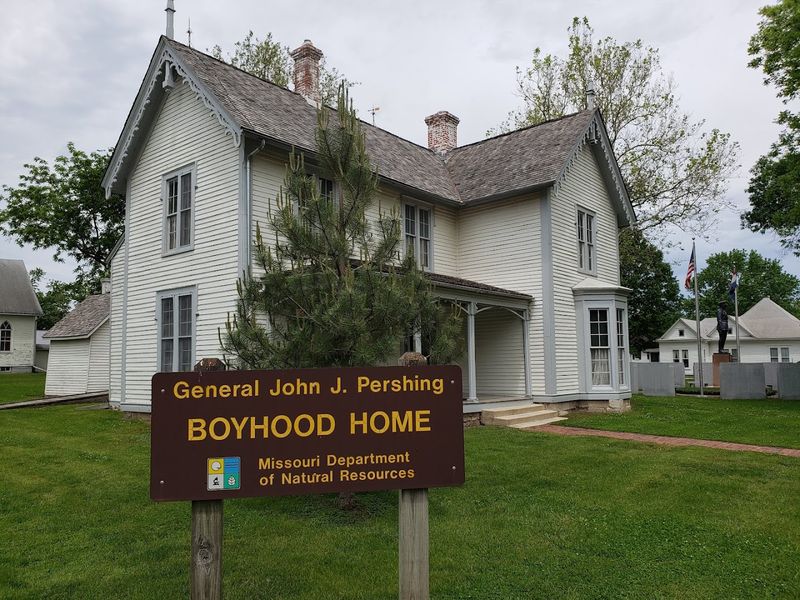
Great national figures do not always come from grand beginnings, and this house makes that point clearly. The General John J.
Pershing Boyhood Home preserves the early environment of one of America’s most influential military leaders.
The modest scale matters because it grounds Pershing’s later prominence in family expectations, school, work, and small-town discipline. Exhibits connect his upbringing in Missouri to broader changes in the United States, including professionalized military service and growing international influence during the early twentieth century.
You leave understanding more than a biography. The home shows how local values, education, and ambition could shape leadership in a rapidly changing nation, and it reminds you that important public careers often begin in ordinary rooms with very unglamorous chores.
9. Clarke Historical Museum – Eureka, California
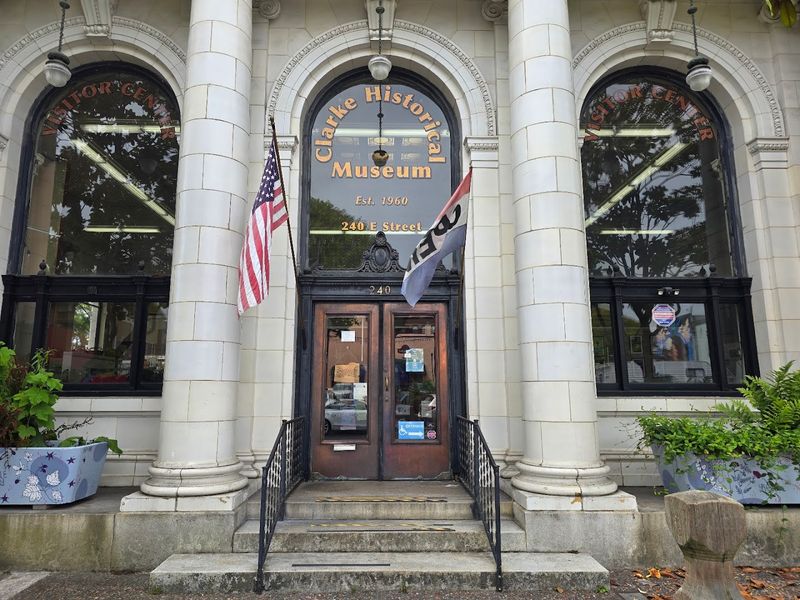
California history gets wonderfully complicated once you leave the postcard version behind. The Clarke Historical Museum in Eureka explores Gold Rush-era change, regional industries, Native history, and the coastal communities that developed along the far northern edge of the state.
Its collections include period clothing, furnishings, photographs, and remarkable basketry, all of which help tell a more layered story than simple boomtown mythology. The museum benefits from Eureka’s historic setting, where architecture and artifacts reinforce each other without much effort.
For visitors, that means you can track how commerce, migration, and local adaptation shaped the region over time. It is a compact museum with a wide lens, and it handles the job with enough specificity to keep the history grounded in real people and practical decisions.
10. Safety Town – Huntington, West Virginia
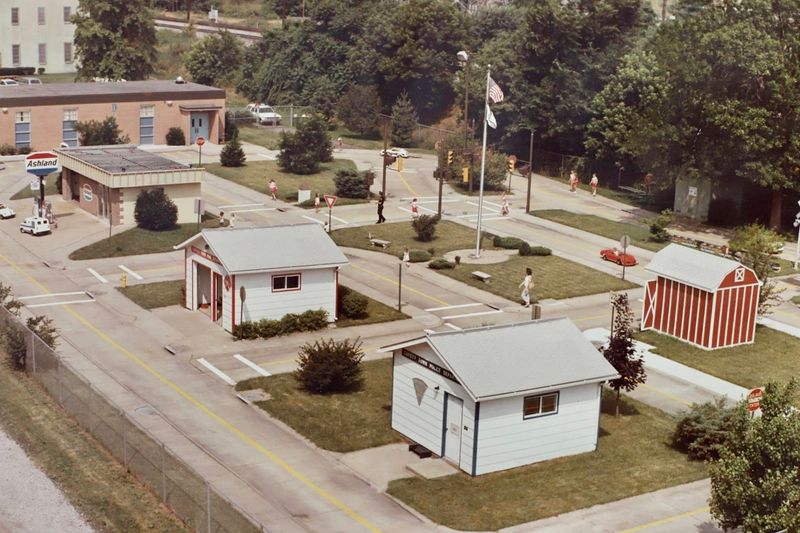
A miniature town teaching big lessons is already a strong concept, and Safety Town fully commits to the bit. In Huntington, this child-sized streetscape has helped generations learn traffic rules, pedestrian habits, and everyday caution through hands-on practice.
The design reflects a specific American faith in education by simulation. Scaled buildings, signs, and roads turn abstract advice into visible routines, letting children rehearse safe behavior in a setting built just for them rather than squeezed awkwardly into a classroom.
It also doubles as a time capsule of civic priorities. Mid-century ideas about public instruction, neighborhood planning, and community responsibility all show up in this compact landscape, proving that even a tiny stop sign can carry a surprisingly large story about how towns tried to prepare young citizens.
11. Lauren Rogers Museum of Art – Laurel, Mississippi
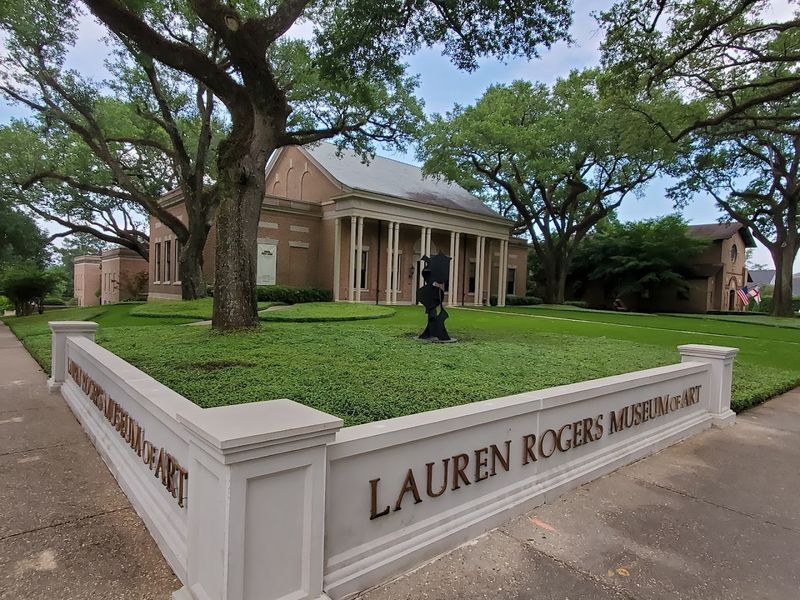
Art museums are not supposed to surprise you in small towns this much, yet this one absolutely does. The Lauren Rogers Museum of Art in Laurel brings substantial American and European works into a community better known to many travelers for other reasons.
Founded in the early twentieth century, it holds paintings, sculpture, decorative arts, and Native American baskets in a setting that feels accessible rather than intimidating. That combination gives visitors a chance to connect local life with broader artistic traditions without needing a major-city itinerary.
The museum also reflects a civic decision worth noticing. A town choosing to support serious art sends a clear message about education, public culture, and ambition, and Lauren Rogers has been making that case with quiet confidence for generations.
12. Jeffersontown Historical Museum – Jeffersontown, Kentucky
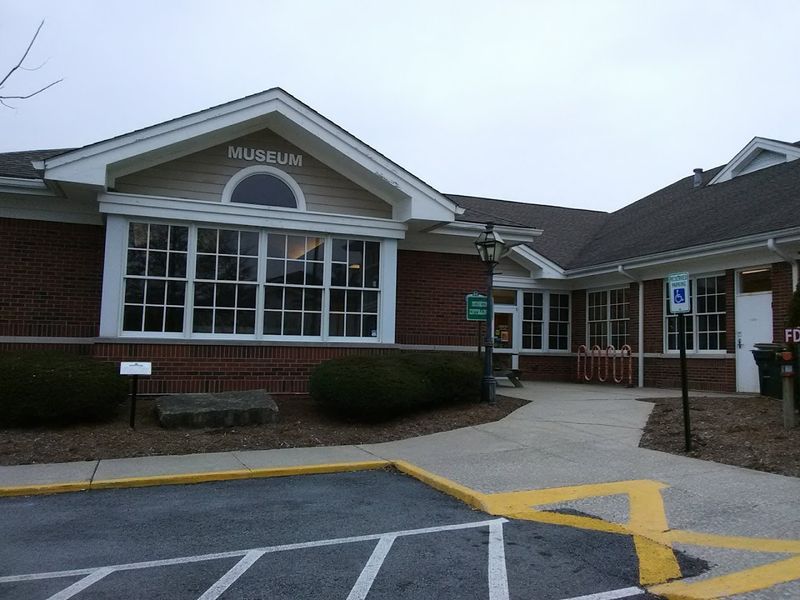
Suburban history rarely gets top billing, which is exactly why this museum earns attention. The Jeffersontown Historical Museum tracks how a rural Kentucky community evolved into a modern suburb while trying to keep hold of its older identity.
Photographs, documents, household artifacts, and community records show the practical changes behind growth. Roads expanded, businesses shifted, schools adapted, and family life changed shape as development gradually redrew the town without fully erasing what came before.
That story matters because millions of Americans live in places built through similar transitions. Instead of treating suburban expansion as background scenery, the museum gives it context and consequence, helping you see how zoning, transportation, local leadership, and memory all influence the places people now call ordinary.
13. Taos Art Museum – Taos, New Mexico
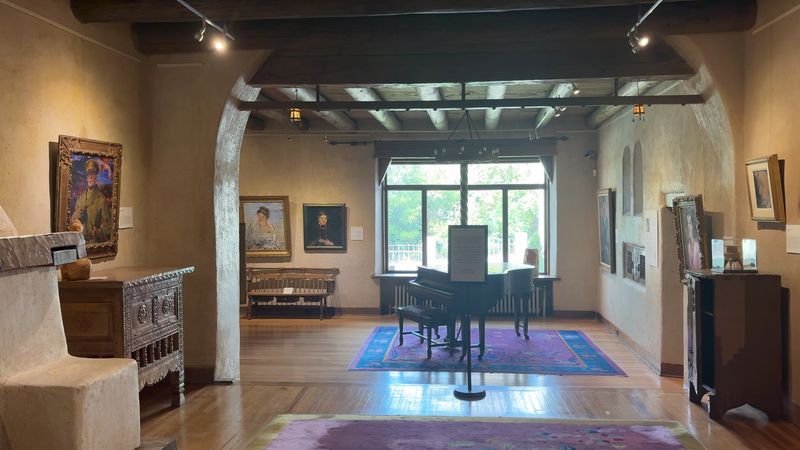
Plenty of art colonies talk about inspiration, but Taos can point to an entire movement. The Taos Art Museum preserves a historic home and the story of artists who helped define a distinct vision of the American Southwest.
Its setting matters as much as the paintings. The house itself reflects the tastes, networks, and daily realities of artists who built careers in a small New Mexico town that became nationally influential in twentieth-century art.
You get more than framed canvases here. The museum explains how place, patronage, tourism, and regional identity worked together to shape what audiences came to expect from Southwestern art, and it does so in a way that keeps the personalities involved visible instead of flattening them into art-history footnotes.
14. Shelburne Museum – Shelburne, Vermont
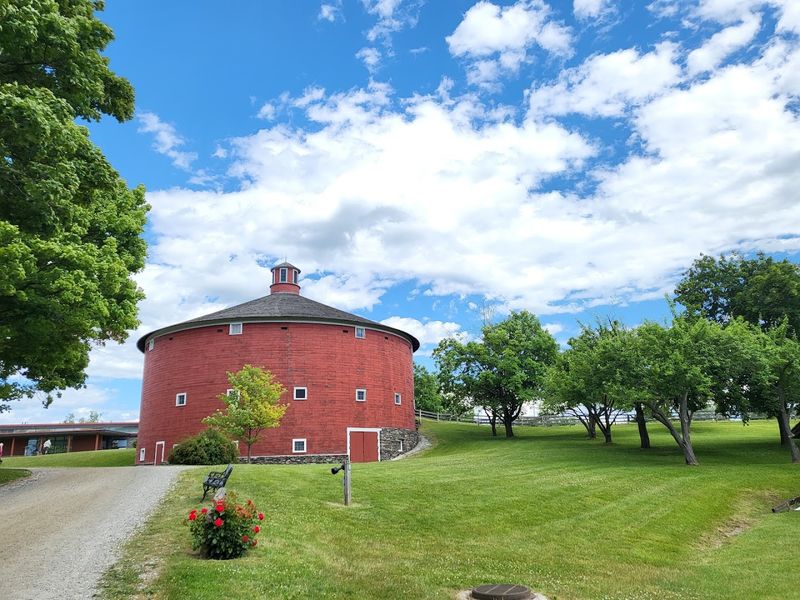
One museum, many buildings, zero chance of boredom. Shelburne Museum spreads Americana across a large campus where folk art, quilts, furniture, transportation, and historic structures create a lively survey of how Americans made, used, and displayed things.
The breadth is the trick here. Instead of narrowing its focus, Shelburne embraces variety and trusts visitors to connect decorative arts, domestic objects, and vernacular design into a fuller picture of national life.
That approach rewards curiosity more than checklist tourism. You might arrive for folk art and end up lingering over tools, carriages, or a relocated building that reveals how form followed function in another era.
It is eclectic without feeling random, which is a harder museum feat than it looks from the outside.
15. Copper Art Museum – Clarkdale, Arizona
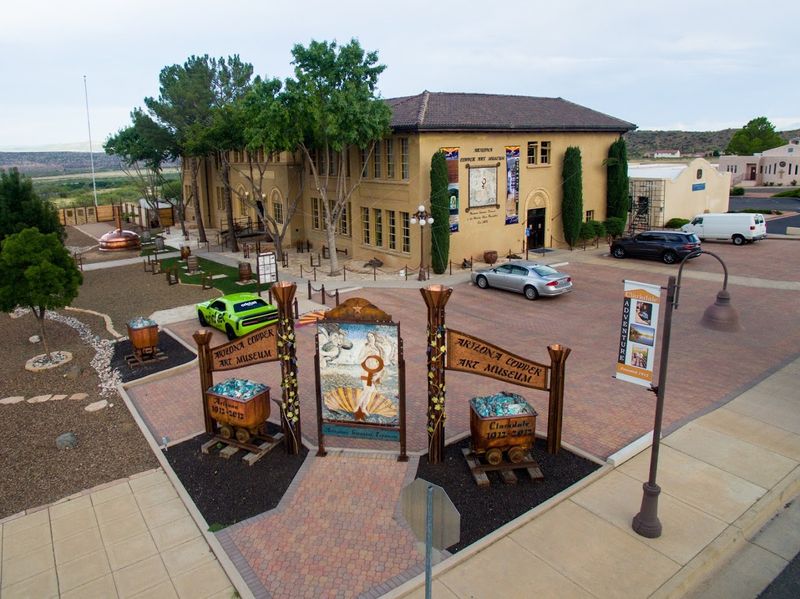
Metal gets star treatment here, and honestly, copper has earned it. The Copper Art Museum in Clarkdale shows how one material shaped industry, household goods, craft traditions, and entire Western communities built around mining and production.
Displays range from utilitarian objects to decorative pieces, which helps you understand copper as both economic engine and artistic medium. That dual focus is especially effective in Arizona, where mining history is inseparable from town development and labor patterns.
You come away seeing material culture in a sharper way. A simple pan, vessel, or ornament can reveal trade, technology, design taste, and local livelihoods at once, and this museum makes those links easy to grasp without turning the experience into a chemistry lesson with display cases.
16. Wayne County Historical Society Museum – Honesdale, Pennsylvania
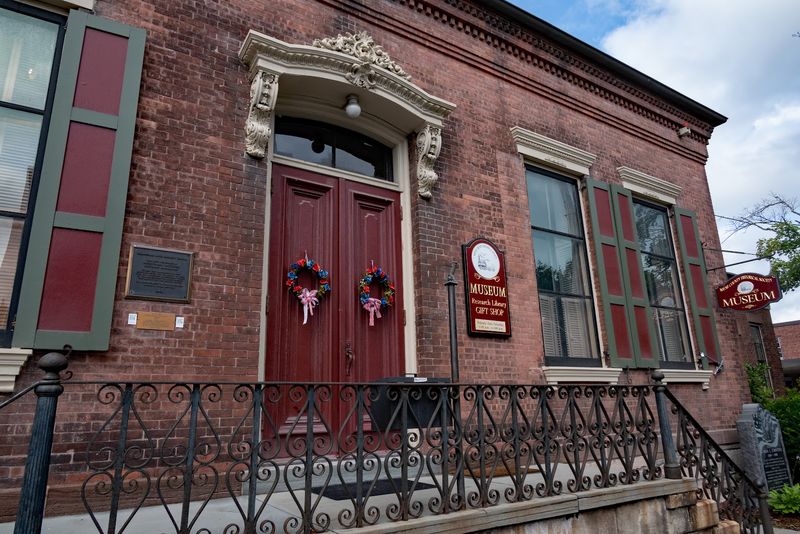
Innovation likes a quiet address sometimes, and Honesdale proves the point. The Wayne County Historical Society Museum explores local heritage tied to canals, railroads, manufacturing, and inventions that helped connect and power early American growth.
One highlight is the town’s association with early railroad history, which gives the museum a strong link to national transportation change. Beyond that, collections on domestic life, business, and civic development show how industrial progress filtered into ordinary routines and local institutions.
That mix keeps the story from becoming all machinery and dates. You see how infrastructure, entrepreneurship, and community ambition worked together, which makes the museum useful not just for regional history fans but for anyone curious about how smaller towns contributed to the country’s larger economic momentum.
17. Norman Rockwell Museum – Stockbridge, Massachusetts
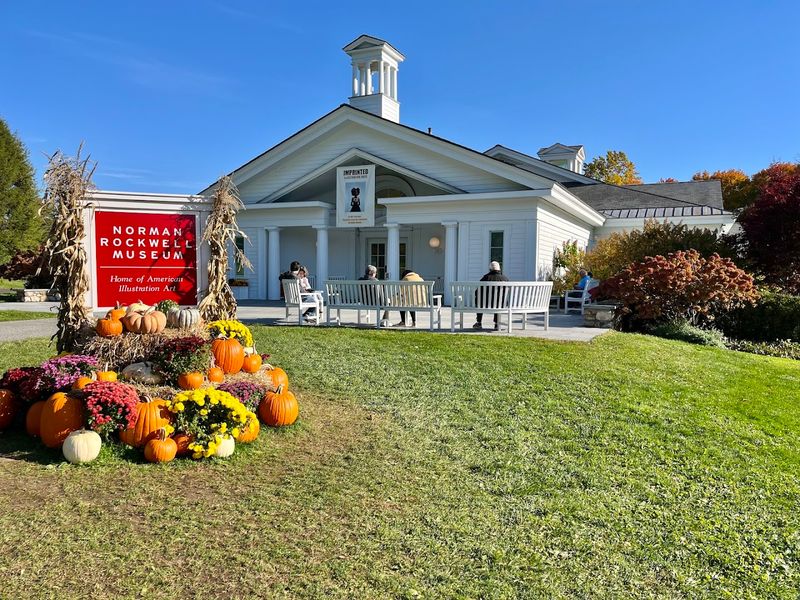
America has seen itself in Rockwell’s pictures for generations, and this museum holds the receipts. The Norman Rockwell Museum in Stockbridge preserves original works, studies, and context for images that became part of the nation’s visual vocabulary.
The museum does more than display familiar scenes. It explains Rockwell’s process, editorial work, and changing relationship to American life, including how his later images addressed more serious civic questions with the same clarity that made his magazine covers famous.
That fuller view keeps the museum from turning into nostalgia on autopilot. You can appreciate the craft, the cultural impact, and the debates around idealized imagery all at once, which makes Stockbridge an essential stop for anyone interested in illustration, media, and American self-portraiture.
18. Fenimore Art Museum – Cooperstown, New York
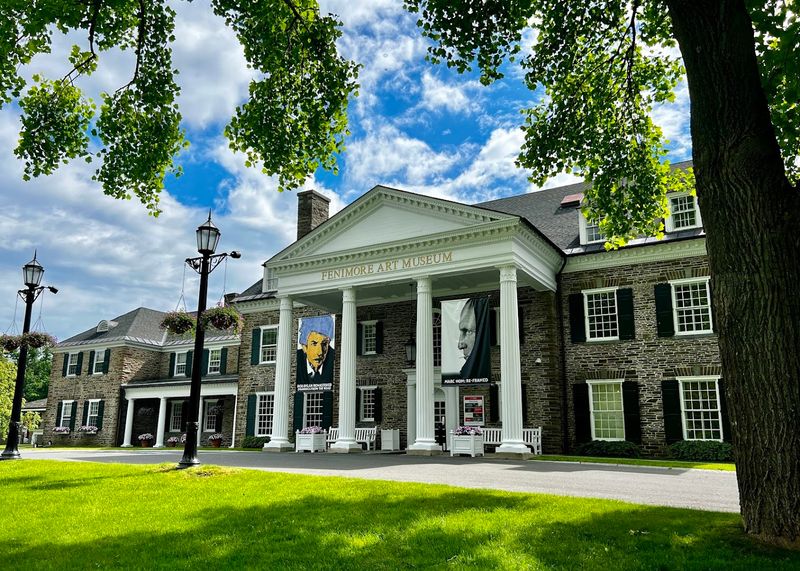
Cooperstown has more than one cultural fastball, and Fenimore proves it nicely. The Fenimore Art Museum combines American folk art, fine art, and major Native American collections in a setting that broadens the town’s identity beyond baseball.
Its programming often bridges scholarship and public curiosity, which helps explain why the museum can feel both traditional and very current. Visitors can move from historic portraits to quilts, then into exhibits that address Indigenous artistry and storytelling with deserved depth.
That range is the museum’s real strength. It shows America as layered, contested, handmade, and constantly reinterpreted, all while remaining approachable for casual visitors who simply want a smart afternoon.
Not bad for a place that keeps sharing a zip code with sports immortality.
Share this story