Some artists build long careers. Others make one album and leave a lasting mark anyway.
This list focuses on records that defined a moment, influenced what came next, and still get revisited years later.
Across the 1970s through the 2000s, these albums captured specific scenes and sounds that outlived the artists behind them. Many became reference points for future musicians despite limited output.
What makes them stand out is impact over volume. Each one proves that a single release can shape a genre just as much as a full discography.
1. Jeff Buckley – Grace

Few debuts arrive with this much confidence, range, and mystery packed into one release. Issued in 1994, Grace gave Jeff Buckley room to move between rock, folk, and devotional intensity without sounding like he was chasing trends.
You can hear why later singers kept studying his phrasing, especially on “Lover, You Should’ve Come Over,” “Last Goodbye,” and his widely discussed take on “Hallelujah.” The album sold modestly at first, but its reputation grew steadily through word of mouth, magazine lists, and a generation of listeners who treated it like a private discovery.
What lasts is not just the voice, though that gets most of the headlines. Grace also showed how 1990s alternative music could be ambitious, literate, and emotionally open without becoming bloated.
For many fans, it remains the rare record that feels canonical and personal at the same time, which is a very hard trick to pull off.
2. Lauryn Hill – The Miseducation of Lauryn Hill
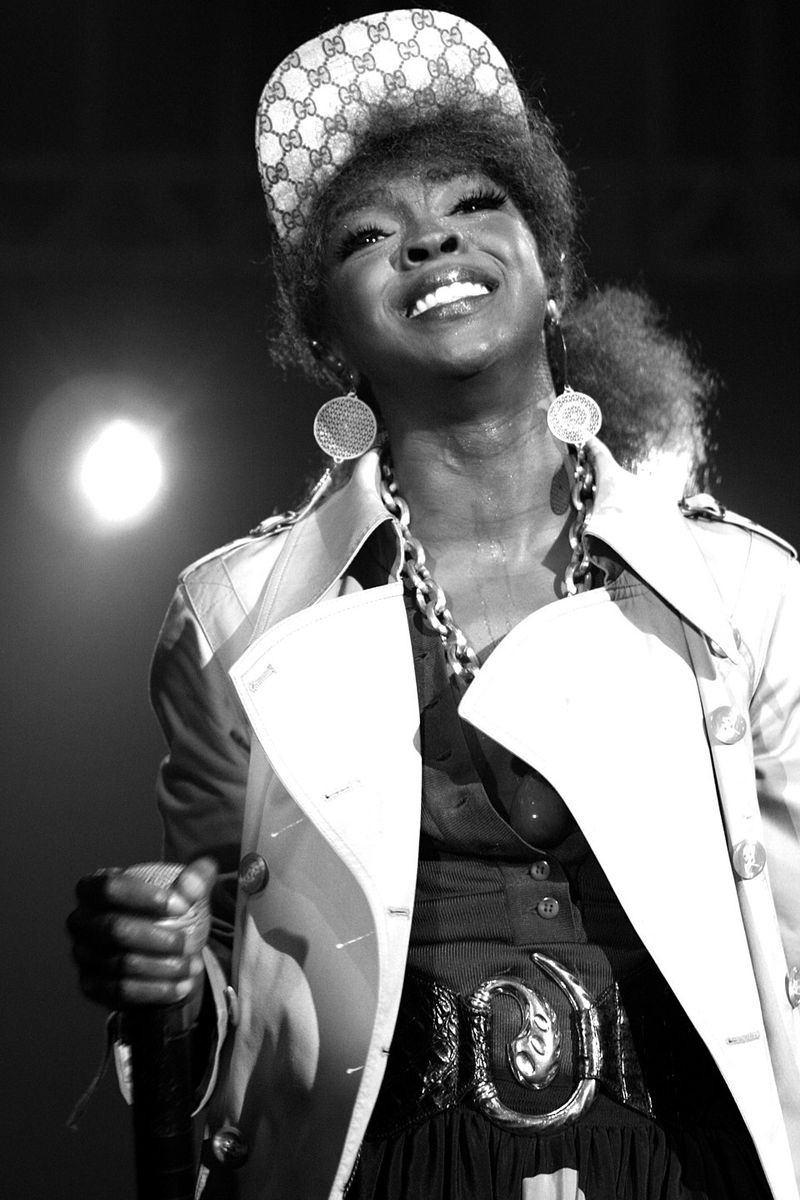
Some albums do not merely top charts – they reset expectations for what a star can say. Released in 1998, The Miseducation of Lauryn Hill fused hip-hop, soul, reggae, and R&B into a record that felt both highly personal and culturally expansive.
Its singles, including “Doo Wop (That Thing)” and “Ex-Factor,” traveled everywhere, but the deeper achievement was structural. Hill wrote with unusual precision about fame, relationships, self-respect, and community, while keeping the production warm, direct, and accessible to an enormous audience.
The album won major awards, sold in huge numbers, and quickly became a benchmark for artists trying to balance message and melody. Just as important, it challenged the idea that genre boundaries were useful at all.
More than two decades later, musicians, critics, and fans still return to it as a model of control, honesty, and pop intelligence. One studio album was enough to make Lauryn Hill part of the permanent musical syllabus.
3. The Postal Service – Give Up
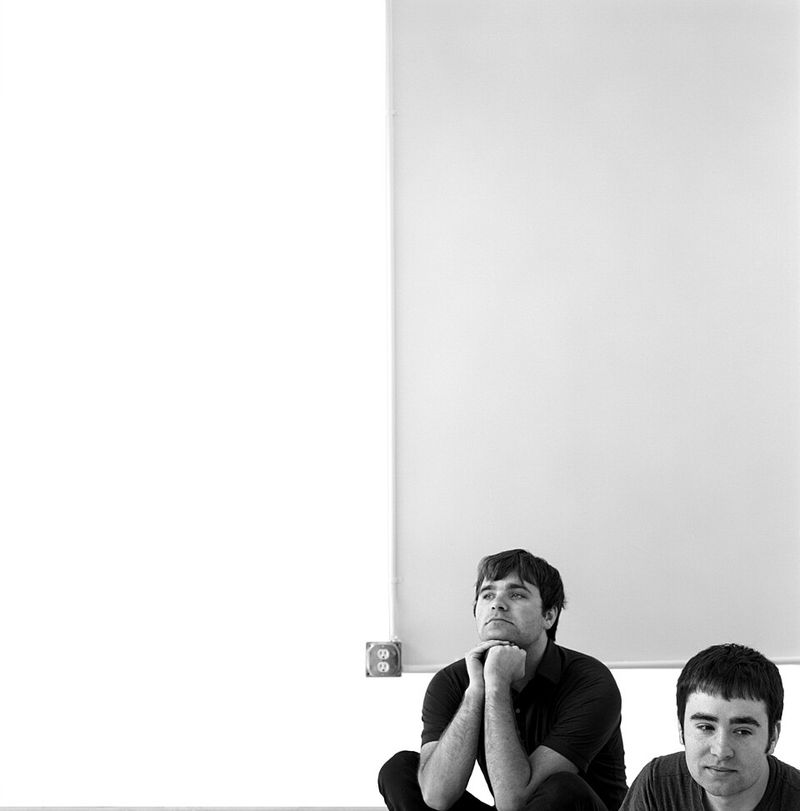
A mail-based side project should not have become one of the defining indie records of the 2000s, yet here we are. Give Up arrived in 2003 with Ben Gibbard and Jimmy Tamborello turning programmed beats and plainspoken longing into something unusually durable.
“Such Great Heights” became the gateway track, but the album held together because its emotional scale stayed modest and recognizably human. It landed during a moment when indie culture was learning to treat laptops as creative partners rather than suspicious office equipment, and Give Up made that shift sound inviting.
The record sold far beyond early expectations for Sub Pop and became a reference point for bedroom pop, synth-pop revivals, and countless earnest playlists. Its influence spread quietly through production choices as much as songwriting.
Even listeners who never bought the album probably absorbed its DNA somewhere, which is a pretty convincing sign of legacy for a project that initially looked like a very smart experiment.
4. Derek and the Dominos – Layla
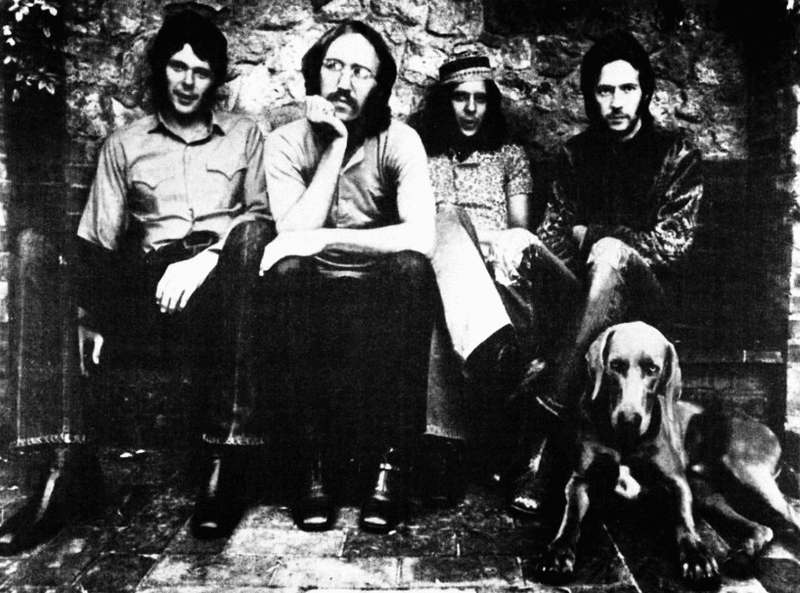
Very few rock records carry this much mythology and still hold up as actual listening material. Released in 1970, Layla and Other Assorted Love Songs brought together Eric Clapton, Bobby Whitlock, Carl Radle, Jim Gordon, and the crucial guest presence of Duane Allman.
The title track became the headline, especially once its piano coda entered pop culture immortality, but the album is deeper than its most famous moment. Songs like “Bell Bottom Blues” and “Why Does Love Got to Be So Sad?” showed a group working through blues, soul, and hard rock with real chemistry rather than mere star power.
Commercially, it was not an immediate juggernaut, which now feels almost comical given its later status. Over time, musicians and critics came to treat it as one of the great collaborative rock statements of its era.
For a band that managed only one studio album, the Dominos left behind a record that still feels oversized in the best possible way.
5. Temple of the Dog – Temple of the Dog
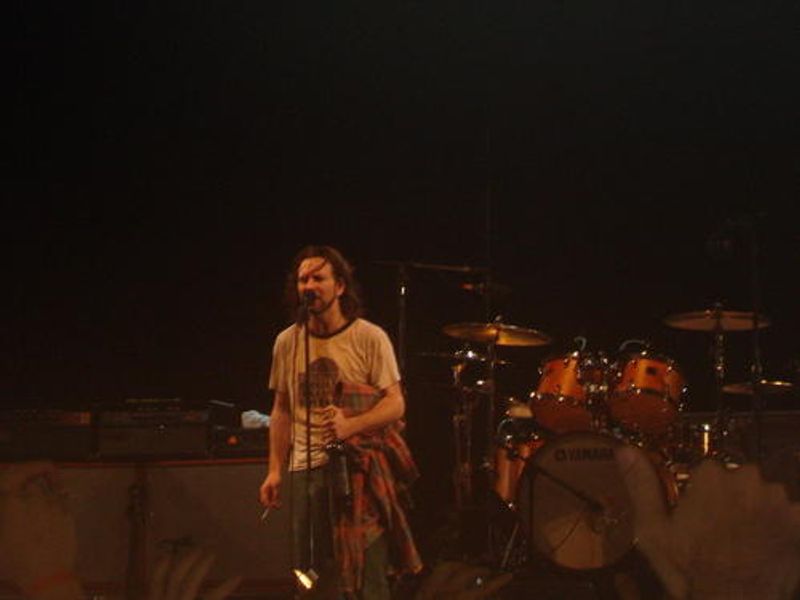
Sometimes a brief project captures an entire regional moment better than bands with much longer resumes. Temple of the Dog emerged from Seattle in 1991, bringing together Chris Cornell with future members of Pearl Jam for a record that connected grief, friendship, and the fast-rising grunge scene.
“Hunger Strike” became the signature song, partly because the Cornell and Eddie Vedder pairing felt instantly historic. Yet the full album matters because it preserved a community before major-label attention transformed the city’s local ecosystem into an international industry storyline.
Musically, it sat between hard rock, classic songwriting, and the heavier textures then forming around Seattle clubs and radio. The album did not initially dominate the charts, but its profile rose as the participants became central figures of the decade.
In hindsight, it works as both a standalone statement and a document of transition. One album was enough to make Temple of the Dog feel larger than the usual side project, and certainly more enduring.
6. Sex Pistols – Never Mind the Bollocks
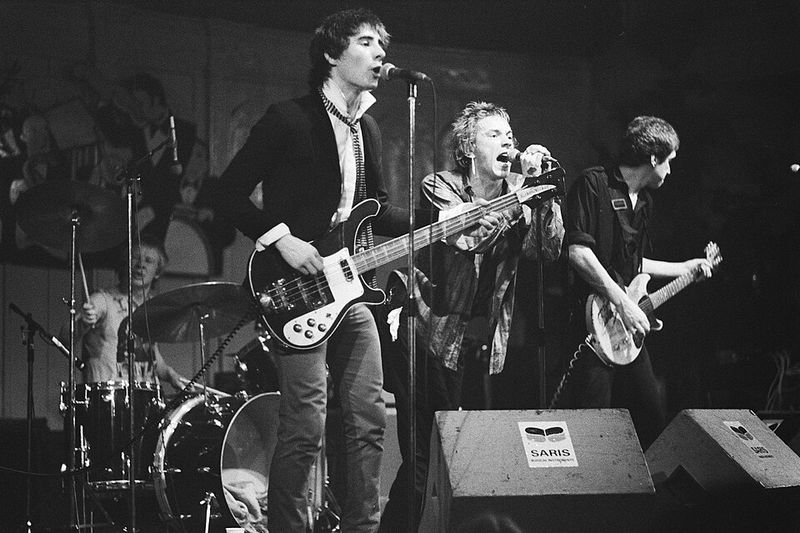
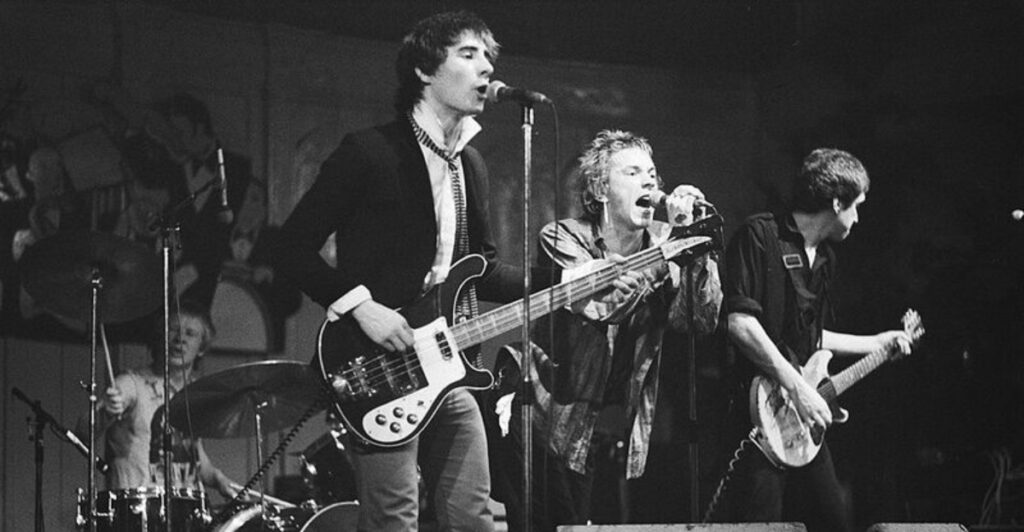
Politeness was never going to be the point here, and that was exactly the appeal. In 1977, Never Mind the Bollocks turned the Sex Pistols into a national argument, not just a band, by pushing punk into newspapers, television, and everyday conversation.
Tracks like “Anarchy in the U.K.” and “God Save the Queen” were blunt, fast, and impossible to ignore. The music itself was tighter than casual summaries suggest, with Steve Jones providing thick guitar lines that gave the record more structure than its reputation for chaos might imply.
Its real legacy lies in permission. Countless later musicians saw this album and concluded that technical polish was optional, but urgency was not.
British punk would have happened with or without the Pistols, yet this record gave the movement a defining object to rally around or reject. Either way, people had to respond, and that is often how cultural landmarks work.
7. Blind Faith – Blind Faith
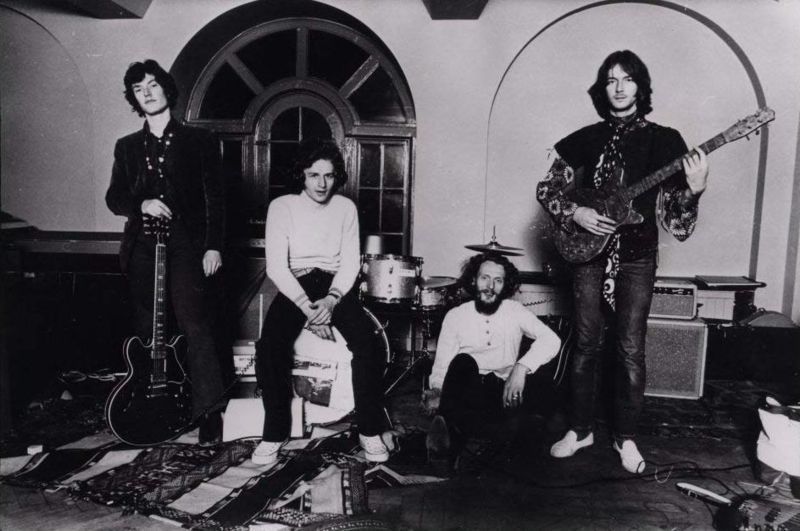
Supergroups usually arrive with a lot of fanfare and a little chaos, and Blind Faith delivered both on schedule. Formed in 1969 by Eric Clapton, Steve Winwood, Ginger Baker, and Ric Grech, the band condensed enormous expectations into one self-titled album.
The music mixed blues, psychedelia, folk, and extended rock arrangements in a way that reflected late-1960s ambition without completely tipping into excess. “Can’t Find My Way Home” became the quiet giant of the record, while “Presence of the Lord” remains one of Clapton’s strongest early spiritual songs.
Although the group dissolved quickly, the album kept its standing because it represented a hinge point between the British rock boom and the more exploratory 1970s. It also showed that famous players could create something gentler and more layered than audiences expected.
Blind Faith may not have lasted long enough to become stable, but the single album still functions as a snapshot of high-level musicians trying to redraw their own boundaries in public.
8. The La’s – The La’s
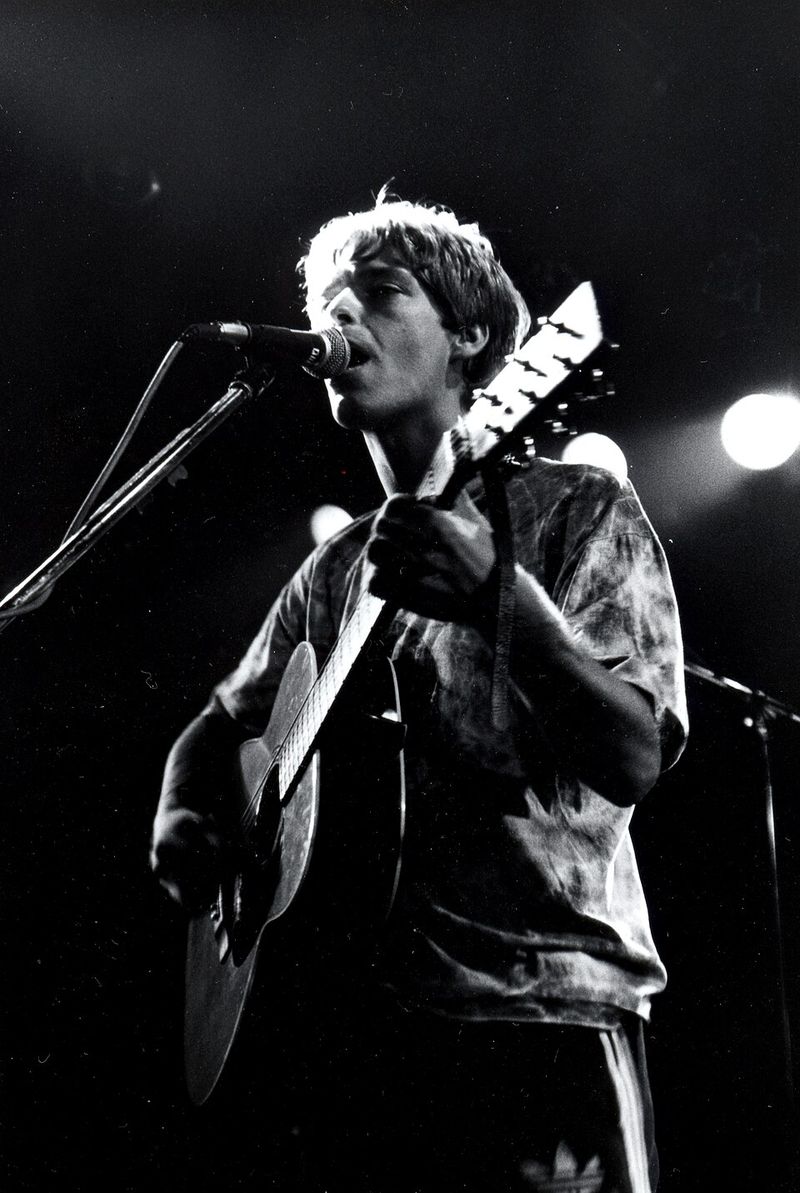
Not many bands become eternal because of one immaculate pop instinct, but that is basically the story here. The La’s released their only album in 1990, and its clean melodies, concise songwriting, and guitar sparkle made it a foundational text for British indie pop.
“There She Goes” did most of the public work, eventually graduating from beloved single to permanent radio fixture. Still, the album’s wider influence matters just as much, because its economy and melodic precision fed directly into later Britpop, jangle pop revivalism, and any band trying to make classic songwriting feel newly casual.
Lee Mavers became almost as famous for his dissatisfaction with the final recording as for the music itself, which only added to the mythology. Yet mythology would not matter if the songs were not this strong.
The La’s remains a lesson in how simplicity can be exacting rather than slight. Decades later, musicians still chase the balance this album achieved between looseness, craft, and undeniable hooks.
9. Neutral Milk Hotel – In the Aeroplane Over the Sea (iconic finale)
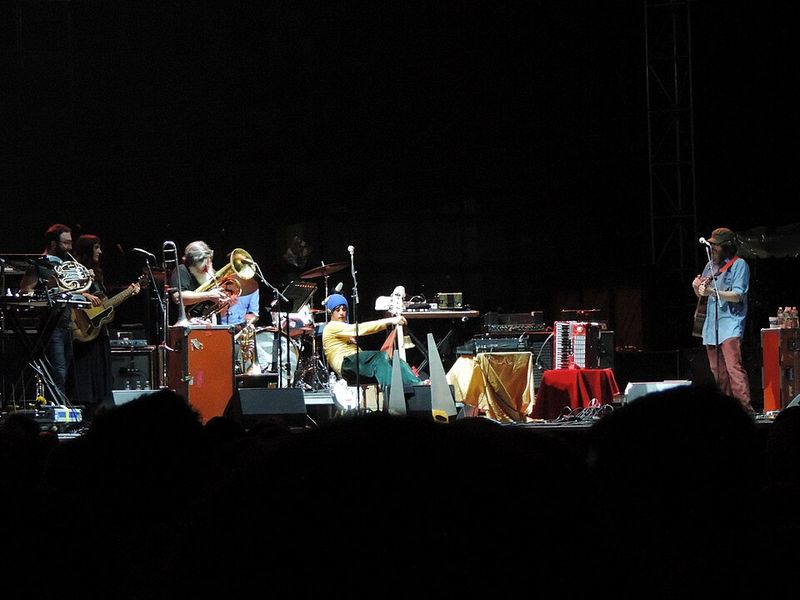
Few records have traveled a stranger path from modest release to near-sacred indie artifact. In the Aeroplane Over the Sea arrived in 1998 and initially occupied a small corner of the lo-fi world, then kept gathering listeners until it became a rite of passage for college radio, message boards, and vinyl shelves.
Jeff Mangum’s writing was direct, surreal, and emotionally blunt in a way that invited endless interpretation without becoming academic homework. The arrangements, with horns, acoustic strumming, and rough-edged recording choices, gave the album a communal feel that stood apart from more polished late-1990s alternative rock.
Its legacy is partly about timing. The record found a second life during the internet era, when recommendation culture helped turn cult albums into shared reference points.
It also proved that intimacy and eccentricity could coexist inside songs people wanted to memorize. Neutral Milk Hotel never followed it with another studio album, yet this one keeps renewing itself for new listeners who somehow always arrive convinced they found a secret.
10. Minor Threat – Out of Step
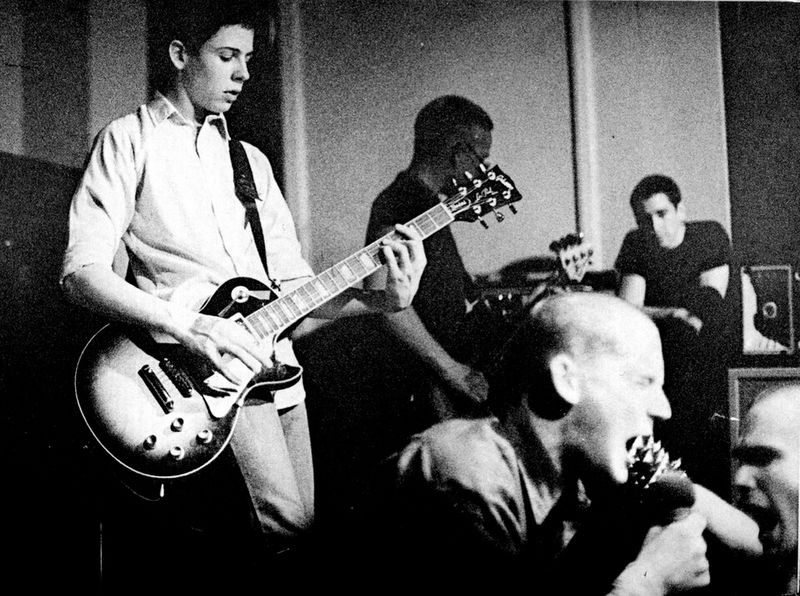
Brevity can hit harder than bloat, and hardcore knew that before most genres wrote the memo. Minor Threat’s Out of Step, released in 1983, helped define Washington, D.C. hardcore while expanding the band’s already outsized influence on punk ethics and scene organization.
The songs were short, forceful, and stripped of ornamental clutter, but the bigger story was cultural. Ian MacKaye’s lyrics and the band’s DIY methods fed straight-edge identity, independent label practices, and a model of local scene responsibility that kept rippling outward long after the record ended.
Dischord Records, co-founded by MacKaye, became nearly as important as the music itself, proving that infrastructure matters in underground culture. Out of Step also showed that punk could be disciplined without becoming dull, principled without sounding self-congratulatory.
For later hardcore, emo, post-hardcore, and basement-show communities, Minor Threat functioned less like a normal band and more like a template. One album was enough to build a playbook that countless scenes still follow, debate, and reinterpret.
11. Madvillain – Madvillainy

Underground rap has produced many beloved records, but very few became shorthand for creative freedom this quickly. Madvillainy, released in 2004 by MF DOOM and Madlib, felt like a private joke, a crate-digger fantasy, and a serious artistic statement all at once.
The album rejected conventional polish in favor of short tracks, abrupt edits, cartoon fragments, and rhyme patterns that seemed to bend normal sequencing rules. That looseness was deceptive, because the record was meticulously shaped, with Madlib’s beat collages giving DOOM an ideal landscape for dense, sideways writing.
Its influence spread through independent hip-hop, producer culture, and listeners who wanted albums to feel less like content delivery and more like world-building. Critics quickly embraced it, but the deeper legacy came from artists absorbing its permission structure: be strange, be funny, trust the listener.
Madvillain never made another studio album, yet Madvillainy remains one of the clearest examples of collaboration turning eccentric habits into a canon-worthy whole.
12. Them Crooked Vultures – Them Crooked Vultures
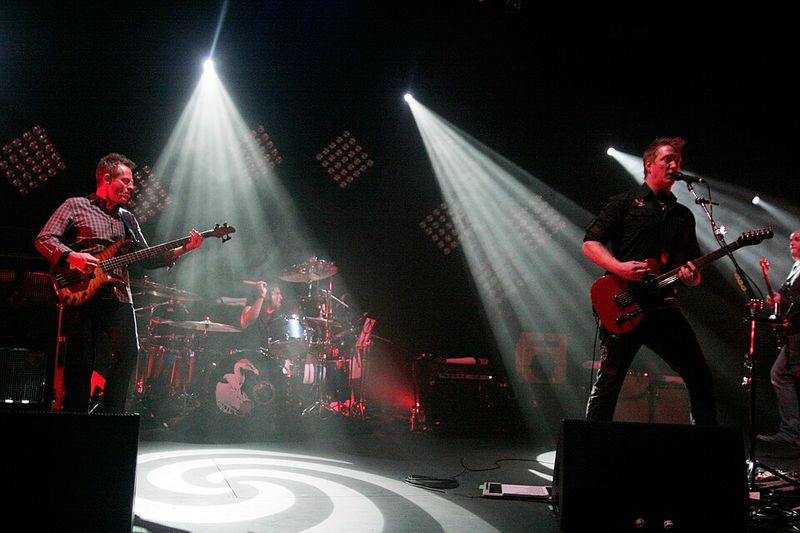
When musicians with this much history form a band, the public tends to expect either fireworks or self-parody. Them Crooked Vultures avoided the second problem in 2009 by delivering a self-titled album that sounded muscular, playful, and far more cohesive than a celebrity roll call had any right to be.
Josh Homme, John Paul Jones, and Dave Grohl brought different instincts, and the pleasure came from hearing those instincts grind against each other productively. The riffs were dense, the grooves were slippery, and the songs often stretched in unpredictable directions without losing their hook-first discipline.
The album landed during a period when mainstream rock felt increasingly fragmented, so this project offered a reminder that veteran musicians could still sound curious rather than merely established. It also attracted fans from multiple generations, which is harder than press releases make it seem.
With only one studio album, Them Crooked Vultures left behind a record that still invites questions about what a second chapter might have done, which is its own kind of achievement.
13. Young Marble Giants – Colossal Youth
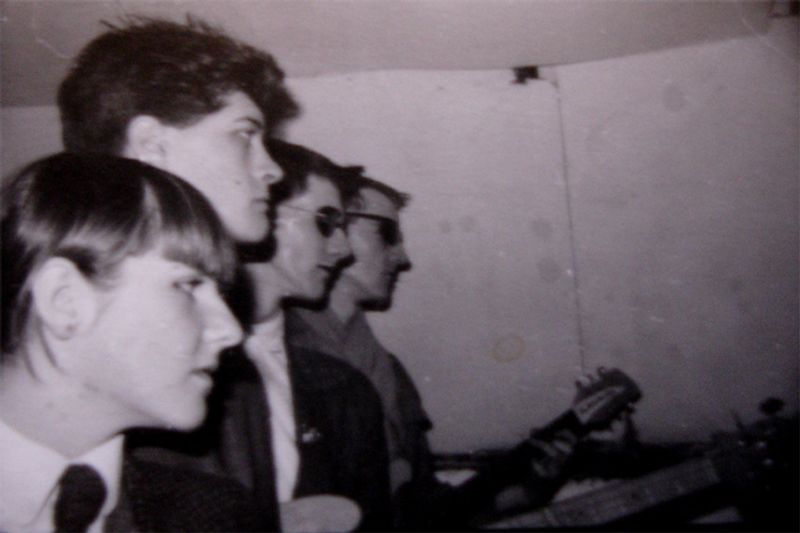
Minimalism rarely arrives this quietly and then refuses to leave cultural memory. Young Marble Giants released Colossal Youth in 1980, and its spare arrangements, restrained vocals, and almost anti-rock discipline made it one of post-punk’s most distinctive left turns.
Instead of piling on effects or volume, the band used negative space, clipped guitar, simple organ tones, and drum machine patterns to create an unusually dry emotional register. That reserve made the album influential for indie pop, post-rock, bedroom recording culture, and later artists who wanted intimacy without theatrical confession.
The Welsh trio never became a mass-market phenomenon, but critics and musicians kept the album circulating like a treasured recommendation passed between trusted friends. Its scale also helped it age well.
Nothing feels trapped in a fashionable production gimmick, and the songwriting remains sharp enough to survive endless rediscovery. Colossal Youth is the kind of one-album statement that initially seems modest, then slowly reveals that half the room has been borrowing from it for decades.
14. The Modern Lovers – The Modern Lovers

Before punk had a settled uniform, Jonathan Richman was already writing songs that made normal life sound radical. The Modern Lovers album, recorded in the early 1970s and released in 1976, became a foundational document for proto-punk, indie rock, and every band that ever valued candor over polish.
Produced in sessions involving John Cale, the record balanced garage-rock directness with a peculiar innocence that set it apart from harder-edged contemporaries. “Roadrunner” became the key track, celebrating highways, radio, and modernity in a way that felt both deadpan and ecstatic without overdoing either impulse.
Because the band changed shape before the album officially appeared, it always carried a slightly displaced quality, as though history had to catch up to it. That delay did not hurt its long-term standing.
Musicians from punk, new wave, and indie scenes kept finding lessons in its stripped-down form and conversational honesty. One album was enough to make The Modern Lovers seem less like a short-lived band and more like an origin point.
15. Judee Sill – Judee Sill
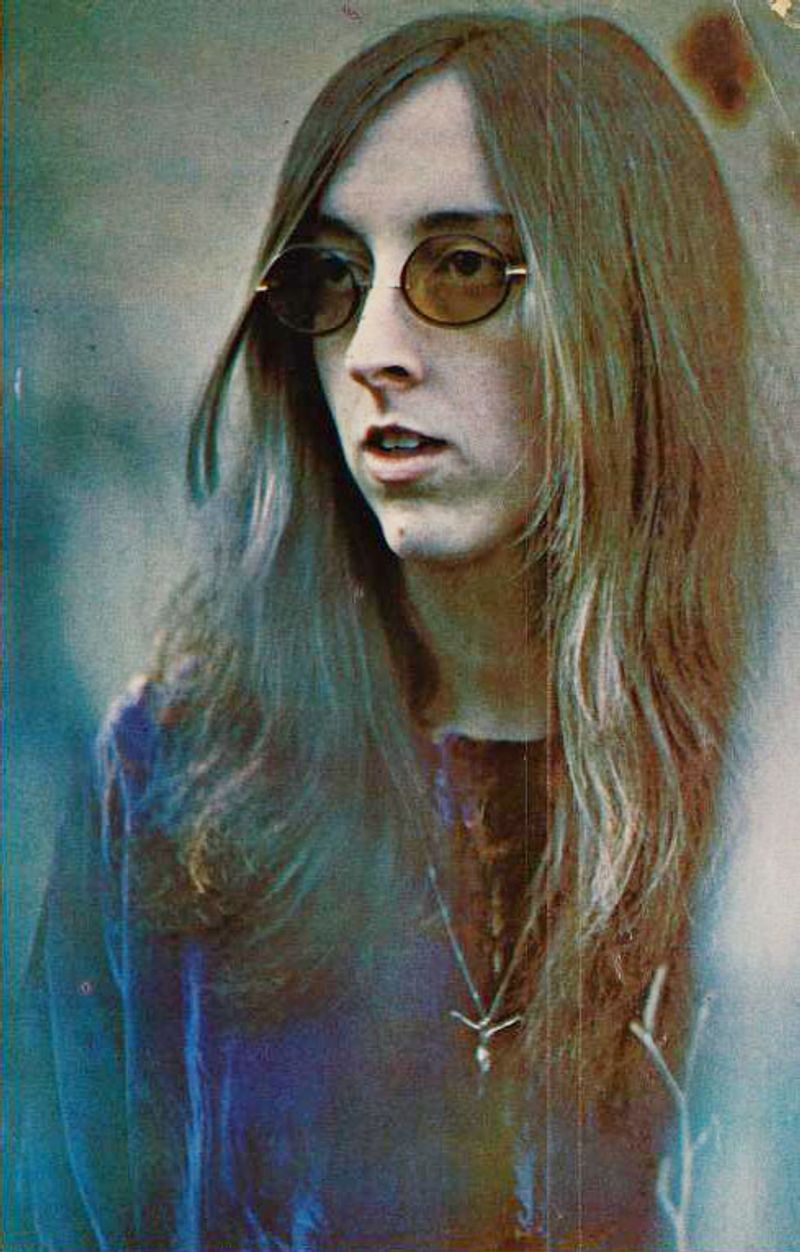
Quiet records often need time to build their audience, and this one took the scenic route. Judee Sill’s self-titled 1971 debut introduced a songwriter with unusual harmonic sophistication, spiritual imagery, and an ability to make folk-based music feel intricate without losing its center.
Her work did not fit neatly beside the confessional singer-songwriter boom, even though she emerged during that era. Instead, Sill pulled from baroque pop, church music, and carefully structured arrangements that rewarded close listening, especially on songs like “Jesus Was a Cross Maker.”
For years, the album remained more admired than widely known, but reissues and critical reevaluation gradually changed that. Younger musicians and listeners began hearing how singular her writing really was, and how much emotional precision sat inside the formal complexity.
The record now occupies a respected place in early-1970s American songwriting history. One studio album could have been enough by itself to secure that standing, and the fact that this debut still grows in reputation says plenty about its durable craft.
16. Big Star – #1 Record
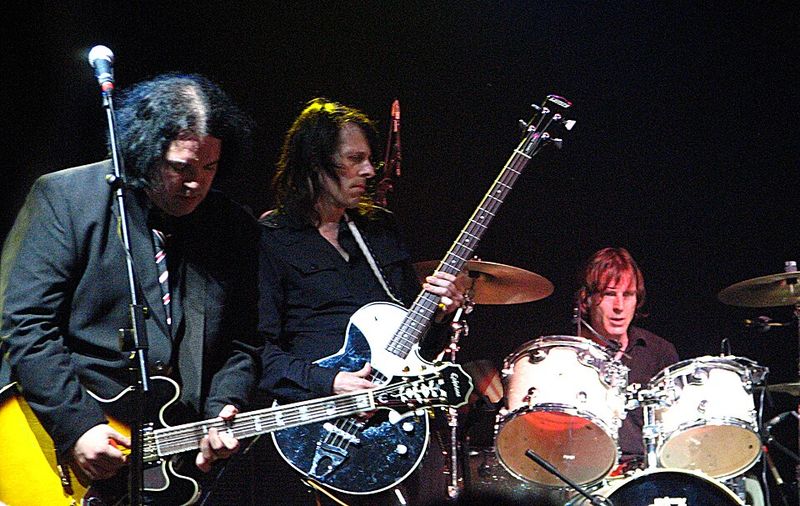
The title was bold, the sales were not, and that mismatch became part of the legend. Big Star’s #1 Record, released in 1972, was a masterclass in power pop, bringing together bright melodies, emotional detail, and guitar craftsmanship that later bands studied with almost scholarly devotion.
Alex Chilton and Chris Bell wrote songs that felt concise without being slight, polished without being stiff. Tracks such as “Thirteen” and “In the Street” showed how teenage perspective, romantic uncertainty, and carefully arranged pop could coexist in a form that sounded classic and newly unsettled at once.
Distribution problems kept the album from reaching the audience it deserved at the time, but its second life has been extraordinary. Over the decades, artists from R.E.M. to Teenage Fanclub and beyond treated Big Star as a foundational influence. #1 Record now sits near the center of any conversation about guitar pop’s secret history.
One album was enough to make the band’s name function like a password among musicians who care deeply about songwriting and structure.
17. Daniel Johnston – Hi, How Are You

Sometimes a cassette-era recording becomes larger than the format that first carried it. Daniel Johnston’s Hi, How Are You, released in 1983, turned homemade limitations into part of its identity, pairing fragile melodies with lyrics that felt startlingly direct and impossible to sanitize.
Johnston’s songs moved between humor, romance, anxiety, and sudden bursts of sweetness without the protective distance many writers use. That openness gave the album a lasting hold on indie culture, especially once his drawings and personal mythology became entwined with the music in fans’ minds.
The record’s influence reached far beyond outsider-music circles. Alternative and indie musicians heard in it a model for honesty unbuffered by studio perfection, and lo-fi aesthetics gained a different kind of legitimacy through records like this.
Hi, How Are You remains a touchstone because it documents an artist presenting ideas before they were filtered into market-friendly shape. One album of this type can reshape how listeners think about authenticity, and Johnston’s did exactly that for generations of devoted followers.
Share this story