History has a sneaky habit of leaving its biggest surprises far from the usual postcard circuit, and that is exactly where this list begins. Beyond the headline monuments you already know, there are old capitals, temple fields, royal tombs, fortress hills, and stone enclosures that still sit in plain view, waiting for travelers who enjoy a good plot twist with their itinerary.
Some of these places once controlled trade routes, minted power, and shaped entire regions, yet today they are visited by a fraction of the crowds drawn to more famous neighbors, which means you get room to look closely, ask better questions, and enjoy the rare pleasure of not having to elbow your way through the past. Keep reading and you will find twelve former kingdoms you can still visit today, along with the specific ruins, landscapes, and surviving clues that make each one worth the trip.
1. Aksumite Empire (Ethiopia)
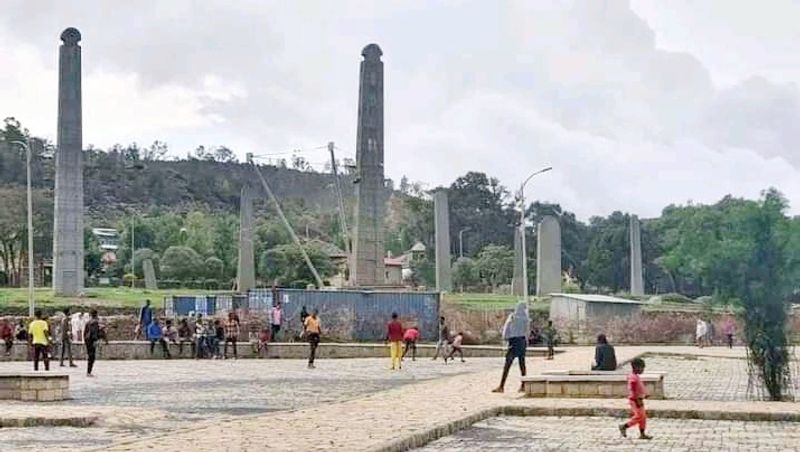
One look at Aksum’s giant obelisks, and your regular city monument suddenly seems embarrassingly modest. This ancient Ethiopian capital was once the center of the Aksumite Empire, a major trading power linked to the Red Sea, Arabia, and the wider Mediterranean world.
The Northern Stelae Park is the obvious starting point, where carved granite monuments rise above the ground like a royal scoreboard written in stone. Nearby, visitors can explore tombs, inscriptions, and the archaeological museum, which helps connect scattered ruins to a kingdom that issued coins and adopted Christianity remarkably early.
Aksum works best when you give it time instead of treating it like a quick photo stop. You can move between the stelae field, the ruins linked to ancient palaces, and local churches that keep the city tied to living tradition, making the visit feel less like a sealed museum and more like a place where history still keeps office hours.
2. Sukhothai Kingdom (Thailand)
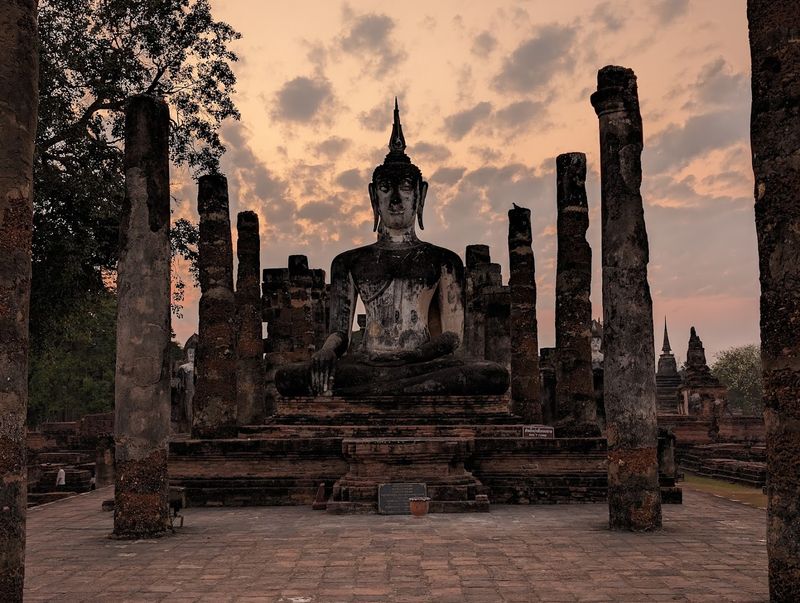
Sukhothai does not need flashy tricks when it already has temple ruins, elegant Buddha images, and a layout made for slow exploration. This former Siamese capital is now a historical park where moats, ponds, and brick monuments create an easy rhythm for visitors on foot or bicycle.
The old city is divided into zones, so you can focus on major sites like Wat Mahathat and then wander outward to quieter corners with fewer people and plenty of detail. Sukhothai mattered because it helped shape early Thai statecraft, art, and writing, and that legacy still shows in the refined proportions of its statues and stupas.
A practical bonus is how approachable the site feels compared with denser, more overwhelming ruins elsewhere. You can cover a lot in a day, pause at museum displays for context, and leave with more than a camera roll, because Sukhothai explains itself well to curious travelers who like history without needing a graduate seminar first.
3. Khmer Empire Outposts (Cambodia)
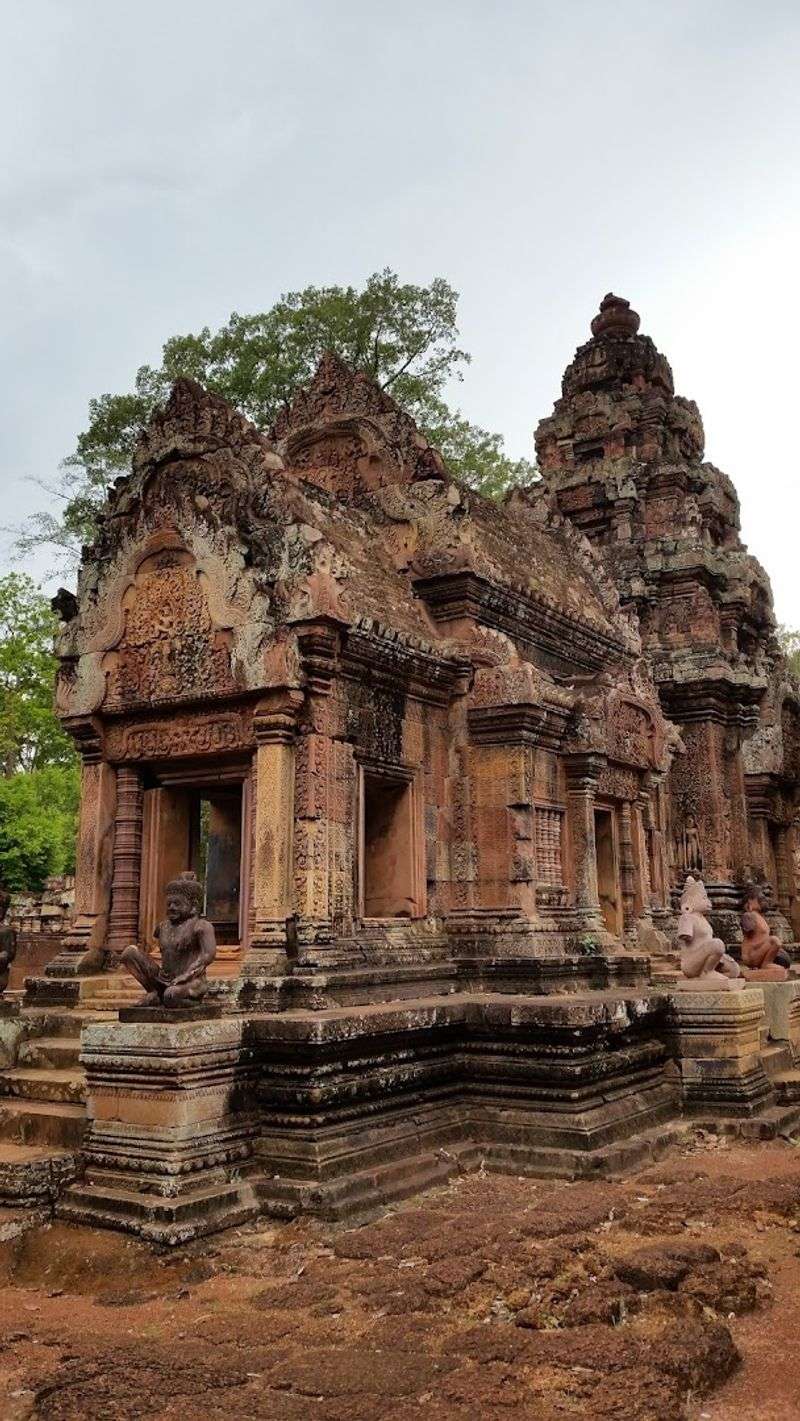
Angkor may get the celebrity treatment, but the Khmer world was never a one-site show. Across Cambodia, lesser-known outposts such as Banteay Chhmar, Koh Ker, and Preah Vihear reveal how far the empire reached and how confidently it built in difficult terrain.
These places reward travelers who like seeing a political map turned into real stone. Koh Ker briefly served as a capital and still has an imposing stepped pyramid, while Preah Vihear stretches dramatically along a ridge with long causeways and carefully planned ceremonial spaces that make clear this empire thought big.
The real pleasure is comparing them instead of expecting each site to behave like Angkor Wat’s understudy. Carvings, galleries, tower plans, and remote settings show regional variety inside a powerful state, and because crowds are usually lighter, you can pay attention to layout and detail rather than spending the day performing tactical maneuvers around selfie sticks, a modern empire of its own.
4. Kingdom of Urartu (Armenia)
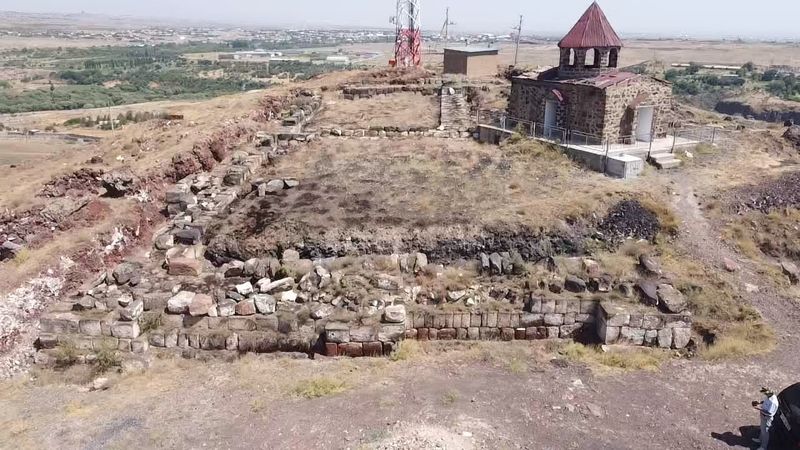
Iron Age kingdoms rarely get blockbuster publicity, which is excellent news if you enjoy ruins without a crowd choreography problem. Urartu, centered around the Lake Van region and tied to parts of modern Armenia, left behind fortress sites, inscriptions, and engineering works that still impress on practical terms.
Places associated with the Urartians often sit on commanding heights, because this kingdom understood the value of strong positions long before travel blogs discovered the phrase scenic overlook. In Armenia, sites like Erebuni connect the story to a capital tradition, while surviving inscriptions and fortress remains show a state that organized agriculture, defense, and royal authority with serious precision.
This is the kind of visit that rewards curiosity more than bucket-list bragging rights. You may not find a single famous monument carrying the whole experience, but taken together the citadels, museum collections, and surviving masonry reveal a durable political culture that helped shape the region, which is a pretty respectable achievement for a kingdom many travelers have never heard of.
5. Kingdom of Kush (Sudan)
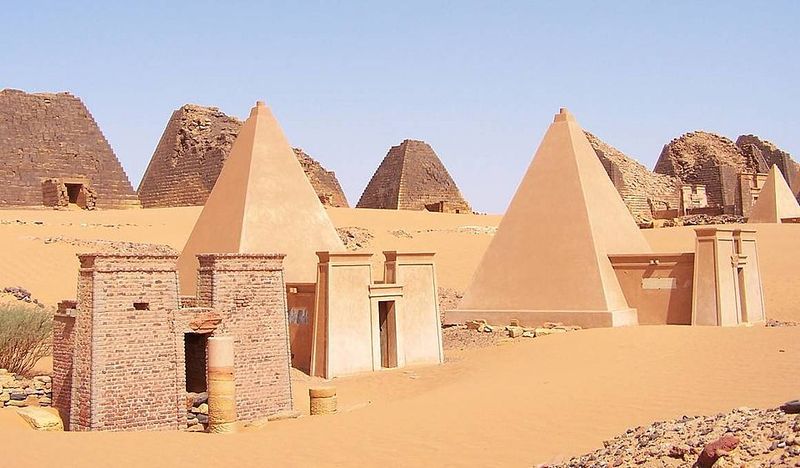
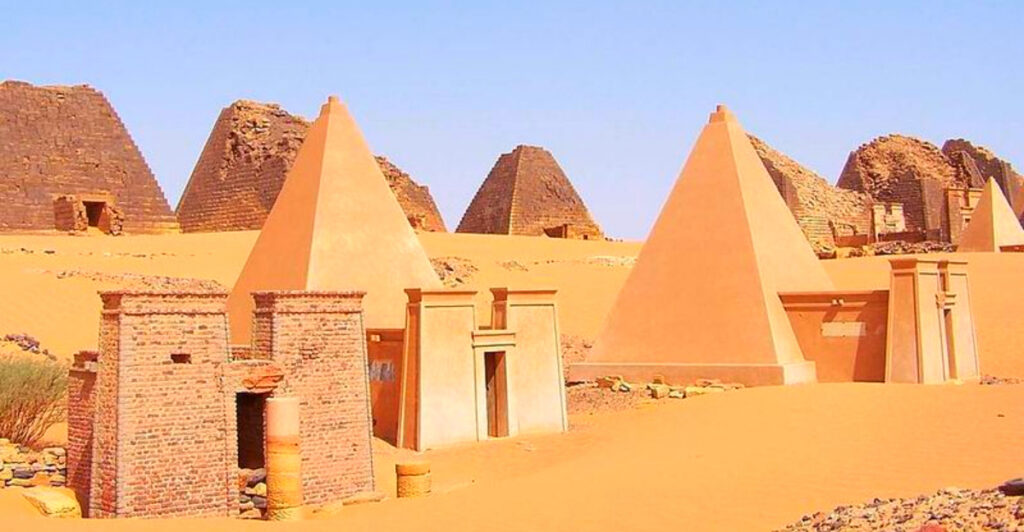
Sudan has a habit of surprising people, and Meroe is one of its best mic-drop moments. The Kingdom of Kush built pyramids here in far greater numbers than many travelers expect, and the result is a royal cemetery that feels both grand and oddly underappreciated.
The pyramids of Meroe are smaller and steeper than the better-known examples farther north, which gives the site a distinctive skyline and a character all its own. They belonged to Kushite rulers who governed a powerful state south of Egypt, and the surrounding remains show a civilization with its own language, art, and political muscle.
What makes a visit memorable is the sense of space and clarity. You can study the pyramid groups, notice the chapels attached to several structures, and picture a kingdom that was never merely a side note to Egypt, despite often being treated that way in casual history talk, which frankly deserves a stern correction.
6. Nabataean Kingdom (Jordan)
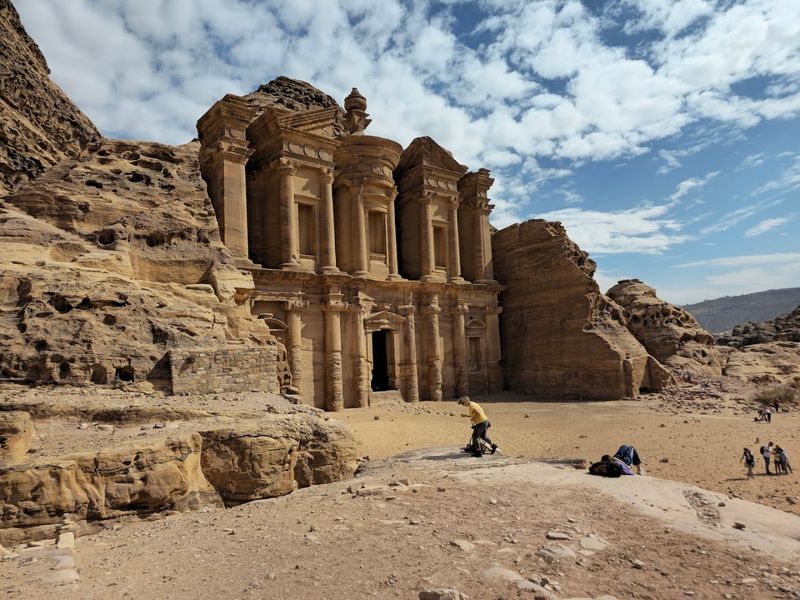
Petra is the headliner, but the Nabataeans left Jordan with more than one masterpiece in the setlist. If you look beyond the Treasury photos, you will find quieter sites such as Little Petra, Avdat-related routes nearby, and scattered caravan landscapes that explain how this kingdom prospered through trade and water management.
The Nabataeans were experts at making difficult terrain work in their favor, and that talent becomes easier to appreciate once you leave the most crowded paths. Channels, cisterns, rock-cut façades, and settlement remains show a practical intelligence behind the beauty, proving these builders were not just talented decorators with excellent cliff selection.
Jordan rewards travelers who connect the famous site to the wider network. Little Petra, for example, offers carved spaces on a smaller scale and gives you breathing room to notice planning details, while hikes and regional museums help place Petra inside a larger kingdom that linked Arabia, the Levant, and the Mediterranean through movement, trade, and some impressively strategic real estate decisions.
7. Kingdom of León (Spain)
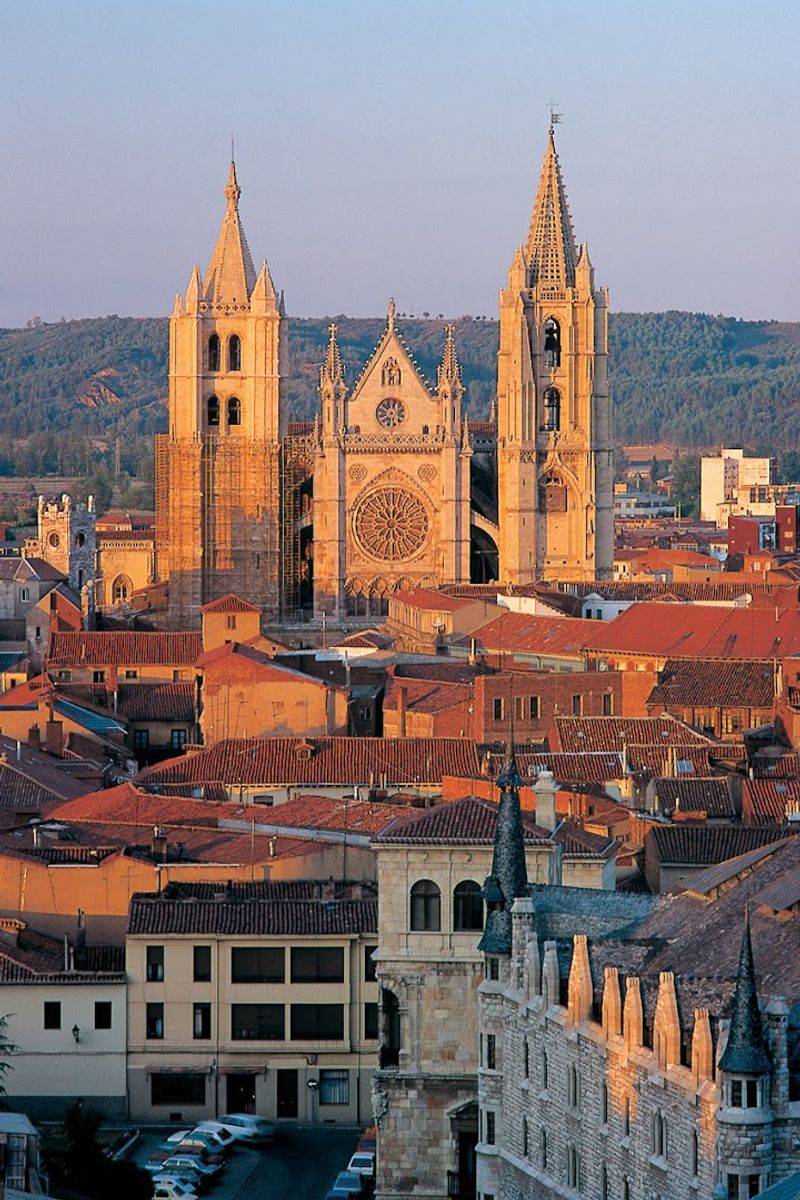
Medieval power politics left plenty of paperwork, but León also left buildings that still know how to make an entrance. In northern Spain, the old Kingdom of León survives through cathedrals, monasteries, city walls, and castles that trace the influence of a realm often overshadowed by the larger story of unified Spain.
The city of León gives you an excellent base, especially with its cathedral and the Basilica of San Isidoro, where royal associations and Romanesque art do a lot of heavy historical lifting. Beyond the city, fortresses and old settlement patterns across the region show how this kingdom helped shape frontier politics, pilgrimage routes, and administrative life during crucial medieval centuries.
What makes León satisfying is that the legacy is not reduced to one ruin standing alone in a field. You can connect sacred spaces, defensive architecture, and museum collections in a way that feels coherent, and the result is a visit with real narrative shape, which is handy when you want history to come with more structure than a vague wave toward old stones.
8. Kingdom of Mapungubwe (South Africa)
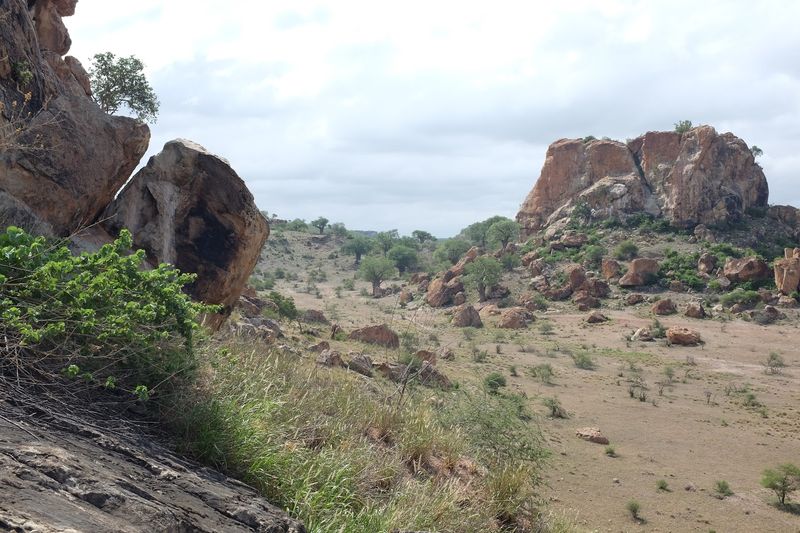
Mapungubwe starts with a hill and quickly turns into a lesson about trade, status, and early state formation in southern Africa. This kingdom flourished between the eleventh and thirteenth centuries, and its archaeological remains show a stratified society connected to wider commerce across the Indian Ocean world.
At Mapungubwe National Park, the hilltop settlement is the star, with stone walling and a layout that reflects elite separation from lower areas. Museum displays add vital context, including the famous golden rhinoceros and other finds that underline how sophisticated this center was in both symbolism and regional exchange.
The setting also helps explain why the site mattered without needing dramatic exaggeration. Positioned near the borders of South Africa, Botswana, and Zimbabwe, Mapungubwe sat in a strategic zone for movement and trade, and visiting today lets you pair archaeological evidence with a broader landscape view, which is a neat reminder that political power often begins with smart geography and not just impressive crowns.
9. Kingdom of Champa (Vietnam)
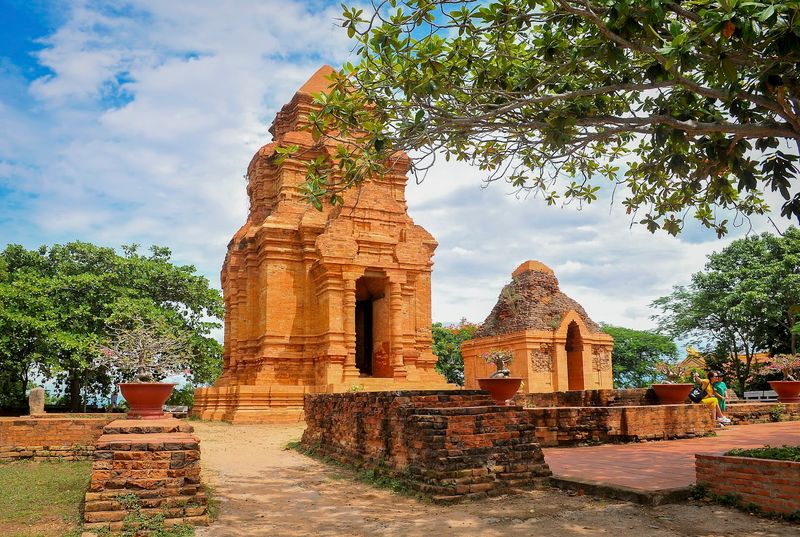
Brick towers rising from central Vietnam are your clue that Champa was once a serious regional rival, not a historical footnote. The best-known place to see this legacy is My Son Sanctuary, where temple groups reveal the religious and political world of a maritime kingdom that lasted for centuries.
Cham architecture stands out for its brick construction, sculptural details, and tower forms that differ clearly from Khmer and Vietnamese monuments nearby. My Son was an important ceremonial center, and even after damage and time took their share, the remaining complexes still show how rulers used sacred architecture to express authority and connect with Hindu traditions.
A visit becomes even stronger when paired with Cham museums, especially in Da Nang, where sculptures help decode what you saw in the field. That combination of site and collection gives Champa real depth, and it also corrects a common travel mistake, namely assuming Vietnam’s historical story can be summarized by a few dynasties and a fast train route between major modern cities.
10. Kingdom of Makuria (Sudan)
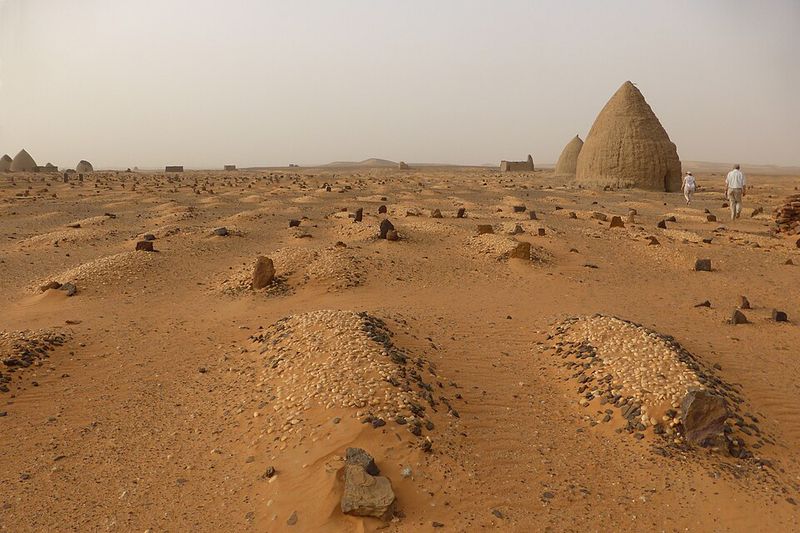
Here is a history curveball worth taking seriously: medieval Nubia supported powerful Christian kingdoms, and Makuria was one of the most important. In what is now northern Sudan, its legacy survives through church remains, fortified settlements, and archaeological traces that challenge many travelers’ assumptions about the region.
Old Dongola is a key place to understand Makuria, since it served as a capital and preserves evidence of religious and administrative life over many centuries. Excavations have revealed churches, murals, monasteries, and defensive structures, showing a kingdom that negotiated, adapted, and maintained a distinct political identity in a demanding landscape.
This is not a polished tourist circuit in the conventional sense, which is partly why the experience feels so significant. Instead of a single overpackaged attraction, you get a wider historical puzzle made visible through ruins, research, and place, and that makes Makuria especially rewarding for travelers who enjoy seeing broad historical narratives corrected by actual evidence rather than repeated by habit.
11. Kingdom of Srivijaya (Indonesia)
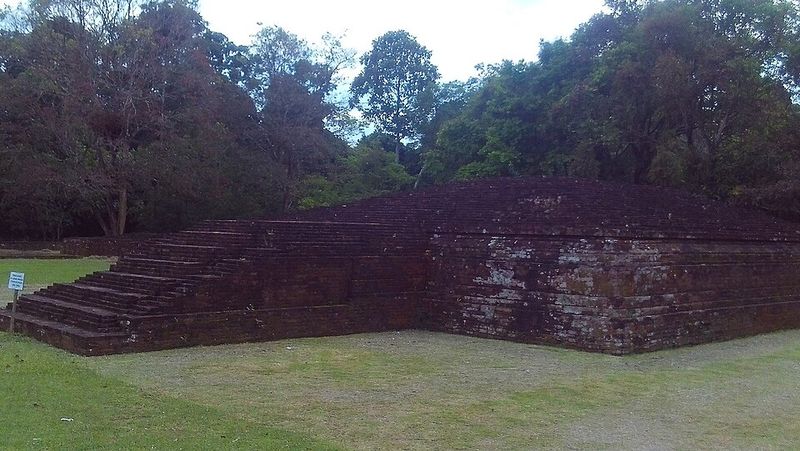
Srivijaya ruled the sea lanes so effectively that its surviving ruins can feel almost too quiet for the scale of its old influence. Based in Sumatra, this maritime empire prospered through trade, Buddhism, and control of strategic routes, leaving behind fragments that reward travelers willing to piece together a larger story.
Palembang has limited visible remains, so many visitors look to sites such as Muaro Jambi for a stronger architectural encounter. There, brick temple compounds and archaeological zones spread across a large area, giving you a better sense of religious life and regional connections than a simple capital-marker photo ever could.
Srivijaya is best approached as a network rather than a single showpiece monument. Museums, inscriptions, riverside geography, and temple sites together explain how power operated across water, and that perspective is part of the fun, because you are not just visiting ruins but reconstructing an empire that once shaped commerce and scholarship across Southeast Asia with the confidence of a kingdom that knew exactly where the ships were going.
12. Kingdom of Great Zimbabwe (Zimbabwe)
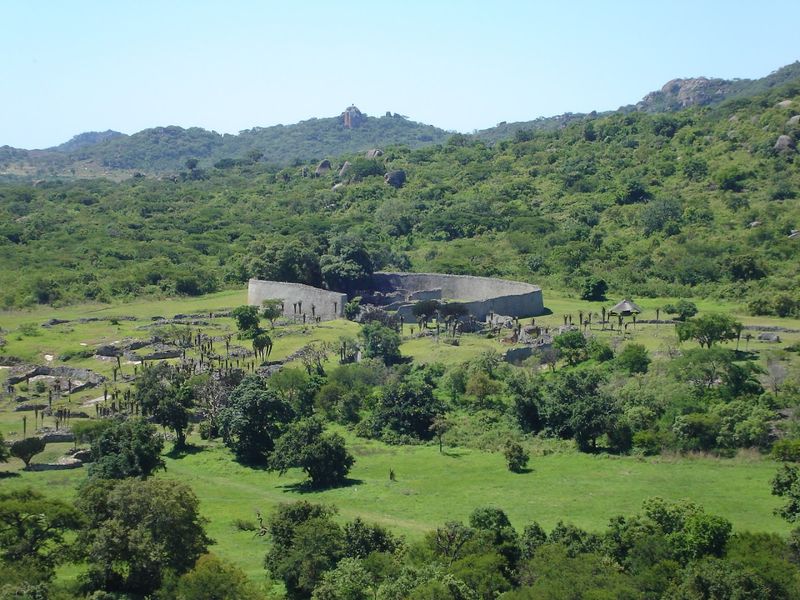
Great Zimbabwe settles the argument before it even begins, because its stone walls are impossible to dismiss once you see them. This was the center of a powerful kingdom between the eleventh and fifteenth centuries, and the scale of its architecture still gives the site an authority that photographs only partly capture.
The most famous features are the Great Enclosure and the Hill Complex, both built with dry stone techniques that produced monumental walls without mortar. These structures were part of a thriving political and trading center linked to regional and overseas exchange, proving that southern Africa supported complex urban power long before outsiders bothered to understand it properly.
Visiting today is refreshingly direct. Paths connect the major sections, local guides help explain competing interpretations of the site’s function, and the nearby museum gives useful context without drowning you in jargon, so you leave with a much clearer picture of how prestige, trade, and planning came together here in one of Africa’s most important archaeological landscapes.
Share this story