Most people visit Italy and head straight for the Colosseum, the canals, or the Uffizi Gallery. But Italy has a wild, weird, and wonderful side that most tourists completely miss.
From a village slowly crumbling into a canyon to catacombs packed with mummified monks, the country is full of jaw-dropping surprises. Pack your curiosity and maybe a flashlight, because this list goes far off the tourist trail.
Civita di Bagnoregio, Lazio
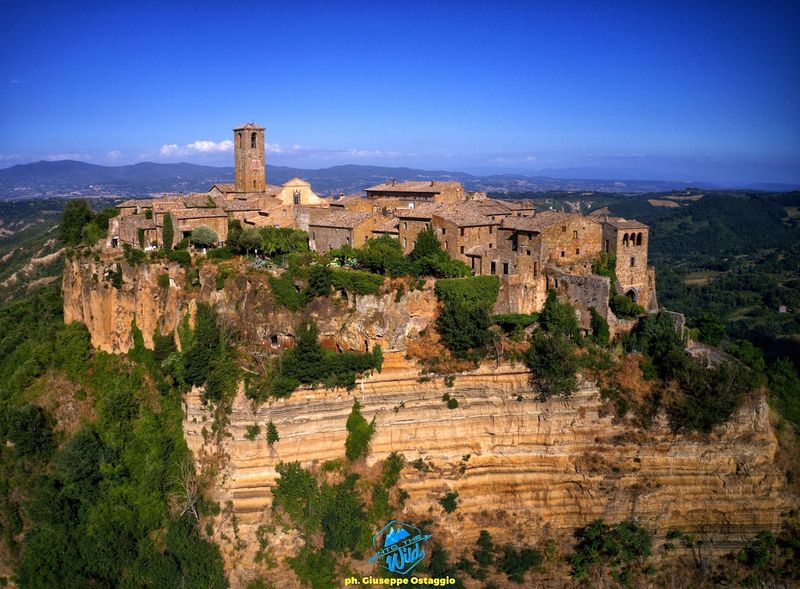
Called the “dying city” by locals, Civita di Bagnoregio is slowly being eaten by the earth beneath it. The volcanic rock it sits on keeps crumbling, and the population has shrunk to just a handful of permanent residents.
Getting there means crossing a long, narrow footbridge that feels like something out of a fantasy novel.
I visited on a foggy morning, and the whole place looked like it was floating in the clouds. That alone was worth the trip.
The village dates back over 2,500 years, and walking its cobblestone alleys feels genuinely timeless.
Entry costs a small fee, which helps fund preservation efforts. Weekday visits are quieter and far more atmospheric.
Skip the summer weekends unless you enjoy sharing a tiny medieval alley with a hundred other tourists taking the exact same photo.
Sacro Bosco, Bomarzo, Lazio
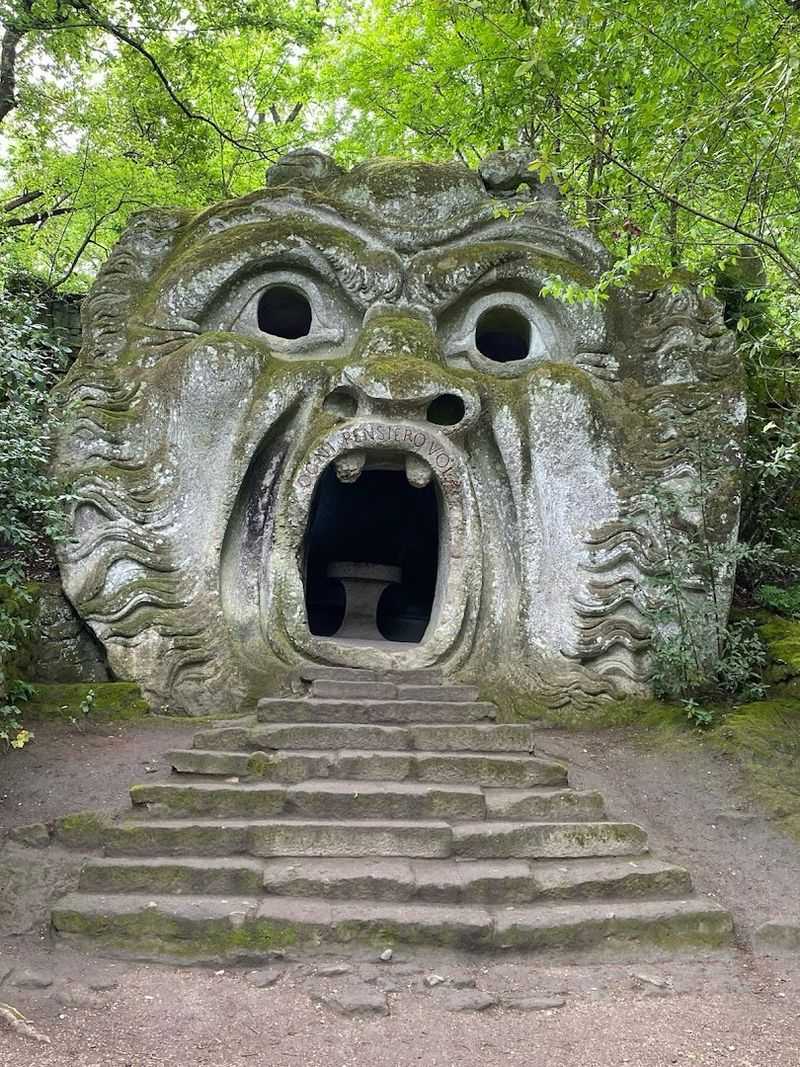
A 16th-century Italian nobleman apparently went through a rough patch and decided to cope by building a forest full of enormous stone monsters. The result is the Sacro Bosco, also known as the Park of Monsters, and it is exactly as unhinged as it sounds.
Giant stone mouths, leaning houses, and mythological beasts lurk between the trees.
Built by Prince Vicino Orsini around 1552, the park was largely forgotten for centuries before being rediscovered. Salvador Dali loved it.
That should tell you everything you need to know about the vibe.
The park is small enough to explore in two hours but strange enough to stay in your head for years. No tour guide is needed since wandering and discovering each sculpture on your own is half the fun.
Bring kids if you have them because this place will absolutely blow their minds.
Garden of Ninfa, Cisterna di Latina, Lazio
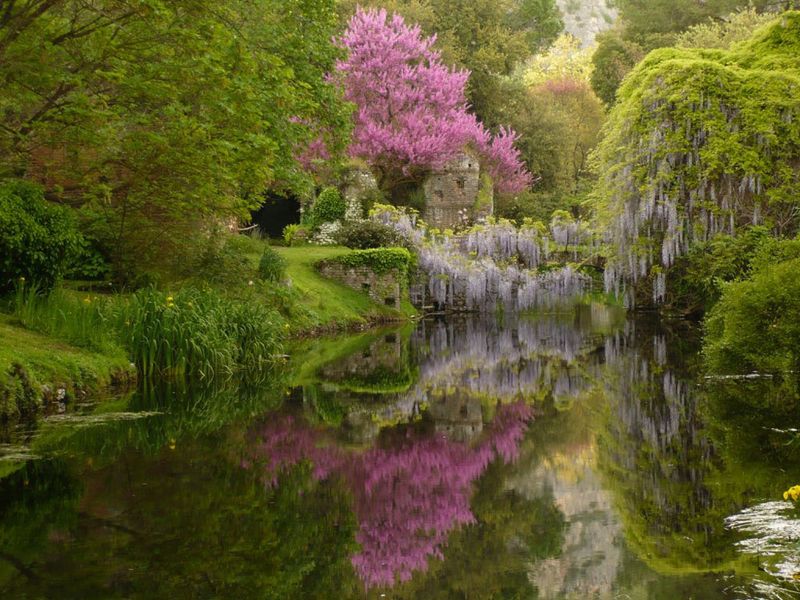
Few gardens on earth look as romantically overgrown as Ninfa, where roses climb over medieval ruins and a crystal-clear stream winds past crumbling towers. It was built on the remains of an abandoned medieval town, and the contrast between wild nature and ancient stone is genuinely stunning.
Calling it a garden almost undersells it.
The Caetani family created the garden in the early 20th century, planting exotic species among the ruins of churches and palaces. Today it is managed by a foundation and open only on specific days throughout the year.
That limited access actually makes it feel more special.
Booking tickets well in advance is essential since spots sell out fast. Spring visits are magical because the roses are in full bloom.
Autumn visits have their own moody charm with golden light filtering through the trees. Either way, your camera roll will never recover.
Il Giardino dei Tarocchi, Capalbio, Tuscany
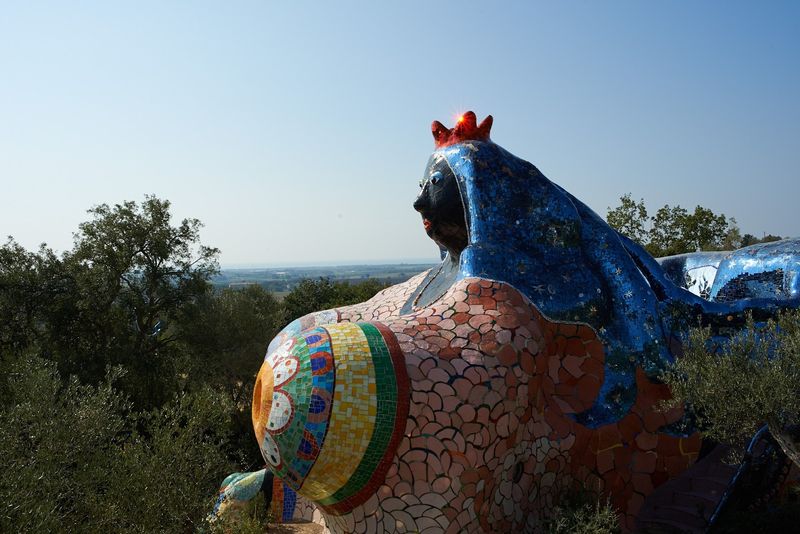
French-American sculptor Niki de Saint Phalle spent over two decades building a garden full of giant tarot-card sculptures in the Tuscan hills. The result is one of the most visually wild outdoor art spaces in Europe.
Enormous figures covered in mirrors and colorful mosaics tower over visitors in ways that feel both joyful and slightly surreal.
De Saint Phalle was so dedicated to the project that she actually lived inside one of the sculptures for a while. The High Priestess figure is big enough to contain a bedroom and kitchen.
That commitment to the craft is honestly inspiring.
The garden opened to the public in 1998 and has been drawing art lovers ever since. It sits near the Tuscan coast, so combining a visit with a beach day is entirely reasonable.
Wear comfortable shoes because the paths are uneven and the sculptures are spread across a hillside.
Frasassi Caves, Genga, Marche
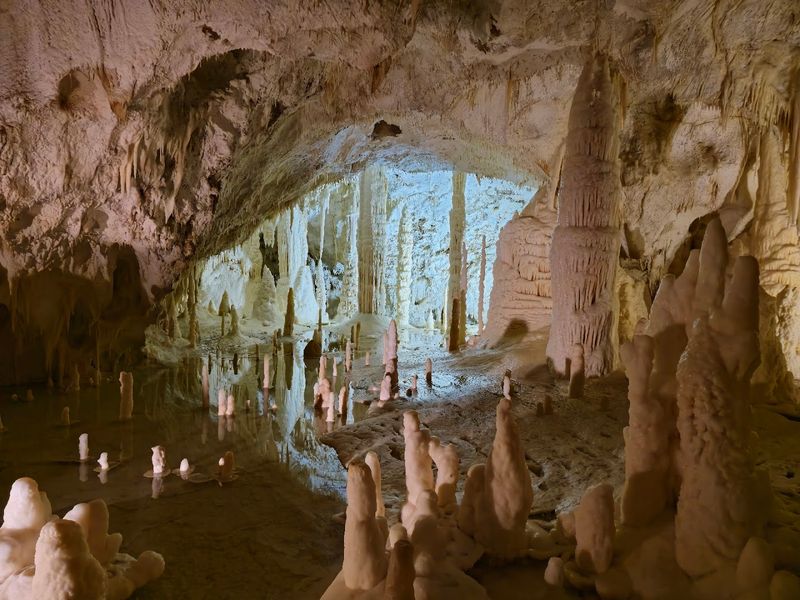
The Frasassi Caves were only discovered in 1971, which is wild considering they contain one of the largest cave systems in Europe. The main chamber is so enormous that the Milan Cathedral could fit inside it with room to spare.
Stalactites hang from ceilings so high they practically vanish into the darkness above.
Guided tours wind through about 1.5 kilometers of illuminated passages, revealing formations with names like the Giant’s Candles and the Sword of Damocles. The cave stays at a steady 14 degrees Celsius year-round, so bring a jacket even in summer.
Trust me on that one.
The caves are located in the Marche region, which is criminally undervisited compared to its neighbors. Combining the caves with a stop in the medieval town of Genga is an easy half-day plan.
Tickets sell out on weekends, so booking online beforehand saves a lot of frustration.
Rocchetta Mattei, Grizzana Morandi, Emilia-Romagna
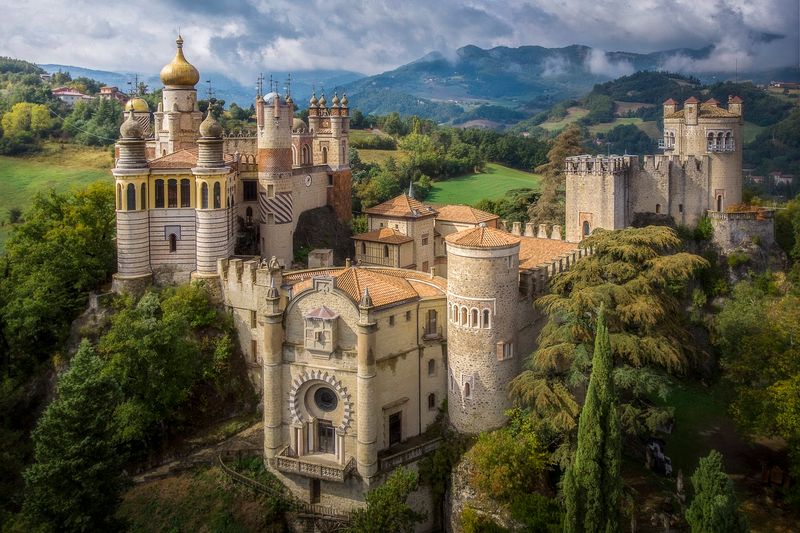
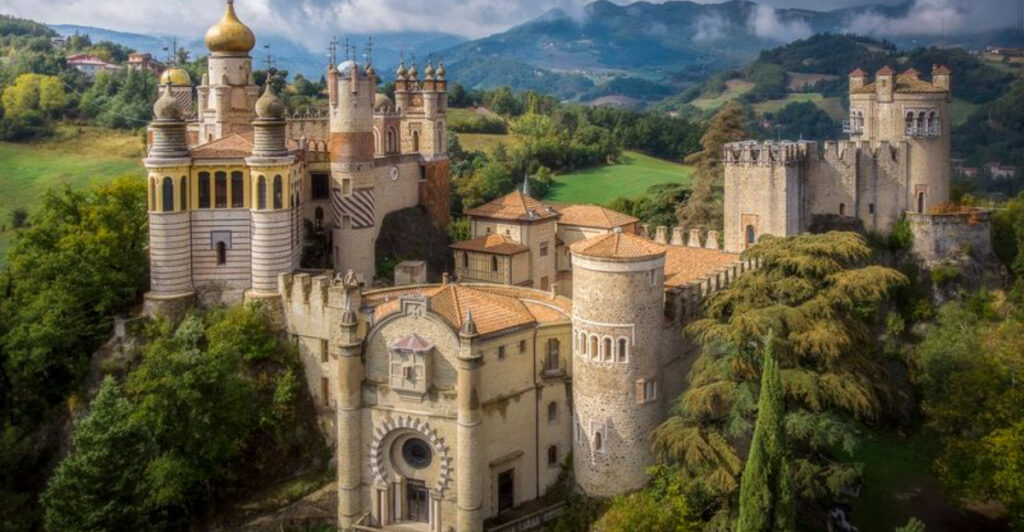
Count Cesare Mattei built this castle in the 1800s and clearly had zero interest in following any single architectural rule. Rocchetta Mattei mashes together Moorish arches, Gothic towers, and Renaissance courtyards into something that looks like it fell out of a fever dream.
It should not work, and yet it absolutely does.
Mattei was a homeopathic healer who treated thousands of patients at the castle, claiming to cure diseases through his own invented remedies. Whether that worked is debatable.
The architecture, however, is undeniably fascinating.
The castle was heavily damaged by theft and neglect in the 20th century but has been beautifully restored and reopened to visitors. Guided tours are available and genuinely informative.
The Apennine hills surrounding it add to the dramatic atmosphere. Getting there requires a car since public transport options are limited, but the winding drive through the Emilian hills is part of the experience.
Eremo di Santa Caterina del Sasso, Leggiuno, Lombardy
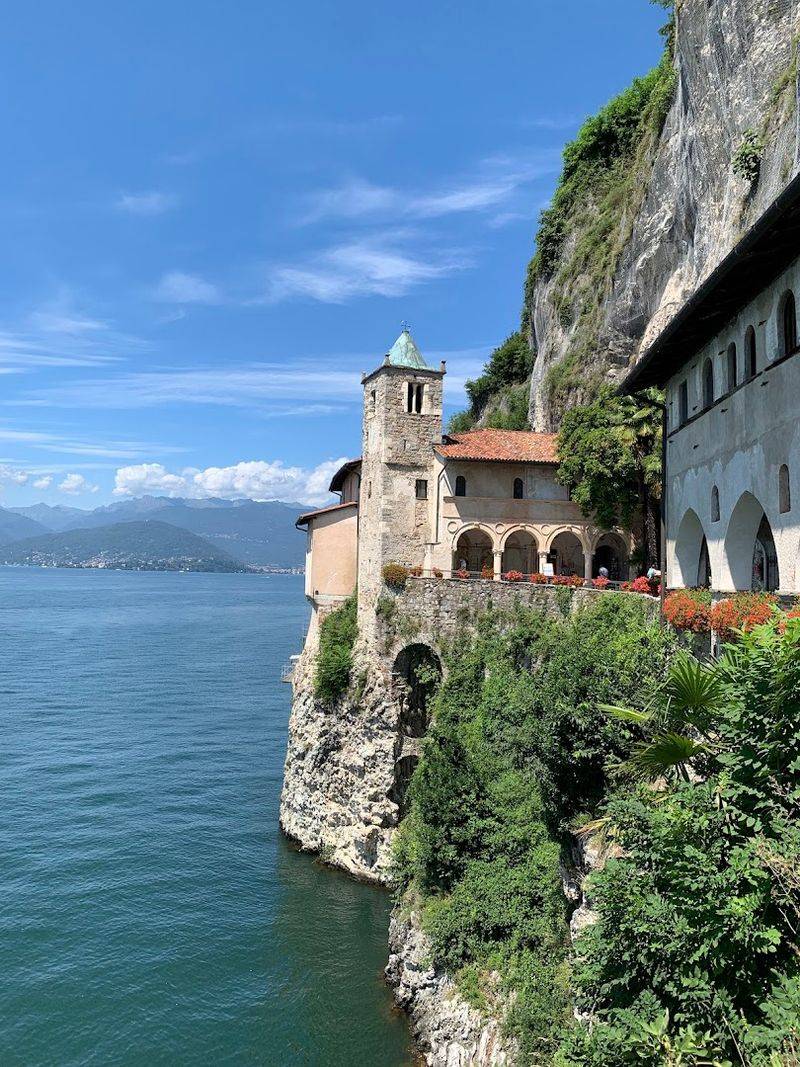
This medieval hermitage was literally carved into a cliff above Lake Maggiore, and it looks like someone dared an architect to do the impossible. Monks lived here from the 13th century onward, clinging to the rock face with impressive dedication.
Getting there involves either a steep staircase hike down from above or a short ferry ride across the lake.
The ferry option is the obvious winner. Approaching by boat and watching the monastery emerge from the cliff is genuinely one of those travel moments you remember for years.
A giant boulder crashed through the roof in the 15th century and stopped just above the altar, which the monks naturally interpreted as a miracle.
The hermitage is still active and open to visitors most of the year. Admission is free, though donations are appreciated.
The frescoes inside are remarkably well-preserved. Pack water if you choose the staircase route because those 268 steps are no joke on a warm day.
Il Vittoriale degli Italiani, Gardone Riviera, Lombardy
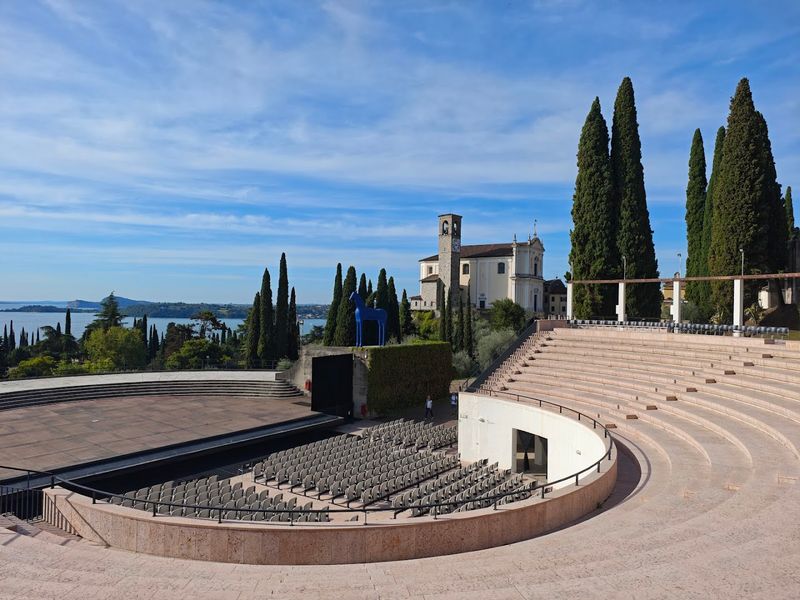
Gabriele D’Annunzio was a poet, soldier, nationalist, and world-class eccentric, and his lakeside estate reflects every single one of those qualities simultaneously. Il Vittoriale is part villa, part museum, part monument to one man’s absolutely colossal ego.
There is a full-sized warship hull embedded in the hillside garden, which tells you the energy of this place immediately.
D’Annunzio filled the house with thousands of objects, covering every surface until the rooms feel like beautiful, chaotic caves. He reportedly kept a pet tortoise that died from overeating, which tracks.
The estate also contains an open-air theater and a mausoleum where D’Annunzio is buried.
The views over Lake Garda from the gardens are spectacular and worth the visit alone. Guided tours of the house give essential context because without them, the sheer density of objects is overwhelming.
Plan at least three hours here. Gardone Riviera is easy to reach from Brescia or Verona.
Basilica of Aquileia, Aquileia, Friuli Venezia Giulia
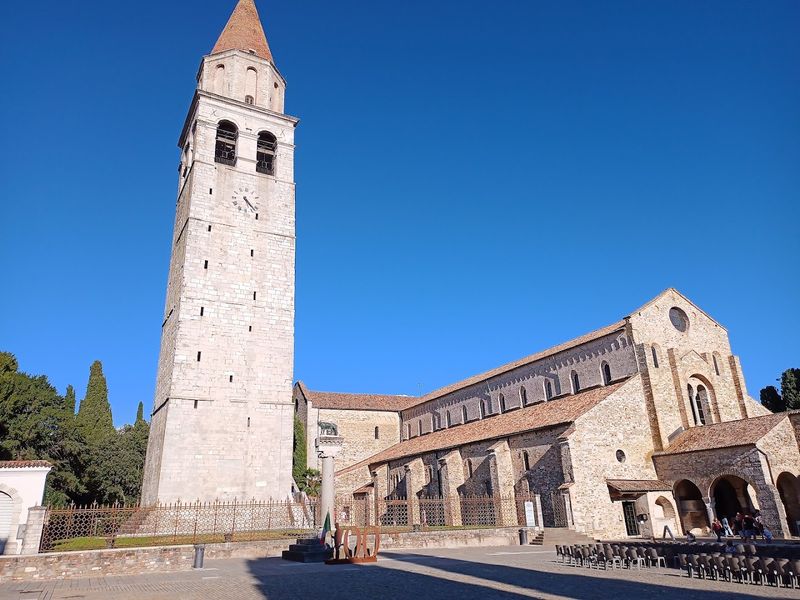
Most people have never heard of Aquileia, which is a genuine shame because it contains one of the most extraordinary early Christian monuments in existence. The Basilica of Aquileia sits on top of a mosaic floor from the 4th century that stretches across 760 square meters.
Walking above it on the glass viewing platform feels almost disrespectful to how beautiful it is.
Aquileia was once one of the largest cities in the Roman Empire, rivaling Rome itself in importance. The town is now tiny and quiet, which makes the scale of its ancient remains even more striking.
The UNESCO-listed archaeological area around the basilica adds another layer of history to explore.
Entry to the basilica is affordable and well worth it. The attached crypt has additional mosaics that are equally impressive.
Aquileia is about 40 minutes from Trieste by car, making it an easy and deeply rewarding day trip from the Friulian coast.
Su Nuraxi di Barumini, Barumini, Sardinia
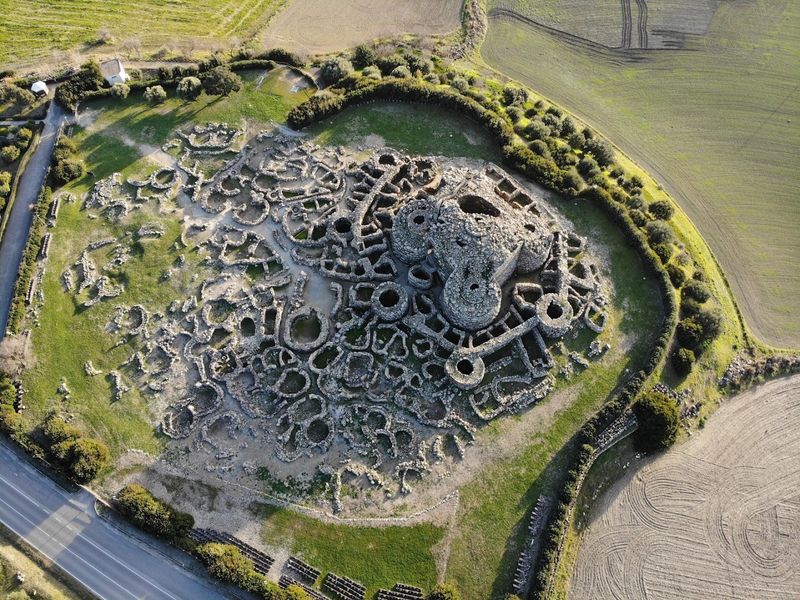
Sardinia has its own ancient civilization that most people know absolutely nothing about, and Su Nuraxi is its most impressive surviving monument. This Bronze Age complex of stone towers dates back to around 1500 BC and was built by a culture called the Nuragic people.
Nobody fully understands what these structures were for, which makes them even more intriguing.
The central tower at Su Nuraxi stands about 15 meters tall and is surrounded by a village of smaller stone huts. It was buried under centuries of sediment before being excavated in the 1950s.
UNESCO added it to the World Heritage List in 1997, which was well deserved.
Guided tours are mandatory and genuinely excellent. The guides provide fascinating context about Nuragic culture that you simply cannot get from reading a sign.
Barumini is a small inland town about an hour from Cagliari. Renting a car is the most practical way to get there.
Tuvixeddu Necropolis, Cagliari, Sardinia
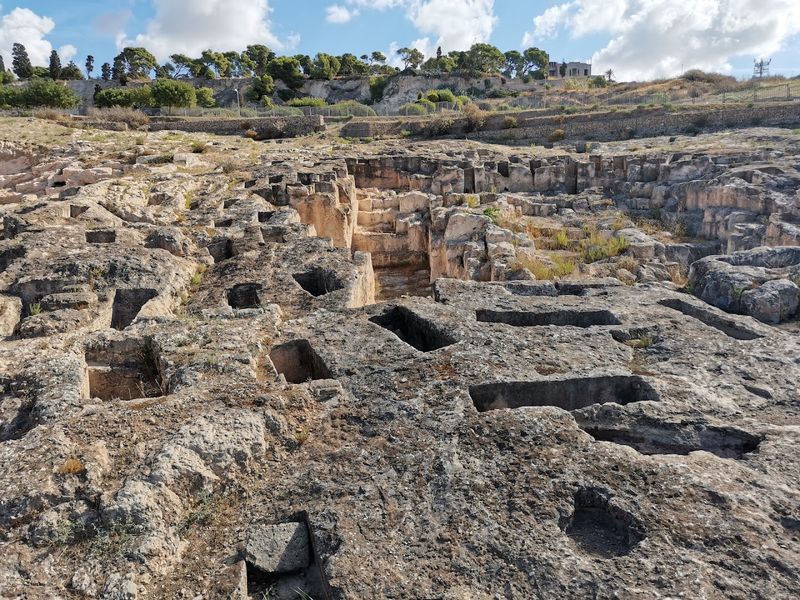
Cagliari sits on top of one of the largest ancient necropolises in the Mediterranean world, and most visitors walk right past it without knowing. Tuvixeddu is a limestone hill riddled with hundreds of rock-cut tombs carved by the Phoenicians and Carthaginians between the 6th and 2nd centuries BC.
It is eerie, atmospheric, and almost completely off the tourist radar.
The site has had a complicated history, with parts threatened by modern development over the years. Conservation efforts have protected much of it, and a portion is now accessible as an archaeological park.
The tombs are carved directly into the pale rock face and are surprisingly well-preserved.
Visiting feels like stepping into a part of history that has been genuinely overlooked. Admission is free or very low cost depending on the season.
Combining it with a visit to the nearby Botanical Garden of Cagliari makes for a full and fascinating half-day in the city.
Capuchin Catacombs, Palermo, Sicily
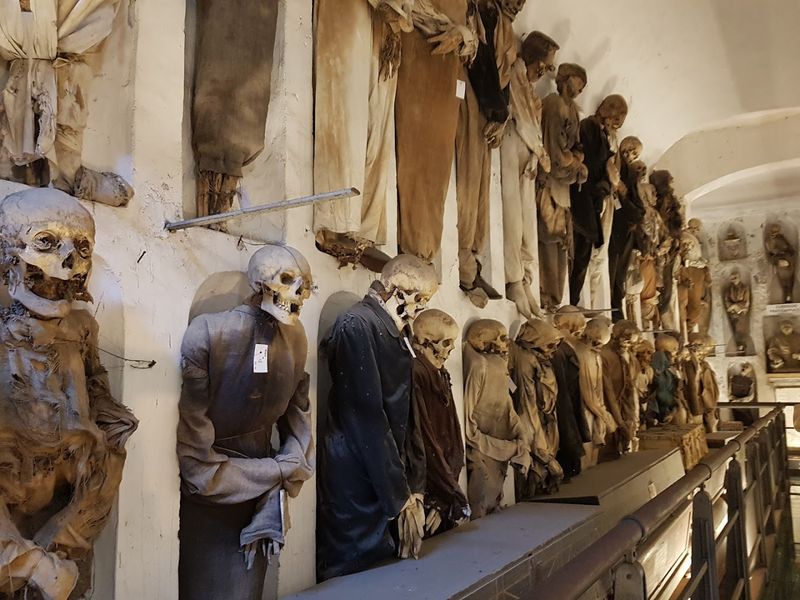
There is nowhere else quite like the Capuchin Catacombs of Palermo, and that is not a complaint. About 8,000 mummified bodies line the underground corridors beneath a Capuchin monastery, dressed in their finest clothes and arranged by profession, age, and gender.
It is macabre, fascinating, and oddly moving all at once.
The practice began in the late 16th century when monks started mummifying their deceased brothers as a form of preservation and remembrance. Wealthy Palermitans eventually paid to have their relatives displayed here too.
The most famous resident is Rosalia Lombardo, a two-year-old girl whose body is so perfectly preserved she looks like she is simply sleeping.
The catacombs are open most days and require a small entry fee. Photography rules vary, so check before you visit.
This is not a place for the faint-hearted, but it offers a genuinely unique window into how Sicilian culture once approached death and memory.
Castelmezzano, Basilicata
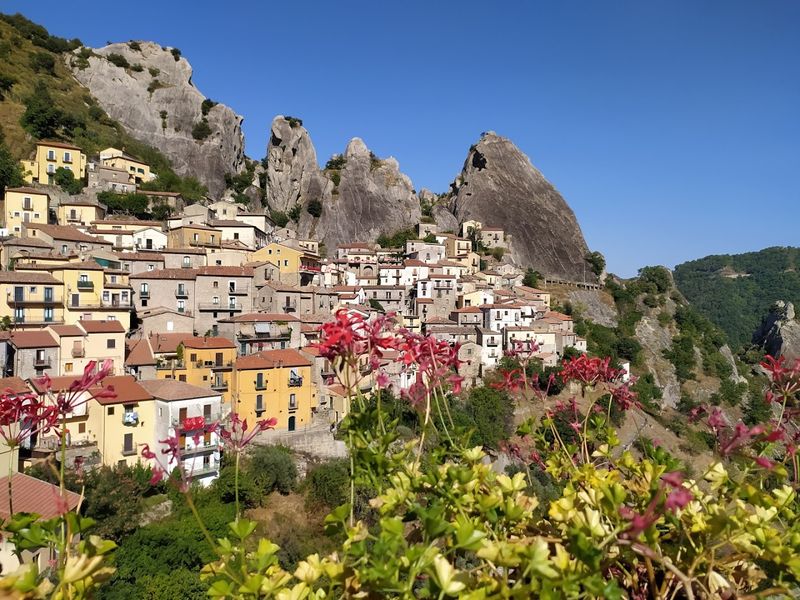
Castelmezzano looks like someone accidentally dropped a village onto a set of jagged mountain peaks and it somehow stayed. The houses are wedged into the Dolomiti Lucane rock formations in Basilicata, one of Italy’s least-visited regions.
The result is one of the most visually dramatic villages in the entire country.
The village is connected to its neighbor Pietrapertosa by a zip line called the Flight of the Angel, which sends riders soaring between the two peaks at speeds up to 120 km/h. I did it once and still think about the view from the top of that launch platform.
It is absolutely worth every nerve-wracking second.
Castelmezzano itself is tiny and best explored on foot. The narrow medieval streets wind upward toward the remains of a Norman castle.
The local food scene punches well above its size, with excellent pasta and lamb dishes. Getting here requires a car, but the Basilicata landscape makes the drive genuinely rewarding.
Share this story