Women’s prisons around the world tell stories of justice, hardship, and human rights that most people never hear about. From crowded facilities in Latin America to high-security institutions in Asia, these places hold women whose stories range from petty crimes to international headlines.
Some prisons are known for their strict conditions, while others have gained attention through documentaries, news reports, and high-profile cases. This list takes a closer look at nine of the most well-known women’s prisons across the globe and what makes each one stand out.
1. Rikers Island (Rose M. Singer Center) – USA
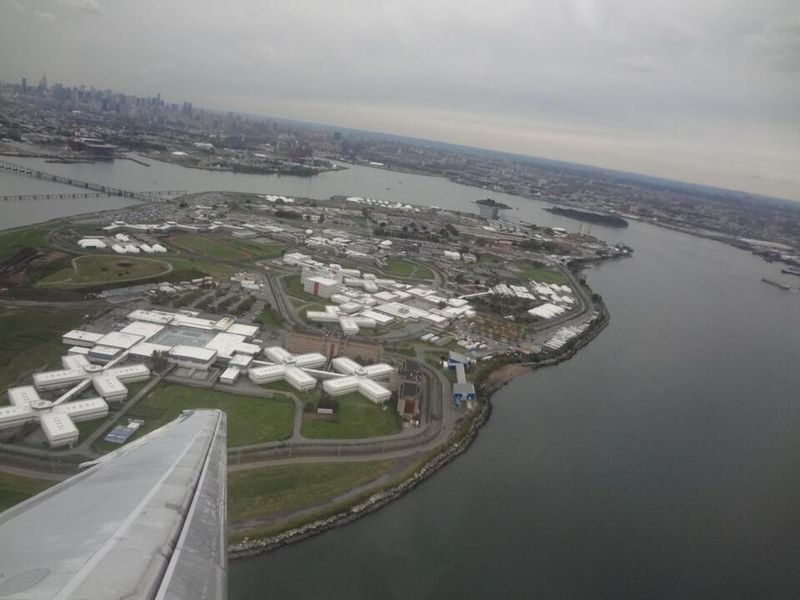
Few jail complexes in the world carry as much weight as Rikers Island. Sitting on a small island in New York City, the Rose M.
Singer Center is the facility dedicated to housing women. It holds hundreds of inmates at any given time, many of whom are awaiting trial rather than serving sentences.
Over the years, the center has faced serious criticism over conditions inside. Reports have described overcrowding, mental health concerns, and staff shortages as ongoing problems.
Advocacy groups have pushed for major reforms, and the city of New York has announced plans to eventually close the entire Rikers complex.
Despite calls for change, the facility remains operational and continues to draw national attention. Many of the women held there come from low-income backgrounds and struggle to afford bail.
The Rose M. Singer Center stands as a symbol of the broader debate around criminal justice reform in America.
2. Holloway Prison – United Kingdom
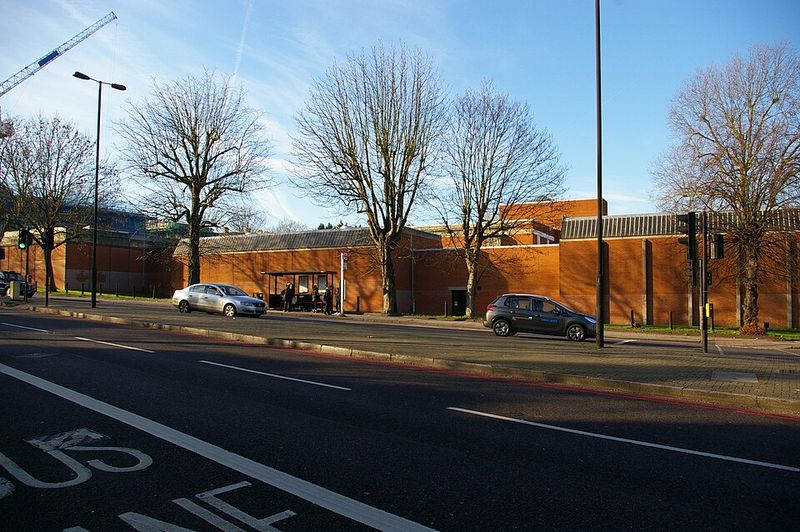
For more than 150 years, Holloway Prison stood as the most recognized women’s prison in the United Kingdom. Located in north London, it opened in 1852 and went through several major rebuilds over its long history.
At its peak, it was the largest women’s prison in Western Europe.
Holloway housed some of the most talked-about female inmates in British history. Suffragettes fighting for women’s voting rights were held there in the early 1900s, enduring force-feeding during hunger strikes.
High-profile criminals and political prisoners passed through its walls across multiple generations.
The prison officially closed in 2016, ending a chapter that sparked decades of debate about women’s incarceration in Britain. Plans to redevelop the site into housing have moved forward since then.
Even in its absence, Holloway remains a powerful reference point in conversations about how society treats women in the justice system.
3. Black Dolphin Prison (Female Section) – Russia
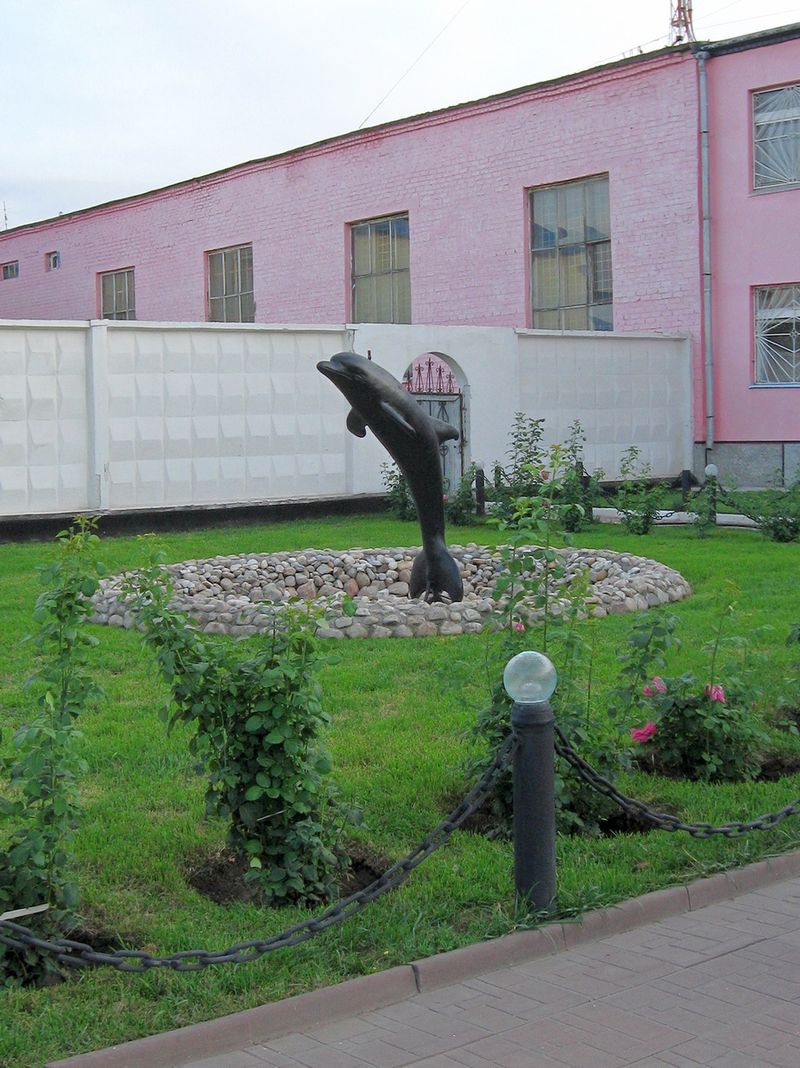
Russia’s prison system has a reputation for being among the harshest in the world, and Black Dolphin is often mentioned at the top of that list. While the main facility houses male inmates convicted of the most serious crimes, Russia’s broader correctional system includes women’s colonies that operate under similarly strict conditions.
Women serving time in Russian penal colonies face long work hours, strict discipline, and limited contact with the outside world. Human rights organizations have raised concerns about the treatment of female inmates, especially those held for politically sensitive offenses.
International observers have had limited access to inspect these facilities.
The global spotlight on Russia’s prison system has grown in recent years, partly due to high-profile cases involving foreign nationals. Conditions inside women’s colonies remain a subject of concern for human rights advocates.
The system reflects a broader culture of punishment that prioritizes control over rehabilitation.
4. Bangkok Women’s Central Correctional Institution – Thailand
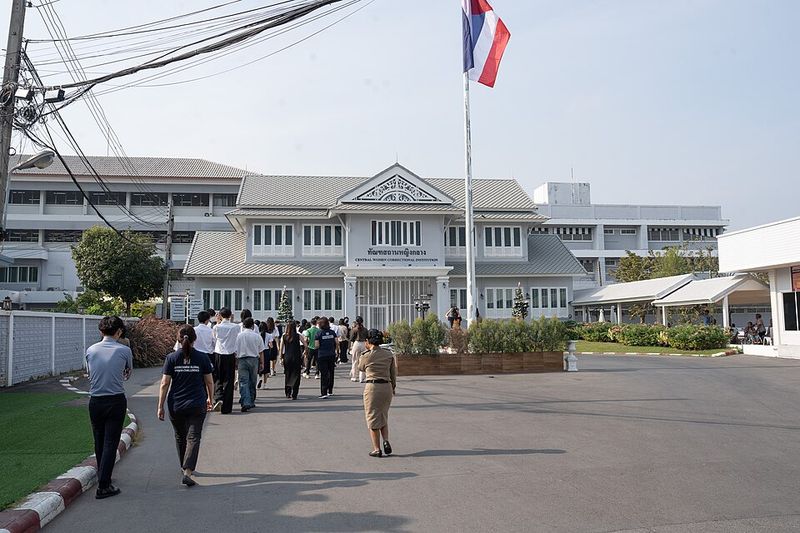
Thailand’s Bangkok Women’s Central Correctional Institution has gained international recognition largely because of the number of foreign nationals held inside. Tourists and travelers caught with drugs in Thailand face some of the strictest penalties in Southeast Asia, and many foreign women have ended up serving long sentences here.
The facility is known for its overcrowded conditions, with reports indicating it holds far more inmates than it was designed for. Basic resources like sleeping space, food, and medical care are stretched thin.
Former inmates have described the experience as extremely difficult, particularly for those who do not speak Thai.
Several books and documentaries have brought attention to the stories of women imprisoned here. The facility serves as a stark reminder of Thailand’s zero-tolerance approach to drug offenses.
For many foreign women, a single mistake leads to years inside a system that feels completely foreign and overwhelming.
5. Santa Martha Acatitla – Mexico
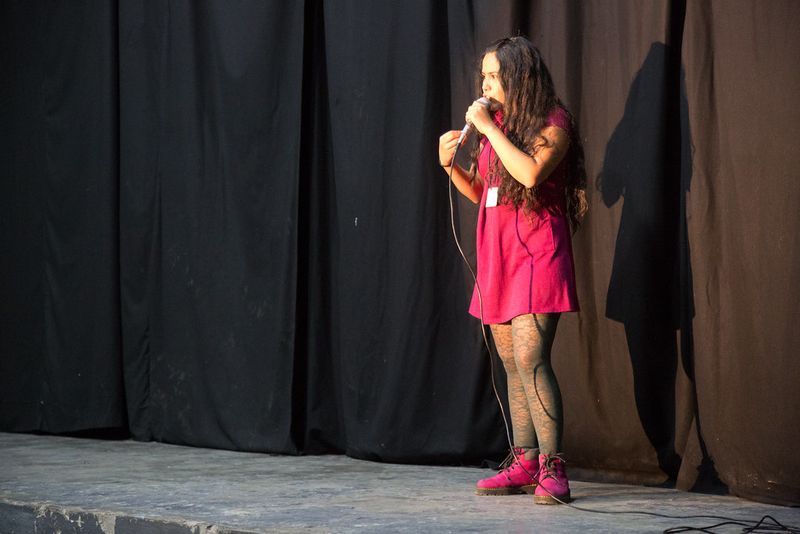
Santa Martha Acatitla is Mexico’s most well-known women’s prison, located in the eastern part of Mexico City. It has appeared in numerous documentaries and news features, drawing attention to the realities of incarceration in one of Latin America’s largest cities.
The facility holds a mix of inmates, from those convicted of minor offenses to women involved in organized crime.
Life inside Santa Martha has been described as a complex social world. Inmates organize their own communities within the walls, and some sections have developed informal economies and social hierarchies.
Overcrowding has been a persistent issue, as the prison regularly exceeds its intended capacity.
High-profile inmates have passed through its gates, adding to the facility’s notoriety. Reform advocates have called for better mental health services and educational programs for women inside.
Santa Martha reflects the broader challenges facing Mexico’s justice system, where resources are limited and rehabilitation often takes a back seat to punishment.
6. Neve Tirza Prison – Israel
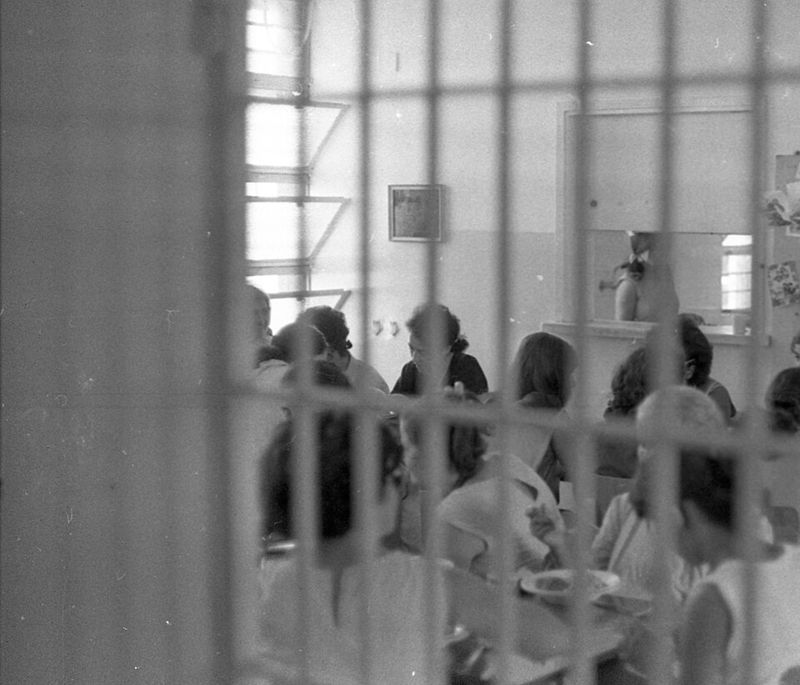
Neve Tirza holds a unique place in Israel’s prison system simply because it is the only women’s prison in the entire country. Located in Ramla, it houses all female inmates sentenced to time in Israeli custody, regardless of the nature of their offense.
That single-facility status means it regularly appears in international news coverage.
The prison has held women convicted of crimes ranging from theft and fraud to terrorism-related offenses. Its small size compared to the diversity of its population creates unique management challenges.
Conditions inside have been criticized at times, with concerns raised about mental health care and access to rehabilitation programs.
Neve Tirza gained particular attention during periods of heightened conflict, when female security detainees were held alongside those convicted of ordinary crimes. Human rights groups have monitored conditions there closely.
The prison’s singular status in Israel means any controversy involving female inmates almost inevitably involves Neve Tirza.
7. Talavera Bruce Prison – Brazil
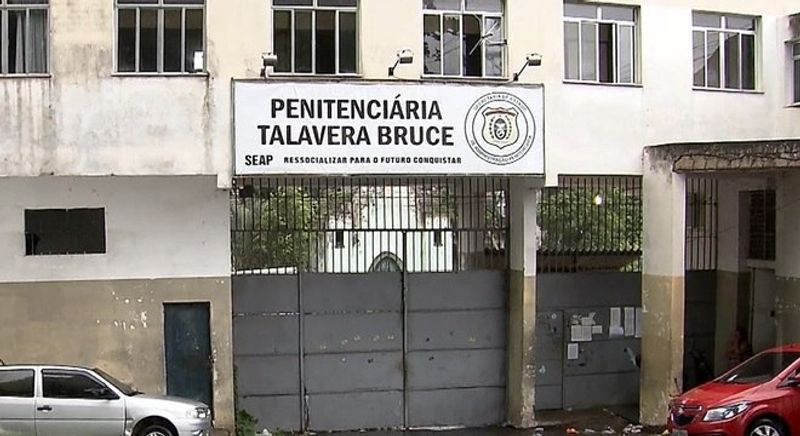
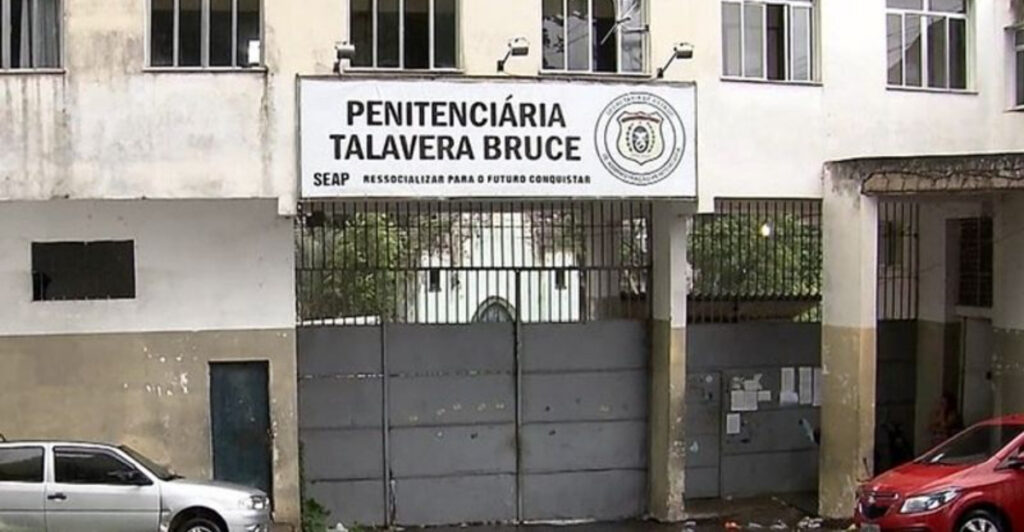
Talavera Bruce is Brazil’s most frequently cited women’s prison, located in Rio de Janeiro. It has been the subject of numerous reports highlighting the difficult conditions faced by female inmates in Brazil’s overcrowded correctional system.
The facility holds women convicted of a wide range of offenses, with drug-related crimes making up a significant portion of the population.
Overcrowding is one of the most serious problems at Talavera Bruce. The prison regularly operates well beyond its official capacity, which puts enormous strain on resources, staff, and the women living inside.
Access to healthcare, legal representation, and basic necessities has been described as inadequate by human rights observers.
Brazil has one of the fastest-growing female prison populations in the world, and Talavera Bruce sits at the center of that conversation. Activists have pushed for sentencing reform to reduce the number of women jailed for low-level drug offenses.
The facility represents a system under significant pressure to change.
8. Byculla Women’s Prison – India
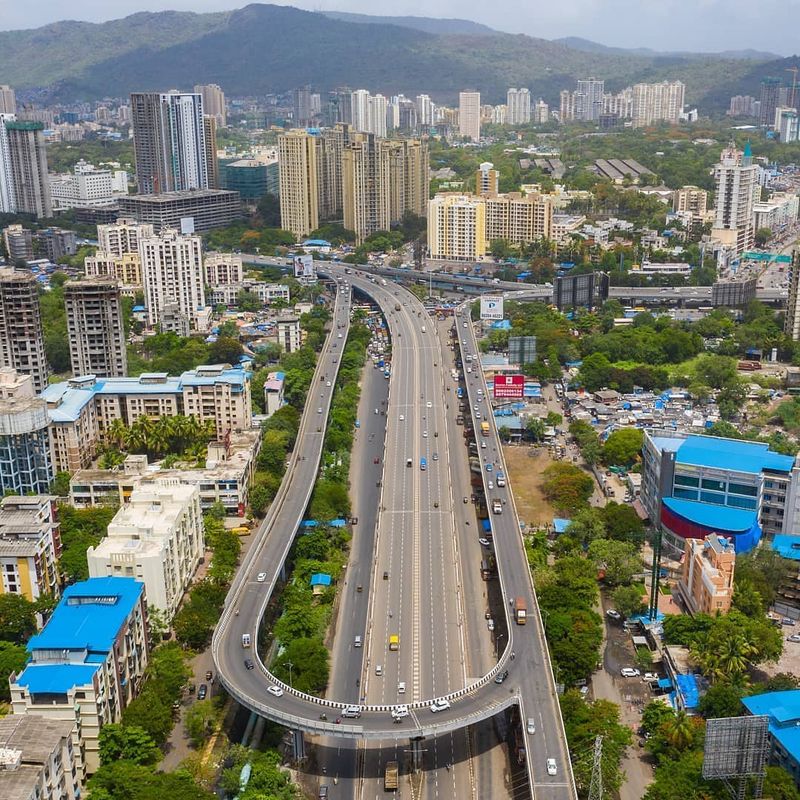
Byculla Women’s Prison in Mumbai is one of India’s oldest and most recognized women’s correctional facilities. Housed in a colonial-era building, the prison carries decades of history within its walls.
It has regularly appeared in Indian news coverage, particularly when high-profile inmates are transferred there.
The facility has faced scrutiny over the years for reports of overcrowding and inadequate living conditions. Concerns about inmate safety came sharply into focus in 2017, when an inmate died under circumstances that led to protests inside the prison.
That incident triggered a broader conversation about accountability and oversight within India’s women’s prisons.
Despite its challenges, Byculla has also been the site of reform efforts, including programs focused on education and skill development for inmates. The prison holds women at various stages of the legal process, from undertrial detainees to those serving final sentences.
Its visibility in the media keeps the spotlight on the state of women’s incarceration across India.
9. La Modelo (Women’s Sections) – Colombia
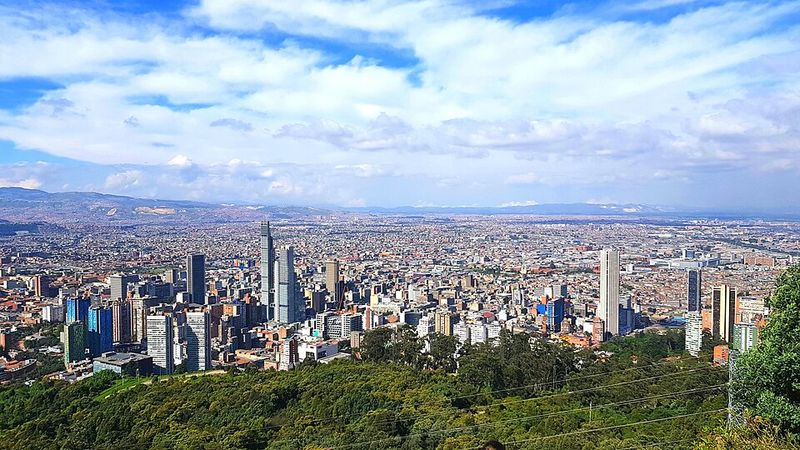
La Modelo in Bogota is one of Colombia’s most notorious prison complexes, and its women’s sections have drawn significant attention over the years. The facility became infamous during the height of Colombia’s conflict with drug cartels, when it housed inmates connected to some of the country’s most powerful criminal organizations.
Violence and poor conditions made headlines repeatedly.
Women held in La Modelo’s sections have faced serious challenges, including overcrowding and limited access to basic services. The intersection of organized crime, political prisoners, and ordinary offenders creates a complicated social environment inside.
Managing security under those conditions has proven extremely difficult for prison authorities.
Reform efforts in Colombia’s prison system have been ongoing, but progress has been slow. Advocacy organizations continue to document conditions inside facilities like La Modelo and push for policy changes.
The women’s sections remain a symbol of the broader struggles Colombia faces in building a justice system that balances punishment with human dignity.
Share this story