A Grand Rapids museum has earned more than 6,000 reviews and a 4.7-star rating by offering far more than standard exhibits. Inside, visitors move through three floors that include a working 1928 carousel, a full planetarium, and a recreated historic street that feels closer to an interactive set than a display.
Families travel from across Michigan, often returning year after year because there is too much to cover in a single visit. The layout encourages hands-on exploration, making it just as engaging for kids as it is for adults.
So what keeps people coming back, and why do so many first-time visitors wish they had planned more time? Here is what makes this place stand out.
Where You Will Find It and Why It Matters

Right on the banks of the Grand River, at 272 Pearl St NW, Grand Rapids, MI 49504, the Grand Rapids Public Museum has been welcoming curious minds since 1854, making it one of the oldest history museums in the entire United States.
That is not a small claim. Most museums of that era have either closed or faded into obscurity, but this one has only grown stronger, now housing a collection of over 250,000 artifacts and specimens spread across three engaging floors.
The building sits in a central, accessible part of downtown Grand Rapids, with a parking garage directly across the street that validates for museum visitors. General admission runs around $14 per adult, and Kent County residents get a notable discount, with children often getting in free.
You can reach the museum by phone at +1 616-929-1700 or visit grpm.org for current hours, which run Monday through Friday from 9 AM to 5 PM and weekends from 10 AM to 5 PM.
A Building That Has Been Earning Its Reputation for 170 Years
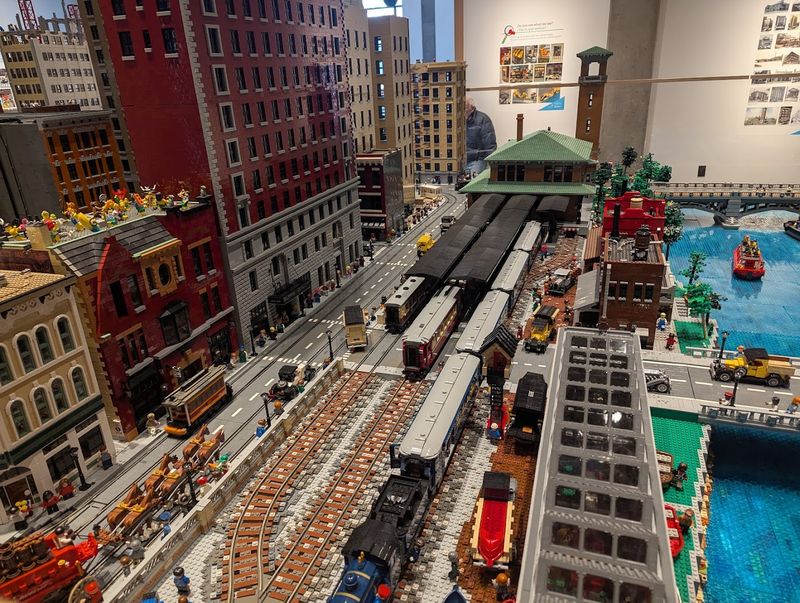
Earning a a 4.7‑star rating across more than 6,000 reviews is the kind of achievement that does not happen by accident, and the Grand Rapids Public Museum has built that reputation brick by brick over nearly two centuries of operation.
Founded in 1854, it carries a weight of history that you can actually feel the moment you walk through the front doors. The mission here has always been to inspire curiosity and learning, and that mission shows up in every corner of the building.
The collection spans history, science, natural history, and culture, which means the museum never feels like it is trying to be just one thing. One hallway might take you through Michigan’s ecological past, while the next drops you into a recreation of downtown Grand Rapids from a hundred years ago.
That range is exactly why families with children of different ages tend to find it so satisfying, because there is genuinely something for every curiosity level and every age group here.
Streets of Old Grand Rapids: The Exhibit Everyone Talks About
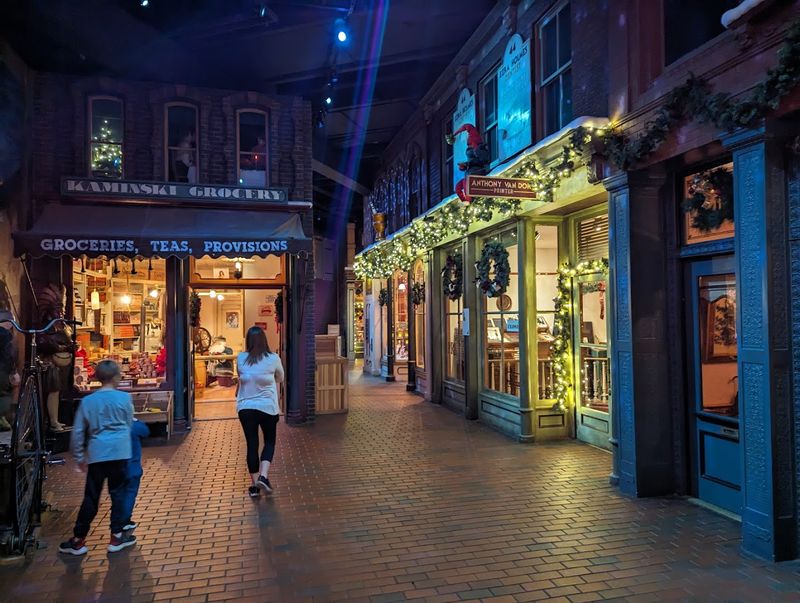
Ask almost anyone who has visited the Grand Rapids Public Museum what their favorite part was, and a huge number of them will say the same thing: Streets of Old Grand Rapids.
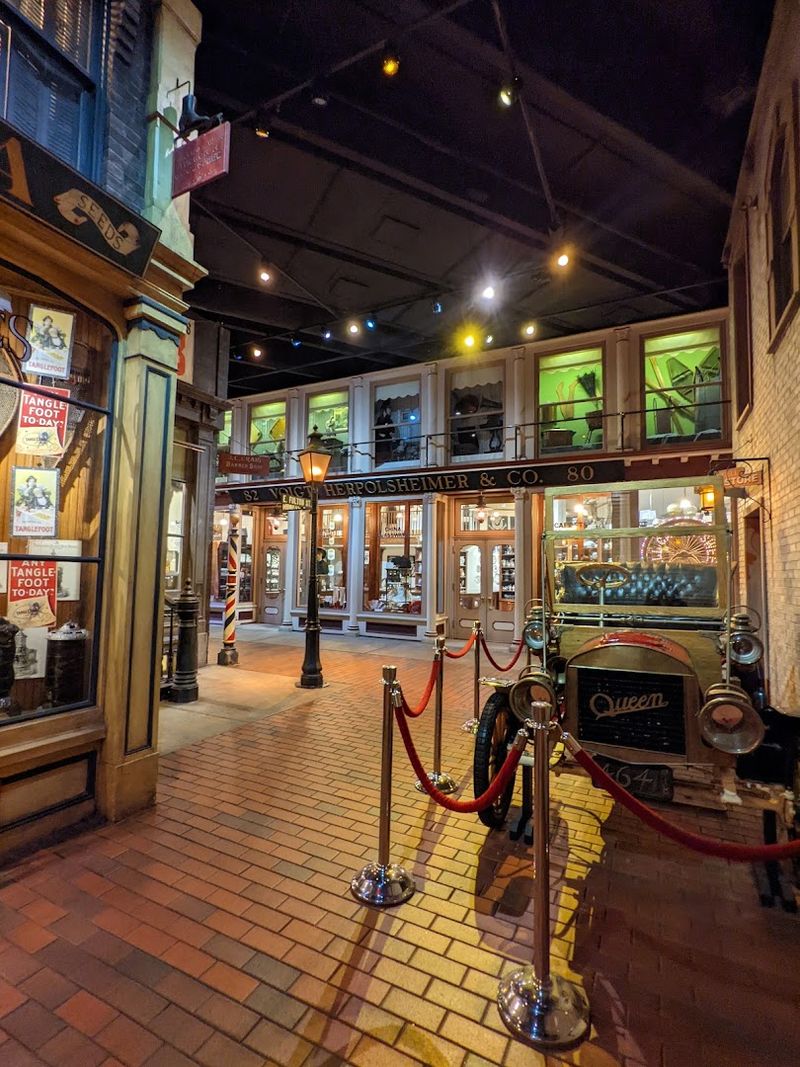
This exhibit recreates a full downtown street from roughly a century ago, complete with storefronts, period-accurate details, and even volunteer demonstrators who bring the space to life. On certain visits, you might find a volunteer typesetter running an old printing press in the print shop, offering hands-on demonstrations that make history feel immediate rather than distant.
The level of detail in the recreation is genuinely impressive. Facades are carefully constructed to reflect what Grand Rapids businesses actually looked like, and the atmosphere inside feels more like a movie set than a museum display.
It is the kind of exhibit that works equally well for a curious ten-year-old and a nostalgic grandparent, which is a rare balance to strike. And yes, the volunteer printers are absolutely worth stopping to watch.
The Roger B. Chaffee Planetarium Is Worth Every Penny
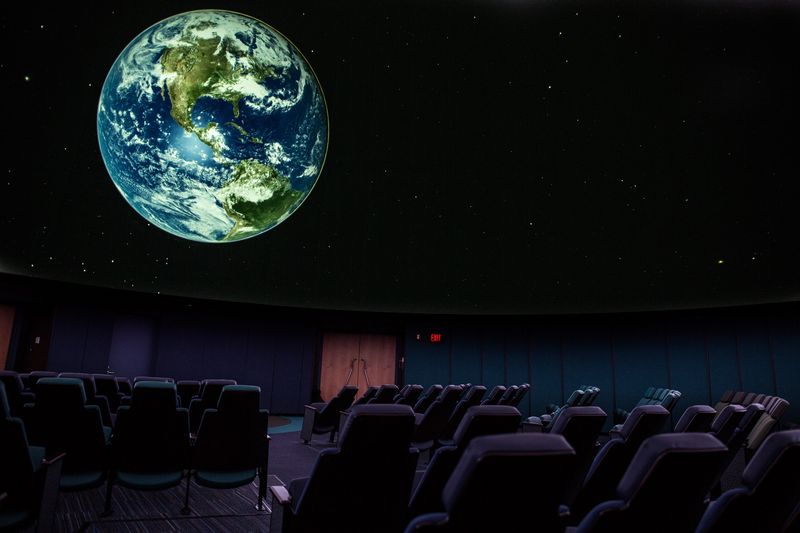
For just five dollars added to your general admission, the Roger B. Chaffee Planetarium offers one of the most immersive experiences in the entire building, and it consistently ranks as a highlight for both kids and adults.
The Space Dome show wraps you in a full 360-degree projection of the cosmos, and the effect is genuinely stunning. The chairs recline, the room goes dark, and suddenly the ceiling above you becomes the night sky in a way that no flat screen can replicate.
Tickets for planetarium shows are sold right outside the planetarium entrance, and a small board lists the available showtimes so you can plan accordingly. The shows do sell out on busy days, so arriving early and grabbing tickets before you explore the rest of the museum is a smart move.
There is also a small snack area nearby on the upper floor, which makes the wait between shows a comfortable and convenient pause rather than an inconvenience.
The Sharks Exhibit That Had Everyone Talking
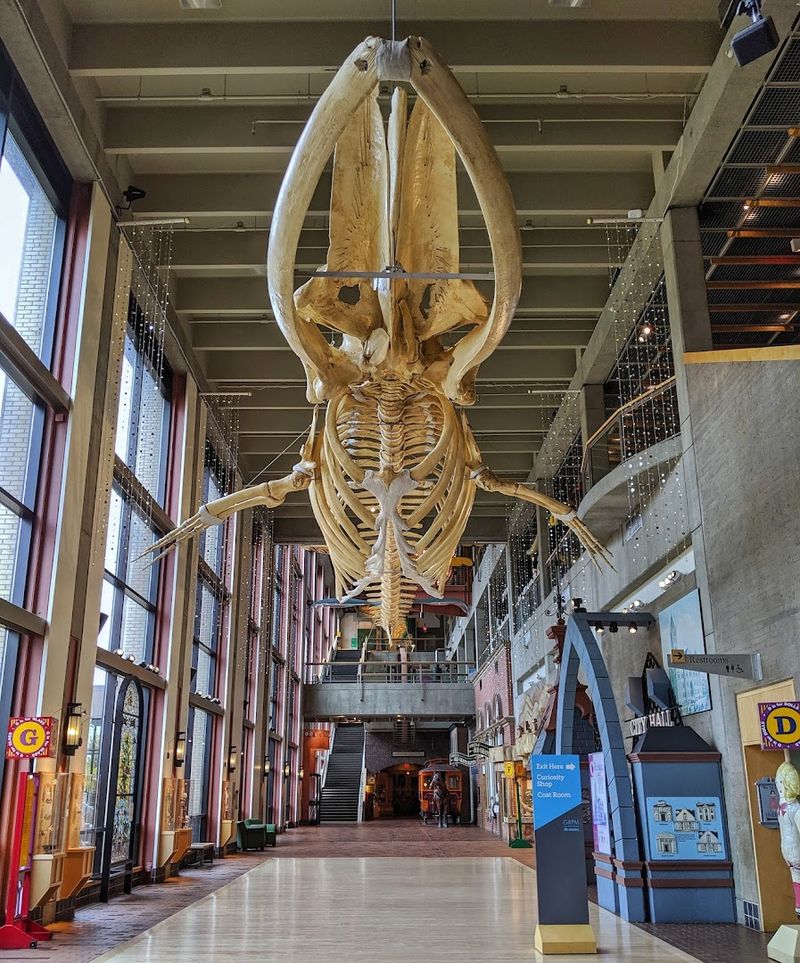
Temporary exhibits at the Grand Rapids Public Museum have a way of generating serious buzz, and the Sharks exhibit became one of the most talked-about displays in recent memory.
Full-scale models of several shark species were suspended and displayed throughout the exhibit space, and the sheer physical size of those models made an immediate impression on visitors of all ages. It is one thing to read about how large a great white shark is, and an entirely different experience to stand next to a life-size model of one.
The exhibit combined visual impact with genuine educational content, covering shark biology, behavior, ocean ecosystems, and conservation in a way that felt engaging rather than lecture-like. Kids who love sharks were completely absorbed, and even visitors who came in with little prior interest ended up learning far more than they expected.
The museum rotates its temporary exhibits fairly regularly, so checking the website before your visit will tell you what is currently filling that coveted main exhibit space.
Three Floors of Surprises That Reward Slow Exploration
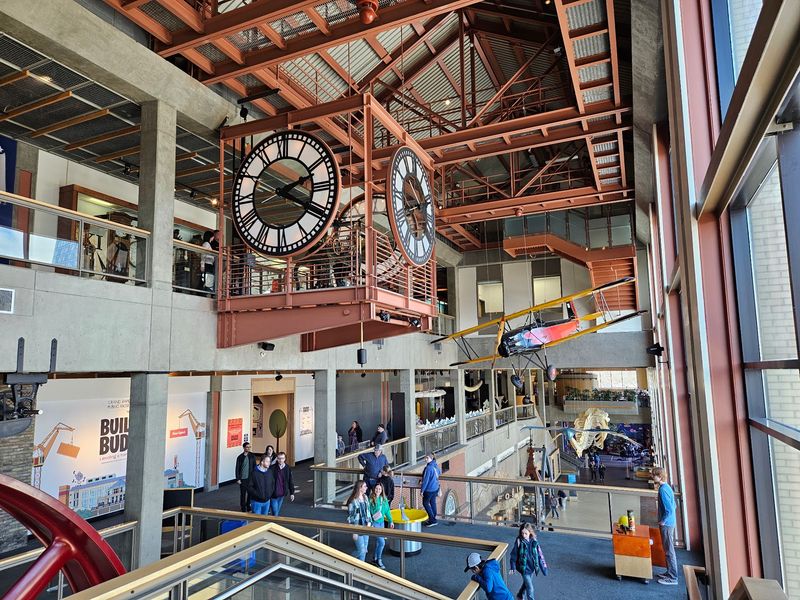
One of the most common things visitors say after their first trip here is that they ran out of time before they ran out of things to see, and that is not an accident.
The museum spreads its collection across three fully loaded floors, each with its own personality. The first floor tends to draw younger kids with its dinosaur activity areas and hands-on stations, while the second floor has reading areas and natural history displays that reward a slower pace.
The third floor typically houses the rotating temporary exhibits alongside Michigan history collections, and it is easy to spend far more time up there than you originally planned. Most visitors report needing at least two to three hours to get through the building comfortably, and those who rush often leave feeling like they missed something.
The pacing of the layout is genuinely well thought out, with quiet corners alongside busier interactive zones, so the energy of the space never feels overwhelming even on crowded days.
The 1928 Spillman Carousel: A Ride Through Living History
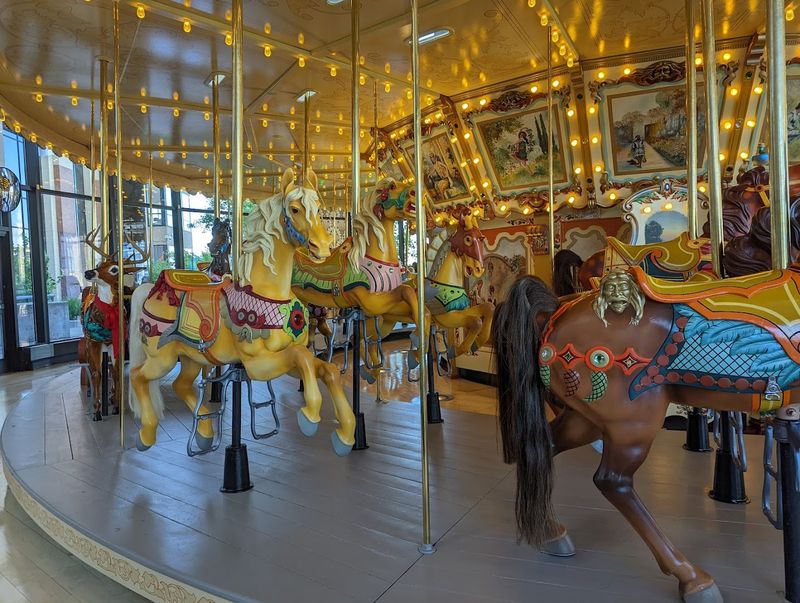
Not many museums can say they have a working carousel from 1928 on the premises, but the Grand Rapids Public Museum is not most museums.
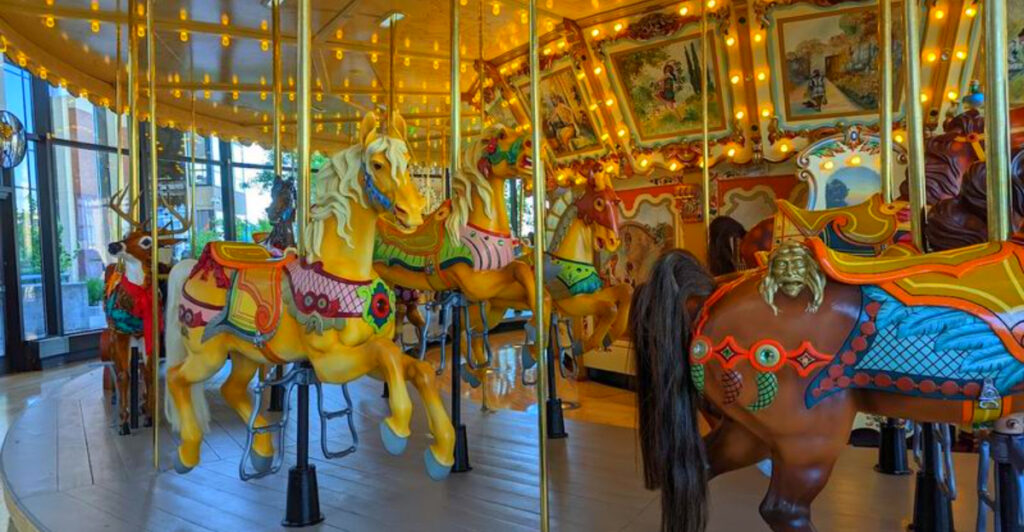
The Spillman Carousel, housed in the Cook Carousel Pavilion, is a genuine piece of American amusement history. Its hand-carved horses and original mechanical workings have been carefully maintained, and riding it feels like a small act of time travel that even adults find unexpectedly moving.
It is worth noting that the Cook Carousel Pavilion is currently closed through Fall 2025 as part of the museum’s broader $50 million expansion project. That expansion is also improving exhibit spaces, landscaping, and access to the Grand River, so the temporary closure is genuinely in service of something bigger.
When the carousel reopens in its enhanced new space, it will be even more of a centerpiece than it already was. If you are planning a visit specifically for the carousel, check the museum’s website first to confirm it has reopened before making the trip.
What the $50 Million Expansion Means for Future Visitors

A museum that has been operating since 1854 could easily coast on its legacy, but the Grand Rapids Public Museum is doing the opposite, committing $50 million to a major expansion that will reshape the entire visitor experience.
The project includes new exhibit spaces designed to accommodate larger and more ambitious temporary shows, improved landscaping around the building, and better access points to the Grand River that runs alongside the property.
The Cook Carousel Pavilion renovation is the most visible part of the project for regular visitors, but the improvements extend throughout the building and its surrounding grounds. When the expansion is complete, the museum will have significantly more room to grow its programming and bring in larger traveling exhibitions.
For anyone who has visited before and loved it, this expansion is genuinely exciting news. The museum is essentially betting on itself in a big way, and given its track record with visitors, that bet looks like a very reasonable one to make.
Sensory Sundays and the Thoughtful Touches That Set This Place Apart
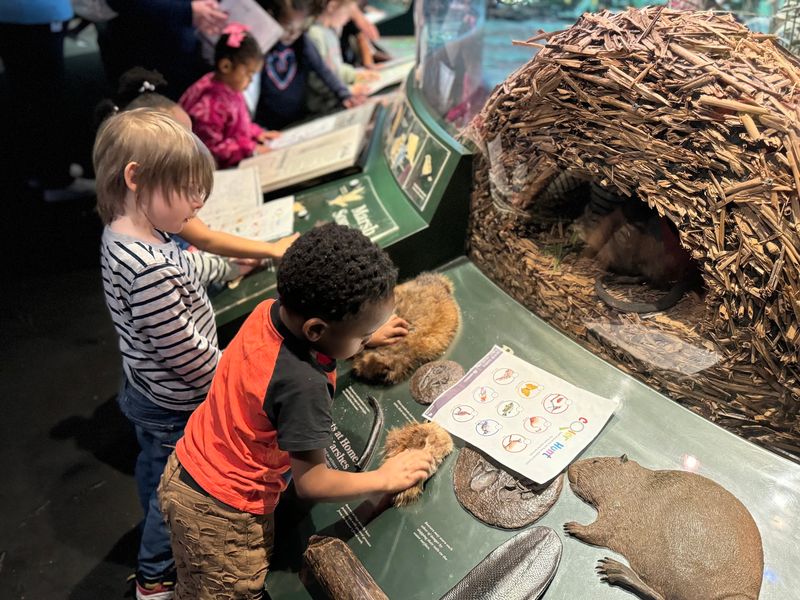
Most museums are designed with one kind of visitor in mind, but the Grand Rapids Public Museum has made a real effort to be genuinely accessible to everyone, and the details show it.
Sensory Sundays are a regular program where the museum adjusts the environment for visitors who benefit from a quieter, lower-stimulation experience. On those days, the loud clock tower chime on the third floor is turned off, and dedicated quiet rooms are available throughout the building for anyone who needs a calm space to decompress.
Sensory bags are also available at the front desk on a daily basis, not just on special program days, which is a thoughtful touch that goes beyond the minimum effort most venues put into accessibility.
Staff members are consistently described as kind and helpful, and the overall atmosphere feels welcoming rather than intimidating, even for first-time visitors. If you have a family member who finds busy public spaces challenging, this museum has clearly thought about how to make the visit work for them too.
Michigan Natural History and the Exhibits That Locals Love
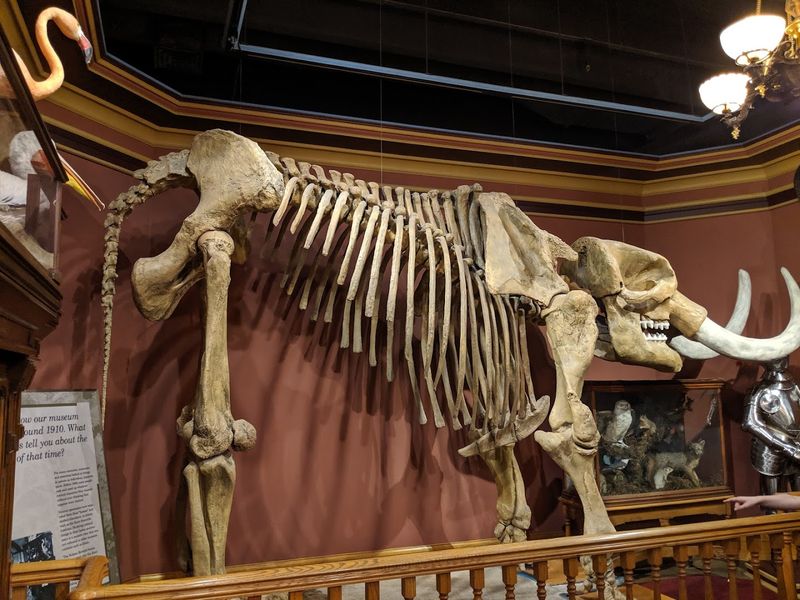
There is a section of the museum that takes a decidedly old-school approach to natural history, and it works beautifully for exactly that reason.
Flora, fauna, taxidermy animals, and habitat displays covering Michigan’s ecological landscape are presented in a classic museum style that feels both nostalgic and genuinely informative. Fish tanks bring aquatic life into the picture in a way that kids find instantly captivating, and the animal exhibits give a comprehensive look at what makes Michigan’s natural environment so distinctive.
This is the part of the museum that tends to appeal to visitors who grew up in Michigan and want to see their home state represented with care and detail. The displays cover a wide range of habitats and species, and the information presented alongside each exhibit is accessible without being dumbed down.
It is also the kind of section where you can spend twenty minutes or two hours depending on how deeply you engage with the material, which makes it work well for mixed-age groups with different attention spans.
Practical Tips That Will Make Your Visit Run Smoothly
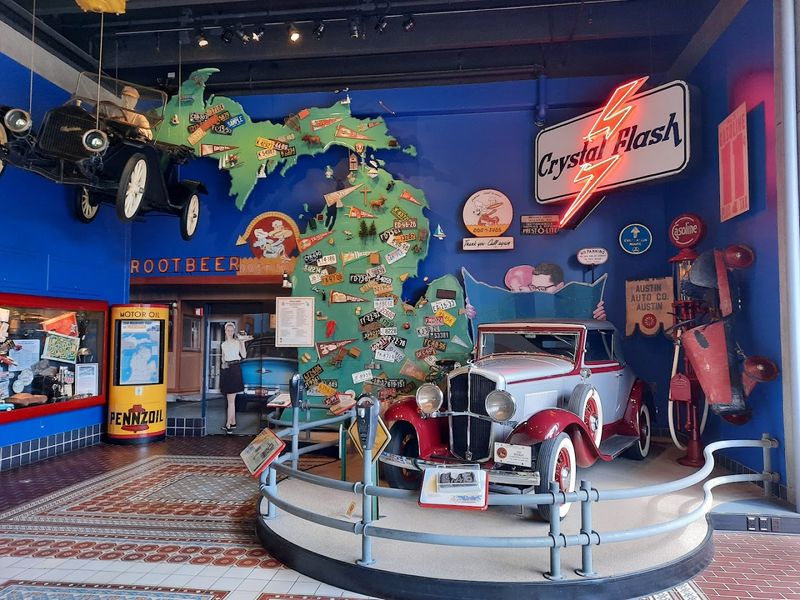
A few pieces of practical knowledge can turn a good museum visit into a great one, and the Grand Rapids Public Museum has some specifics worth knowing before you arrive.
Parking is available in the garage directly across the street, and the museum validates parking for visitors, which takes the sting out of the downtown parking situation. Street parking exists nearby but can be competitive on weekends and during special events, so the garage is the safer bet for families.
Pre-purchasing tickets online is recommended, especially on weekends or during popular temporary exhibits, since lines at the ticket desk can build up quickly. Kent County residents get a significant discount, with adults paying $10 and children often admitted free, so it is worth checking your eligibility before paying full price.
The small cafe inside the building offers soups, salads, snacks, and drinks at prices that are reasonable for a downtown location. Arriving earlier in the day tends to mean smaller crowds, which makes a real difference if you are visiting with younger children.
Why This Museum Keeps Drawing People Back Again and Again
The combination of rotating temporary exhibits, permanent collections that reward repeat visits, the planetarium, the carousel, the interactive kids areas, the natural history displays, and the historic street recreation means that no two visits feel identical. Families who come back every year reliably find something new alongside the familiar favorites.
Grandparents bring grandchildren. Parents who visited as kids bring their own children. School groups come for field trips and end up wishing they had more time. That kind of multi-generational loyalty is genuinely rare, and it speaks to a museum that has never stopped investing in the quality of its visitor experience.
The Grand Rapids Public Museum has earned every one of those 6,000-plus reviews, and if your visit to Grand Rapids has not included a stop here yet, that is the one thing worth fixing right away.
Share this story