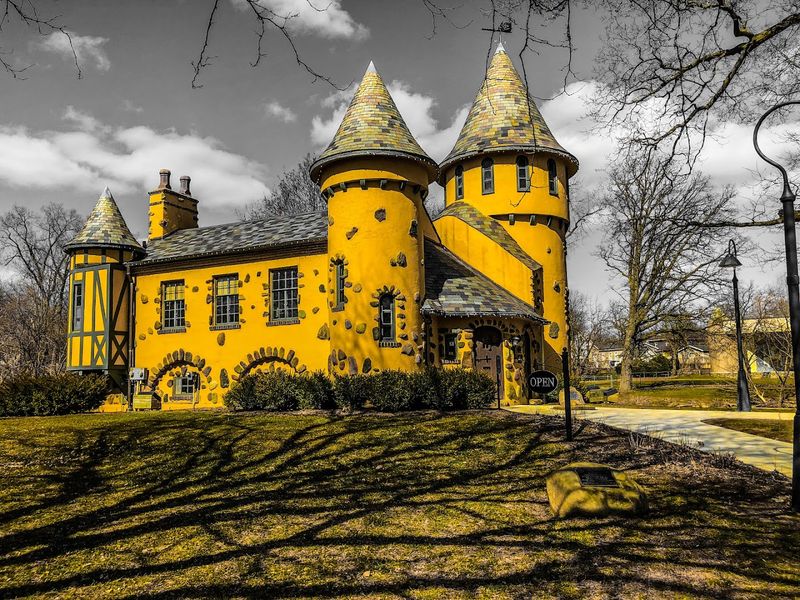
Michigan has a real castle, and it is not a replica or themed attraction. Built in 1922 in a small riverfront town, this Norman chateau-style structure features a round tower, stone construction, and a design that stands out immediately from anything around it.
The creator was a bestselling adventure novelist who wanted a place that matched the tone of his stories. Today, the building serves as a museum, sharing both his legacy and the history of the town itself.
It also hosts an annual festival that draws visitors from across the state.
So how did this unique landmark come to exist in Michigan, and what can you actually see when you visit? Here is what makes it worth the trip.
A Castle in the Heart of Owosso
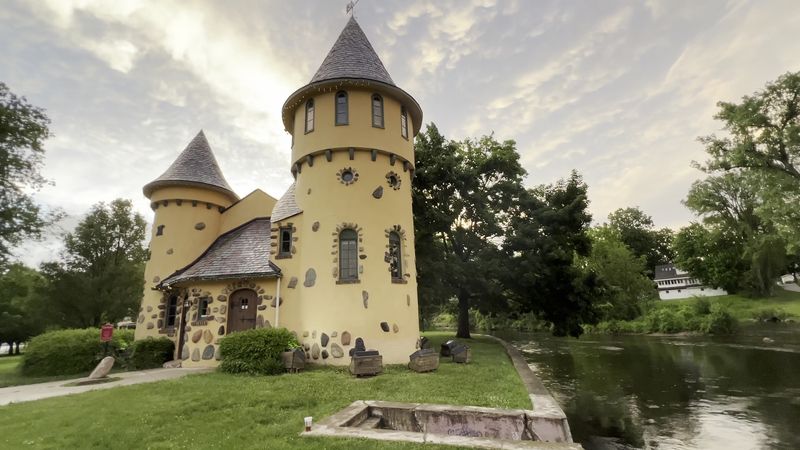
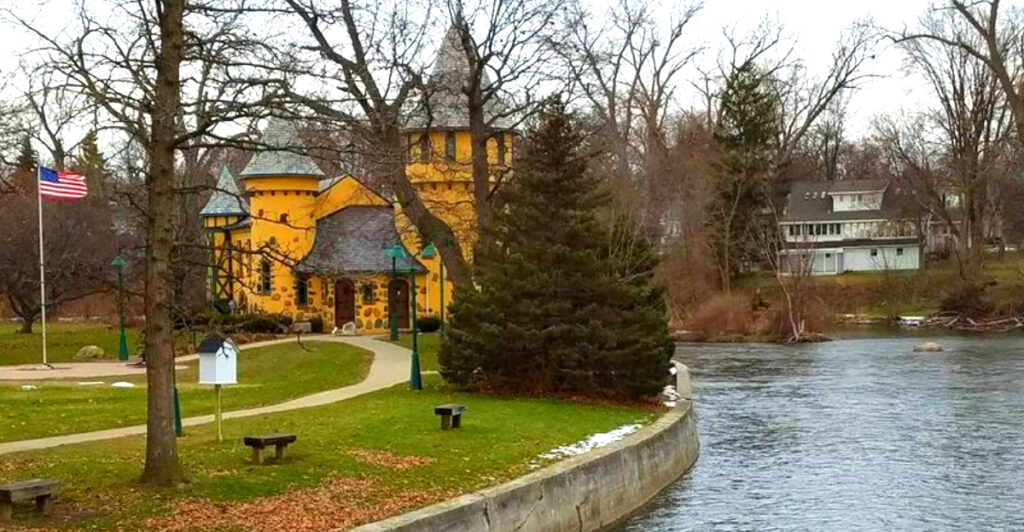
You would not expect to round a bend in a small Michigan town and find a Norman chateau staring back at you, but that is exactly what happens at 224 Curwood Castle Dr, Owosso, MI 48867. The castle sits right along the Shiawassee River, and its round stone tower and arched windows give it a silhouette that feels more French countryside than American Midwest.
Owosso is a modest city in Shiawassee County, roughly an hour north of Lansing and about an hour and a half from Detroit. It is the kind of town where you might stop for gas and end up spending the whole afternoon.
The castle is maintained by the Owosso Historical Commission, which keeps the grounds in beautiful shape year-round. Whether the museum is open or not, the exterior alone is worth the drive.
The riverfront location adds a layer of charm that photographs simply cannot fully capture.
The Man Who Built a Castle to Write In
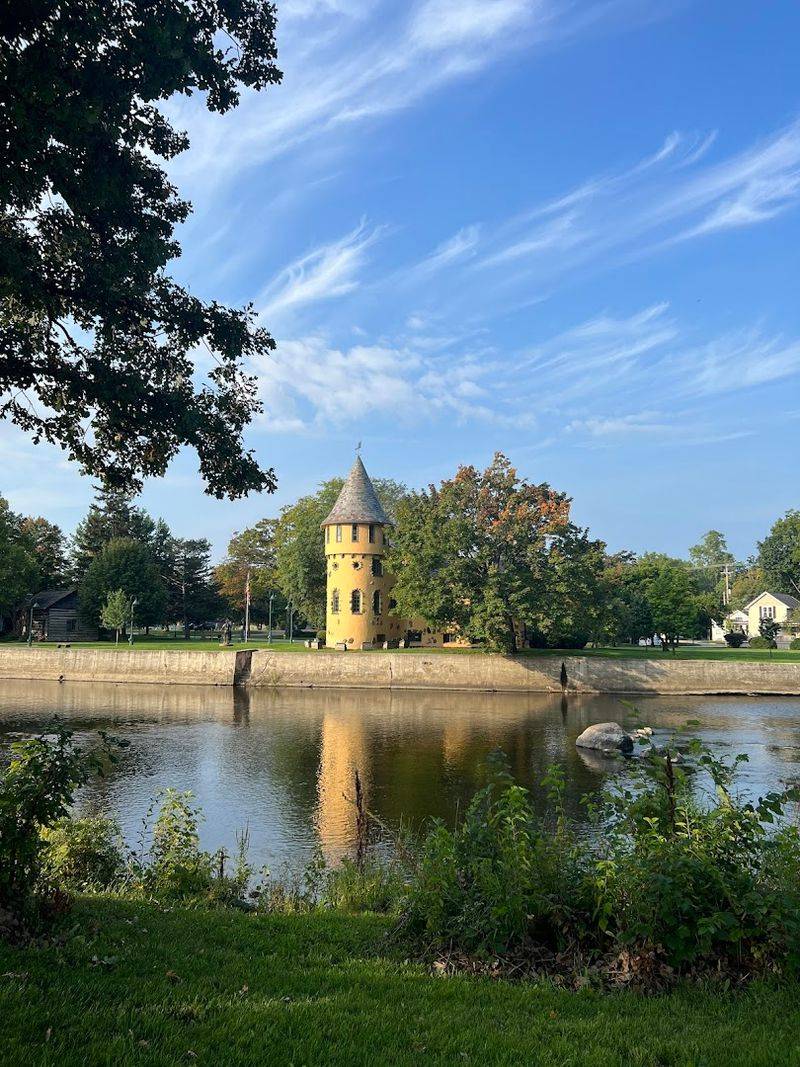
James Oliver Curwood was not your average author. Born in 1878, he became one of the most widely read adventure novelists in the world during the early 1900s, and his books outsold even Zane Grey at their peak.
His stories centered on the wilderness, wildlife, and the raw beauty of northern Canada, themes that were deeply personal to him.
Curwood built the castle in 1922 as his private writing studio, a place where he could shut out the noise of everyday life and focus entirely on his craft. The tower room at the top was his favorite spot, overlooking the river with a view that inspired page after page of vivid storytelling.
He was also a passionate conservationist, which was somewhat unusual for a man who had spent years hunting before having a change of heart. His evolution from hunter to wildlife advocate is one of the most compelling threads woven through the museum’s exhibits.
That personal transformation makes his story feel remarkably modern.
What the Norman Chateau Style Actually Looks Like Up Close
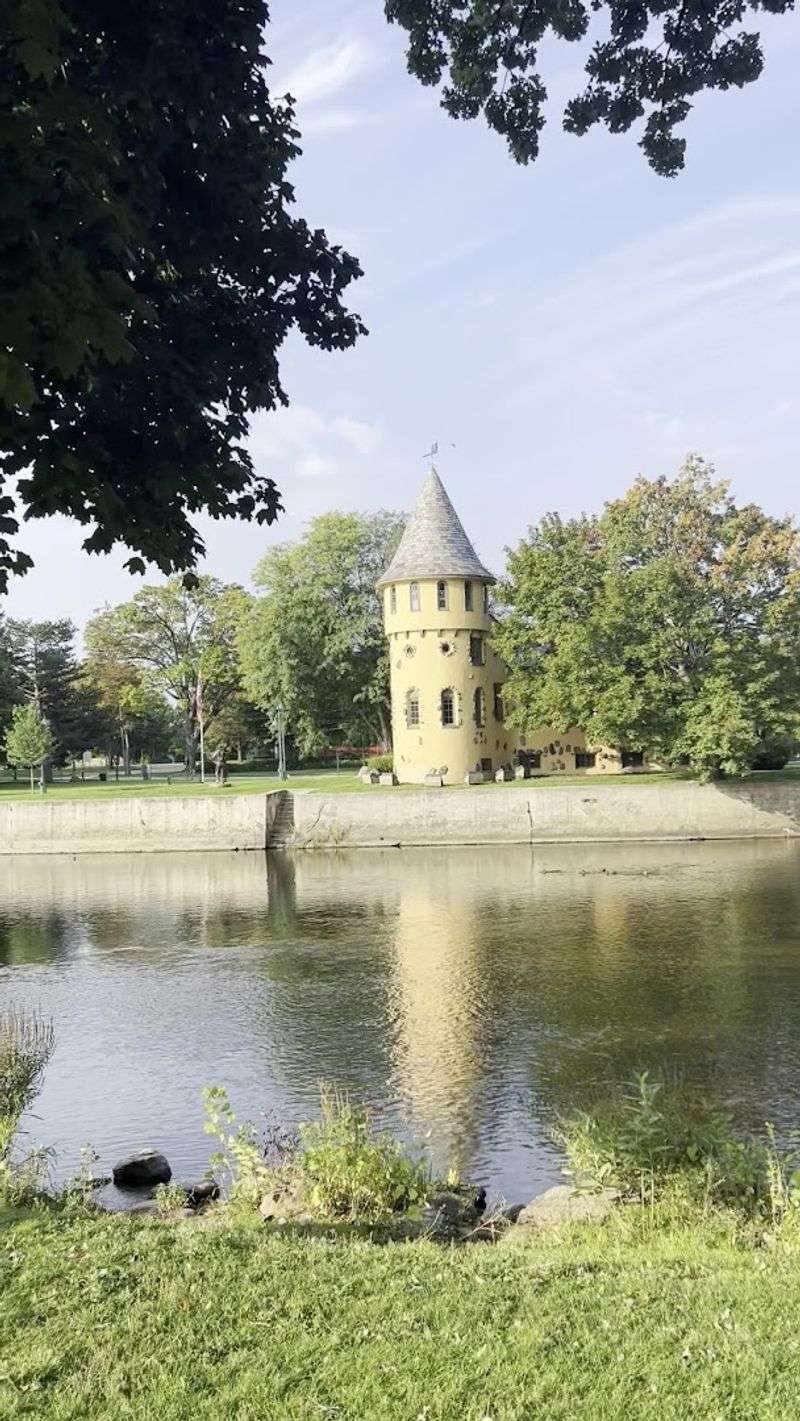
The term Norman chateau gets thrown around loosely, but Curwood Castle earns that label honestly. The building features thick stone walls, a prominent circular tower, steeply pitched rooflines, and narrow arched windows that frame the river views like paintings.
Every detail was intentional, designed to evoke the medieval architecture of northern France.
The castle is relatively compact by European standards, but that actually works in its favor. Nothing feels oversized or theatrical.
Instead, the proportions feel human-scaled and inviting, which makes the whole structure feel more personal than imposing.
String lights are strung across parts of the property, and at night the castle takes on a completely different mood. The warm glow against the stone walls creates a scene that feels pulled from a storybook.
Visitors who have seen it after dark often say it is even more striking than during the day, which is saying something given how photogenic it already is in the afternoon sun.
Inside the Museum: More Than You Might Expect
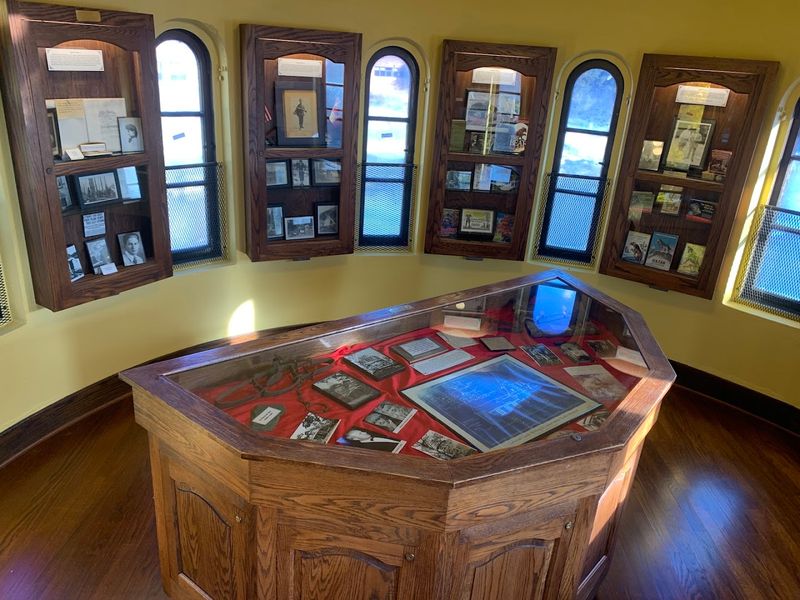
A $5 admission ticket gets you into one of the most surprisingly rich small museums in Michigan. The main floor is dedicated to James Oliver Curwood, with personal artifacts, original manuscripts, photographs, and first-edition books displayed throughout the intimate rooms.
The collection is curated with genuine care and attention to detail.
The tower study upstairs is the highlight for most visitors. This is the actual room where Curwood sat and wrote, and standing in it with the river visible through the narrow windows gives you a very real sense of what it must have felt like to create stories in that space.
The basement level shifts the focus to Owosso as a whole, with exhibits covering surprising chapters in the town’s history. Thomas Dewey, the two-time Republican presidential candidate, was born in Owosso, and his story takes up considerable space in the displays.
There are also exhibits about prisoner of war camps that operated in the area during World War II, which catches most visitors completely off guard.
The Shiawassee River Sets the Scene
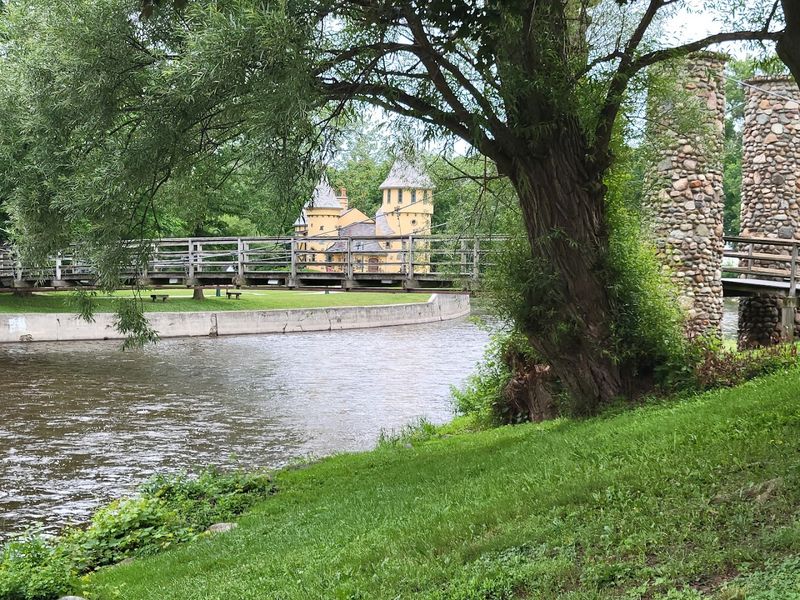
The river running behind the castle is not just a pretty backdrop. The Shiawassee River was a significant part of why Curwood chose this spot, and it remains central to the experience of visiting today.
The water moves quietly past the stone walls, and the sound alone is enough to make you slow down and breathe a little easier.
The riverbank is accessible and well-maintained, giving visitors a natural place to sit and take in the view without feeling rushed. On warm days, families spread out on the grass near the water while kids explore the grounds freely.
The whole area has a relaxed, unhurried energy that is increasingly rare to find.
A bridge nearby is a favorite stop for photos, and the surrounding park extends the experience well beyond the castle walls themselves. The combination of moving water, old stone, and open green space creates an atmosphere that is genuinely hard to leave.
Many visitors admit they planned a quick stop and ended up staying for hours.
Curwood’s Conservation Legacy Still Resonates
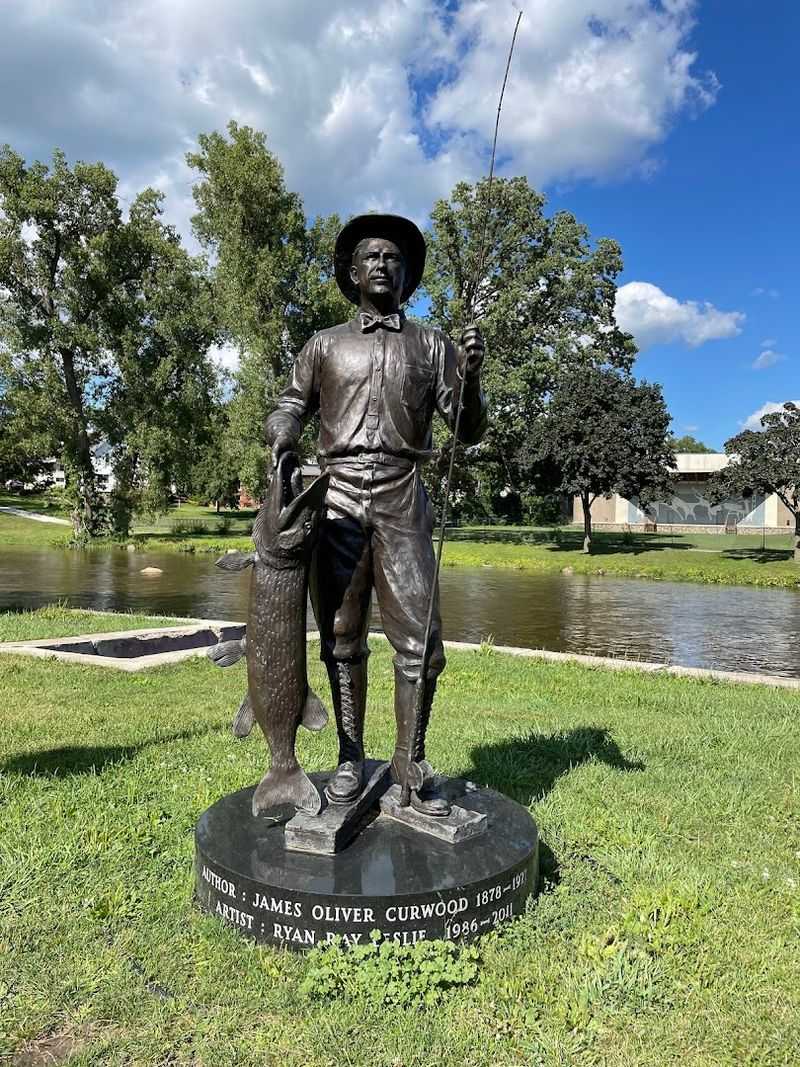
Long before conservation was a mainstream concern, James Oliver Curwood was fighting for it. After years of big-game hunting across Canada and Alaska, he had a profound change of perspective and became one of Michigan’s most outspoken advocates for wildlife protection.
He used his fame and his platform to push back against practices he once participated in himself.
His writing shifted alongside his beliefs. Later novels carried strong pro-nature themes, and he became known for portraying animals with empathy and intelligence rather than as trophies or obstacles.
That shift made his work stand out and gave it a moral weight that readers responded to enthusiastically.
The museum honors this evolution thoughtfully, presenting Curwood not as a contradiction but as someone who genuinely grew and changed. For younger visitors especially, that message carries real power.
Learning that a famous person dramatically changed course based on conscience is the kind of history lesson that sticks long after the tour ends. His legacy in Michigan conservation circles remains significant to this day.
The Annual Curwood Festival Transforms the Grounds
Once a year, the area around the castle transforms into one of the most festive outdoor events in mid-Michigan. The Curwood Festival draws thousands of visitors to Owosso, filling the grounds with art vendors, food, live entertainment, and historical reenactors in period costumes.
The event typically runs over a weekend in early June and has become a beloved community tradition.
Reenactors bring the early 20th century era to life in ways that complement the castle setting perfectly. Seeing people dressed in clothing from Curwood’s time wandering the same grounds where he once worked creates a layered experience that feels more immersive than a typical outdoor fair.
The festival also features a juried art show, a carnival, and various competitions that attract participants from across the state. For families, it is one of those rare events where every age group finds something to enjoy.
If your schedule allows even a loose window in early June, planning your visit around the festival is absolutely worth the extra coordination effort.
A Historic Cabin Hiding on the Property
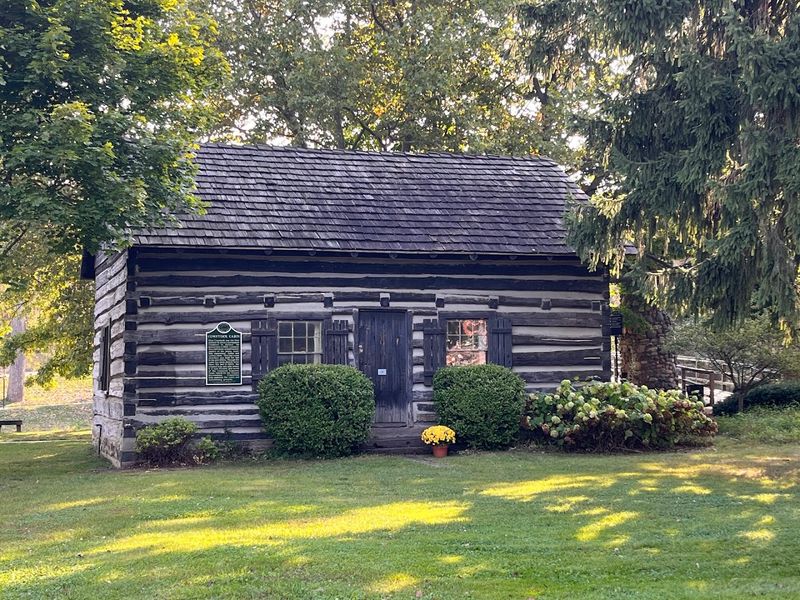
Most visitors come for the castle and do not realize there is a second historic structure waiting on the property. An old cabin dating back to the pioneer era stands on the grounds, offering a glimpse into an even earlier chapter of Michigan history.
It is easy to walk past if you are not paying attention, which makes discovering it feel like a small reward for exploring thoroughly.
The cabin is modest and rustic, a sharp contrast to the castle’s dramatic silhouette. That contrast is actually what makes the pairing so interesting.
Standing between the two structures, you get a compressed visual timeline of the region’s past that no textbook could replicate quite as effectively.
Informational signage around the property helps connect the dots between the cabin, the castle, and the broader story of Owosso’s development. Even on days when the museum itself is closed, these outdoor elements keep the visit educational and engaging.
The property rewards slow, attentive walkers far more than it rewards people who rush through.
How to Time Your Visit for the Best Experience
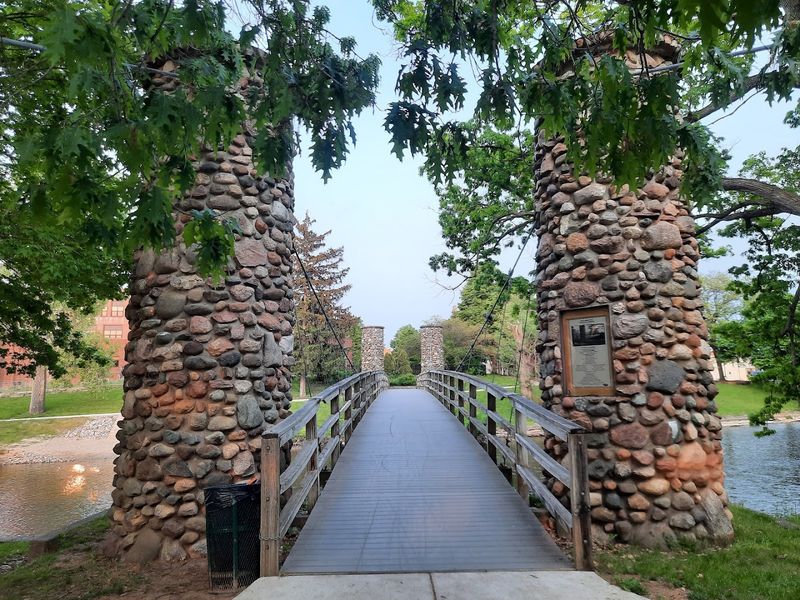
The museum is open Tuesdays through Sundays from 1:00 to 5:00 p.m., which means a little planning goes a long way. Showing up on a Monday will leave you admiring the exterior from the outside, which is still worth doing but obviously limits the full experience.
A quick check of the schedule before you head out saves the frustration of a missed tour.
Admission is just $5 per person, making this one of the most affordable museum experiences in the state by a significant margin. The gift shop carries books and souvenirs at equally reasonable prices, and purchasing something there is a direct way to support the local historical organization that keeps the castle running.
Late spring and early summer tend to offer the most vibrant version of the visit, when the park grounds are green and the river is lively. Fall brings its own appeal, with the surrounding trees shifting color and the stone walls taking on a warmer tone in the lower autumn light.
Either season makes for a memorable afternoon out.
The Surrounding Park Makes It a Full Day Out
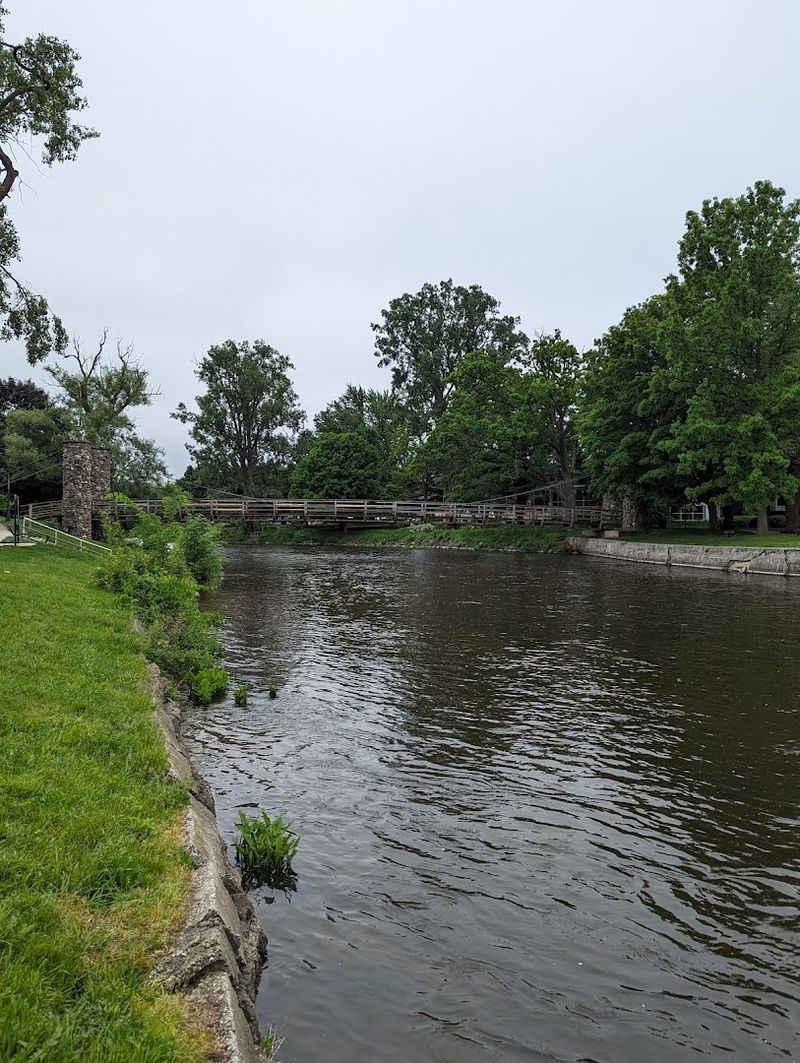
The castle does not exist in isolation. The surrounding park is generous in size and beautifully maintained, with shaded areas, open lawns, and easy river access that invite visitors to linger well past their planned departure time.
Families with young children particularly appreciate the room to spread out while the adults take in the scenery at a slower pace.
The grass near the riverbank is kept in excellent condition, making it a comfortable spot for a picnic or simply sitting quietly while watching the water. There is a natural calm to the whole area that feels deliberate, as though the space was designed to encourage people to actually stop and rest rather than rush through.
A nearby art gallery operates on the same schedule as the museum, adding another dimension to the visit without requiring any extra driving. The combination of the castle tour, the park, and the gallery makes for a full and satisfying afternoon that costs very little and delivers a great deal.
The string lights at night seal the deal completely.
Thomas Dewey and Other Owosso Surprises in the Basement
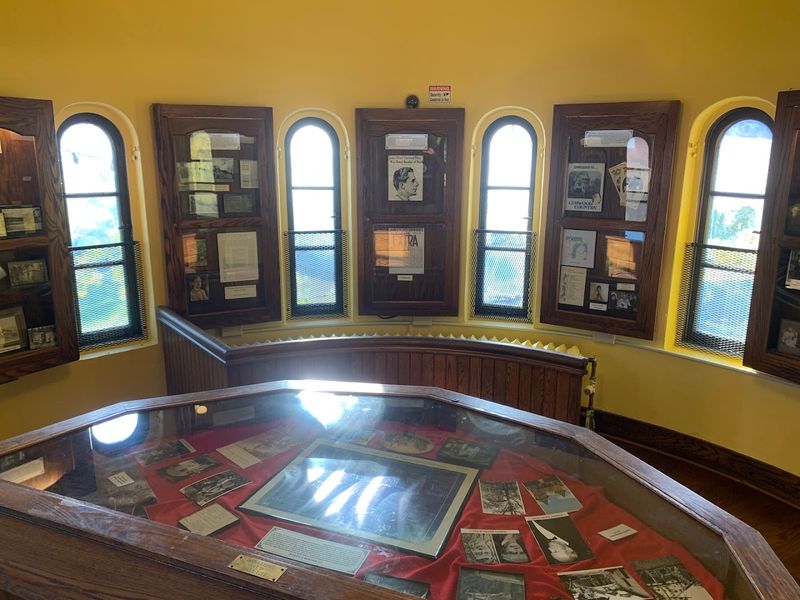
The basement of Curwood Castle holds some of the most unexpected history in the building. Thomas E.
Dewey, the former Governor of New York and two-time Republican presidential nominee who famously ran against Franklin Roosevelt and Harry Truman, was born right here in Owosso. The exhibit dedicated to him is well-assembled and genuinely informative, covering both his political career and his Michigan roots.
Alongside the Dewey material, the basement features exhibits about the prisoner of war camps that operated in the Owosso area during World War II. This is the kind of local history that rarely makes it into national textbooks, which makes encountering it in a small-town museum feel especially significant.
The basement manages to cover a wide range of Owosso’s past without feeling cluttered or overwhelming.
Why This Castle Deserves a Spot on Your Michigan Road Trip
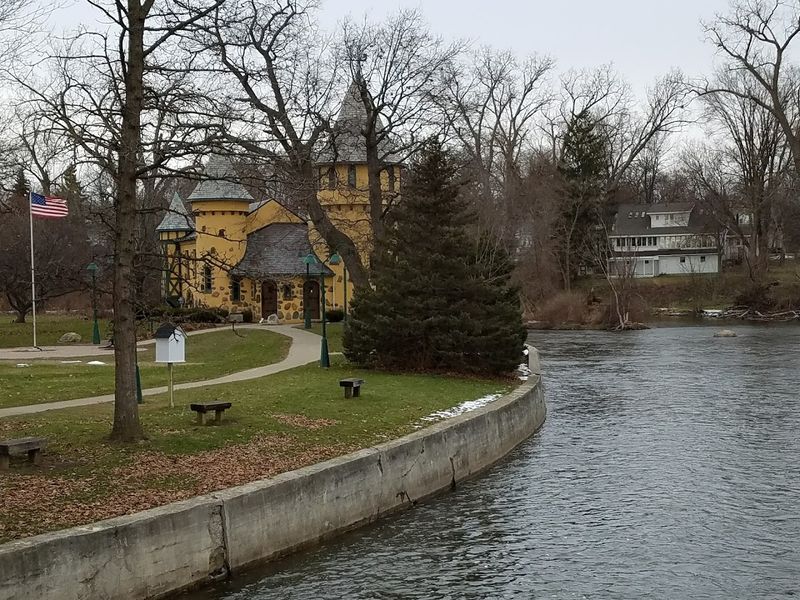
Road trips through Michigan tend to follow predictable routes, but Owosso offers a genuinely off-the-beaten-path stop that rewards the detour handsomely. The castle is roughly central in the Lower Peninsula, making it a natural midpoint for travelers moving between major cities.
Adding it to a route requires minimal effort and delivers maximum conversation material for the rest of the drive.
The combination of architectural novelty, literary history, conservation themes, and local community pride makes this spot appealing to a wider range of travelers than you might initially assume. History buffs, architecture enthusiasts, families with curious kids, and anyone who appreciates a good story will all find something here that speaks directly to them.
Few places in Michigan pack this much genuine character into such a compact and accessible experience. The $5 admission, the free parking, the open park, and the warm welcome from the staff on site all remove every possible barrier to visiting.
Some of the best travel memories come from places you almost skipped, and this castle fits that description to perfection.
Share this story