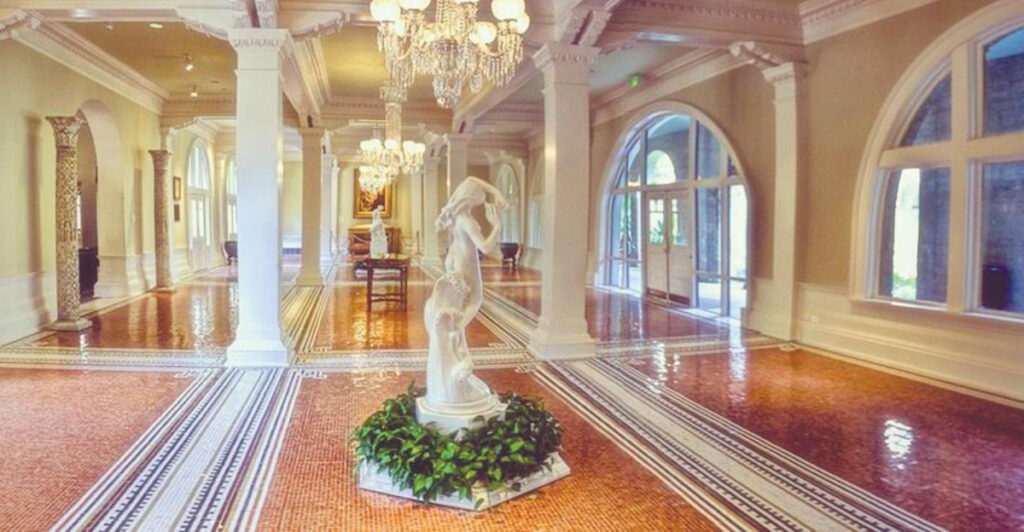
There is a building in St. Augustine, Florida, that makes you feel like you have walked straight into another century. The ceilings soar, the archways curve with elegant purpose, and every room holds something that makes you stop and stare.
This is not your average museum with roped-off displays and hushed, sterile corridors. What you will find here is a sprawling, eccentric, and genuinely fascinating collection of Gilded Age treasures housed inside one of the most architecturally stunning buildings in the entire state of Florida.
Whether you are a history lover, an art admirer, or simply someone who enjoys discovering places with real character, this spot deserves a spot on your St. Augustine itinerary.
The Building That Started It All
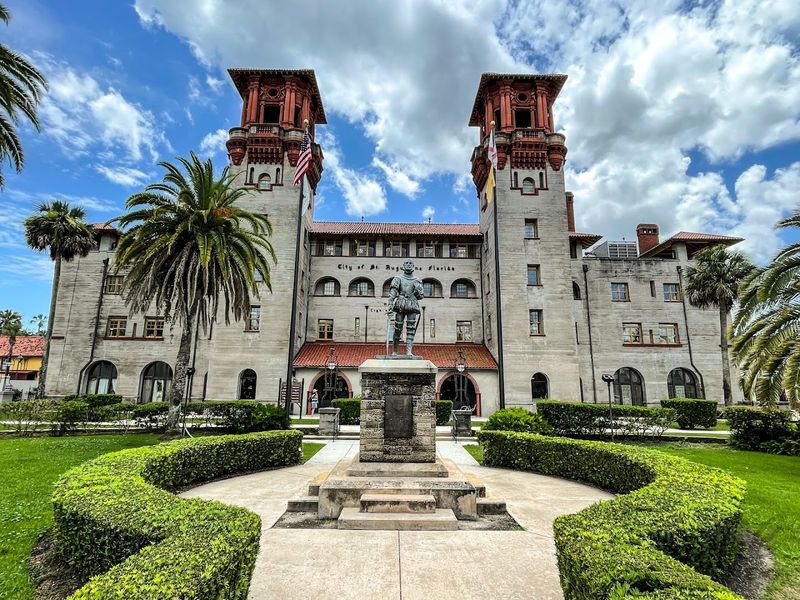
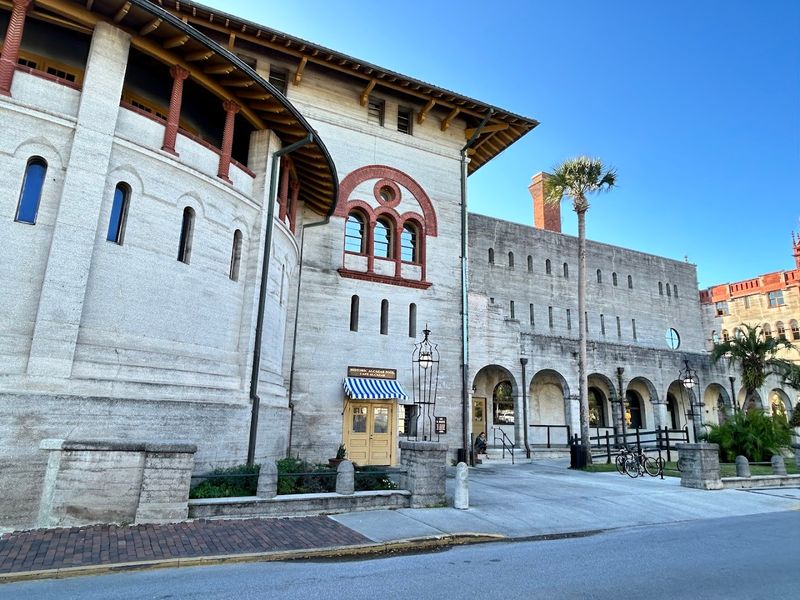
Before a single artifact catches your eye, the building itself stops you in your tracks. The Lightner Museum is housed at 75 King St, St. Augustine, inside the former Hotel Alcazar, a grand Gilded Age resort commissioned by railroad magnate Henry Flagler and completed in 1888.
Designed in the Spanish Renaissance Revival style, the structure features dramatic archways, ornate tile floors, and soaring interior spaces that feel more like a European palace than a Florida museum. Flagler built the Alcazar to complement his other luxury hotel across the street, the Ponce de Leon, which is now Flagler College.
The sheer scale of the place is the first thing that hits you when you arrive. Two stories of arched windows face the street, and the craftsmanship in every carved detail reminds you that this building was meant to impress from the very first moment guests arrived.
Otto Lightner and the Collection That Built a Museum
Not every museum gets its name from a magazine publisher with a passion for collecting odd things, but this one does. Otto C.
Lightner was a Chicago-based publisher who ran a popular periodical called Hobbies: The Magazine for Collectors, a publication that encouraged everyday people to collect everything from matchbox covers to bottlecaps.
When the Hotel Alcazar fell on hard times during the Great Depression and eventually closed, Lightner saw an opportunity. He purchased the building in 1947 and transformed it into a museum to house his enormous personal collection of Victorian-era objects and curiosities.
His vision was never to build a conventional museum with a single tidy theme. He wanted a place where the spirit of collecting itself was on full display, and that quirky, open-minded philosophy still defines every floor of the museum today.
Walking through it feels like exploring the world’s most elegant attic.
The World’s Largest Indoor Swimming Pool
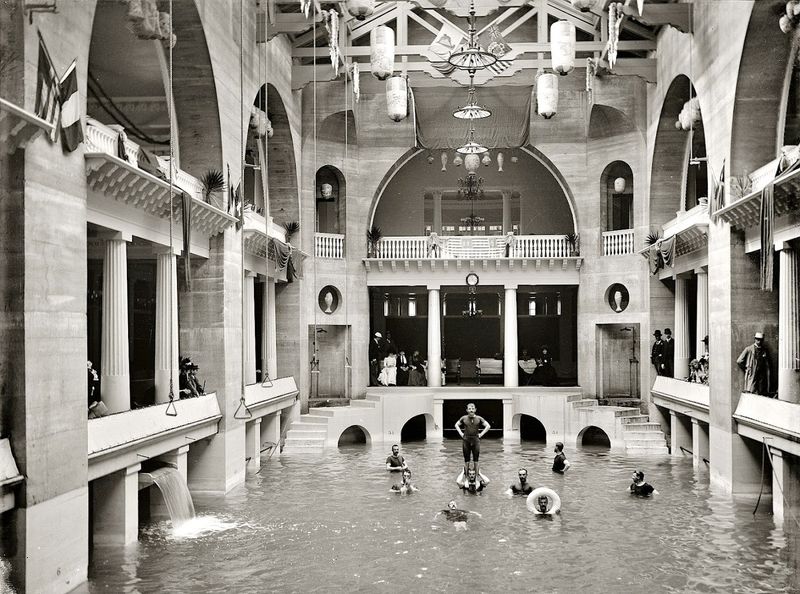
One of the most jaw-dropping facts about this building is tucked right beneath your feet as you explore the lower level. When the Hotel Alcazar was in its prime, it boasted what was considered the largest indoor saltwater swimming pool in the world, a massive feat of engineering for the late 1800s.
Today, that grand pool area has been repurposed into a beautiful event and dining space. The soaring arched ceilings and original stonework have been preserved, and the atmosphere down there is genuinely theatrical.
It is the kind of space that makes you want to linger just to absorb the architecture.
The area now hosts private events, weddings, and the on-site cafe. If you plan to eat there during your visit, reservations are strongly recommended since seating fills up quickly.
The setting alone makes a meal here feel like a genuinely special occasion rather than just a lunch stop.
Victorian Decorative Arts on Every Floor
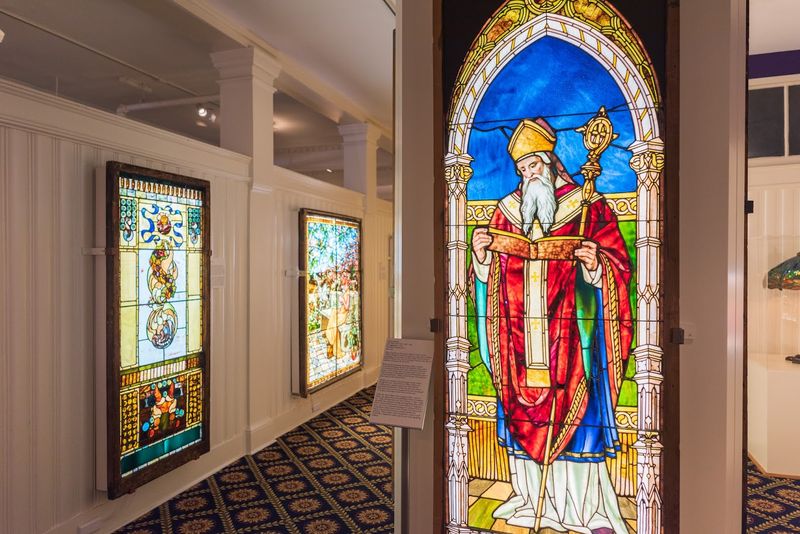
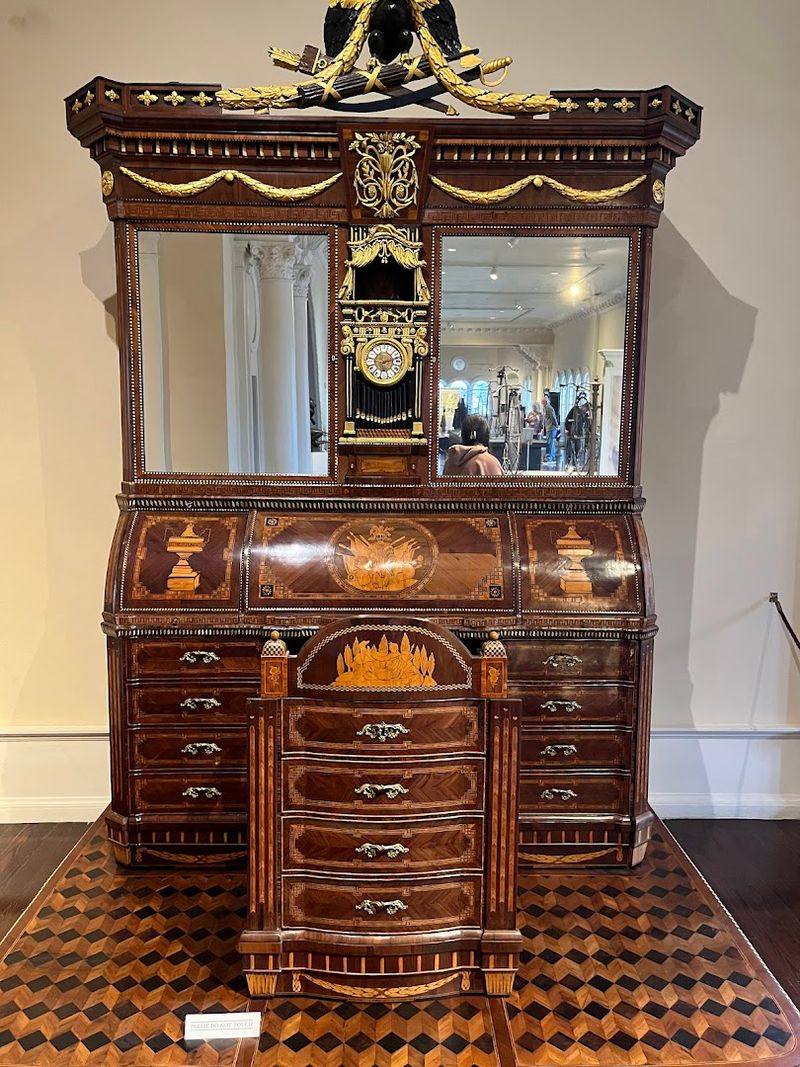
The collections spread across multiple floors, and each level offers a different window into the tastes and craftsmanship of the late 19th and early 20th centuries. Cut glass and crystal displays catch the light in ways that feel almost theatrical, while ornate furniture pieces remind you just how seriously the wealthy took interior design during the Gilded Age.
Stained glass panels glow with rich color, and decorative objects range from delicate to grand. The sheer variety is part of what makes the experience so engaging.
There is no single dominant theme pulling you in one direction, which means every turn brings something genuinely unexpected.
Each item comes with a description card that provides background information, so you never feel lost or uninformed. That thoughtful touch makes the collection accessible for all ages and keeps curious visitors engaged without needing a guided tour to appreciate what they are looking at.
Mechanical Musical Instruments That Deserve More Attention
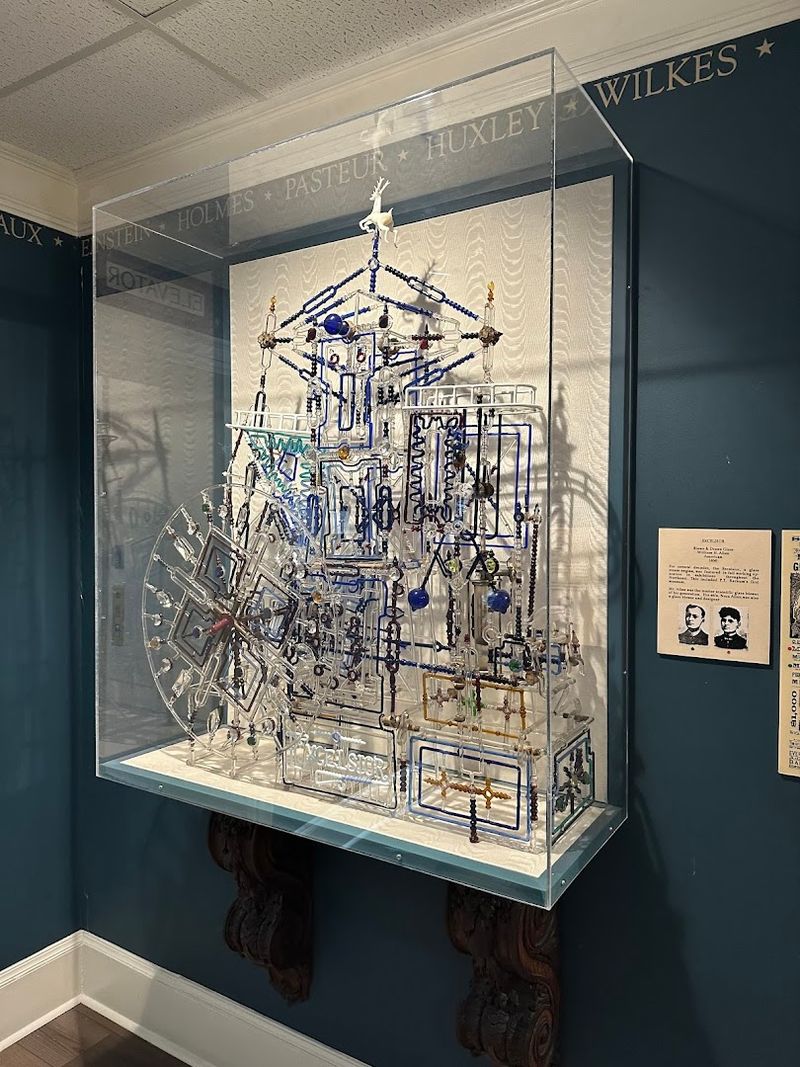
Tucked among the decorative arts and antique furniture is one of the more underrated highlights of the entire museum: a collection of mechanical musical instruments that spans several fascinating decades of innovation. Music boxes, automated players, and other self-playing contraptions from the 19th century fill one section of the museum with a sense of wonder.
These were the entertainment technology of their era, and seeing them up close gives you a real appreciation for the ingenuity behind them. The craftsmanship in their casings is often as impressive as the mechanics inside.
Many visitors wish there were more opportunities to hear the instruments in action, and that longing makes complete sense once you see how intricate they are. If you happen to visit during a special demonstration or event, count yourself lucky.
The museum occasionally brings these pieces to life, and hearing one play is an experience that genuinely stays with you.
The Bicycle Collection Worth Rolling In For
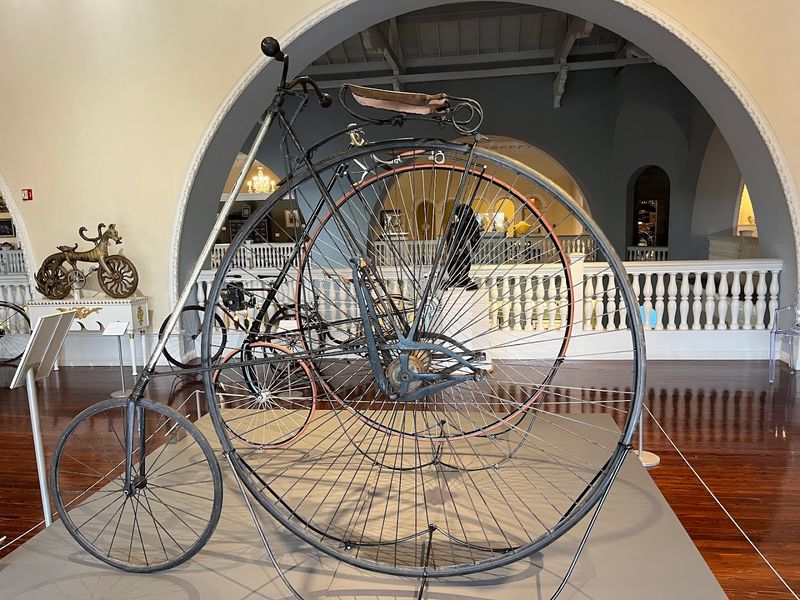
One of the more surprising sections of the museum is the bicycle collection, which traces the evolution of cycling from its earliest awkward prototypes to the refined safety bicycles that changed personal transportation forever. The exhibit is more engaging than it sounds, especially when you see how dramatically the designs shifted over just a few decades.
The collection has an added layer of personal charm because Keith Pariani, whose bikes are featured in the exhibit, has been known to visit and share stories about the pieces directly with guests. That kind of direct connection between collector and curious visitor is rare and genuinely memorable.
Cycling history might not be the first thing that draws you to a Gilded Age museum, but this exhibit earns its place without question. The craftsmanship in those early frames and the ingenuity behind each design shift makes the whole story of human-powered transportation feel surprisingly compelling and worth every minute.
Florida Landscapes and Fine Art Exhibits
Beyond the decorative arts and curiosities, the museum holds a thoughtful collection of paintings that capture Florida’s natural beauty across different eras. The landscape works in particular stand out for their warm tones and the way they reflect a version of Florida that feels far removed from the fast-paced state most people know today.
These paintings give the museum an additional layer of depth that surprises many first-time visitors who expect only antiques and oddities. Seeing the land through the eyes of artists from a century ago adds a poetic quality to the whole experience.
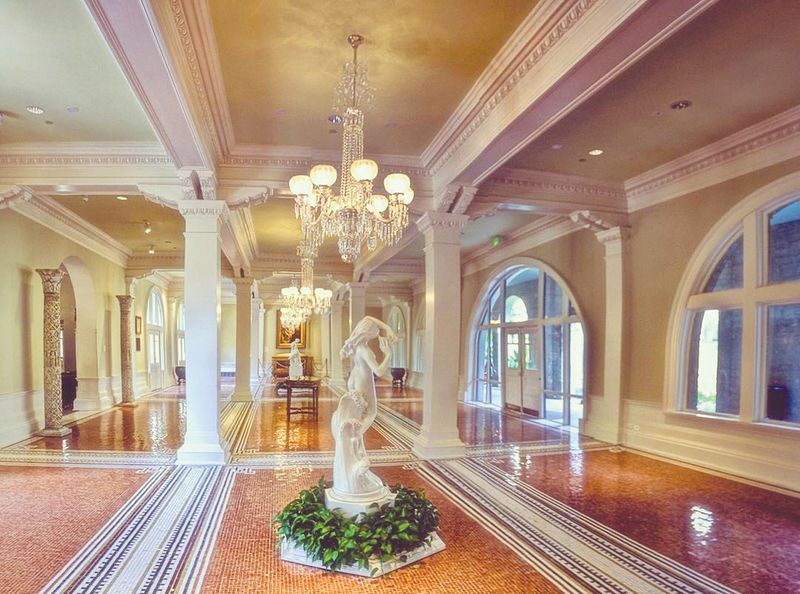
The gallery rooms themselves are beautiful spaces, with architectural details from the original hotel framing the artwork in a way that feels entirely intentional. Natural light filters through tall windows, and the pace of the rooms encourages you to slow down and actually look rather than just walk past.
It is a genuinely restorative way to spend an afternoon.
Oddities, Curiosities, and the Spirit of Collecting
Otto Lightner believed that anything worth collecting was worth displaying, and that philosophy produced some of the most genuinely strange and entertaining corners of the museum. Rocks, shells, oddities, and items that defy easy categorization fill certain display cases with a sense of playful wonder that feels unlike any other museum experience.
Past exhibits have included items like a mummy, which became a beloved fixture for repeat visitors who made a point of stopping by on every trip. The eclectic nature of the collection means no two visits feel exactly the same, especially as exhibits rotate and new pieces come into focus.
This section of the museum carries the spirit of a classic curiosity cabinet, the kind of personal collection assembled by someone who found genuine joy in the act of discovery. That enthusiasm is contagious, and it makes the oddities section one of the most talked-about parts of the entire Lightner experience for good reason.
The Turkish Baths and Spa Rooms of the Alcazar
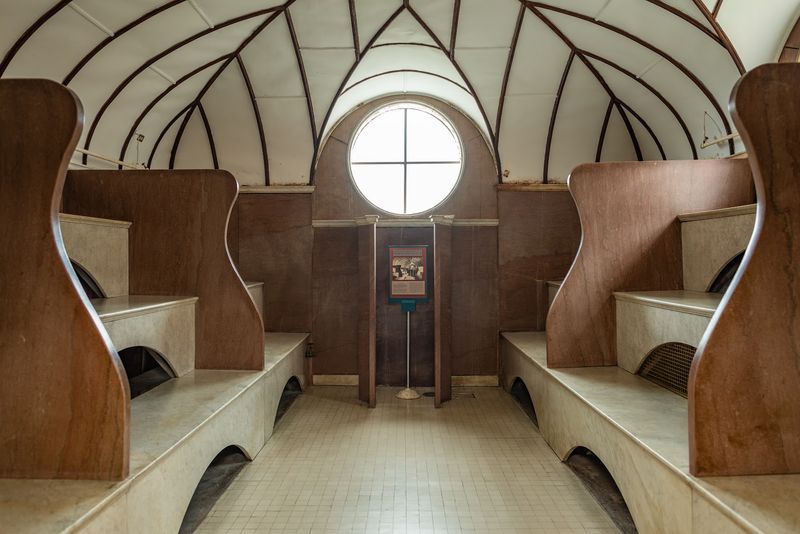
Few people expect to find a preserved Turkish bath inside a Florida museum, but the Alcazar was built to offer its wealthy guests every luxury imaginable. The original spa rooms and their fascinating contraptions are on display, giving visitors a detailed look at how the hotel pampered its clientele back in the Gilded Age.
The equipment looks both impressive and slightly alarming by modern standards, which makes the exhibit all the more entertaining. Seeing the actual devices used for hydrotherapy and steam treatments from the 1880s puts a very human face on what high-end hospitality once looked like.
The spa exhibits connect directly to the broader story of Henry Flagler’s vision for Florida as a destination for the wealthy elite. Understanding that context makes the display feel less like a random collection of old objects and more like a window into a very specific, very opulent moment in American history that shaped the entire region.
Visiting Tips, Hours, and What to Expect at the Door
Planning ahead makes a real difference when visiting the Lightner Museum. The museum is open seven days a week from 9 AM to 5 PM, which gives you plenty of flexibility to work it into a St. Augustine itinerary.
Adult admission is $20, with various discounts available for children, students, and seniors.
A map of the building is provided at the entrance, and it is genuinely useful given the multi-floor layout inherited from the hotel’s original design. The structure can feel a bit labyrinthine at first, but that sense of exploration quickly becomes part of the fun.
Elevators are available, though they tend to move at a leisurely pace.
Self-guided visits are the norm, but the museum’s docents are knowledgeable and approachable. If you have questions or want deeper context, they are happy to help.
A gift shop near the exit rounds out the visit with a selection of locally relevant and museum-themed keepsakes worth browsing before you leave.
The Courtyard, the Cafe, and the Atmosphere Between Exhibits
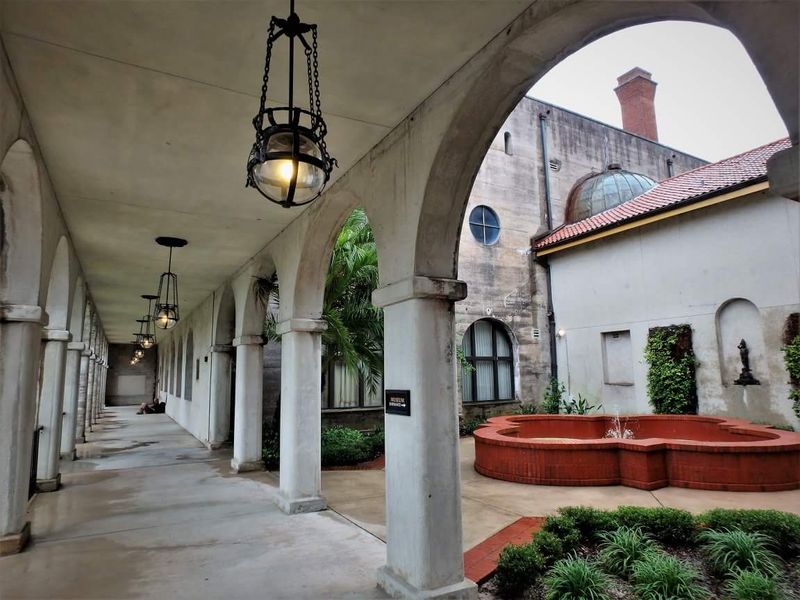
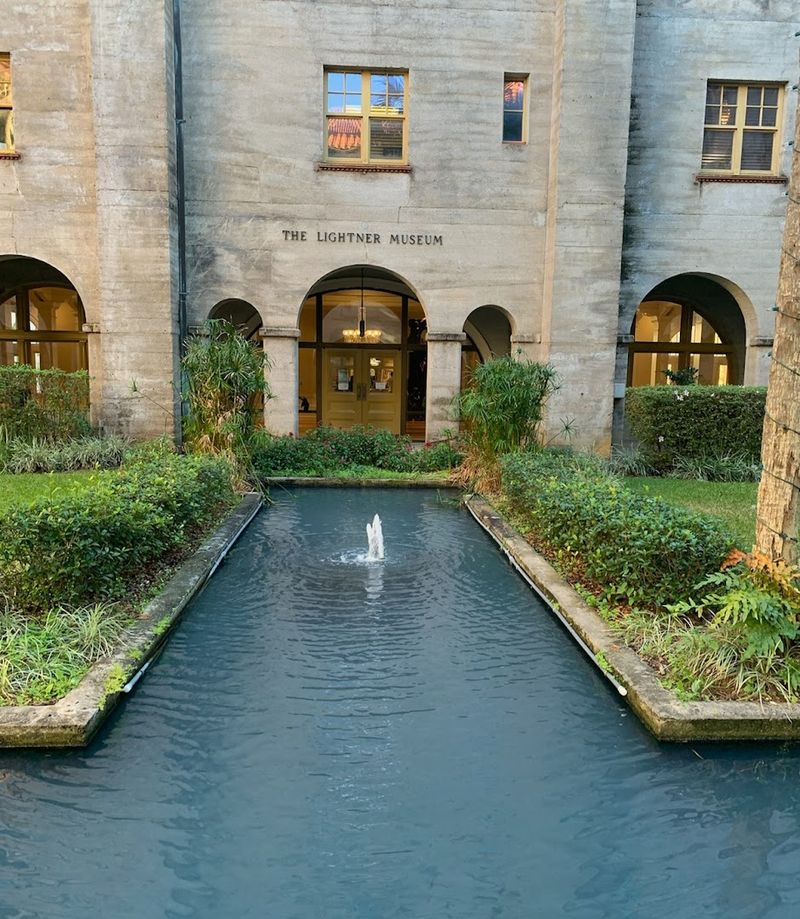
After wandering through several floors of antiques and curiosities, the courtyard offers a welcome pause. The outdoor space is framed by the hotel’s original architecture, and the combination of stone archways, open sky, and carefully maintained surroundings creates an atmosphere that feels genuinely peaceful in the middle of a busy tourist destination.
The cafe located on the lower level, inside the former pool area, is a popular spot for lunch. Reservations are recommended well in advance, particularly on weekends, since the combination of stunning surroundings and good food draws a steady crowd.
A quick browse of the menu before your visit helps you plan accordingly.
Even if dining is not part of your plan, the courtyard itself is worth a few quiet minutes. The building wraps around you in a way that muffles the outside world, and the light in the late morning hours hits the stone walls at an angle that makes the whole space look like something out of a period film.
Share this story