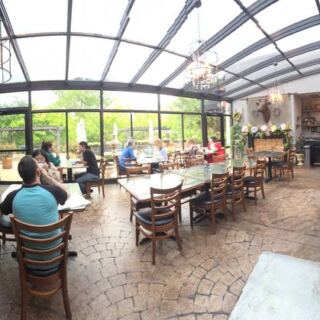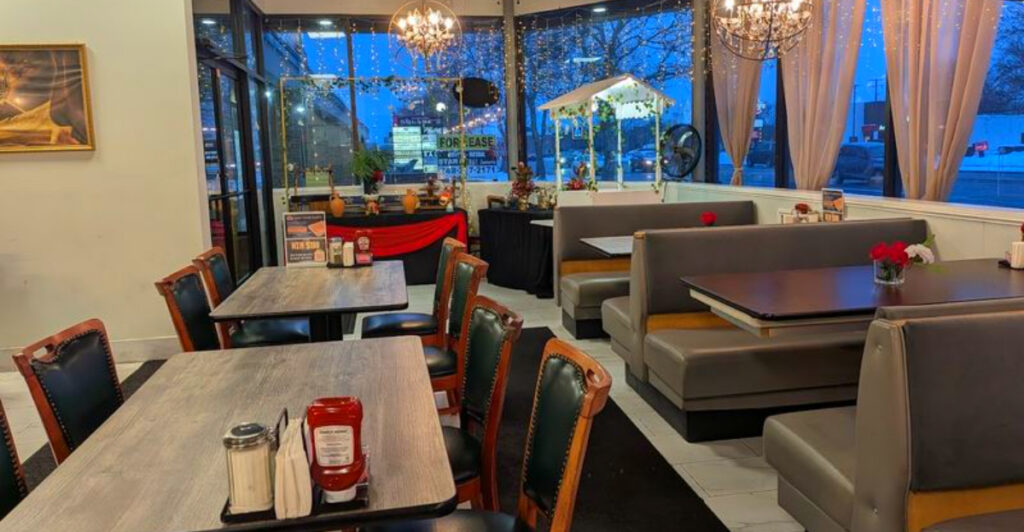
An Egyptian restaurant on Ford Road in Garden City is serving dishes you rarely find in the Midwest, including koshari and hawawshi made with traditional recipes. It stands out in a crowded suburban dining scene by offering a focused menu that delivers something genuinely different from the usual options nearby.
The appeal is straightforward. Generous portions, well-balanced spices, and recipes that feel rooted in home cooking have helped it build a steady base of repeat customers.
Many first-time visitors come out of curiosity and end up planning their next visit before they leave.
So what makes this place worth seeking out, and why are more people starting to talk about it? Here is what sets it apart.
The Address and Setting That Anchor the Experience
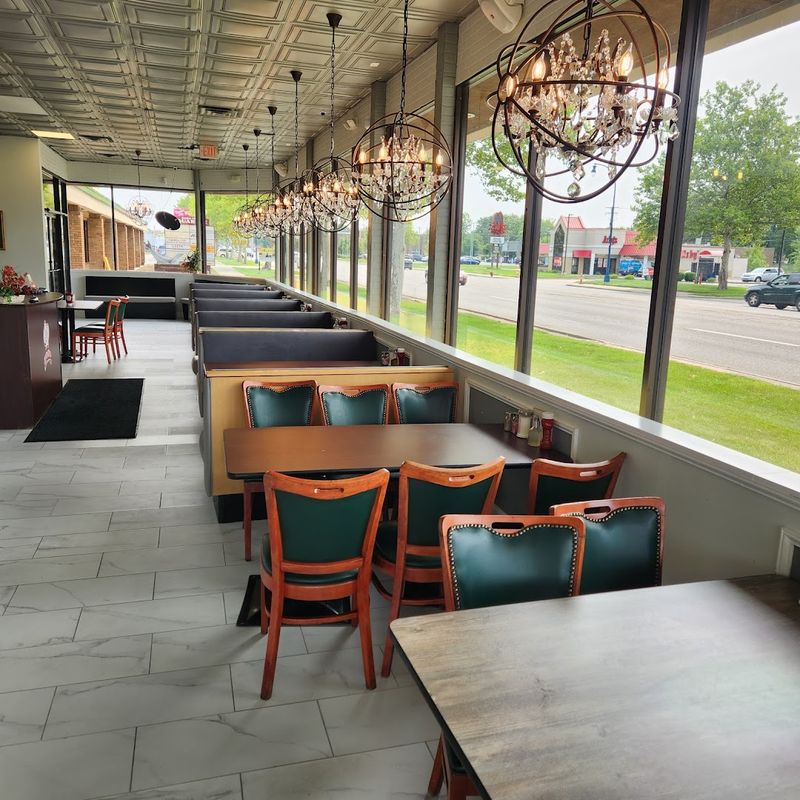
Right at 30112 Ford Rd, Garden City, MI 48135, this restaurant sits in a stretch of suburban commercial real estate that you might otherwise drive past without a second glance. The building is modest from the outside, and that understatement is part of its charm.
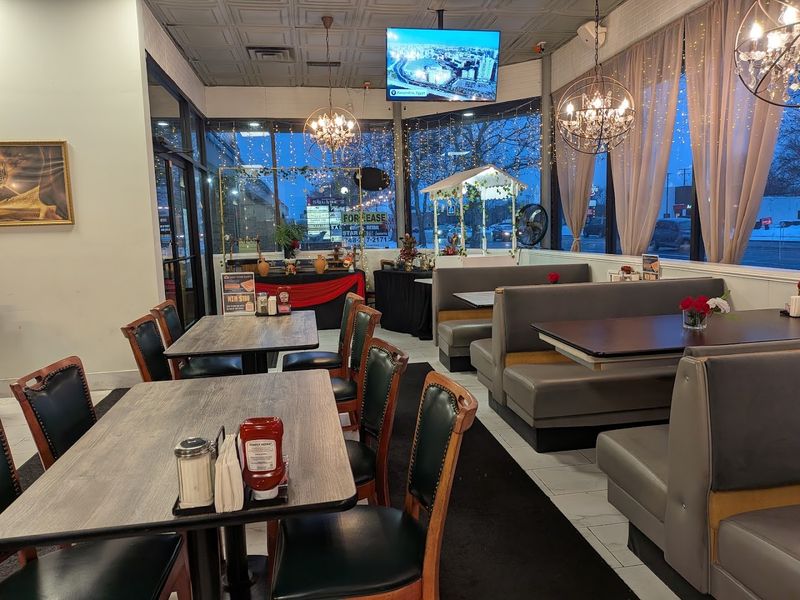
Once you are inside, natural light streams through the windows and brightens a dining room filled with booths and tables. A few Egyptian decorative touches are scattered around the walls, giving the space a sense of personality without feeling overdone.
The parking situation is easy, with plenty of space available in the back. The restaurant is open seven days a week from 11 AM to 10 PM, which means you can plan a lunch visit or arrive for a relaxed dinner without worrying about timing.
The phone number is 734-237-4227 if you want to call ahead. For a neighborhood spot, the atmosphere manages to feel genuinely welcoming rather than generic, and that sets the tone before the food even arrives.
How a Rare Culinary Tradition Found a Home in Michigan
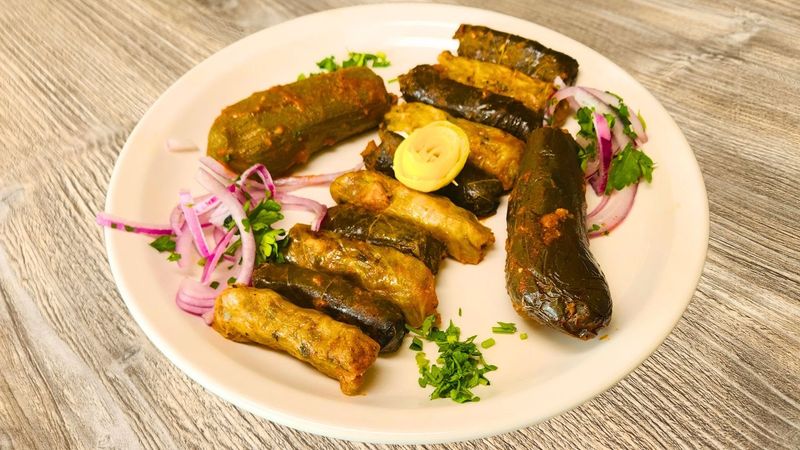
Egyptian cuisine does not have the widespread presence in the United States that other Middle Eastern or Mediterranean traditions enjoy. That makes this restaurant’s existence in Garden City genuinely significant for the region.
The menu draws from a culinary heritage that stretches back centuries, featuring dishes built around legumes, slow-cooked meats, aromatic spices, and flaky pastry. These are not fusion interpretations or watered-down versions created for a nervous audience.
The recipes feel rooted in tradition, the kind that gets passed down through families rather than learned from a textbook. Guests who have traveled to Egypt or grown up with Egyptian home cooking consistently describe the food here as authentically familiar.
For Michigan diners who have never encountered Egyptian food before, the restaurant functions as a genuine introduction to a cuisine that deserves far more recognition. That combination of cultural authenticity and accessibility is not easy to achieve, and it is one of the clearest reasons this place stands apart from every other Mediterranean-leaning restaurant in the state.
Koshari: The Dish That Tells You Everything About Egyptian Cooking
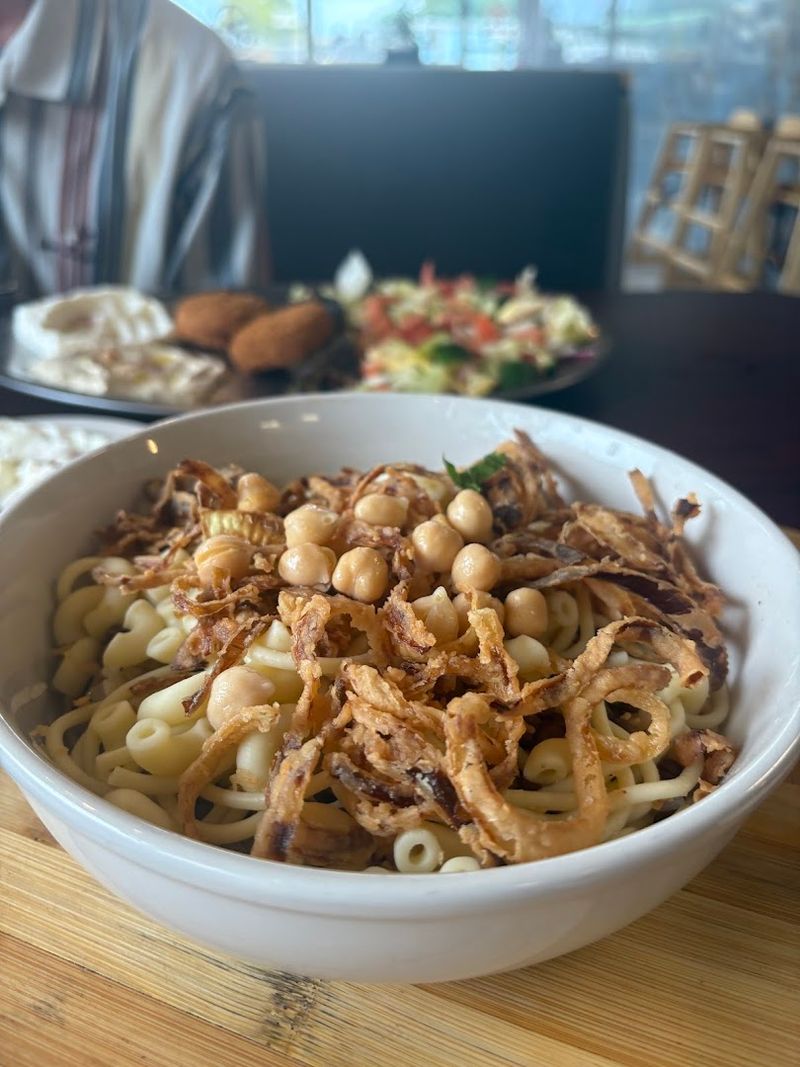
Koshari is Egypt’s national comfort food, and the version served here has earned consistent praise from first-time visitors and Egyptian expats alike. The dish combines rice, lentils, chickpeas, and pasta, then layers on a spiced tomato sauce and crispy onions.
That combination sounds simple, but the balance required to make it taste cohesive is surprisingly precise. Too much acid from the tomato and the whole thing falls apart.
Too little spice and it becomes bland. Here, the proportions feel considered and confident.
The portion size is generous enough that finishing the bowl is a satisfying challenge. Several guests have mentioned taking leftovers home and finding the dish just as enjoyable reheated the next day.
For anyone new to Egyptian food, Koshari is the perfect starting point because it introduces the flavor philosophy of the cuisine without overwhelming the palate. It is hearty, layered, and deeply satisfying in a way that feels completely unlike anything else on the Michigan dining landscape.
The Hawawshi, described next, brings an entirely different kind of excitement.
Hawawshi: The Stuffed Sandwich That Steals the Show
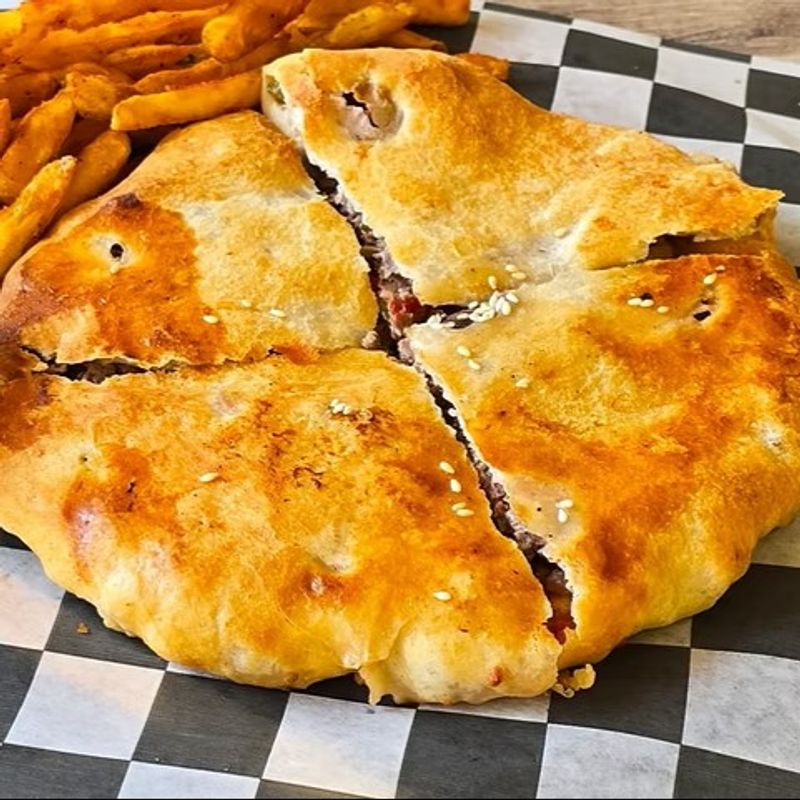
Fresh from the oven and packed with flavor, the Hawawshi at this restaurant has become something of a signature experience for guests who discover it for the first time. It is a baked bread stuffed with spiced minced meat, vegetables, and a blend of herbs and seasonings that fill the dining room with an aroma that is genuinely hard to ignore.
The bread itself is flaky and golden, with a crust that gives way to a filling that is juicy and well-seasoned throughout. The spice profile is complex without being aggressive, hitting notes that feel both unfamiliar and immediately appealing.
Several visitors have named it the single best dish they tried during their meal, and it is easy to understand why. The Hawawshi Creations section of the menu expands on this concept with different filling combinations, giving repeat visitors new reasons to return.
Eating one fresh out of the oven is a different experience from eating one that has sat for even a few minutes, so timing your visit to catch it at its peak is worth the effort.
Macaroni Bechamel and the Comfort Food Side of Egyptian Cuisine
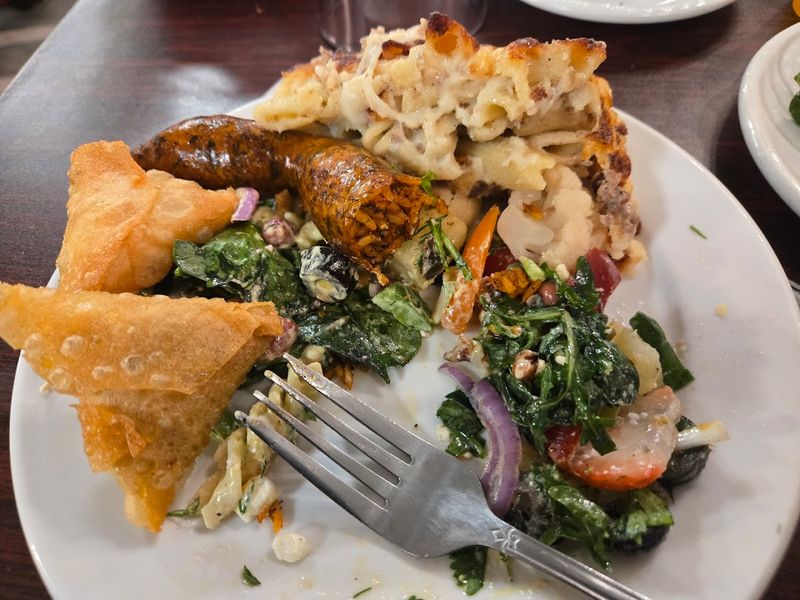
Not every great dish at this restaurant announces itself with drama. Macaroni Bechamel is a quieter pleasure, a baked pasta layered with spiced ground meat and a rich, creamy white sauce that gets golden and slightly crisp on top during baking.
One guest described it as tasting more like a dumpling than a traditional pasta, which captures something true about the texture. The pasta absorbs the sauce in a way that makes each bite feel dense and satisfying rather than light and slippery.
It is the kind of dish that makes you understand why Egyptian home cooking has such a devoted following. There is nothing showy about it, but the execution requires real skill and attention.
The balance between the savory meat layer and the creamy sauce on top is what makes it work. Too much of either element and the dish tips out of balance.
Here it arrives precisely calibrated, warm throughout, and generous enough to leave you genuinely full. The dessert menu, explored later, provides a worthy finish to a meal like this.
Umm Ali: A Dessert That Earns Its Own Section
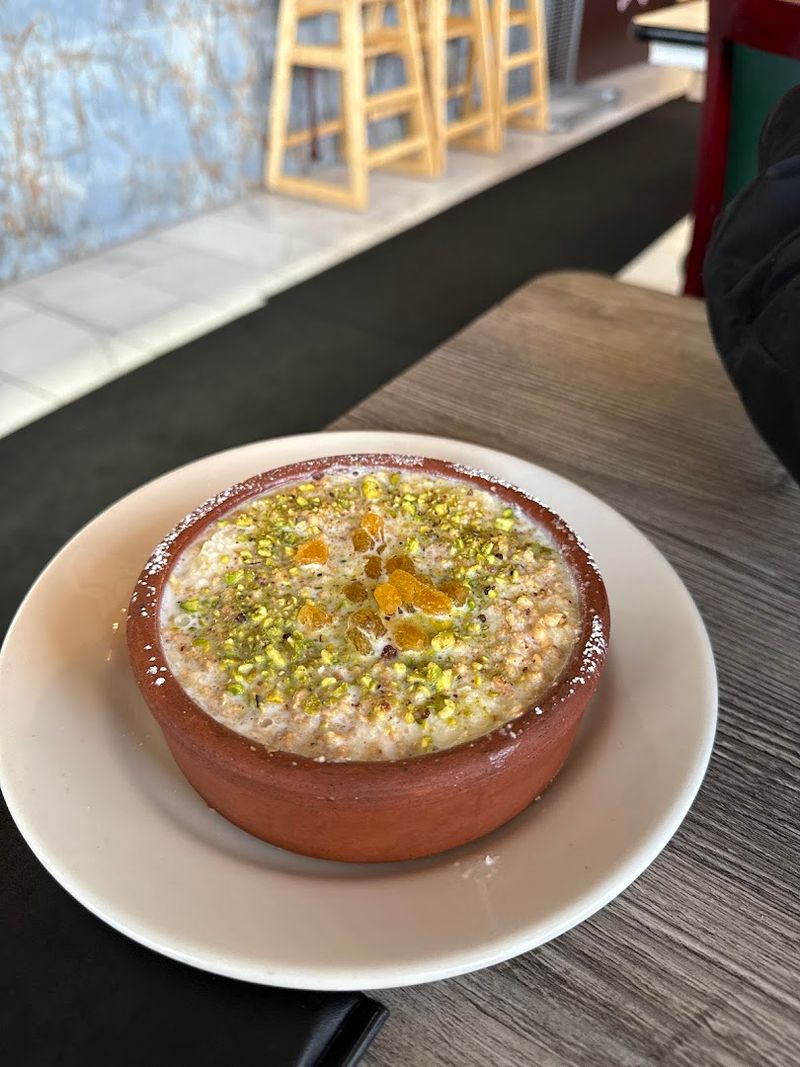
Dessert at this restaurant is not an afterthought. Umm Ali is one of Egypt’s most beloved sweets, a warm, layered dessert made with flaky pastry, nuts, raisins, and sweetened cream that gets baked until bubbling and golden.
The version here strikes a balance that is harder to achieve than it sounds. Umm Ali can easily become cloying or soggy if the ratios are off, but this one arrives with distinct layers, a creamy richness that does not overwhelm, and a sweetness level that feels deliberate rather than excessive.
Guests who ordered it specifically mentioned that the flavors were balanced and that it was not too sweet, which is exactly the right note for a dessert that follows a filling savory meal.
It is the kind of sweet that makes you glad you saved room, even when you thought you had no room left. The Feteer Meshaltet, another option on the menu, offers a very different but equally memorable way to end the meal on a rich, flaky note.
Feteer Meshaltet and the Art of Egyptian Pastry
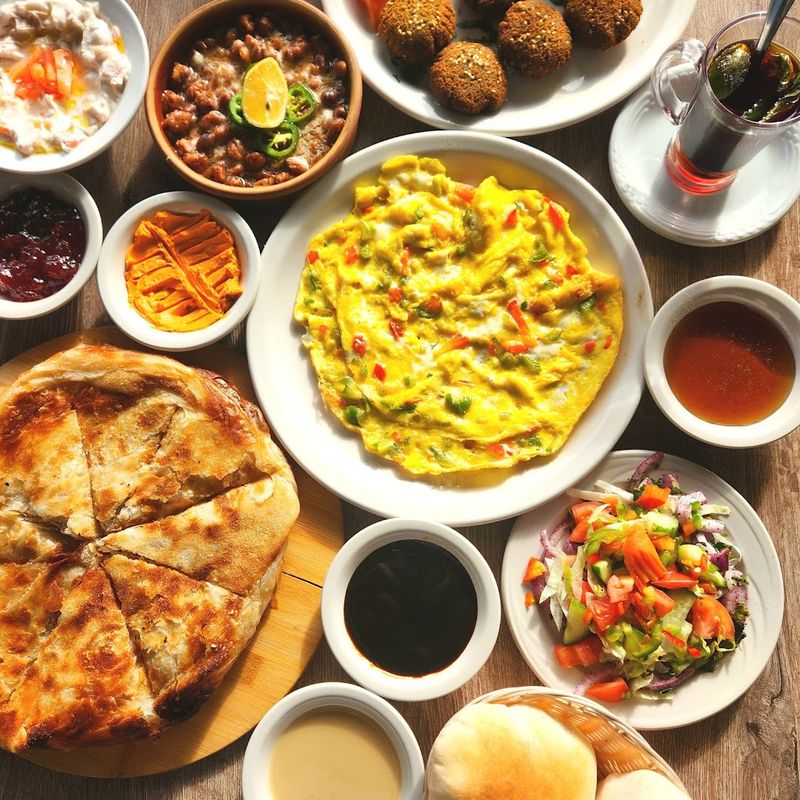
There is a pastry on the menu described as a symbol of Egyptian hospitality, and that label is not an exaggeration. Feteer Meshaltet is a large, layered flatbread made with pure ghee, folded and baked until it produces dozens of thin, crispy, buttery layers that shatter pleasantly with each bite.
It arrives with a side of creamy cheese and a sweet honey and molasses dip, and the combination of savory and sweet is genuinely surprising in the best way. The richness of the ghee is real and present, so this is not a dish for the faint of appetite.
One visitor compared the texture to phyllo dough and noted that the cheese and honey accompaniments transform it into something that feels both indulgent and culturally specific. It is the kind of dish that would be hard to find anywhere else in Michigan.
Ordering it is a commitment, and sharing it with the table is strongly advisable. The experience of tasting something this particular and this well-executed is exactly what makes this restaurant worth seeking out.
The Mezza and Starters That Set the Tone
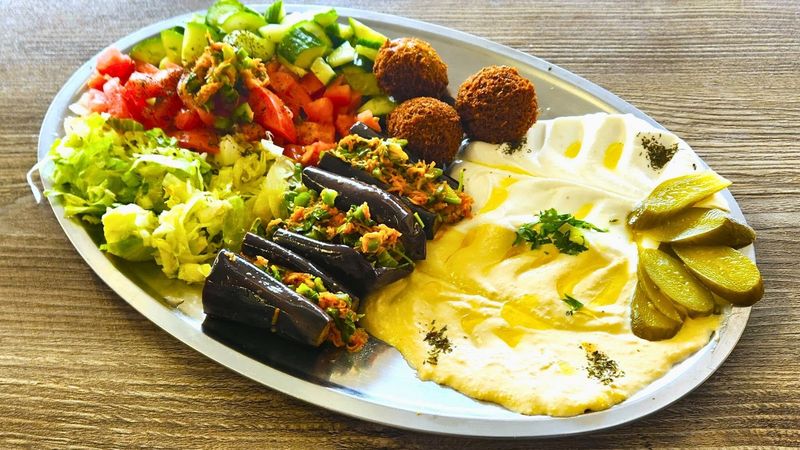
A meal here often begins with the Combo Mezza, a starter spread that includes salad, hummus, and a garlic dip that has developed its own following among regular visitors. The hummus is smooth and well-seasoned, and the garlic dip has a creamy consistency that makes it dangerously easy to consume in large quantities.
The salad arrives crisp and cold, dressed lightly and finished with a sprinkle of sumac that adds a subtle tartness and lifts the whole plate. Small, fresh pita rounds accompany the spread and disappear quickly.
These starters do something important: they orient your palate toward the spice vocabulary of Egyptian cooking before the main courses arrive. The cumin in the hummus is present and assertive, which signals that this kitchen is not shy about seasoning.
For first-time visitors, working through the mezza before ordering a main course is one of the better ways to build familiarity with the cuisine. The starters alone are worth the visit for anyone who appreciates well-crafted, ingredient-forward Mediterranean cooking.
Mombar Sausage and Falafel: The Dishes That Surprise First-Timers
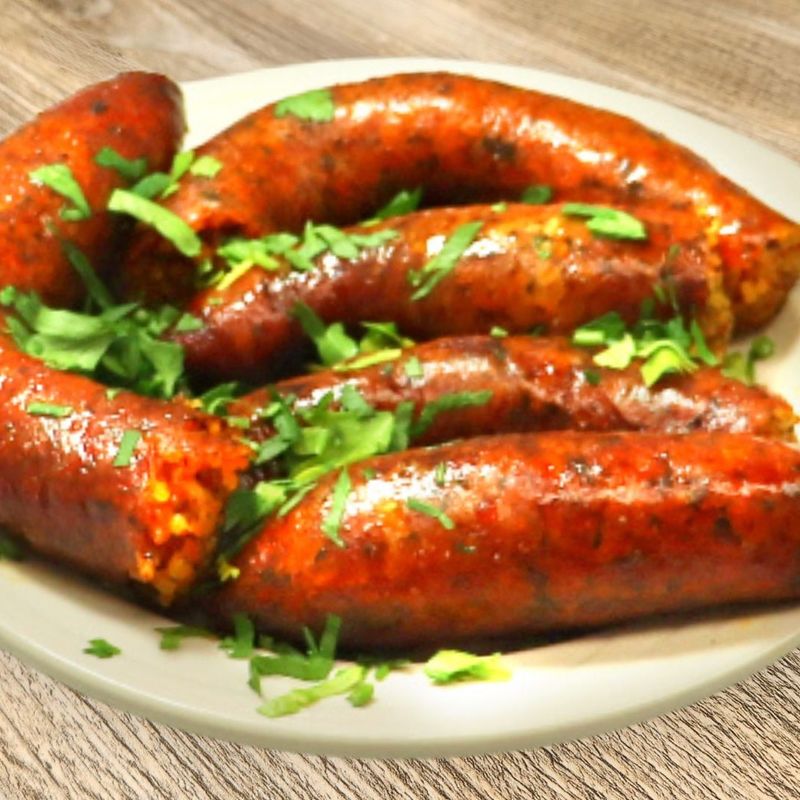
Among the dishes that tend to generate the most enthusiasm from guests trying Egyptian food for the first time, mombar sausage and falafel consistently appear at the top of the list. The mombar is an Egyptian-style sausage that delivers a depth of flavor built from spiced rice and meat packed into a casing and cooked until deeply savory.
The falafel here is described as moist and tender rather than dry and crumbly, which is a meaningful distinction. A well-made falafel should have a crispy exterior and a soft, herb-flecked interior, and the version at this restaurant delivers on both counts.
These are dishes that carry real cultural weight in Egyptian cooking, and tasting them in a context where they are prepared with care changes the way you think about what Middle Eastern food can be.
For guests who have only encountered falafel in fast-casual settings, the difference in quality here is immediately noticeable. Both dishes reward the adventurous diner who chooses them over more familiar options on the menu.
Chicken Tawook and Kabobs: Familiar Names, Distinctive Execution
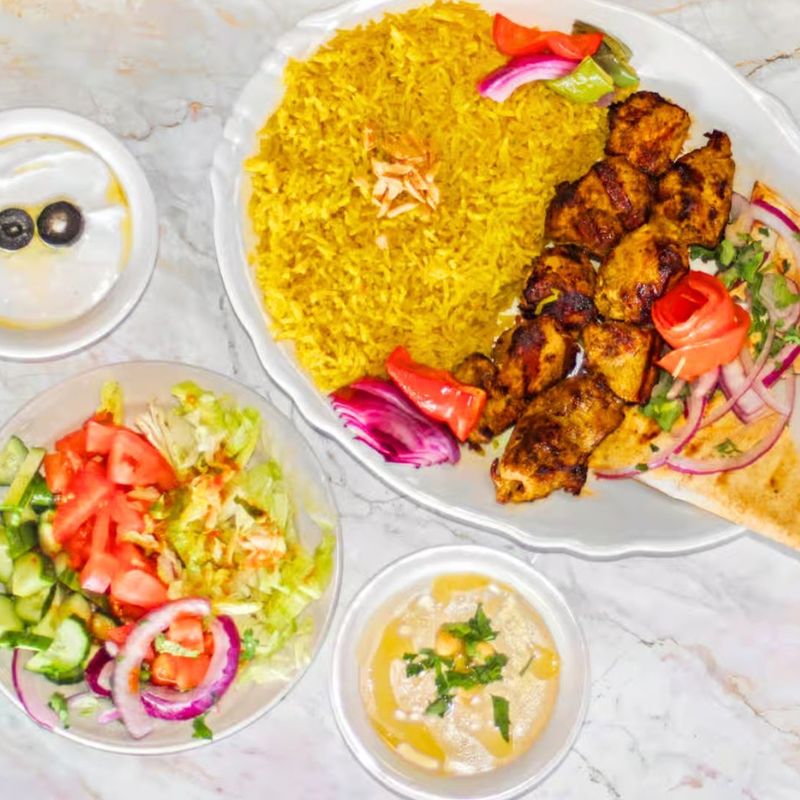
Not every guest arrives ready to order the most unfamiliar item on the menu, and the Chicken Tawook dinner is a smart entry point for anyone who wants something recognizable but still distinctly Egyptian in its preparation. The chicken arrives tender and well-seasoned, pulled off the skewer before serving, which makes the eating experience considerably more relaxed.
The plate comes with yellow rice that is fragrant and flavorful, a side of creamy garlic sauce, hummus, and a small house salad. The garlic sauce in particular has attracted specific attention, described as creamy and balanced rather than sharp or overpowering.
The spice blend used on the chicken carries notes that feel genuinely unusual in the best way, warm and aromatic in a manner that is hard to place without context. It is the kind of seasoning that makes you want to ask what exactly went into it.
Value for money is a consistent theme across reviews of this dish. The portion size and the quality of the components make it one of the more compelling plates on a menu that is already full of strong options.
Practical Tips for Getting the Most Out of Your Visit
A few practical details can make the difference between a good visit and a great one. The restaurant is open daily from 11 AM to 10 PM, which gives you flexibility across lunch and dinner without worrying about limited hours.
Calling ahead at 734-237-4227 is useful if you are planning a larger group, since the dining room fills up during peak hours and the kitchen benefits from a heads-up on busy evenings. Parking is available in the back of the building, so do not be discouraged if the front looks full.
First-time visitors are well-served by asking the staff for recommendations. The servers have demonstrated consistent knowledge of the menu and genuine enthusiasm for helping guests navigate unfamiliar dishes.
Bringing an appetite and a willingness to share plates across the table is the best strategy here. The portion sizes are generous, and ordering a range of dishes gives you a much fuller picture of what Egyptian cooking can do than sticking to a single entree.
The full menu is also available at egyptiankitchenrestaurant.com for planning ahead.
Share this story