
Europe is generally considered one of the safest regions in the world, but not every city fits that peaceful picture. Crime levels can vary significantly depending on factors like population density, economic conditions, and tourism pressure.
Recent rankings based on the Numbeo Crime Index (2025-2026) highlight several cities where concerns about theft, vandalism, and violence run higher than average. Here are 13 European cities that consistently rank among the most concerning for safety.
Bradford, United Kingdom
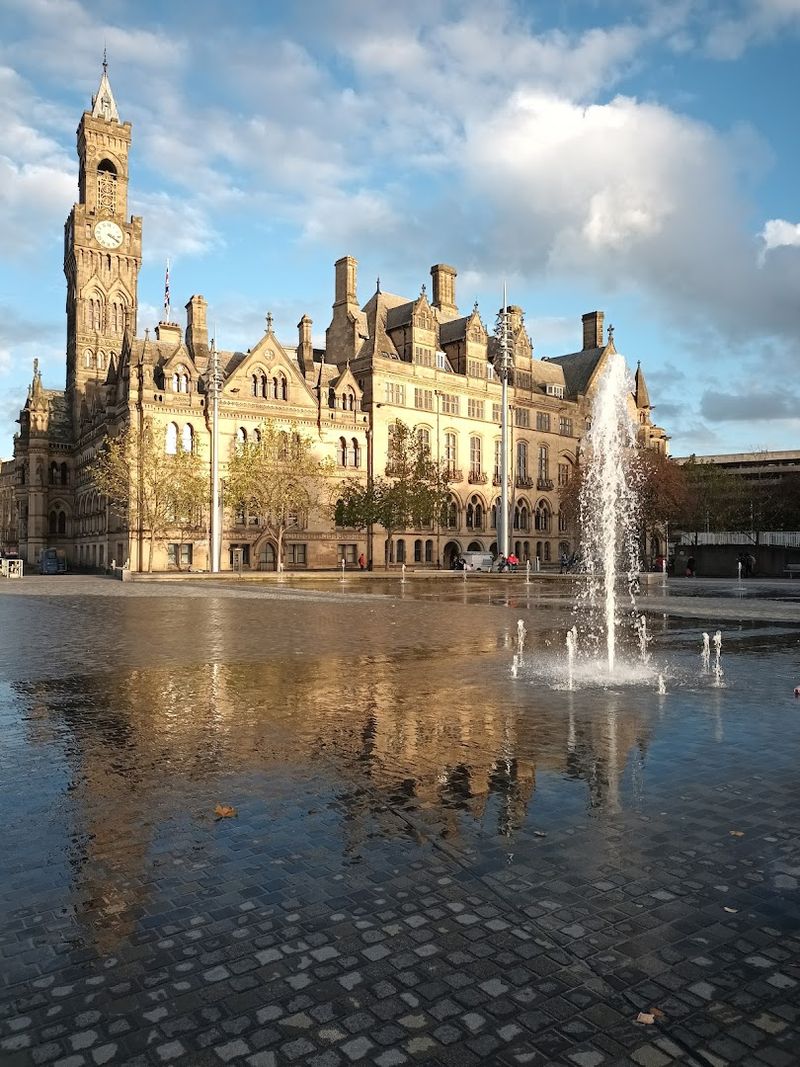
Bradford holds the uncomfortable title of Europe’s most dangerous city according to recent Numbeo Crime Index data — a label that has sparked plenty of heated debate. Residents report regular concerns about theft, anti-social behavior, and occasional violent incidents in certain parts of the city.
Local authorities have pushed back strongly against the ranking, arguing the data doesn’t fully capture Bradford’s community spirit.
The city’s crime issues are largely concentrated in specific neighborhoods rather than spread evenly across the whole area. Many residents go about their daily lives without encountering serious problems.
That said, visitors should still stay alert, especially in busy commercial zones and at night.
Bradford does have genuine charm — it’s a UNESCO City of Film and has a rich industrial heritage worth exploring. Sticking to well-lit areas and keeping valuables secure goes a long way here.
Awareness, not fear, is the smartest travel companion you can bring to Bradford.
Marseille, France
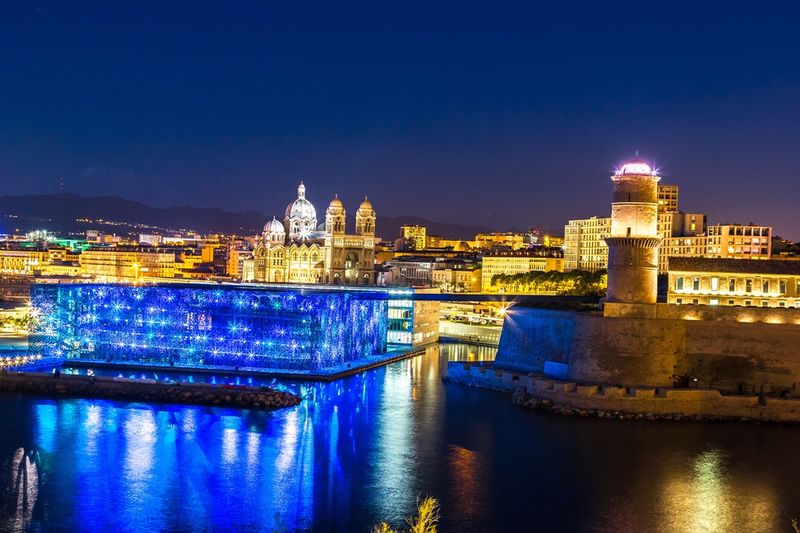
Marseille has a reputation that arrives before you do — and honestly, it’s earned some of it. The city consistently scores high on European crime indexes, largely due to organized crime networks and drug-related activity concentrated in specific districts.
The Camorra-style gang presence has shaped the city’s image for decades.
Tourists flock here anyway, drawn by the sparkling Mediterranean coastline, fresh bouillabaisse, and the buzzing Vieux-Port. Petty theft and pickpocketing are the most common risks visitors face, particularly in crowded markets and on public transport.
Staying aware of your surroundings dramatically reduces your chances of becoming a statistic.
Certain neighborhoods, like La Belle de Mai, carry higher risks and are best explored with a local guide or avoided altogether by solo travelers. Meanwhile, areas like the Panier district offer culture and history with relatively manageable risk levels.
Marseille rewards bold, street-smart travelers who do their homework before arriving.
Coventry, United Kingdom

Coventry might be famous for Lady Godiva and its stunning cathedral, but it also carries a less flattering distinction — a consistently high crime perception ranking across Europe. Theft, vandalism, and anti-social behavior are the most frequently reported concerns among residents and visitors alike.
The city’s ranking reflects both real incidents and the broader social anxieties of a post-industrial urban area.
Crime in Coventry tends to cluster in specific pockets rather than blanketing the entire city. The city center and certain residential estates see the bulk of reported incidents, while other areas feel perfectly ordinary and safe.
Tourists visiting the cathedral or the Herbert Art Gallery generally have uneventful trips.
Coventry is actively working to address its safety challenges through community policing and urban renewal projects. It was even named UK City of Culture in 2021, which brought investment and attention to its many positive qualities.
Traveling smart here means keeping bags close, avoiding quiet back streets after dark, and trusting your instincts when something feels off.
Birmingham, United Kingdom

The UK’s second-largest city packs a lot into its boundaries — including a crime rate that keeps it firmly on European safety watchlists. Property crime, street theft, and urban disorder are the headline concerns, and with a population pushing over a million, the raw numbers of incidents naturally run high.
Size, in this case, is not entirely an advantage.
Birmingham’s crime landscape is deeply uneven. Neighborhoods like Edgbaston and Harborne feel calm and residential, while areas around certain city center zones and inner suburbs report higher incident rates.
Tourists exploring the Bullring shopping center, Cadbury World, or the famous Balti Triangle generally navigate without major issues.
The city hosted the 2022 Commonwealth Games and has invested heavily in regeneration projects, which have improved both infrastructure and community confidence in several areas. Staying street-smart — keeping phones out of sight on busy streets, using licensed taxis at night, and avoiding poorly lit shortcuts — makes a real difference.
Birmingham has energy and culture to offer; just pack your common sense alongside your camera.
Naples, Italy

Naples doesn’t do anything quietly — including crime. The city has wrestled with the shadow of the Camorra, Italy’s oldest and most powerful organized crime network, for generations.
This deep-rooted presence shapes everything from local politics to the petty theft that tourists encounter near the train station and major landmarks.
Pickpocketing is genuinely rampant in crowded spots like Piazza Garibaldi and the historic center. Moped-riding thieves snatching bags and phones are a real concern, not just an urban legend.
Keeping bags on your inside shoulder, away from the road, is one of the most practical pieces of advice any Naples veteran will give you.
And yet — Naples is absolutely magnetic. The pizza alone is worth the plane ticket, and the energy of the streets, the chaos of the markets, and the grandeur of the Museo Nazionale are unforgettable.
Travelers who stay alert, dress modestly, and avoid flashing expensive items tend to leave with nothing but incredible memories. Naples rewards the prepared and punishes the careless.
Grenoble, France
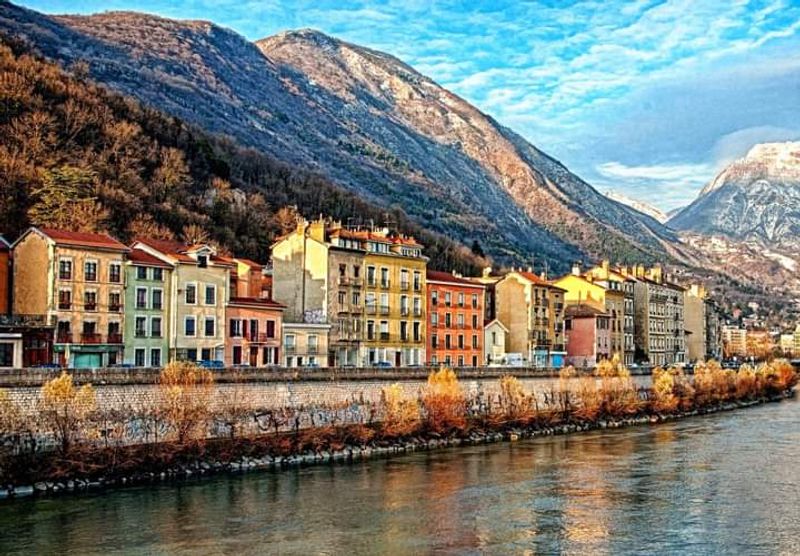
Tucked into the French Alps and surrounded by jaw-dropping mountain scenery, Grenoble looks like the last place you’d expect on a crime ranking. Yet the city has seen a steady rise in safety concerns over recent years, particularly around drug-related activity and localized urban violence in certain districts.
Its crime index score has climbed noticeably since the early 2020s.
The issues are concentrated mainly in specific suburban neighborhoods rather than the city’s picturesque core. Visitors exploring the old town, the Bastille fortress, or the excellent art museums generally report feeling comfortable.
Problems tend to flare after dark in peripheral residential zones that tourists rarely visit anyway.
Grenoble’s local government has been vocal about tackling these challenges, investing in community programs and increased police presence in high-risk areas. The city remains a popular base for skiers heading to nearby resorts like Chamrousse and Les Deux Alpes.
Staying in central accommodations, using well-traveled routes, and being mindful of your environment at night are sensible precautions that apply here just as they would in any mid-sized European city.
Montpellier, France
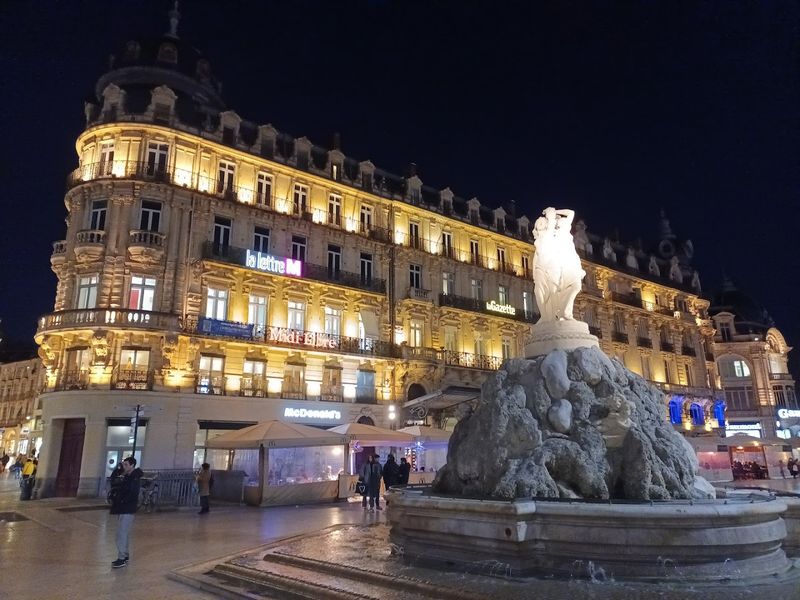
Sun-drenched and student-filled, Montpellier has a lively Mediterranean vibe that masks a surprisingly high crime index score. With one of the youngest urban populations in France, the city buzzes with nightlife, festivals, and a packed social calendar — and that energy comes with some predictable downsides.
Theft and vandalism, particularly in nightlife districts and busy transit areas, push its ranking up the European charts.
The tram network, which is the backbone of the city’s transport system, is a known hotspot for pickpocketing. Students and tourists alike have reported bag snatches and phone grabs, especially during peak hours.
Keeping belongings close and staying alert on public transport is genuinely useful advice here.
Outside the crime statistics, Montpellier is a genuinely enjoyable city with great food, beautiful architecture, and a short drive to the beach. The historic Ecusson district feels lively and relatively safe during the day, though solo travelers should be cautious after midnight in less-frequented streets.
A little preparation goes a long way — and the city’s southern French charm makes the effort very much worthwhile.
Paris, France
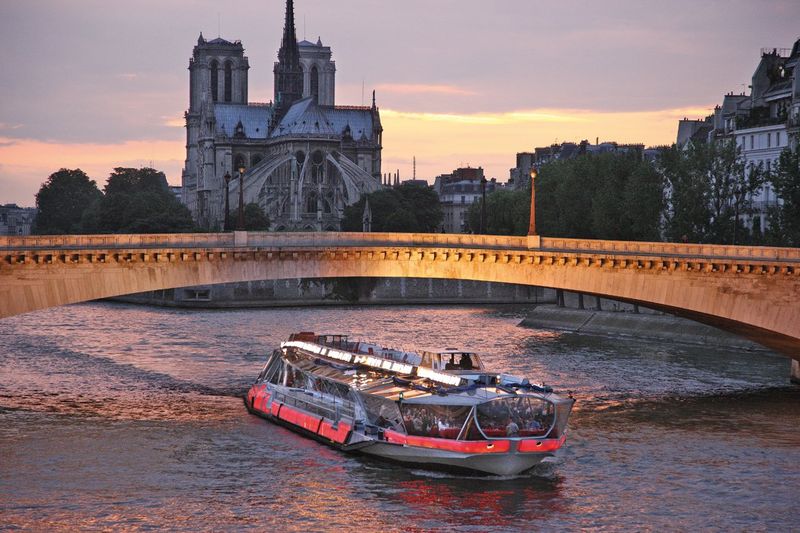
Roughly 100 million tourists visit Paris every year, which means the city’s pickpockets are essentially operating the world’s most competitive open-air business. Crime perception in Paris ranks higher than many expect from a world-class capital, with petty theft, scams, and bag snatching topping the list of visitor complaints.
The areas around the Eiffel Tower, Sacre-Coeur, and the Louvre are particularly active hunting grounds for opportunistic thieves.
Common scams include the fake gold ring trick, aggressive friendship bracelet sellers, and distraction techniques used by groups working in coordination. Tourists absorbed in selfies or maps are easy targets.
Staying alert in these environments isn’t paranoia — it’s just good city sense.
Beyond the tourist zones, Paris is a complex city where crime levels vary enormously by arrondissement. The 18th and 19th arrondissements have historically reported higher incident rates, while areas like the Marais and Saint-Germain feel considerably calmer.
Paris remains one of the most beautiful cities on Earth — just keep your wits sharper than your camera lens.
Brussels, Belgium
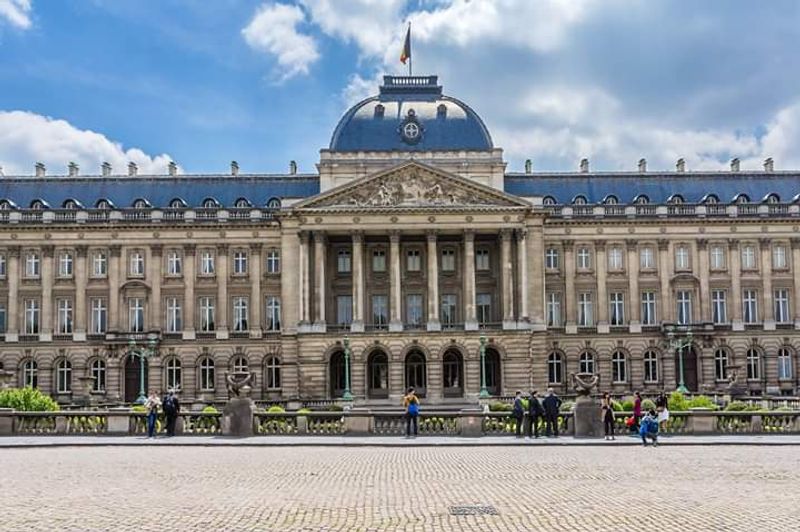
As the de facto capital of the European Union, Brussels carries a certain political prestige — but its crime rankings tell a less polished story. Petty crime is the dominant concern, with theft and anti-social behavior reported frequently around major transport hubs like Brussels-Midi station and Gare du Nord.
These areas have a notably rough edge compared to the postcard-perfect Grand Place just a short walk away.
Certain districts, particularly Molenbeek and parts of Schaerbeek, have gained international attention for more serious crime and security concerns over the past decade. Local authorities have increased policing and community engagement in these areas, with mixed results.
Most tourists never venture into these neighborhoods and experience Brussels without incident.
The city’s famous waffle stands, chocolate shops, and world-class beer bars create a welcoming atmosphere in the tourist core. Staying aware of your pockets in busy areas, avoiding poorly lit streets near train stations at night, and using official taxis rather than unlicensed drivers are all practical steps.
Brussels has genuine warmth beneath its complicated reputation — you just need to navigate it with open eyes.
Manchester, United Kingdom
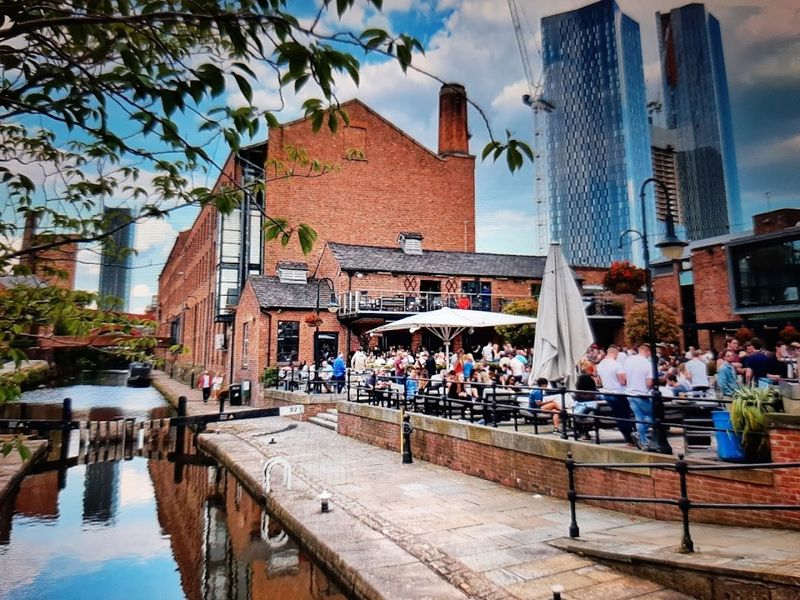
Manchester has reinvented itself spectacularly since its industrial heyday — but its crime statistics haven’t quite kept pace with its cultural glow-up. Property crime, phone theft, and nightlife-related incidents consistently place it among the UK’s higher-ranking cities for safety concerns.
The city center and areas around Piccadilly Gardens attract a disproportionate share of reported incidents.
The nightlife scene, which is genuinely world-class, also brings the challenges that come with large crowds and late hours. Drink spiking, bag theft in bars, and street-level confrontations are more common here than in smaller cities.
Going out in groups, keeping drinks covered, and using pre-booked taxis rather than hailing cabs off the street are all worthwhile habits.
Away from the hotspots, Manchester is a vibrant, creative city with outstanding music venues, incredible food, and two football clubs that generate passionate debate on every street corner. Neighborhoods like Didsbury and Chorlton feel safe and suburban, a world away from the city center’s busier challenges.
Manchester’s energy is infectious — just channel some of that northern grit into staying street-smart.
London, United Kingdom
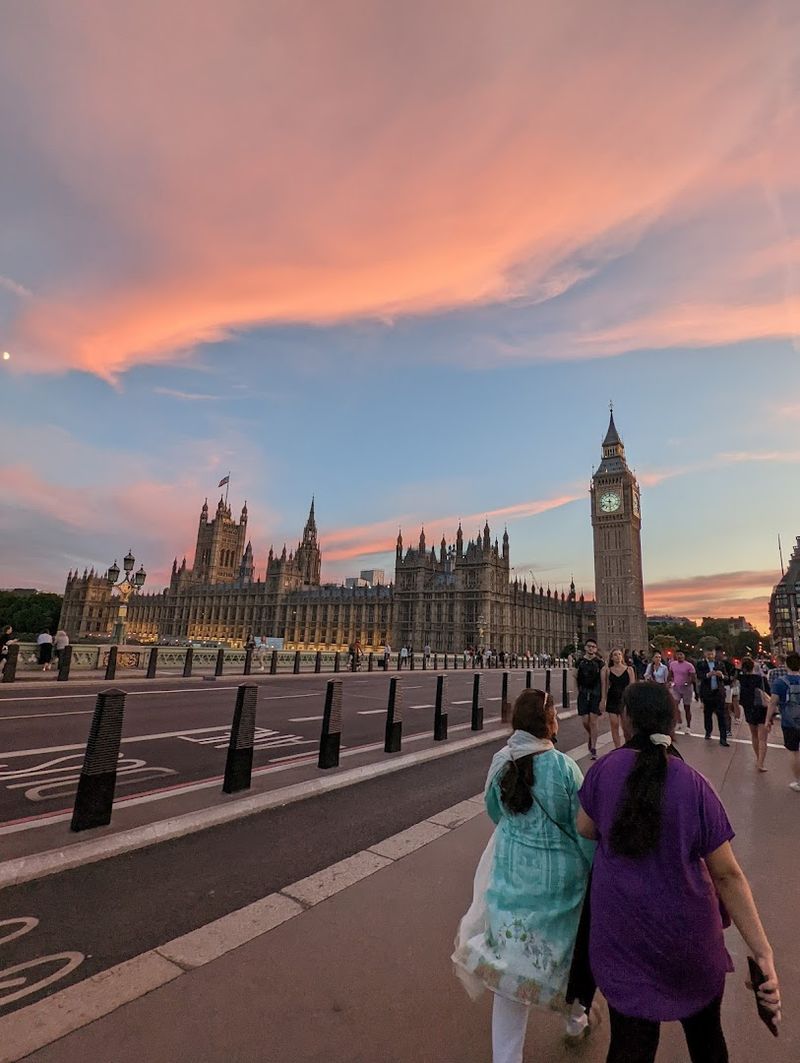
London is many things at once — global financial hub, cultural powerhouse, and unfortunately, a city where phone theft has reached almost epidemic proportions. Moped-enabled phone snatching became so prevalent that it triggered dedicated Metropolitan Police task forces.
The sheer scale of the city means that even a small percentage of incidents adds up to very large raw numbers.
Pickpocketing on the Tube, particularly on busy lines like the Central and Northern lines, is a persistent issue that catches tourists off guard. Busy stations like Oxford Circus and King’s Cross are known hotspots.
Keeping phones in front pockets, using bags with zippers, and being extra cautious on crowded platforms makes a measurable difference.
Knife crime has also drawn significant media attention in recent years, particularly affecting young people in certain outer boroughs. For the average tourist, however, central London remains manageable with basic precautions.
The city’s extraordinary museums, parks, theatres, and food scene make it worth every careful step. London is enormous, complex, and endlessly rewarding — approach it with curiosity and common sense in equal measure.
Athens, Greece
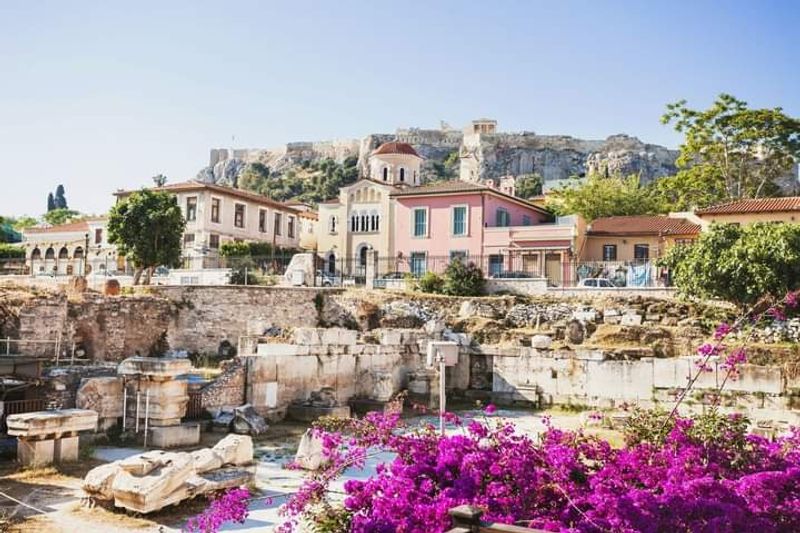
Standing beneath the Acropolis, it’s easy to feel like you’ve stepped into a history book — but Athens also has a present-day crime story worth reading before you visit. Petty crime, particularly pickpocketing and scams, has increased noticeably in tourist-heavy zones over recent years.
Monastiraki Square, the flea market area, and the Metro system are the most frequently mentioned trouble spots in visitor reports.
Scammers operating near major attractions often target distracted tourists with fake charity clipboards, overpriced restaurant traps, or staged distractions designed to separate you from your wallet. Staying skeptical of overly friendly strangers near tourist sites is genuinely useful advice.
Athens street smarts are earned quickly once you know what to watch for.
The city’s economic struggles over the past decade have contributed to rising opportunistic crime, though violent crime remains relatively low by global standards. Most visitors leave Athens raving about the food, the ruins, and the electric energy of Plaka at sunset.
Keeping valuables in a money belt, photographing your passport, and using licensed taxis from official ranks are simple steps that let you focus on the magic rather than the mishaps.
Malmö, Sweden
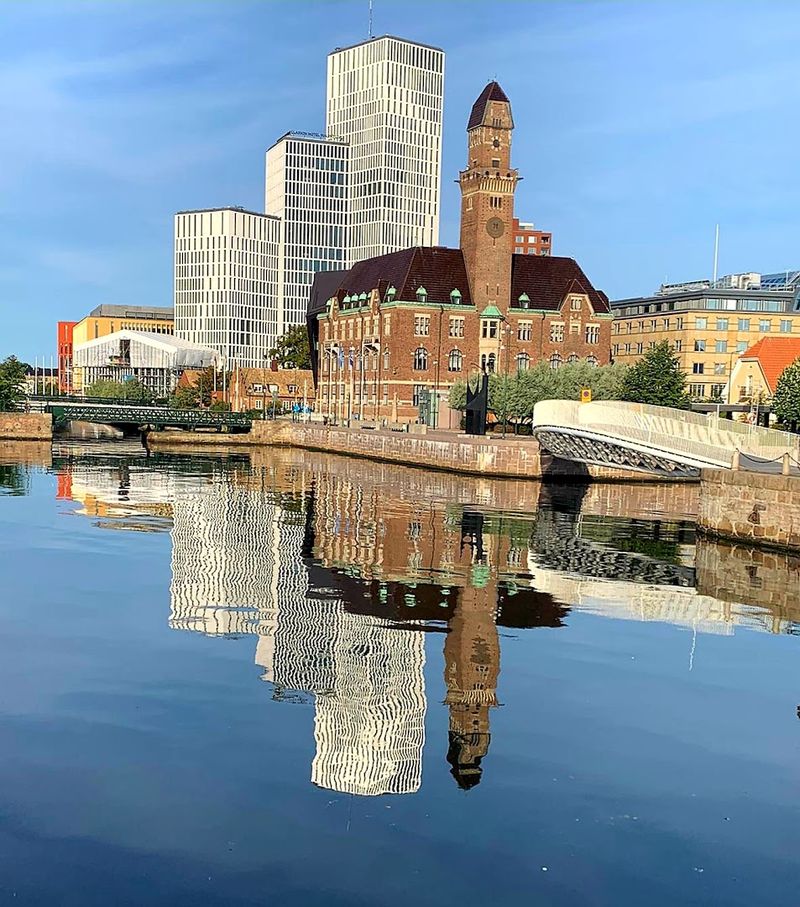
Scandinavia’s reputation for safety and social harmony makes Malmö’s spot on this list feel genuinely surprising — but the city has been grappling with gang-related violence for well over a decade. Explosive devices and shootings linked to criminal networks made international headlines throughout the 2010s and into the 2020s, putting Sweden’s third-largest city under uncomfortable scrutiny.
The situation has improved in some metrics, though concerns remain.
The gang conflicts are largely contained within specific communities and rarely spill into tourist areas or the city center. Visitors exploring the Turning Torso, the Western Harbour waterfront, or the charming Lilla Torg square typically have entirely uneventful experiences.
The risk profile for a tourist in Malmö looks very different from the risks faced by residents in affected neighborhoods.
Swedish authorities have invested heavily in social programs, education initiatives, and policing reforms aimed at breaking the cycle of gang recruitment. Malmö is also genuinely beautiful, with excellent food, a strong cycling culture, and easy day-trip access to Copenhagen via the Oresund Bridge.
Understanding the nuance between perception and personal risk is key — Malmö is complex, not simply dangerous.
Share this story