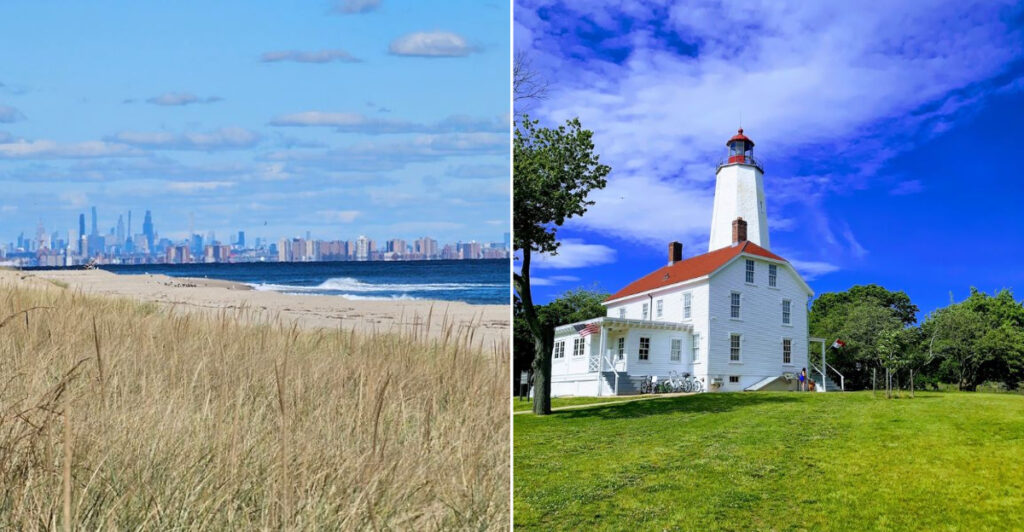
There is a narrow strip of land jutting into the Atlantic Ocean in New Jersey where history, nature, and sweeping views of the Manhattan skyline all come together in one place. Sandy Hook, part of the this recreation area in Highlands, NJ, is home to the oldest continuously operating lighthouse in the United States, still guiding ships today just as it did back in 1764.
That alone is worth the drive, but the peninsula has far more to offer than one historic tower. From Civil War-era military fortifications to miles of open beaches and wildlife-rich marshlands, this park packs a remarkable amount into a single day trip.
Whether you are a history enthusiast, a nature lover, or simply someone looking for a fresh perspective on the Jersey Shore, Sandy Hook delivers something that most people do not expect to find this close to New York City.
The Lighthouse That Started It All
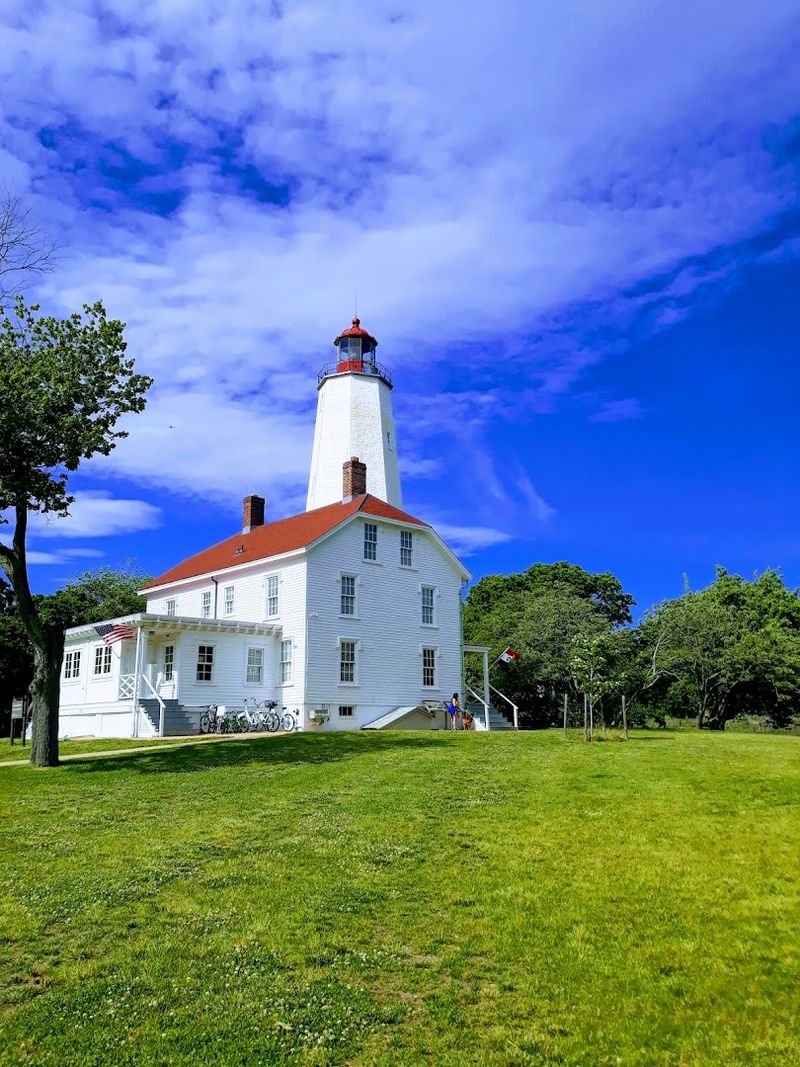
Built in 1764, the Sandy Hook Lighthouse is the oldest continuously operating lighthouse in the United States, and it still functions as an active aid to navigation today.
That is not a small claim. While other early American lighthouses have been decommissioned or rebuilt from scratch, this one has held its ground for more than 260 years.
The octagonal brownstone tower stands 103 feet tall and was constructed before the American Revolution, meaning it watched the entire arc of the country’s history unfold from its fixed spot on the peninsula. During the Revolutionary War, the lighthouse even changed hands between British and American forces.
Tours of the lighthouse grounds are available, and interpretive signs throughout the area explain the structure’s history in detail. Getting up close to the tower and reading about its past makes for one of the most unexpectedly educational stops on the entire Jersey Shore.
Fort Hancock: A Military Post Frozen in Time

Fort Hancock is one of the most extensive historic military sites in the northeastern United States, and it occupies a large portion of the Sandy Hook peninsula.
Established in 1895, the fort was an active U.S. Army post for decades and played a significant role in coastal defense during both World Wars and through the Cold War era.
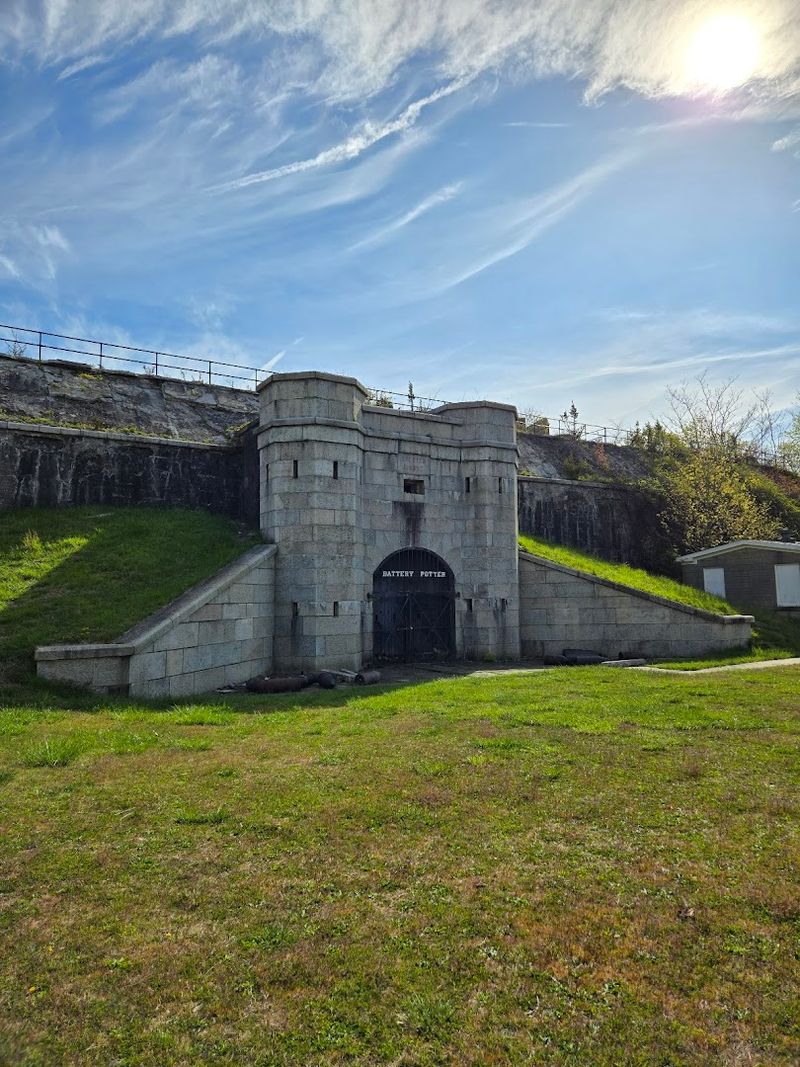
Rows of original brick buildings, officers’ quarters, and battery structures still stand across the grounds today.
Some buildings are open for exploration, clearly marked for safety, while others remain off-limits due to structural conditions. The ruins near parking lot M offer a particularly striking look at what remains of the fort’s defense infrastructure.
Walking through Fort Hancock feels like flipping through a military history textbook, except everything around you is real and three-dimensional. An observation deck near parking lot I gives a panoramic view of both the bay and the Atlantic, adding a geographical layer to the historical story.
The Manhattan Skyline View That Stops People Cold
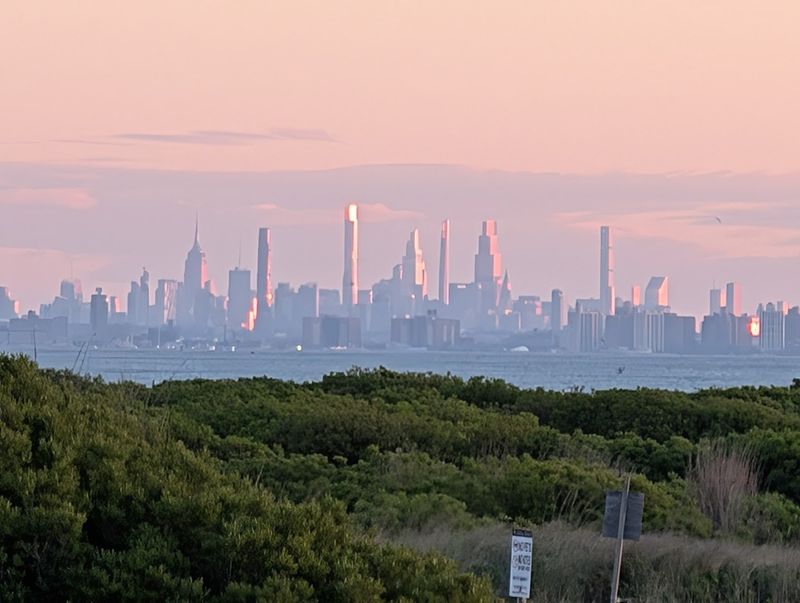
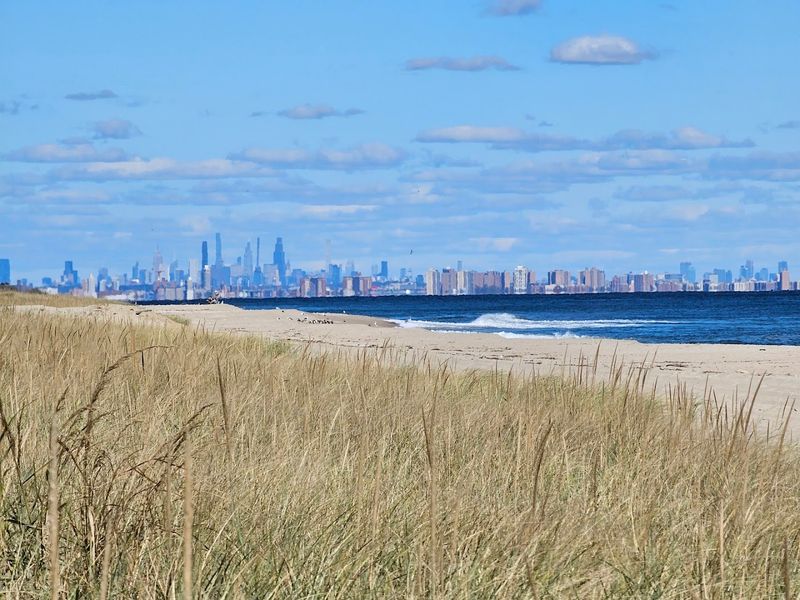
Few spots on the Jersey Shore offer a clear, unobstructed view of the Manhattan skyline, but Sandy Hook is one of them.
From the bayside beaches and several points along the peninsula, the New York City skyline stretches across the northern horizon with remarkable clarity. On a clear day, you can pick out individual buildings and watch ships moving through the channel between the two states.
Cruise ships departing from Port are visible from the beach, along with barges, tugboats, and the occasional tall ship. The waterway between Sandy Hook and Staten Island is one of the busiest maritime corridors on the East Coast, so there is almost always something moving across that view.
This combination of natural shoreline in the foreground and one of the world’s most iconic skylines in the background creates a visual contrast that catches first-time visitors completely off guard. It is genuinely unlike any other beach perspective in New Jersey.
Miles of Beach on Both Sides of the Peninsula
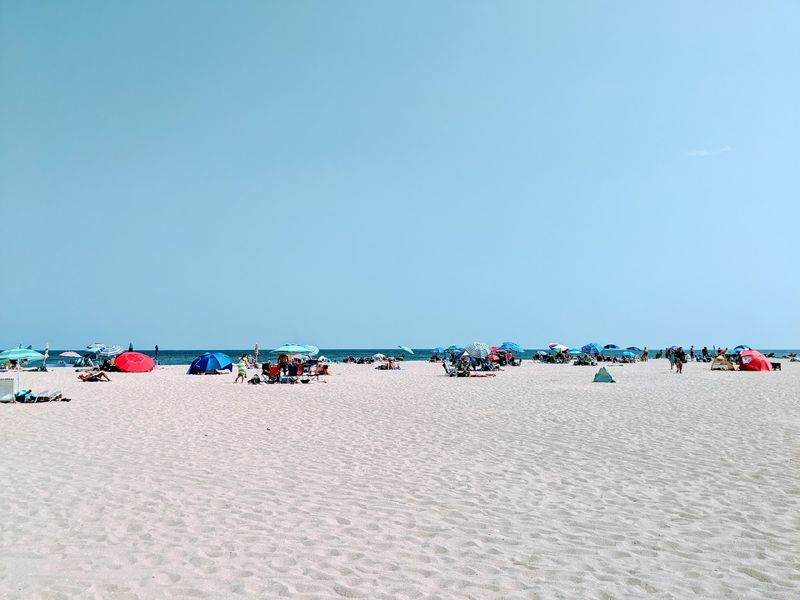
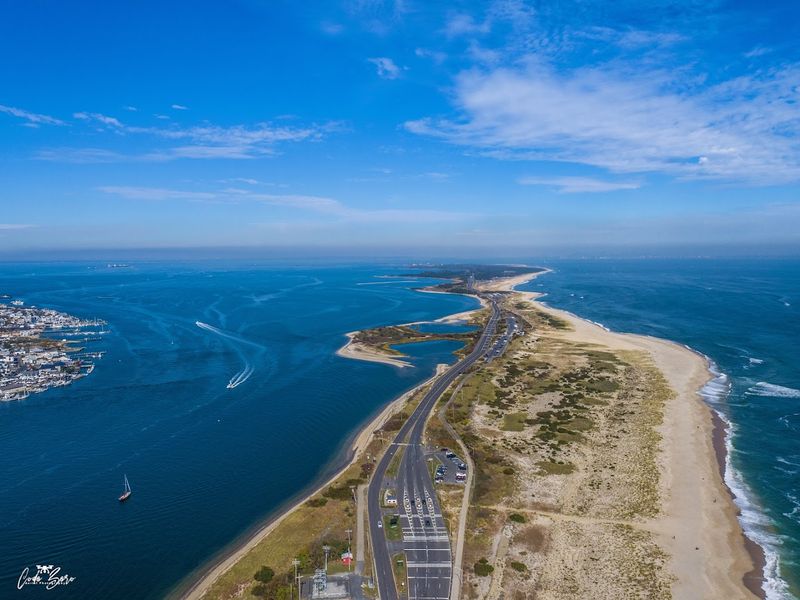
Sandy Hook offers beach access on two very different fronts, and each one has its own character.
The ocean side faces the Atlantic and delivers the classic Jersey Shore experience, with open surf, wide sandy stretches, and lifeguard-protected swimming areas during summer months. The bayside beaches are calmer, shallower, and particularly well-suited for families with young children who prefer gentler water conditions.
Multiple beach sections are spread across the peninsula, labeled by parking lot, from A through M. Each section has its own access point and facilities, so the crowds tend to spread out naturally rather than concentrating in one spot.
D Beach is a favorite among families for its clean facilities and attentive lifeguard presence. Gunnison Beach, located near the northern tip, is a federally designated clothing-optional beach, which is worth knowing in advance if you are planning a family outing.
The beaches are consistently well-maintained, and restrooms at multiple locations are kept clean throughout the season.
Biking the Seven-Mile Multi-Use Path
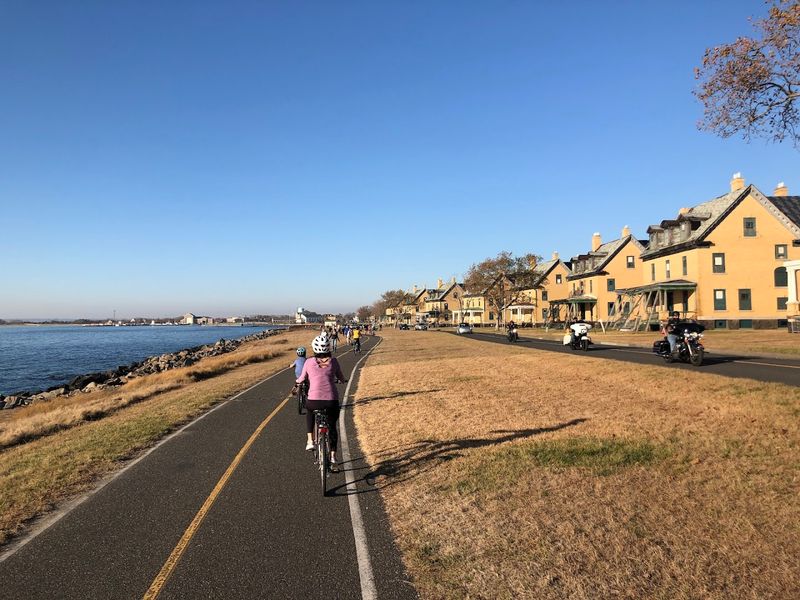
One of the best ways to cover the full length of Sandy Hook is by bike, and the park makes that easy with a dedicated seven-mile multi-use path that runs the length of the peninsula.
The flat, paved trail is open to cyclists, walkers, and in-line skaters, and it connects the various beach sections, historic sites, and natural areas without requiring a car. Biking the full length and back gives a thorough overview of the park’s layout and variety.
The path winds past maritime forests, open dune fields, and bay-facing viewpoints, offering a constantly changing backdrop. Bringing your own bike is the most convenient option, but planning ahead for parking near the entrance makes the logistics smoother.
Groups that arrive with bikes consistently get more out of the park than those who rely solely on driving between lots. The path is well-marked, in good condition, and accessible from multiple entry points along the main road through the park.
Birdwatching and Wildlife in the Maritime Forest

Sandy Hook is one of the top birdwatching locations on the entire East Coast, particularly during spring and fall migration seasons.
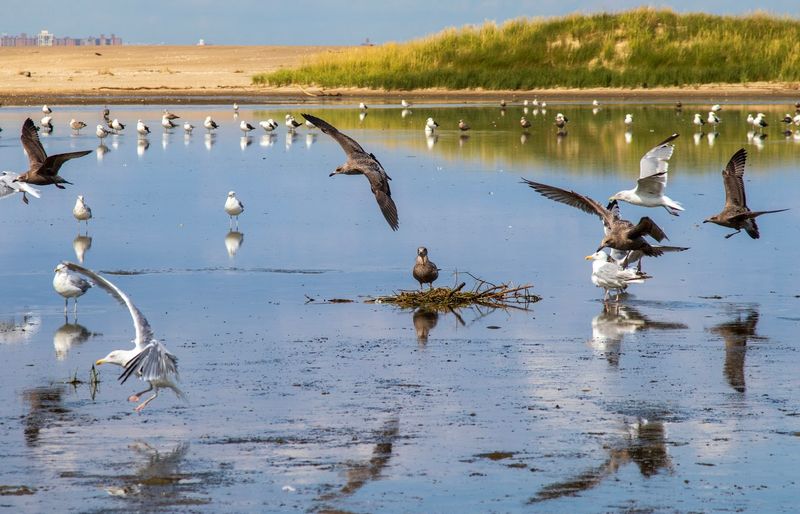
The peninsula sits along the Atlantic Flyway, the major north-south migration corridor for hundreds of bird species. The mix of habitats, including maritime holly forest, freshwater ponds, salt marshes, and open beach, creates ideal conditions for a wide variety of species to rest and feed during their journeys.
White-tailed deer are also a common sight throughout the park, especially near the Fort Hancock area. They have become comfortable enough around people that close encounters are not unusual.
One well-documented deer was spotted attempting to walk alongside a parked car, which gives a fair idea of how relaxed these animals have become.
The Salt Pond, a serene freshwater feature tucked into the interior of the peninsula, draws additional wildlife and is a quieter spot for those who prefer their nature encounters away from the beach crowds.
Fishing at Sandy Hook: What You Need to Know

Fishing is a long-standing tradition at Sandy Hook, and the park supports it at multiple locations along both the ocean and bay sides of the peninsula.
Striped bass is one of the most sought-after catches in the area, and local anglers who fish the bay regularly are a knowledgeable and generally friendly group. Conversations with experienced fishermen at the park often yield useful tips about timing, bait, and the best spots to set up for a productive session.
Surf fishing along the Atlantic side is popular in the cooler months, while the bay offers calmer conditions year-round. No boat is required to access productive fishing grounds, as the shoreline provides plenty of options for casting from land.
A valid New Jersey fishing license is required for anyone 16 and older. The park does not have a bait shop on site, so coming prepared with your own gear and supplies is the practical approach before heading out.
Dog-Friendly Trails and Off-Season Beach Access
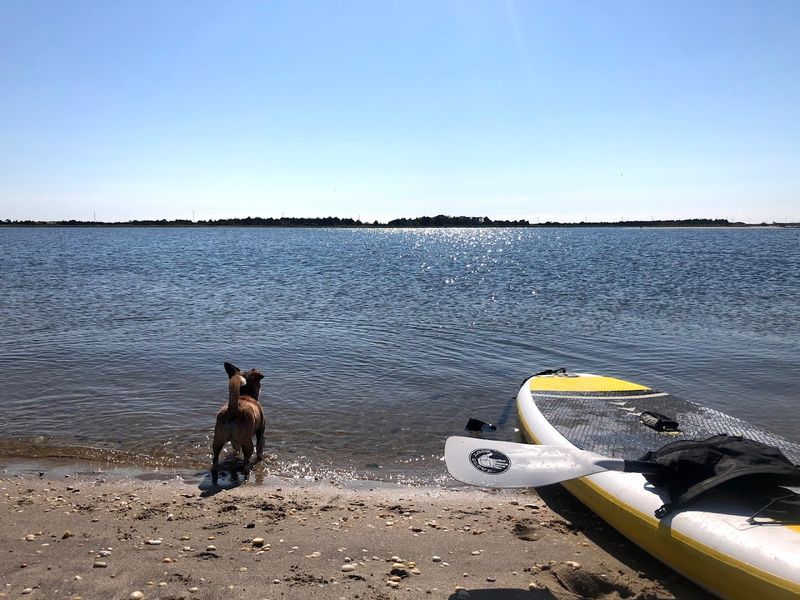
Sandy Hook has a well-earned reputation among dog owners in the New York metro area, largely because the park allows dogs in more areas than most nearby beaches.
During the off-season, typically from after Labor Day through late May, dogs are permitted on the ocean-side beaches as well as the bay-side shoreline. This makes fall and early spring particularly appealing for pet owners who want a full beach experience without the summer restrictions.
Year-round, dogs are welcome on the bayside paths and trails, giving them plenty of room to walk and explore. The park’s multi-use path is also open to leashed dogs throughout the year.
The combination of open trails, bay access, and seasonal beach permissions makes Sandy Hook one of the most accommodating parks in the region for dog owners. Leash rules are enforced, and waste stations are available at several points throughout the park to keep things clean for everyone sharing the space.
Photography Opportunities Around Every Turn
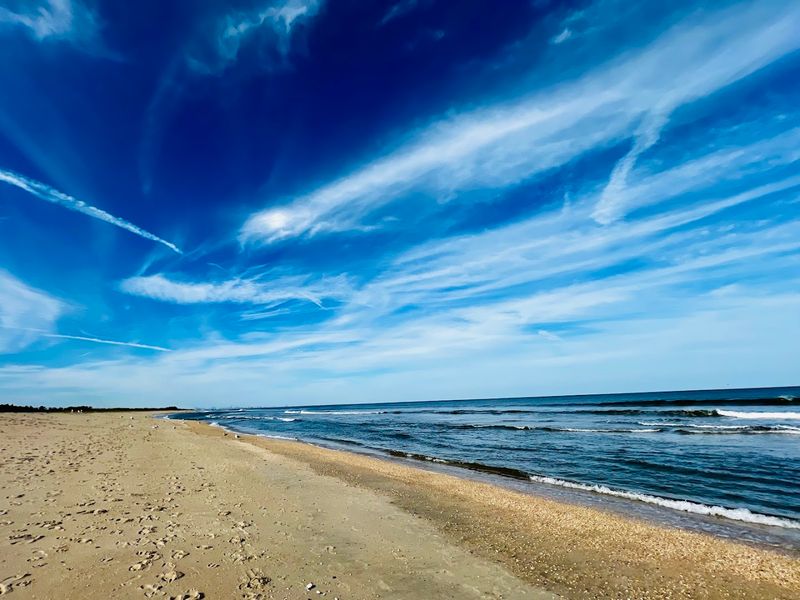
Sandy Hook draws photographers for obvious reasons, and the variety of subjects packed into a single peninsula is genuinely hard to match anywhere else in New Jersey.
The Sandy Hook Lighthouse against an open sky is a classic composition that never gets old. Fort Hancock’s weathered brick buildings, some partially collapsed and overgrown, offer a different kind of visual story, one that rewards patience and a good eye for architectural detail.
The Manhattan skyline reflected in calm bay water at certain times of day creates a dramatic background for portraits, landscape shots, and even engagement or wedding photography. The park has become a recognized location for formal photo sessions precisely because of this backdrop.
Wildlife photography is also productive here, particularly during bird migration season when species diversity peaks. The Salt Pond and the edges of the maritime forest are reliable spots for catching deer, shorebirds, and migratory songbirds in natural, undisturbed settings throughout the year.
The Cold War Layer: Nike Missile Sites and Defense Batteries

Most people associate Sandy Hook with beaches and a lighthouse, but the peninsula also holds a lesser-known chapter from the Cold War that adds a completely different dimension to the visit.
During the 1950s and 1960s, the U.S. Army operated Nike surface-to-air missile batteries at Sandy Hook as part of the coastal defense network protecting the New York metropolitan area.
The remnants of these installations are still visible at several points across the park grounds.
Fort Hancock’s history does not end with World War II. The transition from traditional artillery defense to missile-based systems played out right here on this peninsula, and the physical evidence of that transition remains in place today.
Interpretive signs throughout the park explain the Cold War context alongside the earlier military history, giving the whole site a multi-era narrative that makes it genuinely compelling for anyone with an interest in 20th-century American defense history and its lasting physical footprint.
Picnicking, Facilities, and Practical Visitor Tips
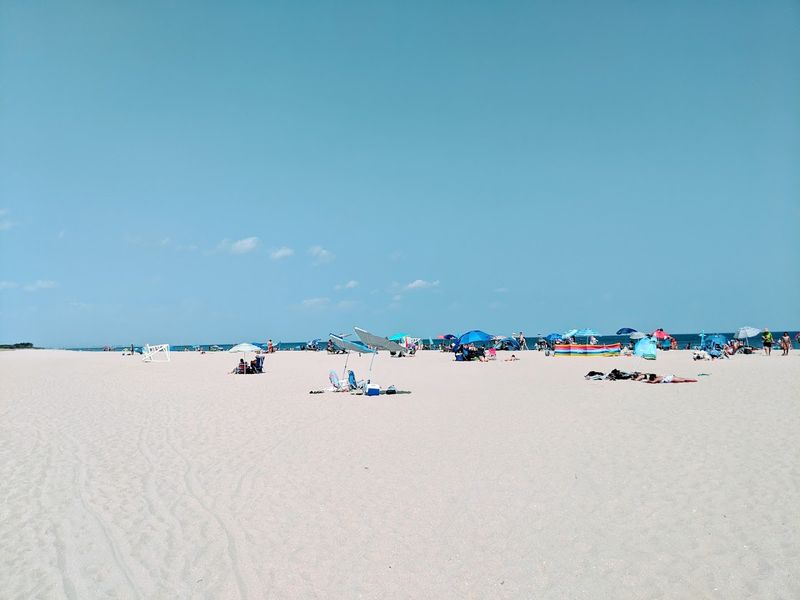
Sandy Hook is well set up for a full day out, with clean restrooms, picnic areas, and food trucks operating near the main beach sections during the peak season.
Restrooms at the major parking areas are maintained regularly and are notably clean compared to many other public beach facilities in the region. Picnic tables are available near several beach sections, and open grassy areas provide additional space for groups to spread out.
Food trucks typically park near the busier beach lots on weekends, offering a convenient option for those who did not pack their own supplies. Bringing your own food and drinks is always a smart backup plan, especially on weekdays when truck availability is less consistent.
The $20 per vehicle entrance fee covers the entire day, making it a reasonable value given the range of activities available. Cash is not accepted at the entrance, so a card or tap payment method is required before pulling through the gate.
Best Times to Visit and What to Expect Each Season
Sandy Hook operates differently depending on the season, and knowing what to expect at each time of year makes a real difference in how much you get out of a visit.
Summer, from late June through Labor Day, is the busiest period. Beaches are staffed with lifeguards, food trucks are active, and the $20 entrance fee is in effect.
Parking lots fill early on weekends, so arriving before 9 AM is the practical move during peak months.
Spring and fall offer a quieter version of the park, with fewer crowds, cooler temperatures, and the added bonus of migration season for birdwatchers. The entrance fee may be waived or reduced during the off-season, though it is worth confirming current policies before visiting.
Winter visits are possible and surprisingly rewarding for those who enjoy solitude, long walks, and unobstructed views. The park closes at 9 PM year-round, so there is no reason to rush a daytime visit regardless of the season.
The Salt Pond and Hidden Natural Features
Not every highlight at Sandy Hook announces itself from the main road. The Salt Pond is one of those features that rewards the people who take the time to wander beyond the beach parking lots.
Tucked into the interior of the peninsula, this small but ecologically significant body of water supports a distinct community of plants and wildlife that differs from both the ocean beach and the open bay. It is a quieter, more contemplative spot that feels genuinely removed from the busier sections of the park.
Maritime holly forest surrounds portions of the peninsula’s interior, providing shade and habitat that contrasts sharply with the open dunes nearby. These forested areas are accessible via walking paths and offer a noticeably different atmosphere from the exposed beachfront.
The park’s natural diversity is one of its most underappreciated qualities. Most first-time visitors focus on the beach and the lighthouse, but the interior habitats offer a layer of ecological richness that keeps repeat visitors finding new things with each trip.
Why Sandy Hook Keeps Drawing People Back
A place that combines a 260-year-old working lighthouse, Civil War and Cold War military history, two distinct shorelines, a major flyway for migratory birds, and a front-row view of the New York City skyline is not a place people tend to visit just once.
Sandy Hook has a way of revealing something new on every trip, whether it is a section of Fort Hancock that was previously overlooked, a deer encounter on a quiet trail, or a clear morning when the Manhattan skyline reflects perfectly across the bay.
The park is clean, well-managed, and genuinely accessible for a wide range of ages and interests. Families, history enthusiasts, cyclists, anglers, dog owners, and photographers all find their own version of the place and come back for more.
Gateway National Recreation Area at Sandy Hook stands as proof that one of the most layered and historically significant natural spaces on the East Coast has been sitting just outside New York City the whole time, waiting for people to notice.
Where Sandy Hook Begins: Location and Access
Gateway National Recreation Area at Sandy Hook sits at 26 Hudson Rd, Highlands, NJ 07732, positioned at the northern tip of the Jersey Shore, just across the water from New York City.
The park is managed by the National Park Service and stretches across a seven-mile barrier peninsula that separates Sandy Hook Bay from the Atlantic Ocean.
Getting there is straightforward from the Garden State Parkway, but plan for an additional 18 miles of driving once you exit. The entrance fee is $20 per vehicle, and the park only accepts card or tap payments, so leave the cash at home.
The park is open daily from 6 AM to 9 PM, giving plenty of daylight hours to explore. Arriving early on weekends is a smart move, especially in summer, when parking lots fill up fast and the beaches get busy by mid-morning.
Share this story