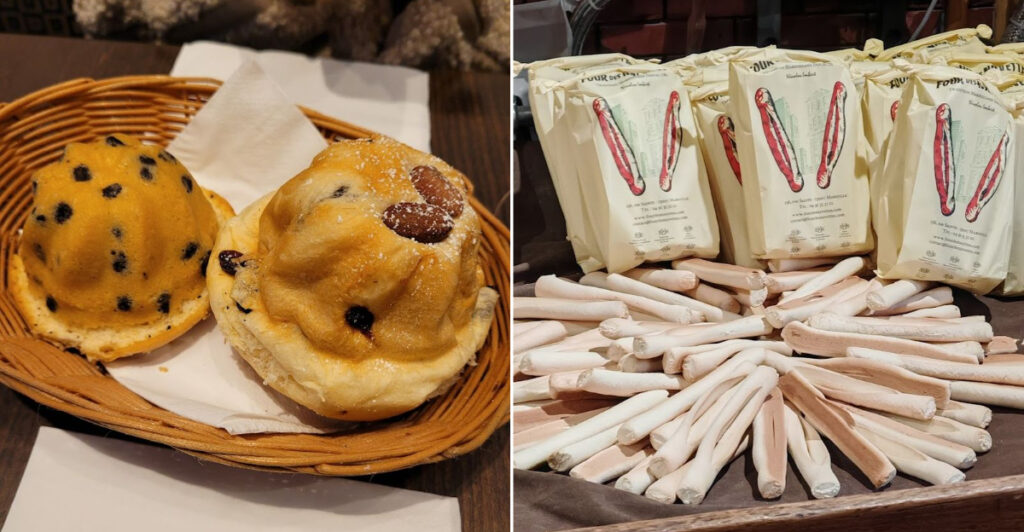
France does not just have great pastries, it has entire cities built around them. Every region has its own buttery, sugary obsession, and once you start chasing them, there is no going back.
I planned a trip to France thinking I would see monuments and museums, but I ended up spending most of my time pointing at things behind glass cases in bakeries. This list is for everyone who understands that completely.
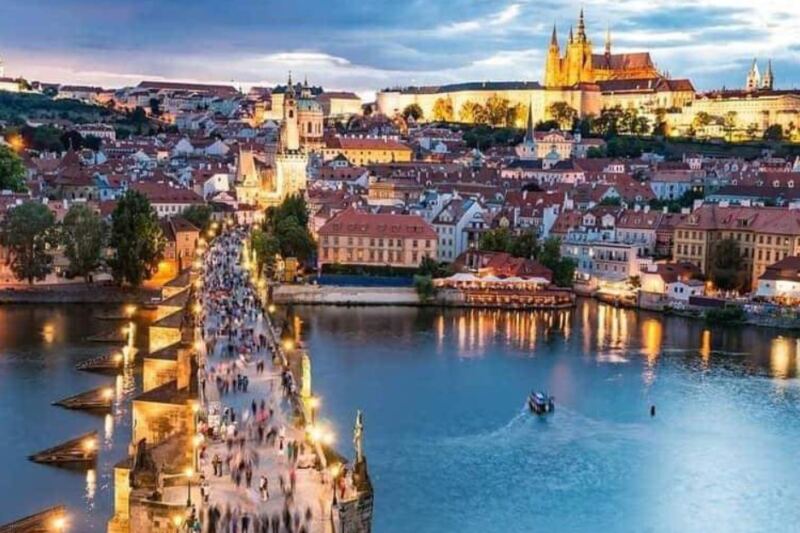
Paris: Where Every Pastry Has a Story
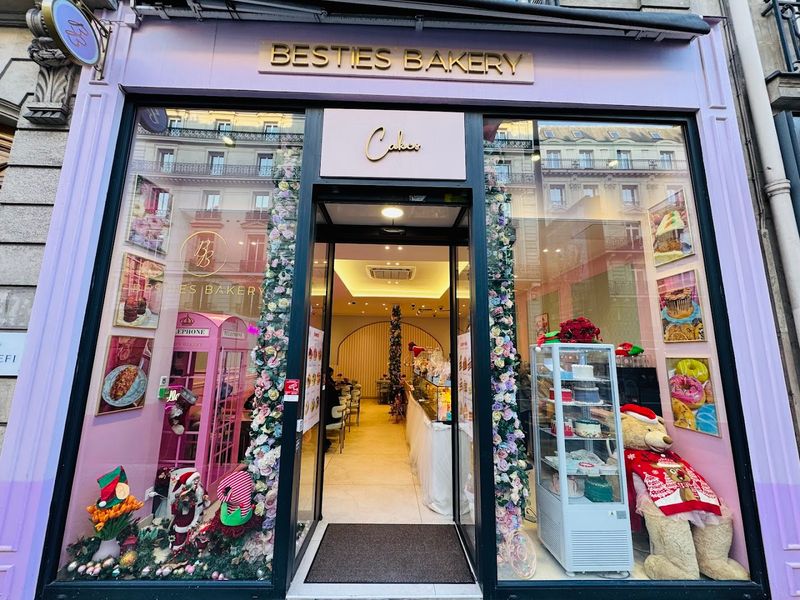
Paris did not become the world capital of pastry by accident. The city’s bakers have been competing, innovating, and one-upping each other for centuries, and the result is a pastry scene that is genuinely hard to beat.
The classics are everywhere: mille-feuille with its crisp layers, Paris-Brest filled with praline cream, chouquettes dusted with pearl sugar, financiers golden and nutty from their little molds. Macarons get all the tourist attention, but locals know the real treasures go much deeper.
Every arrondissement has its own legendary bakery, which means you could spend a week here and never repeat a single stop. The best strategy is to pick one pastry per neighborhood and commit.
No rushing, no sharing. Paris rewards the focused pastry hunter, and trust me, that is a title worth earning.
Bordeaux: One Bite, Totally Hooked
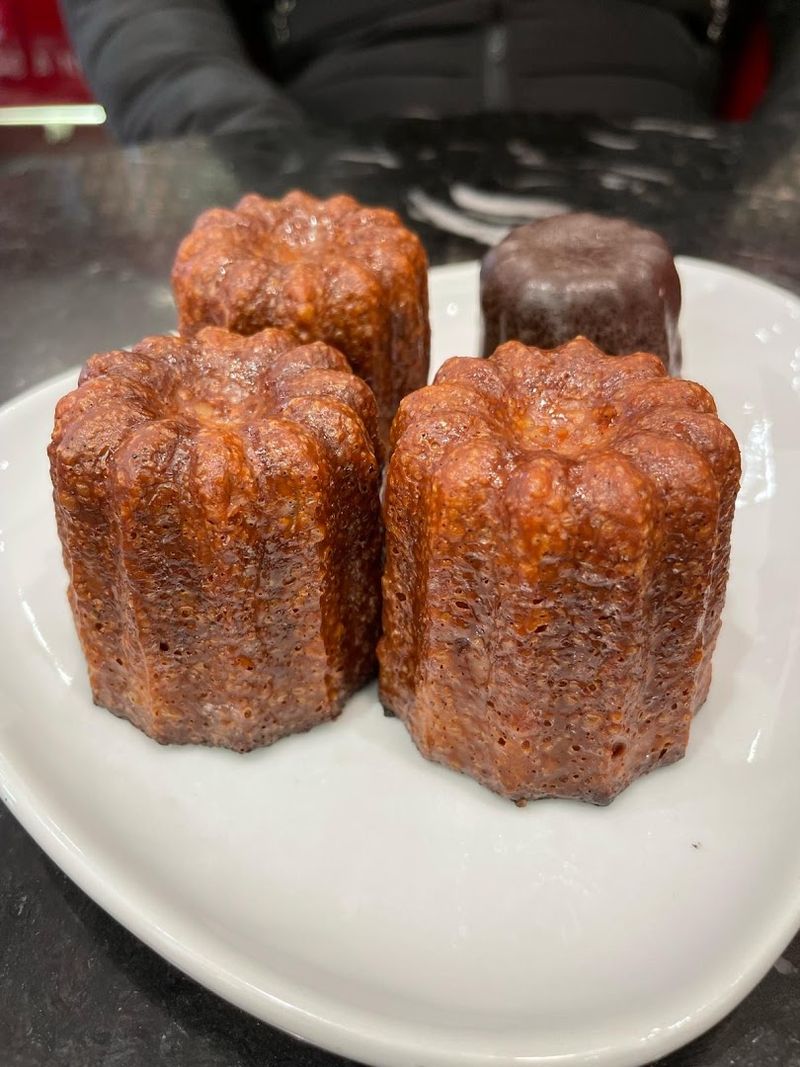
Few pastries have the audacity to be this simple and this spectacular at the same time. The canelé is small, dark, almost aggressively caramelized on the outside, and then completely soft and custardy on the inside.
It should not work as well as it does.
Bordeaux’s tourism office calls the canelé an emblematic local specialty, which is a very official way of saying the city is obsessed with it. And fair enough.
The canelé is made with rum and vanilla, baked in copper molds, and requires patience that most of us simply do not have in our own kitchens.
You will find them in nearly every bakery window in Bordeaux, fresh and still warm if you time your visit right. Buy more than you think you need.
You will finish them before you reach the end of the street, and then you will go back for more.
Nancy: The Original Macaron, No Filling Required
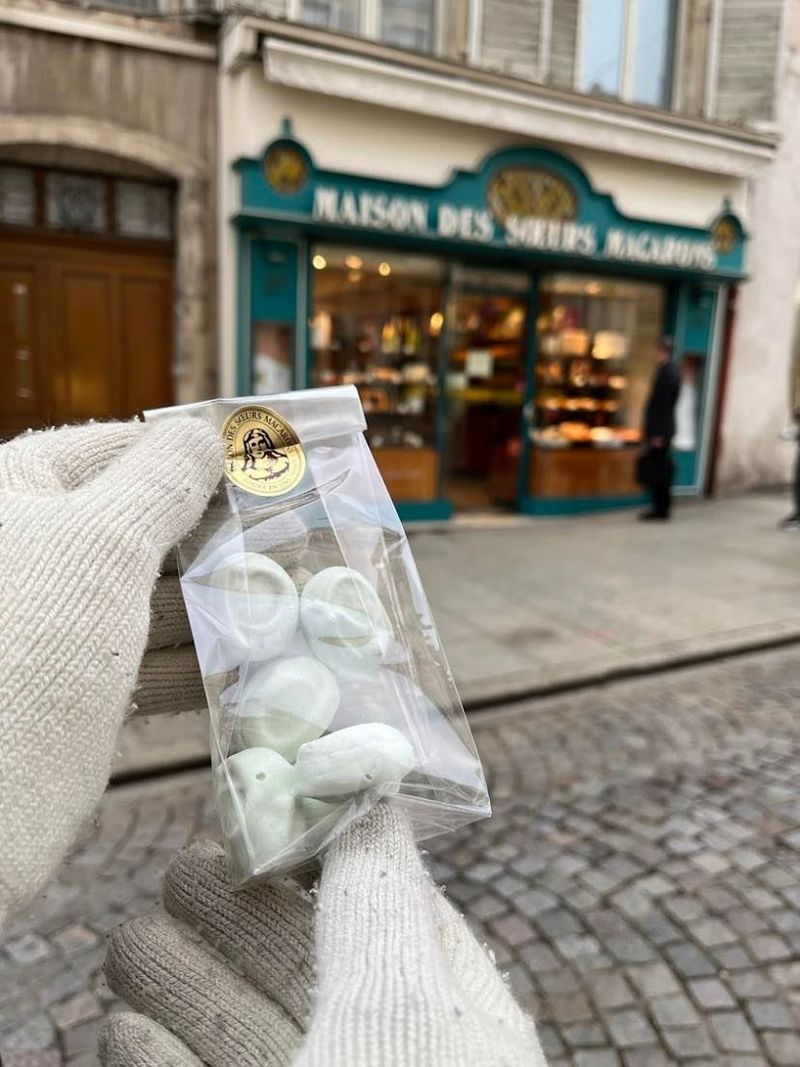
Before the pastel towers of Parisian macarons took over every gift shop in France, there was Nancy’s version, and it has been around since 1793. The Macaron Sisters of Nancy created this almond-based treat during the French Revolution, which means this cookie has outlasted empires.
Nancy’s macaron is nothing like the sandwich cookie most travelers expect. There is no ganache, no buttercream, no Instagram-friendly color.
Just a soft, chewy round made from almonds, sugar, and egg whites, with a golden crust and a melt-in-the-middle center.
The city still takes enormous pride in this recipe, and several bakeries in Nancy guard their versions closely. Maison des Soeurs Macarons is the place most visitors head to first, and the experience feels almost ceremonial.
Buying one of these feels less like a snack purchase and more like a small history lesson. Delicious history, but history nonetheless.
Strasbourg: The Kougelhopf Kingdom
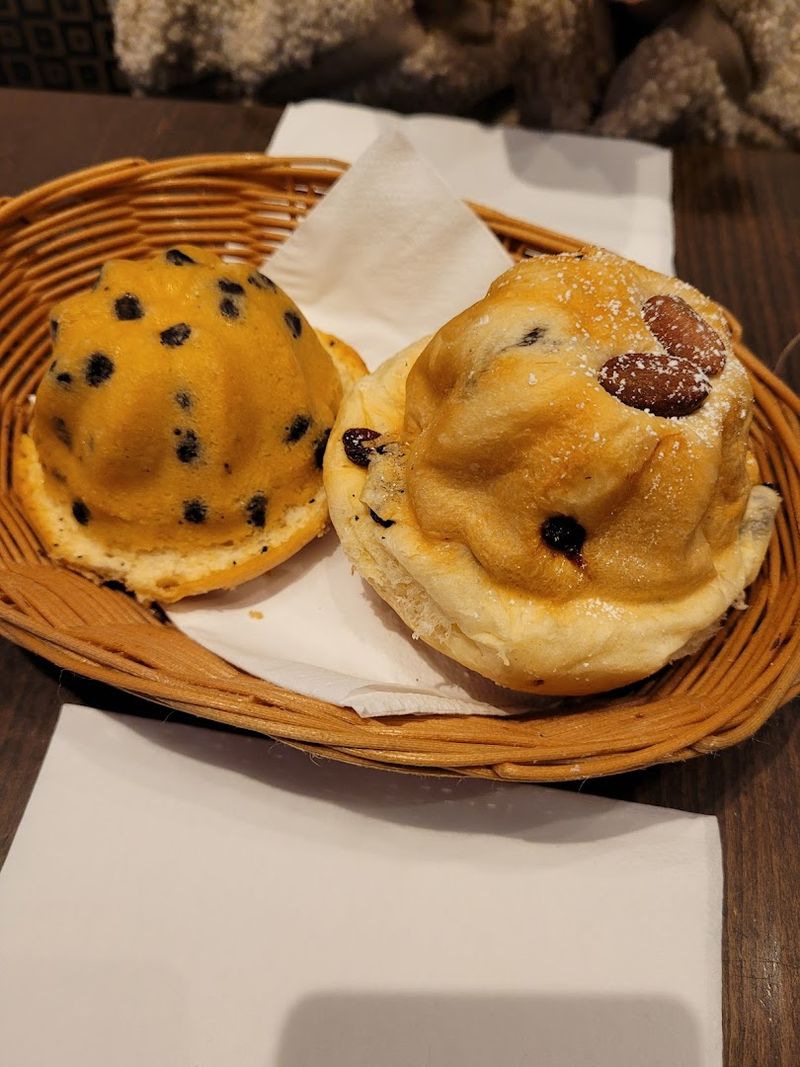
Kougelhopf looks like a cake that belongs in a fairy tale. Baked in a tall, fluted ceramic mold, dusted with powdered sugar, studded with raisins and almonds, it is the kind of pastry that makes you stop walking and stare through bakery windows.
Strasbourg is the best place in France to eat it. This brioche-style cake is deeply tied to Alsatian identity, and local bakers take the recipe seriously.
Some versions lean sweet, others are more bread-like and served with savory toppings. Either way, you win.
The city’s official tourism listings point visitors toward dedicated kougelhopf spots, so finding a great one is not a guessing game. Strasbourg itself is stunning, with its half-timbered buildings and canals, but honestly, I was mostly focused on the cake.
Priorities. A warm slice of kougelhopf with coffee on a cold Alsatian morning is not something you forget easily.
Lyon: Pink Pralines and Serious Pastry Pride
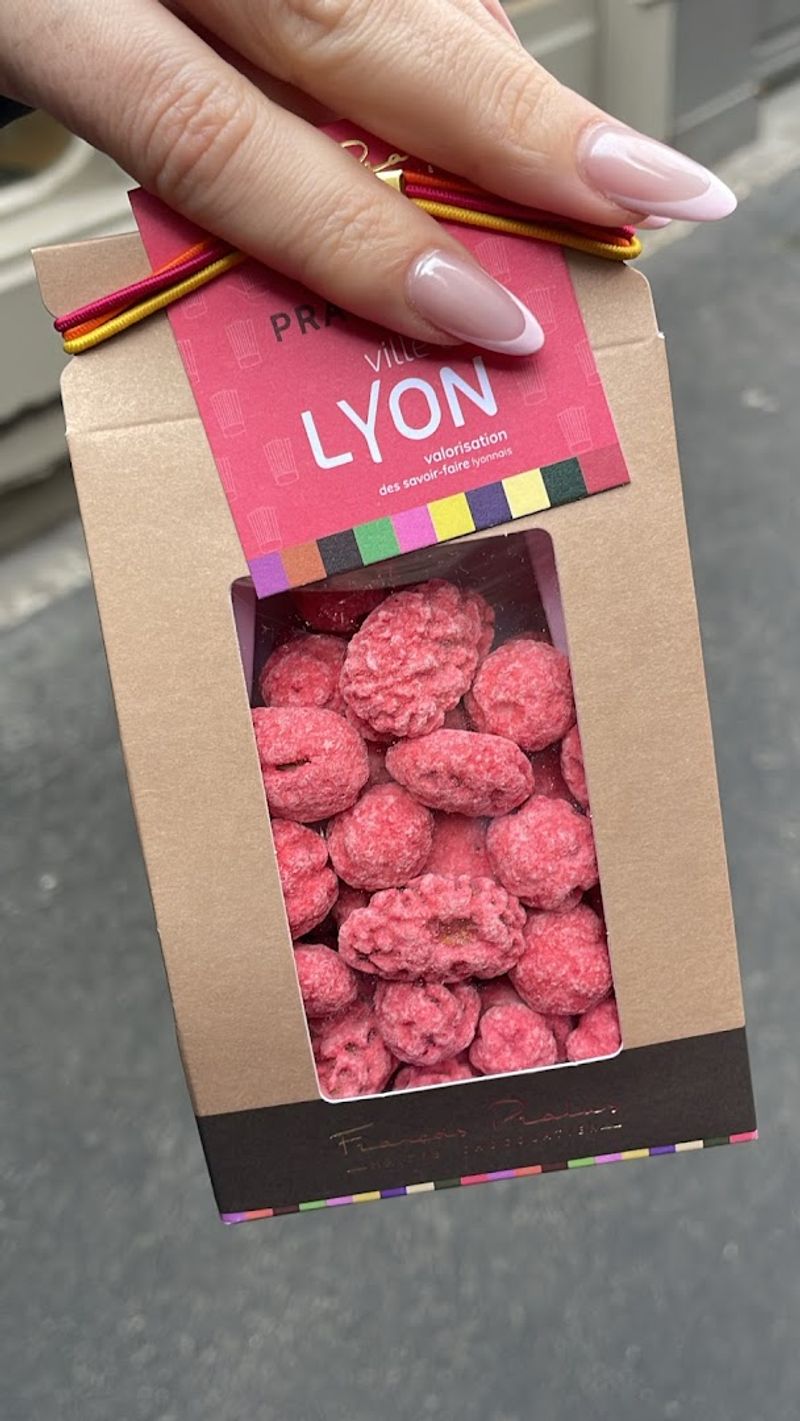
Lyon is already famous for being France’s gastronomy capital, so it should surprise no one that the pastry scene here is equally serious. But the star of the show is something wonderfully weird: the pink praline.
These are almonds coated in bright pink sugar, and they are used in everything from brioches to tarts. The praline tart in particular is a Lyon institution.
It is sticky, sweet, and aggressively pink in a way that feels completely at odds with Lyon’s otherwise refined culinary reputation. That contrast is exactly what makes it fun.
ONLYLYON, the city’s official tourism platform, actively promotes praline-focused tasting experiences, so visitors can plan an entire pastry route around this one ingredient. I did exactly that on my last visit and came home with a tart box that did not survive the train ride.
Not one crumb made it to Paris. Zero regrets.
Aix-en-Provence: The Sweet Soul of Provence
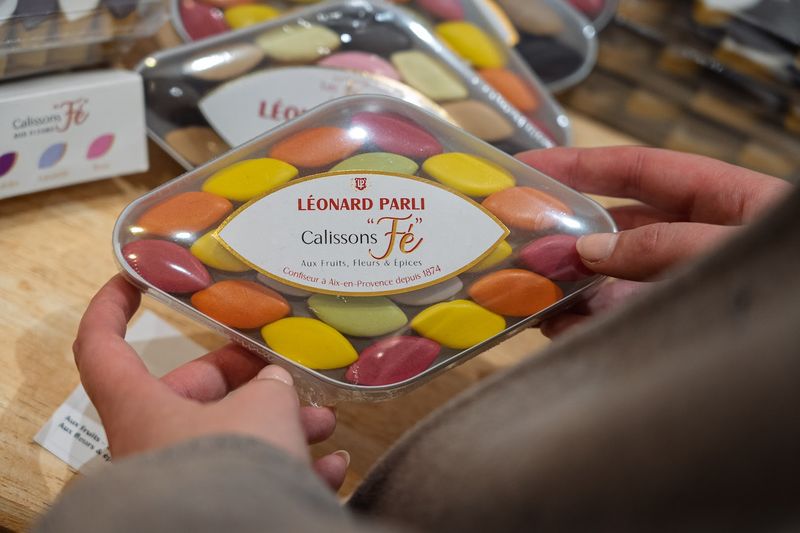
The calisson is one of the most elegant sweets in France, and Aix-en-Provence is where it belongs. Diamond-shaped, made from ground almonds and candied melon, topped with a thin layer of royal icing, it looks almost too refined to eat.
Almost.
Aix’s official tourism site calls the calisson a gastronomic emblem of the city and of Provence more broadly. That is not marketing fluff.
The calisson has been made here for centuries, and there is even a blessing ceremony held each September in the city’s cathedral. A pastry with its own religious event deserves respect.
Several confiseries in Aix sell calissons in beautiful tins that make excellent gifts, assuming you do not eat them all before you leave the shop. The flavor is subtle and refined, nothing like the sugar-bomb sweets you might expect.
It pairs beautifully with tea, with wine, or with standing quietly in a Provencal square doing absolutely nothing.
Saint-Tropez: Glamour Comes with Cream
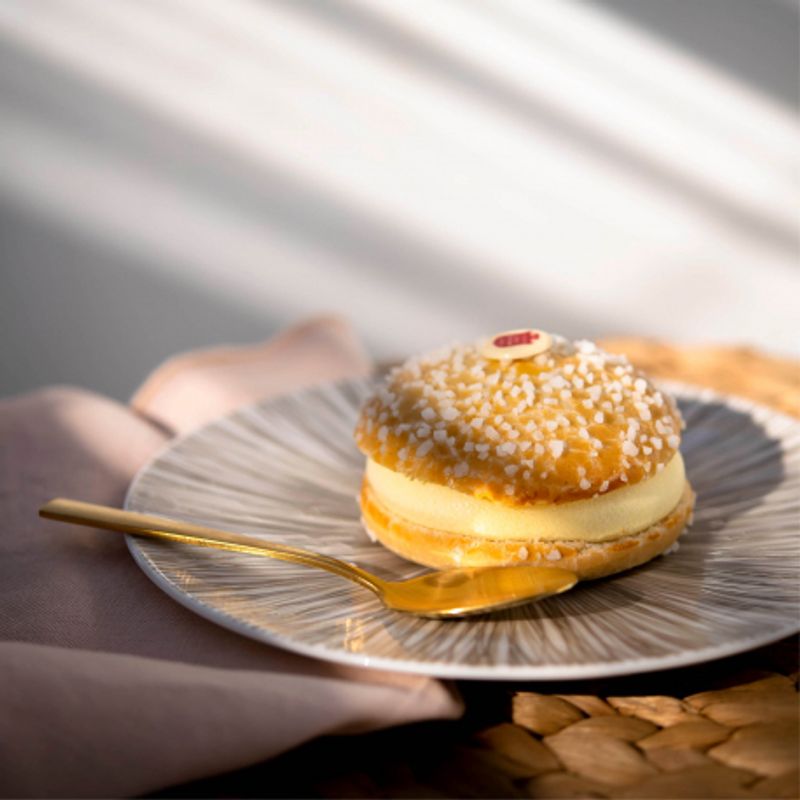
Saint-Tropez has a pastry, and it has its name right in the title. The Tarte Tropezienne is a thick brioche filled with a rich cream, topped with pearl sugar, and it was created in the 1950s by a Polish baker named Alexandre Micka.
Brigitte Bardot reportedly loved it, which tells you everything about its personality.
The local tourism office calls it an essential Saint-Tropez product, and La Tarte Tropezienne still operates in the town with current listings for 2026. This is not a dusty legend.
It is a living, thriving pastry institution with fresh cream and a loyal following.
The tart is generous in size and not shy about its richness. One slice is technically a meal.
Eating it at a table near the port while boats bob in the background is one of those experiences that feels slightly unreal. Saint-Tropez knows exactly what it is doing, and so does this tart.
Dijon: Gingerbread With Centuries of Attitude
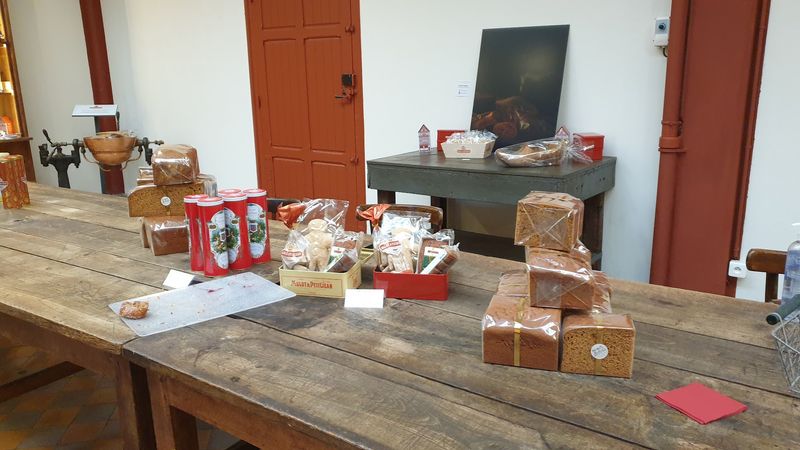
Dijon is internationally famous for mustard, but the city has been producing pain d’epices just as long and with just as much pride. This spiced gingerbread has roots going back to the Middle Ages, and Dijon’s bakers have been perfecting it ever since.
The Mulot and Petitjean factory is the name most associated with Dijon gingerbread, and it still operates as both a working bakery and a visitor attraction. The museum attached to it traces the full history of pain d’epices in the region, which is genuinely fascinating if you are the kind of person who finds pastry history fascinating.
I am very much that person.
Regional tourism sources continue to list Dijon gingerbread as a real local specialty, not a tourist trap. The flavor is complex: honey, anise, and warm spices layered together in a dense, moist loaf.
Buy a whole one. It travels well and tastes even better a day later.
Nantes: The Rum Cake That Deserves a Passport
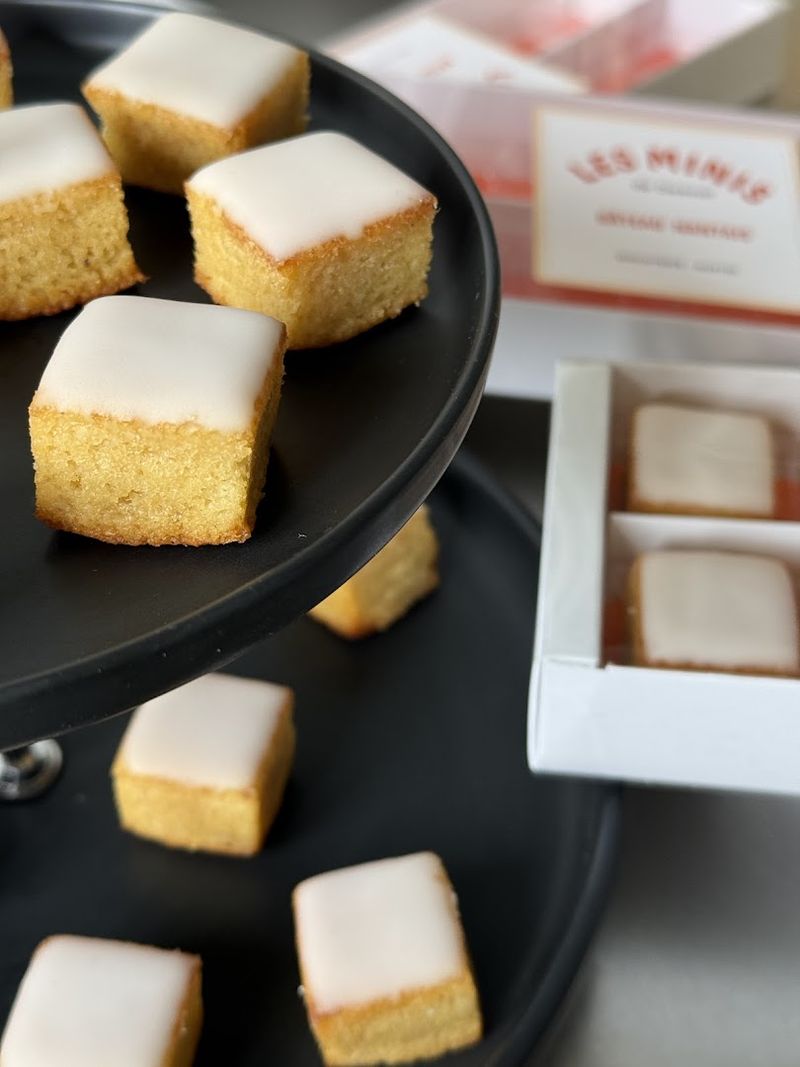
Gâteau nantais does not get nearly enough international attention, and that is a genuine injustice. This almond cake soaked in rum syrup and finished with a white glaze is everything a great pastry should be: simple, bold, and completely satisfying.
Le Voyage à Nantes, the city’s official tourism platform, describes gâteau nantais as a characteristic local pastry made with sugar, almonds, butter, and rum. The rum connection is no accident.
Nantes was historically a major port city, and rum from the Caribbean became a key ingredient in its local food culture.
Finding a good gâteau nantais in Nantes is easy. Most patisseries carry their own version, and the quality is consistently high.
The cake is dense without being heavy, sweet without being cloying, and the rum flavor hits at exactly the right level. It is the kind of thing you eat one slice of and then quietly plan your whole return trip around.
Douarnenez: The Butter Cake That Started Everything
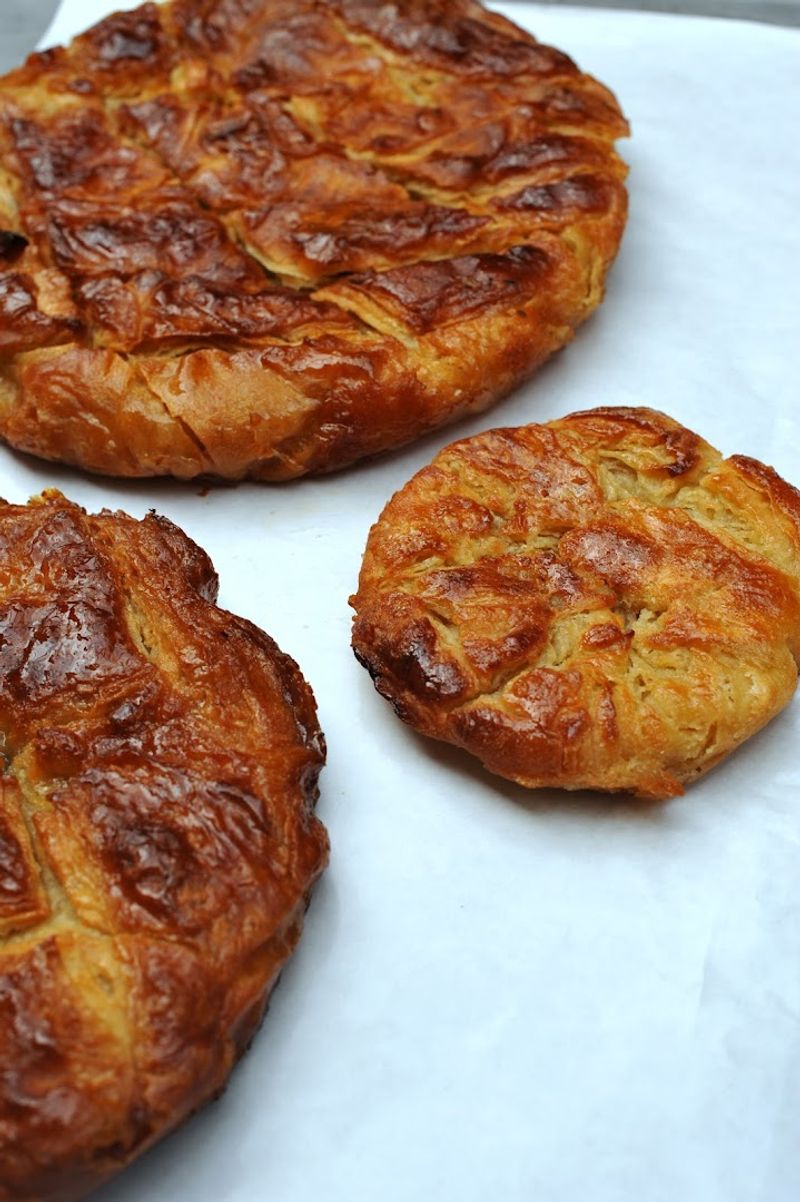
Kouign-amann was invented in Douarnenez in 1860 by a baker named Yves-René Scordia, who reportedly had more butter than bread dough and made a decision that changed Breton pastry history forever. The name means butter cake in Breton, which is accurate but wildly understates what is actually happening here.
The Douarnenez tourist office calls it an emblem of the town, and Brittany tourism identifies Douarnenez as the pastry’s star hometown. Eating one here, where it was created, feels like visiting the source.
The layers are caramelized, the butter is intense, and the sugar crust crackles when you press it.
Douarnenez is a small fishing town on the Atlantic coast, which means the setting is as dramatic as the pastry. Bakeries here sell kouign-amann fresh every morning, and the smell alone will guide you straight to the right shop.
Follow your nose. It has never once led me wrong in Brittany.
Marseille: The Biscuit That Smells Like a Holiday
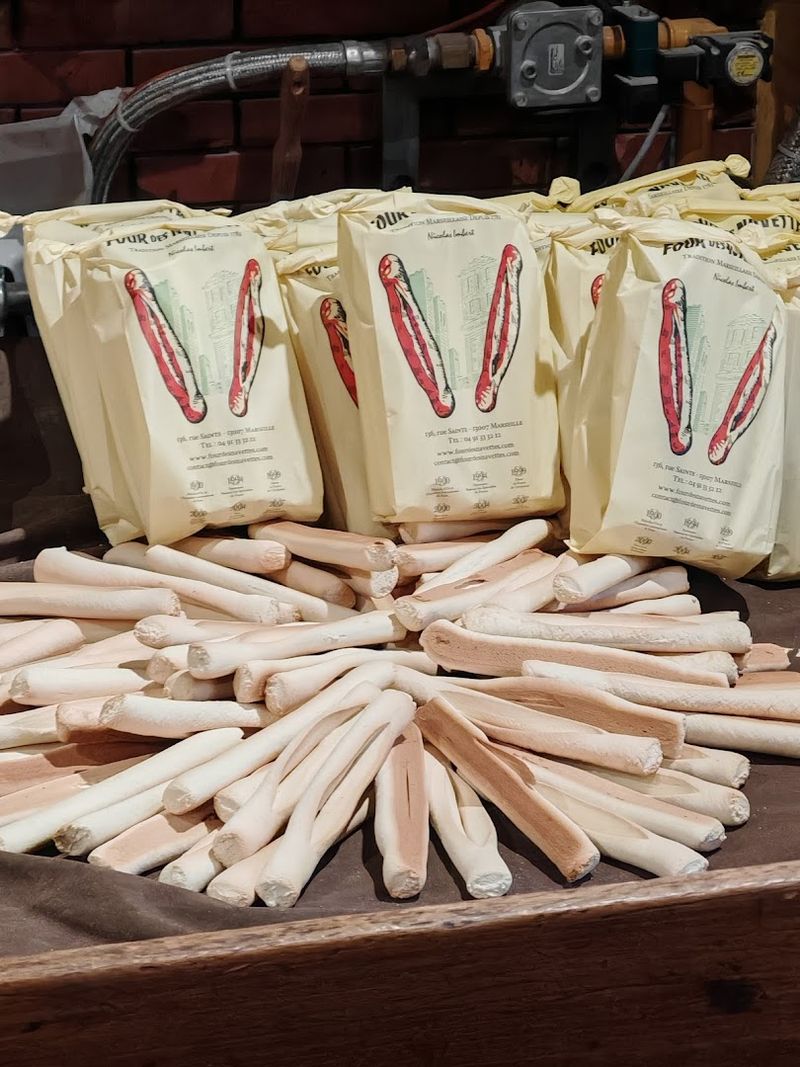
Navettes are not flashy. They are not filled, layered, or frosted.
They are simple boat-shaped biscuits flavored with orange blossom water, and they have been made in Marseille for over two centuries. The oldest bakery still producing them, Four des Navettes, has been operating since 1781.
Marseille’s tourism office presents navettes as one of the city’s defining culinary specialties, traditionally linked to Candlemas in February. But you can find them year-round, which is fortunate because one visit is never enough.
The flavor is understated and a little floral, which makes them perfect for eating several in a row without feeling overwhelmed. They are also excellent for dunking in coffee, though purists in Marseille might have opinions about that.
The city itself is loud, colorful, and full of energy, and navettes are somehow the perfect quiet contrast to all of it. A small, honest biscuit in a very big, dramatic city.
Reims: Champagne Region, Pink Biscuits, No Complaints
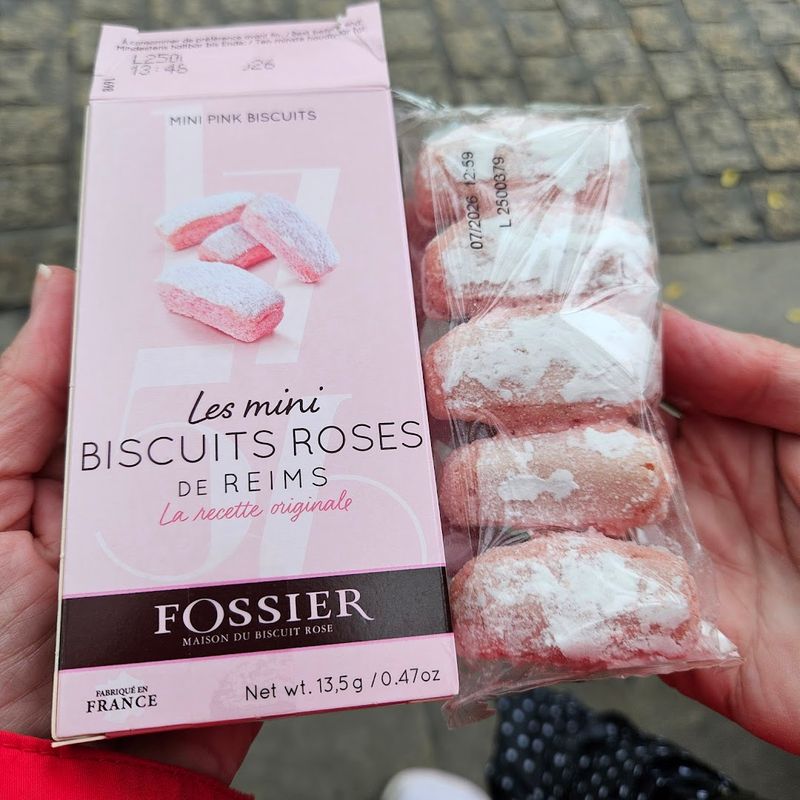
Reims is best known for Champagne, but the city has a second claim to fame that pastry lovers should not overlook. The biscuit rose de Reims is a pale pink, twice-baked rectangular cookie with a light crunch and a subtle vanilla flavor, and it has been a city symbol for centuries.
Reims tourism explicitly describes the pink biscuit as one of the city’s emblems, and Maison Fossier remains the official name attached to it. The biscuit gets its pink color from red food dye added to the batter, which is either charming or suspicious depending on your outlook.
Either way, it tastes wonderful.
The traditional way to eat a biscuit rose is dunked in a glass of Champagne, which is the kind of local custom that requires zero convincing. Maison Fossier has a shop in Reims where you can buy them in beautiful boxes.
They make an excellent souvenir, provided you exercise more self-control than I did on my last visit there.
Share this story