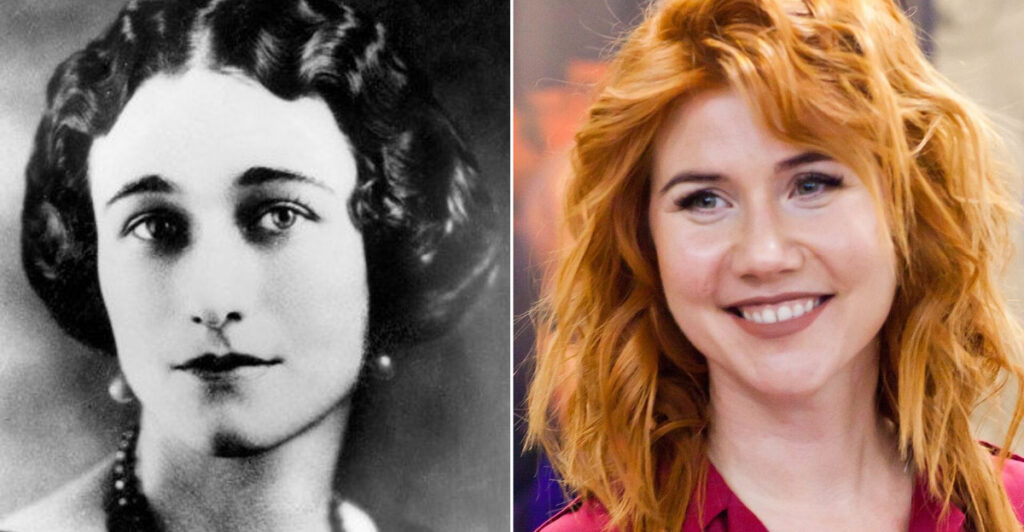
History loves to credit kings, generals, and politicians for shaping the world, but behind many of those powerful men stood even more powerful women. Some ruled openly, others worked from the shadows, and a few rewrote the rules entirely.
These women used charm, sharp strategy, and sheer nerve to grab influence in worlds that were not built for them. Their stories are scandalous, brilliant, and surprisingly modern.
Cleopatra VII: The Egyptian Queen Who Turned Romance Into Political Alliance
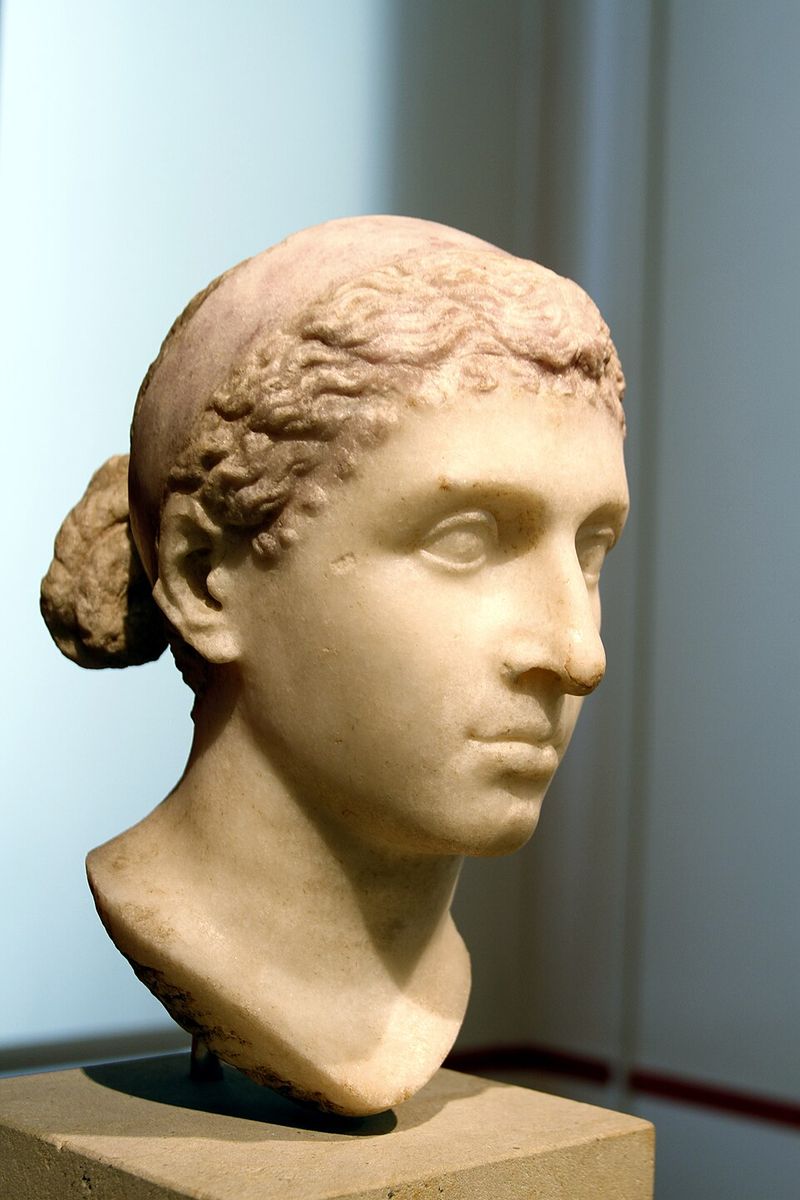
Cleopatra spoke nine languages, which already made her the smartest person in most rooms. But she also understood something most rulers missed: relationships are political tools.
Her famous alliances with Julius Caesar and later Mark Antony were not just love stories. They were calculated moves to keep Egypt free from Roman control.
She sailed to meet Caesar on a lavishly decorated barge, reportedly wrapped in a carpet to sneak past his guards. Theatrical?
Absolutely. Effective?
Without question. She secured his support and kept her throne.
Most rulers at the time simply surrendered to Rome.
Her relationship with Antony gave Egypt years of additional independence and military backing. When both alliances eventually collapsed, Egypt fell to Rome.
Still, Cleopatra held off the inevitable longer than any of her predecessors managed. She did not just use charm.
She weaponized it with the precision of a diplomat.
Empress Theodora: From Disreputable Origins to Byzantine Power Broker
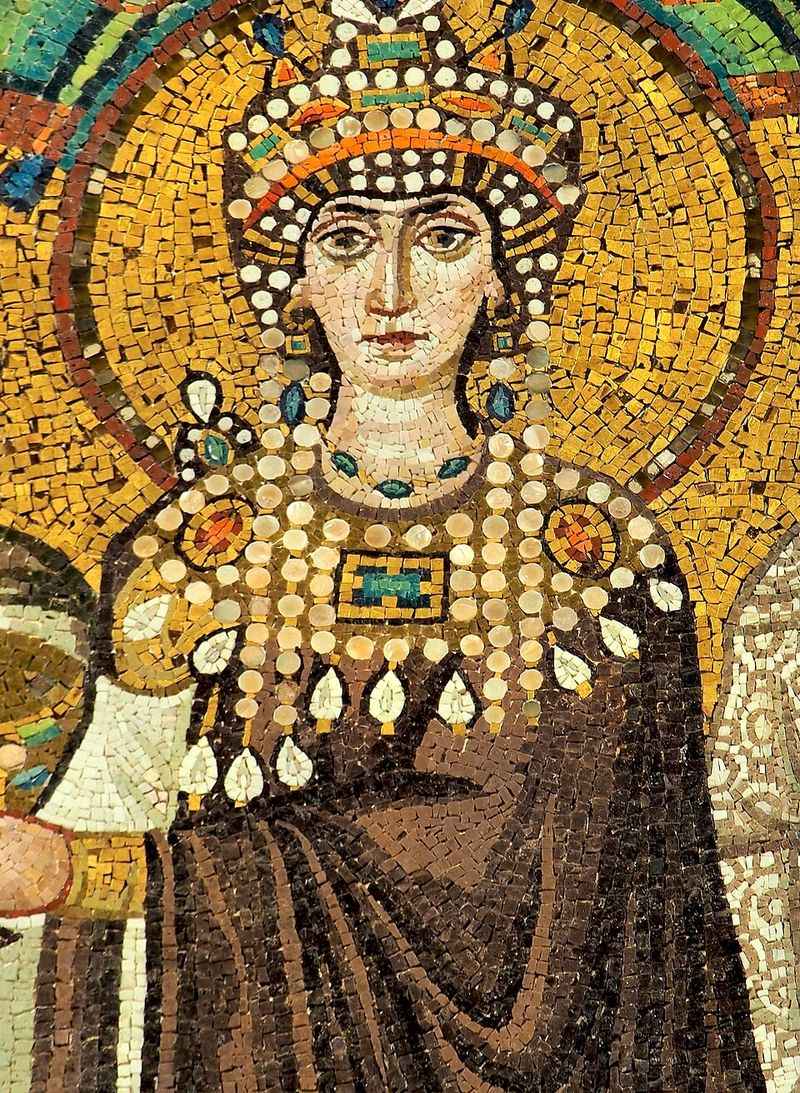
Theodora started life as a circus performer’s daughter in sixth-century Constantinople. Her early career involved performing on stage, which in that era was considered deeply scandalous.
By every social rule of her time, she had no business becoming the most powerful woman in the Byzantine Empire. She did it anyway.
Emperor Justinian changed the law specifically so he could marry her, which tells you everything about how persuasive she must have been. Once Empress, Theodora was not content to sit quietly at banquets.
She ran diplomatic correspondence, advised on theology, and pushed for laws protecting women from exploitation.
Her most legendary moment came during the Nika riots of 532. Justinian wanted to flee the capital.
Theodora told the court that royal purple made a fine burial shroud and refused to leave. Her spine stiffened everyone else’s resolve.
The revolt was crushed. Constantinople stayed theirs.
That is not charm. That is iron nerves wearing silk.
Wu Zetian: The Concubine Who Became China’s Only Female Emperor
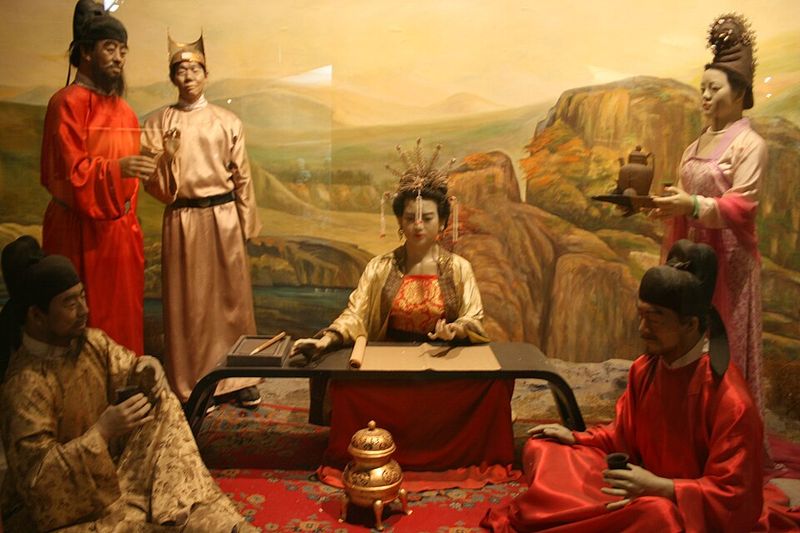
Wu Zetian entered the Tang imperial court as a low-ranking concubine at age fourteen. She left it as the only woman in Chinese history to ever rule as emperor in her own name.
That is quite a career arc. She served Emperor Taizong, then his son Gaozong, and steadily accumulated influence that most men at court never achieved.
She was brilliant at reading political situations and ruthless about eliminating rivals. Historians debate some of the darker stories about her rise, but nobody debates the results.
Under her rule, China expanded its borders, the civil service exam system grew more meritocratic, and agriculture flourished.
Wu Zetian ruled for fifteen years as emperor after decades of operating behind the throne. She built her own dynasty, the Zhou, inside the Tang.
When she was finally forced to abdicate at age eighty, she had outlasted every rival who ever underestimated her. Underestimating Wu Zetian was, historically speaking, a very poor life choice.
Agnès Sorel: The Royal Mistress Who Became a Force at the French Court
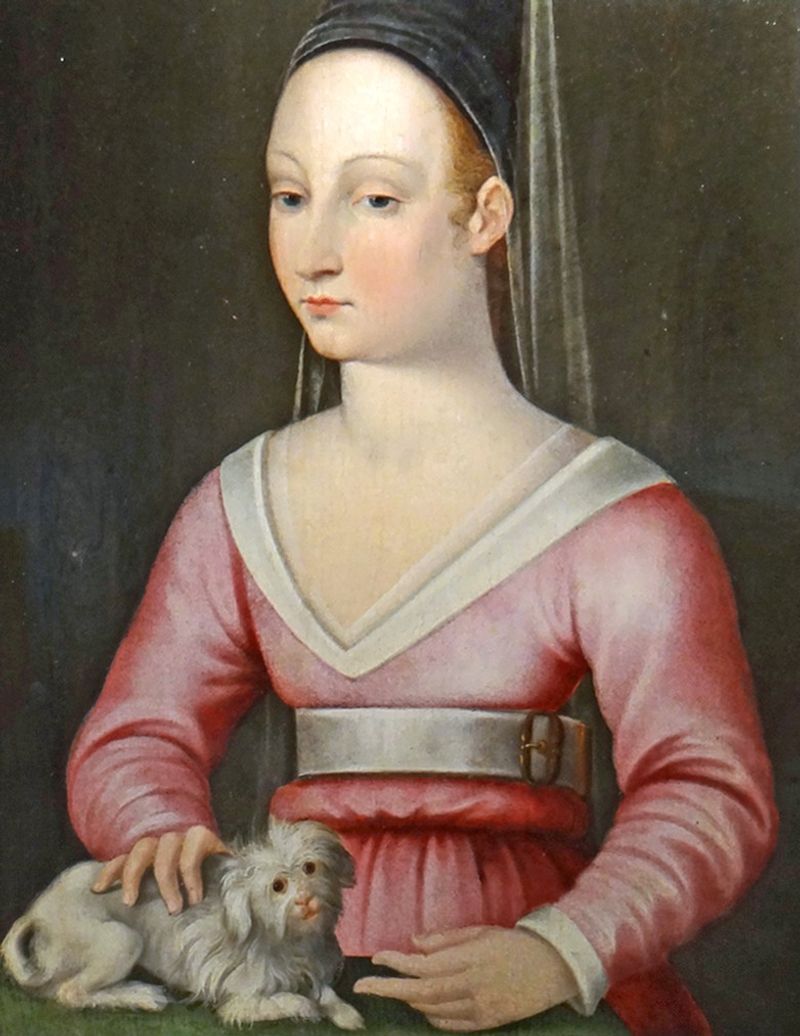
Agnès Sorel holds the official title of France’s first acknowledged royal mistress, which sounds like a scandalous footnote but was actually a politically significant role. King Charles VII of France openly recognized her status at court around 1444, which was a bold move for the era.
She used that position with surprising savvy.
She reportedly pushed Charles to be a more decisive, active king. France was still tangled in the Hundred Years War, and Charles had a reputation for being passive.
Agnès reportedly encouraged him toward bolder military action. Whether she deserves credit for his eventual victories is debated, but contemporaries noticed her influence on his mood and decisions.
She also pioneered fashion trends that spread across European courts, wearing styles that shocked traditionalists but set new standards. She died in 1450 at around twenty-eight, possibly from mercury poisoning, and recent forensic studies confirmed unusually high levels in her remains.
Somebody at court clearly found her influence a little too inconvenient to tolerate.
Lucrezia Borgia: The Borgia Daughter Caught Between Marriage, Scandal, and Power
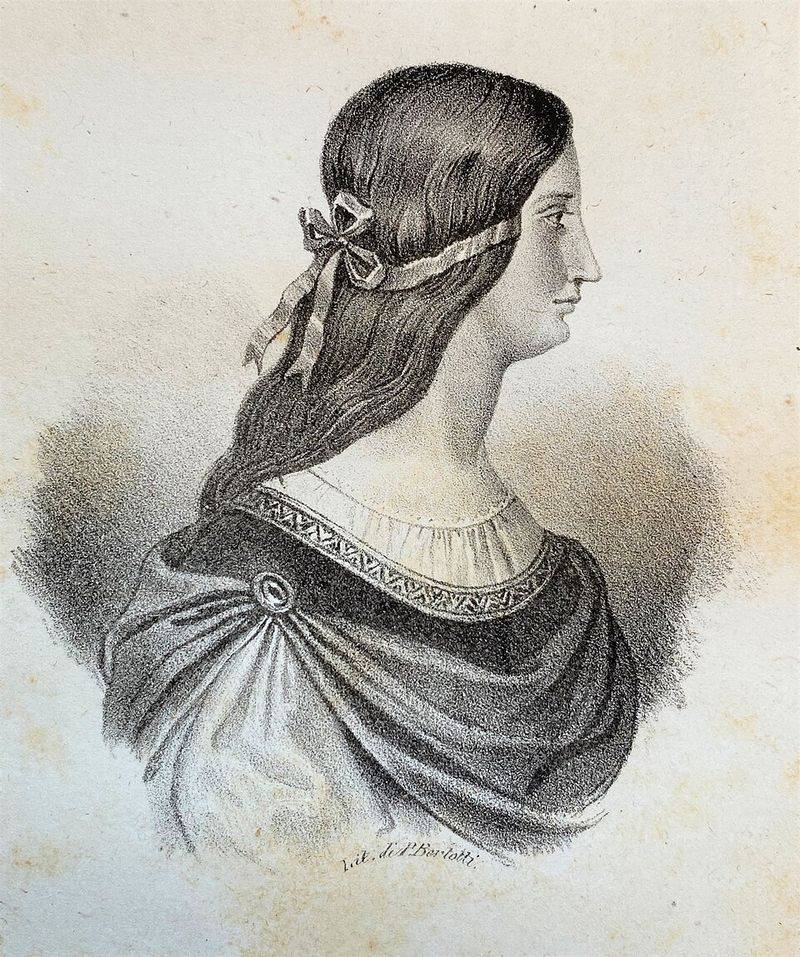
The Borgia name has been synonymous with poison and scandal for five centuries, and Lucrezia got the worst of the reputation without necessarily deserving most of it. She was married off three times by her father, Pope Alexander VI, and her brother Cesare, each marriage serving a different political alliance.
She was a diplomatic chess piece with excellent hair.
Contemporary gossip accused her of poisoning, incest, and murder. Most historians now think those stories were propaganda spread by her family’s many enemies.
What is well documented is that after her third marriage, to Alfonso d’Este of Ferrara, she became a genuinely respected patron of arts and literature.
She ran Ferrara capably when her husband was away at war. Poets like Ariosto praised her intelligence and generosity.
She died at thirty-nine after a difficult childbirth, leaving behind a court that genuinely mourned her. The real Lucrezia Borgia was far more interesting than the villain Renaissance gossips invented for her.
Diane de Poitiers: The King’s Mistress Who Ruled at Court in All but Name
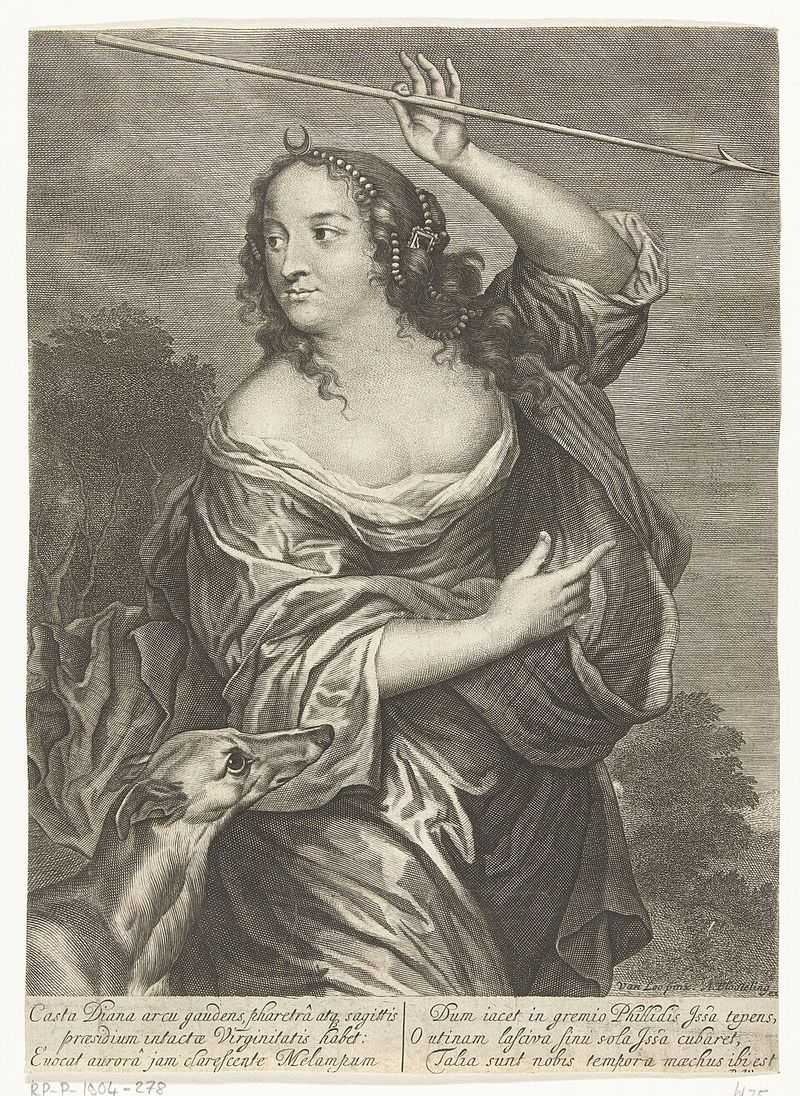
Diane de Poitiers was twenty years older than King Henry II of France, and she was his favorite for over two decades. In an era obsessed with youth, that fact alone makes her extraordinary.
She maintained her influence at the French court from Henry’s accession in 1547 until his death in 1559, outlasting every attempt to displace her.
She controlled access to the king, influenced appointments, and shaped foreign policy discussions. Queen Catherine de’ Medici, Henry’s actual wife, was essentially sidelined during this period.
Diane received the crown jewels, the Chateau d’Anet, and revenues from several provinces. She ran them efficiently and was known as a capable administrator.
Her beauty regimen reportedly included cold baths and riding daily, and she remained striking well into her fifties. Recent analysis of her remains found high gold levels in her system, suggesting she drank gold elixirs for youth.
Vanity and strategy wrapped into one remarkable package. Henry II died in a jousting accident, and Diane retired quietly.
Catherine finally got her crown jewels back.
Catherine de’ Medici: The Queen Mother Who Used Court Networks, Not Seduction, to Hold Power
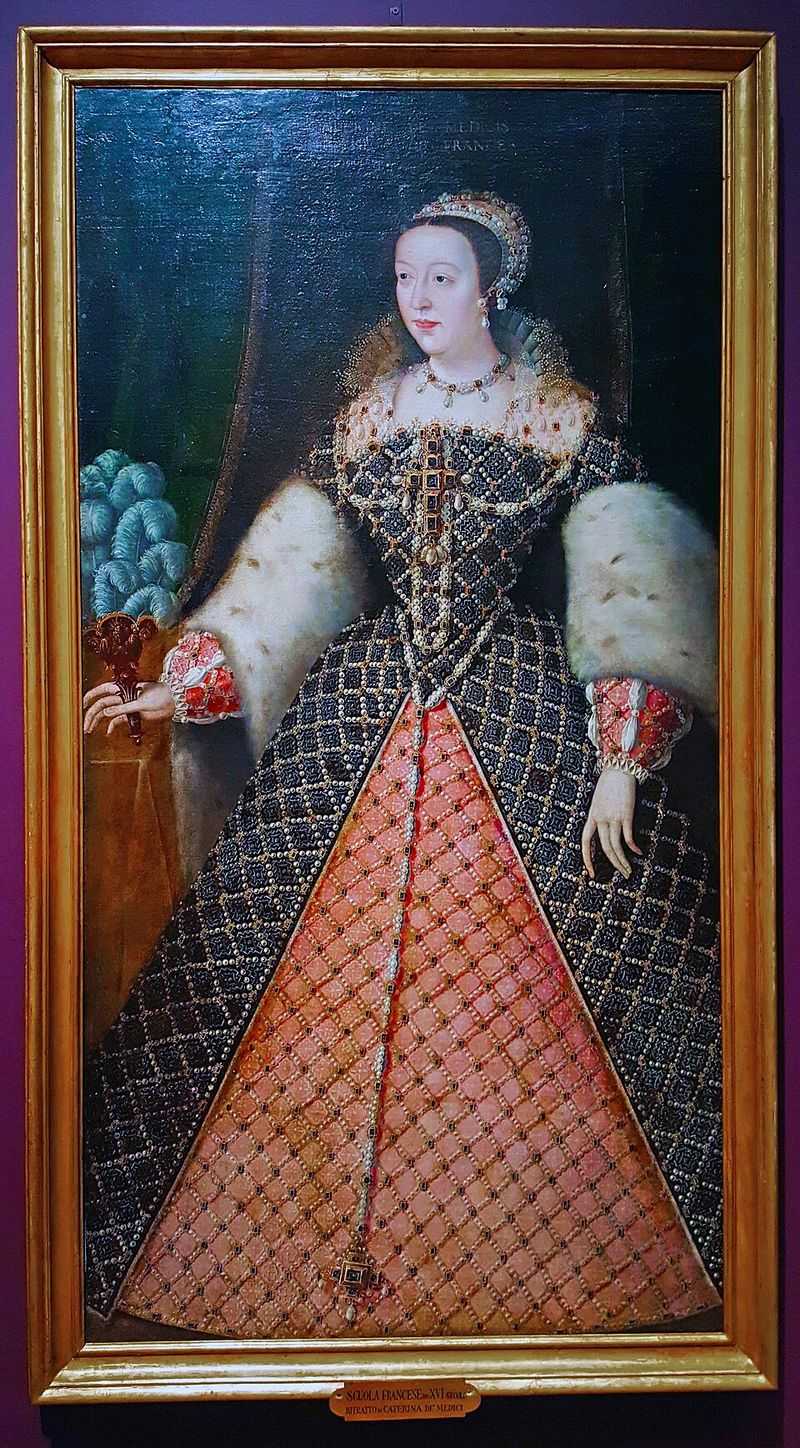
Catherine de’ Medici is often lumped in with the glamorous royal mistresses of French history, which is a mistake. She was not charming anyone into bed to gain power.
She was building information networks, managing three royal sons, and holding France together through decades of religious civil war. Her tools were diplomacy, espionage, and sheer endurance.
She served as regent multiple times and wielded enormous influence over her sons Charles IX and Henry III. Her infamous Flying Squadron was a group of court ladies she trained to gather intelligence from noblemen.
Whether you call that manipulation or statecraft depends largely on your feelings about Catherine.
The St. Bartholomew’s Day Massacre of 1572 remains the darkest mark on her legacy, though historians still argue about how much she ordered versus approved. She spent thirty years keeping the Valois dynasty alive through crisis after crisis.
By the time she died in 1589, she had outlasted nearly everyone who ever schemed against her. Respect, if not exactly admiration, is warranted.
Mary Boleyn: The Boleyn Sister Whose Royal Affairs Boosted a Family’s Rise
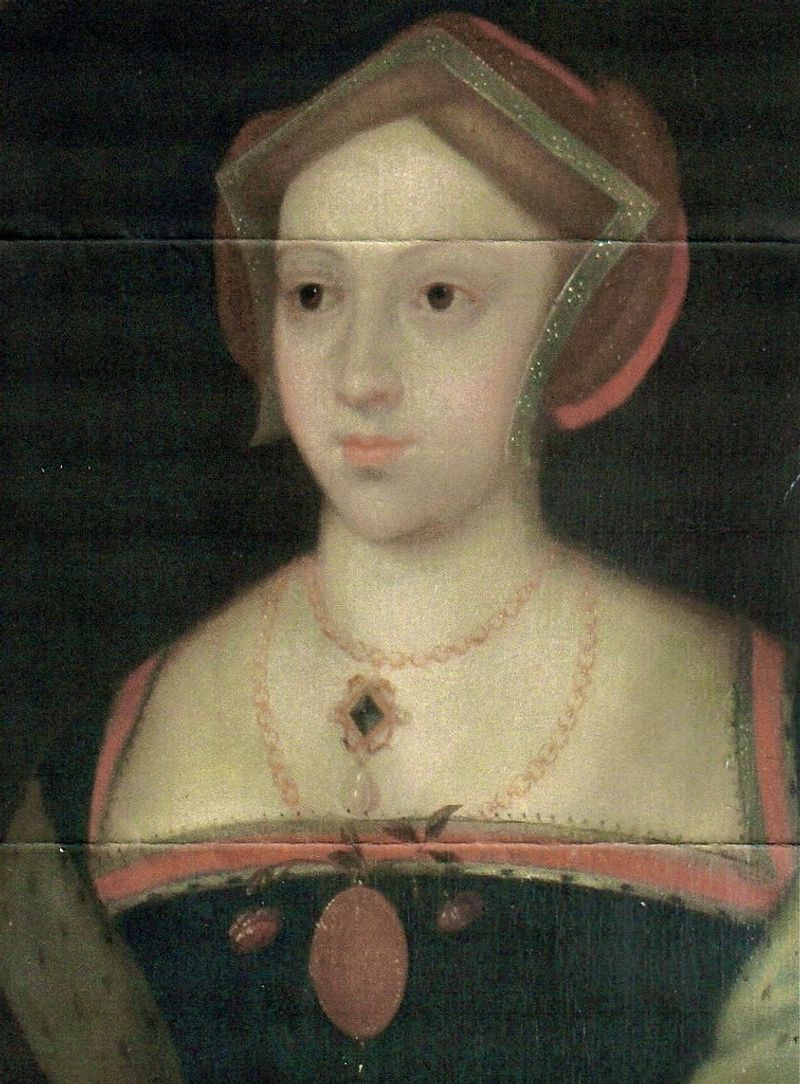
Mary Boleyn is almost always described in relation to other people, which is historically unfair but also kind of the point. She was the older Boleyn sister, mistress to both the French king Francis I and England’s Henry VIII, and her affairs directly elevated the Boleyn family’s standing at court.
She was the opening act for a family drama that changed England forever.
Henry VIII’s relationship with Mary lasted several years in the early 1520s. During that time, the Boleyn family gained titles, land, and access that they leveraged brilliantly.
Her sister Anne watched those dynamics closely and played the same game with far higher stakes. Mary’s more modest approach actually kept her head attached to her body, which Anne’s strategy ultimately did not.
Mary later married a commoner for love without royal permission, which scandalized the court but suggests she had genuine feelings and a spine of her own. She lived quietly until around 1543.
History made her a footnote, but she was more like a prologue.
Madame de Pompadour: The Official Mistress Who Became Louis XV’s Most Trusted Favorite
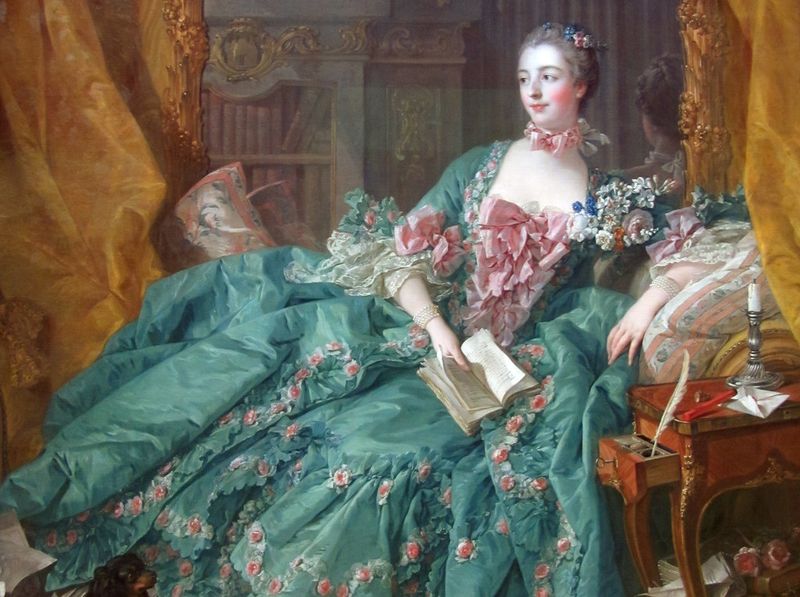
Jeanne-Antoinette Poisson was born to a middle-class family and became the official mistress of Louis XV of France. The king gave her the title Marquise de Pompadour, and she ran with it in the most spectacular fashion imaginable.
For nearly twenty years she was effectively the second most powerful person at Versailles, and arguably sometimes the first.
She influenced foreign policy, helping broker the 1756 Diplomatic Revolution that flipped France’s alliances from Austria to Prussia. She appointed ministers, supported the arts and Enlightenment thinkers, and commissioned work from Voltaire and the Encyclopedists.
Her taste shaped French decorative arts so thoroughly that the Rococo style is practically her personal brand.
Even after her romantic relationship with Louis cooled, she remained his closest confidante and political advisor. She managed his moods, his court, and his enemies with extraordinary skill.
When she died in 1764 at forty-two, Louis reportedly watched her funeral cortege from his balcony in the rain. That kind of loyalty is not bought with charm alone.
It is earned.
Catherine the Great: The Empress Whose Personal Alliances Strengthened Her Rule
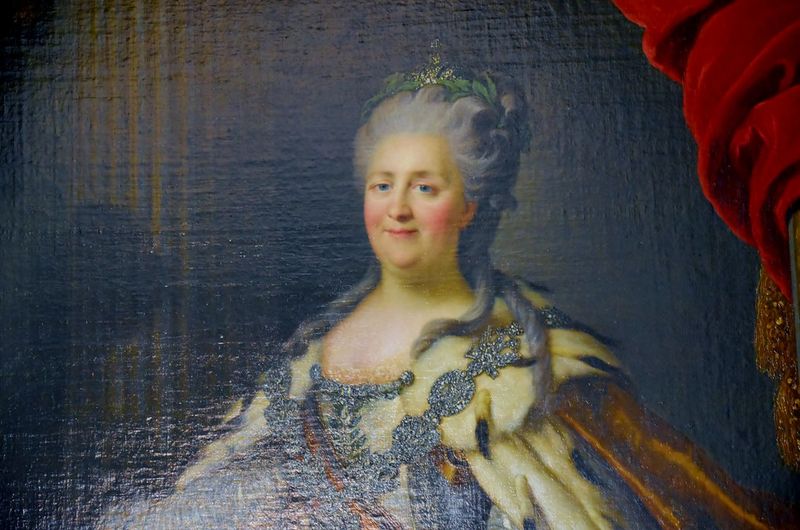
Catherine the Great arrived in Russia as a German princess at fourteen, married the deeply unimpressive future Tsar Peter III, and spent years carefully learning Russian language, culture, and politics. When Peter’s incompetent rule threatened to undo everything, Catherine organized a coup with the help of her lover Grigory Orlov and the Imperial Guard.
Peter was deposed. Catherine ruled for thirty-four years.
Her personal relationships were famously numerous and often politically useful. Favorites like Grigory Potemkin became genuine partners in governing Russia’s vast empire.
Potemkin administered newly conquered southern territories while Catherine handled St. Petersburg. It was an unconventional arrangement that actually worked remarkably well.
Under her rule, Russia expanded enormously, absorbed Crimea, modernized its administration, and became a major European power. She corresponded with Voltaire and Diderot, founded the Hermitage museum, and reformed education.
The gossip about her personal life was largely invented by enemies. The actual record of her governance is simply extraordinary.
She is called the Great for reasons that have nothing to do with scandal.
Lola Montez: The Dancer Whose Affair Helped Shake a Bavarian Throne
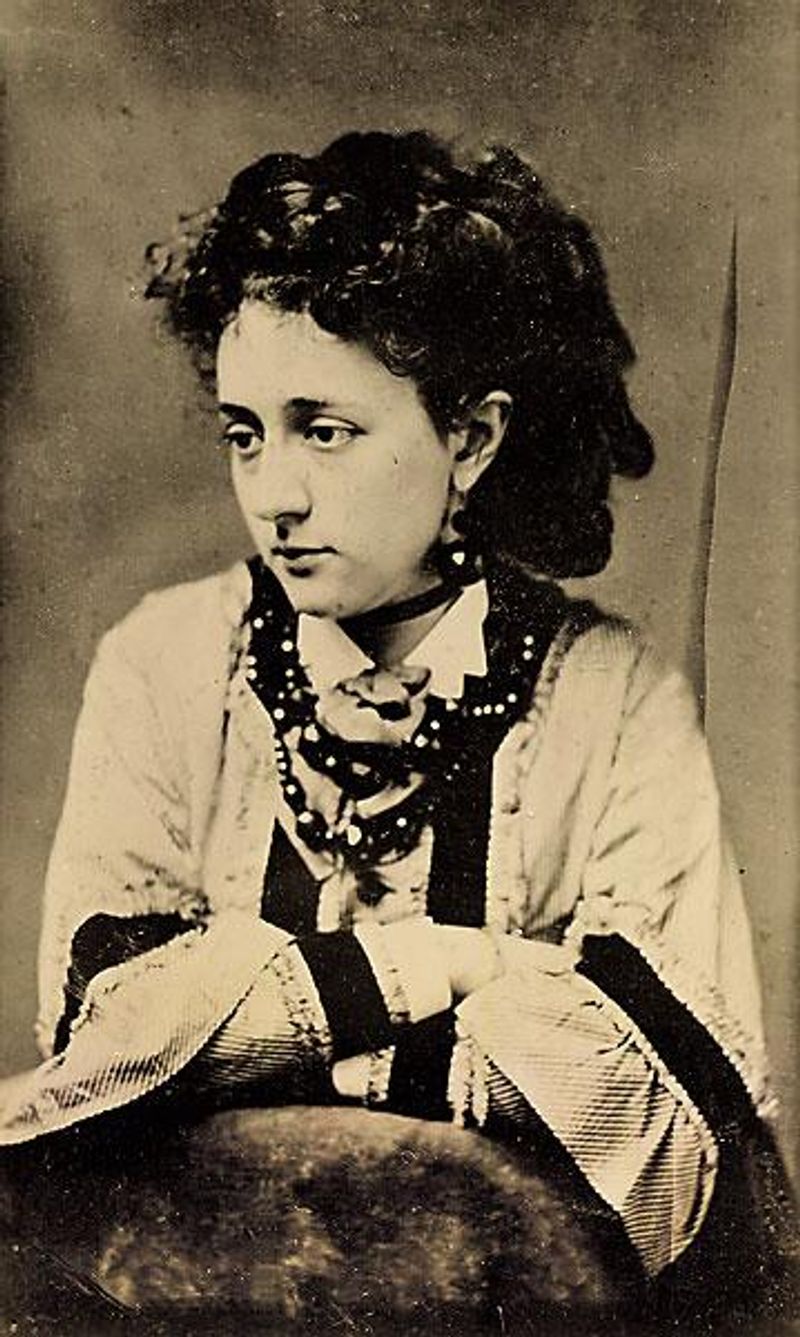
Lola Montez was Irish, not Spanish, but she reinvented herself as a Spanish dancer and toured Europe with spectacular audacity. When she arrived in Munich in 1846, King Ludwig I of Bavaria was completely captivated.
Within months she had been granted citizenship, a title, and a level of political influence that outraged the Bavarian court and the powerful Jesuit order.
She reportedly influenced Ludwig’s appointments, pushing out conservative ministers and encouraging more liberal policies. Students at Munich University adored her and formed a club called the Alemannia in her honor.
The conservative establishment despised her with equal enthusiasm. She became the focal point for simmering tensions between liberal and reactionary factions.
When the 1848 revolutions swept Europe, Lola became a lightning rod. Riots broke out in Munich partly over her influence.
Ludwig abdicated in March 1848, and Lola fled Bavaria. She later toured America as a performer and became a genuine celebrity.
She proved that one well-placed relationship could destabilize an entire government. Ludwig probably should have kept that in mind.
Mata Hari: The Courtesan Whose Legend Outgrew the Evidence Against Her
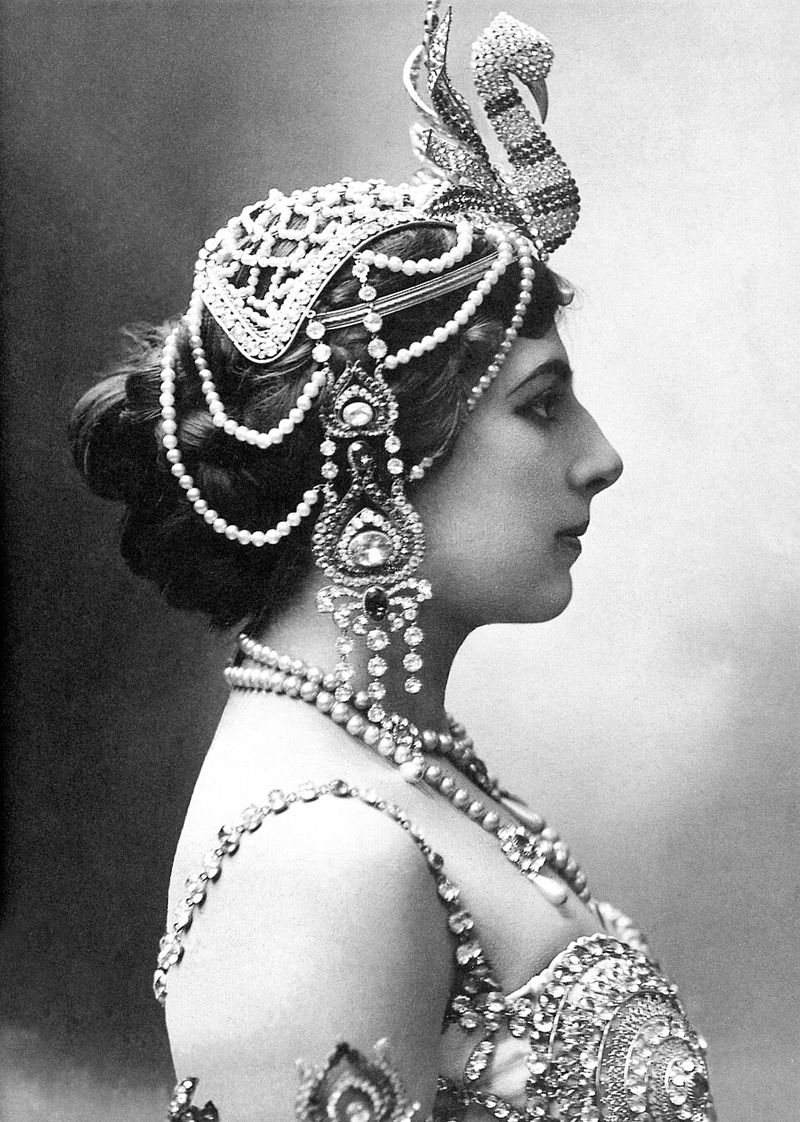
Mata Hari was a Dutch woman named Margaretha Zelle who invented an exotic persona, became Paris’s most famous dancer, and was executed by France in 1917 as a German spy. The problem is that historians have spent decades arguing about whether she was actually guilty of anything beyond being foreign, flamboyant, and sleeping with military officers from multiple countries.
Her real influence was softer and stranger than espionage. She moved through the highest levels of European society during World War One, gathering gossip and connections the way other people collect business cards.
Whether that constituted spying or just socializing in very interesting company remains genuinely disputed.
France needed a scapegoat for military failures, and Mata Hari was a spectacular target. The evidence against her was thin, the trial was not fair by any standard, and she was shot at dawn by a firing squad.
Her legend only grew after death. She became the archetypal femme fatale, a role she would have probably found both flattering and infuriating.
She was far more complicated than that.
Wallis Simpson: The American Socialite Who Changed the British Monarchy Forever
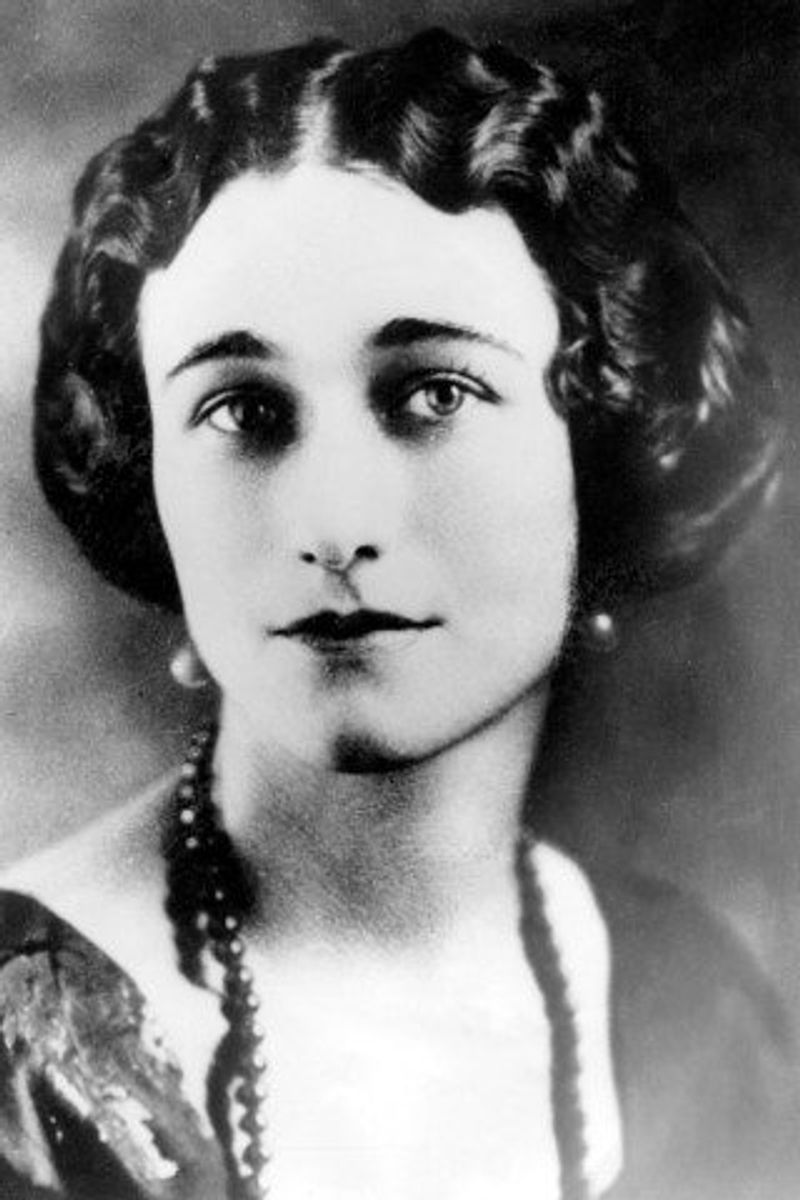
Few Americans have done more to shake a centuries-old institution than Wallis Simpson, and she did it mostly by being herself. King Edward VIII of Britain abdicated his throne in December 1936 to marry her, setting off a constitutional crisis that still echoes in how the British monarchy operates today.
She did not ask him to give up the crown. He decided that on his own, which says everything about her hold on him.
The British establishment absolutely loathed her. She was American, twice divorced, and considered entirely unsuitable for a queen.
Those objections, combined with concerns about Edward’s political sympathies, made the situation impossible. The abdication speech Edward delivered is one of the most famous radio broadcasts in history.
Wallis and Edward became the Duke and Duchess of Windsor and spent the rest of their lives in a gilded exile, hosting parties in France and occasionally causing diplomatic headaches. She outlived Edward by fourteen years and died in Paris in 1986.
She never became queen, but she permanently altered who could. That is a strange and significant legacy.
Eva Perón: The First Lady Whose Charisma Became Political Power
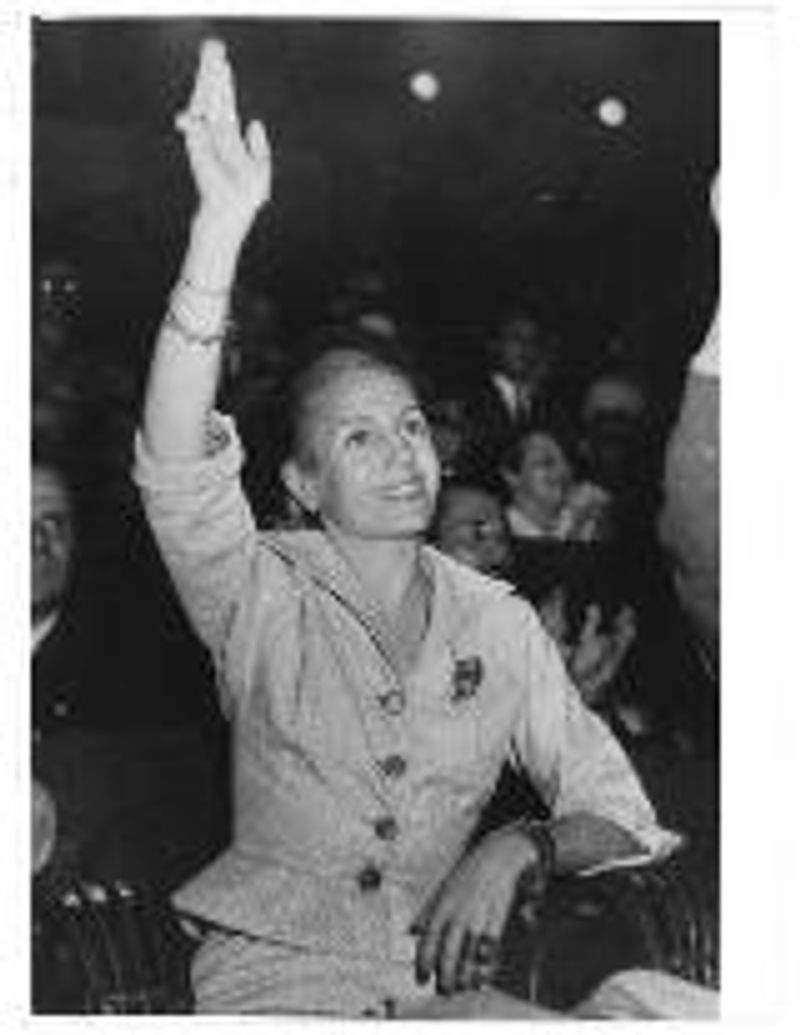
Evita Peron was born illegitimate in a small Argentine town and died as the most beloved political figure in her country’s history at thirty-three. That trajectory required extraordinary talent.
She moved to Buenos Aires at fifteen to pursue acting, met Colonel Juan Peron in 1944, and understood immediately that his political ambitions and her public appeal were a perfect match.
As First Lady from 1946, she ran the Eva Peron Foundation, which distributed food, medicine, and housing to Argentina’s poor on a massive scale. She campaigned fiercely for women’s suffrage, achieved in 1947, and registered millions of women as voters.
Her connection to the descamisados, the shirtless ones, was genuine and reciprocal. They adored her and she delivered results.
Her charisma was not manufactured. She could hold a crowd of hundreds of thousands with nothing but her voice and her conviction.
When she died of cervical cancer in 1952, Argentina went into national mourning for weeks. The musical named after her does not fully capture how real and raw her power actually was.
She earned every bit of it.
Hedy Lamarr: The Screen Siren Whose Beauty Overshadowed Her Real Influence
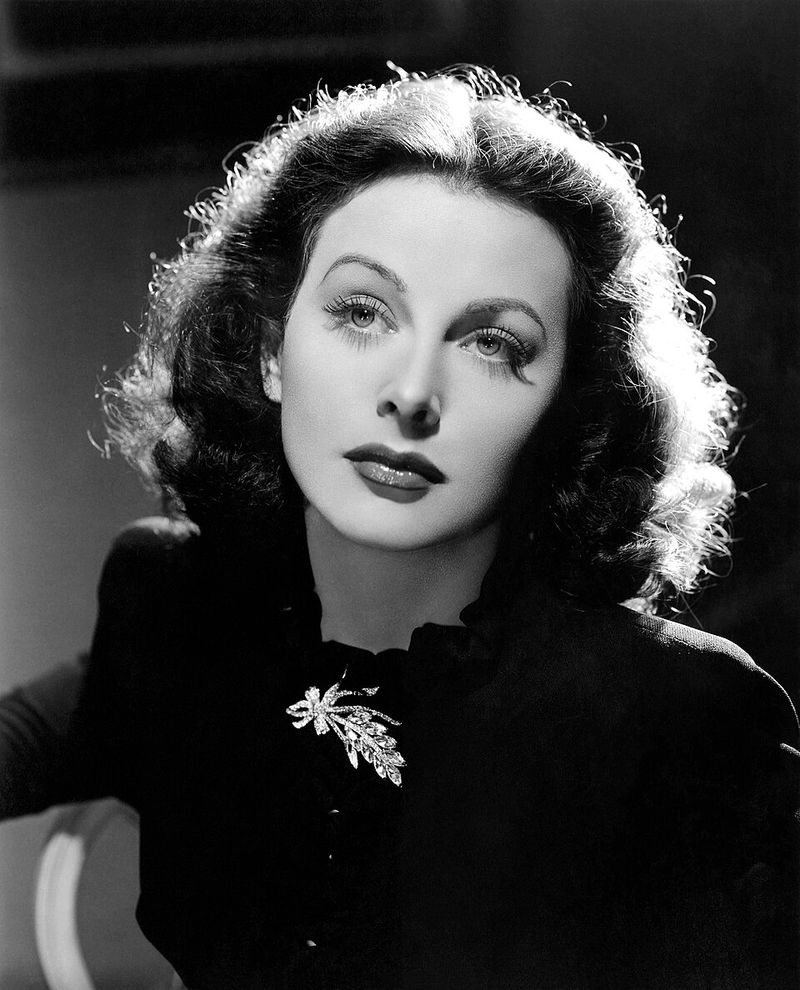
MGM studio head Louis B. Mayer called Hedy Lamarr the most beautiful woman in the world, and that label followed her everywhere.
It also completely buried the fact that she was a brilliant inventor whose wartime patent helped lay the groundwork for modern Wi-Fi and Bluetooth technology. The film industry saw a face.
She had a whole other project going on in her head.
During World War Two, Lamarr co-invented frequency-hopping spread spectrum technology with composer George Antheil. The idea was to create radio-guided torpedoes that could not be jammed by enemy forces.
The US Navy was not interested at the time. The patent expired before anyone fully realized its value, meaning Lamarr never profited from a technology now worth billions.
She was finally recognized in 1997 with the Electronic Frontier Foundation Pioneer Award. She reportedly said it was about time.
Hollywood gave her fame but never fully saw her. The tech world eventually caught up, decades too late to matter financially.
Her story is a sharp reminder that beauty and brains are not either-or. They just get treated that way.
Anna Chapman: The Glamorous Spy Whose Image Became Part of the Story

Anna Chapman was arrested in New York in 2010 as part of a Russian sleeper agent network, and the international media could not stop talking about her red hair and modeling photographs. She was thirty-one years old and had spent years building a social network in the US that included business contacts, politicians, and financiers.
The FBI had been watching for years.
She and nine other agents were deported to Russia in a Cold War-style spy swap. Back in Moscow, Chapman was celebrated as a national hero, appeared in fashion magazines, hosted a television show, and was named to the youth wing of Putin’s political party.
Russia turned her capture into a PR win, which is an impressive bit of rebranding.
Whether she gathered intelligence of real value is still debated. What is not debated is that her image became a tool.
She understood her brand and used it strategically after deportation. The glamorous spy became a media personality, a government spokesperson, and a symbol.
She took a failed mission and built a career on it. That takes a particular kind of nerve.
Share this story