Hotels have always doubled as unofficial archives, and the guest lists often tell a stranger story than the architecture. A suite can become a film set, a newsroom, a secret meeting place, or the exact spot where a public image starts to wobble.
That is what makes these addresses so interesting: they connect famous names to very specific moments of cultural memory, from wartime bravado in the 1940s to media frenzy in the 1960s and celebrity excess in the late twentieth century. Keep reading and you will get more than gossip – you will see how these hotels became stages where fame, power, and bad judgment briefly checked in together.
1. Château Marmont – Los Angeles, USA
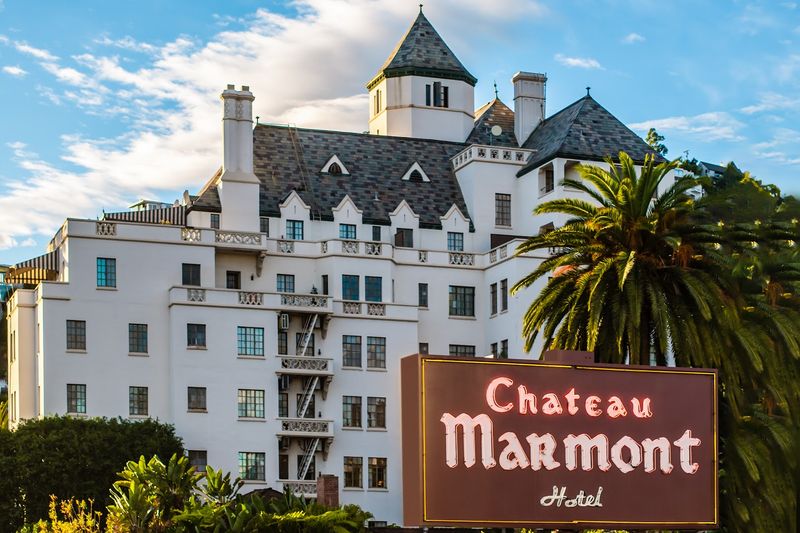
If Hollywood wanted a place to keep secrets while accidentally making them more interesting, Château Marmont was the obvious choice. Opened in 1929 on Sunset Boulevard and modeled after a Loire Valley château, it quickly became the favored retreat for stars who wanted privacy, plausible deniability, and room service.
Its reputation grew because celebrities behaved as though regular rules paused at the entrance. Directors hid out during productions, actors conducted complicated personal lives behind closed doors, and the hotel developed a long-running image as the capital of glamorous bad decisions.
That image was not invented by gossip columnists alone. The Marmont’s design, tucked-away bungalows, and staff culture of discretion made it ideal for a studio era that sold polish in public while chaos unfolded in private, and you can still trace that history every time its name appears in celebrity folklore.
2. The Ritz Paris – Paris, France
Some hotel stories sound too polished to be true, and then the Ritz Paris offers one involving Ernest Hemingway, 1944, and a famously theatrical entrance. Founded in 1898 by César Ritz at Place Vendôme, the hotel became shorthand for elite Parisian hospitality and attracted aristocrats, fashion icons, writers, and visiting heads of state.
Hemingway helped give it a more unruly chapter. According to the enduring legend, he arrived with companions during the liberation of Paris and declared the bar liberated as well, blending wartime symbolism with a showman’s instinct for memorable gestures.
The Ritz mattered because it sat at the intersection of politics, culture, and international status. Coco Chanel lived there for years, Marcel Proust observed society there, and the hotel learned early that world history sometimes enters through the lobby carrying luggage, opinions, and a talent for dramatic timing.
3. The Plaza Hotel – New York City, USA
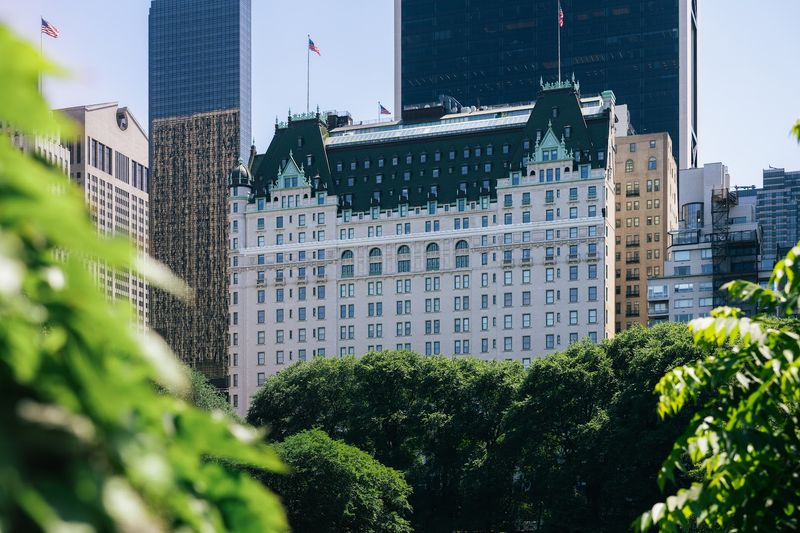
Chaos arrived wearing matching haircuts when the Beatles checked into the Plaza in 1964, and New York instantly became a test case for modern celebrity overload. The hotel, opened in 1907 at the edge of Central Park, already symbolized high society, but Beatlemania gave it a whole new role as headquarters for organized hysteria.
Fans gathered in such numbers that security and police had to manage the scene with unusual care. Reporters tracked every movement, staff adapted to the disruption, and the Plaza briefly looked less like a luxury hotel than the control room for a cultural takeover.
The moment mattered because it showed how quickly fame had changed in the television era. Earlier stars drew attention, but the Beatles generated a global youth phenomenon, and the Plaza’s polished image collided head-on with screaming crowds, nonstop coverage, and a public appetite for being as close as possible.
4. The Chelsea Hotel – New York City, USA
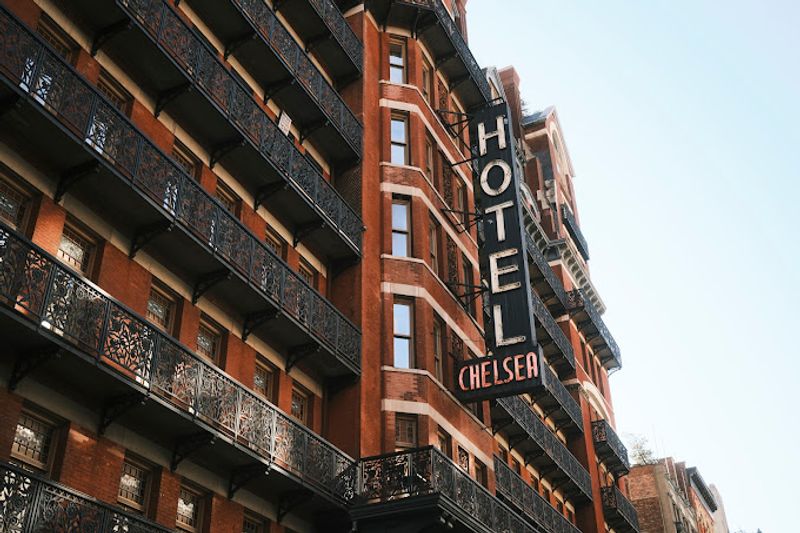
Few hotels worked harder at becoming a legend than the Chelsea, which opened in 1884 and spent the twentieth century collecting artists, writers, musicians, and trouble with remarkable efficiency. Its long-term residents included Dylan Thomas, Arthur C.
Clarke, Patti Smith, Leonard Cohen, and countless others who treated the building less like lodging and more like a loose cultural republic.
That freedom invited headlines. The hotel became permanently tied to punk mythology through Sid Vicious, whose stay in the late 1970s helped cement the Chelsea’s image as New York’s least tidy creative address, even though its reputation had been building for decades.
What keeps the place fascinating is not one notorious episode but the way it concentrated postwar culture in a single building. You are looking at a hotel that turned room keys into cultural artifacts, then spent years proving fame and disorder often travel together.
5. Hotel del Coronado – California, USA
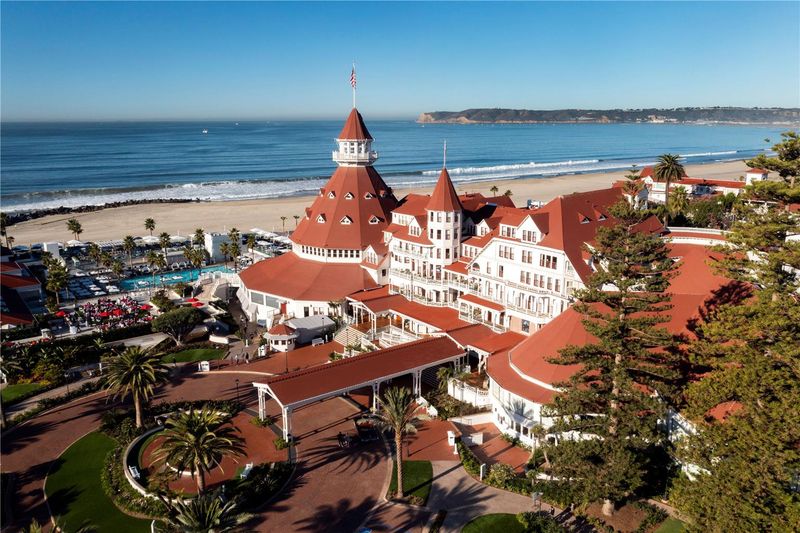
Few resorts can claim that a comedy classic and a famously difficult production schedule crossed paths under the same red roof. Hotel del Coronado opened in 1888 and quickly became one of America’s best-known seaside hotels, drawing presidents, entertainers, and vacationers who wanted West Coast prestige with ocean views.
Its starring role in Some Like It Hot gave the hotel another layer of celebrity history. Marilyn Monroe filmed there in 1958, and reports from the production described delays, repeated takes, and the kind of schedule complications that turned an already expensive shoot into a frequently discussed Hollywood case study.
What makes the story endure is how neatly it captures the gap between screen perfection and backstage reality. The hotel was polished, famous, and photogenic, but the production around it showed how major studio films depended on patience, logistics, and the ability to keep moving when a star’s timing became unpredictable.
6. The Savoy – London, UK
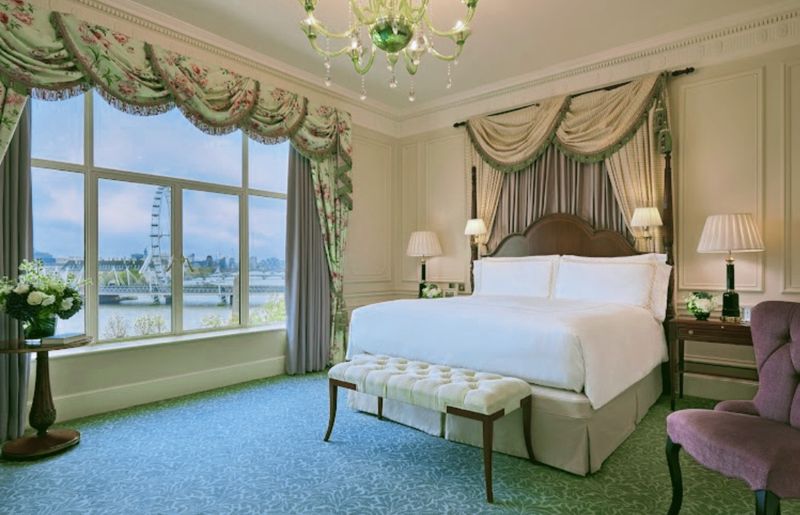
Elegance never guaranteed an easy shift, especially once Frank Sinatra developed a reputation for exacting standards during his London stays. The Savoy, opened in 1889 by impresario Richard D’Oyly Carte, transformed British hospitality with electric lighting, elevators, and a style of service meant to impress wealthy international guests from the start.
That ambition attracted stars who expected perfection because the hotel promised it. Sinatra’s visits became part of Savoy lore precisely because his preferences could be highly specific, leaving staff to perform the sort of quiet problem-solving luxury hotels treat as both burden and professional sport.
The Savoy’s larger significance goes beyond celebrity anecdotes. It introduced modern hotel practices to London society, hosted performers and royals through changing media eras, and proved that a famous guest could amplify a hotel’s brand while simultaneously testing whether reputation, staffing, and nerves were actually sturdy enough for world-class discretion.
7. Watergate Hotel – Washington, D.C., USA
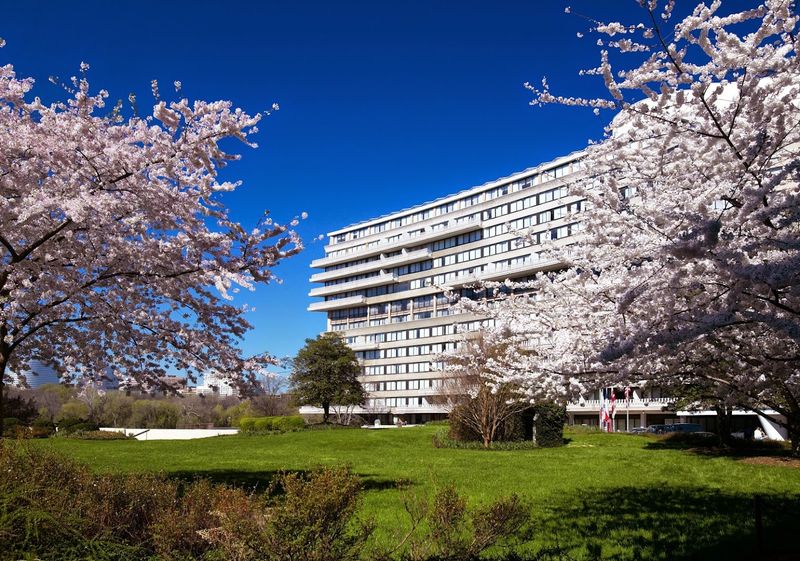
Few hotels have lent their name to an entire category of scandal, yet the Watergate managed exactly that with brutal efficiency. Part of the larger Watergate complex completed in the 1960s, the hotel became inseparable from the political break-in and cover-up that unfolded nearby and turned one stylish Washington address into global shorthand.
The famous event centered on the Democratic National Committee offices in the complex, but the hotel and surrounding buildings quickly merged in public memory. Journalists, investigators, political operatives, and curious visitors all helped turn the place into a symbol of secrecy, ambition, and the hazards of assuming nobody will connect the dots.
Its historical weight comes from what followed. The scandal reshaped public trust, changed how the press covered government, and stamped the word Watergate onto later controversies, giving this hotel a peculiar afterlife where architecture, media language, and political accountability remain permanently checked into the same conversation.
8. The Beverly Hills Hotel – Los Angeles, USA
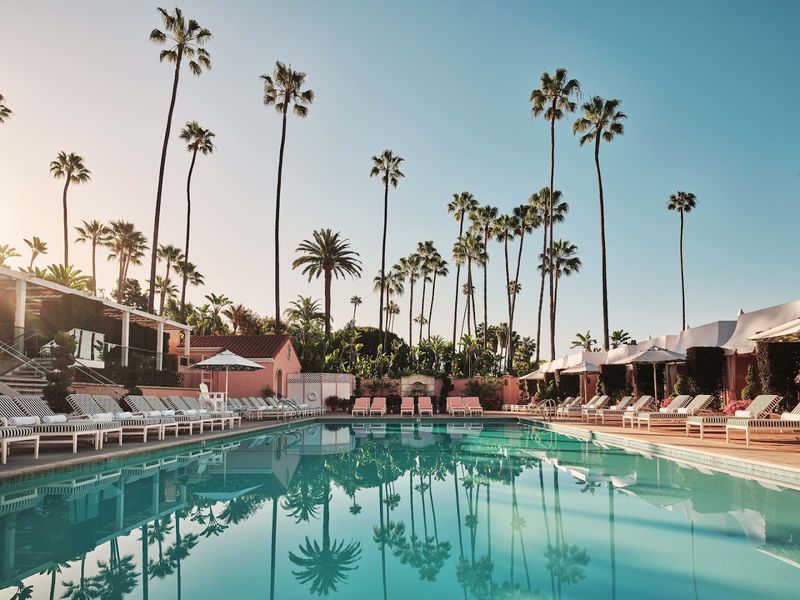
Pink walls and polished service did not stop the Beverly Hills Hotel from becoming a clubhouse for stars who liked their evenings energetic and their privacy protected. Opened in 1912, before Beverly Hills was fully established as the celebrity capital people now assume it has always been, the hotel helped define the area’s social identity.
By the mid twentieth century, the Rat Pack treated it as familiar territory. Their appearances, late-night gatherings, and casually extravagant routines strengthened the hotel’s reputation as a place where entertainment power relaxed just enough to become more interesting to columnists and the public.
The history matters because the hotel functioned as an informal extension of Hollywood’s business and social circuits. Deals, friendships, rivalries, and public images were all shaped in places like this, and the Beverly Hills Hotel turned discretion into an art form while quietly benefiting from the fact that everyone knew something lively probably happened there.
9. The Stanley Hotel – Colorado, USA
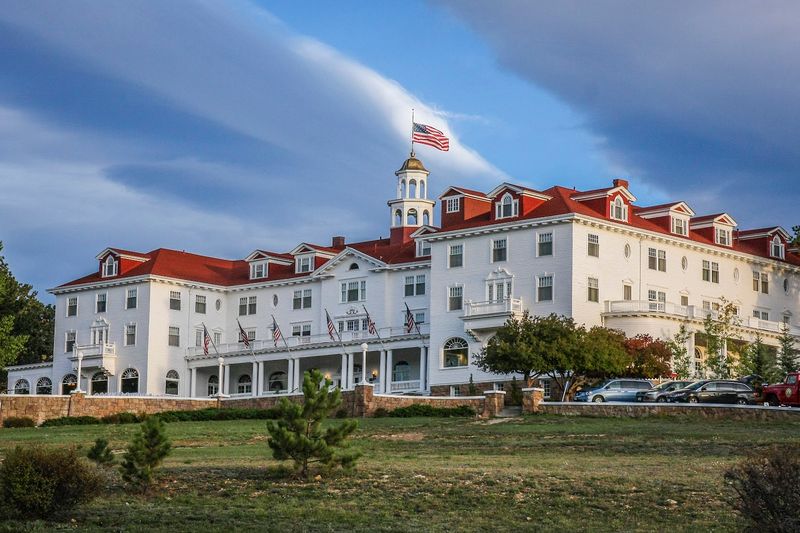
One overnight stay can do remarkable work when the guest happens to be Stephen King and the hotel already has an unusually distinctive profile. The Stanley Hotel opened in 1909 in Estes Park as a grand mountain resort built by Freelan Oscar Stanley, co-founder of the Stanley Motor Carriage Company, and it aimed to impress affluent travelers from the beginning.
King stayed there in 1974, near the close of the season, and later said the experience helped inspire The Shining. That connection transformed the hotel’s identity, shifting it from impressive Colorado landmark to permanent fixture in literary and film tourism, with visitors arriving as much for cultural association as lodging.
The Stanley had eventful history before King ever checked in, including an early explosion that damaged part of the building. Still, its modern fame rests on how one writer translated an unsettling stay into fiction, giving the hotel a second life powered by imagination, adaptation, and very effective word of mouth.
10. Claridge’s – London, UK
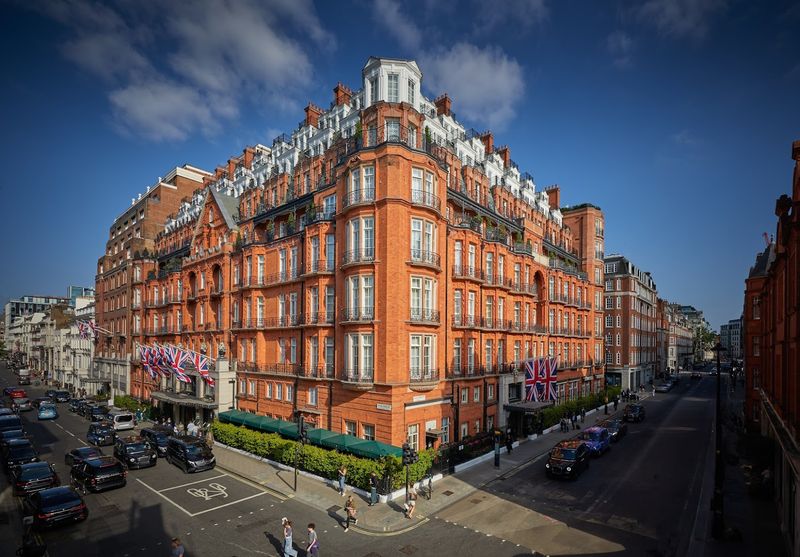
Discretion is part of the sales pitch at Claridge’s, which is probably why its occasional controversies feel especially interesting. Established in the nineteenth century and rebuilt into one of London’s most distinguished luxury hotels, it became closely associated with royalty, diplomats, financiers, film stars, and anyone else requiring service polished enough to look effortless.
That clientele guaranteed occasional friction. Claridge’s has hosted exiled monarchs, high-stakes visitors, and celebrities whose presence generated whispers precisely because the hotel projected restraint, making any rumor feel louder against its famously careful standards of privacy.
The hotel’s enduring appeal comes from its role as a neutral stage for powerful people in transitional moments. During the twentieth century it served as a base for royal families displaced by political change, while modern fame added actors, designers, and musicians, proving that even the most controlled environment cannot fully prevent status, expectation, and human complication from leaving a trace.
11. The Algonquin Hotel – New York City, USA
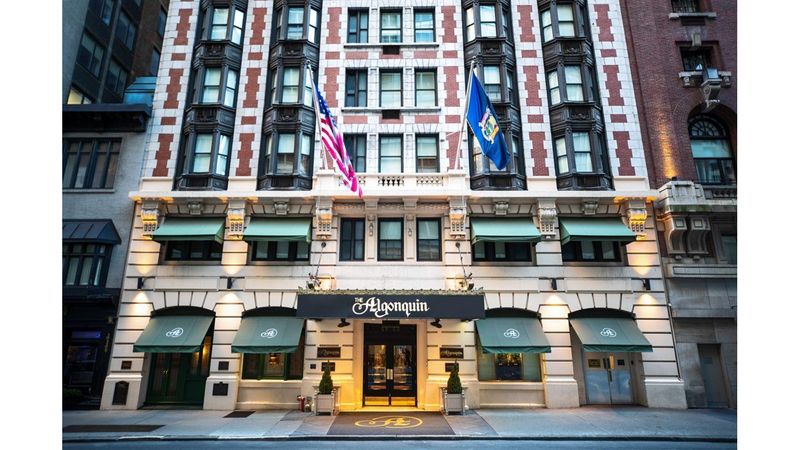
Wit can be as disruptive as celebrity, and the Algonquin proved that daily over lunch during the 1920s. Opened in 1902 in Midtown Manhattan, the hotel became famous for hosting the Algonquin Round Table, an informal gathering of writers, critics, actors, and humorists who helped shape American media culture between the wars.
Dorothy Parker, Robert Benchley, Alexander Woollcott, and others turned conversation into performance. Their jokes circulated through newspapers and theater circles, and the sharpness of their exchanges gave the hotel a reputation for intellectual mischief rather than social quiet.
The group’s influence reached far beyond one dining room. These were figures connected to magazines, Broadway, book publishing, and the emerging national entertainment press, so the Algonquin became a hub where cultural opinion was made, tested, and occasionally weaponized with a perfectly timed line that could raise a profile or puncture it by dessert.
12. Hotel Sacher – Vienna, Austria
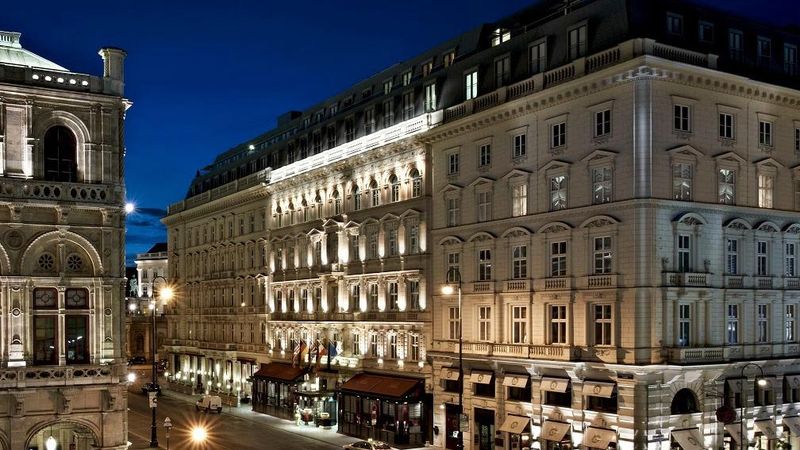
Diplomacy and dessert share an address at Hotel Sacher, though the real intrigue usually came from the guest list rather than the cake menu. Opened in 1876 near the Vienna State Opera, the hotel quickly became a meeting point for aristocrats, politicians, conductors, writers, and travelers navigating the shifting social order of Central Europe.
That mix produced friction as often as refinement. Vienna’s role as an imperial capital and later a contested cultural center meant visitors brought competing views on art, identity, and public life, and Sacher’s lounges hosted conversations that could turn sharp without ever losing formal manners.
The hotel remains significant because it reflects how cities preserve status through hospitality. Its association with the Sachertorte draws tourists today, but the deeper story is about a grand hotel functioning as neutral ground where cultural prestige, diplomacy, and personal ego repeatedly collided, proving that excellent service does not automatically simplify complicated guests.
13. The Waldorf Astoria – New York City, USA
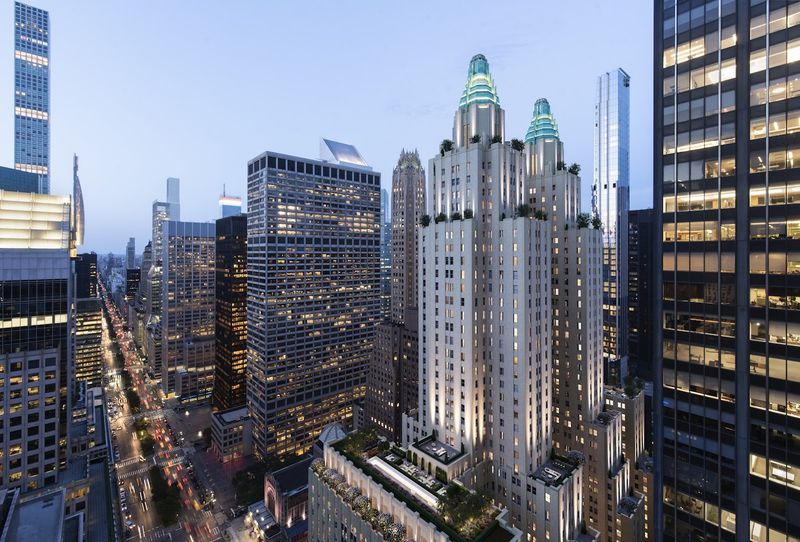
Power liked checking into the Waldorf Astoria because the hotel offered privacy, prestige, and enough square footage for history to move around comfortably. The original Waldorf and Astoria hotels merged in the 1890s, and the later Park Avenue building, opened in 1931, expanded the brand into an Art Deco monument to influence and access.
Presidents, foreign dignitaries, entertainers, and financiers all used it as a temporary headquarters. Some visits involved confidential discussions, carefully managed appearances, or public relations headaches that reminded everyone a grand hotel can function as office, residence, and rumor factory at the same time.
The Waldorf mattered because it sat at the center of twentieth-century American prestige culture. Radio broadcasts, society events, political meetings, and celebrity visits all reinforced its standing, and the hotel became one of those rare places where architecture and reputation worked together to suggest that anything important, glamorous, or inconvenient might be happening upstairs.
14. The Drake Hotel – Chicago, USA
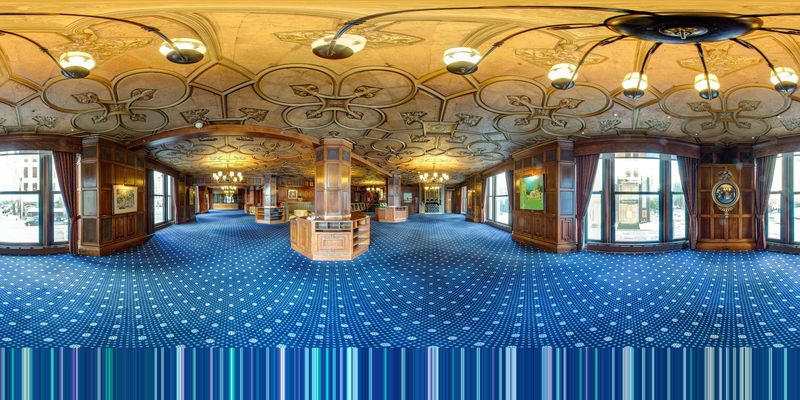
Rumor has a long lease in Chicago, and the Drake Hotel has benefited from that fact for nearly a century. Opened in 1920 on the Magnificent Mile, the hotel quickly established itself as one of the city’s most prestigious addresses, attracting society figures, performers, business leaders, and visitors who preferred old-school grandeur with a prime lakefront position.
Stories linking Al Capone to the Drake have circulated for years, though the details are often murkier than the legend suggests. Even so, the association helped give the hotel an edge in public memory, because any brush with a notorious era tends to outlive more routine accounts of banquets and proper service.
The deeper appeal lies in how the Drake captures Chicago’s layered identity. It is a luxury hotel tied to commerce, politics, entertainment, and persistent folklore, and that combination keeps it interesting because you are never dealing with just one city story there, but several competing versions at once.
15. The Brown Palace Hotel – Denver, USA
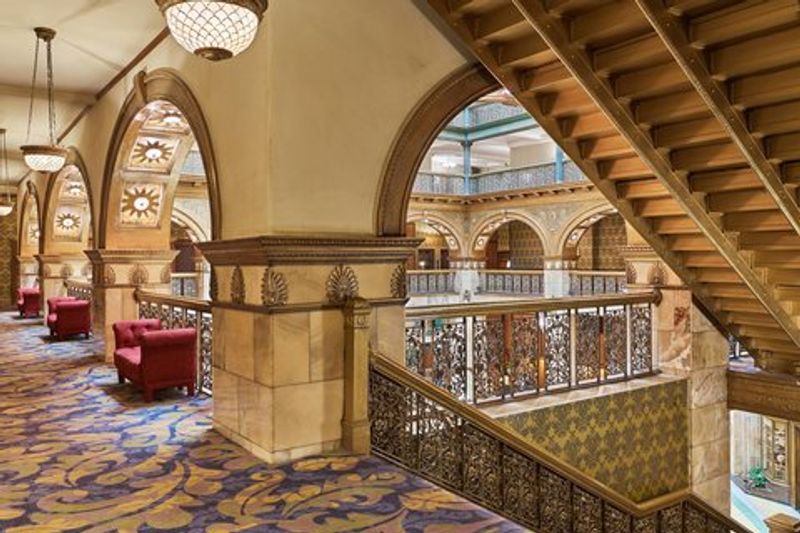
Headlines have a way of finding the Brown Palace, perhaps because important visitors have been arriving there since 1892. Built in downtown Denver with a distinctive triangular footprint and an iron-and-glass atrium, the hotel quickly became a social and political center for the growing American West, welcoming presidents, performers, and business elites.
That visibility meant visits often carried public consequences. Presidential stays drew heavy attention, controversial figures occasionally added tension, and the hotel developed a reputation as the kind of place where official business and social performance could overlap in ways that kept local reporters attentive.
The Brown Palace remains compelling because it reflects Denver’s rise from frontier-era ambition to major regional capital. Its guest register charts changing forms of influence across more than a century, and the building itself reminds you that hotels are not just places people sleep, but institutions where image, access, and civic identity are regularly negotiated.
Share this story