A 22-mile paved trail in western Michigan offers one of the smoothest, most scenic rides in the state, yet many people drive past it without noticing. The Hart–Montague Trail connects small towns, farmland, and shaded stretches in a nearly traffic-free route that keeps cyclists coming back.
So what makes this trail stand out, and why do riders return season after season? Here is what you should know.
Where the Trail Begins and What You Need to Know Before You Go
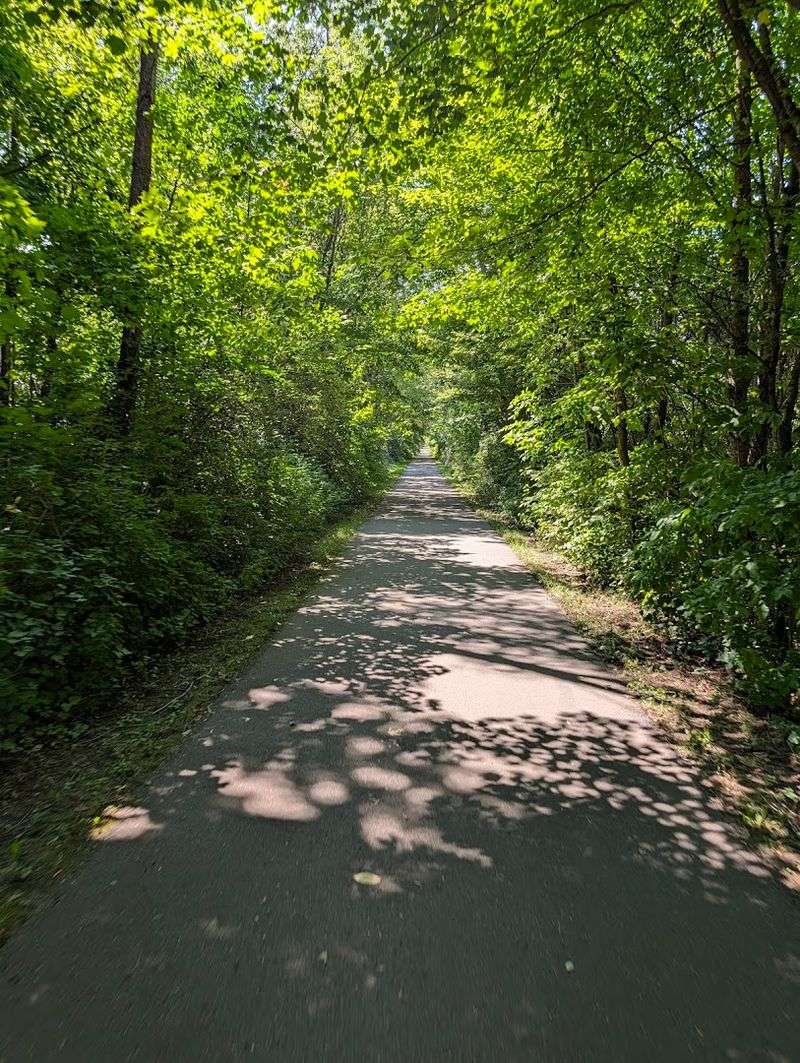
Before you clip in and roll out, a few basics will make your visit much smoother. The Hart-Montague Bicycle Trail is located in New Era, Michigan 49446, and the trail runs approximately 22 paved miles between the towns of Hart to the north and Montague to the south, with the community of New Era sitting right along the route.
The trail is open 24 hours a day, seven days a week, every day of the year. If you need to reach the park office, the listed phone number is +1 231-869-2051.
Public parking is available at multiple trailheads along the route, with the Hart trailhead being a popular starting point that includes restroom facilities. The trail follows a former railroad corridor, which is why it stays impressively flat and straight for most of its length.
That rail-trail heritage also makes it one of the oldest converted rail-trails in all of Michigan, a title it wears with quiet pride.
The Rail-Trail History That Shaped Every Mile of This Ride
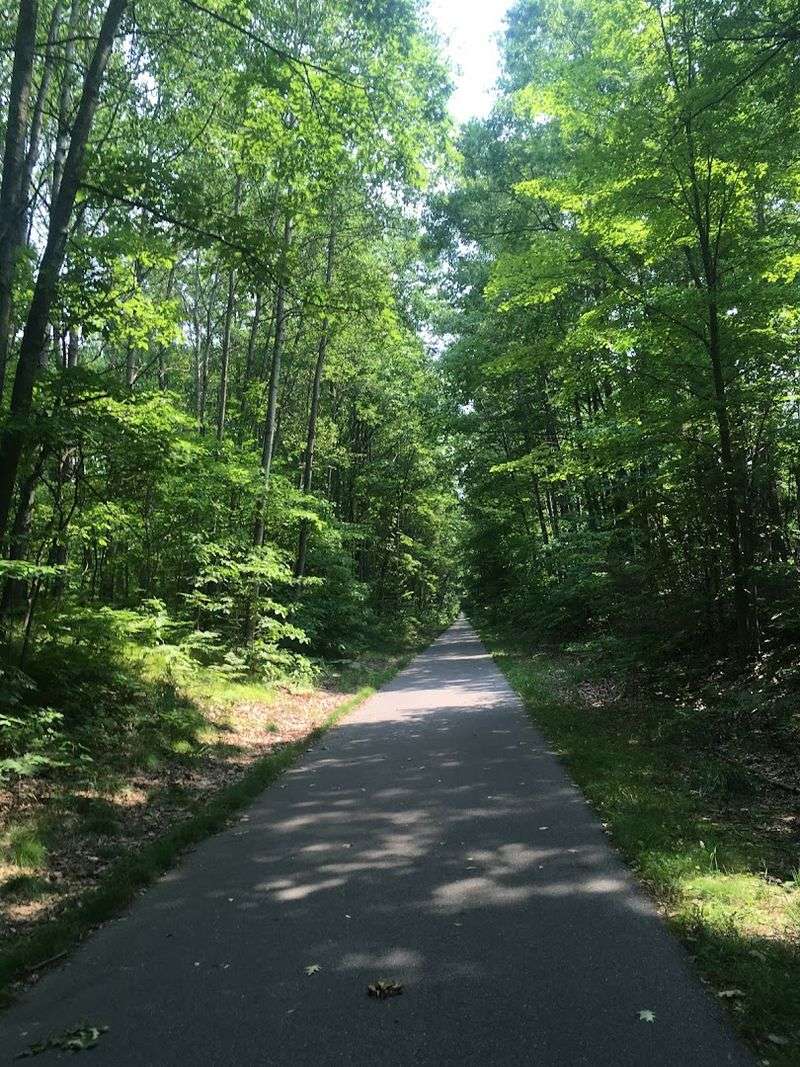
Long before cyclists were pedaling through these woods, steam locomotives were hauling freight along this very corridor. The Hart-Montague trail holds the distinction of being Michigan’s oldest rail-trail, converted from a former railway line into the smooth recreational path it is today.
That railroad heritage explains a lot about what makes this trail feel different from a mountain path or a lakeside loop. Rail lines were built for efficiency, not drama, so the grade stays nearly level from one end to the other, and the path runs in long, satisfying straight stretches that let you find a rhythm and hold it.
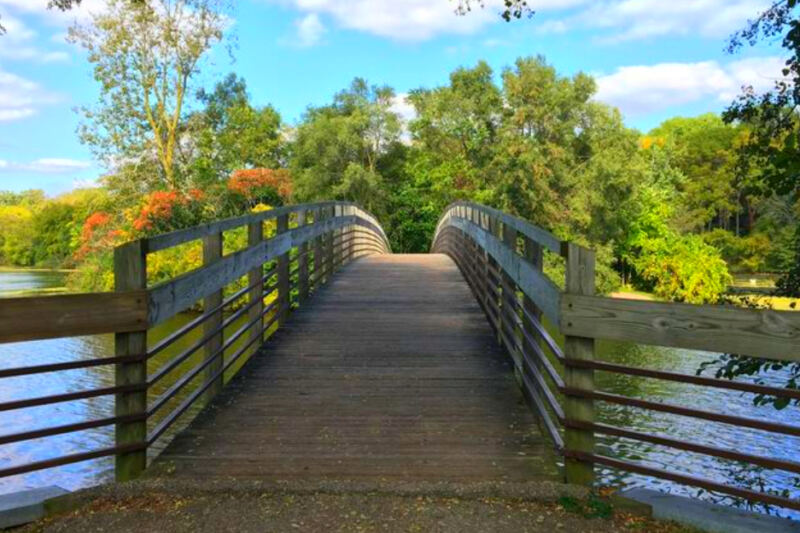
The conversion preserved the bones of the original line while adding pavement, benches, signage, and wooden bridges fitted with rubber mats to prevent slipping on wet days. Knowing that generations of workers, travelers, and cargo passed through this same corridor before you adds a quiet layer of meaning to every mile you cover.
What the Scenery Actually Looks Like Mile After Mile
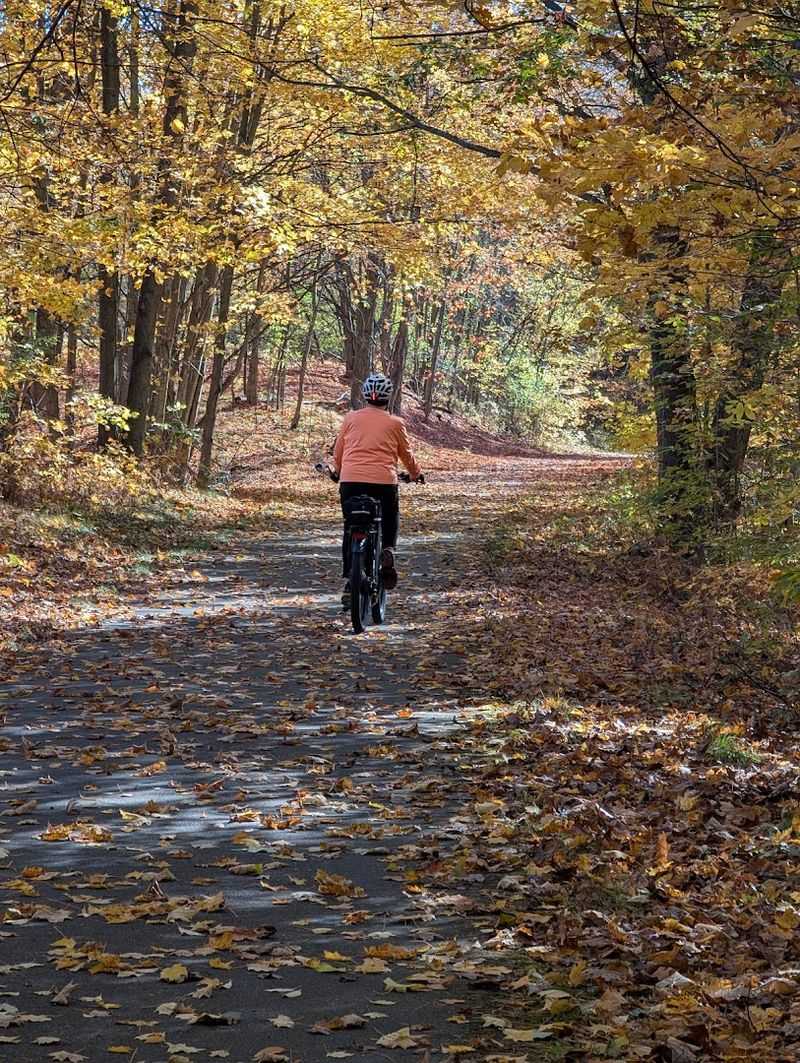
The trail does not try to dazzle you with dramatic elevation or cliffside views. Instead, it offers something more subtle and genuinely relaxing: a long, tree-lined corridor where the light filters through the canopy in shifting patterns, broken up at intervals by open farmland that stretches toward the horizon.
Riding through the forested sections feels almost meditative. The trees press in close on both sides, the air cools noticeably, and the only sounds are your tires humming on clean pavement and whatever birds happen to be calling that morning.
Then the trees open up and you roll past fields of crops or grazing land, and the sky suddenly feels enormous. These transitions happen regularly enough to keep the scenery from becoming monotonous, even on longer rides.
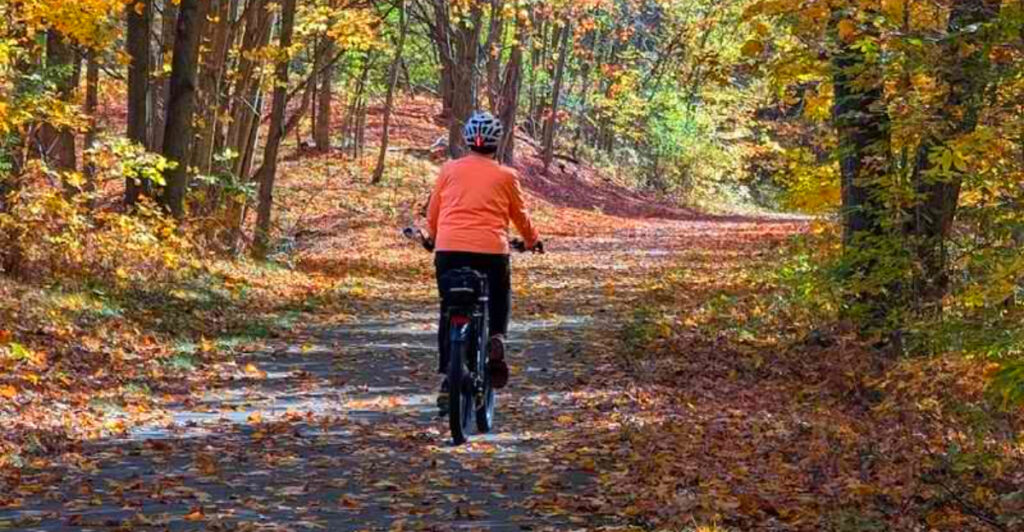
In autumn, the whole experience shifts into a different gear entirely, as the fall colors turn the canopy into a display that genuinely stops riders in their tracks.
The Trail Surface and Why Cyclists Keep Raving About It
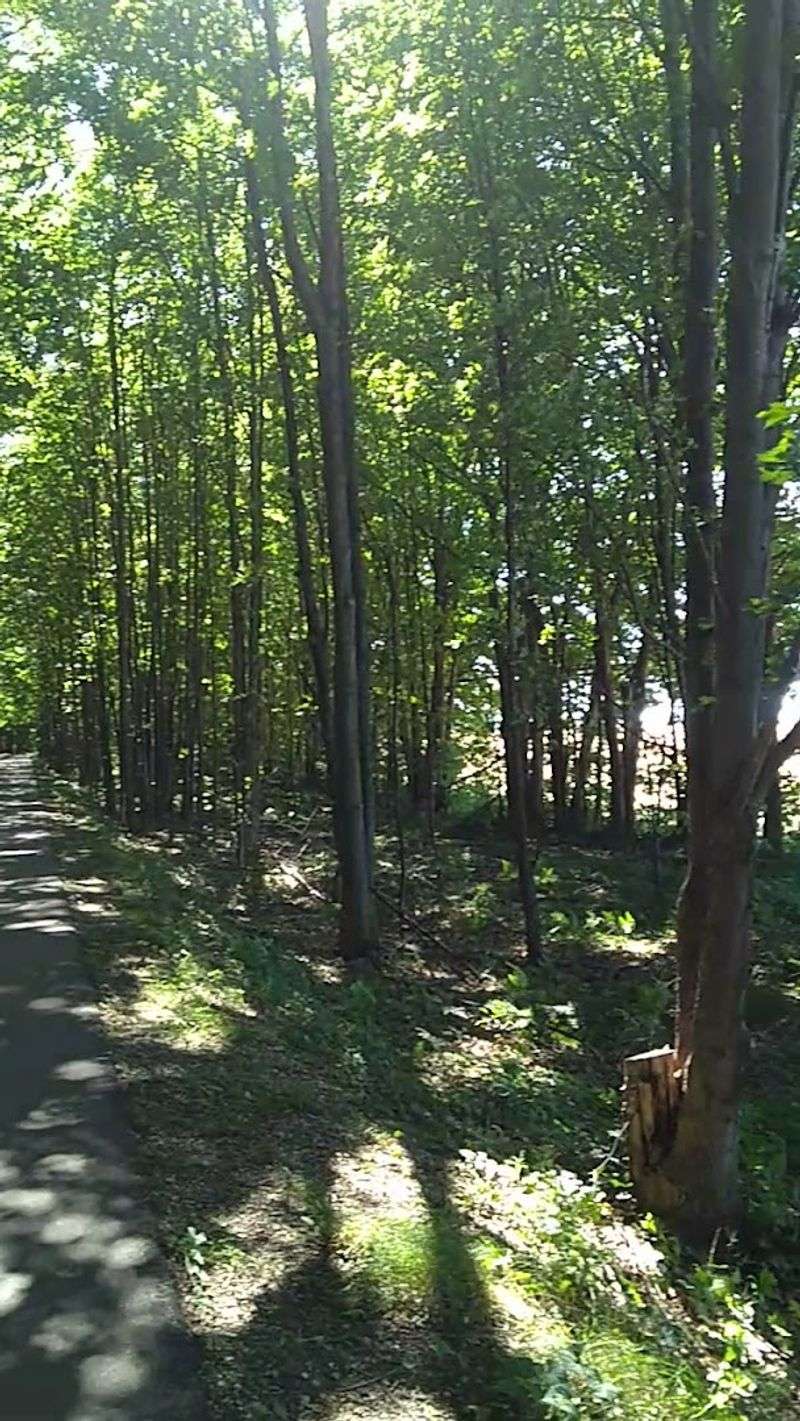
A trail is only as good as the surface you are riding on, and this one consistently earns high marks from cyclists of all experience levels. The pavement is smooth asphalt, well-maintained by the State of Michigan, and riders regularly comment that the surface has barely any cracks or bumps even after years of use.
That kind of quality matters more than people realize until they have ridden a trail riddled with potholes or broken pavement. Here, you can actually focus on the scenery instead of watching every inch of ground ahead of you.
The wooden bridges along the route deserve a special mention too. Most of them are fitted with rubber mats, which is a thoughtful touch that prevents the notoriously slippery wooden planks from becoming a hazard on rainy days.
The trail is wide enough to feel comfortable even when other riders, skaters, or families with strollers are sharing the path alongside you.
How Flat Is It Really, and Who Will Enjoy This Trail Most
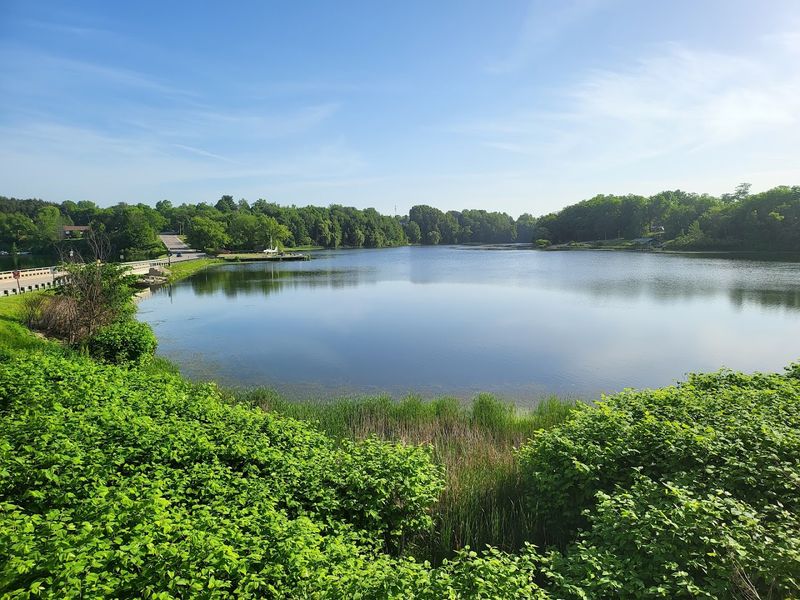
Flat is not always a word that excites serious cyclists looking for a challenge, but for most people, a nearly level trail is a genuine gift. The Hart-Montague trail is about as flat as a paved path can be, a direct result of its railroad origins, since trains need gentle grades to function efficiently.
The one exception worth knowing about is a very slight uphill grade when approaching from the Montague end heading north. It is subtle enough that casual riders barely notice it, but if you are paying close attention to your legs, you will feel it eventually.
This makes the trail ideal for families with younger children, beginners building their cycling confidence, older riders who want distance without punishment, and anyone who simply wants to move through beautiful scenery without turning it into an athletic event. Rollerbladers and skateboarders also use the trail regularly, and in winter, snowmobilers and cross-country skiers claim it as their own.
Country Dairy: The Ice Cream Stop You Will Plan Your Whole Ride Around
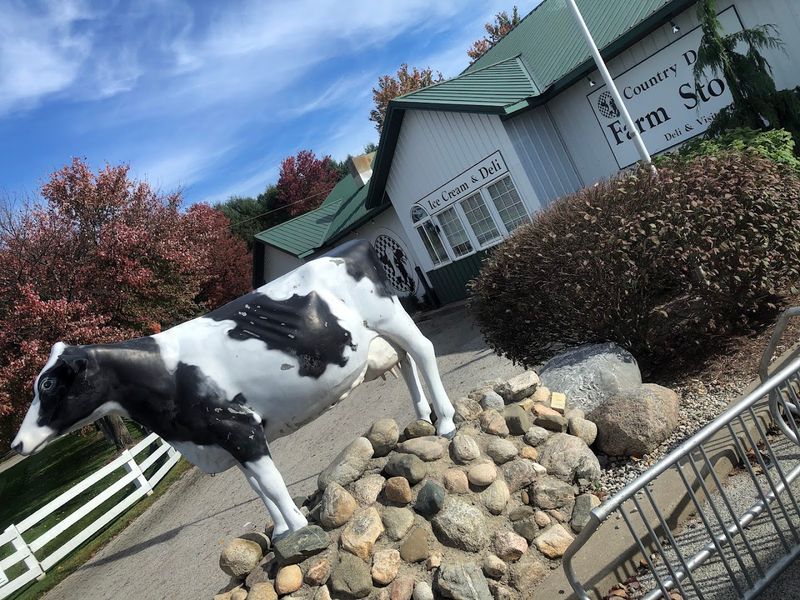
There is one stop along this trail that riders mention more than almost anything else, and it is not a scenic overlook or a historic landmark. It is ice cream, specifically the ice cream at Country Dairy, a working dairy farm located right off the trail that has become something of a legendary pit stop for cyclists passing through.
Country Dairy is not just a place to grab a cone and move on. The farm offers tours, a full menu beyond ice cream, and the kind of atmosphere that makes you want to linger far longer than your ride schedule allows.
The ice cream itself is made from milk produced right there on the farm, which gives it a richness that is hard to replicate.
The history of the farm adds another layer of interest to the visit, and the staff are genuinely welcoming to trail visitors. Plan to stop here, and plan to stay a little while, because you will not regret it.
The Small Towns Along the Route and What They Offer
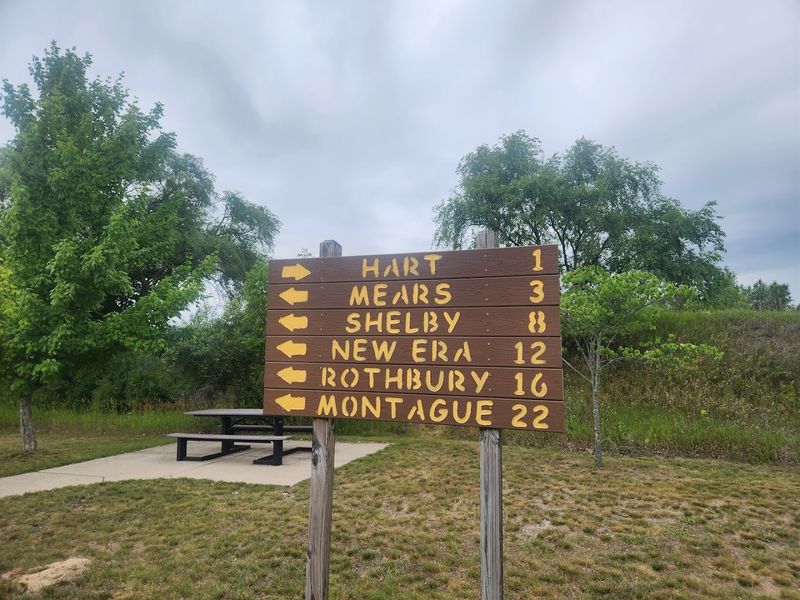
One of the best things about a trail that connects multiple communities is the way it turns a bike ride into a small-scale road trip. The Hart-Montague trail passes through or near several small towns, each with its own personality and a handful of places worth stopping.
New Era, which sits right along the trail, has a relaxed and welcoming character. The Artisan Taproom in New Era has become a favorite dinner stop for cyclists finishing a long ride, offering a comfortable place to refuel before heading back.
Hart to the north and Montague to the south each serve as popular trailhead towns with their own local businesses and services.
Shelby is another community along the route, home to the Shelby Township Community Park, which features a playground right off the trail that younger riders absolutely love. The combination of small-town stops, local food options, and friendly people makes this trail feel like a genuine community experience rather than just a recreational route.
Rest Stops, Picnic Areas, and the Little Comforts That Add Up
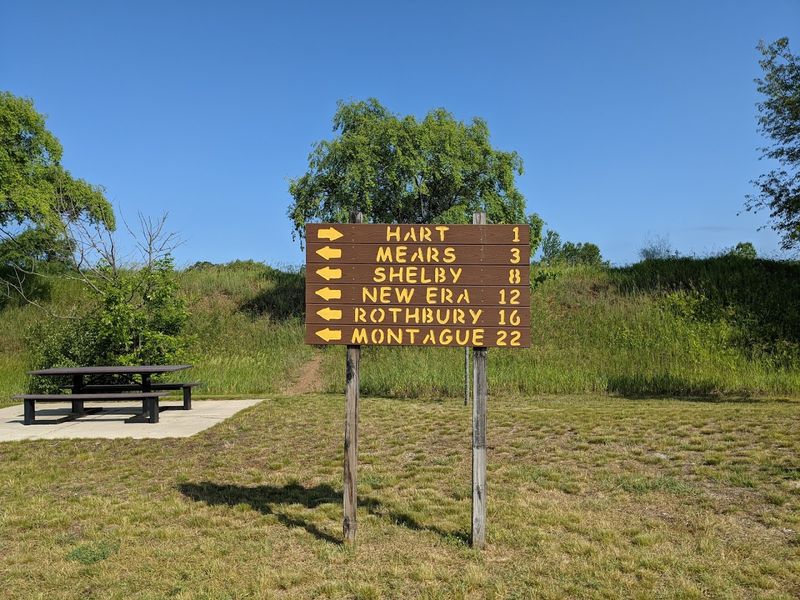
Long rides are a lot more enjoyable when the trail is thoughtfully designed with regular places to rest, and this one delivers on that front in a satisfying way. Benches and picnic tables appear at consistent intervals along the 22-mile route, offering both shaded and sunny spots depending on what you are in the mood for.
Some of the pull-off areas overlook open fields of green, while others sit beside small creeks, giving you a reason to stop even if your legs are feeling fine. The signage along the trail is also well done, with informational markers that identify tree species and provide mileage updates so you always know exactly where you are.
Restroom facilities are available at some of the trailheads, with the Hart trailhead being a reliable option. A few businesses along the route are also known to welcome trail users who need to use a restroom, which fills in the gaps nicely and reflects the friendly attitude of the communities surrounding this trail.
The Wood Shed Bike Shop: A Cyclist’s Convenient Find Right Off the Trail
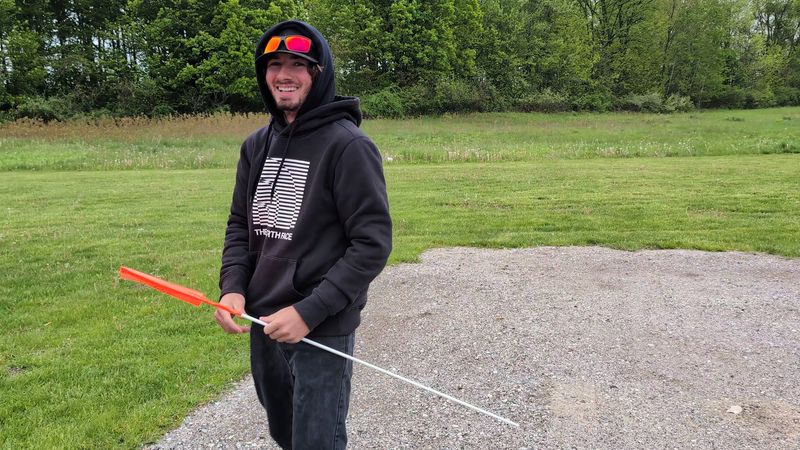
Every long trail is made better by having a reliable bike shop nearby, and the Hart-Montague trail has a good one. The Wood Shed Bike Shop sits right off the trail at N56th Street, making it easy to stop in if something needs adjusting, a tire needs air, or you want to pick up a spare tube before heading out on a longer stretch.
Finding a bike shop so conveniently located along a trail is not something you can take for granted, and regular users of this route have clearly come to appreciate having it there. Whether you are a seasoned cyclist who maintains your own equipment or someone who relies on a little professional help now and then, knowing the shop is there adds a layer of confidence to the ride.
Small details like this are what separate a good trail from a great one, and the presence of a well-placed local bike shop is exactly the kind of practical touch that keeps riders coming back season after season.
Wildlife, Wildflowers, and the Nature You Did Not Expect to See
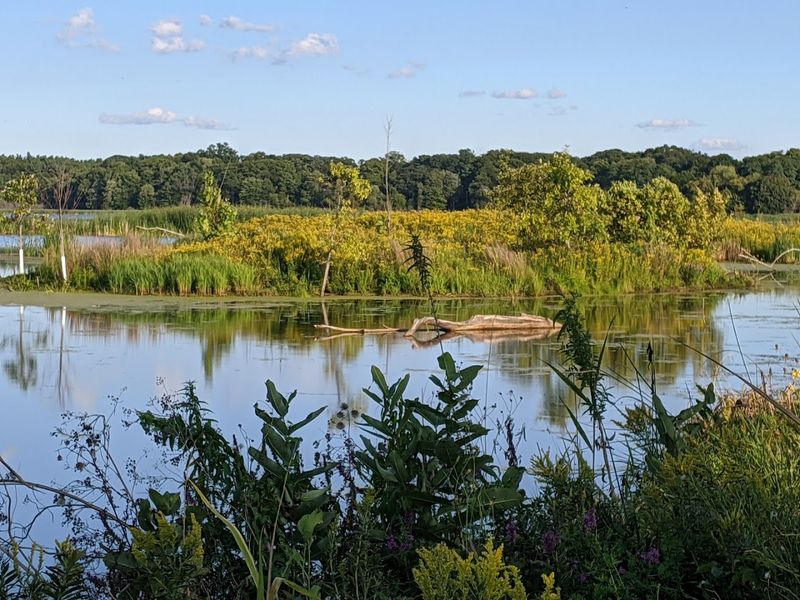
The forested sections of this trail are not just scenery backdrops. They are active habitats, and if you ride quietly and pay attention, you will notice things that make the experience feel genuinely special.
Baby animals appear along the trail in spring and early summer, and deer sightings near the tree line are common enough that regular riders stop being surprised by them.
Wildflowers push up along the trail edges through spring and summer, adding color to the green corridor in a way that feels effortless and natural. The creek overlooks and field pull-offs give you a front-row seat to landscapes that most people only see through a car window at 60 miles per hour.
Riding slowly enough to notice these details is one of the genuine pleasures of a flat, relaxed trail like this one. The nature here is not loud or dramatic, but it is persistent and rewarding for anyone willing to look up from their handlebars long enough to take it in.
Riding the Trail in Every Season: What Changes and What Stays Great
Most bike trails have a season, and outside of it they sit empty and forgotten. The Hart-Montague trail operates on a different schedule, attracting visitors year-round in ways that genuinely shift the character of the experience depending on when you show up.
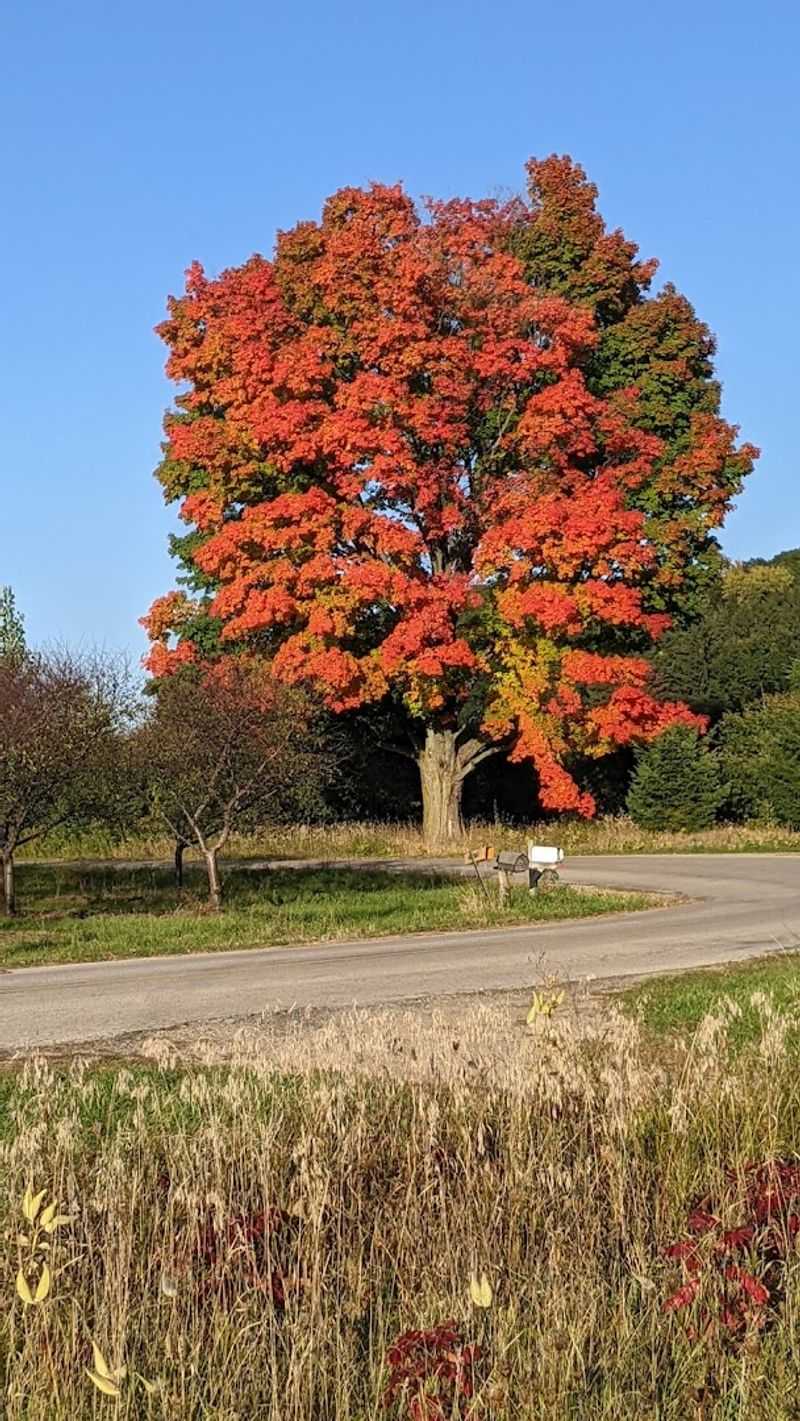
Summer brings cyclists, families, and rollerbladers, all sharing the smooth pavement under a full green canopy. Autumn is arguably the trail’s most photogenic season, when the tree cover turns gold, red, and orange and every mile feels like riding through a painting.
Winter transforms the trail into a quiet corridor for snowmobilers, cross-country skiers, and kicksledders, a crowd that finds the flat, straight path just as useful as the summer cyclists do. Spring brings the baby animals and wildflowers that make early-season rides feel fresh and full of small surprises.
No matter when you visit, the trail has something different to offer, which is a rare quality that keeps the experience from ever feeling stale.
Practical Tips for Planning Your Best Ride on This Trail
A little planning goes a long way on a 22-mile trail, especially if you want to hit the best stops without running out of energy before you reach them. Starting from the Hart trailhead is a solid choice because the parking is good and the restroom facilities are reliable, which matters more than you might think at the start of a long ride.
Bring water, more than you think you will need, because the trail does not have water fountains at every stop. A small snack or two is worth packing as well, even if you are planning to stop at Country Dairy or one of the towns along the route.
Road crossings require attention since some of the busier intersections are not always well-marked for drivers, so approach them carefully and make eye contact before crossing. The trail is open 24 hours, but morning rides on weekdays tend to be the quietest, which is perfect if you want the forest sections mostly to yourself and your thoughts.
Share this story