Some restaurants are more than just places to eat. They are landmarks, legends, and the kind of spots that make you rearrange your entire travel itinerary.
Across the United States, a handful of dining rooms have earned a reputation so powerful that food lovers plan road trips, book flights, and wait in lines stretching around the block just to get a table. Here are 13 American restaurants that belong on every serious food traveler’s list.
Katz’s Delicatessen, New York City, New York
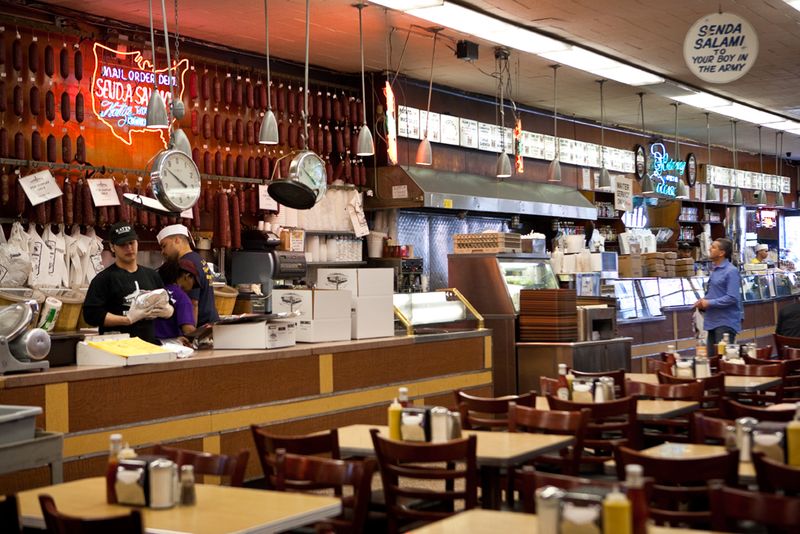
Since 1888, Katz’s Delicatessen has been stacking pastrami so high it practically needs its own zip code. Located on the Lower East Side of Manhattan, this place is the real deal.
The walls are covered in celebrity photos, and the ordering system involves a ticket that you absolutely must not lose.
I visited on a Tuesday morning thinking I’d beat the crowd. Wrong.
The line wrapped past the door before noon. But nobody was complaining, because the pastrami arrived warm, peppery, and shockingly generous.
The rye bread is fresh, the mustard is sharp, and the whole experience feels like stepping back in time. Regulars will tell you to skip the corned beef and go straight for the pastrami.
They are not wrong. One sandwich is technically shareable, but good luck convincing yourself to split it.
Commander’s Palace, New Orleans, Louisiana
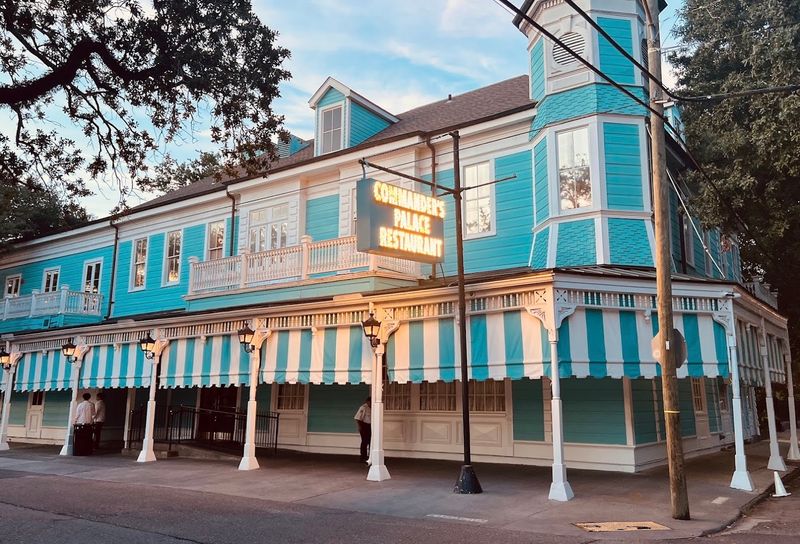
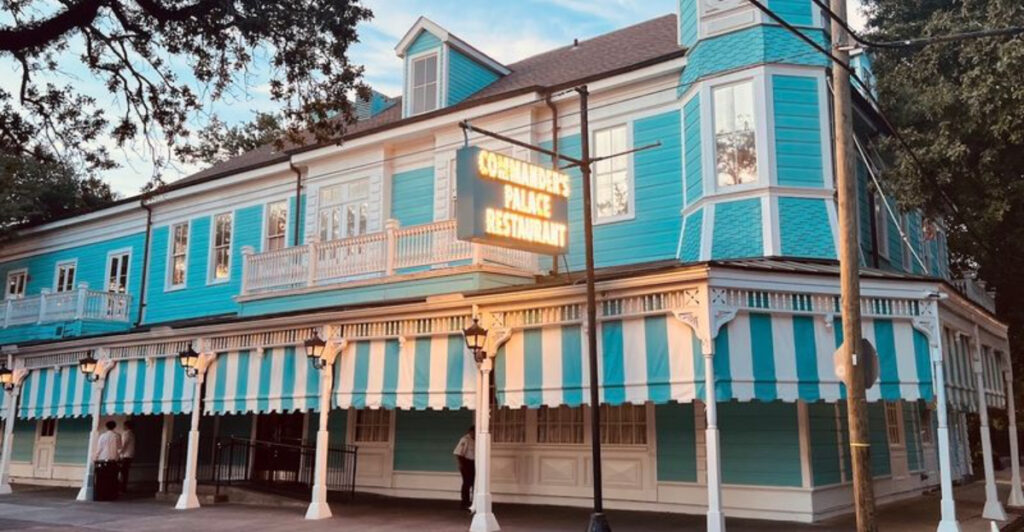
Commander’s Palace sits inside a turquoise Victorian mansion in the Garden District, which is already a strong opening move. This is the restaurant that launched the careers of chefs like Emeril Lagasse and Paul Prudhomme.
The culinary pedigree here is genuinely staggering.
The menu leans into Louisiana classics: turtle soup, Gulf fish, bread pudding souffl that arrives at the table puffed up and proud. Brunch is especially beloved, and the 25-cent martinis at lunch are a New Orleans tradition worth honoring.
The service is warm but polished, the kind that feels effortless even though you know it absolutely is not. Dressing up is encouraged, and the dining room rewards the effort.
Commander’s Palace is not just a meal. It is a full production, and the city of New Orleans would not have it any other way.
Book well in advance.
Joe’s Stone Crab, Miami Beach, Florida
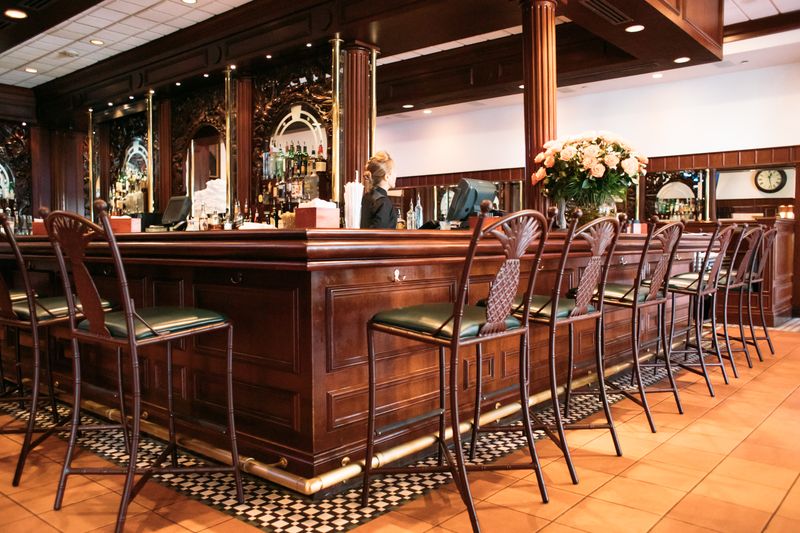
Joe’s Stone Crab has been cracking claws since 1913, which makes it older than sliced bread. Literally.
The restaurant is a Miami Beach institution, and during stone crab season, the wait for a table can stretch beyond two hours. People still show up anyway.
The stone crabs are served chilled with a mustard sauce that has become as famous as the crabs themselves. The claws are meaty, sweet, and cold in the best possible way.
The sides, like hash browns and creamed spinach, have their own devoted fan clubs.
Joe’s is only open during stone crab season, which runs from October through May. Off-season, you can order online, but nothing beats eating there in person.
The dining room buzzes with energy, the staff moves fast, and the whole place feels like a celebration. First-timers should order the large claws and skip any hesitation.
Franklin Barbecue, Austin, Texas
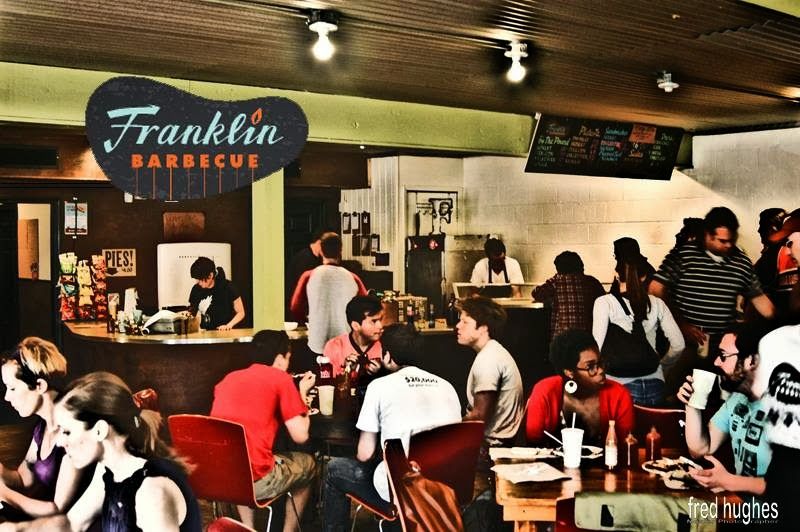
Franklin Barbecue is proof that people will wake up before sunrise for the right piece of meat. The line forms hours before the doors open at 11 a.m., and the brisket sells out almost every single day.
Aaron Franklin has turned a backyard hobby into a national obsession.
The brisket is the star, full stop. It comes sliced thick on butcher paper, with a bark so perfectly seasoned it looks like it was carved from a dream.
The fatty end is the move, and any local will confirm this immediately.
Sides like pinto beans and coleslaw are solid, but nobody is really here for the coleslaw. Bringing lawn chairs and snacks for the wait is standard practice.
The wait is part of the experience, and honestly, it builds anticipation in a way that makes the first bite hit even harder. Plan your Austin trip around this one.
The French Laundry, Yountville, California
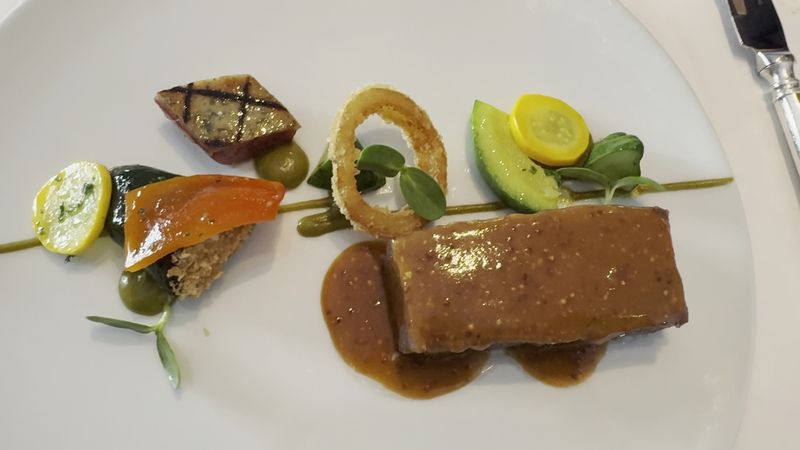
Thomas Keller opened The French Laundry in 1994, and it has been redefining American fine dining ever since. Getting a reservation requires patience, persistence, and probably a lucky star or two.
The restaurant operates out of a charming stone building in Napa Valley surrounded by its own kitchen garden.
The tasting menu changes constantly and runs through nine or more courses of meticulously crafted food. Each dish is small, precise, and genuinely memorable.
The famous salmon cornet, a tiny cone topped with creme fraiche and salmon tartare, is served as an opener and immediately signals that this meal is going to be different.
Yes, it is expensive. Very.
But travelers who make the trip almost universally describe it as worth every penny. The wine list is extraordinary, the service is flawless, and the whole experience carries a quiet sense of occasion.
This is the kind of dinner you talk about for years.
Chez Panisse, Berkeley, California
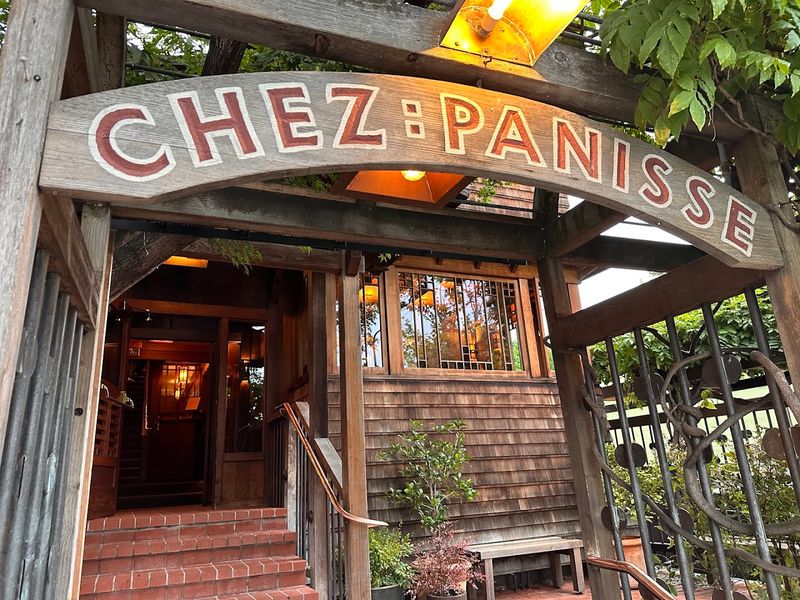
Alice Waters opened Chez Panisse in 1971 with one radical idea: cook with the best local, seasonal ingredients and get out of the way. That philosophy launched an entire movement that reshaped how America thinks about food.
Not bad for a restaurant in Berkeley.
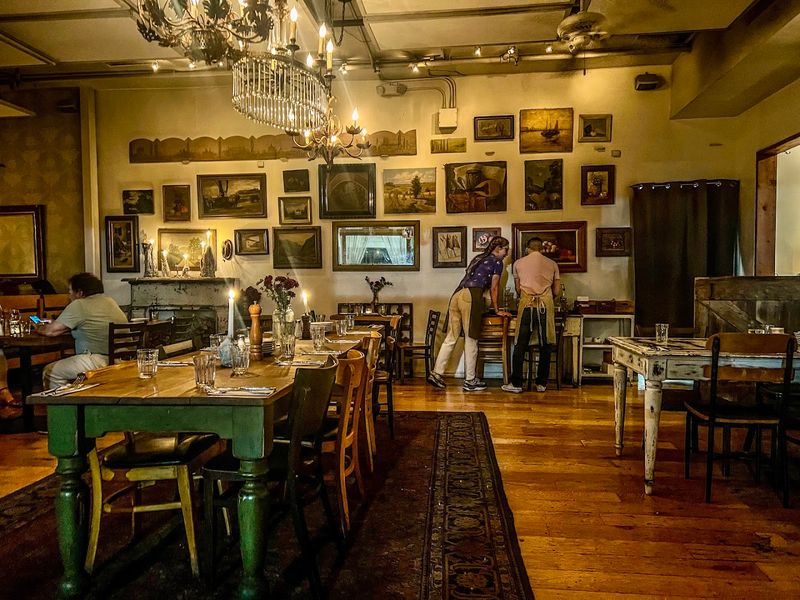
The downstairs dining room offers a single fixed-price menu that changes every night based on what is fresh and available. Upstairs, the cafe offers a la carte options with slightly more flexibility.
Either way, the food is quiet, confident, and rooted in the seasons.
The menu might list something as simple as roasted chicken with herbs from the garden, and it will be the best roasted chicken you have eaten. That is the Chez Panisse trick.
The simplicity is deceptive. Everything here is sourced with obsessive care, and the cooking honors those ingredients without overcomplicating them.
Reserve the downstairs room for the full experience.
Pizzeria Bianco, Phoenix, Arizona
Chris Bianco started making pizza in a grocery store backroom in Phoenix in the late 1980s. Today, Pizzeria Bianco is considered by many food writers to be among the finest pizza in the entire country.
That grocery store is long gone, but the legend is very much alive.
The pizzas are wood-fired, thin-crusted, and topped with ingredients Bianco sources with the same intensity Alice Waters brings to Chez Panisse. The Wiseguy, topped with roasted onion, smoked mozzarella, and fennel sausage, has its own devoted following.
The Rosa, with Parmesan, red onion, rosemary, and pistachios, sounds odd and tastes extraordinary.
Waits used to be legendary and brutal. Multiple locations have since opened, making access easier.
Still, the original Heritage Square location carries a special energy. Bianco himself is often spotted in the kitchen, which tells you everything about how seriously this place takes its craft.
Order one of everything.
Bern’s Steak House, Tampa, Florida
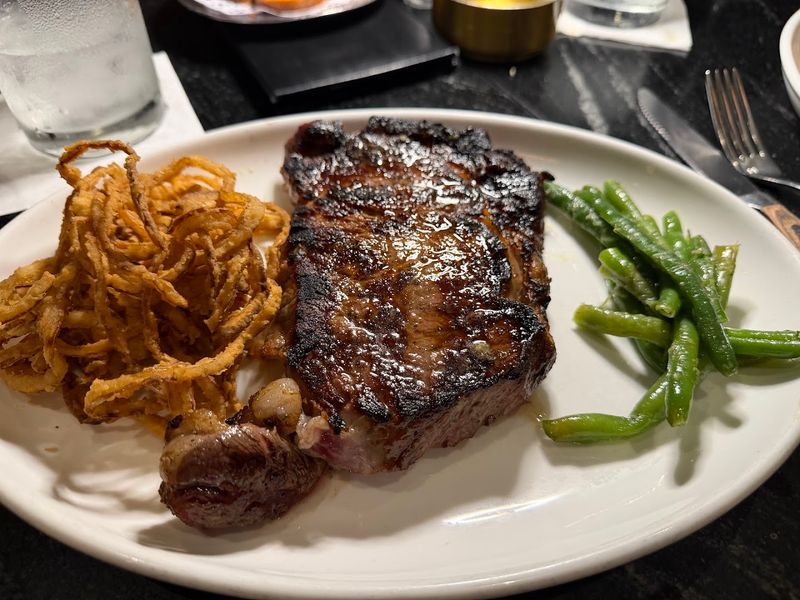
Bern’s Steak House in Tampa is the kind of place where the wine list has its own table of contents. The cellar holds nearly half a million bottles, which is not a typo.
Bern Laxer opened the restaurant in 1956 with a vision so specific and so unyielding that it became its own category of American dining.
The steaks are aged in-house, cut to order by thickness, and cooked to precise temperatures. The menu is detailed and educational, walking guests through every cut and cooking method.
Reading it feels like studying for a very delicious exam.
After dinner, guests are escorted upstairs to the Harry Waugh Dessert Room, where individual booths are built inside old wine casks. Desserts are elaborate, the after-dinner drinks list is staggering, and nobody leaves quickly.
Bern’s is not just a steakhouse. It is an event.
Reserve early and arrive hungry.
Canlis, Seattle, Washington
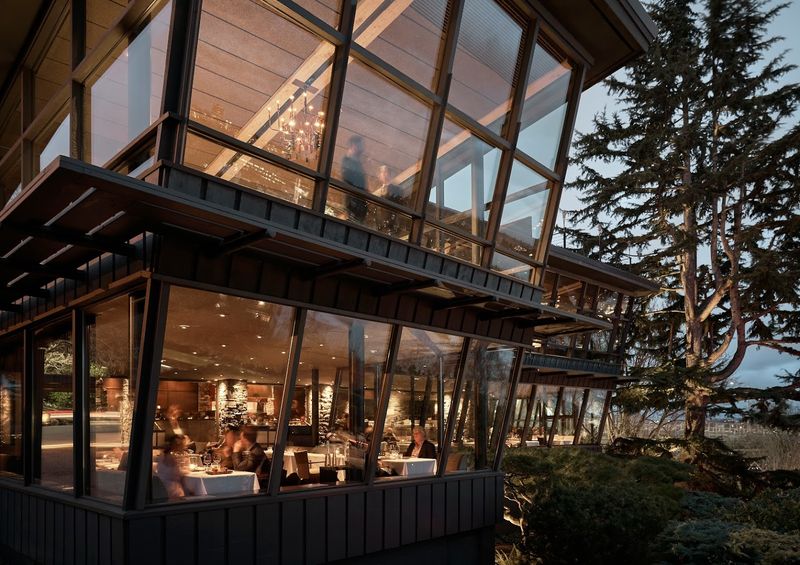
Canlis has been perched above Lake Union since 1950, and three generations of the Canlis family have kept it among Seattle’s most beloved restaurants. The building itself is a mid-century modern gem, all glass and angles, designed to frame the view like a painting.
The menu leans into Pacific Northwest ingredients: Dungeness crab, local halibut, prime beef, and vegetables that seem to be on first-name terms with the kitchen. The cooking is refined without being fussy, which is harder to pull off than it sounds.
What sets Canlis apart from other fine-dining institutions is the warmth. The service is attentive and personal, not stiff.
Guests consistently describe feeling genuinely welcomed rather than evaluated. The cocktail program is excellent, and the wine list focuses thoughtfully on Pacific Northwest producers alongside global selections.
Going for a special occasion here does not feel like a cliche. It feels entirely earned.
Union Oyster House, Boston, Massachusetts
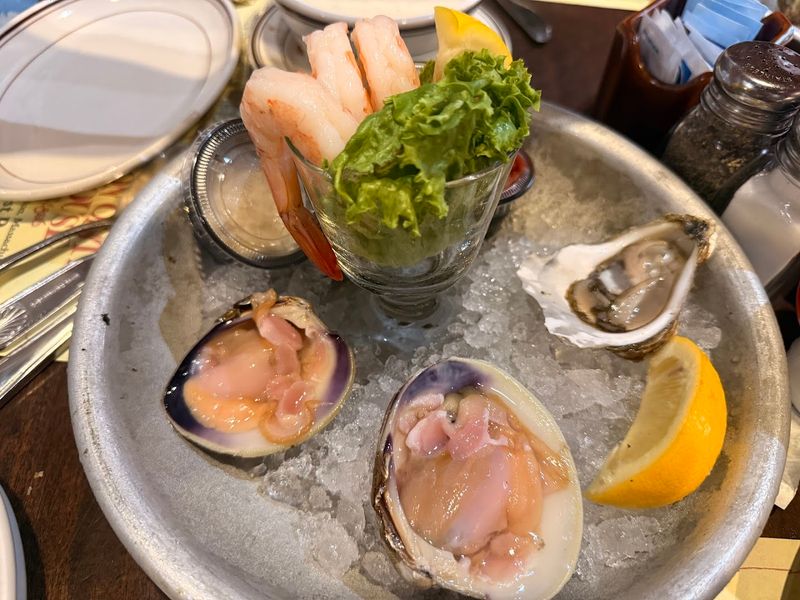
Union Oyster House has been open since 1826, making it the oldest restaurant in continuous service in the United States. That is not a marketing claim.
That is a historical fact certified by the government. Daniel Webster used to eat here regularly, which means this restaurant predates most of the country’s infrastructure.
The semicircular oyster bar near the entrance is the best seat in the house. Oyster shuckers work steadily while diners eat directly from the bar, a setup that has not changed much in two centuries.
The chowder is thick, the oysters are fresh, and the whole room smells like the sea.
Located steps from the Freedom Trail, Union Oyster House attracts tourists and locals in equal measure. It would be easy to dismiss it as a novelty, but the food holds its own.
The lobster bisque alone justifies the visit. Order the oysters first, then figure out the rest.
Arthur Bryant’s Barbeque, Kansas City, Missouri
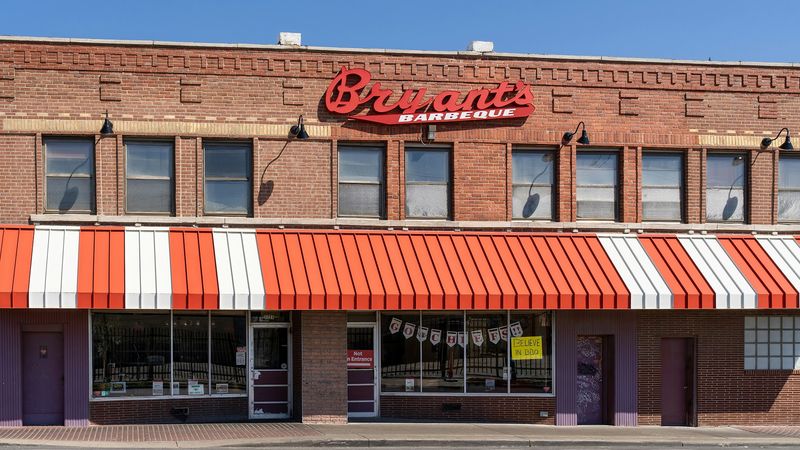
Calvin Trillin once called Arthur Bryant’s the single greatest restaurant in the world. That quote has been hanging on the wall for decades, and the restaurant has done absolutely nothing to dial back the confidence.
Why would it?
The burnt ends here are the stuff of Kansas City legend. Crispy, saucy, smoky, and served without ceremony on a tray, they represent everything great about Midwestern barbecue.
The sauce is thick and slightly sweet with a vinegary kick that is entirely its own thing.
Arthur Bryant’s opened in 1930 and has fed presidents, athletes, and generations of Kansas City families. The dining room is no-frills by design.
Plastic trays, paper napkins, and long communal tables. The food does not need a fancy backdrop.
First-timers should order the beef sandwich with extra sauce and burnt ends on the side. Locals will nod approvingly.
That is all the validation anyone needs.
Musso & Frank Grill, Hollywood, California
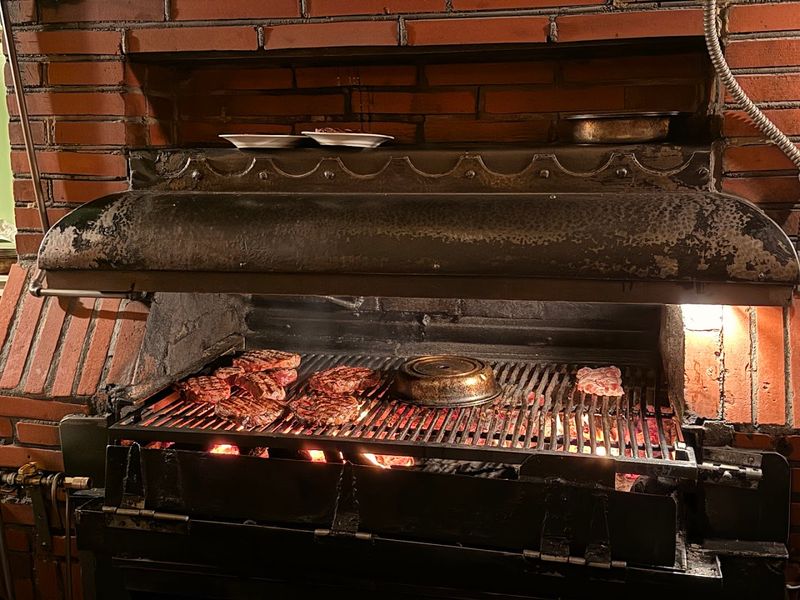
Musso and Frank Grill opened on Hollywood Boulevard in 1919, and it has been serving martinis and flannel cakes ever since. Raymond Chandler wrote here.
Charles Bukowski drank here. The waiters have been working here so long they probably remember both of them personally.
The menu reads like a time capsule: Welsh rarebit, beef stroganoff, sand dabs, and steaks cooked simply and correctly. Nothing is trendy.
Everything is intentional. The kitchen is not chasing the latest food moment, and that is precisely the point.
The red leather booths and wood-paneled walls create a mood that no modern restaurant can replicate without it feeling forced. This atmosphere is genuine because it was never designed to be retro.
It just stayed. The martinis are cold, strong, and poured tableside.
Order the flannel cakes for breakfast if you can catch them. Hollywood history has never tasted this good.
Alinea, Chicago, Illinois
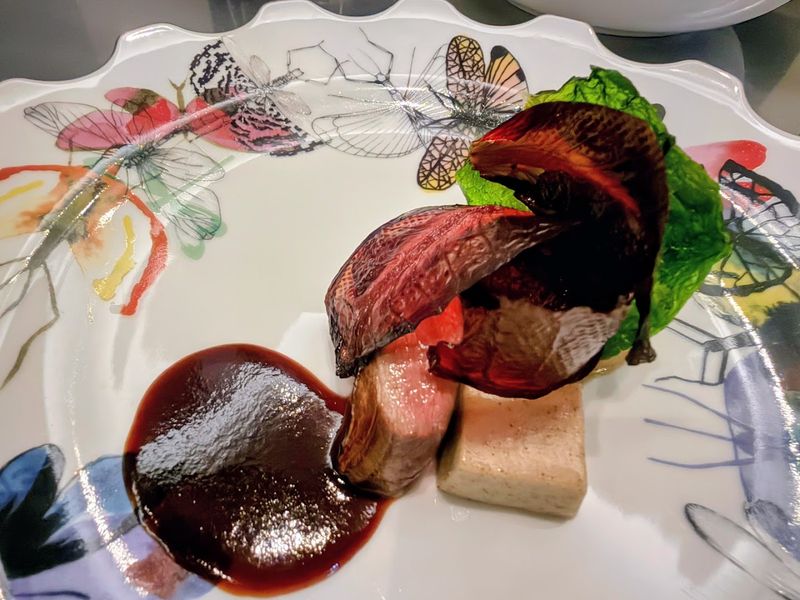
Alinea does not serve dinner. It stages an experience, and the distinction matters.
Chef Grant Achatz opened the restaurant in 2005, and it has held three Michelin stars for years. The tasting menu runs between 15 and 20 courses, and some of those courses are served directly on the table.
One course might arrive as a helium balloon made of green apple taffy. Another could be a tableside dessert painted across parchment paper by the chef.
The food is technically brilliant and visually stunning, but it also tastes extraordinary, which is not always guaranteed in modernist cooking.
Reservations are purchased in advance like concert tickets, which means the price is locked in before you arrive. That system eliminates the check anxiety at the end.
The experience is theatrical, surprising, and genuinely unlike anything else in American dining. Food travelers who chase the unusual put Alinea at the top of the list for good reason.
It earns every bit of the reputation.
Share this story