Some beaches around the world have water so clear it looks like glass. The secret behind that stunning clarity comes down to low pollution, calm conditions, and natural protection from reefs or lagoons.
These factors let sunlight reach deep below the surface, revealing fish, coral, and sandy seabeds from above the water. Get ready to discover 13 of the most breathtakingly clear beaches on the planet.
Anse Source d’Argent, Seychelles
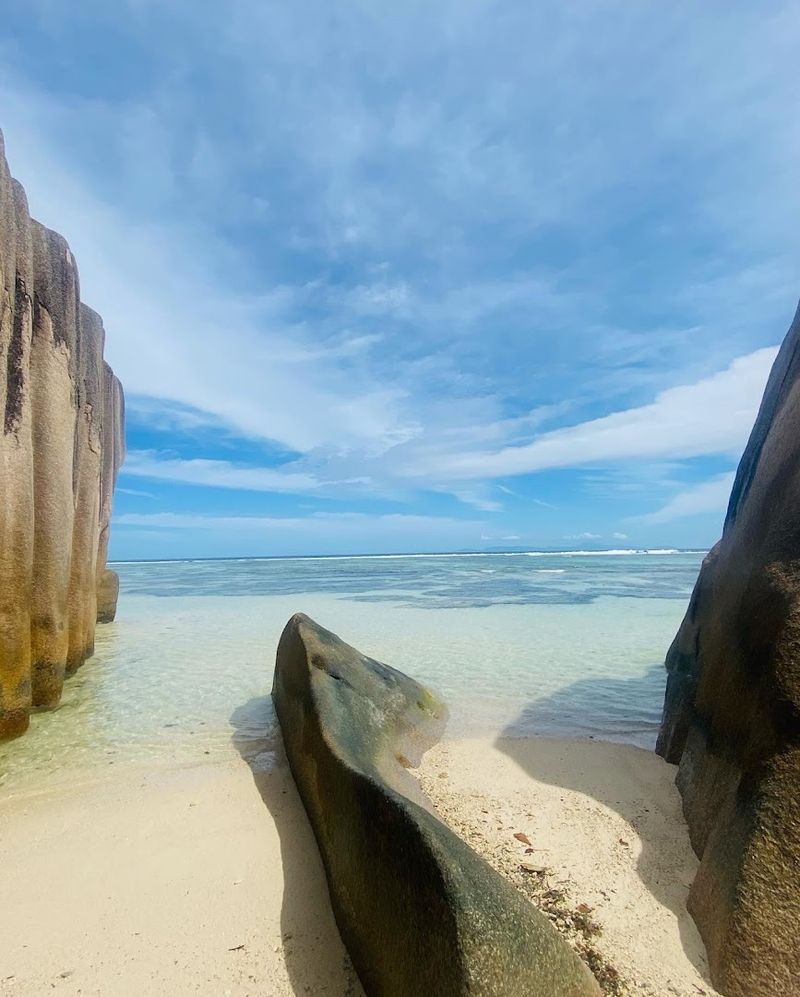
Photographers have been chasing this beach for decades, and honestly, who can blame them? Anse Source d’Argent on La Digue Island is routinely called one of the most beautiful beaches on Earth, and one look at the water tells you exactly why.
The pale turquoise lagoon is so calm and shallow that it barely ripples.
Massive pink granite boulders frame the shoreline, acting as natural windbreakers that keep the water almost completely still. That stillness is what creates the lagoon-like conditions responsible for the extraordinary visibility.
You can see every grain of sand beneath your feet without even putting your face in the water.
The beach sits inside a nature reserve, which means development is tightly controlled and the environment stays pristine. Visiting early in the morning gives you the best light and fewer crowds.
The water temperature hovers around a comfortable 27 degrees Celsius year-round, making it an effortless swim at any time. This is the kind of place that makes you question why you ever vacation anywhere else.
Exuma Beaches, Bahamas
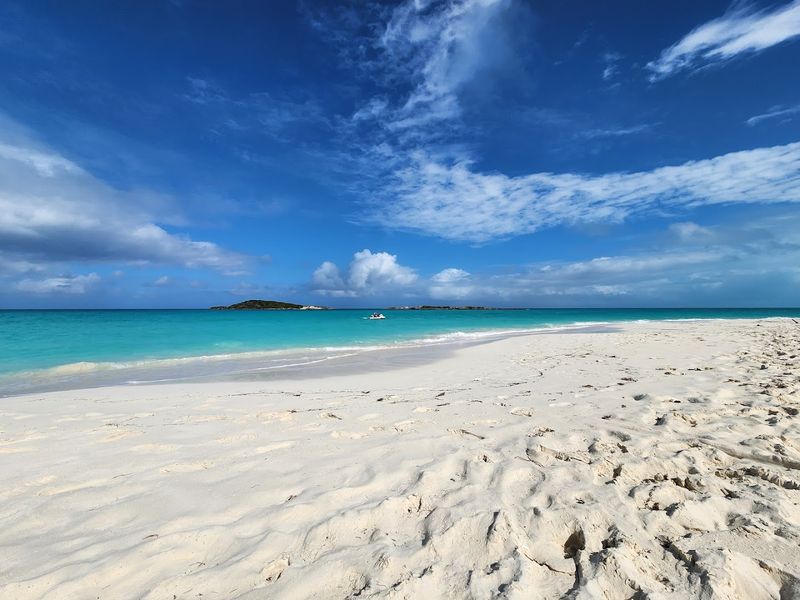
Thirty meters of underwater visibility sounds like something out of a scuba diving brochure, but at the Exuma Cays, it is simply Tuesday. The water here runs such a vivid shade of electric blue that satellite images of the Bahamas are practically used as screensavers worldwide.
Nature really did go all out with this one.
Shallow sandbanks spread across the archipelago like a natural filter system, keeping sediment low and clarity sky-high. The islands themselves are sparsely populated, which means pollution stays minimal and the ocean stays spectacularly clean.
Swimming here feels more like floating inside a giant blue gemstone than an actual ocean.
The Exumas are also famous for the swimming pigs of Big Major Cay, which adds a wonderfully bizarre bonus to an already extraordinary destination. Snorkeling reveals vibrant coral gardens and sea turtles drifting effortlessly past.
Boat tours are the most popular way to explore, letting you hop between sandbars and hidden coves throughout the day. Pack a waterproof camera because no one will believe you without proof.
Navagio Beach (Shipwreck Beach), Greece
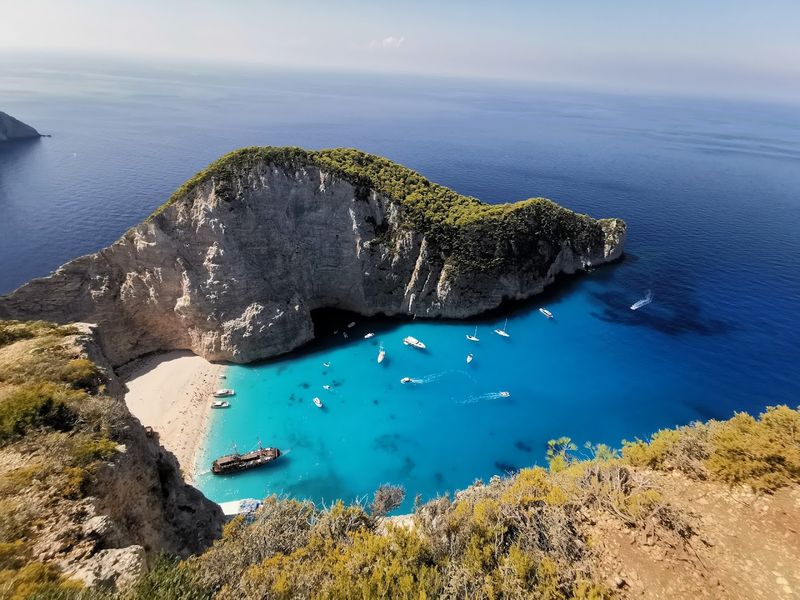
There is a rusting shipwreck sitting on the sand here, and somehow that only makes the beach more dramatic. Navagio Beach on the Greek island of Zakynthos is accessible only by boat, which is probably the best natural crowd filter ever invented.
The moment your boat rounds the cliffs and the cove comes into view, your jaw drops on instinct.
The water is an almost unbelievable shade of electric cobalt blue, made even more intense by the bright white limestone cliffs towering on all sides. The limestone seabed scatters light in a way that gives the water its trademark glow, while the enclosed cove keeps conditions calm and sediment-free.
Visibility here regularly reaches depths that make snorkelers feel like they are flying above the ocean floor.
The shipwreck itself belonged to a smuggler vessel called the MV Panagiotis, which ran aground in 1983 during a storm. That backstory adds a layer of intrigue that most beaches simply cannot match.
Morning visits are strongly recommended before the tour boats arrive and the cove fills with swimmers. The cliffs above also offer a jaw-dropping viewpoint for those who prefer to admire from a height.
Lanikai Beach, Hawaii, USA
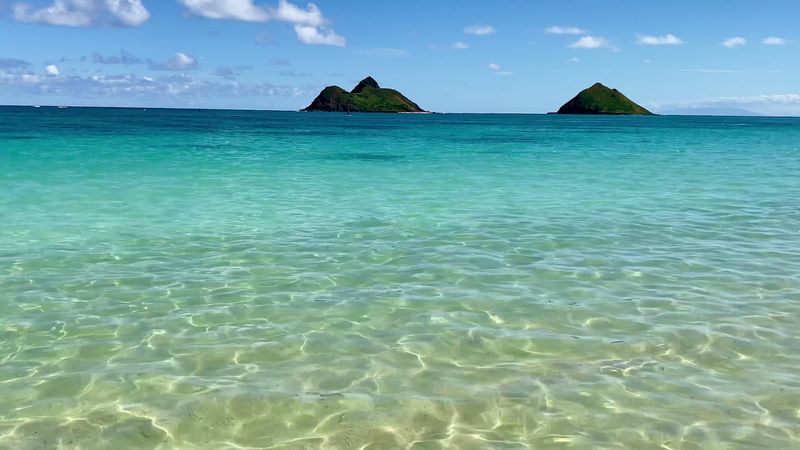
Locals in Oahu will tell you that Lanikai Beach is their best-kept secret, even though the rest of the world has already found it. The name translates to heavenly sea in Hawaiian, and the water absolutely lives up to that billing.
It sits on the windward coast of Oahu, tucked away in a quiet residential neighborhood that gives it a relaxed, unhurried feel.
Offshore reefs act as a natural shield, blocking strong currents and keeping the water calm, shallow, and spectacularly clear. The sandy bottom is smooth and pale, which reflects sunlight upward and gives the water that signature bright turquoise tone.
Snorkelers regularly spot sea turtles, tropical fish, and colorful coral just a short paddle from shore.
Unlike some Hawaiian beaches that attract massive tourist crowds, Lanikai has no commercial facilities right on the sand, which helps preserve its peaceful atmosphere. Parking is limited by design, keeping visitor numbers manageable.
The two small islands just offshore, called the Mokulua Islands, make for a gorgeous kayaking destination on calm days. Sunrise here is particularly spectacular, with the islands catching the first golden light of the morning in a way that feels almost theatrical.
Matira Beach, Bora Bora
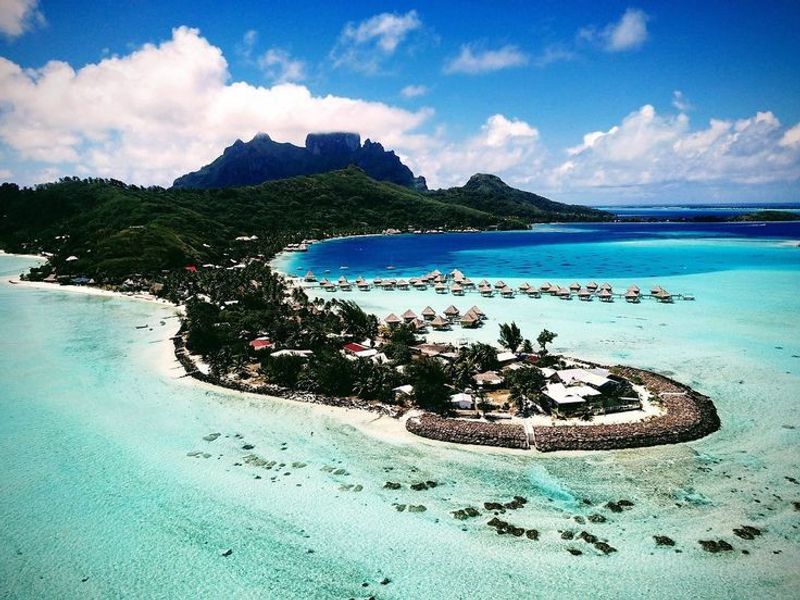
Bora Bora has a reputation for being impossibly beautiful, and Matira Beach is the main reason why. It is the only public beach on the island, which means you get one of the world’s most famous lagoons without paying luxury resort prices to access it.
The water is so clear that standing knee-deep feels like standing in air.
The surrounding coral reef acts as a full-time sediment filter and wave buffer, keeping the lagoon almost mirror-smooth throughout the year. That natural barrier is what creates near-perfect visibility in all seasons, not just during calm weather.
The reef also supports a thriving underwater ecosystem that snorkelers absolutely love exploring.
Mount Otemanu rises dramatically in the background, giving Matira Beach that iconic Bora Bora postcard look that never gets old. The water temperature stays warm year-round, hovering between 26 and 29 degrees Celsius depending on the season.
Sunsets here are famously vivid, painting the lagoon in shades of orange, pink, and gold that reflect perfectly off the glassy surface. Arriving late afternoon means you catch both the best swimming conditions and one of the most memorable sunsets in the South Pacific.
Aitutaki Lagoon, Cook Islands
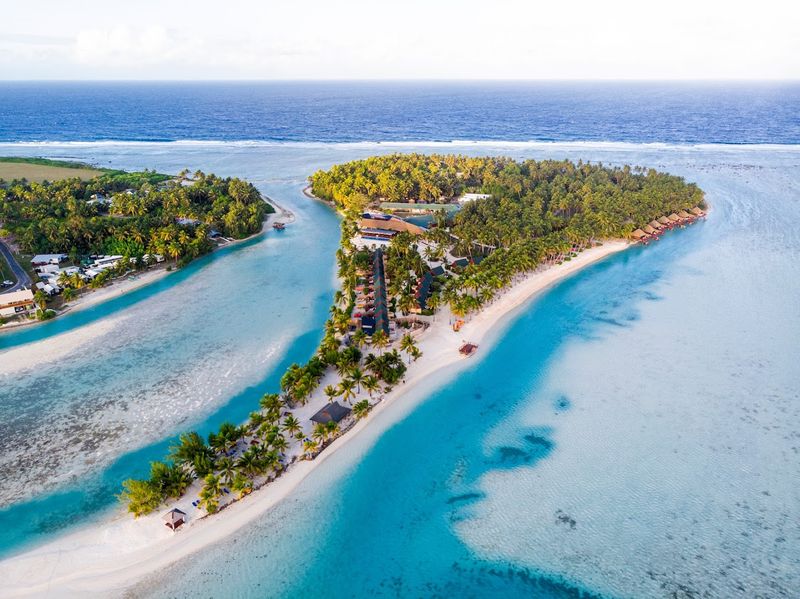
Scientists once measured the clarity of Aitutaki Lagoon and reportedly struggled to find where the water ended and the air began. That might be a slight exaggeration, but anyone who has visited the Cook Islands will tell you it feels completely accurate.
Aitutaki is a triangular atoll with a lagoon so large and so clear it looks like a swimming pool the size of a small country.
The shallow depth of the lagoon, rarely exceeding five meters in most areas, means sunlight floods every corner of it. Combined with the coral reef barrier that keeps ocean swells and sediment out, the result is water with near-perfect transparency year-round.
Manta rays, reef sharks, and giant clams are regular residents that visitors can spot with ease from above the surface.
One-day lagoon cruises are the most popular way to experience Aitutaki, stopping at several tiny coral motus scattered around the lagoon. The remoteness of the Cook Islands means visitor numbers stay low compared to other Pacific destinations, which helps maintain the lagoon’s pristine condition.
Snorkeling gear is essential, not optional, because the underwater world here is genuinely too good to miss. Pack reef-safe sunscreen to help protect the coral that makes all this possible.
Trunk Bay, U.S. Virgin Islands
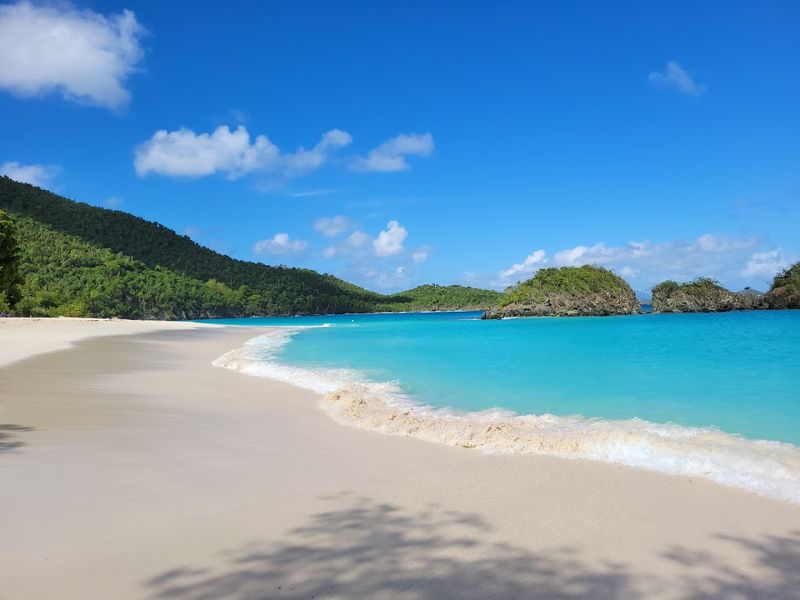
National Geographic once named Trunk Bay one of the world’s best beaches, and the underwater snorkeling trail here is a big reason why. Located on St. John island inside the Virgin Islands National Park, this beach benefits from serious environmental protection that keeps the water in outstanding condition.
The park status alone has done wonders for the clarity and health of the reef.
The underwater trail is marked with identification plaques that label different coral and marine species as you swim along. It is essentially a guided museum tour, except the museum is alive, colorful, and occasionally stares back at you.
Visibility along the trail regularly exceeds 20 meters on a calm day.
The beach itself is a sweeping crescent of bright white sand backed by dense tropical hillside, creating a scene that looks almost digitally enhanced in photographs. Sea turtles are frequent visitors to the bay, often spotted feeding on sea grass in the shallow areas near the shoreline.
The park charges a small entrance fee, which goes directly toward maintaining and protecting the marine environment. Arriving before 10 in the morning is strongly advised because the parking lot fills up fast and the snorkeling conditions are best before afternoon winds pick up.
Malcapuya Island Beach, Philippines
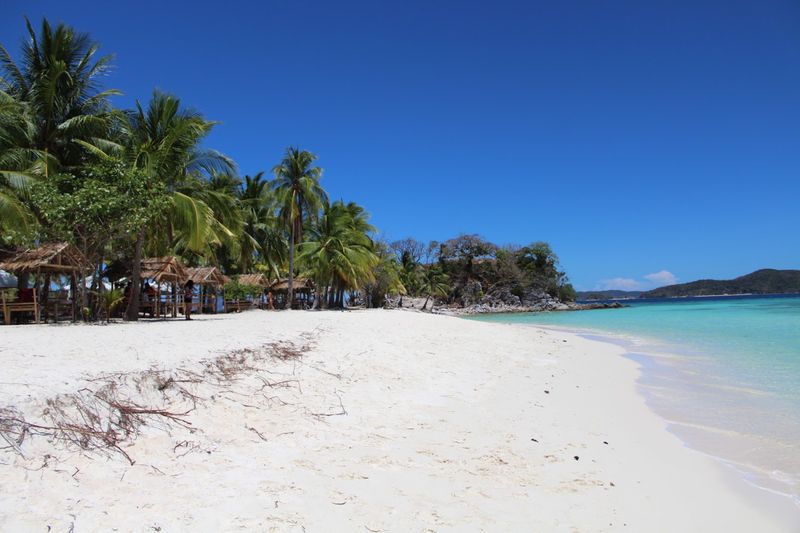
Most travelers to the Philippines head straight to Palawan or Boracay, which means Malcapuya Island in Coron stays blissfully under the radar. That relative obscurity is the beach’s greatest asset.
Fewer visitors mean less pollution, less disturbance to the reef, and water that stays remarkably clear even during busier travel seasons.
The sand here is the kind of powdery white that squeaks under your feet, and the water transitions from pale mint green at the shoreline to deep cobalt blue further out. That gradient effect is only possible when the water is clean enough to let light scatter naturally through different depths.
Snorkeling just meters from shore reveals healthy coral gardens packed with colorful reef fish.
Getting to Malcapuya requires a boat ride from Coron town, which takes roughly 90 minutes depending on sea conditions. That journey filters out casual day-trippers and keeps the island crowd-light even on weekends.
The lack of permanent facilities on the island means visitors need to bring food and water, which adds to the sense of proper adventure. Camping overnight is possible and genuinely magical, especially when the stars come out over water this clear.
It feels like sleeping next to a mirror.
Porto Katsiki, Greece
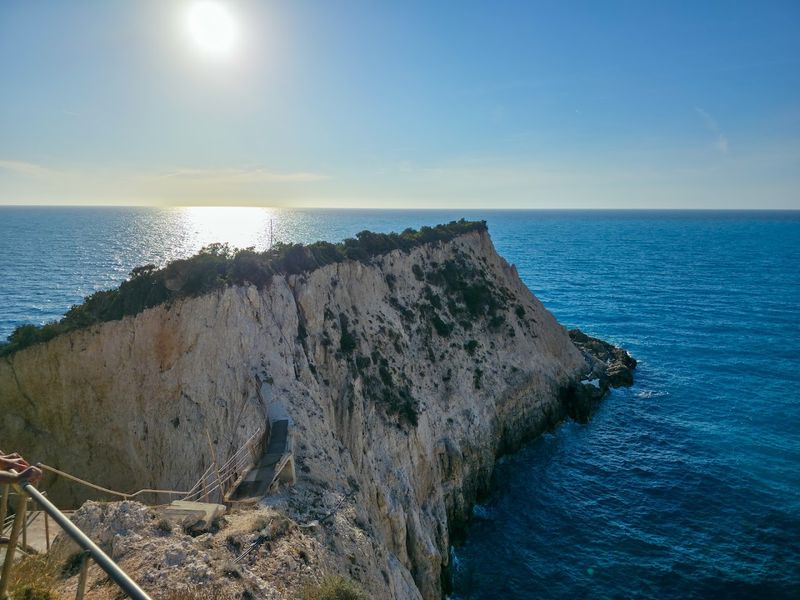
Getting to Porto Katsiki involves descending a steep concrete staircase bolted into a cliff face, and every single step is absolutely worth it. Located on the southwestern tip of Lefkada island, this beach is regularly voted one of the most beautiful in all of Greece, which is a seriously competitive category.
The water color here is a deep, almost electric blue that looks artificially saturated in photos but is entirely real.
Towering white limestone cliffs wrap around the cove on three sides, creating a natural shelter that keeps the water calm and protected from the open Ionian Sea. The limestone also reflects intense sunlight back into the water, enhancing its already striking color and contributing to the exceptional visibility below the surface.
There is very little development nearby, which means pollution levels stay extremely low.
The pebble beach is small and gets busy during peak summer months, so arriving early is genuinely important if you want space to spread out. A small beach bar operates during summer, offering cold drinks and snacks at the top of the stairs.
The boat approach from Nidri or Vassiliki offers a dramatic view of the cliffs that is worth experiencing even if you plan to arrive by road. Porto Katsiki rewards the effort every single time.
Pink Beach, Komodo Island, Indonesia
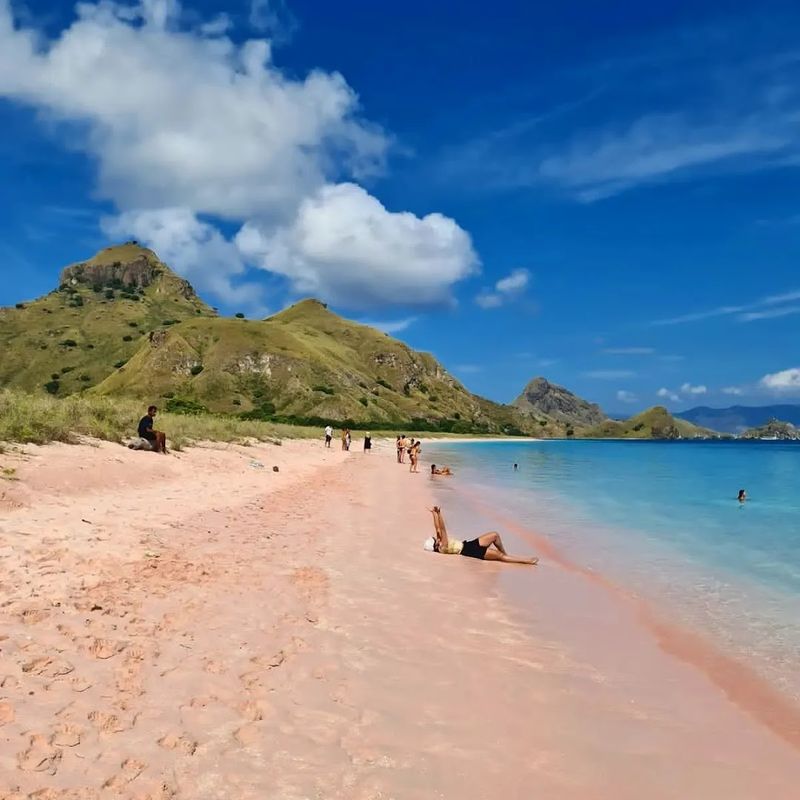
Only around 21 pink sand beaches exist in the entire world, which already makes this place extraordinary before you even look at the water. Pink Beach on Komodo Island gets its rosy hue from crushed red coral fragments mixing with white sand, creating a pastel shoreline that seems too whimsical to be real.
Then you notice the water, and the beach becomes even more impressive.
The coral-rich reef surrounding the beach creates a natural filtration system that keeps the water exceptionally clear and sediment-free. Visibility underwater regularly exceeds 15 meters, revealing a reef ecosystem that marine biologists consider one of the healthiest in Southeast Asia.
Manta rays, sea turtles, and reef sharks are common sightings just a short swim from shore.
Komodo Island sits inside Komodo National Park, a UNESCO World Heritage Site, which means the entire area benefits from strict environmental protection. The park is also home to Komodo dragons, the world’s largest living lizards, adding a genuinely thrilling wildlife dimension to the visit.
Snorkeling and freediving are the most popular activities at Pink Beach, and the conditions here are ideal for both. The combination of pink sand, crystal water, and prehistoric reptiles roaming nearby makes this one of the most uniquely memorable beach experiences on the planet.
Cala Macarelleta, Spain
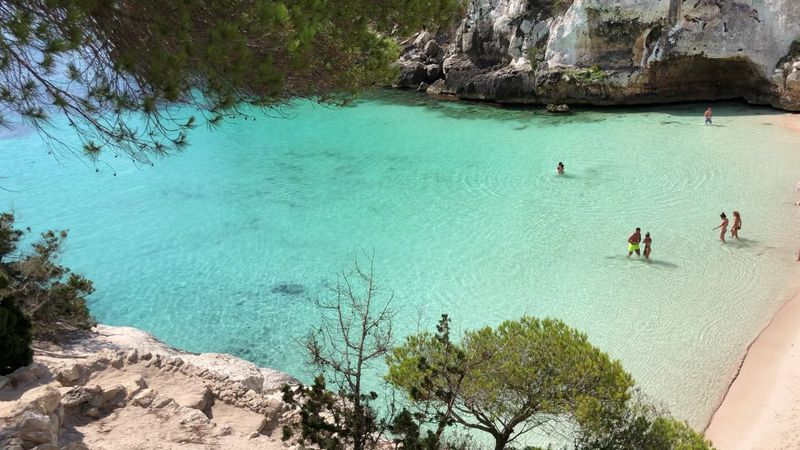
Menorca is the quieter, less flashy sibling of Ibiza and Mallorca, and Cala Macarelleta is exactly the kind of reward you get for choosing it. This tiny cove on the island’s southern coast is barely 100 meters wide, framed by white limestone cliffs and fragrant pine trees that tumble right down to the water’s edge.
The whole scene looks like it was designed by someone who really loved beaches.
The water here is a vivid turquoise that transitions to deep emerald further from shore, and the clarity is remarkable even by Mediterranean standards. Natural shelter from surrounding cliffs keeps wave action minimal, which prevents sediment from being stirred up and maintains outstanding visibility year-round.
The sandy seafloor is pale and smooth, adding to the bright, luminous quality of the water color.
Cala Macarelleta is accessible only on foot or by boat, which limits visitor numbers and helps preserve the pristine conditions. The short hiking trail from the adjacent Cala Macarella takes about five minutes and winds through shaded pine forest.
Topless sunbathing is common here, reflecting the relaxed local beach culture. Snorkeling is excellent along the rocky edges of the cove where sea urchins, octopus, and colorful wrasse are regular residents.
Pack your own food and water because facilities here are deliberately minimal.
Boulders Beach, South Africa
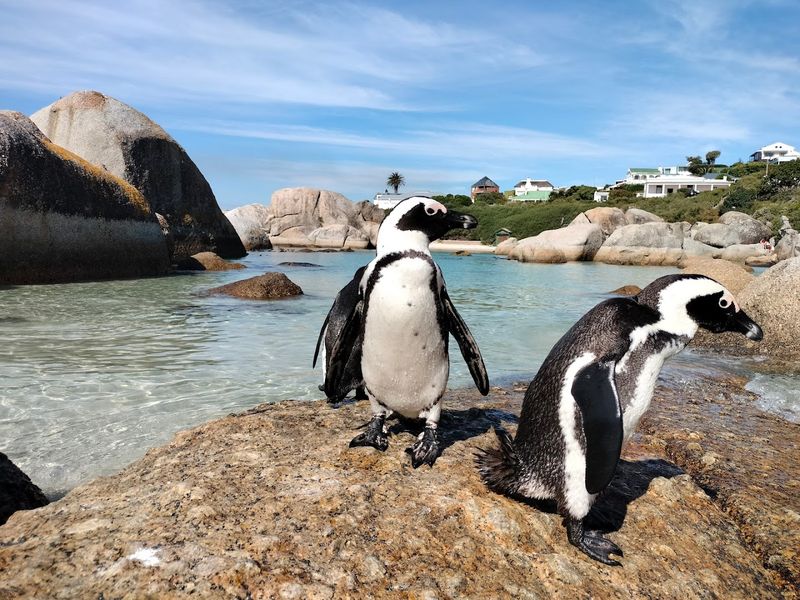
Most beaches on this list compete purely on water clarity and scenery, but Boulders Beach brings something extra to the table: penguins. African penguins have colonized this sheltered cove near Simon’s Town, and they waddle around the beach with an attitude that suggests they own the place, which is fair enough because they were here first.
The combination of clear water and comical wildlife makes this one of the most entertaining beach visits in the world.
Massive granite boulders, some millions of years old, divide the shoreline into a series of small protected pools. Those boulders block swells from the open Atlantic Ocean, creating calm, clear water that is genuinely safe for swimming year-round.
The sheltered conditions also prevent sediment disturbance, which keeps visibility impressively high for a beach this far south.
The water temperature is cooler than tropical destinations, sitting around 16 to 20 degrees Celsius depending on the season, so a wetsuit is advisable for longer swims. The penguins are protected by law and boardwalks are in place to let visitors observe them without disturbing their nesting areas.
Entry to the penguin colony section is managed by South African National Parks, with a small fee that goes toward conservation. Visiting in the morning offers the best light for photography and the most active penguin behavior.
Entalula Island, Philippines
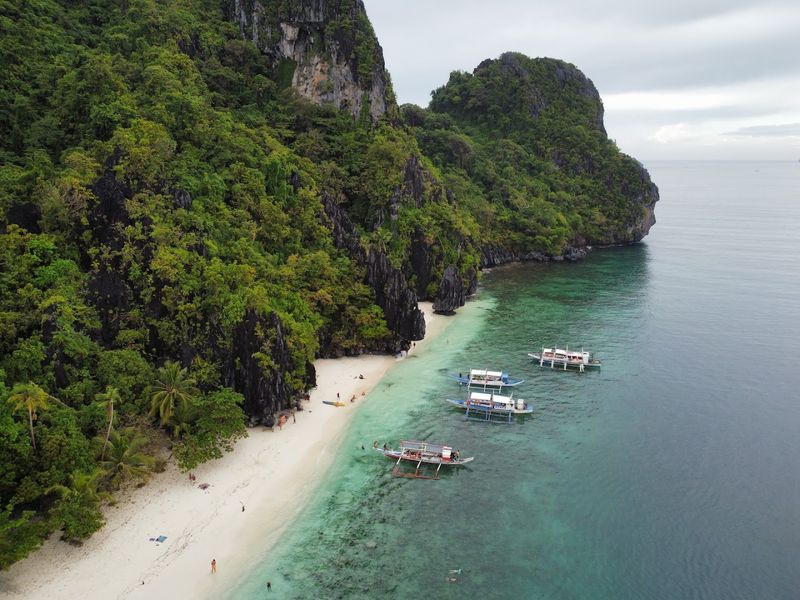
Palawan has so many stunning islands that even locals sometimes lose track of them, and Entalula is exactly the kind of hidden gem that falls through the cracks of mainstream tourism guides. Located in the Bacuit Archipelago near El Nido, this remote island sees a fraction of the visitors that nearby spots attract.
That limited foot traffic is the single biggest reason the water here stays so outrageously clear.
The beach wraps around a shallow lagoon where the water is so transparent you can count individual grains of sand from a standing position. Dense jungle vegetation covers the island’s interior, reaching right down to the shoreline and creating a lush green frame around the pale turquoise water.
Coral gardens just offshore host an impressive variety of marine life, including parrotfish, clownfish, and the occasional reef shark drifting casually past.
Access requires a boat charter from El Nido, which takes around 45 minutes depending on sea conditions. Most visitors come as part of organized island-hopping tours, which include several stops across the archipelago in a single day.
Arriving with an island-hopping group is actually ideal because tour operators are required to follow environmental guidelines that protect the reef. Entalula is proof that the Philippines still has places that feel genuinely untouched, even in an era when everywhere seems to have been discovered already.
Share this story