Tired of fighting for a spot at the Eiffel Tower or squeezing past selfie sticks in Santorini? Spring is the perfect time to explore places that offer real beauty, culture, and adventure — minus the chaos.
Experts call it the “shoulder season,” when the weather is mild, prices drop, and the tourist hordes haven’t arrived yet. These 15 destinations prove you don’t need a famous postcard spot to have an unforgettable trip.
Alentejo, Portugal
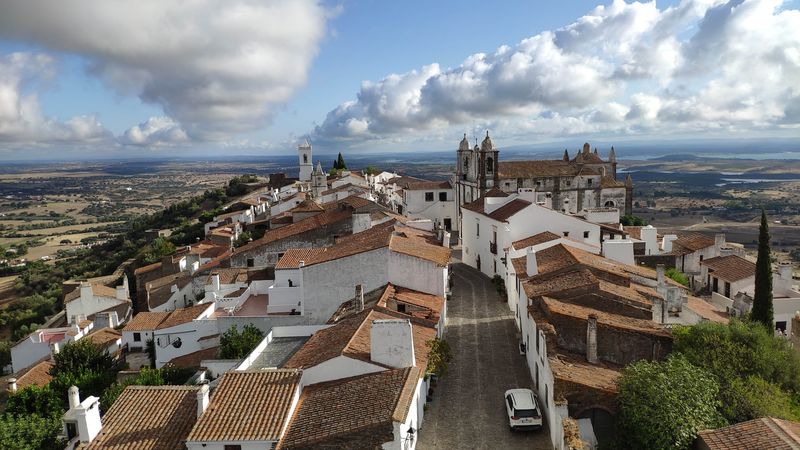
Forget what you thought you knew about Portugal — Alentejo is the country’s best-kept secret, and spring is when it truly shines. Vast fields of golden wheat and blooming wildflowers stretch as far as the eye can see, broken only by cork oak trees and whitewashed villages.
It feels like the whole region exhales slowly, and somehow, you do too.
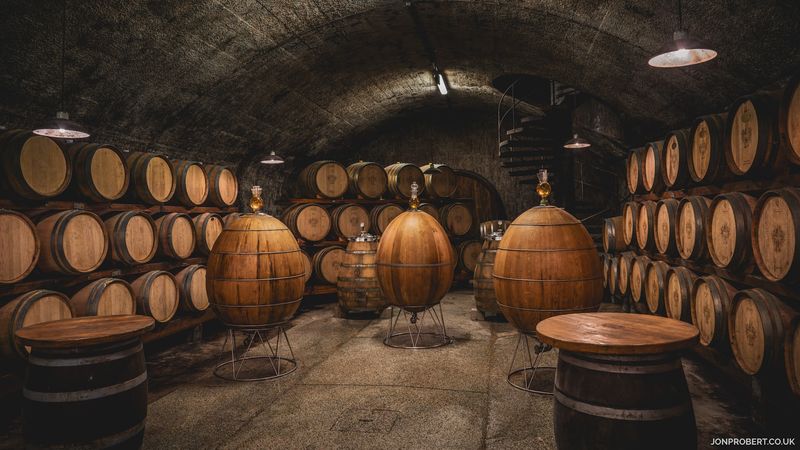
Wine lovers, this one’s for you. Alentejo produces some of Portugal’s finest wines, and visiting a local estate in spring means smaller crowds, warmer hosts, and tastings that don’t feel rushed.
Many estates offer tours through their vineyards, where the vines are just waking up for the season.
History hides around every corner here. The walled city of Évora, a UNESCO World Heritage Site, holds Roman temples and medieval architecture without the shoulder-to-shoulder crowds of Lisbon.
Accommodation is affordable, locals are genuinely welcoming, and the food — think slow-roasted lamb and hearty bread soups — is deeply satisfying. Alentejo rewards travelers who slow down, look around, and actually enjoy where they are.
Brda Wine Region, Slovenia
Straddling the border between Slovenia and Italy, the Brda region looks like someone painted a countryside from memory — rolling hills, terraced vineyards, and stone villages perched on hilltops like tiny crowns. Spring turns everything pink and white as cherry and apricot trees burst into bloom, making it one of the most photogenic places you’ve probably never heard of.
Cyclists and hikers absolutely love it here. The terrain is challenging enough to feel rewarding but not so brutal that you can’t stop and enjoy a glass of local Rebula wine along the way.
Several wine estates welcome visitors for tastings, and the laid-back atmosphere makes every stop feel personal rather than commercial.
Compared to the Instagram-saturated shores of Lake Bled, Brda feels refreshingly unhurried. You won’t find souvenir shops on every corner or tour buses blocking the view.
Instead, you get farmers selling olive oil from their doorsteps and restaurant menus written by hand. If you’re flying into Venice or Ljubljana, Brda is an easy detour that most travelers completely skip — which is exactly why you should go.
Paros, Greece
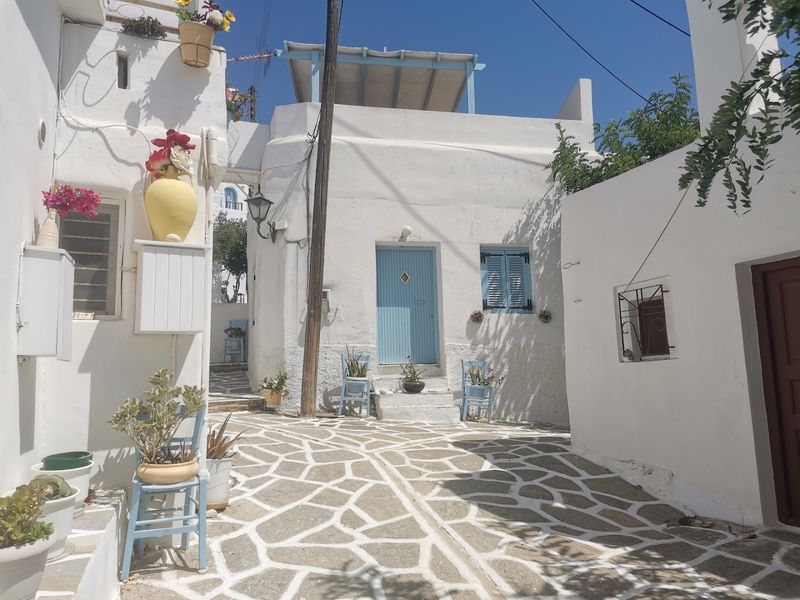
Santorini gets all the Instagram glory, but Paros has been quietly stealing hearts for years. The whitewashed buildings, narrow marble-paved lanes, and turquoise waters are just as stunning — and in spring, you can actually walk through them without bumping into a tour group every five seconds.
That alone is worth the ferry ride.
Paros has a personality that bigger islands have lost. The fishing village of Naoussa still feels like a real community, with boats bobbing in the harbor and locals who actually want to chat.
Spring brings mild temperatures perfect for exploring the island by scooter, stopping at quiet beaches that won’t be packed until July.
Windsurfers have known about Paros for decades — the bay of Santa Maria is considered one of the best spots in Europe for the sport. But you don’t need to be sporty to enjoy the island.
The food scene punches well above its weight, with excellent seafood tavernas and bakeries selling fresh loukoumades. Prices in spring are noticeably lower than peak summer, meaning you can afford a nicer room, eat better, and still have money left for the ferry home.
Puglia, Italy
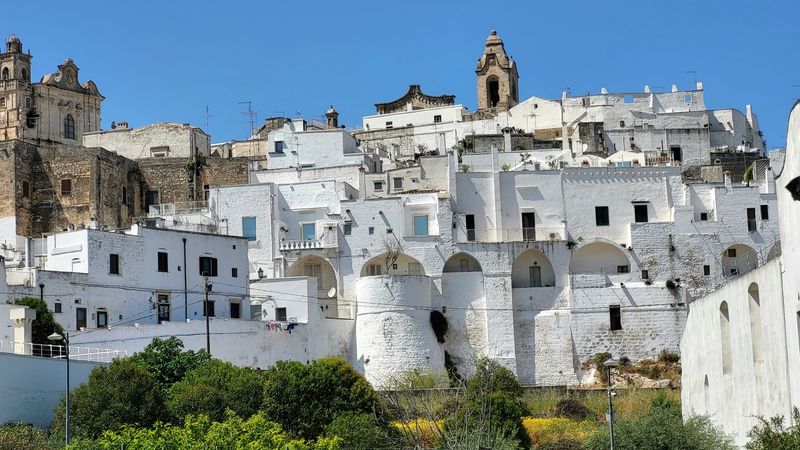
Southern Italy has a way of making you feel like you’ve stumbled into a movie set — and Puglia is the most cinematic of them all. The iconic trulli houses of Alberobello look like something out of a fairy tale, while the whitewashed town of Ostuni glows against the blue Adriatic sky.
Spring is when Puglia is at its most effortlessly beautiful.
The coastline here is genuinely spectacular, with sea caves, hidden coves, and crystal-clear water that rival anything in the Mediterranean. In April and May, you can explore beaches that will be absolutely packed by August without sharing the sand with more than a handful of people.
The water is still cool but refreshing enough for a brave dip.
Food is practically a religion in Puglia. Orecchiette pasta made fresh by hand, burrata so creamy it barely holds its shape, and olive oil pressed from ancient trees that have been producing for centuries — every meal feels like a celebration.
The region is also home to some of Italy’s most affordable accommodation, meaning you can stay in a converted masseria farmhouse without spending a fortune. Rome and Florence are great, but Puglia is unforgettable.
Copenhagen, Denmark
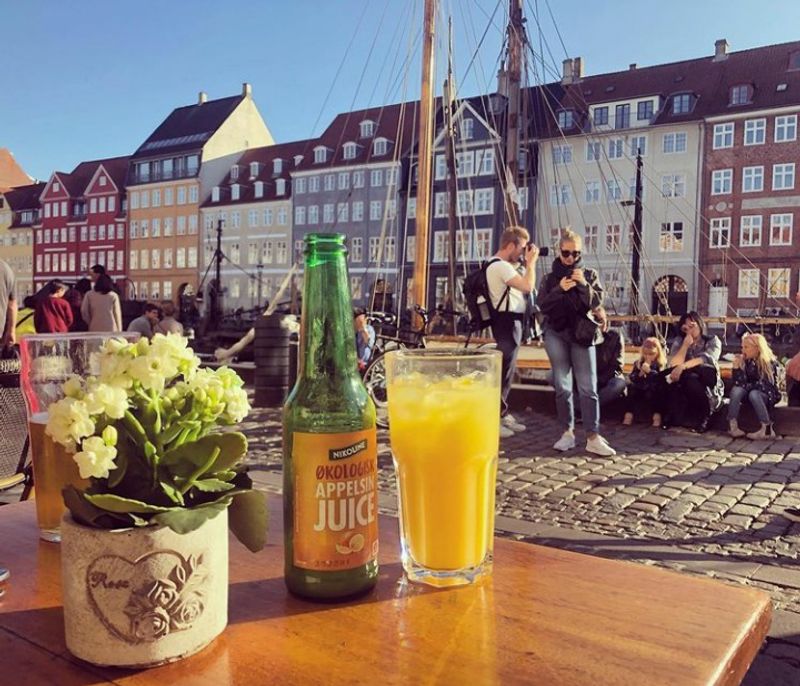
Copenhagen has a reputation for being expensive, but here’s the thing — spring is when the city practically begs you to visit without emptying your wallet entirely. Parks like Frederiksberg and the Botanical Garden burst into color, outdoor cafes reopen their terraces, and the city’s famous cycling culture kicks into full gear.
The energy is contagious.
Culture-seekers will find no shortage of things to do. The National Museum, the Louisiana Museum of Modern Art, and Rosenborg Castle are all within easy reach, and spring crowds are manageable enough that you can actually read the exhibition labels.
The Nyhavn canal district, with its brightly painted townhouses, looks even more cheerful when the sun is out and the boats are freshly painted for the season.
Danish food has evolved dramatically over the past decade, and Copenhagen is ground zero for that transformation. Beyond the legendary smørrebrød open-faced sandwiches, the city now boasts a thriving street food scene at Reffen Market and world-class restaurants at every price point.
Spring also coincides with the Copenhagen Cooking and Food Festival, adding another reason to show up hungry. Bring a good rain jacket just in case — this is Scandinavia, after all.
Flagstaff, Arizona, USA
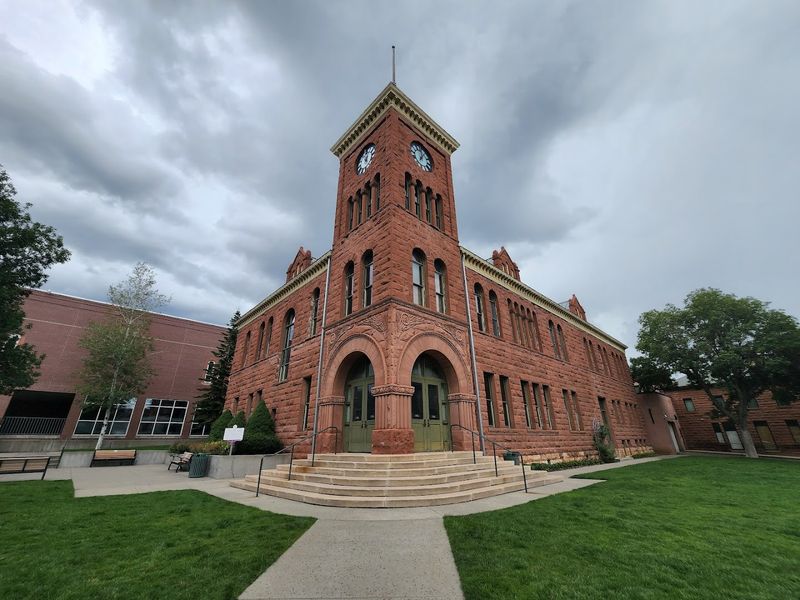
Most people blast through Flagstaff on the way to the Grand Canyon and never look up. Big mistake.
Sitting at 7,000 feet above sea level, this mountain city offers a completely different side of Arizona — one with towering ponderosa pines, volcanic peaks, and some of the darkest skies in the country. Spring temperatures hover in the comfortable 50s and 60s, making outdoor adventures genuinely enjoyable.
Hikers have an embarrassment of riches here. The Kachina Trail winds through aspen and pine forests with views that rival anything in the national parks nearby.
Sunset Crater Volcano National Monument offers a surreal landscape of hardened lava fields and cinder cones that look like they belong on another planet. And yes, the Grand Canyon is only an hour away if you want it.
Flagstaff earned the title of the world’s first International Dark Sky City, which means stargazing here is absolutely extraordinary. The Lowell Observatory, where Pluto was discovered in 1930, offers evening programs that make astronomy genuinely exciting even for non-science types.
After a day outdoors, the downtown area has a lively craft beer scene and excellent restaurants that punch well above what you’d expect from a city this size.
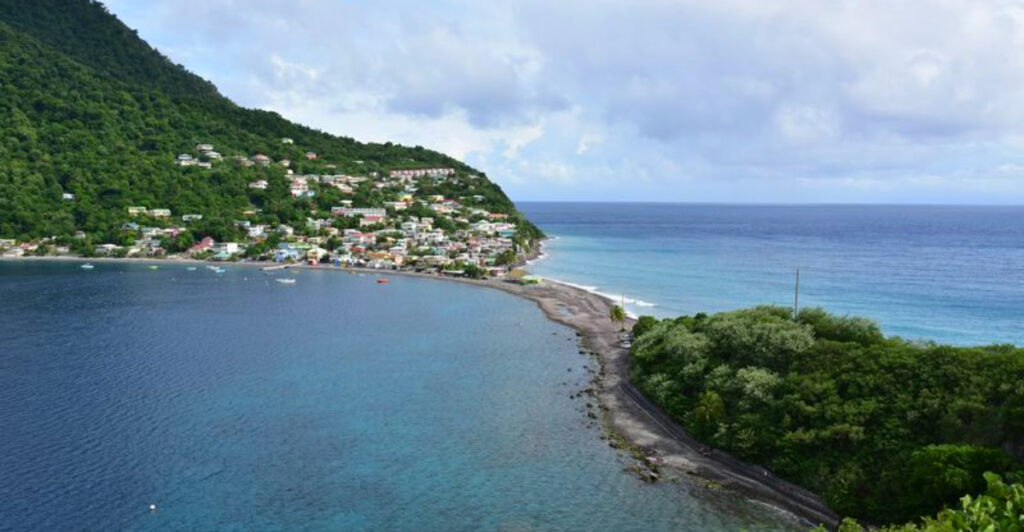
Dominica, Caribbean
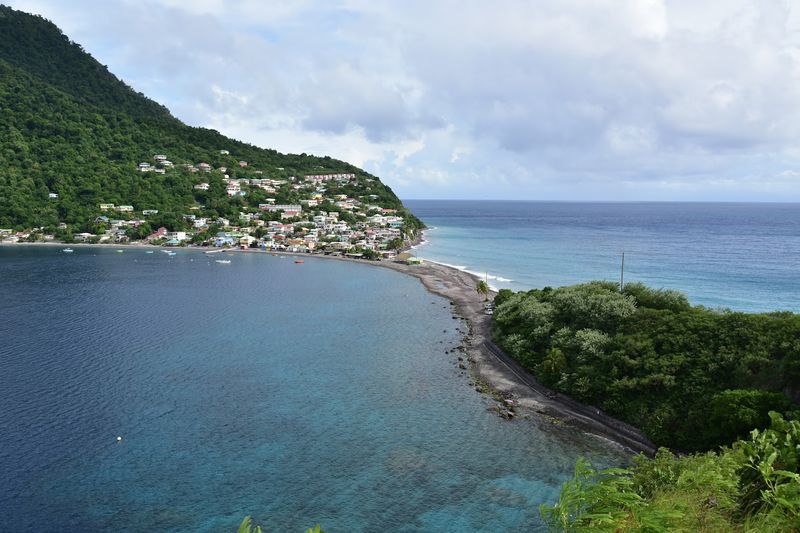
Christopher Columbus reportedly said Dominica was the only island he could still recognize from his 15th-century voyage because so little has changed. That’s either alarming or the highest possible compliment, depending on your travel style — but for nature lovers, it’s basically paradise.
No mega-resorts, no cruise ship malls, just 365 rivers (one for every day of the year, locals proudly claim) and rainforest that goes on forever.
Spring is a genuinely sweet spot for visiting. The dry season is winding down but the island hasn’t yet hit peak humidity, making hikes to places like Boiling Lake and the Emerald Pool feel rewarding rather than punishing.
Boiling Lake, by the way, is exactly what it sounds like — a volcanic crater filled with bubbling, steaming water that looks like something out of a science fiction film.
Dominica is also one of the Caribbean’s top whale-watching destinations, with sperm whales spotted year-round just offshore. The diving is exceptional too — volcanic activity creates underwater hot springs and dramatic drop-offs that experienced divers rave about.
Accommodation is simple and often family-run, which means your money goes directly into the local community. Skip the fancy resort and go explore something real.
Ghent, Belgium
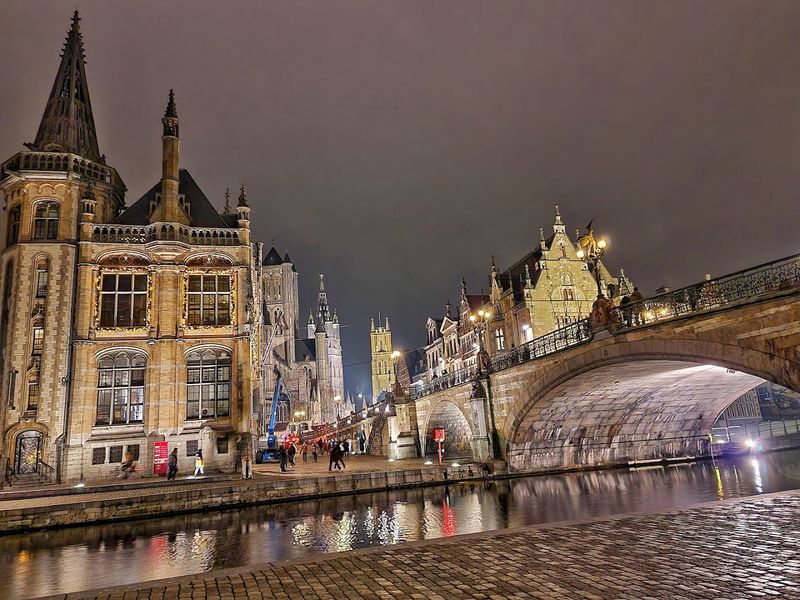
Bruges gets all the tourists and all the postcards, but Ghent gets all the locals. That tells you something.
This medieval Flemish city has the same gorgeous canals, the same jaw-dropping Gothic architecture, and the same rich history — but it’s also a living, breathing university city with a creative energy that Bruges, frankly, lost somewhere around 2005. Spring is when Ghent really comes alive.
The Graslei and Korenlei waterfronts are genuinely among the most beautiful streetscapes in Europe, and in April you can photograph them without fighting through tour groups. Gravensteen Castle — a fully intact 12th-century fortress right in the city center — is the kind of place that makes you forget you’re in the 21st century.
Admission is affordable and the views from the battlements are worth every cent.
Ghent has also become a surprisingly exciting food destination. The city declared itself a weekly Veggie Thursday back in 2009, and the plant-based food scene that grew from that experiment is genuinely impressive.
But the Belgian classics are still very much alive — waffles, frites, and an overwhelming selection of local beers await at every turn. The city is easily walkable, well-connected by train, and far less expensive than Brussels for accommodation.
Tbilisi, Georgia
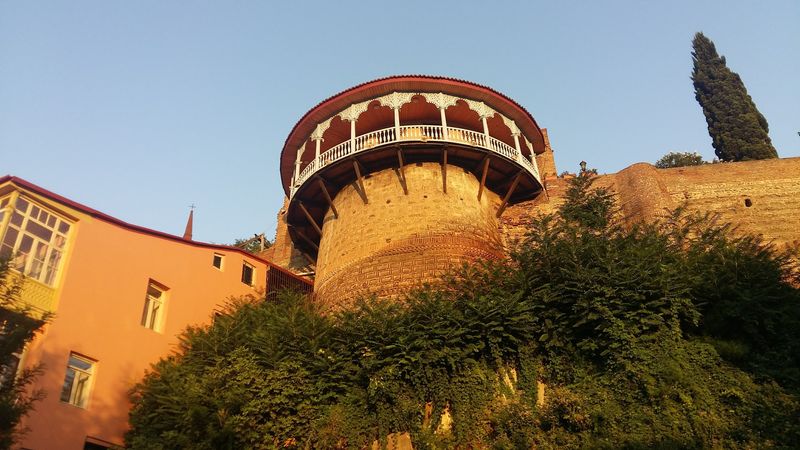
Tbilisi smells like sulfur, fresh bread, and possibility — and somehow that combination is completely intoxicating. The Georgian capital sits at a crossroads of Europe and Asia, and its architecture reflects every empire that ever passed through: Persian, Russian, Ottoman, and everything in between.
The result is a city that looks like nowhere else on earth, especially in spring when the old town’s famous wooden balconies are draped in flowering vines.
The food alone justifies the plane ticket. Georgian cuisine is one of the world’s great undiscovered culinary traditions — think khachapuri (cheese-filled bread boats), khinkali (soup dumplings you eat with your hands), and natural wines made using an 8,000-year-old method involving clay amphorae buried underground.
The wine culture here predates anything in France or Italy by thousands of years.
Spring temperatures in Tbilisi are genuinely pleasant, hovering around 60-70°F, making it ideal for wandering the winding streets of the Abanotubani sulfur bath district or hiking up to the Narikala fortress for panoramic city views. Georgia is also one of the most affordable destinations in Europe’s extended neighborhood — a full day of meals, sightseeing, and wine tasting rarely breaks the bank.
Travel here before everyone else figures it out.
Sète, France
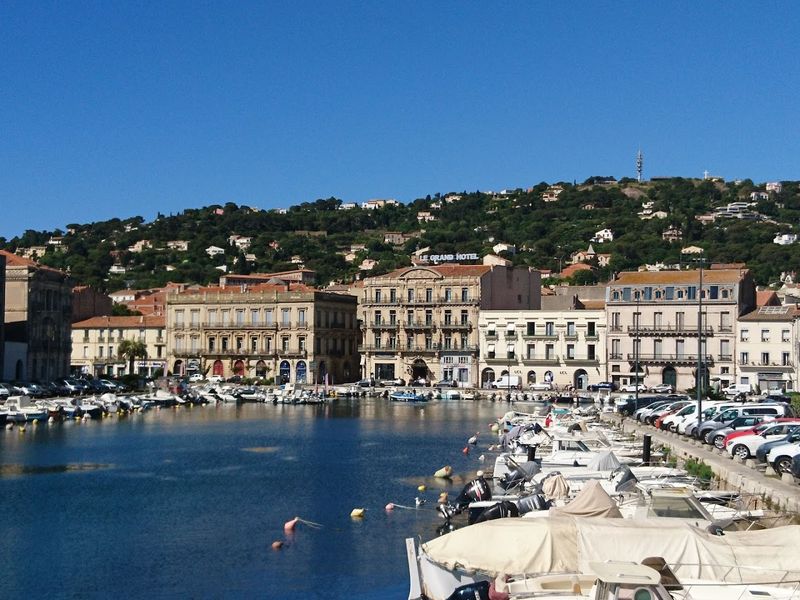
Sète sits on a narrow strip of land between the Mediterranean Sea and a large saltwater lagoon, which means water is everywhere you look — and somehow, hardly any tourists are looking. This port city in the Languedoc region has been called the “Venice of Languedoc” and the “singular island,” and both nicknames fit.
It’s gritty, salty, and utterly charming in a way that no amount of tourism branding could manufacture.
The seafood culture here is exceptional and deeply local. Tielle sétoise — a spiced octopus pie — is the city’s signature dish, sold from small shops that have been run by the same families for generations.
The covered market on Saturday mornings is a full sensory experience, with vendors selling oysters, sea urchins, and local cheeses to an almost entirely French-speaking crowd. That’s usually a very good sign.
Spring brings warm but not overwhelming temperatures, making it perfect for cycling along the Canal du Midi or climbing the Saint-Clair hill for sweeping views over the lagoon and sea. The beaches on the Mediterranean side are wide, sandy, and blissfully quiet in April.
Sète also happens to be the birthplace of French poet Paul Valéry and singer Georges Brassens, giving it an artistic soul that you can feel even just wandering its streets.
Kea, Greece
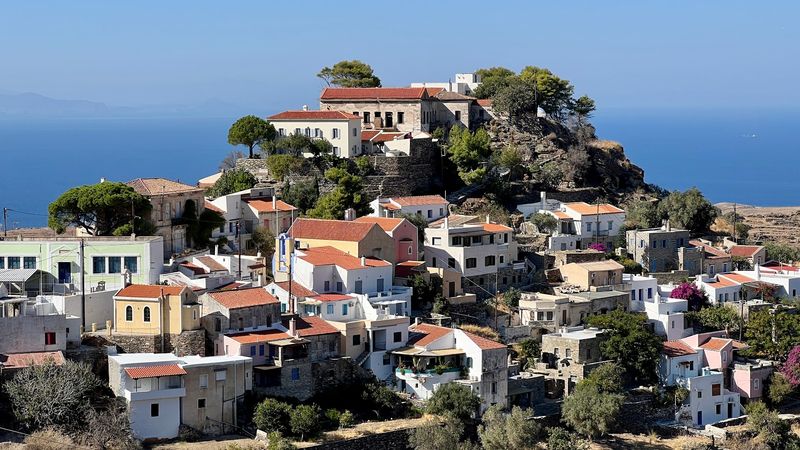
Only 90 minutes by ferry from the port of Lavrio near Athens, Kea is one of Greece’s most accessible islands — and yet it somehow remains almost entirely off the tourist map. Athenian families have been keeping it to themselves for years, which is both understandable and slightly selfish of them.
Spring is the absolute best time to visit, before the summer heat sets in and before those Athenians arrive in force.
The hiking here is spectacular. A network of well-preserved ancient trails — some paved with original stone — winds through terraced hillsides, past abandoned monasteries, and down to secluded coves that you’ll have almost entirely to yourself.
The Lion of Kea, a massive archaic stone sculpture carved directly into a rocky hillside around 600 BCE, is one of the most underrated ancient monuments in all of Greece.
Kea also has a surprisingly lively local food scene centered around the main village of Ioulis, a maze of whitewashed alleys perched high on a hill. Local honey, thyme-scented cheeses, and freshly caught fish dominate the menus.
The island has no airport, which is part of what keeps it quiet — getting there requires a bit of effort, and that effort is absolutely worth it. Some of the best places always are.
Uruguay’s Coast (José Ignacio)
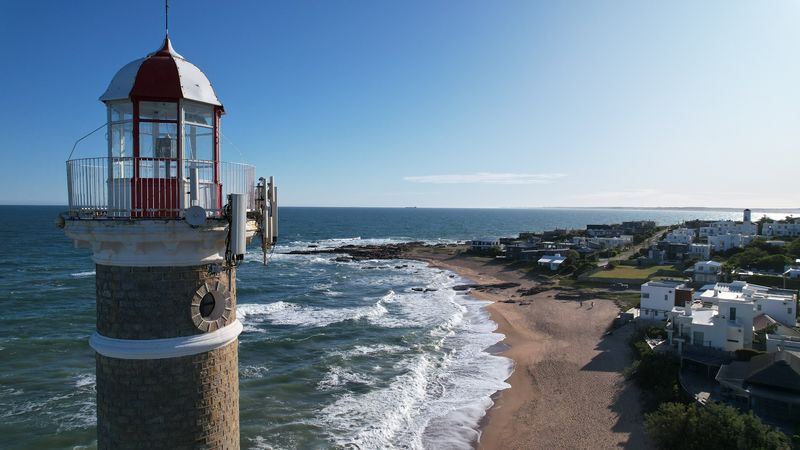
José Ignacio has a laid-back confidence that comes from knowing it’s genuinely special without needing to shout about it. This tiny fishing village on Uruguay’s Atlantic coast sits between two lagoons and a lighthouse-topped cape, and it has managed to attract a quietly sophisticated crowd — writers, artists, chefs — while still feeling like a real place rather than a resort development.
Spring is when it’s at its most relaxed and most affordable.
The beaches around José Ignacio are wide, windswept, and largely empty in the shoulder season. Playa Brava and Playa Mansa offer dramatically different wave conditions on either side of the cape, making it suitable for both swimmers and those who prefer to watch the waves dramatically from a safe distance.
The sunsets here are the kind that make you put your phone down.
Uruguay is one of South America’s most stable and progressive countries, making it an easy destination for first-time visitors to the continent. The food scene around José Ignacio punches surprisingly high — several of the restaurants here have earned serious international attention for their wood-fired cooking and local ingredients.
Punta del Este is nearby if you want more action, but José Ignacio is for people who know that the best experiences usually involve doing a little less.
Shikoku, Japan
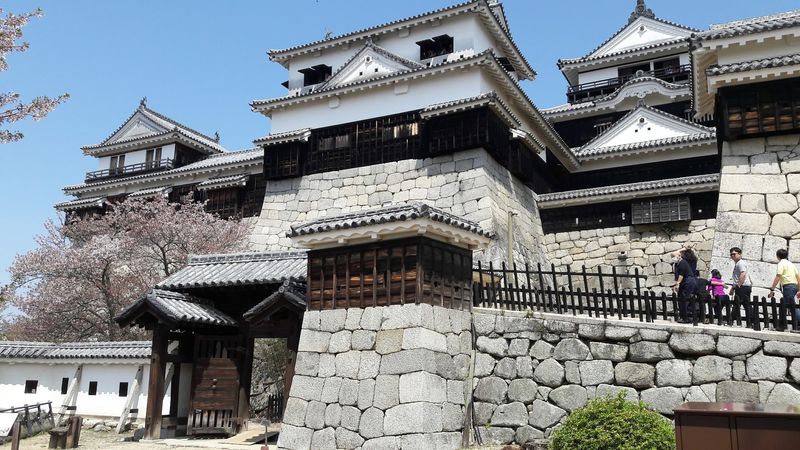
While everyone else is elbowing for a cherry blossom photo in Kyoto, Shikoku is offering the same sakura spectacle with a fraction of the foot traffic. Japan’s fourth-largest island is most famous for its 88-temple pilgrimage route — a 750-mile circuit that Buddhist monks have walked for over 1,200 years.
You don’t have to walk the whole thing to appreciate the profound atmosphere of moss-covered temple gates and cedar forest paths.
Shikoku’s four prefectures each have a distinct personality. Kochi is known for its samurai history and the freshest bonito fish you’ll ever taste.
Ehime has Matsuyama Castle and the ancient Dogo Onsen, which reportedly inspired the bathhouse in Studio Ghibli’s “Spirited Away.” Tokushima hosts the famous Awa Odori dance festival in summer, but spring is when the mountains are cloaked in green and the rivers run fast and clear.
Getting around requires a bit more planning than in Tokyo or Osaka — trains are less frequent and some areas really do require a car. But that extra effort filters out the casual tourist crowd entirely.
The locals on Shikoku are famously warm to visitors, especially those making an effort to explore respectfully. Spring weather is mild and the ryokan inns are welcoming.
This is Japan at a pace that actually lets you feel it.
Albania Riviera
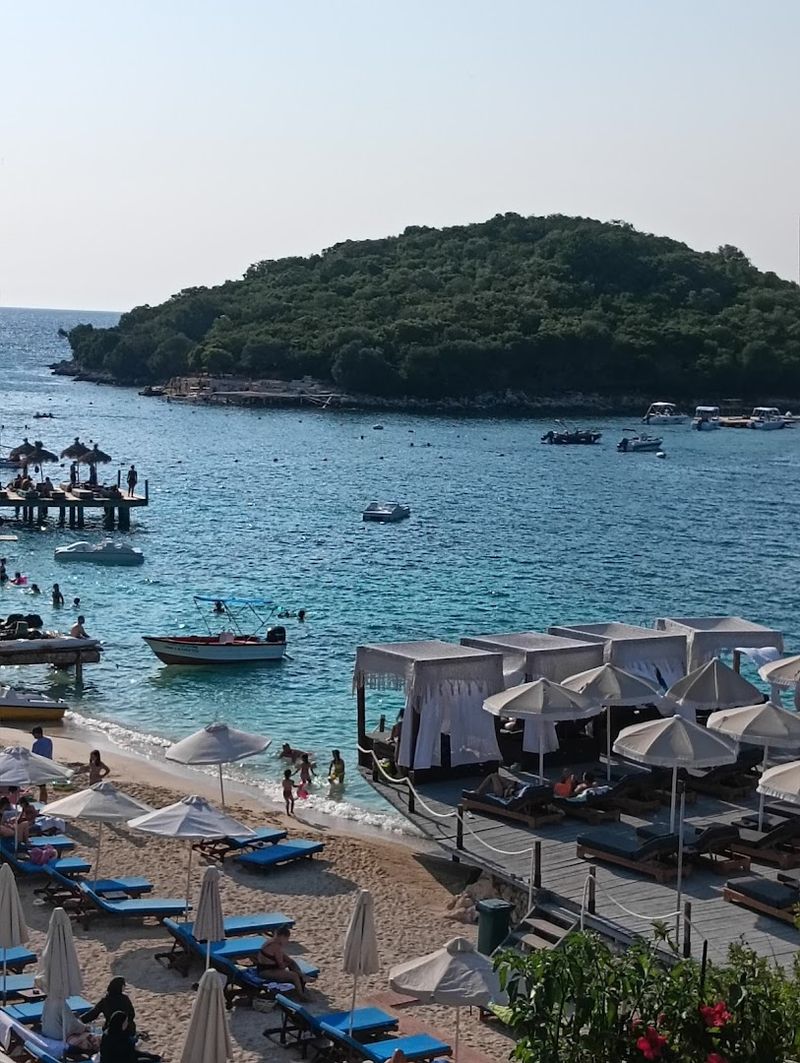
Albania’s Riviera is what the Greek islands looked like before the world discovered them — raw, spectacular, and priced like it’s still 1995. The stretch of coastline between Vlora and Saranda features some of the clearest turquoise water in the entire Mediterranean, backed by dramatic mountains that drop almost vertically into the sea.
Spring is when the landscape is lush green, the water is warming up, and the beaches are gloriously uncrowded.
The villages along the Riviera each have their own character. Himara is a laid-back beach town with a castle on the hill and excellent grilled fish on the waterfront.
Dhermi has a backpacker energy and beach bars that get lively in the evenings. Ksamil, near the ancient ruins of Butrint, has small islands you can swim to from the shore.
All of them are dramatically cheaper than their Greek counterparts across the water.
Albania’s food culture is an underrated pleasure. Byrek (flaky savory pastry), fresh yogurt, slow-cooked lamb, and raki that will absolutely floor you — the cuisine reflects the country’s layered Ottoman and Mediterranean influences.
Infrastructure has improved considerably in recent years, with better roads and more accommodation options. The country is safe, friendly, and genuinely excited to show visitors what it has to offer.
Get here before the prices catch up with the views.
Bucharest, Romania
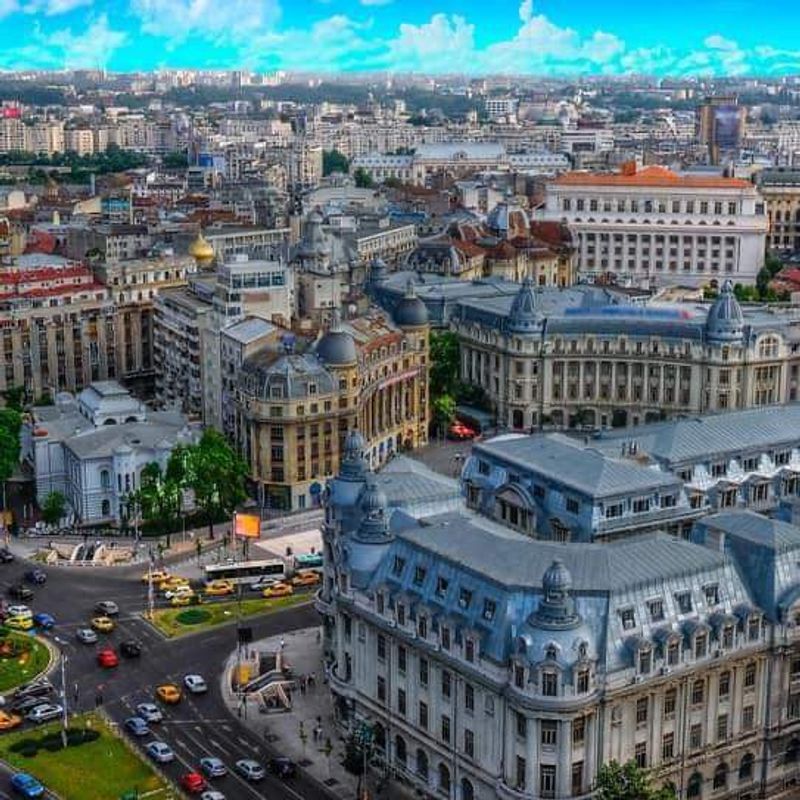
Bucharest has been called “the Little Paris of the East” so many times that locals have started rolling their eyes at the comparison — but walk down Calea Victoriei on a spring afternoon when the chestnut trees are in bloom and the cafe terraces are full, and you’ll understand exactly where the nickname came from. This is a city that rewards slow walking and genuine curiosity, and spring is when it shows off without trying too hard.
The architecture alone tells a century of dramatic history. Gorgeous Belle Époque mansions sit next to brutalist communist-era blocks, which sit next to gleaming new developments.
The Palace of the Parliament — built by dictator Nicolae Ceaușescu in the 1980s — is the second-largest administrative building in the world and genuinely astonishing to walk through, whether you approve of its existence or not.
Bucharest’s food and nightlife scene has exploded in recent years, with a craft beer culture, outstanding coffee shops, and a restaurant scene that’s drawing serious international attention. The city is one of Europe’s most affordable capitals — a full dinner with wine rarely costs what you’d pay for a coffee in Paris.
Spring brings outdoor markets, cultural festivals, and the kind of street energy that reminds you why cities are worth exploring. Bucharest is overdue for its moment.
Share this story