There is a place tucked into the Blue Ridge foothills of South Carolina where granite peaks rise above thick forests, waterfalls trickle down mossy rocks, and the air smells like pine and cool creek water. The first time I visited, I honestly did not want to leave.
It felt less like a state park and more like a place that belonged in a storybook. From challenging summit hikes to lazy afternoons by a sandy lake beach, this spot delivers the kind of outdoor experience that makes you rethink your entire weekend routine.
By the time you finish reading, you will want to pack your hiking boots and get there as fast as possible.
Where the Fairytale Begins: Location and First Impressions
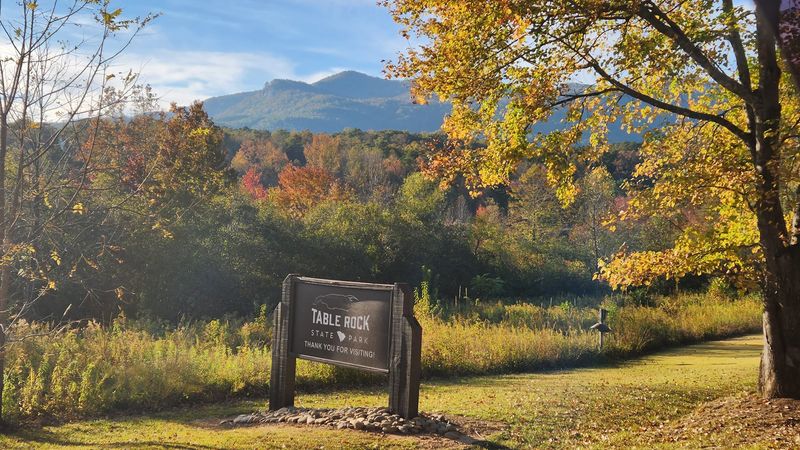
The drive alone sets the mood. As you head toward 158 E Ellison Ln, Pickens, SC 29671, the highway curves through rolling farmland before the Blue Ridge foothills start rising around you like a slow curtain pull before a show.
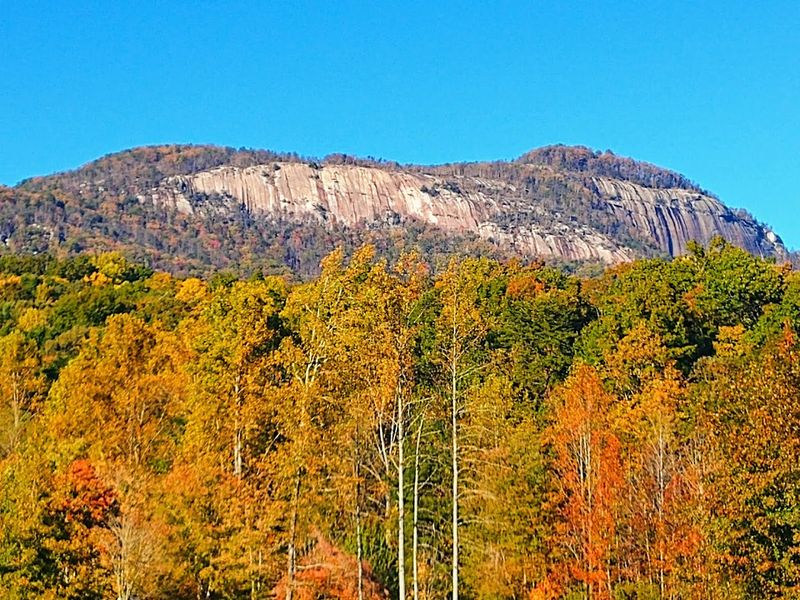
Table Rock State Park sits in Pickens County, in the northwestern corner of South Carolina, not far from the North Carolina border. The towering granite dome of Table Rock Mountain looms over the park entrance, and your eyes go straight to it the moment you arrive.
Admission costs just six dollars per person for a day pass, which is one of the best deals in any state park system in the Southeast. The welcome center staff greet you warmly and hand over a park map that quickly becomes your best friend for the day.
Visitors with a Pickens County Library card can even get the whole carload in free, which is a perk worth knowing before you go. First impressions here are not subtle.
The park announces itself boldly, and everything you see from the entrance promises something worth exploring around every next bend.
The Summit Trail: A Hike Worth Every Stone Step
The Table Rock Summit Trail is the kind of hike that earns its reputation through sheer honesty. It does not pretend to be easy, and it does not need to.
The round trip runs just under eight miles, gains serious elevation, and features a seemingly endless series of stone steps carved into the mountain. Expect the climb to take somewhere between three and four hours depending on your pace and how long you linger at the top.
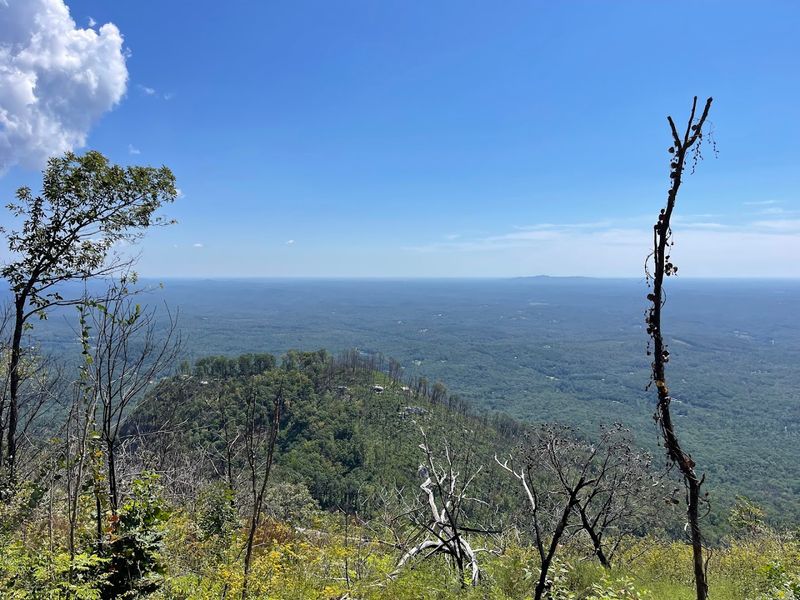
The summit views are the payoff that makes every burning quad muscle worth the effort. From the top of the granite dome, you can see layer after layer of ridge lines fading into the distance, with the South Carolina piedmont stretching out far below.
Bring at least two liters of water per person, and more if the weather is warm. The trail gets exposed in the upper sections, especially after recent fire damage thinned out some of the tree canopy, so sunscreen is not optional.
Snakes have been spotted along the lower sections near creek crossings, so stay alert and watch where you step on rocky ground.
Carrick Creek Loop: The Waterfall Hike That Steals Hearts
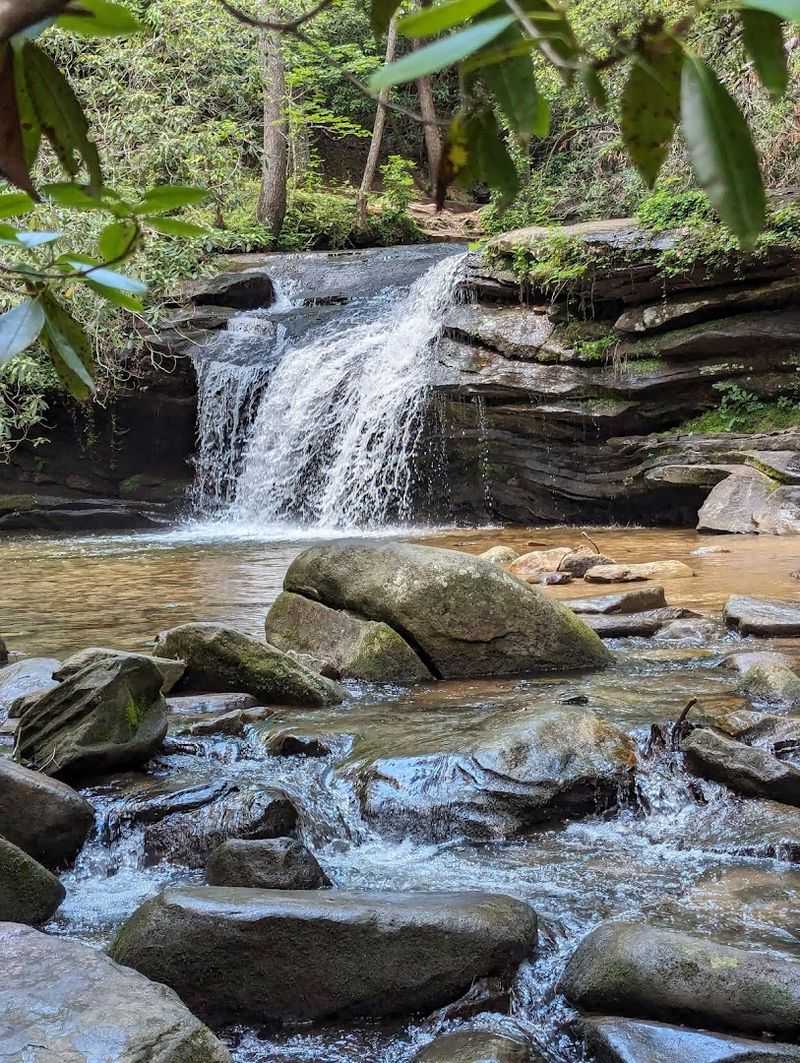
Not every great hike needs to push you to your physical limit. The Carrick Creek Loop proves that a moderate trail can still deliver serious beauty without making you feel like you need a recovery day afterward.
The loop runs about 1.9 miles and takes most visitors around an hour and a half to complete at a relaxed pace. The trail passes through dense shade, which makes it a genuinely pleasant option even on hot June afternoons when the sun is doing its worst.
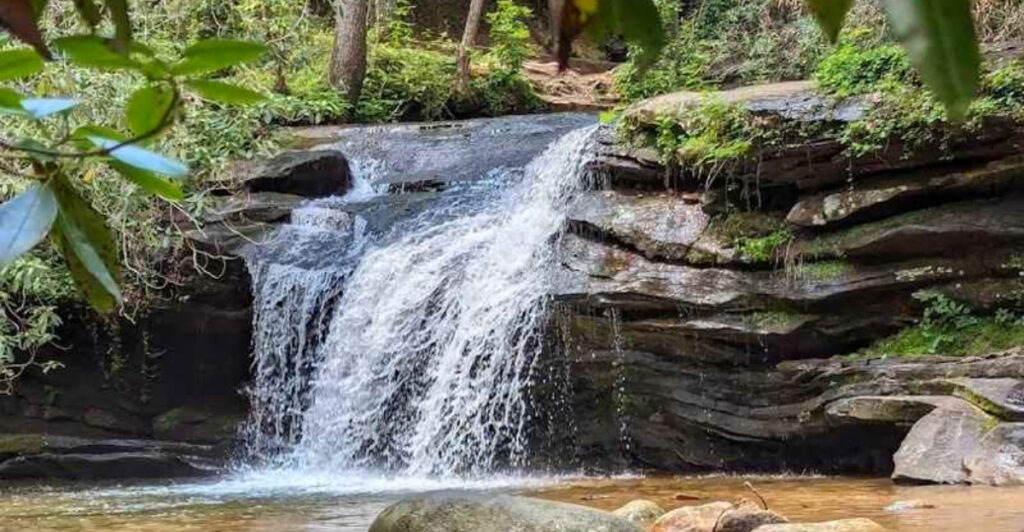
Several small waterfalls appear along the route, and the creek crossings near the beginning offer a refreshing chance to cool off your feet. There is also a spot near a small plunge pool at the base of a waterfall where kids can wade in and splash around while adults find a dry rock to sit on and breathe for a moment.
Due to some recent construction, a short detour runs behind the nature center to reach the waterfall section, but the trail is clearly marked and the natural scenery around the rerouted path remains completely intact and worth every step.
The Lake and Sandy Beach: A Surprising Shoreline in the Mountains
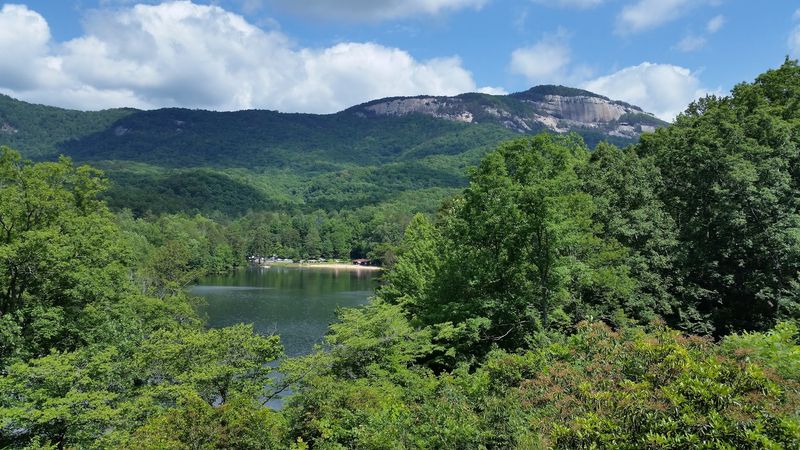
A sandy beach inside a mountain state park sounds too good to be true, but Table Rock delivers exactly that. The lake area has a generous swimming beach with soft sand underfoot, and on a quiet weekday morning it can feel like a private shoreline.
The parking lot sits close enough to the beach that even families with young kids and heavy coolers can make the walk without too much drama. Picnic tables are scattered throughout the surrounding area, making it easy to set up a proper outdoor lunch before or after a swim.
A small snack shop near the beach sells cold treats, which becomes a very popular stop on warm afternoons when hikers return from the trails looking for something cold and sweet. The lake also supports fishing, and the calm water is suitable for paddle boarding and paddle boating as well.
The beach area can feel surprisingly uncrowded even on busy weekends, partly because many visitors head straight for the trails. That balance works perfectly for families who want both adventure and a relaxing afternoon in the same visit without having to choose between the two.
Camping Under the Stars: From Primitive Sites to Cozy Cabins
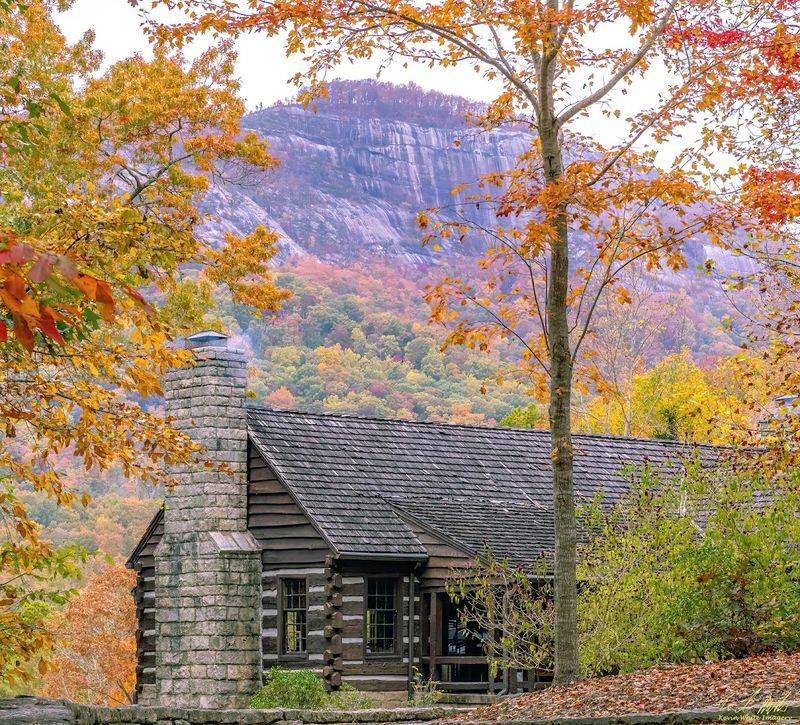
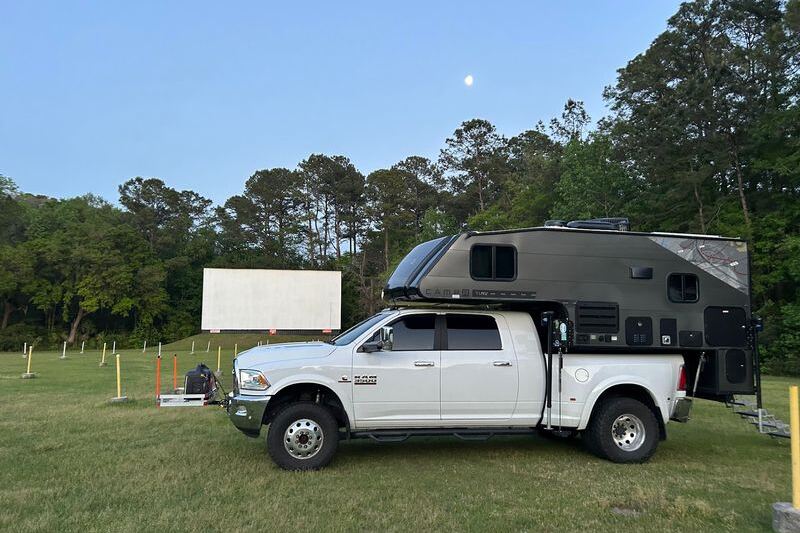
Few things reset your sense of time and priorities quite like spending a night in the woods at Table Rock. The park offers a full range of overnight options, from primitive tent sites to fully furnished one-bedroom cabins with all the comforts of home built right in.
Cabin 16 has earned a loyal following among repeat visitors, with its one-bedroom layout, comfortable furnishings, and proximity to both the trailheads and the lake. Some guests have returned year after year, eventually extending their stays from a few nights to a full week because the setting simply earns that kind of loyalty.
The primitive camping spots sit farther from the main facilities, which means no restroom nearby, so plan accordingly if that matters to your group. The sites themselves stay clean and free of litter, and the surrounding area has a quiet, back-to-basics feel that fans of traditional camping genuinely appreciate.
The cabins sit close to the trail heads and the lake, which means your morning routine can shift from coffee to summit trail in about ten minutes flat. That kind of convenience, combined with the forest setting, makes overnight stays here feel genuinely restorative.
Wildlife Encounters: The Park’s Wild Residents
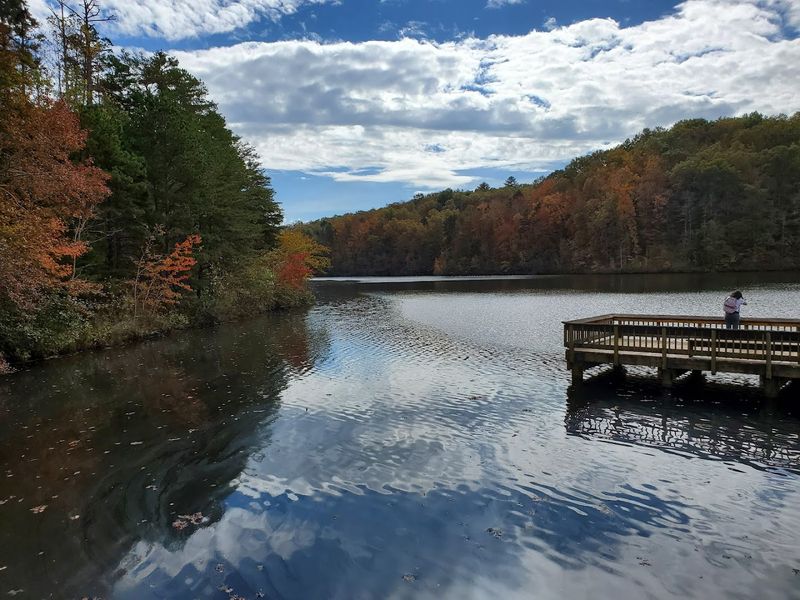
Table Rock State Park is not shy about sharing its wild residents with visitors who pay attention. Chipmunks dart across trail edges, deer appear in meadow clearings in the early morning light, and black bears have been spotted moving through the forested sections of the park.
The diversity of wildlife here reflects the health of the Blue Ridge ecosystem, where hardwood forests, creek corridors, and granite outcrops create a range of habitats in a relatively compact area. Birdwatching is rewarding throughout the year, with songbirds filling the canopy during spring migration and hawks circling the ridge lines in autumn.
Snakes are present along some of the lower trail sections, particularly near the creek crossings on the Summit Trail. Most are harmless, but staying aware of where you place your hands and feet on rocky terrain is just good trail sense regardless of the season.
The Grant Meadows Overlook, just off Highway 11 near the park entrance, offers a wide open view of Table Rock Mountain that also happens to be one of the best spots to watch for raptors soaring on thermal currents rising off the warm granite face of the mountain.
The Nature Center: More Than Just a Map Stop
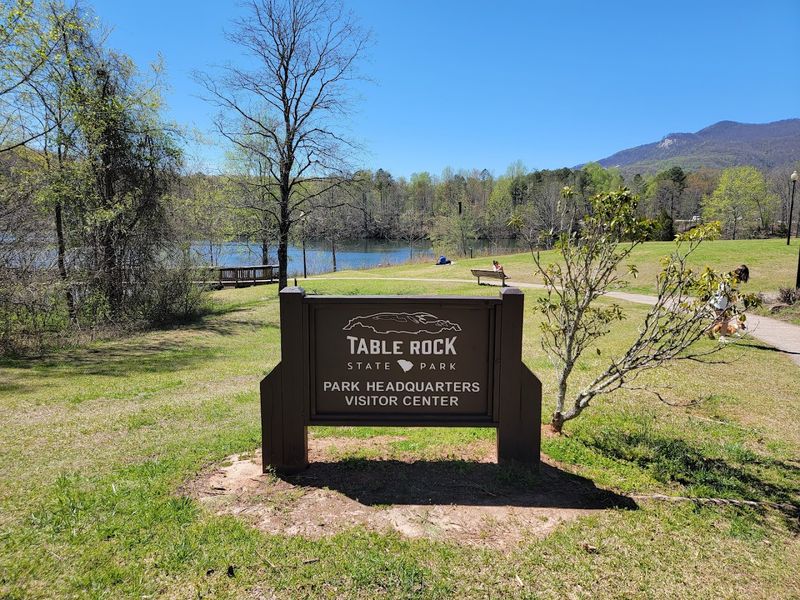
Most people stop at the nature center just long enough to grab a trail map, but that approach means missing out on one of the more genuinely useful resources in the park. The staff here consistently go above and beyond what you would expect from a state park visitor center.
The building stocks practical supplies at reasonable prices, including hats, sunglasses, and basic gear items that forgetful hikers tend to need right around the moment they realize they left something in the car back home. The gift section also carries locally relevant items and park merchandise worth browsing.
Interpretive exhibits inside cover the natural history of the Blue Ridge foothills, the geology behind Table Rock Mountain, and the plant and animal communities that make this corner of South Carolina so ecologically distinctive. Kids who spend a few minutes with those exhibits arrive at the trailhead with a much better sense of what they are actually looking at.
Note that the deck surrounding the nature center was recently removed as part of ongoing renovation work, so the exterior looks a bit different than older photos suggest. The interior experience and the quality of the staff, however, remain completely unchanged and worth the visit.
Fall Colors and Seasonal Magic: The Best Times to Visit
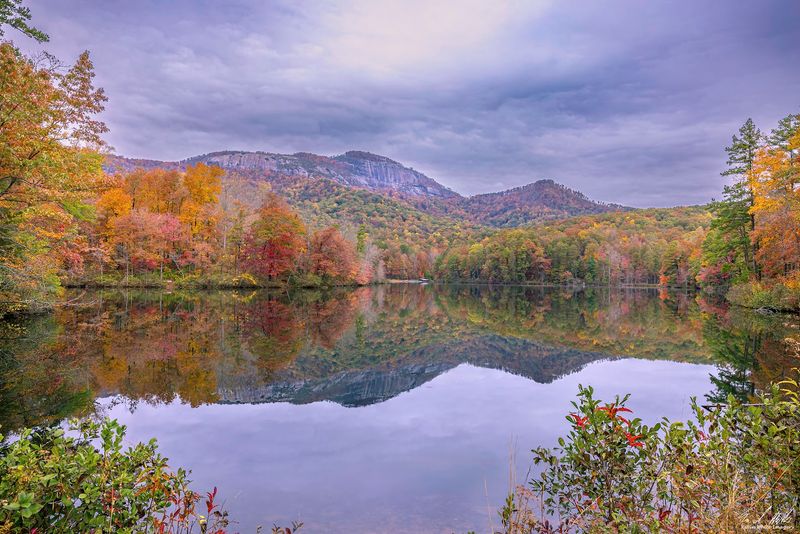
Autumn transforms Table Rock into something that genuinely earns the word breathtaking. The hardwood forest that covers the lower slopes of the mountain shifts into full color by mid to late October, with orange, red, and gold spreading across the hillsides in waves that change from week to week.
Fall is widely considered the peak season for both hiking and photography here, and the Summit Trail rewards those who time their visit correctly with panoramic views framed by vivid foliage. The cooler temperatures also make the steep climb considerably more manageable than a summer ascent.
Spring brings its own rewards, with wildflowers appearing along Carrick Creek and fresh green growth covering the forest floor after winter. The waterfalls run fuller in spring thanks to higher rainfall, which adds energy and sound to the trail experience in a way that dry summer months simply cannot match.
Summer visits are absolutely possible and popular, especially for families who want to combine hiking with beach time at the lake. The key is starting early before the heat builds, packing extra water, and treating the shaded Carrick Creek Loop as your best friend when the temperature climbs past ninety degrees.
A Park With History: The CCC Legacy at Table Rock
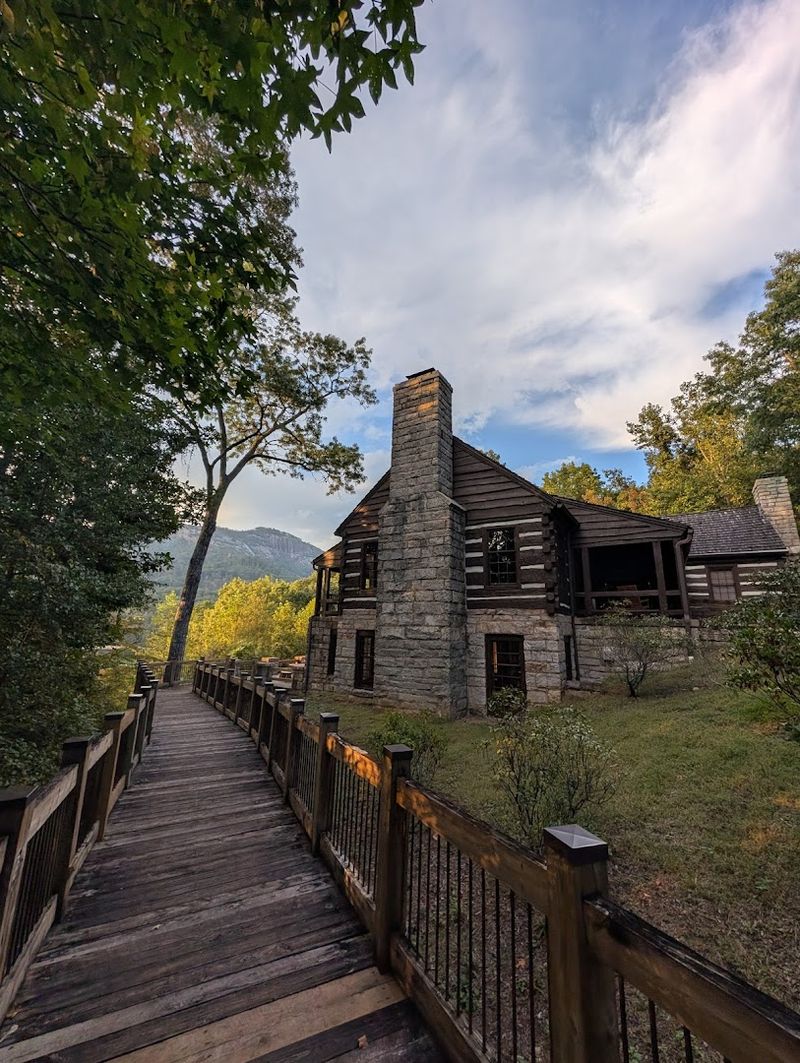
Table Rock State Park carries a history that runs deeper than most visitors realize when they first pull into the parking lot. The park was developed in the 1930s by the Civilian Conservation Corps, a federal program that put young men to work building parks, trails, and facilities across the country during the Great Depression.
The CCC crews who worked at Table Rock constructed many of the stone structures, cabins, and trail features that still define the park’s character today. Their craftsmanship is evident in the way the built elements blend naturally into the landscape, using local materials and traditional techniques that have held up for nearly a century.
This kind of history connects Table Rock to a much larger story about American public lands and the belief that natural spaces should be accessible to everyone regardless of income or background. Parks built through the CCC program, including many in states far beyond South Carolina, share that same founding philosophy.
While the park is not in Oklahoma, the CCC program built similar facilities in Oklahoma state parks during the same era, which means the craftsmanship you see at Table Rock has close relatives in parks from Oklahoma to Oregon, all shaped by the same hands and the same historic mission.
Practical Tips for Planning Your Visit
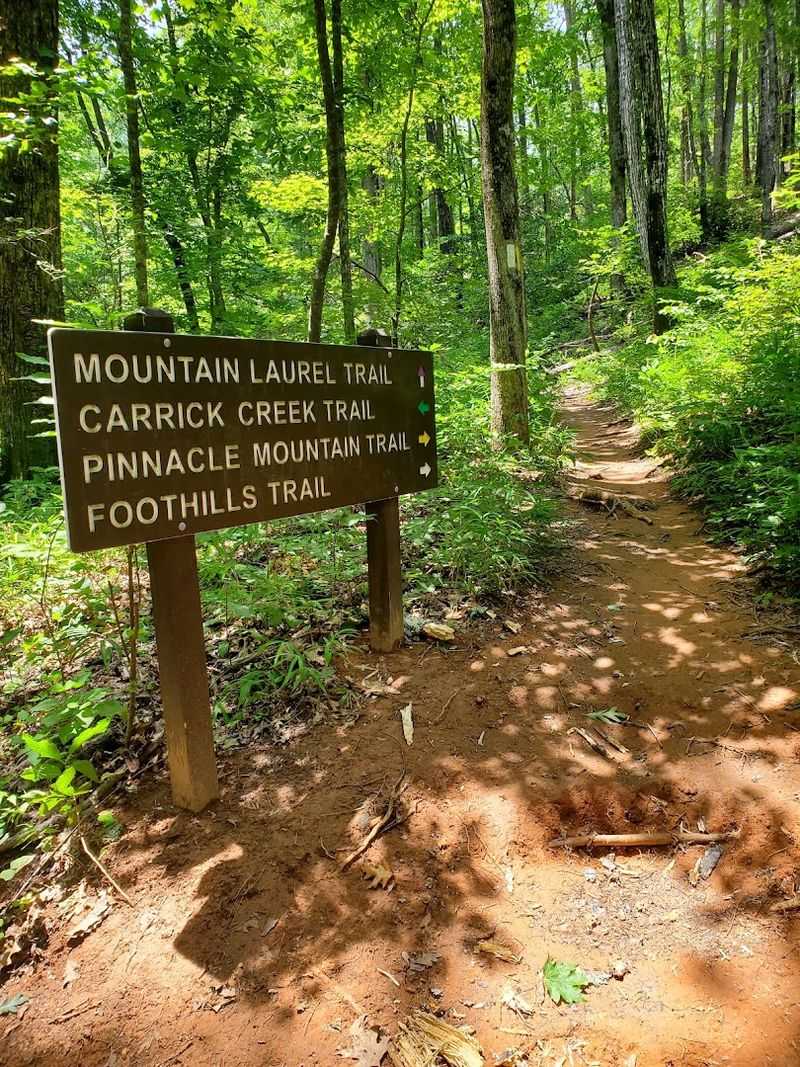
A little preparation goes a long way at Table Rock, especially if your group includes first-time hikers or young children who have strong opinions about how long they are willing to walk before demanding a snack.
The park is open daily from 7 AM to 7 PM on weekdays and Sundays, with extended hours until 9 PM on Fridays and Saturdays. Arriving early is strongly recommended, particularly for the Summit Trail, since the upper sections get hot and exposed as the day progresses.
Day passes cost six dollars per person, and visitors with a Pickens County Library card can use a free pass to get the entire car in at no charge. The park phone number is 864-878-9813, and the official website at southcarolinaparks.com/table-rock has current information on trail conditions, cabin availability, and any ongoing construction updates.
Pack at least two liters of water per person for the summit hike, wear sunscreen, and bring a light layer for the top of the mountain where the wind picks up. Comfortable closed-toe shoes work fine for the shorter trails, but the Summit Trail genuinely benefits from proper hiking footwear with solid ankle support and good grip on wet granite.
Why Table Rock Keeps Pulling People Back
Some parks you visit once, check off a list, and move on. Table Rock is not that kind of park.
The people who come here once tend to come back, often with the same family members, sometimes with new ones, and occasionally just on their own when they need to remember what quiet actually feels like.
The combination of serious hiking, gentle waterfall trails, a proper sandy beach, comfortable cabin accommodations, and genuinely helpful staff creates a range of experiences that works for almost any type of visitor. Families with young kids, solo hikers chasing summit views, couples looking for a slow few days in the woods, all of them find something here that fits.
The park has bounced back well from hurricane and fire damage in recent years, with trails reopened and facilities restored to a condition that long-time visitors recognize and appreciate. That resilience says something about the people who manage and maintain this place.
Much like beloved state parks in Oklahoma and other parts of the South, Table Rock carries that rare quality of feeling both wild and welcoming at the same time. That balance is harder to achieve than it looks, and it is exactly why this South Carolina mountain park keeps earning its five-star reputation year after year.
Share this story