Right now, some of North America’s most incredible animals are teetering on the edge of extinction. From tiny fish living in a single cave to massive whales navigating busy shipping lanes, these creatures face threats that could wipe them out for good.
Understanding why they are disappearing is the first step toward helping them survive. Their stories are urgent, fascinating, and worth knowing.
1. Vaquita (Phocoena sinus)
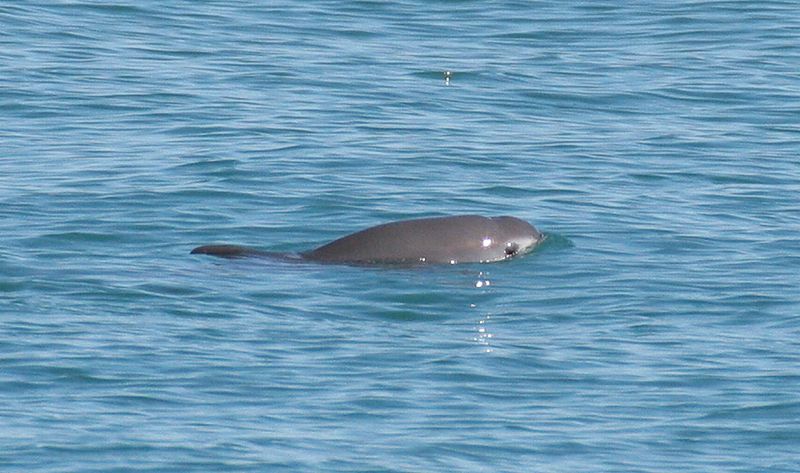
Fewer than 10 of these small porpoises are believed to still exist, making the vaquita the rarest marine mammal on the planet. That number is not a typo.
Found only in the northern Gulf of California, this shy creature has been pushed to the absolute edge by illegal fishing nets meant for another species entirely.
Vaquitas get tangled in gillnets set for the totoaba fish, which is illegally harvested for its swim bladder. Despite international efforts and fishing bans, enforcement has been painfully slow.
The vaquita does not breed quickly enough to recover from such rapid losses.
Scientists have been racing against time for decades. Camera traps and acoustic monitoring show the population keeps shrinking.
Without a dramatic change in fishing practices and enforcement, this tiny porpoise will almost certainly vanish within our lifetime. It is genuinely heartbreaking.
2. Red Wolf (Canis rufus)
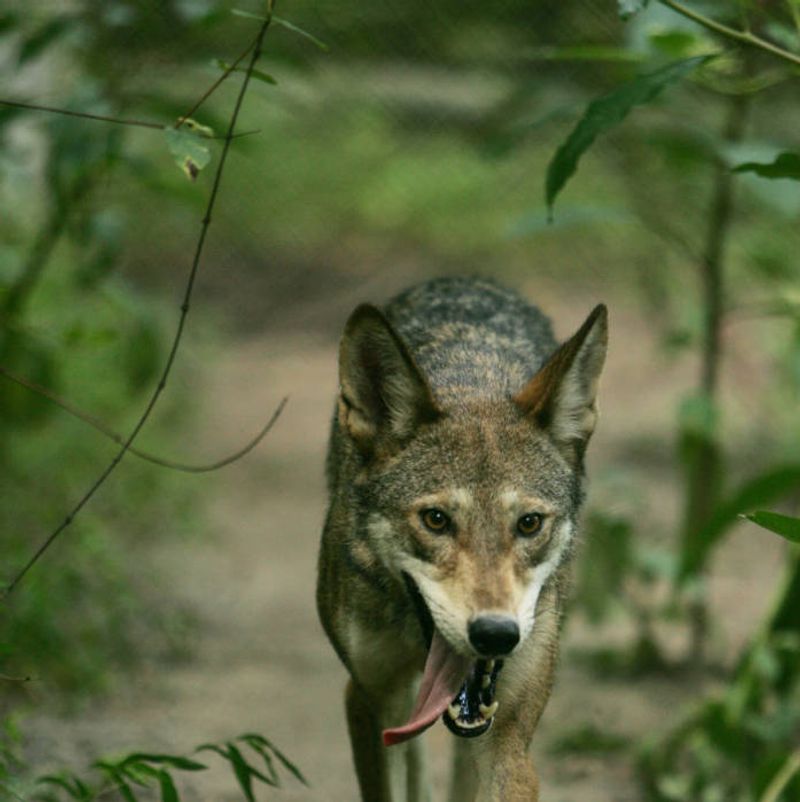
Once roaming across the entire southeastern United States, the red wolf has been squeezed into a single patch of North Carolina wilderness. Only around 20 remain in the wild, making it one of the rarest canids on Earth.
This wolf is not a coyote, not a gray wolf, but its very own distinct species with a fascinating ancient lineage.
Hybridization with coyotes is one of the biggest threats the red wolf faces. When wolf numbers drop too low, finding a mate becomes nearly impossible, and some individuals end up breeding with coyotes instead.
This slowly dilutes the red wolf gene pool.
The U.S. Fish and Wildlife Service runs a captive breeding program that has kept the species from vanishing entirely.
But with habitat loss and political battles over reintroduction efforts, the road to recovery is steep. Every pup born is a small victory.
3. Florida Panther (Puma concolor coryi)
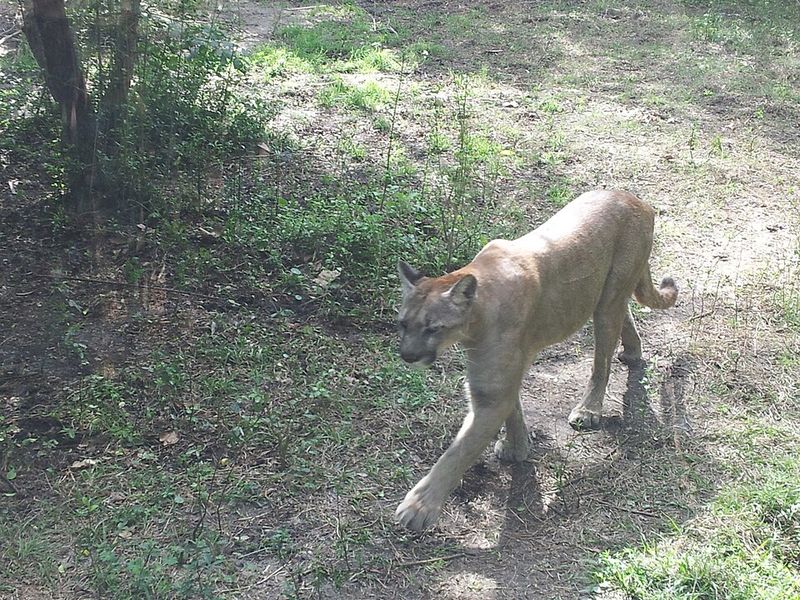
Sleek, secretive, and stubbornly surviving in one of America’s most crowded states, the Florida panther is a true underdog story. With somewhere between 120 and 230 individuals left, this big cat clings to life in the swamps and forests of southern Florida.
It is the only confirmed wild cougar population east of the Mississippi River.
Roads are one of this panther’s deadliest enemies. Florida is crisscrossed with highways, and collisions with vehicles kill several panthers every year.
Habitat fragmentation forces cats to cross busy roads just to find food or mates, turning everyday survival into a gamble.
Wildlife crossings and underpasses built beneath major roads have already saved lives. Conservationists continue pushing for more of these structures.
Genetic rescue efforts, which introduced Texas pumas to boost diversity, have also helped. The panther is fighting back, one cautious step at a time.
4. Whooping Crane (Grus americana)
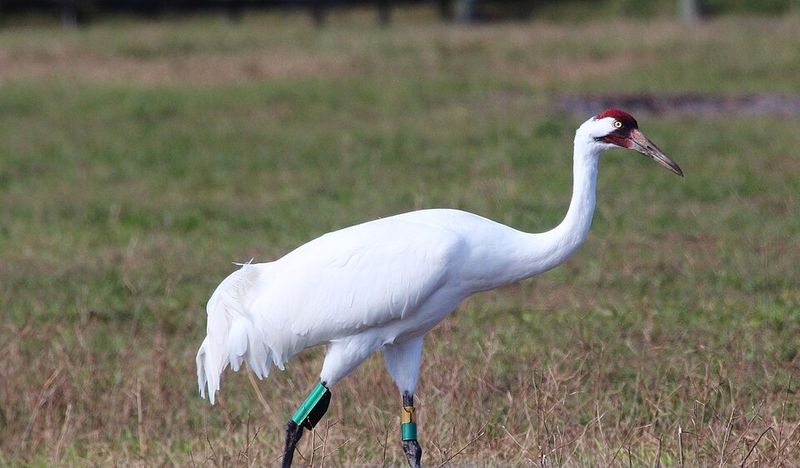
Standing nearly five feet tall and blazing white against blue skies, the whooping crane is one of North America’s most dramatic birds. It is also one of the most rescued.
In the 1940s, the entire wild population crashed to just 15 birds. Today, thanks to decades of intensive conservation, around 800 exist across wild and captive populations.
These cranes migrate enormous distances between Canada and Texas every year. Young birds raised in captivity have even been taught migration routes by humans piloting ultralight aircraft.
That is not a joke. It actually worked.
Habitat loss along migration corridors remains a serious concern, and climate change is altering the wetlands these birds depend on for nesting. Power line collisions and storms also take a toll.
Still, the whooping crane’s comeback from near-total extinction gives conservationists genuine hope that persistence really does pay off.
5. California Condor (Gymnogyps californianus)
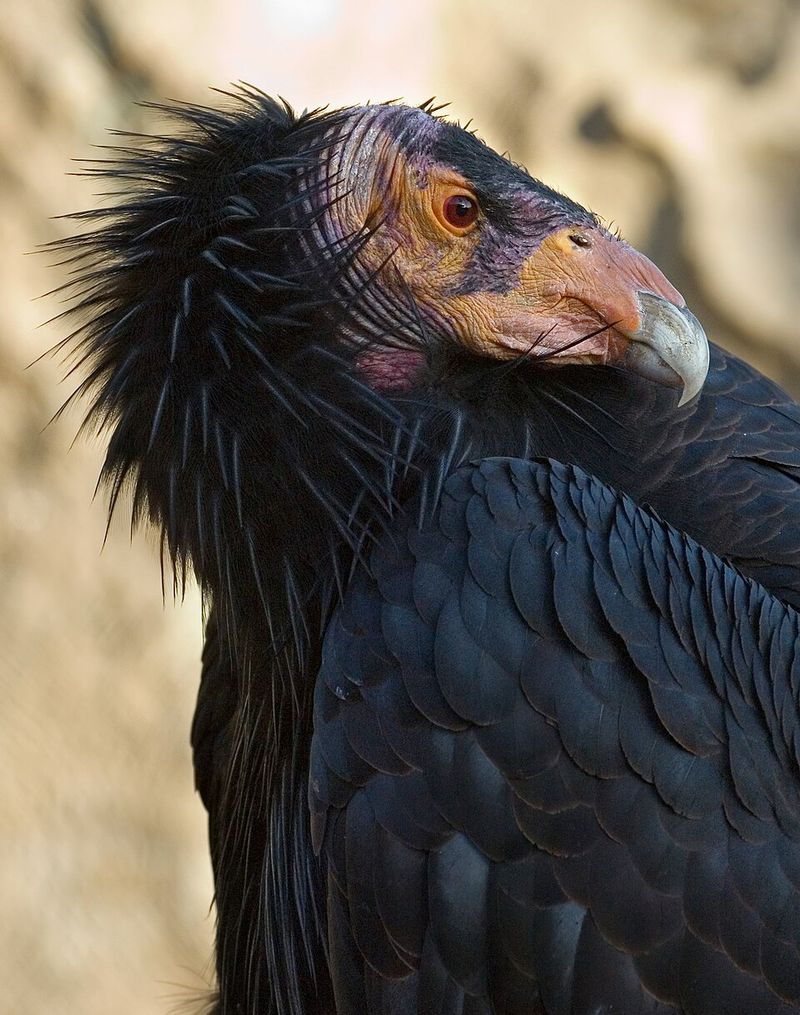
With a wingspan stretching nearly ten feet, the California condor is the largest flying bird in North America. It is also one of the most dramatic conservation comeback stories ever told.
By 1987, every single wild condor had been captured, bringing the total population down to just 27 birds. Extinction felt inevitable.
Lead poisoning from ammunition left in hunter-shot carcasses remains the number one killer today. Condors scavenge for food, and when they eat animals killed with lead bullets, the toxin accumulates in their bodies.
Many birds require treatment and release multiple times throughout their lives.
Captive breeding programs have pushed the population past 500 birds, with roughly half living wild across California, Arizona, Utah, and Baja California. Switching to non-lead ammunition could dramatically boost survival rates.
For now, teams of dedicated biologists monitor every known individual. Each condor literally has a name and a tracking number.
6. Mexican Gray Wolf (Canis lupus baileyi)
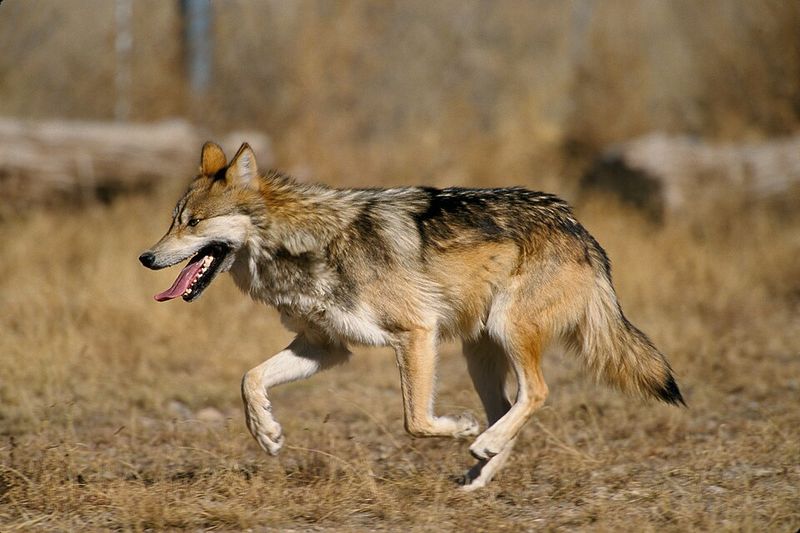
The Mexican gray wolf, nicknamed the lobo, is the smallest and rarest gray wolf subspecies in North America. Hunted to extinction in the wild by the 1970s, it was brought back through a captive breeding program and reintroduced to the Arizona and New Mexico wilderness starting in 1998.
Around 250 now roam free, which sounds encouraging until you consider how fragile that number really is.
Conflict with ranchers remains the biggest social obstacle to recovery. Wolves occasionally prey on livestock, which sparks anger and, sometimes, illegal shootings.
Finding ways to compensate ranchers and reduce conflict is just as important as protecting habitat.
Genetic diversity is another pressing concern. Because all living lobos descend from just seven founders, inbreeding threatens the population’s long-term health.
Conservationists are carefully managing breeding pairs to maximize genetic variety. The lobo’s howl is slowly returning to the Southwest, and that matters deeply.
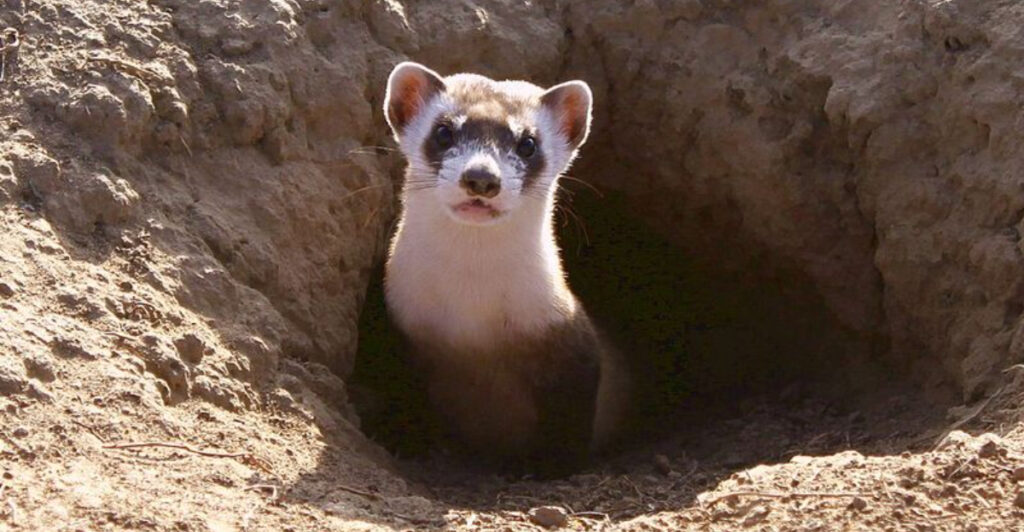
7. Black-Footed Ferret (Mustela nigripes)
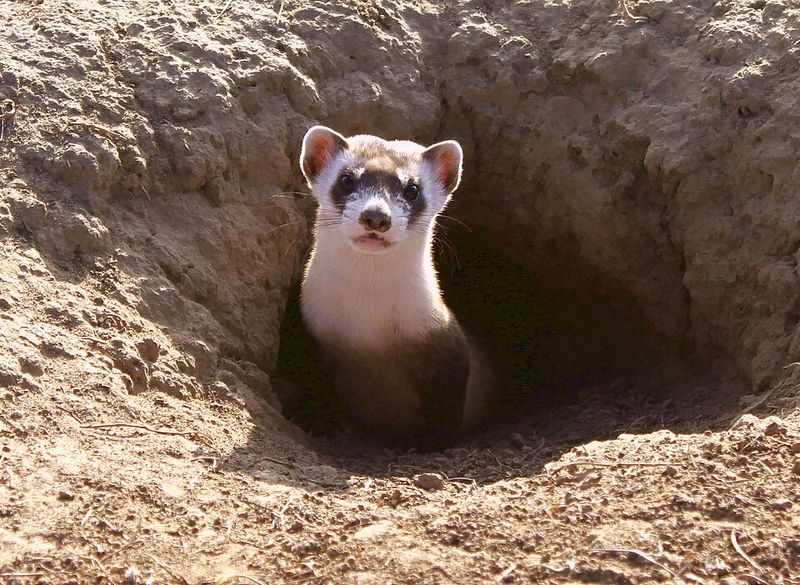
Declared extinct in 1979, the black-footed ferret made one of the most shocking wildlife comebacks in American history when a ranch dog in Wyoming dragged one home in 1981. A surviving population had been hiding in plain sight.
That discovery launched one of the most intensive rescue missions the country had ever seen.
These ferrets depend almost entirely on prairie dogs, both as prey and for borrowing their underground tunnels as homes. As prairie dog populations collapsed due to poisoning campaigns and disease, the ferret had nowhere to live and nothing to eat.
The two species are inseparably linked.
Today, around 300 to 400 black-footed ferrets live in the wild across several reintroduction sites. Sylvatic plague, a disease that devastates prairie dog colonies, continues to threaten recovery.
Conservationists now distribute plague vaccine pellets across prairie dog towns. It is unglamorous work, but it is working.
8. North Atlantic Right Whale (Eubalaena glacialis)
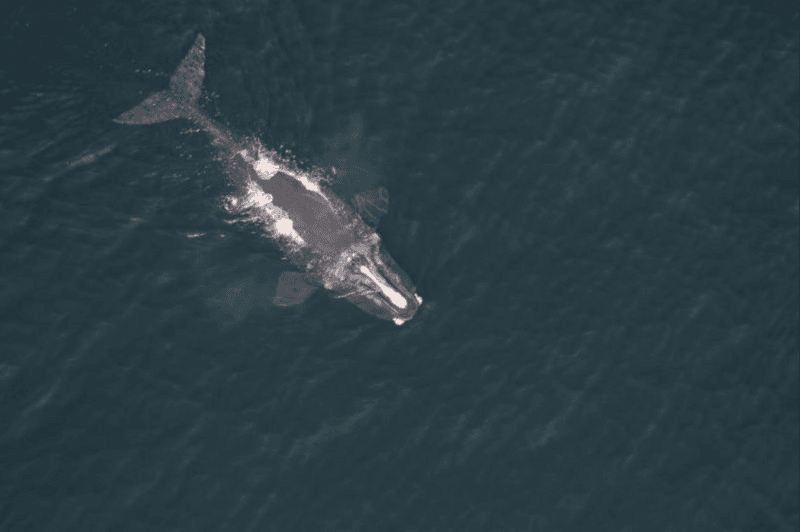
Only about 340 North Atlantic right whales remain alive, and the species is losing the battle against human activity faster than it can reproduce. Females only give birth every three to five years, so every single death is a devastating blow to the population.
Scientists who study this species describe their work with a quiet urgency that is hard to shake.
Ship strikes and entanglement in fishing gear are the top two killers. These whales feed along some of the busiest shipping lanes on the planet, and slow-moving whales do not always avoid fast vessels.
Ropes from lobster and crab traps wrap around their bodies, causing exhaustion, infection, and drowning.
Speed restrictions for ships in key feeding areas and the development of ropeless fishing gear offer real hope. Some progress has been made, but not nearly fast enough.
Each new calf born is celebrated by the scientific community like a small miracle, because it genuinely is one.
9. Kemp’s Ridley Sea Turtle (Lepidochelys kempii)
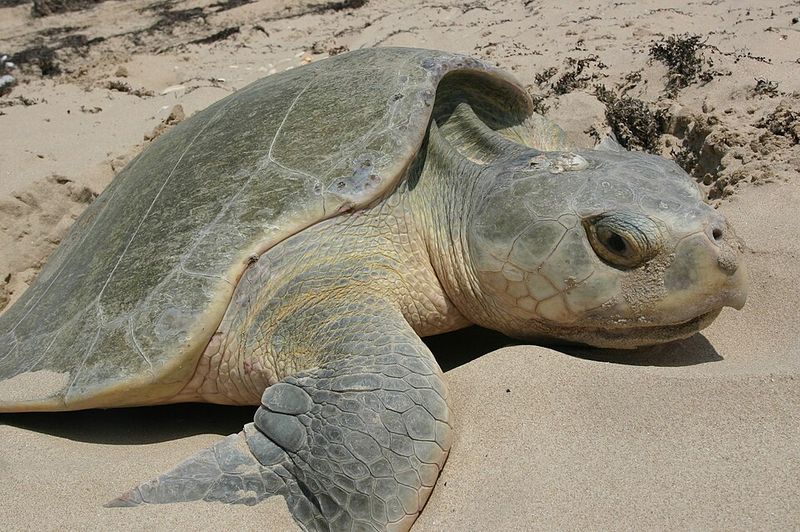
The Kemp’s Ridley sea turtle holds the unfortunate title of most endangered sea turtle species in the world. It is also one of the smallest, barely the size of a dinner plate when fully grown.
What makes this turtle especially fascinating is its nesting behavior: females gather in massive synchronized groups called arribadas to lay eggs on just a handful of beaches in Mexico.
In 1947, a film captured an estimated 42,000 turtles nesting on a single beach in a single day. By the 1980s, that number had collapsed to just a few hundred.
Decades of egg poaching, accidental capture in shrimp nets, and oil spills had decimated the population.
Protective measures, including required turtle excluder devices on fishing nets and guarded nesting beaches, have helped numbers slowly climb back. Recovery is real but fragile.
Climate change now threatens to skew hatchling sex ratios, since warmer sand produces more females. The comeback is cautiously hopeful.
10. Sonoran Pronghorn (Antilocapra americana sonoriensis)
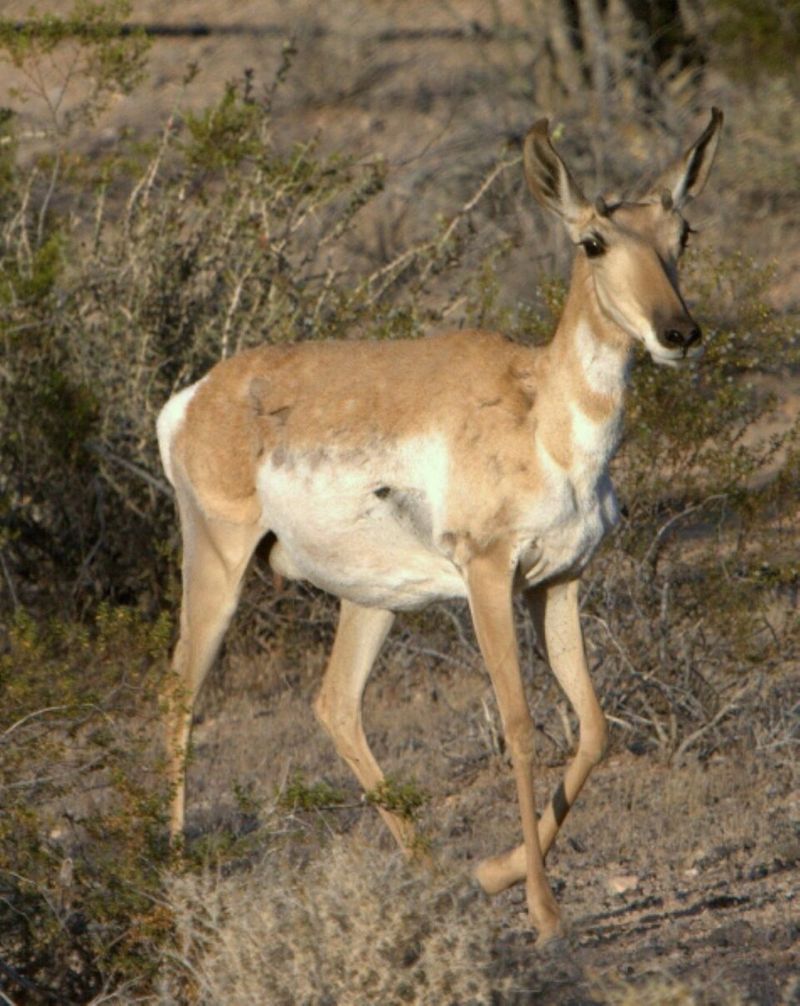
Built for speed in a landscape that offers almost nothing to eat or drink, the Sonoran pronghorn is one of the toughest animals in North America. It is a subspecies of the pronghorn antelope and lives in some of the driest, harshest desert terrain on the continent, straddling the border between Arizona and Mexico.
Around 300 individuals remain.
Drought is the biggest immediate threat. When water sources dry up and vegetation disappears, pronghorn fawns are especially vulnerable.
A severe drought in the early 2000s nearly wiped out the entire U.S. population, dropping numbers to just 21 animals at one point. That was a terrifyingly close call.
Emergency water stations, captive rearing programs, and habitat restoration have helped the population recover somewhat. Border fencing between the U.S. and Mexico has also created a new barrier that blocks the pronghorn’s natural movement across its range.
Finding balance between policy and wildlife needs remains an ongoing challenge.
11. Hawaiian Monk Seal (Neomonachus schauinslandi)
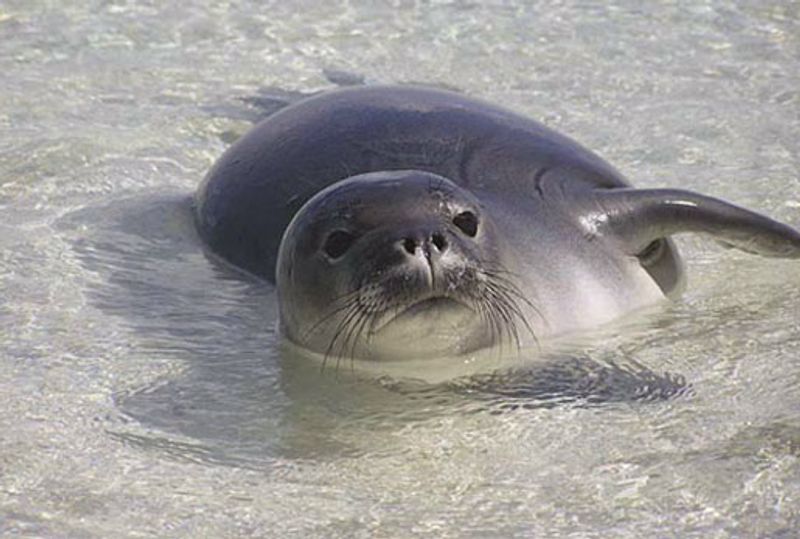
Nicknamed the “living fossil” by some researchers, the Hawaiian monk seal is one of the world’s most ancient seal species and one of only two monk seal species left on Earth. Around 1,500 survive today, almost all of them in the remote Northwestern Hawaiian Islands.
They are one of the most endangered marine mammals in U.S. waters.
Fishing gear entanglement is a persistent killer, trapping seals underwater until they drown. Food shortages caused by overfishing in their habitat mean many young seals simply starve before reaching adulthood.
Human disturbance on beaches, even unintentional, can cause mothers to abandon pups.
The National Oceanic and Atmospheric Administration runs active rescue and rehabilitation programs, relocating malnourished pups and removing entangled individuals from dangerous gear. Some seals have even been moved to food-richer areas to boost survival.
Every pup that makes it to adulthood genuinely counts. Hawaii considers this seal a cultural treasure worth protecting.
12. Attwater’s Prairie Chicken (Tympanuchus cupido attwateri)
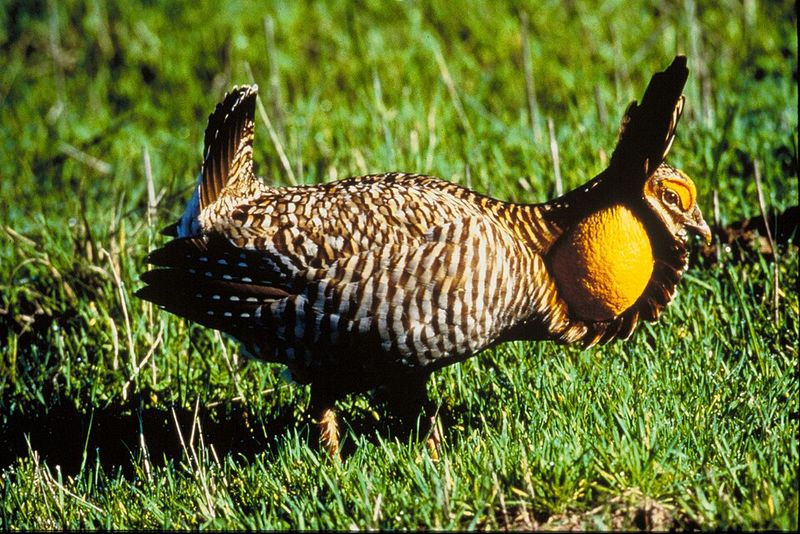
Few birds in North America have fallen as fast or as far as the Attwater’s prairie chicken. Once numbering in the millions across the coastal prairies of Texas and Louisiana, fewer than 200 now survive in the wild.
Its decline is almost entirely the result of one thing: the destruction of the coastal tallgrass prairie it calls home.
Over 95 percent of the original coastal prairie habitat has been converted to agriculture, development, or taken over by invasive plants. Without open grassland for displaying, nesting, and foraging, these birds simply cannot survive.
The species is now restricted to just two wildlife refuges in Texas.
Captive breeding programs have prevented total extinction, releasing birds back into managed prairie habitat each year. But predation, severe weather, and ongoing habitat pressures keep numbers painfully low.
Hearing the deep booming call of a male during breeding season is described by birders as one of the most unforgettable sounds in Texas wildlife.
13. Devils Hole Pupfish (Cyprinodon diabolis)
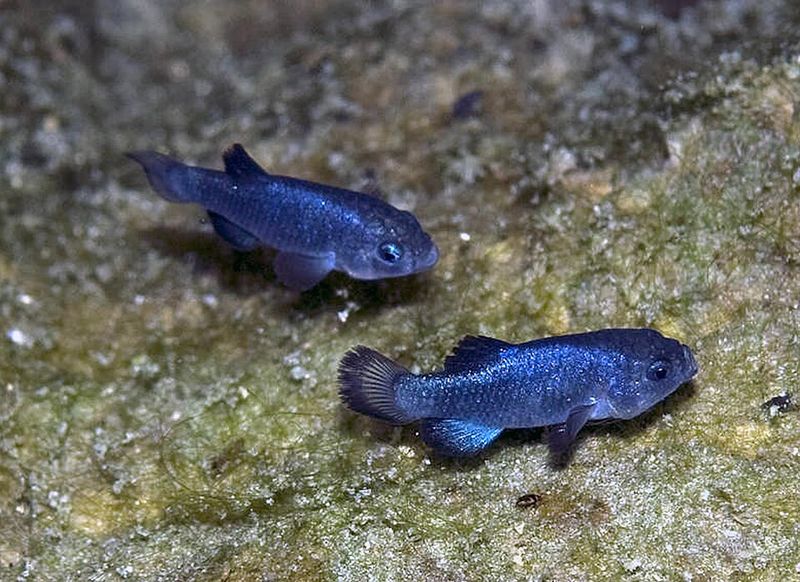
Imagine an entire species living in a single water-filled cave the size of a large bedroom. That is the reality for the Devils Hole pupfish, which exists nowhere else on Earth.
This tiny blue fish, barely an inch long, has survived in a geothermal pool in the Nevada desert for thousands of years, cut off from the rest of the world.
The entire known wild population lives on a single shallow rock shelf inside Devils Hole, a detached unit of Death Valley National Park. The shelf is only about 3.5 by 6 feet.
Population counts fluctuate wildly, sometimes dropping below 40 individuals, which is terrifyingly close to nothing.
Groundwater pumping from nearby agricultural operations threatens water levels inside the cave. Even minor earthquakes have been observed triggering waves that wash eggs off the shelf.
Scientists have built an elaborate backup habitat nearby to safeguard the species. The Devils Hole pupfish is the ultimate example of life finding a way against impossible odds.
14. Ozark Hellbender (Cryptobranchus alleganiensis bishopi)
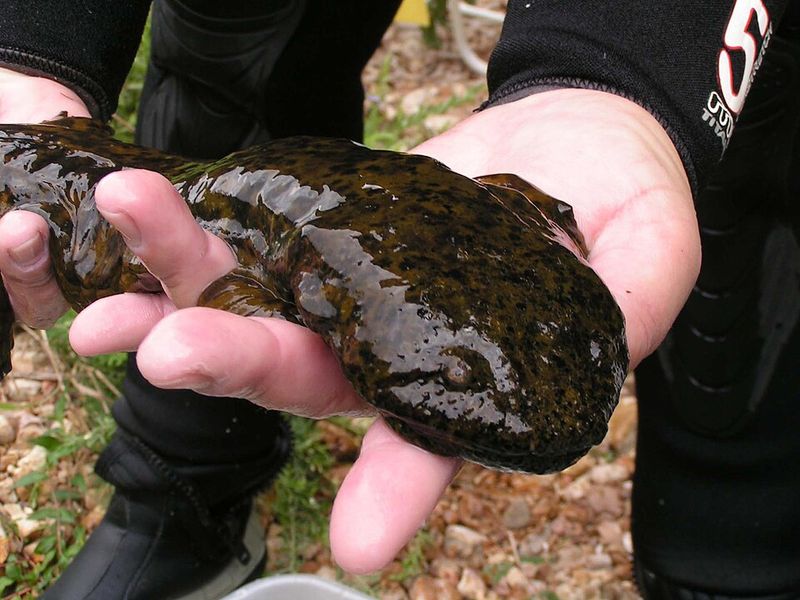
Lurking under flat rocks in the cold, fast-moving streams of Missouri and Arkansas is one of the strangest and most underappreciated animals in North America. The Ozark hellbender is a giant salamander that can grow up to two feet long, breathes almost entirely through its wrinkled, frilly skin, and has been prowling these streams for millions of years.
It looks prehistoric because it basically is.
Water quality is everything for this species. Hellbenders need cold, clear, oxygen-rich water with large flat rocks for nesting.
Sedimentation from agriculture and development smothers the stream bottoms they depend on. Chytrid fungus, a deadly amphibian disease, has also swept through populations, causing rapid die-offs.
Captive breeding programs at several U.S. zoos have produced thousands of young hellbenders for reintroduction. Stream restoration work is slowly improving habitat quality in key areas.
The Ozark hellbender rarely gets headlines, but biologists who work with it describe a fierce, unexpected admiration for this ancient, slippery giant.
15. Island Fox (Urocyon littoralis)
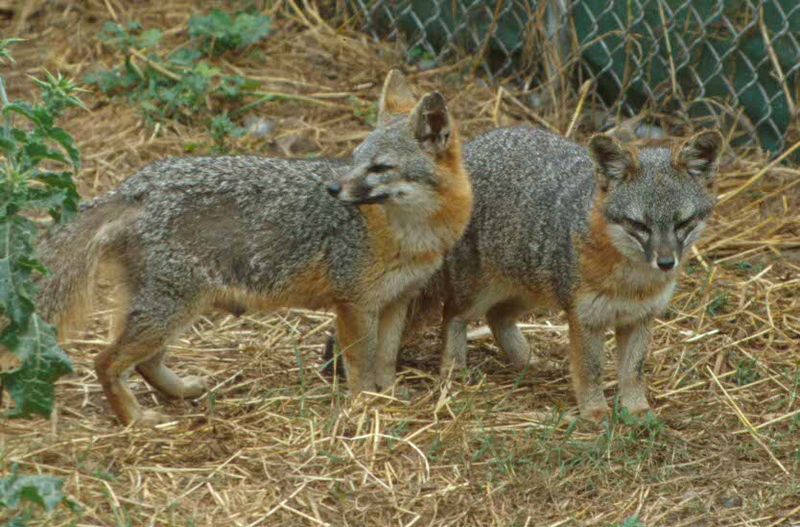
At roughly the size of a house cat, the island fox is the smallest fox species in the United States and one of the most remarkable conservation success stories of the 21st century. Six of the eight Channel Islands subspecies were listed as endangered in 2004, with some populations down to fewer than 100 individuals.
Recovery has been nothing short of extraordinary.
Golden eagles, which colonized the islands after DDT nearly wiped out bald eagles, turned out to be devastating predators of the tiny foxes. Removing golden eagles and reintroducing bald eagles, which do not hunt foxes, helped flip the dynamic almost immediately.
Captive breeding programs boosted numbers rapidly.
By 2016, four subspecies were removed from the endangered list, marking one of the fastest recoveries ever recorded under the Endangered Species Act. Canine distemper and other diseases remain ongoing concerns.
The island fox is living proof that targeted, science-driven conservation can actually work when people commit to it fully.
Share this story