Florida is famous for its beaches, theme parks, and sunshine, but its real magic often hides deep in the forest. Tucked away from the tourist crowds are trails so peaceful you might forget the rest of the world exists.
This spring, skip the packed paths and discover the wild, quiet side of Florida that most people never see. These 15 hidden trails are waiting for you, and trust us, they are absolutely worth the adventure.
1. Kolokee Loop Trail (Little Big Econ State Forest)
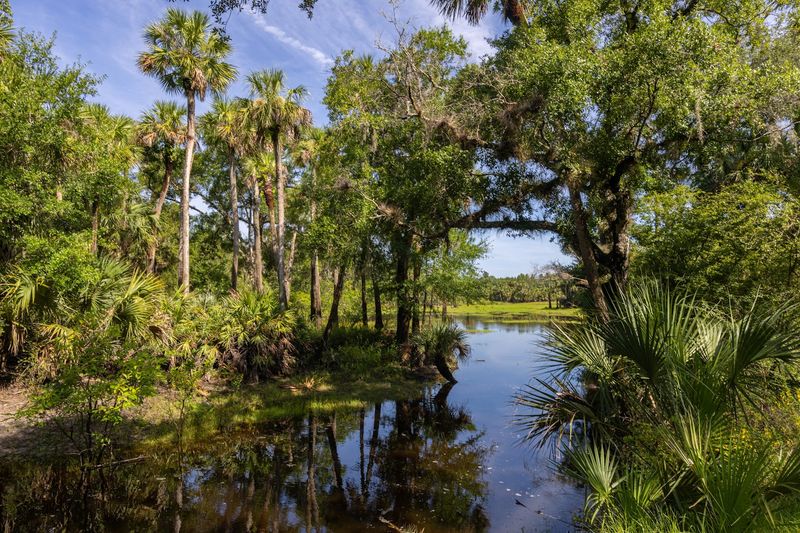
Close your eyes and picture a trail so quiet that birdsong is the only soundtrack you need. That is exactly what the Kolokee Loop Trail delivers deep inside Little Big Econ State Forest.
Sandy underfoot and shaded by towering trees, this loop feels like a secret the rest of Florida forgot to share.
Spring is an especially magical time here. Wildflowers pop up along the path, and the Econlockhatchee River shimmers through the trees.
You might spot herons, woodpeckers, or even a river otter going about its day completely unbothered by your presence.
Bring plenty of water and wear good trail shoes since the sandy surface can be a little soft in spots. The loop is manageable for most fitness levels, making it a great choice for families or solo hikers who just want to breathe and unwind without bumping into a crowd every five minutes.
2. Dunns Farm Trail (Jennings State Forest)
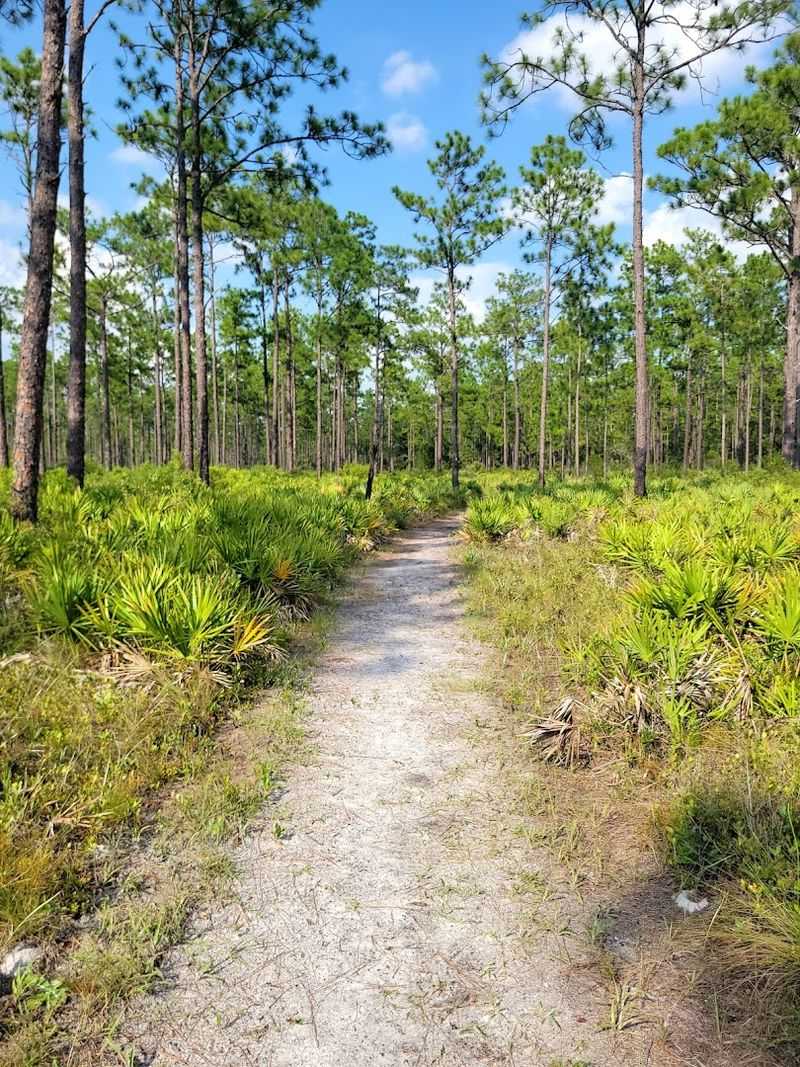
There is something deeply satisfying about a trail that asks nothing complicated of you. Dunns Farm Trail in Jennings State Forest is exactly that kind of place.
Wide, well-maintained paths roll through classic Florida pine flatwoods where the air smells like warm earth and sunshine.
Weekdays here are almost comically empty. You might hike for an hour and see nothing but longleaf pines, wiregrass, and the occasional gopher tortoise trundling across the path at its own unhurried pace.
Spring brings out the best of the flatwoods, with wildflowers adding pops of color to the otherwise golden landscape.
The trail is flat and easy to follow, making it great for beginner hikers or anyone who just wants a low-key outdoor escape. Pack a snack, leave the earbuds at home, and let the forest do its thing.
Solitude this good is surprisingly hard to find.
3. Citrus Tract – Holder Mine Area (Withlacoochee State Forest)
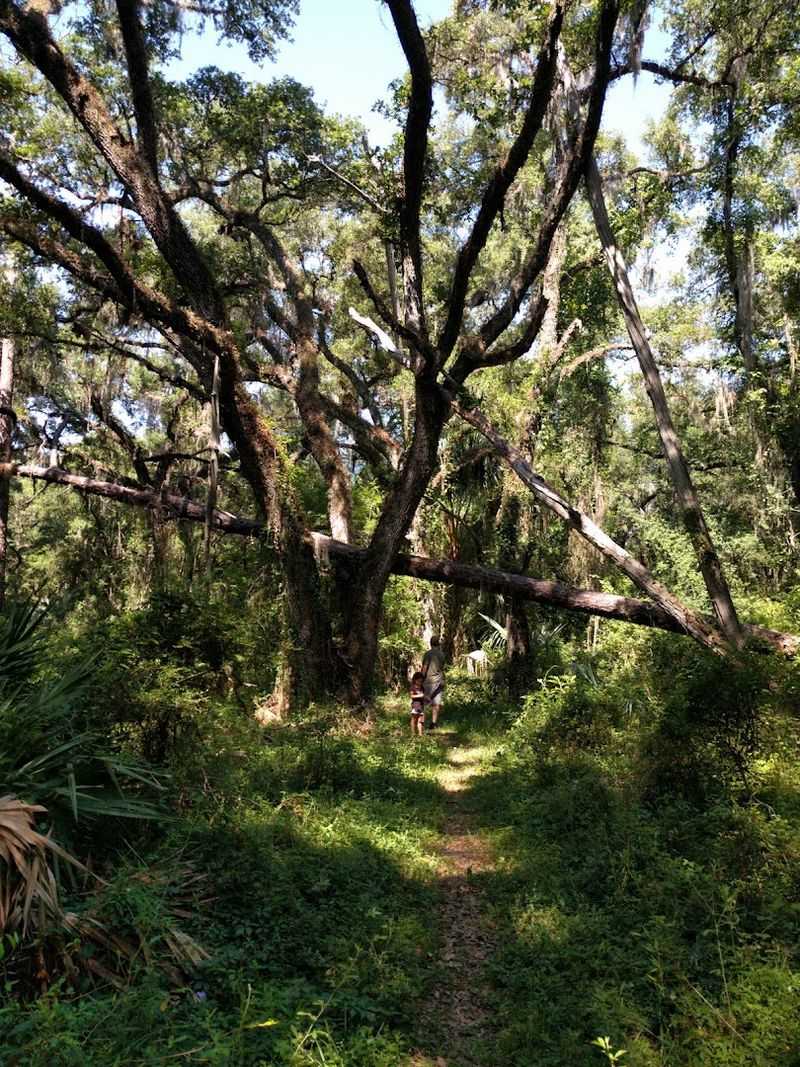
Flat trails are Florida’s default setting, so finding actual gentle hills here feels like discovering a cheat code for the state. The Citrus Tract’s Holder Mine Area inside Withlacoochee State Forest offers exactly that rare treat, with rolling terrain that gives your legs something interesting to think about.
Spring is the absolute best time to visit. Wildflowers carpet the forest floor in bursts of purple, yellow, and white, turning every bend in the trail into a small surprise.
The maze of lesser-used paths means you can explore without a strict agenda, wandering wherever curiosity leads you.
Navigation here rewards hikers who pay attention to trail markers, so grab a map before heading out. The area sees very light foot traffic, which means wildlife encounters are common.
White-tailed deer, red-shouldered hawks, and box turtles are all regular residents happy to share the space with respectful visitors.
4. Goethe State Forest – Tidewater Trail Area
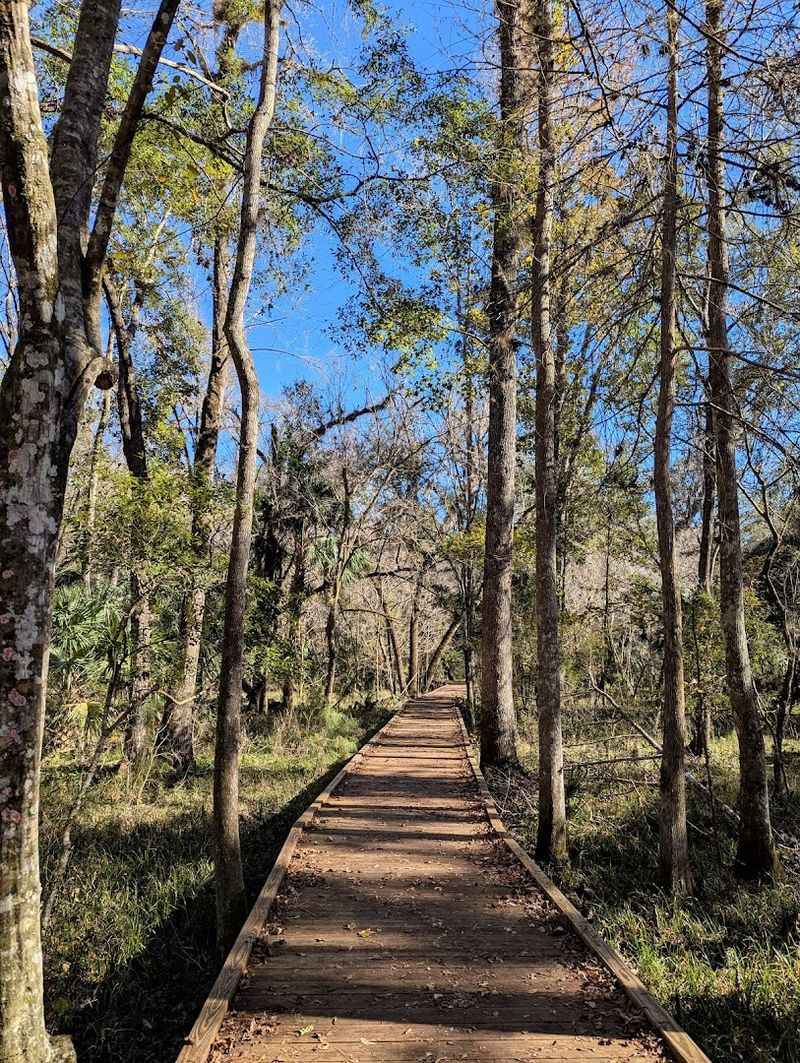
Goethe State Forest is one of those places where the word “remote” actually means something. Covering over 50,000 acres, this massive forest swallows hikers whole in the best possible way.
The Tidewater Trail area in particular offers long stretches of path where you genuinely might not cross paths with another human being all day.
That kind of solitude is rare and worth protecting. The forest is a mix of pine flatwoods, hardwood hammocks, and wetland edges, giving the trail a constantly shifting feel that keeps boredom at bay.
Spring brings out migratory birds in full force, so birdwatchers will be absolutely thrilled.
Come prepared with a trail map, snacks, sunscreen, and more water than you think you need. Cell service is spotty at best out here.
Tell someone where you are going, lace up your boots, and enjoy the extraordinary luxury of a trail that feels entirely your own.
5. Tiger Creek Preserve Trails (Babson Park)
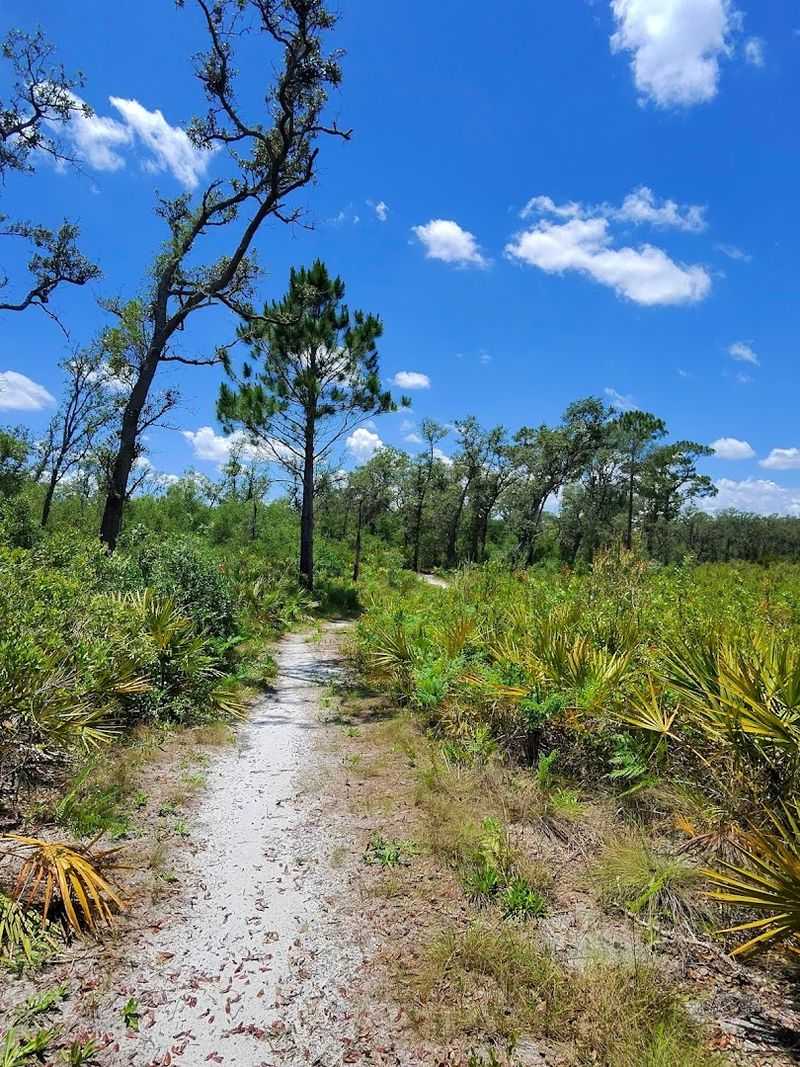
Biologists get genuinely excited about Tiger Creek Preserve, and once you visit, you will understand why. This is one of the most biologically rich landscapes in the entire state of Florida, packed into a surprisingly compact area near Babson Park.
Rare plants grow here that exist almost nowhere else on Earth.
The rolling terrain is another pleasant surprise. Unlike most Florida trails, Tiger Creek actually has some elevation change, giving the hike a more dynamic feel.
Spring is peak season for wildflowers and wildlife activity, so bring binoculars if you have them.
Foot traffic stays impressively light year-round, which makes every visit feel personal and unhurried. The Nature Conservancy manages the preserve, keeping it in excellent ecological shape.
Stick to the marked trails to protect the sensitive vegetation, and take your time soaking in the details. Small wonders are everywhere if you slow down enough to notice them.
6. Apoxee Wilderness Trail (West Palm Beach outskirts)
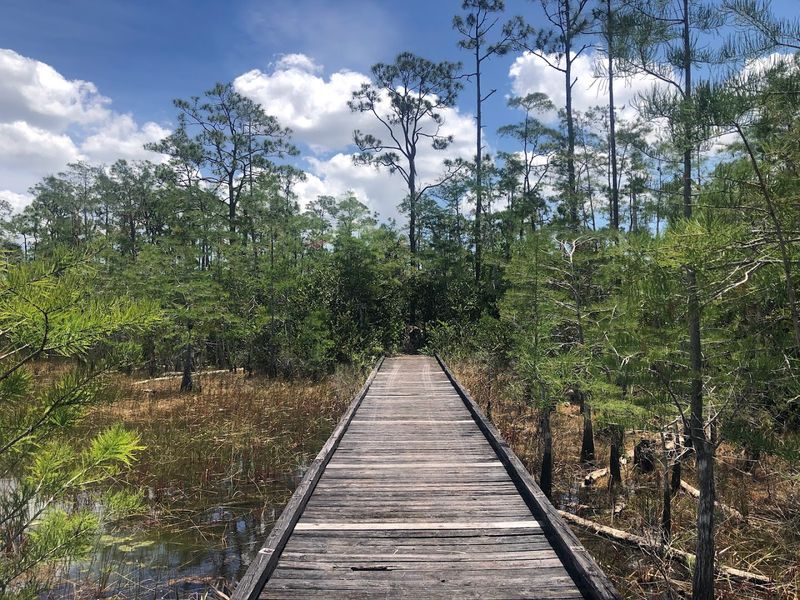
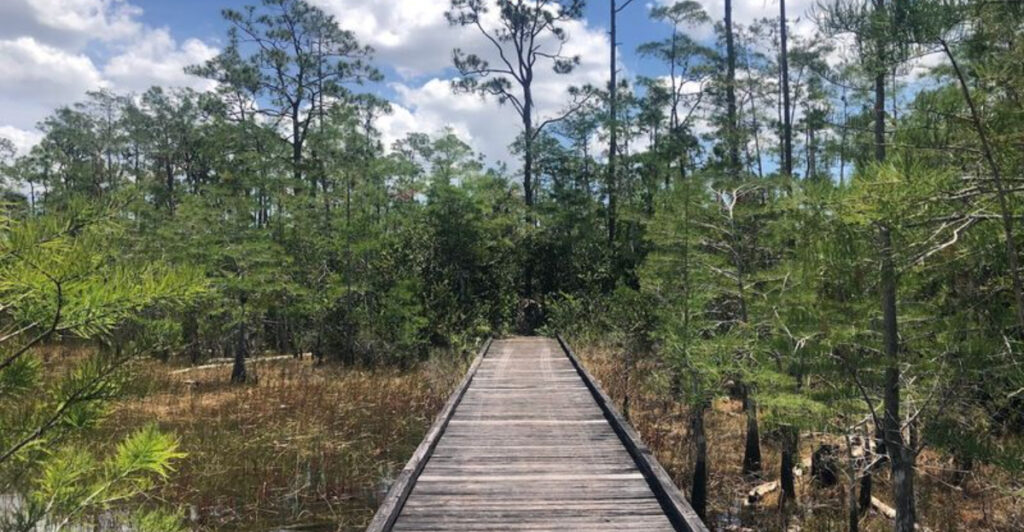
Just outside the busy sprawl of West Palm Beach, the Apoxee Wilderness Trail pulls off a remarkable trick: it makes you feel genuinely far from civilization. Long boardwalks carry you over open wetlands where alligators sun themselves below and ospreys circle overhead, completely indifferent to the city humming in the distance.
The trail stretches about ten miles out and back, which sounds intimidating but rewards hikers with a deep sense of immersion. Morning visits are especially atmospheric when mist still hangs over the water and the light turns everything golden.
Compared to nearby parks that get slammed on weekends, Apoxee stays wonderfully uncrowded.
Wear lightweight, breathable clothing because open wetland sections offer little shade. Bug spray is your best friend here, especially in spring when insects wake up with enthusiasm.
Still, the payoff of watching a roseate spoonbill wade through shallow water makes every mosquito entirely worth tolerating.
7. Rice Creek Conservation Area – Blue Trail
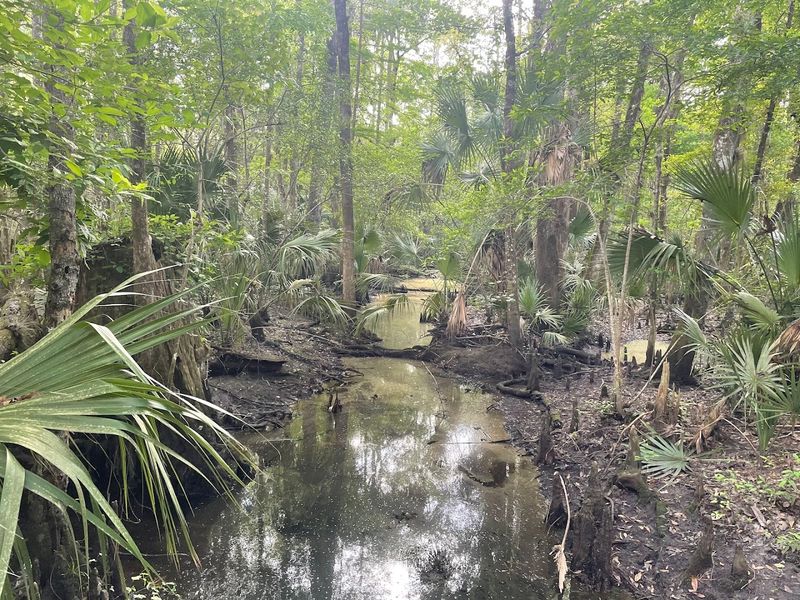
Hardwood forests have a completely different energy from pine flatwoods, and Rice Creek Conservation Area’s Blue Trail captures that distinction beautifully. Tall oaks and cypress trees create a cathedral-like canopy overhead, filtering sunlight into soft, shifting patterns on the forest floor below.
Creek crossings add a playful element to the hike, giving you an excuse to slow down and watch the water flow over roots and stones. The area is almost never crowded, which means wildlife tends to behave more naturally here.
Wading birds, river otters, and white-tailed deer are all regular sightings along the Blue Trail.
Spring is ideal for visiting because temperatures are comfortable and the forest feels lush and alive. The trail is well-marked and manageable for most hikers, though waterproof shoes are smart given the creek crossings.
Pack a field guide if you enjoy identifying plants, because this forest has plenty of interesting species to discover along the way.
8. Yellow River Marsh Preserve Interior Trails (Milton)
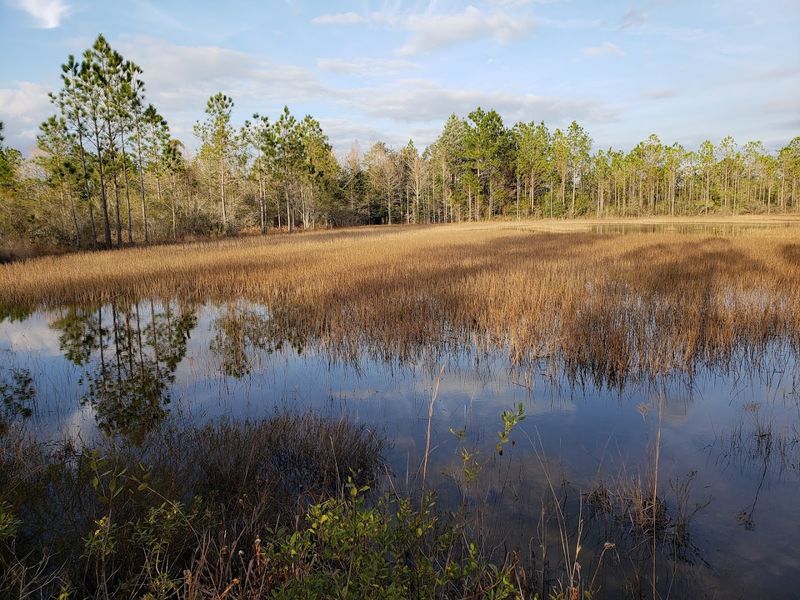
Up in the Florida Panhandle, Yellow River Marsh Preserve near Milton keeps a remarkably low profile for a place this beautiful. Quiet boardwalks thread through wetland forest thick with cypress, tupelo, and Spanish moss, creating an atmosphere that feels more like a fairy tale than a public trail.
Wildlife here is abundant and bold. Herons stand perfectly still in the shallows, turtles stack up on logs like they are posing for a photograph, and the occasional river otter will remind you that nature has a sense of humor.
People, on the other hand, are refreshingly scarce.
Spring temperatures in the Panhandle are genuinely comfortable for hiking, making this an ideal season to explore. The boardwalks protect both the wetland ecosystem and your shoes from the muck below.
Arrive early in the morning for the best wildlife activity and the most peaceful experience the preserve has to offer.
9. Half Moon Wildlife Management Area Trails (near Lake Panasoffkee)
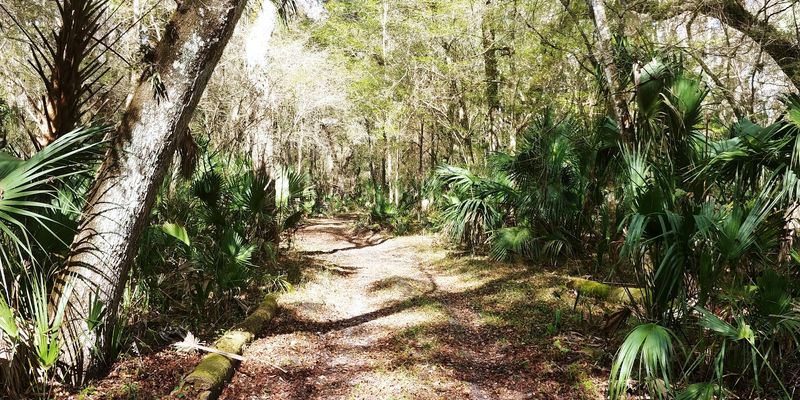
Half Moon Wildlife Management Area is not trying to impress anyone with fancy signage or manicured paths, and that raw, unpolished quality is exactly what makes it special. Trails here are lightly marked at best, giving the whole experience a genuinely wild, exploratory feel that more developed parks simply cannot replicate.
Located near Lake Panasoffkee, this large management area mixes open marsh edges with scrubby uplands and dense forest. The landscape shifts constantly, which keeps the hike interesting.
Spring brings migrating songbirds through in impressive numbers, and the lack of human traffic means they are easy to observe up close.
Navigation skills matter here more than at most Florida trails. Download an offline map before you arrive and pay close attention to landmarks.
The reward for that extra preparation is a hiking experience that feels genuinely untouched. Not every trail needs to be easy to find its way onto your favorites list.
10. Babcock/Webb Wildlife Management Area (lesser-used hiking sections)
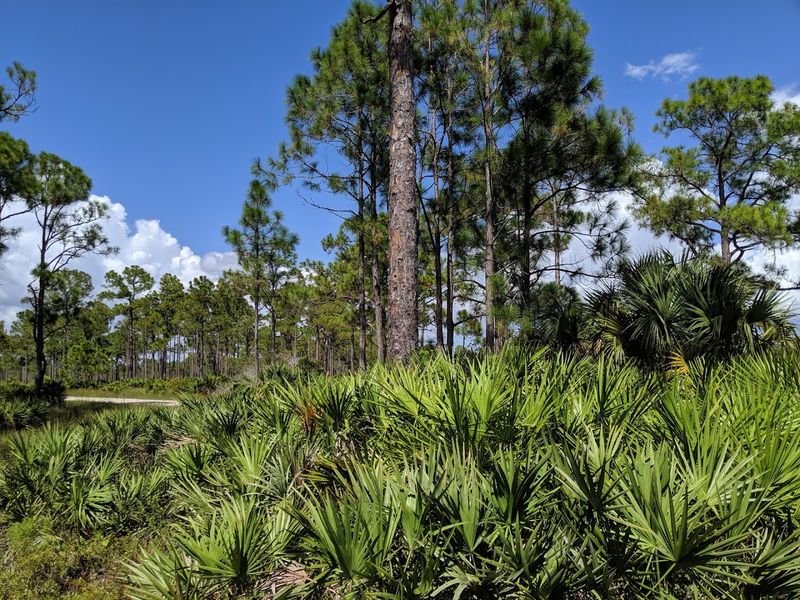
Most visitors to Babcock/Webb Wildlife Management Area stay in their cars for the wildlife drive, which means the actual hiking trails here are some of the emptiest in Southwest Florida. Step out of the vehicle and onto those back trails and you will feel like you have the entire place to yourself.
The deeper hiking sections cut through vast pine flatwoods where Florida scrub-jays hop boldly between low scrub oaks, completely unfazed by curious visitors. Gopher tortoises are practically everywhere, going about their ancient, slow-motion business without a care in the world.
Spring wildflowers add unexpected color to the sandy landscape.
Trails here are flat and relatively straightforward, but distances can be long so plan accordingly. Bring more water than seems necessary, wear sun protection since shade is limited in open flatwoods sections, and enjoy the rare privilege of hiking through a wildlife management area that most visitors never actually explore on foot.
11. Fred C. Babcock–Cecil M. Webb Interior Trails (back sections)
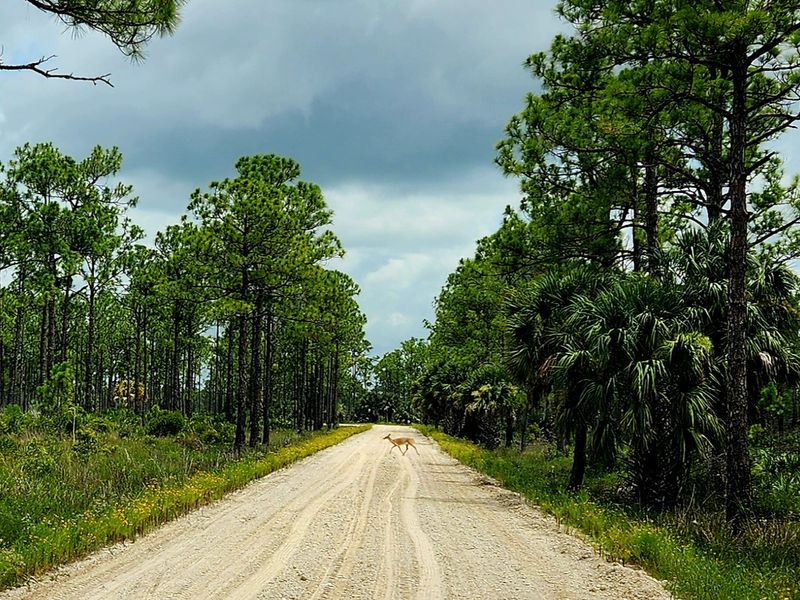
Here is a trail tip that most people never discover: the real magic of Fred C. Babcock and Cecil M.
Webb begins well past the obvious access points. Push beyond the easy entry areas and the landscape opens into miles of empty, unhurried trail that feels genuinely off the map.
The back sections of this massive management area are dominated by old-growth-feeling pine flatwoods and scattered wetland pockets that attract a remarkable variety of wildlife. Sandhill cranes are common, and patient hikers occasionally spot black bears moving through the scrub at a respectful distance.
Spring makes everything feel more alive and active.
Getting back here requires some planning since distances are significant. A printed trail map and a fully charged phone are both smart investments before heading out.
The payoff is a hiking experience so quiet and immersive that returning to civilization afterward feels almost jarring. That is not a complaint at all.
12. Lake George State Forest – Bluffton Recreation Area Trails
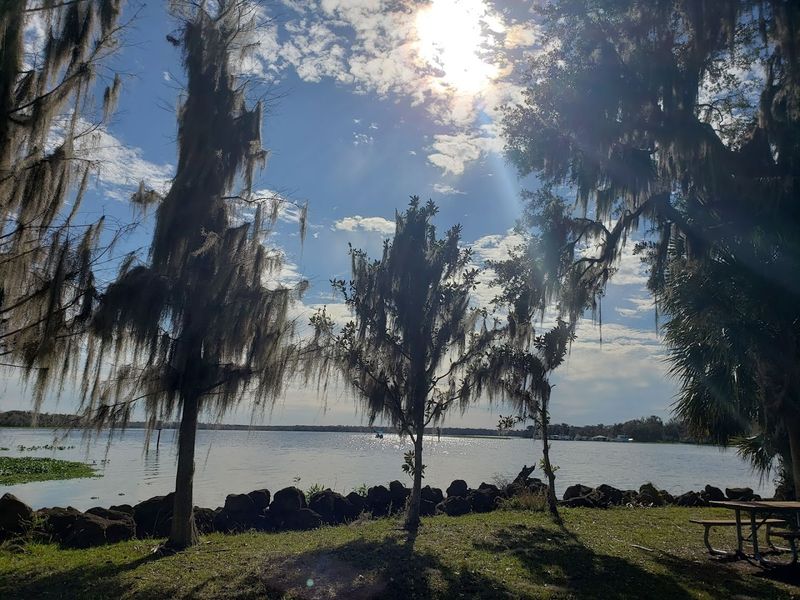
Old Florida has a specific look and feel that is getting harder to find as development spreads across the state. Lake George State Forest’s Bluffton Recreation Area is one of the places where that timeless, unhurried atmosphere still survives intact.
The trails here feel like stepping back several decades, in the best possible way.
Foot traffic is minimal even on weekends, which is almost unheard of in a state with Florida’s population. The forest is a classic mix of longleaf pine and turkey oak, with the St. Johns River not far away adding to the area’s quiet, backwater charm.
Spring brings out warblers and wildflowers in equal abundance.
Access roads can be rough, so a higher clearance vehicle helps for reaching the trailhead comfortably. Once you arrive, the effort immediately feels worthwhile.
Pack a lunch, find a shady spot along the trail, and take your time. Hurrying through a place this peaceful would honestly be a shame.
13. Econfina Creek Wildlife Management Area (lesser-known trails)
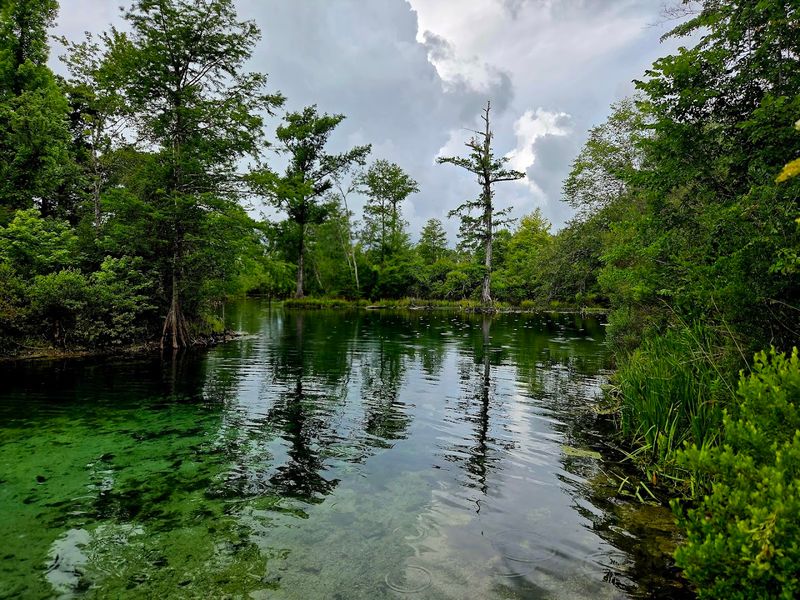
Econfina Creek gets most of its attention from kayakers and tubers floating its crystal-clear spring-fed waters, which means the hiking trails running through the interior of the wildlife management area are almost completely overlooked. That oversight is your gain this spring.
The quieter interior paths take you through dense forest with the creek occasionally visible through the trees, its water so clear it looks almost unreal. Wildlife thrives in the undisturbed corridor, and the absence of paddling crowds means the forest feels genuinely calm and undisturbed.
Birding here is excellent, especially during spring migration.
Trails vary in length and some sections require careful footing near the creek banks, so sturdy shoes are a must. Bring insect repellent since the lush vegetation near the water creates prime habitat for mosquitoes.
But none of that will matter once you are standing in a shaft of morning sunlight listening to a wood thrush sing overhead.
14. Cary State Forest Backcountry Trails (north of Jacksonville)
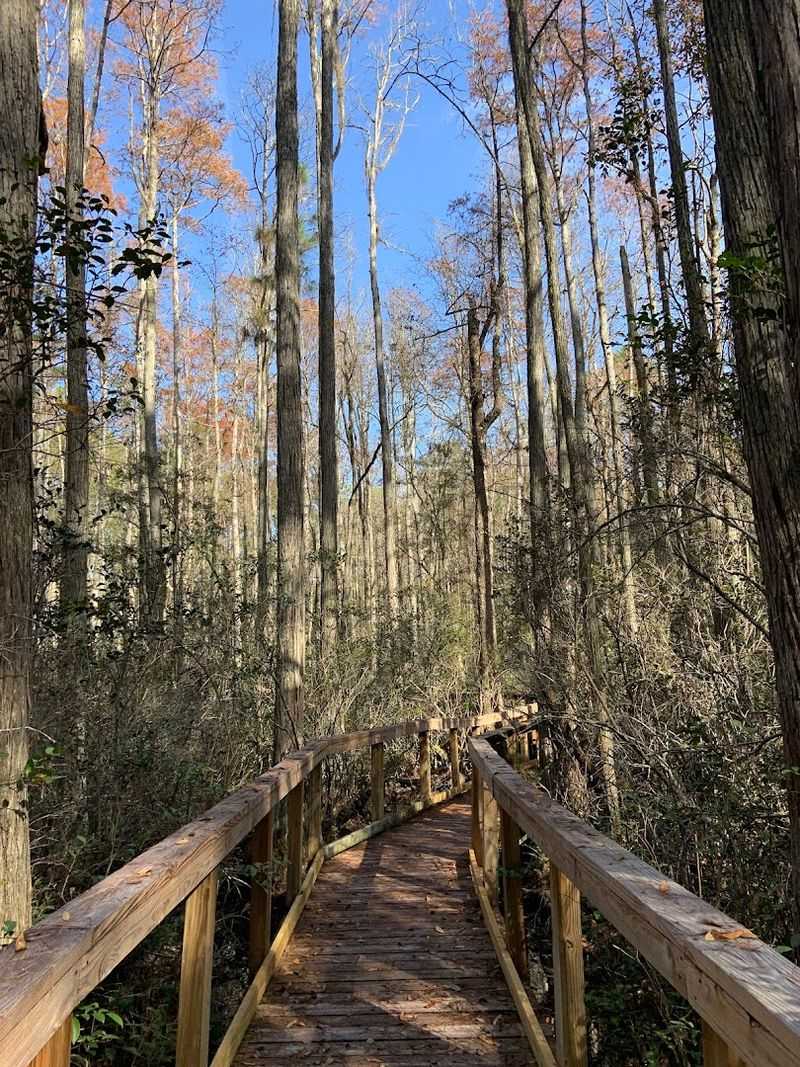
North of Jacksonville, Cary State Forest sits quietly in the background while everyone rushes past toward more famous destinations. That collective oversight is exactly why its backcountry trails are worth your attention.
Flat, forested, and genuinely peaceful, these paths offer a no-fuss hiking experience that feels refreshingly uncomplicated.
The forest covers a diverse mix of habitats including pine flatwoods, bay swamps, and hardwood hammocks, giving the trails a varied character despite the mostly level terrain. Spring is particularly lovely here when the bay trees bloom and the air carries a faint sweetness that is hard to describe but impossible to forget once you have experienced it.
Crowds are essentially nonexistent, even on holiday weekends. Trails are well-maintained and easy to follow, making Cary a solid choice for newer hikers or families introducing kids to backcountry hiking without overwhelming them.
Sometimes the best trail is the one nobody else thought to visit, and Cary fits that description perfectly.
15. Three Lakes Wildlife Management Area (Osceola County)
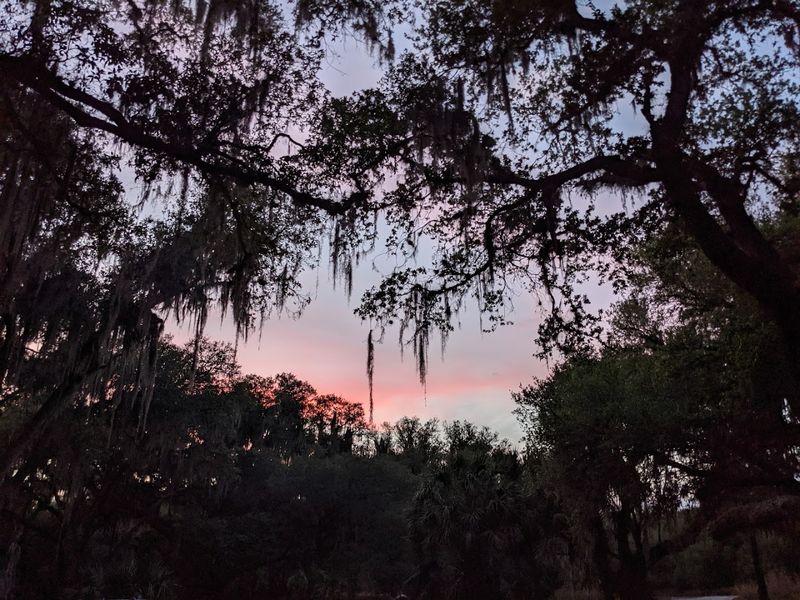
Osceola County’s Three Lakes Wildlife Management Area looks and feels like something out of a different era entirely. Vast open prairies stretch to the horizon alongside pine flatwoods and the area’s namesake lakes, creating a landscape so wide and wild it almost does not register as Florida at first glance.
Hikers are genuinely rare out here. The area is popular with hunters during certain seasons, but spring hiking traffic is minimal, leaving the trails open and quiet for anyone willing to make the drive.
Sandhill cranes, wild turkeys, and white-tailed deer are all common sights on the longer trail sections.
Distances here are real and the terrain is exposed, so preparation matters. Bring a full water supply, sun protection, and a trail map downloaded offline since cell service is unreliable.
The reward for that preparation is a hiking experience that feels enormous and untamed, exactly the kind of adventure that makes spring in Florida worth celebrating.
Share this story