Hollywood loves building up the next big star, pouring millions into marketing, blockbuster roles, and magazine covers. But sometimes, all that hype doesn’t translate into lasting fame.
These actresses were handed golden opportunities that most people only dream about, yet their careers took unexpected turns. Their stories are fascinating reminders that in Hollywood, even the biggest push doesn’t always guarantee a permanent place at the top.
1. Megan Fox

Few actresses have been launched into the spotlight as explosively as Megan Fox. When the Transformers franchise hit theaters in 2007, she became an overnight sensation, plastered across every magazine and talked about in every entertainment show.
Hollywood was absolutely convinced she was the next superstar. Studios expected her to carry major films on her own.
But despite the enormous buzz, leading roles in big-budget hits never consistently followed.
She appeared in smaller projects and genre films, never quite landing that defining solo blockbuster. Her relationship with director Michael Bay also became famously rocky, which didn’t help her studio standing.
Fox remained recognizable and popular, but the A-list solo career everyone predicted simply didn’t materialize. She later found success in Teenage Mutant Ninja Turtles, but that was more franchise support than personal stardom.
Her journey proves that franchise fame and long-term leading lady status are two very different things.
2. Cara Delevingne

She walked into Hollywood carrying supermodel credentials, a massive social media following, and genuine industry excitement. Cara Delevingne seemed unstoppable when she landed roles in Suicide Squad and the ambitious sci-fi epic Valerian and the City of a Thousand Planets.
Both films, unfortunately, stumbled at the box office. Valerian was one of the most expensive European films ever made and it flopped hard.
Critics weren’t particularly kind to her performances either, questioning whether modeling charisma translated into screen acting.
Hollywood’s confidence in her as a bankable lead quietly faded. She continued working but shifted toward smaller projects and personal ventures.
Her personal life also drew significant tabloid attention, sometimes overshadowing her professional work. Cara’s story highlights a pattern Hollywood repeats often: mistaking celebrity for movie stardom.
Being famous and being a reliable box office draw are entirely separate skills that don’t always come packaged together.
3. Rosie Huntington-Whiteley

Replacing Megan Fox in a blockbuster franchise is either a dream opportunity or an impossible position, depending on your perspective. Rosie Huntington-Whiteley stepped into Transformers: Dark of the Moon with the weight of enormous expectations and global attention focused directly on her.
The film itself was a massive commercial success, grossing over a billion dollars worldwide. But Rosie’s acting career after that debut?
Remarkably quiet. She didn’t chase leading roles aggressively, and Hollywood didn’t push another major vehicle her way.
She returned primarily to modeling, becoming one of the most successful supermodels in the world and building a beauty empire. In many ways, her pivot was savvy rather than unfortunate.
But from a pure acting career standpoint, her Hollywood moment was brief and singular. One blockbuster appearance, no follow-up leading roles, and a graceful exit back to the world she already dominated.
4. Taylor Kitsch’s co-star Lynn Collins

Disney bet enormous money on John Carter becoming the next massive sci-fi franchise. Lynn Collins starred alongside Taylor Kitsch, and both were positioned as potential breakout stars from what the studio hoped would launch a billion-dollar universe.
The film bombed spectacularly, losing Disney an estimated 200 million dollars and becoming one of the most infamous box office disasters in modern Hollywood history. The fallout was swift and brutal for everyone involved.
Collins had delivered a genuinely strong performance as Dejah Thoris, earning praise from fans of the source material. But when a film fails that catastrophically, careers get buried under the rubble regardless of individual quality.
Her momentum evaporated almost immediately. She continued working steadily in television and smaller film roles, but the major studio spotlight never returned.
John Carter remains a cautionary Hollywood tale about franchise ambition colliding head-on with poor marketing and audience confusion.
5. Elizabeth Berkley

Saved by the Bell made Elizabeth Berkley a beloved television figure throughout the early 1990s. When she landed the lead in Paul Verhoeven’s Showgirls, it felt like the ultimate transition from teen star to serious adult actress, a bold career reinvention that Hollywood was watching closely.
Showgirls became legendary for all the wrong reasons. Critics savaged it, audiences were divided, and it won multiple Razzie Awards.
The film’s failure hit Berkley hardest since she carried nearly every scene and received the most scrutiny.
Film offers dried up almost immediately afterward. She returned to television work and smaller projects, but the A-list film career she had been reaching for never came together.
Interestingly, Showgirls later gained a devoted cult following, and audiences began appreciating her committed performance with fresh eyes. Still, in real-time Hollywood terms, the film’s reception effectively ended her shot at major film stardom before it truly began.
6. January Jones
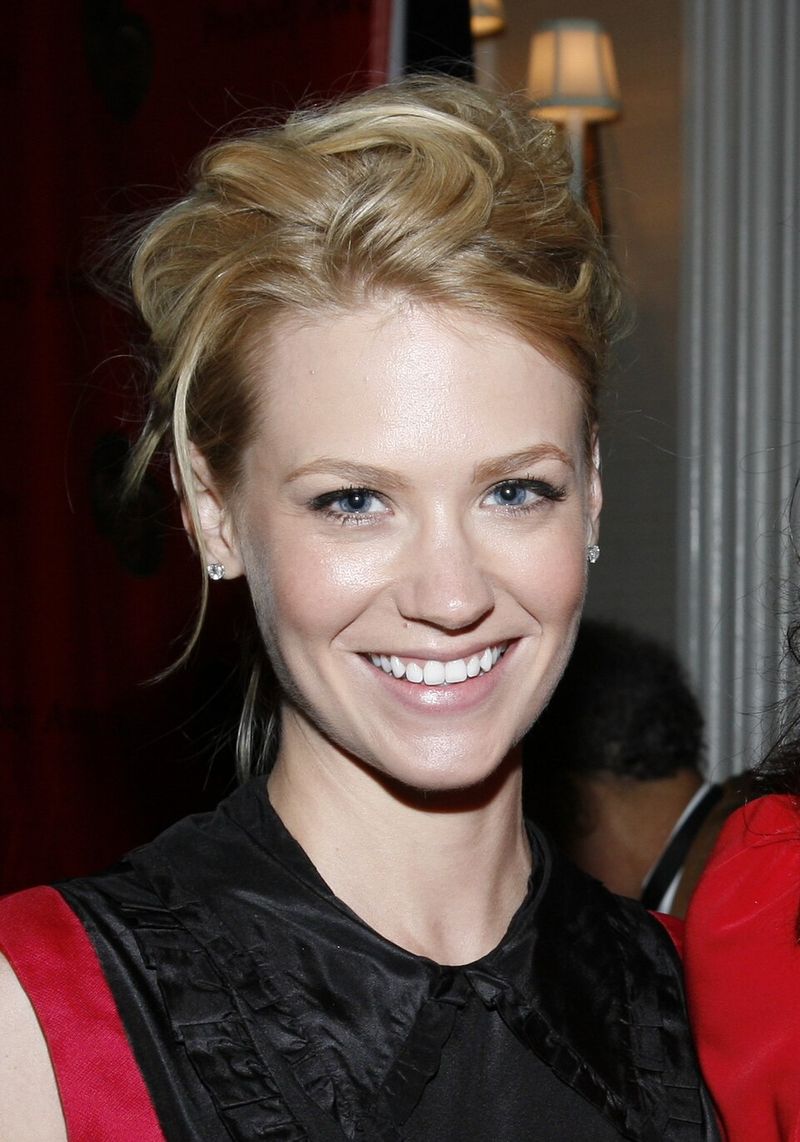
Playing Betty Draper on Mad Men was a masterclass in icy, controlled performance, and January Jones earned genuine critical respect for the role. When X-Men: First Class came calling, it seemed like the perfect bridge between prestige television and blockbuster movie stardom.
Her portrayal of Emma Frost was visually striking but received mixed reviews. More importantly, the film didn’t launch her into a consistent film career the way everyone expected.
She remained primarily associated with television rather than cinema.
Hollywood has a complicated relationship with TV actors crossing over to films, and Jones experienced that friction firsthand. Her reputation on set also reportedly created some industry hesitation.
She continued working steadily on television, including a memorable run on The Last Man on Earth, but the film lead career never developed. Her story is less about failure and more about a talented actress whose strengths were simply better suited to the small screen than the big one.
7. Kate Bosworth

Landing the role of Lois Lane in a Superman film should be career-defining. Kate Bosworth stepped into Superman Returns in 2006 with significant studio backing and the kind of high-profile exposure most actresses spend years chasing.
The film itself received a lukewarm reception, performing below Warner Bros. expectations and ultimately shelving the planned sequel. Bosworth’s portrayal of Lois was criticized for lacking the spark audiences wanted, and the film’s failure cast a shadow over her momentum.
She had shown genuine promise in Blue Crush and Beyond the Sea, suggesting real range and screen presence. But Superman Returns seemed to stall rather than accelerate her trajectory.
She continued appearing in films and built a respected presence in fashion circles, but consistent A-list status never arrived. Her career became a collection of interesting choices rather than a dominant box office run, which is respectable but not quite what the Superman spotlight promised.
8. Jessica Biel

Blade: Trinity, Total Recall, The Texas Chainsaw Massacre remake, and a string of early 2000s action films gave Jessica Biel a surprisingly action-heavy filmography for someone who started on 7th Heaven. Studios clearly saw her as a potential action star with genuine box office appeal.
But none of those films turned her into a household name at the multiplexes. She worked consistently and delivered solid performances, yet the breakout solo hit that would cement her as a true leading lady never arrived.
Her name rarely appeared at the top of studio wish lists for major productions.
She eventually found her most acclaimed work on television with The Sinner, where her performance earned Emmy nominations and critical raves. It’s a satisfying career outcome, but a different path than Hollywood originally mapped out.
Sometimes the screen you’re best suited for isn’t the one the industry originally had in mind for you.
9. Sienna Miller

Around 2004 and 2005, Sienna Miller was everywhere. British tabloids adored her, fashion magazines couldn’t get enough, and Hollywood studios were circling with major project offers.
She was the definition of an “It Girl” at a moment when that phrase carried genuine industry currency.
Factory Girl, G.I. Joe: The Rise of Cobra, and several high-profile projects followed.
But the blockbuster career never solidified the way studios anticipated. G.I.
Joe underperformed relative to expectations, and her tabloid personal life sometimes overshadowed her professional accomplishments.
Rather than fighting for mainstream blockbusters, she gravitated toward character-driven independent films and theater work, areas where her talent genuinely thrived. American Sniper and Foxcatcher showcased real depth.
Her career pivot toward prestige projects over commercial hits reflects an artist prioritizing craft over commerce. Whether that’s a detour or a destination depends entirely on how you define success in the entertainment industry.
10. Alice Eve

Star Trek Into Darkness handed Alice Eve a role in one of the most anticipated blockbusters of 2013, placing her alongside Chris Pine and Benedict Cumberbatch in a franchise beloved by millions worldwide. The visibility was enormous and the opportunity seemed genuinely significant.
Her character, Dr. Carol Marcus, was unfortunately underdeveloped in the script, and a particular scene involving her character drew criticism for being gratuitous rather than purposeful. The backlash was disproportionate but real, and it colored how audiences perceived her involvement.
Post-Trek, the major studio offers that everyone expected simply didn’t materialize consistently. She continued working in television and smaller film projects, demonstrating solid acting ability across various genres.
But the Star Trek springboard that should have launched a blockbuster career produced only modest momentum. Her situation illustrates how a single underdeveloped role in a massive film can define public perception in ways that are genuinely difficult to overcome afterward.
11. Teresa Palmer

Being compared to Kristen Stewart during the peak Twilight era was both a compliment and a curse. Teresa Palmer heard those comparisons constantly around 2011, when I Am Number Four positioned her as a potential sci-fi franchise lead with genuine crossover appeal.
The film performed modestly but not spectacularly, and the planned sequel never happened. Palmer had the looks, the charisma, and honestly the acting chops to compete at a higher level.
Warm Bodies showed she could carry a genre film with charm and humor. But consistent blockbuster opportunities never followed in the way early predictions suggested.
She carved out a solid mid-tier career with genuinely impressive work in films like Hacksaw Ridge and A Discovery of Witches on television. Her trajectory is less a story of failure than of unmet industry expectations colliding with the reality that Hollywood’s franchise machine is extraordinarily selective about who gets repeated shots at the top.
12. Gemma Arterton
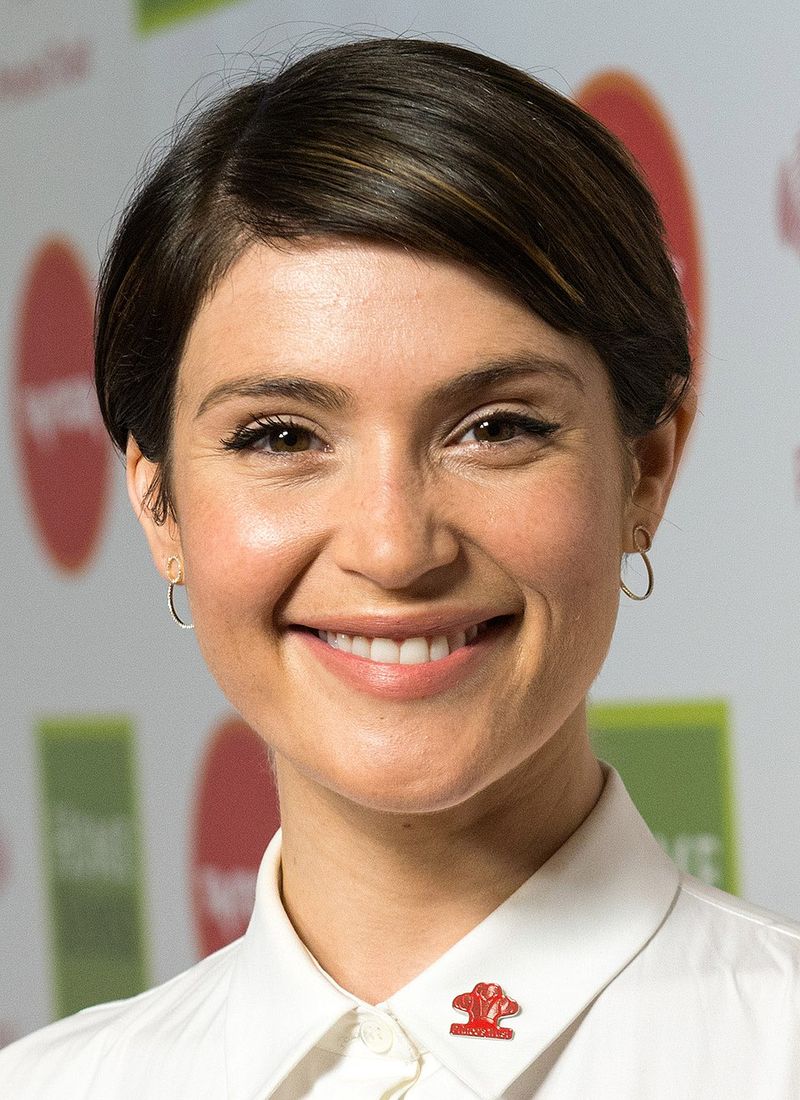
Two massive franchises in the same year would seem like an unbeatable career foundation. Gemma Arterton appeared as a Bond girl in Quantum of Solace and then starred in Prince of Persia: The Sands of Time alongside Jake Gyllenhaal, giving her extraordinary mainstream exposure across two beloved properties simultaneously.
Prince of Persia underperformed at the box office despite its enormous budget and marketing push. The Bond appearance, while glamorous, didn’t offer the kind of substantial role that builds a lasting leading lady reputation.
Neither film established her as a solo draw.
She transitioned toward theater and European co-productions, earning serious critical acclaim on the London stage and in films like Their Finest. That artistic credibility is genuinely impressive.
But the Hollywood blockbuster career those early franchise appearances seemed to promise never arrived. She chose artistic depth over commercial persistence, which is admirable but represents a clear departure from the trajectory studios originally envisioned.
13. Taylor Schilling

Orange Is the New Black was a cultural phenomenon, and Taylor Schilling sat at its center as Piper Chapman for seven seasons. Netflix’s groundbreaking series made her face recognizable to millions of subscribers worldwide, creating the kind of sustained exposure that studios typically rush to capitalize on.
Film opportunities came her way, including The Lucky One opposite Zac Efron, which performed reasonably well. But a consistent film career built on her television fame never quite clicked into place.
The transition from streaming queen to reliable theatrical draw proved harder than expected.
She continued taking interesting roles in independent films, demonstrating clear commitment to quality work over commercial calculation. But her name never became a reliable box office indicator the way her television popularity suggested it might.
Schilling’s situation reflects a broader industry challenge: streaming fame and theatrical stardom operate in genuinely different ecosystems, and crossing between them successfully remains surprisingly difficult even for talented, well-known performers.
14. Alexandra Daddario
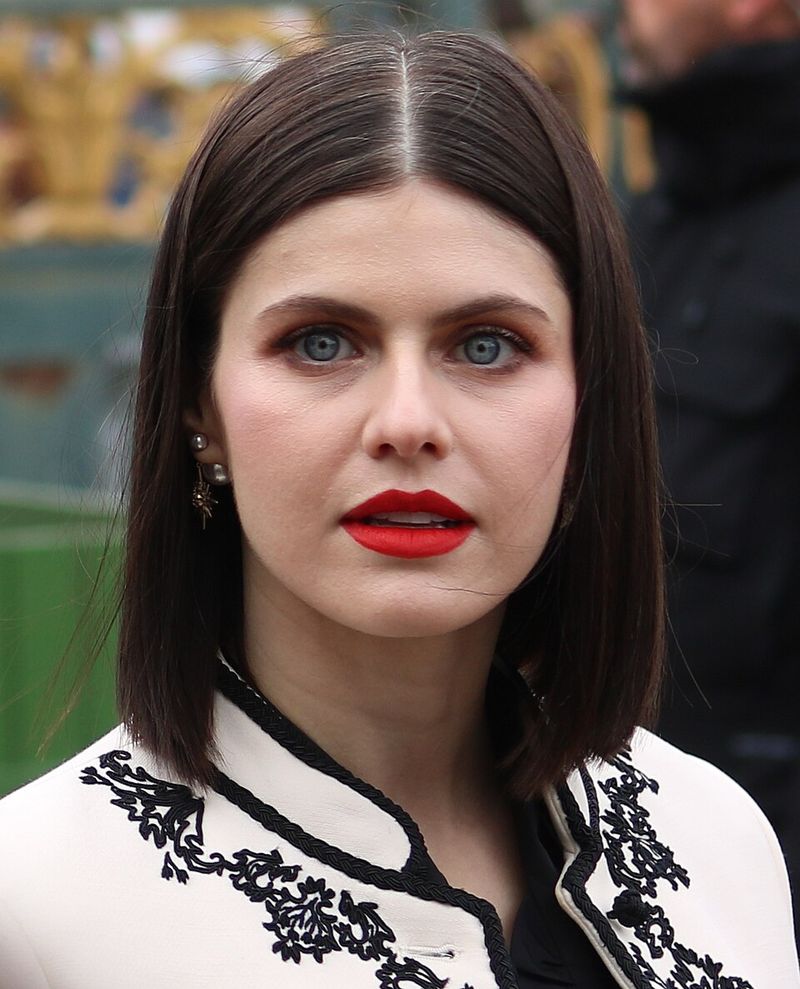
Those striking blue eyes made Alexandra Daddario instantly memorable in Percy Jackson, and Hollywood noticed. She followed up with True Detective, Baywatch, and a steady stream of studio films that kept her name circulating consistently across nearly a decade of industry activity.
Despite all that exposure, she never quite broke through as a guaranteed box office draw. Baywatch, which should have been her big commercial moment alongside Dwayne Johnson, underperformed critically and commercially.
Repeated high-profile appearances without a defining solo hit created a strange career plateau.
She found perhaps her most acclaimed work in The White Lotus on HBO, where her comedic timing and screen presence genuinely surprised critics who had underestimated her range. That role reframed how the industry perceived her abilities.
Her journey suggests that sometimes an actress needs the right creative context rather than simply more blockbuster exposure to finally demonstrate what she is truly capable of delivering.
Share this story