New Jersey gets a bad rap for being just highways and diners, but honestly, the Garden State is hiding some seriously stunning outdoor spots. From roaring waterfalls to quiet marshlands, there is enough natural beauty here to fill a whole vacation.
I spent years driving past these places without stopping, and that was a mistake I refuse to repeat. Pack a bag, charge your phone, and clear your schedule because these 15 spots deserve way more than a quick peek.
Delaware Water Gap National Recreation Area, Sussex County
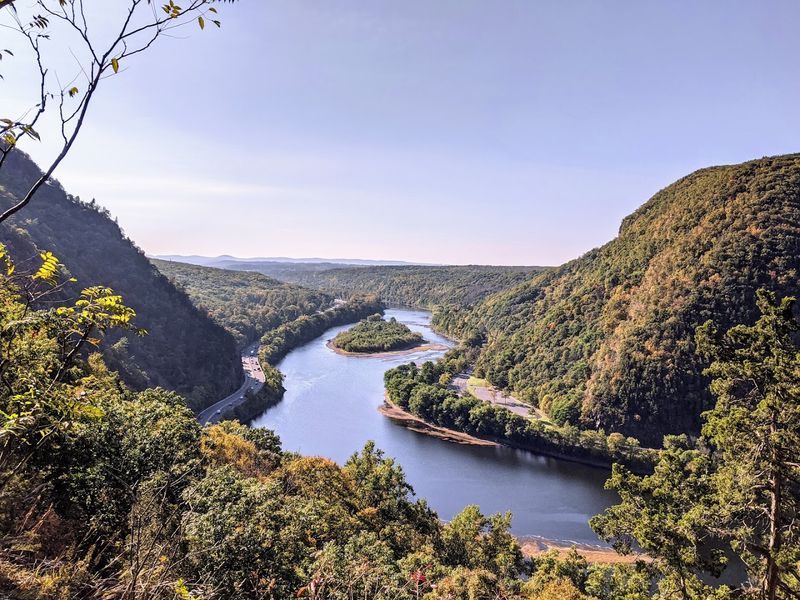
Seventy thousand acres of wilderness sitting right on the New Jersey-Pennsylvania border sounds almost too good to be true. The Delaware Water Gap National Recreation Area is the kind of place that makes you question why you ever paid for a gym membership.
Trails wind through forested ridges with views that stretch for miles.
The Delaware River runs right through the park, making it a hot spot for kayaking, canoeing, and swimming. On a summer weekend, the riverbanks fill up fast, so arriving early is a smart move.
Waterfall chasers will love Dingmans Falls and Buttermilk Falls nearby.
Wildlife sightings here are surprisingly common. Black bears, deer, and bald eagles have all been spotted by regular visitors.
Plan for a full day at minimum, because a quick two-hour visit will leave you feeling like you barely scratched the surface of what this massive park offers.
High Point State Park, Sussex County
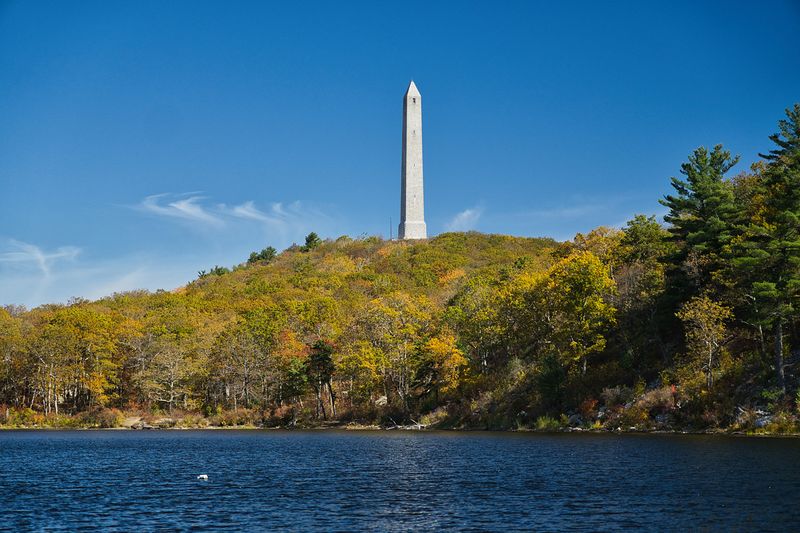
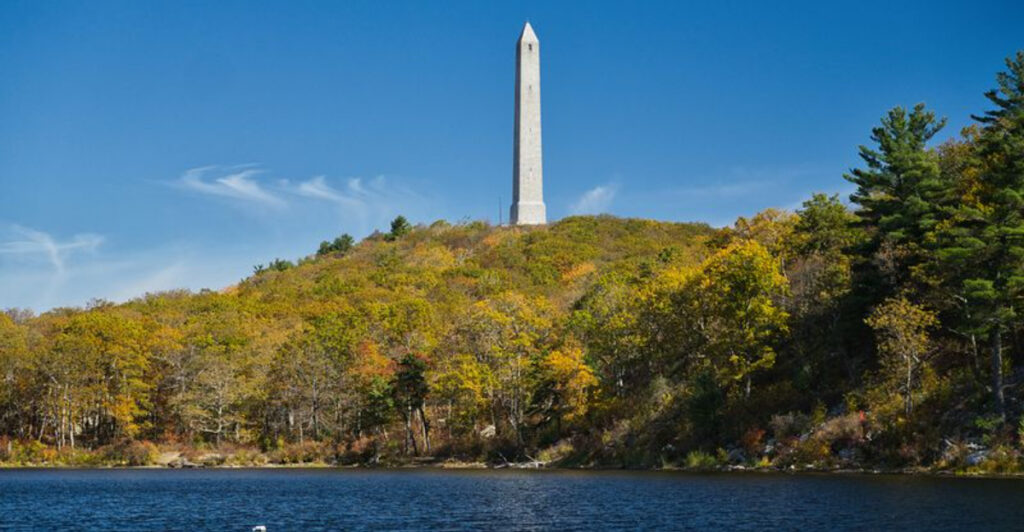
Standing at 1,803 feet above sea level, High Point State Park literally lives up to its name. It is the highest elevation in all of New Jersey, and the views from the top are the kind that make your jaw do something embarrassing in public.
On a clear day, you can see parts of New York, Pennsylvania, and New Jersey all at once.
The park has over 50 miles of trails, including a stretch of the famous Appalachian Trail. Whether you are a casual walker or a serious hiker, there is a route that fits your energy level.
In winter, cross-country skiing and snowshoeing make this place a hidden gem.
The monument at the summit is worth the climb on its own. Built in 1930, it honors New Jersey veterans and stands as a striking landmark.
Budget a full day here, because the trails, lake, and picnic areas will keep you busy well past sunset.
Stokes State Forest, Sussex County
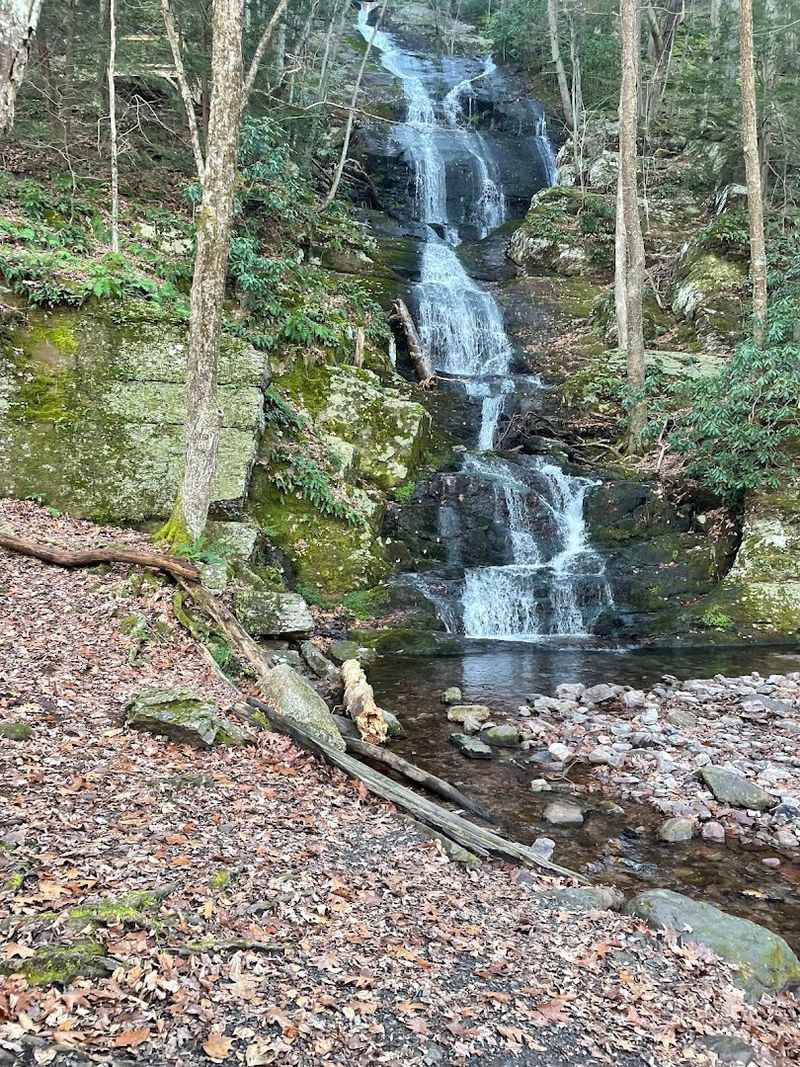
Stokes State Forest is the kind of place that rewards people who actually show up. Spanning nearly 16,000 acres in the Kittatinny Mountains, it offers some of the most peaceful hiking in the entire state.
The Tillman Ravine trail alone is worth the drive, featuring a gorgeous hemlock gorge that feels almost prehistoric.
Camping here is a serious option, with both tent sites and cabins available through the state park system. Spending a night under the Stokes sky means waking up to birdsong instead of a phone alarm, which is honestly a medical upgrade.
The Appalachian Trail also cuts through the forest, giving long-distance hikers a familiar landmark.
Fishing and swimming at Lake Ocquittunk add another layer of fun for families. The lake is calm, the surroundings are green, and the crowds are manageable compared to more famous parks.
First-timers often leave already planning their return trip.
Ramapo Valley County Reservation, Mahwah
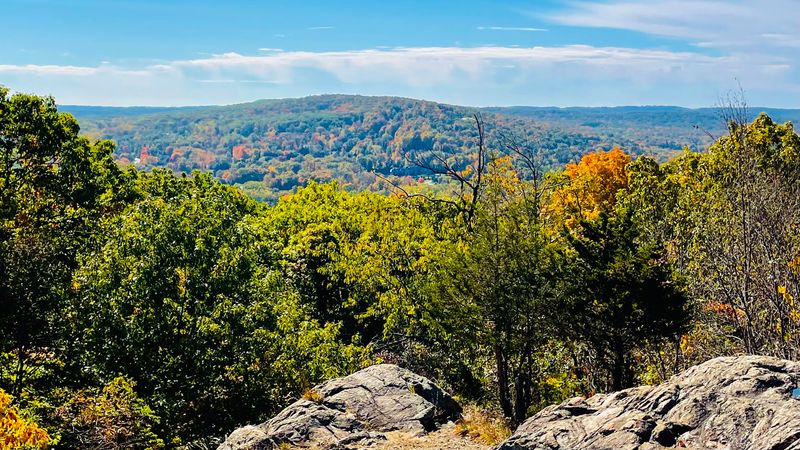
Ramapo Valley County Reservation is Bergen County’s best-kept secret, and locals who know about it are not exactly rushing to spread the word. The reservation covers over 4,000 acres of forested hills, streams, and wetlands just minutes from the New York border.
It is close enough to civilization to be convenient but wild enough to feel like a real escape.
The trails here range from easy riverside walks to more challenging ridge climbs with rewarding views. Ramapo Lake sits at the heart of the park and makes for a perfect picnic destination after a moderate hike.
The reflection of the trees on the water on a calm morning is genuinely stunning.
History buffs will appreciate the ruins of the Havemeyer estate scattered throughout the forest. Stone walls, old foundations, and crumbling chimneys give the trails a mysterious, adventurous vibe.
Plan for at least three to four hours to explore the lake loop and some of the surrounding ridge trails properly.
Palisades Interstate Park, Alpine and Fort Lee
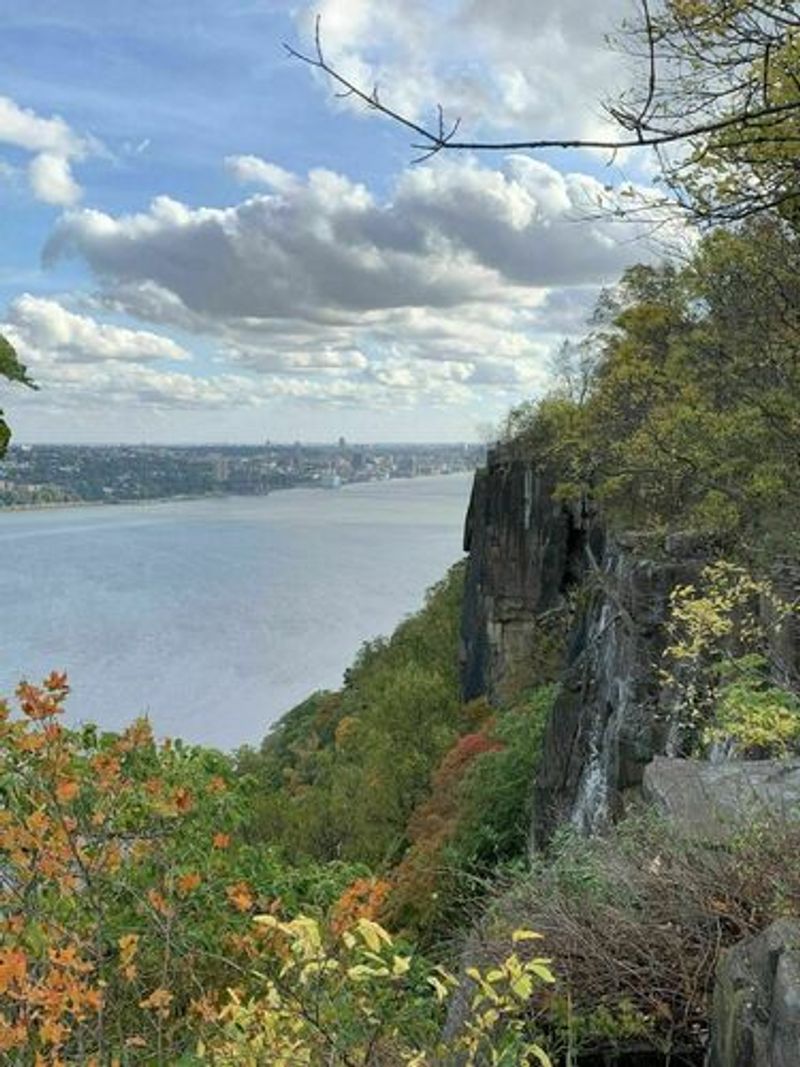
The Palisades are a geological showstopper that most people only see from across the Hudson River in New York. Visiting from the New Jersey side means actually standing on those iconic basalt cliffs, and the view of Manhattan from up there is genuinely hard to beat.
I once stopped here on a whim and ended up spending four hours I had not planned for.
The Long Path runs along the top of the Palisades for miles, offering stunning river views and peaceful forest sections. The Shore Trail at the base is equally rewarding, hugging the riverbank and passing through rocky terrain that feels surprisingly remote.
Both trails are well-marked and popular with experienced hikers.
The park also includes picnic areas, a boat launch, and historic sites tied to the Revolutionary War. Visiting in fall is particularly spectacular when the foliage turns the cliffs into a wall of red and gold.
Weekday visits avoid the weekend crowds that pack the overlooks.
Paterson Great Falls National Historical Park, Paterson
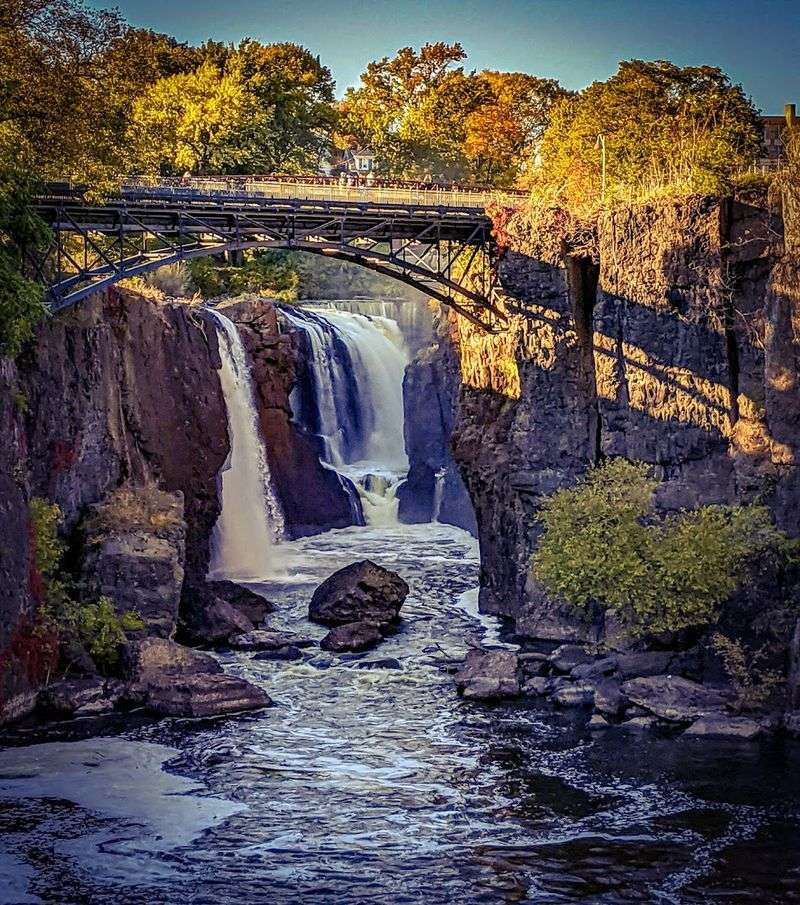
At 77 feet tall and 280 feet wide, the Great Falls in Paterson is one of the largest waterfalls in the entire eastern United States. Most people have no idea this powerhouse exists in the middle of an urban city, which makes stumbling across it feel like finding a cheat code in real life.
The sheer volume of water crashing over those rocks is genuinely jaw-dropping.
The national historical park surrounding the falls tells the story of America’s first planned industrial city, designed in part by Alexander Hamilton. Interpretive signs and a visitor center explain how these falls powered mills that helped build the American economy.
History and nature packed into one spot is a rare combination.
The viewing platforms give excellent angles of the falls, and the surrounding trails connect to the broader Paterson landscape. Spring visits are ideal when snowmelt pushes the water volume to its peak.
Budget two to three hours to fully appreciate both the natural and historical layers of this underrated gem.
Duke Farms, Hillsborough
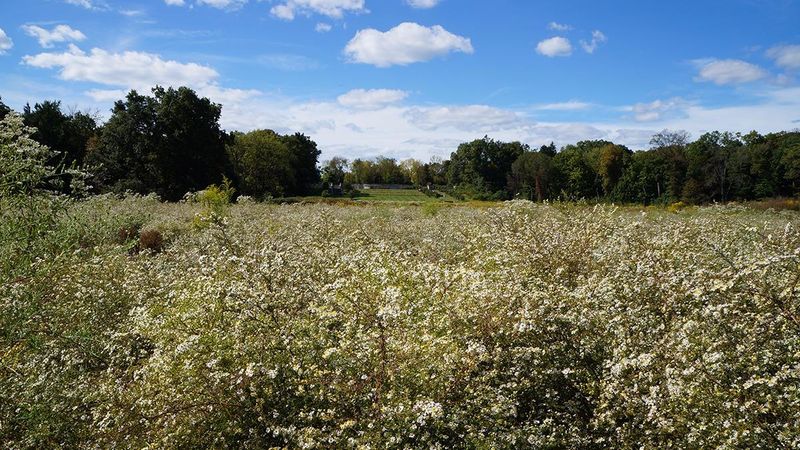
Duke Farms is 2,700 acres of gorgeousness that somehow stays under the radar despite being one of the most beautifully managed open spaces in New Jersey. Originally the estate of tobacco heiress Doris Duke, the property was transformed into a sustainability showcase and public green space after her death.
Walking through here feels like a behind-the-scenes tour of what responsible land stewardship actually looks like.
The farm features meadows, forests, wetlands, and a stunning network of trails open to hikers and cyclists. Birdwatching is exceptional here, with over 200 species recorded on the property throughout the year.
Binoculars are a worthwhile addition to your daypack.
The Orchid Range and Farm Barn are fascinating stops that connect visitors to the history of the estate. Dogs on leash are welcome on most trails, making it a great outing for the whole family.
Arrive early on weekends because the parking fills up faster than most people expect.
Sourland Mountain Preserve, Hillsborough and Montgomery area
The name Sourland Mountain sounds like something out of a quirky fantasy novel, but the preserve itself is all real and all worth visiting. Covering over 4,000 acres across three counties, it protects one of the largest contiguous forest blocks in central New Jersey.
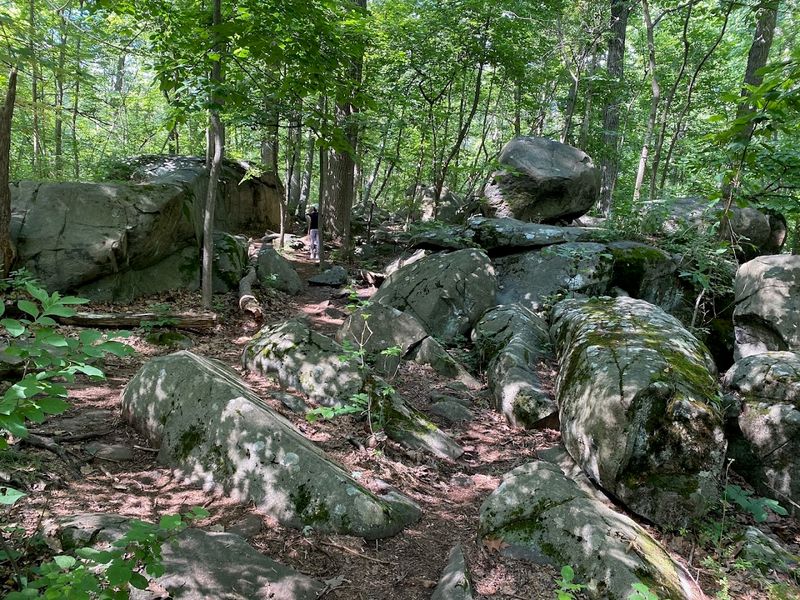
The trails here weave through a landscape of massive diabase boulders that feel completely out of place in a surprisingly dramatic way.
Hikers of all skill levels can find something here, from flat wooded paths to more rugged boulder fields that require a bit of scrambling. The forest is thick and quiet, making it a popular spot for people who want to disappear from civilization for a few hours without driving very far.
Spring wildflowers are a genuine bonus along the lower trails.
Wildlife is abundant, including foxes, raptors, and an impressive variety of songbirds. The preserve connects to surrounding protected lands, so adventurous hikers can string together longer routes.
Wear sturdy footwear because the rocky terrain is unforgiving to casual sneakers.
Cheesequake State Park, Matawan and Old Bridge
Cheesequake State Park has the most entertaining name in the New Jersey park system, and yes, I will always find that funny. But beyond the name, this 1,700-acre park is genuinely one of the most ecologically diverse spots in the state.
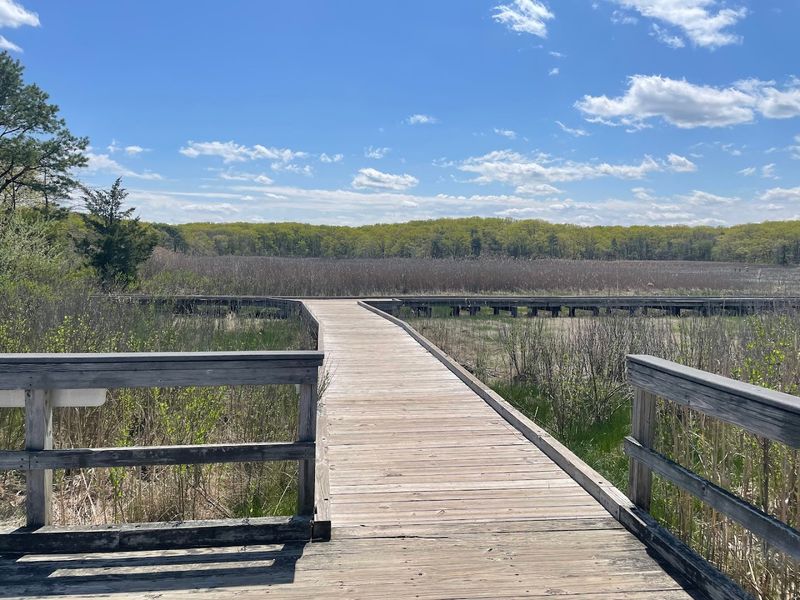
It sits at a rare transition zone where four distinct ecosystems meet, including pine barrens, hardwood forest, freshwater marsh, and saltwater marsh.
The trail system here is compact but varied, with boardwalks cutting through wetlands and sandy paths winding through pine and oak forest. Trail 3 is a local favorite, offering a solid mix of terrain and scenery in a manageable loop.
The park also has a lake for swimming and a campground for overnight stays.
Because of its location near the Garden State Parkway, Cheesequake is one of the more accessible state parks in New Jersey. That convenience makes it easy to visit, but the depth of what the park offers means one trip is rarely enough.
Go more than once and you will notice something new every time.
Grounds For Sculpture, Hamilton
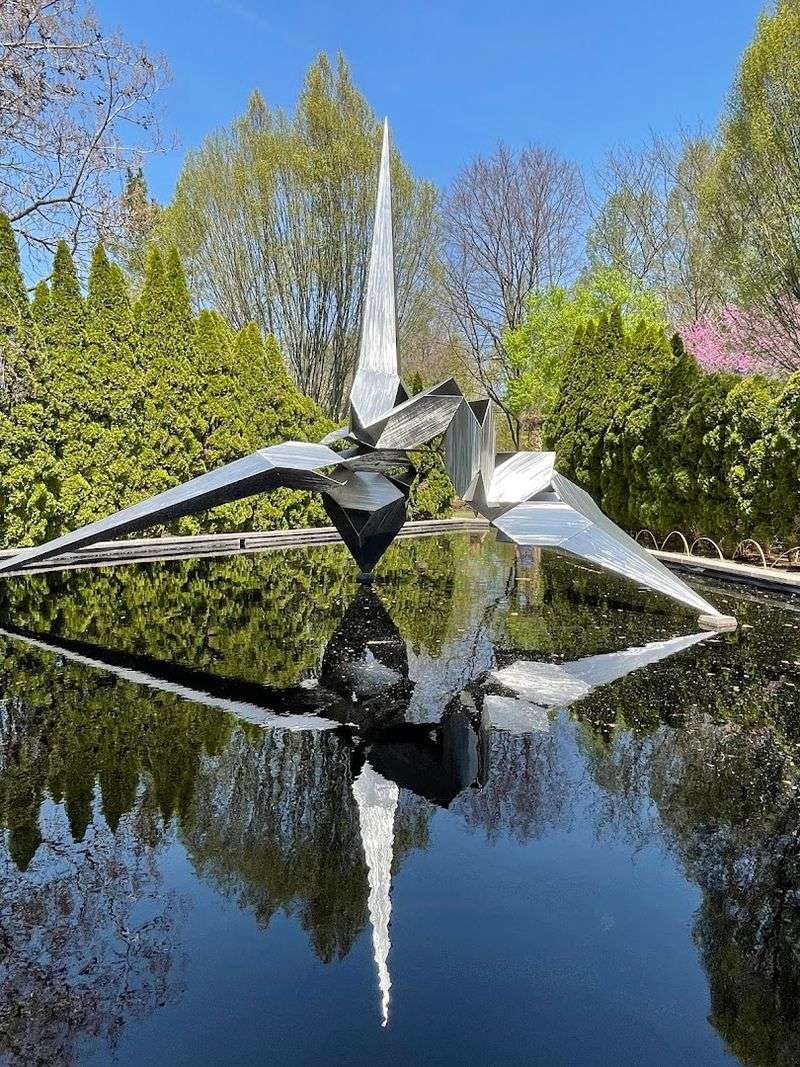
Grounds For Sculpture is what happens when someone decides that art should not be locked inside a building. Spread across 42 acres in Hamilton, this outdoor museum blends world-class sculpture with beautifully landscaped gardens in a way that feels genuinely magical.
Over 270 sculptures by international and American artists are scattered throughout the grounds, waiting to surprise you around every corner.
The experience changes dramatically with the seasons. Spring brings blooming flowers framing bronze figures, summer is lush and green, and fall turns the whole property into a warm tapestry of color.
Some sculptures are interactive, which is something you do not always get in a traditional gallery setting.
There is a full-service restaurant on site, and the cafe is perfect for a mid-visit break. Wear comfortable shoes because exploring the full property takes two to three hours at a relaxed pace.
Photography enthusiasts will run out of memory card space long before they run out of interesting subjects to shoot.
Batsto Village, Wharton State Forest
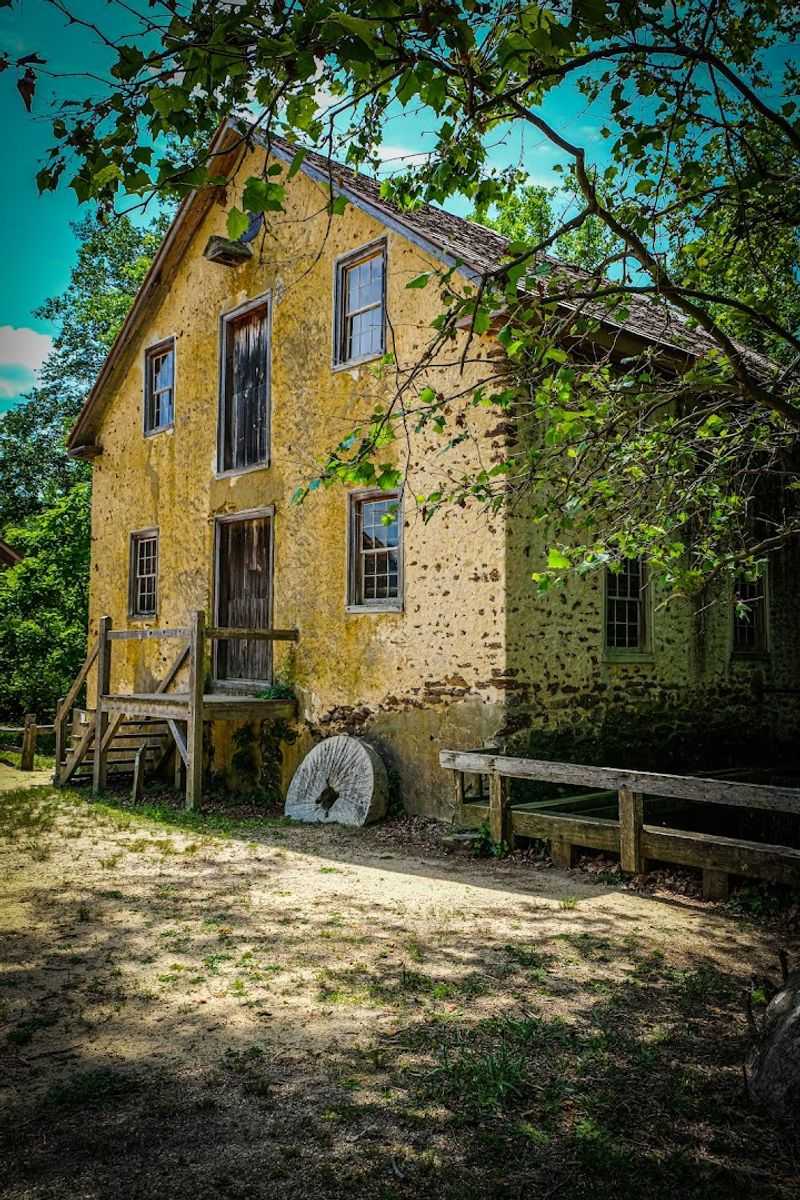
Batsto Village is a 19th-century ghost town hiding inside the Pine Barrens, and it is exactly as cool as that sentence makes it sound. Once a thriving iron and glass manufacturing center, the village now stands as a preserved historic site within Wharton State Forest.
The ironmaster’s mansion, workers’ cottages, and a working gristmill are all still standing and open for tours.
The surrounding forest is classic Pine Barrens territory, with sandy trails, cedar streams, and that unmistakable wild blueberry smell in summer. The Batsto River runs alongside the village, making canoe and kayak rentals a popular addition to a full day visit.
The water is a deep amber color from the natural tannins in the soil, which looks eerie but is completely harmless.
Wildlife in the area includes river otters, ospreys, and the occasional snapping turtle. History, nature, and a slight haunted-village atmosphere make Batsto one of the most layered destinations in the state.
Bring a picnic and plan to stay for the whole afternoon.
Edwin B. Forsythe National Wildlife Refuge, Galloway and Oceanville
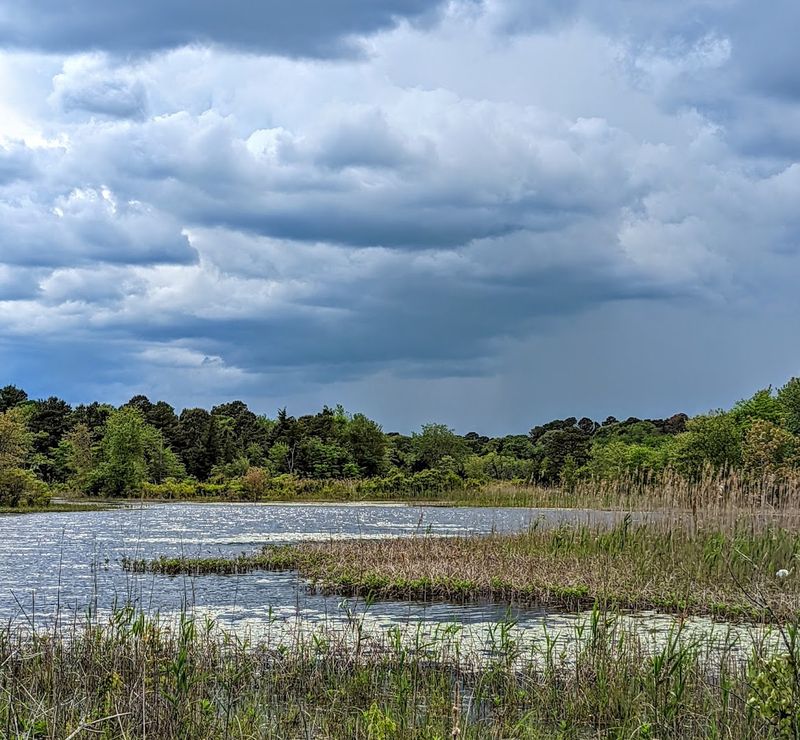
Edwin B. Forsythe National Wildlife Refuge is where serious birdwatchers go when they mean business.
Over 300 species of birds have been recorded here, and the 8-mile Wildlife Drive through the salt marshes puts you right in the middle of the action without leaving your car. During fall migration, the numbers of waterfowl passing through are staggering enough to make any birder emotional.
The refuge covers over 47,000 acres of coastal habitat, including barrier beaches, tidal wetlands, and upland fields. Walking trails offer more immersive experiences for those willing to get out of the vehicle and explore on foot.
The Leeds Eco-Trail and Akers Woodland Trail are both excellent and easy enough for families.
Sunrise visits during migration season are particularly rewarding. The light, the birds, and the quiet of the marshes create a combination that is hard to replicate anywhere else in New Jersey.
Pack a good pair of binoculars and do not even think about rushing through this one.
Island Beach State Park, Berkeley Township and Seaside Park
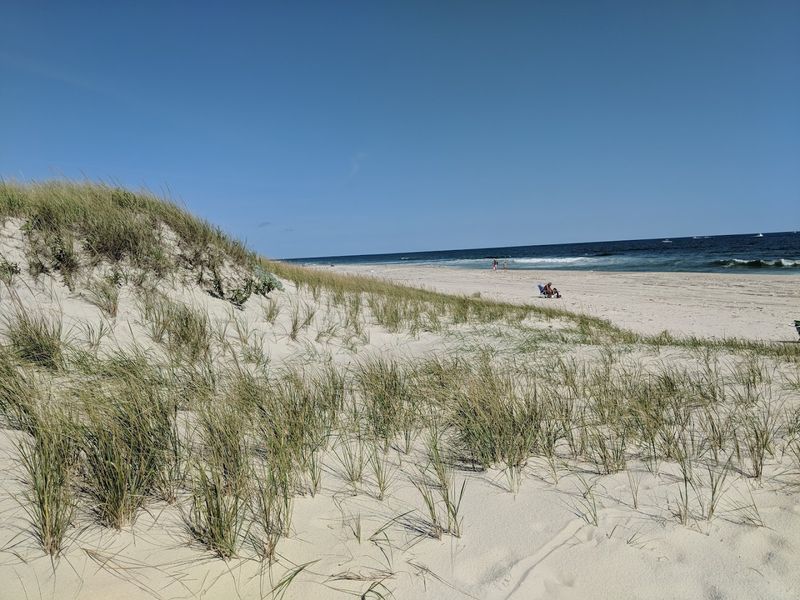
Island Beach State Park is the antidote to every overcrowded, overpriced New Jersey beach experience you have ever had. This 10-mile stretch of undeveloped barrier island is one of the last remaining natural coastal ecosystems on the entire East Coast.
No boardwalk, no funnel cake stands, no carnival rides. Just dunes, ocean, and actual peace.
The park is split into three zones: a northern natural area, a recreational swimming zone in the middle, and a southern natural area that is home to nesting ospreys and piping plovers. Anglers love the surf fishing opportunities, and kayakers regularly launch from the bayside for calmer paddling.
The diversity of activities packed into one narrow strip of land is impressive.
Parking fills up early on summer weekends, and the park gates close once capacity is reached. Arriving before 9 AM is the move if you want guaranteed entry.
Off-season visits in September and October offer empty beaches, cool breezes, and a completely different kind of beautiful that summer crowds never get to experience.
Barnegat Lighthouse State Park, Barnegat Light
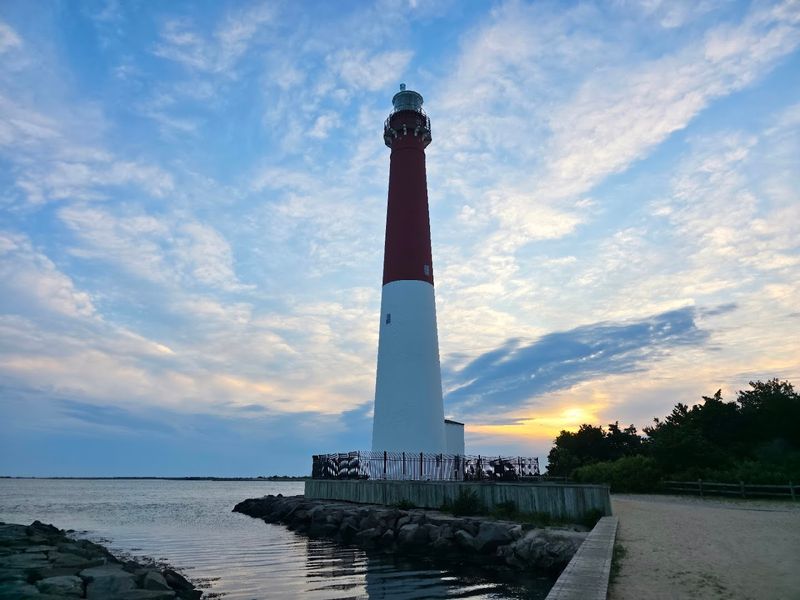
Old Barney, as locals affectionately call it, has been standing guard over Barnegat Inlet since 1859. The 172-step climb to the top of Barnegat Lighthouse rewards you with a panoramic view of Long Beach Island, the inlet, and the Atlantic Ocean that makes every single step worth it.
It is one of those views that converts non-climbers on the spot.
The surrounding state park is small but scenic, with nature trails winding through maritime forest and along the inlet shoreline. Birding is excellent here, especially during fall migration when raptors and shorebirds funnel through the area.
The rocky jetty is a favorite fishing spot and also a great place to watch boats navigate the inlet.
The visitor center inside the lighthouse keeper’s quarters adds historical context to the visit. Learning about the lighthouse keepers who lived and worked here for decades makes the whole experience more grounded.
Budget two to three hours, and bring a jacket because the wind off the inlet does not play around.
Cape May Point State Park, Cape May Point
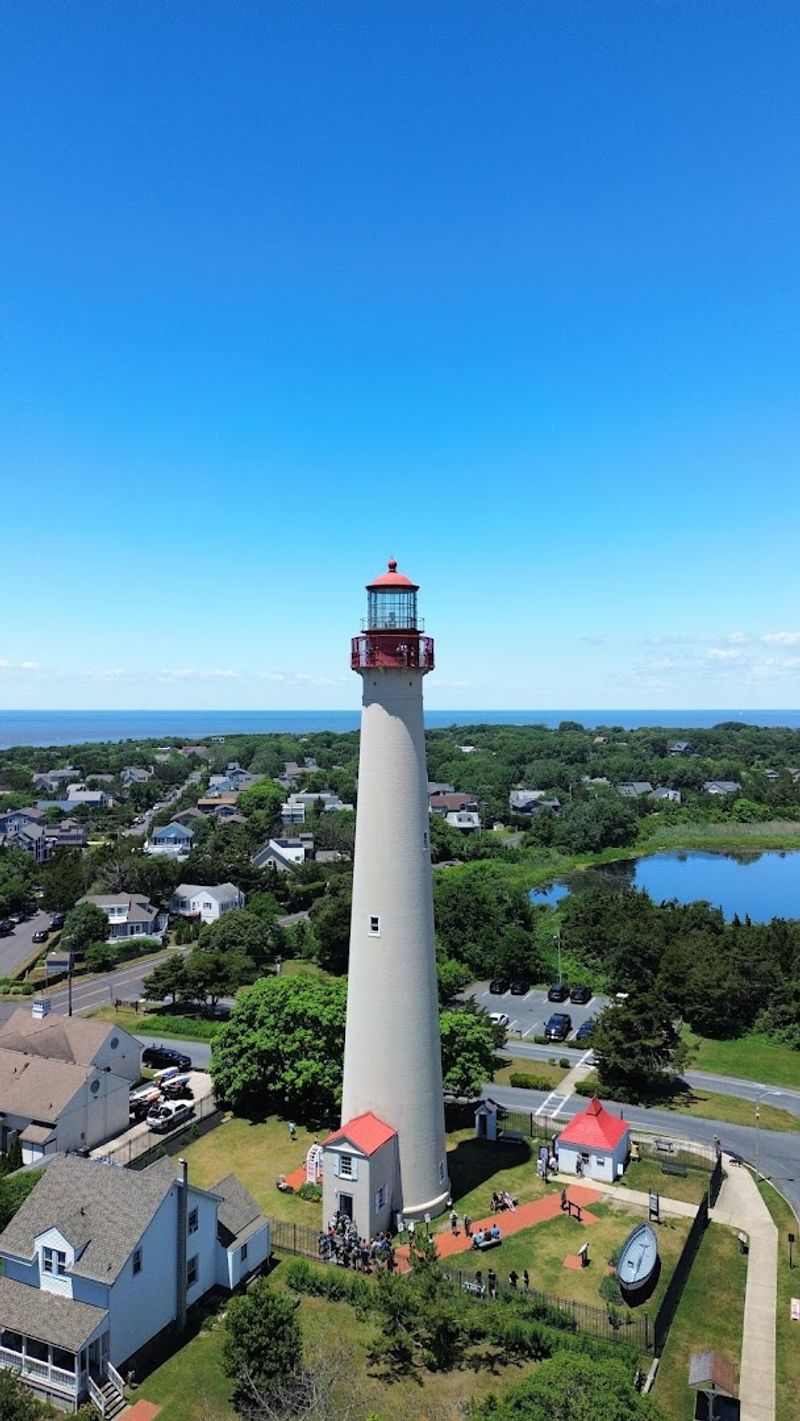
Cape May Point State Park sits at the very southern tip of New Jersey, where the Delaware Bay meets the Atlantic Ocean, and the geography alone makes it feel like the edge of the world in the best way. The park is internationally recognized as one of the top birdwatching spots in North America, particularly during the fall hawk migration.
Thousands of raptors funnel through here every September and October on their way south.
The trails are flat and accessible, weaving through freshwater ponds, coastal scrub, and beach habitats. The Cape May Lighthouse stands at the center of the park and is open for climbing, offering sweeping views of the coastline and surrounding wetlands.
Beachcombing along the shore turns up sea glass, shells, and the occasional Cape May diamond quartz pebble.
Monarch butterflies also stage here in massive numbers during fall migration, which is a sight that stops hikers in their tracks. The combination of bird migration, butterfly clusters, and stunning coastal scenery makes this a destination that genuinely demands a full day.
Come back in spring and the whole show starts again from the opposite direction.
Share this story