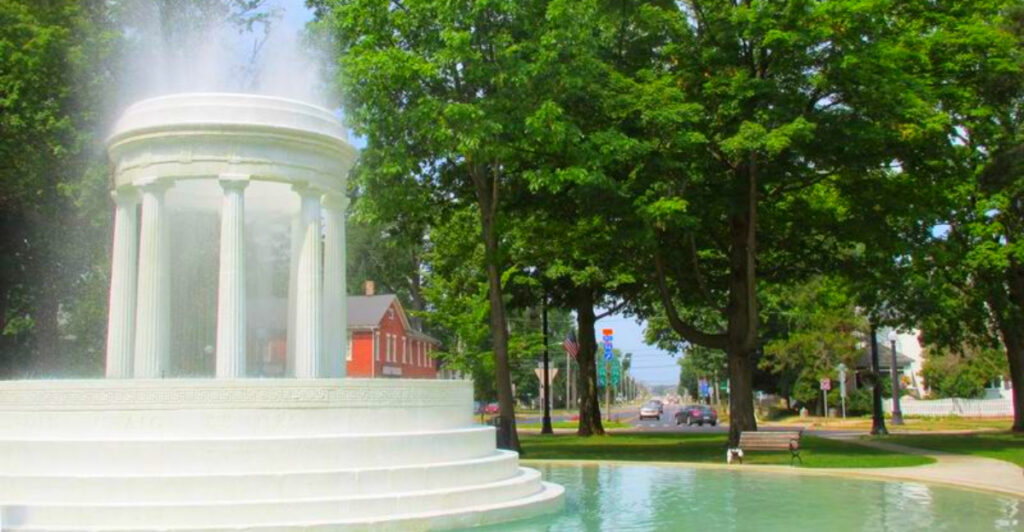
Marshall, Michigan combines a nationally recognized 19th-century historic district with one of the strongest antique scenes in the Midwest. This is not just a town with old buildings.
It is a place where you can walk a few blocks and find everything from period furniture to rare collectibles.
What sets it apart is how the antique shops are spread throughout the district, turning a simple stroll into a steady run of worthwhile stops.
Where History and Haggling Collide
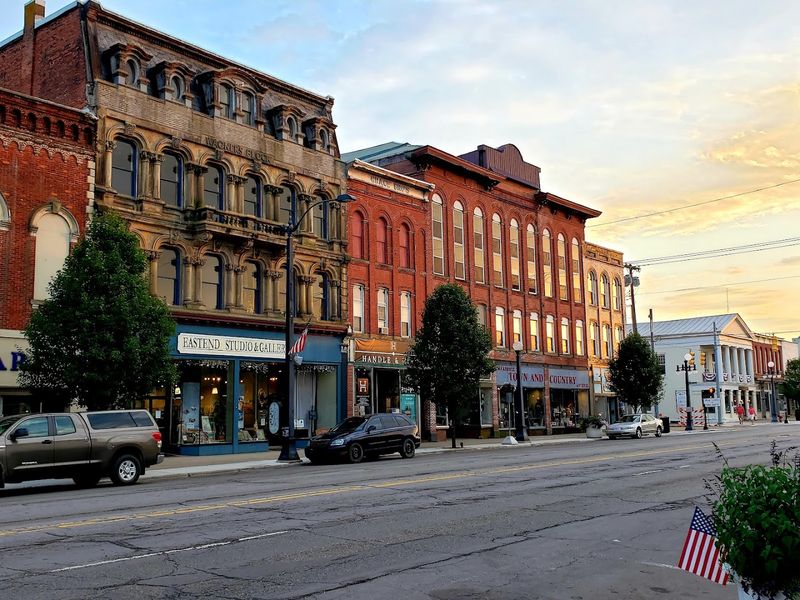
Marshall, Michigan sits in Calhoun County, right along Interstate 94, about halfway between Detroit and Chicago. The full address for the Marshall Historical Museum, a great starting point, is 402 Michigan Ave, Marshall, MI 49068, and it anchors the heart of this remarkable historic district.
The town was once so confident it would become the state capital that residents built grand homes to impress the legislators who never came. That architectural ambition turned out to be a gift to everyone who visits today.
The streets are packed with Italianate, Greek Revival, and Gothic Revival homes that have been lovingly preserved for over 150 years. Walking even one block feels like flipping through a very detailed history textbook, except the buildings are real and you can actually touch them.
The antiques village is not one single shop but a collection of dealers and storefronts spread across the downtown area, making the whole town feel like one enormous, wonderfully curated market.
The Architecture That Almost Became a Capital
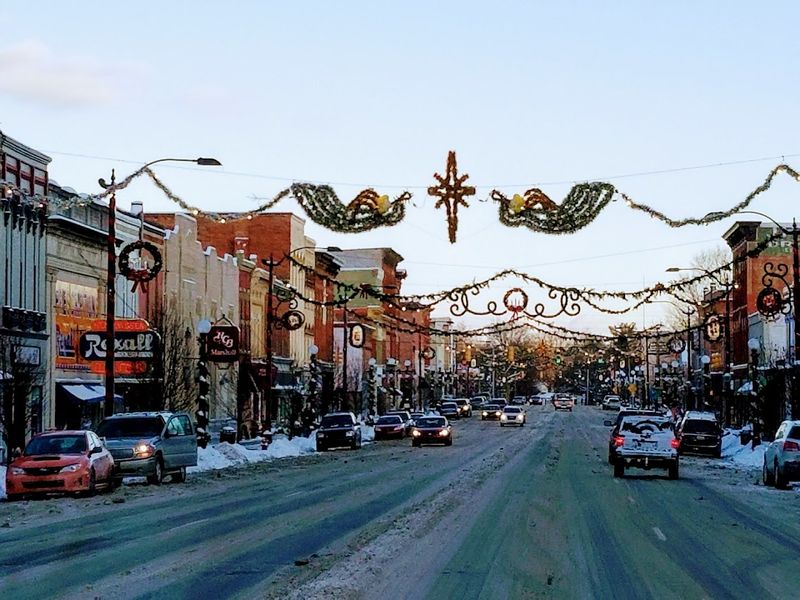
Few towns in the Midwest carry the architectural bragging rights that Marshall does. Back in the 1840s, civic leaders were so certain Marshall would be named the Michigan state capital that they constructed some of the most elaborate homes the frontier had ever seen.
When Lansing got the nod instead, Marshall was left with dozens of stunning Victorian-era buildings and absolutely nowhere to put its pride. Thankfully, that pride went into preservation instead.
Today, the National Register of Historic Places recognizes Marshall’s historic district as containing one of the most intact collections of 19th-century architecture in the entire country. That is not a small claim, and the buildings absolutely back it up.
Greek Revival columns stand next to Italianate bracketed cornices, and Gothic Revival rooflines peek above mature oak trees. Every facade tells a slightly different story about the era when Marshall believed its best days were still ahead, and in a way, they still are.
An Antique Hunter’s Dream Spread Across a Whole Town
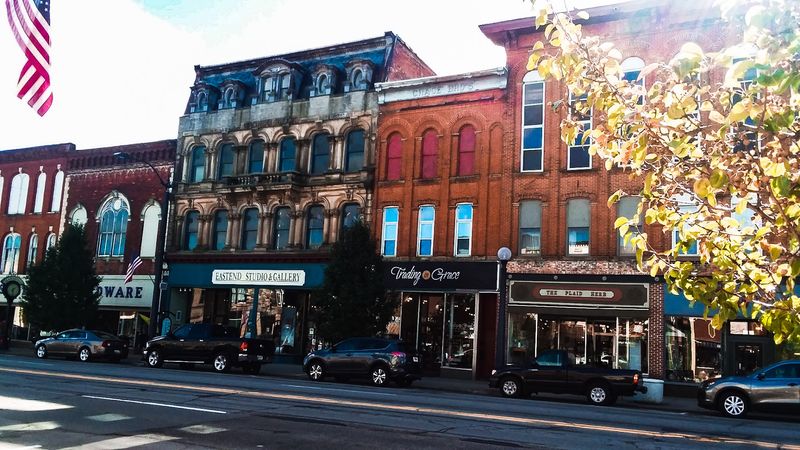
Most antique villages are confined to a single building or a small cluster of booths. Marshall plays by different rules entirely.
Here, the antiques scene is woven into the fabric of the downtown district, with shops, co-ops, and individual dealers occupying historic storefronts along multiple streets.
You might spend an hour in one shop alone, working your way past Depression-era glassware, cast iron cookware, vintage advertising signs, and hand-stitched quilts that look like they came straight off a farmhouse bed.
The variety is genuinely impressive. One shop might specialize in mid-century modern furniture while another focuses entirely on Victorian-era jewelry and accessories.
The range keeps every visit feeling fresh, even if you have been before.
Prices tend to be more reasonable here than in larger city antique markets, which makes the whole experience feel even more rewarding. Finding a beautiful piece of American folk art for a fair price is the kind of small victory that keeps collectors coming back to Marshall year after year.
The Marshall Historical Museum and What It Reveals
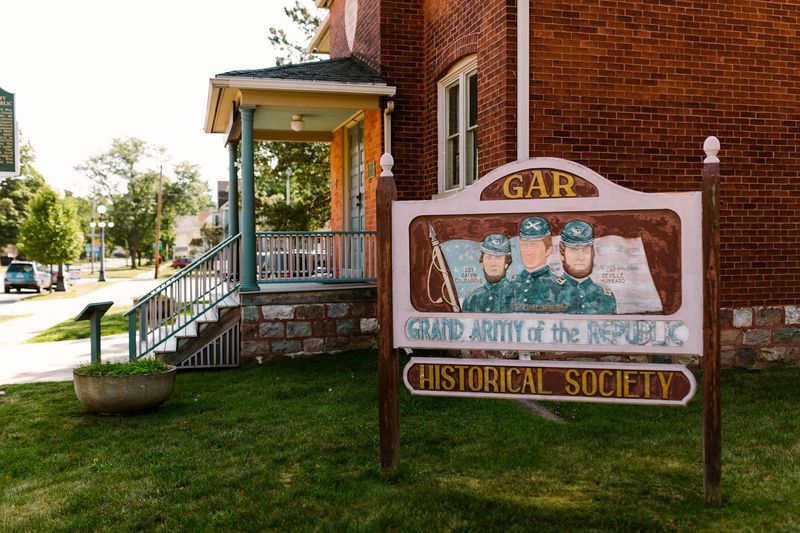
A visit to the Marshall Historical Museum at 402 Michigan Ave is the smartest way to start your day in town. The museum gives you the full backstory on Marshall’s rise, its near-capital status, its role in the Civil War era, and the remarkable effort that went into preserving what you see around you.
The exhibits include locally made artifacts, Civil War-related items, and pieces that connect directly to the families who shaped the town. Seeing a buggy that actually traveled these streets two centuries ago puts everything else in perspective.
The docents here are genuinely knowledgeable and eager to share details that you would never find on a roadside marker. A conversation with one of them can completely change how you see the buildings outside.
Plan to spend at least 45 minutes here before heading out to explore. The context the museum provides transforms a pleasant stroll into something much more meaningful, and that shift in perspective is worth every minute of your time.
Capitol Hill District and the Homes That Stunned Me
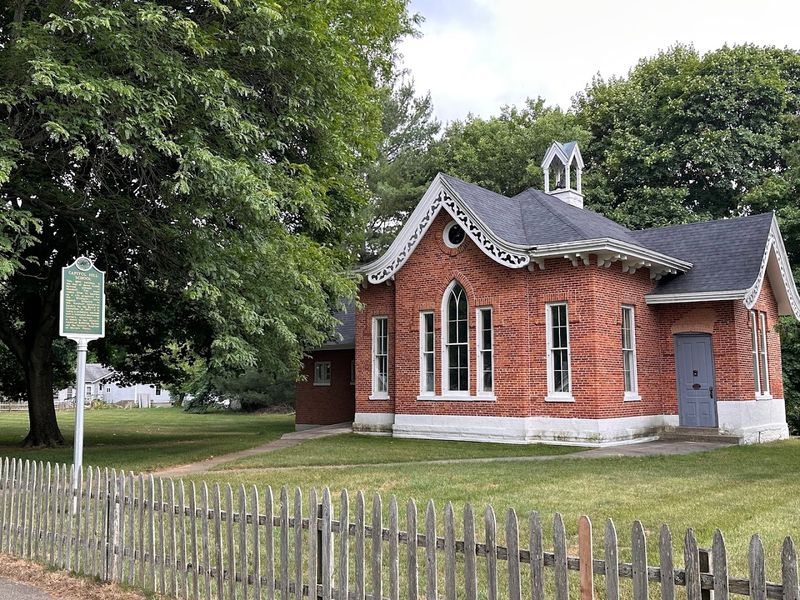
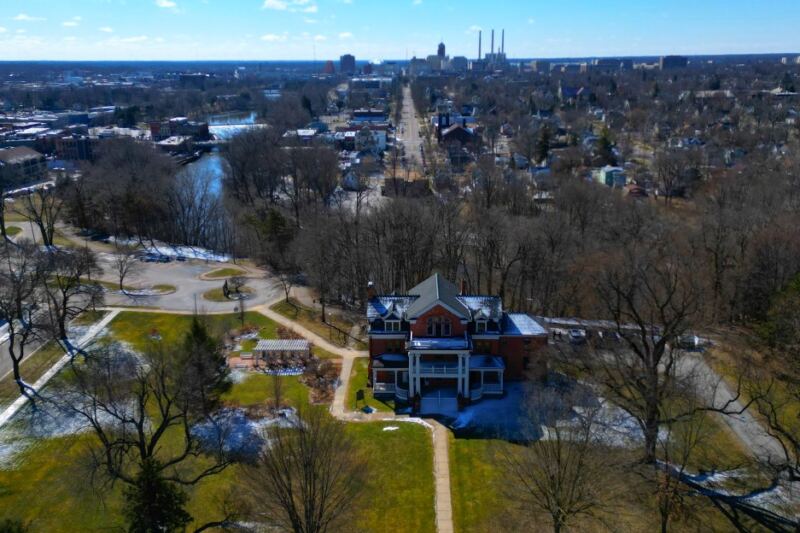
The Capitol Hill neighborhood in Marshall is where the ambition of the 1840s really shows its face. This residential area, just a short walk from the commercial district, contains block after block of meticulously preserved homes that range from modest Greek Revival cottages to full-blown mansion-scale Italianate estates.
What struck me most was not just the size of the homes but the detail. Decorative brackets under rooflines, intricate porch railings, stained glass sidelights beside front doors, and original shutters that still actually work.
These are not museum pieces behind velvet ropes. People live in them.
Many homes carry historic plaques with dates and original owner names, which adds a personal dimension to the experience. You find yourself wondering about the families who built these places and what their daily lives looked like in the decades after the Civil War.
The whole neighborhood is completely walkable, and the mature trees overhead create a canopy that makes the entire scene feel almost theatrical in the best possible way.
The Honolulu House: Marshall’s Most Unexpected Landmark
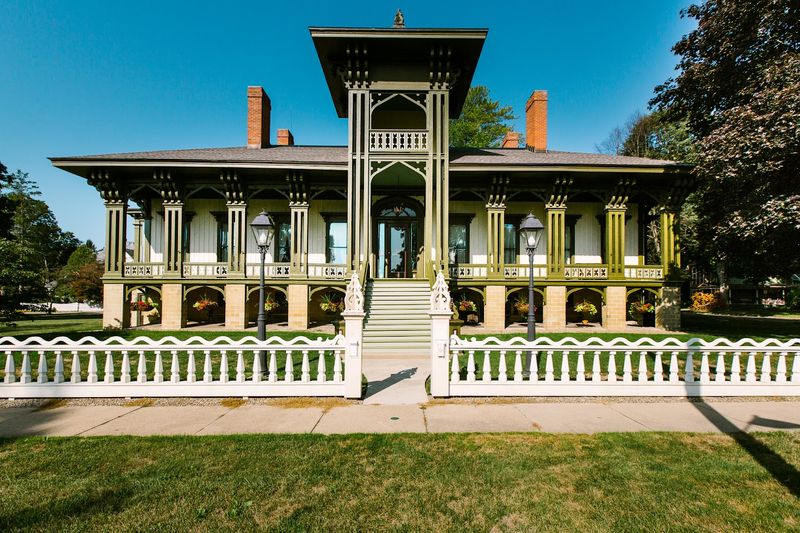
Nothing in Marshall prepares you for the Honolulu House, and that is exactly the point. Built in 1860 by Abner Pratt, a former U.S.
Consul to Hawaii, the home is a tropical-inspired design dropped right into the middle of a Michigan town, and it looks absolutely nothing like anything around it.
Pratt so loved his time in Hawaii that he recreated elements of the architecture he had fallen for there, including a wide veranda, an observation tower, and interior murals that still exist today. The result is a building that stops every single person who walks past it.
The Honolulu House is now owned by the Marshall Historical Society and operates as a museum. Tours take you through rooms that have been carefully restored to reflect the period, and the painted interior walls alone are worth the admission price.
It is the kind of landmark that makes you grateful someone had the foresight to save it, because losing a building this singular would have been a genuine loss for Michigan history.
Browsing the Antique Co-ops: Hours Can Disappear Here
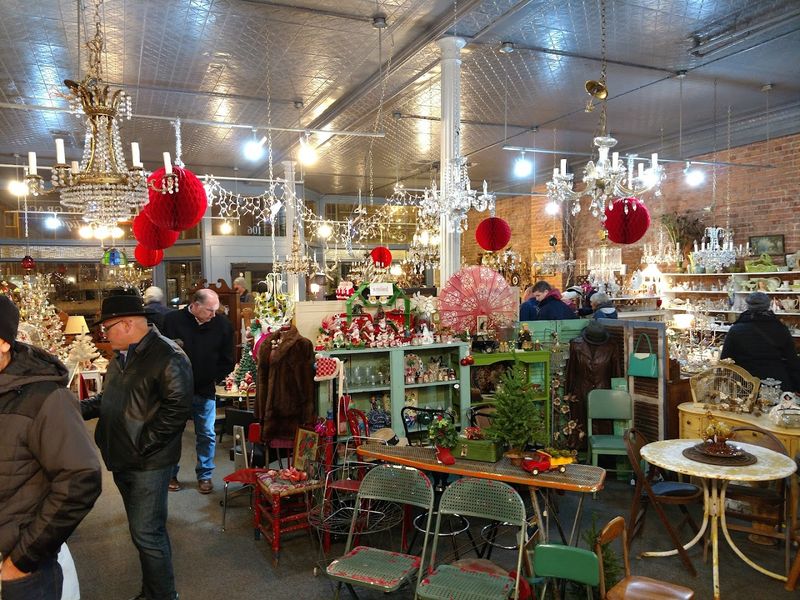
The antique co-ops in Marshall operate on a model that puts dozens of individual dealers under one roof, which means the variety inside a single building can be staggering. One aisle might carry vintage kitchen tools and old tin advertising signs while the next holds a full set of Victorian parlor furniture.
I found myself completely losing track of time in one co-op, flipping through a bin of old postcards from Michigan towns that no longer exist and reading handwritten messages on the backs from people writing to their families in the early 1900s.
That kind of accidental intimacy with the past is what makes antique shopping in a place like Marshall feel different from scrolling through an online marketplace. The objects here have texture, weight, and the occasional mystery scratch that makes you wonder about their full story.
Budget more time than you think you need, because the co-ops have a way of pulling you in deeper the longer you stay, and leaving early always feels like a missed opportunity.
The Annual Home Tour: A Tradition Worth Planning Around
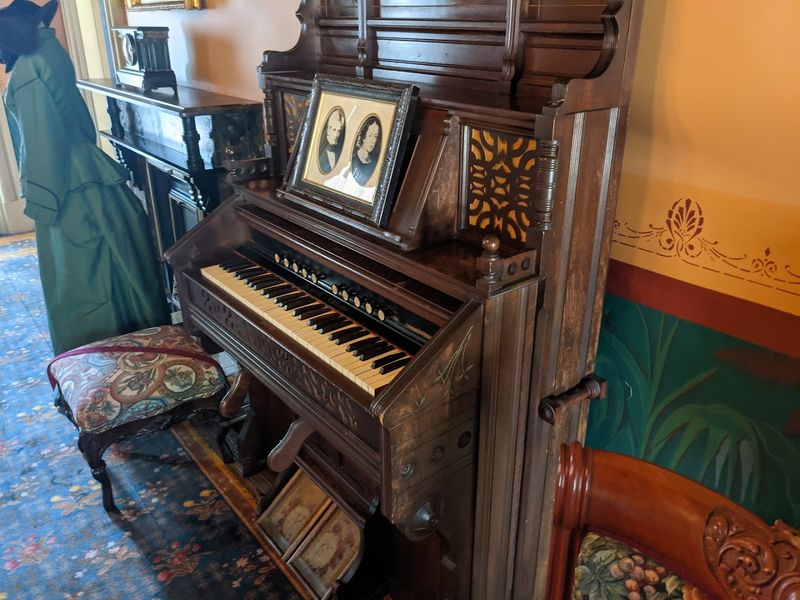
Every September, Marshall hosts its famous Historic Home Tour, and it is the kind of event that turns a great visit into an unforgettable one. Private homes that are normally closed to the public open their doors for a weekend, and the interiors are every bit as impressive as the exteriors suggest.
The tour has been running for decades and draws visitors from across the Midwest who come specifically for the chance to see what is behind those beautifully preserved facades. Original woodwork, period-appropriate furnishings, and restored plasterwork are common sights throughout the featured homes.
Tickets sell out well in advance, so planning ahead is essential if this is your reason for visiting. The Marshall Area Chamber of Commerce manages the event and posts details on their website each year.
Even if you visit outside of September, the exterior architecture is fully accessible year-round, and many residents are happy to chat about their homes if you happen to catch them on the porch on a quiet weekday afternoon.
Food and Fuel Between Antique Stops
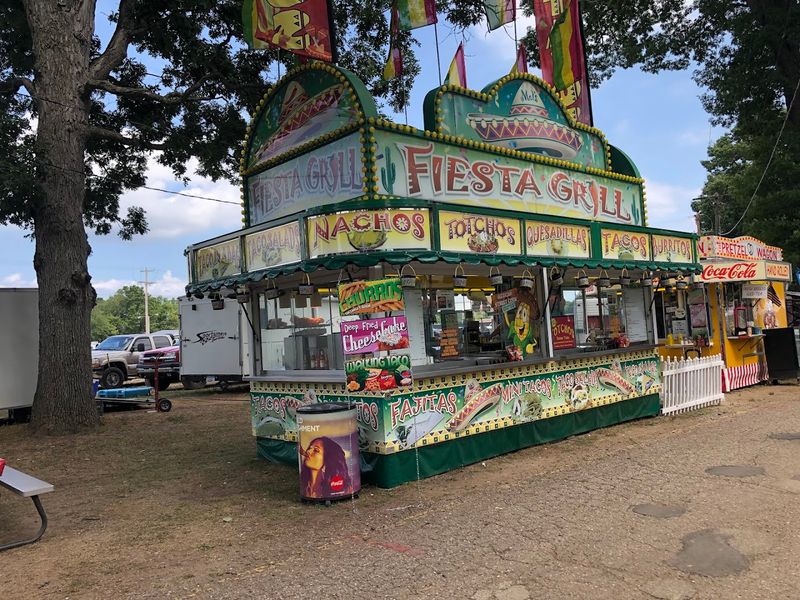
Antiquing is genuinely tiring work, and Marshall’s downtown dining scene is well set up to keep you going through a full day of browsing. Several locally owned restaurants and cafes are scattered through the historic district, most of them operating inside buildings that are historic attractions in their own right.
The town has a handful of casual spots where you can grab a solid lunch without losing too much time from your shopping agenda. Soups, sandwiches, and comfort food classics tend to dominate the menus, which is exactly what you want after carrying a heavy cast iron skillet from three shops back.
A few spots also serve excellent coffee and baked goods, which makes it easy to refuel between co-ops without committing to a full sit-down meal. The pace in Marshall is relaxed enough that nobody rushes you out the door.
The dining options here may not be flashy, but they are genuine, affordable, and well-suited to the unhurried, exploratory rhythm that a day in Marshall naturally encourages.
What the Side Streets Are Hiding
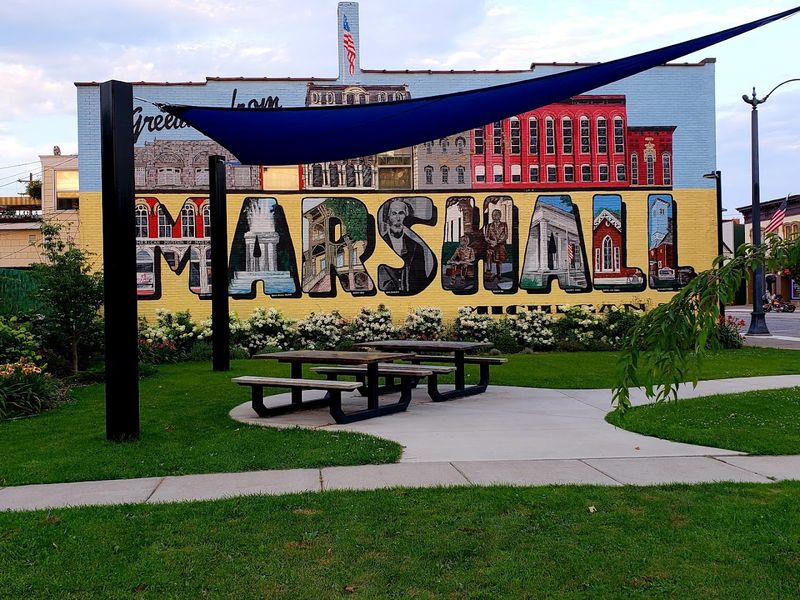
The main commercial strip gets most of the attention in Marshall, but the real texture of the town reveals itself on the side streets. A short detour off Michigan Avenue leads you into blocks of smaller Victorian cottages, carriage houses converted into garages, and gardens that look like they have been tended by the same hands for generations.
Some of the most charming antique finds in Marshall actually come from smaller shops tucked onto these quieter streets, the kind of places that do not advertise heavily and rely almost entirely on word of mouth and curious foot traffic.
The side streets also give you a clearer sense of what Marshall is like as an actual community rather than just a destination. Kids ride bikes past century-old fences, neighbors wave from front porches, and the whole thing feels remarkably normal given how extraordinary the surroundings are.
Do not skip the side streets in favor of staying on the main drag, because that is where Marshall stops being a tourist town and starts feeling like somewhere you might actually want to live.
Practical Tips for Getting the Most Out of Your Visit
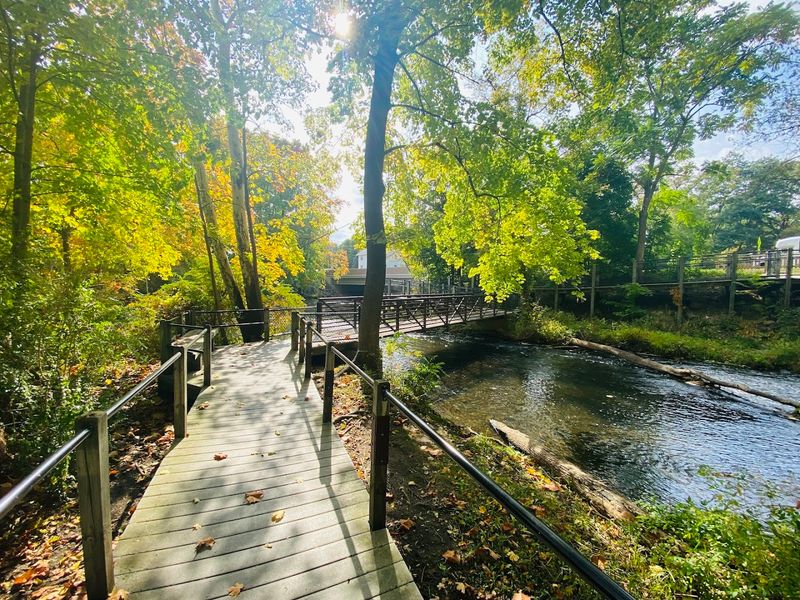
Marshall is most enjoyable as a full-day visit rather than a quick stop. Arriving early gives you the best selection in the antique shops before other browsers have worked through the inventory, and weekdays tend to be quieter than weekends if you prefer a more relaxed pace.
Wear comfortable shoes without question. The historic district is entirely walkable, but the brick sidewalks can be uneven in spots, and you will cover more ground than you expect once the shops start pulling you in.
Bring cash. Many of the smaller dealers and individual booth operators prefer it, and having small bills makes negotiating on price much smoother.
Most co-ops also accept cards, but cash gives you a slight edge in conversations about deals.
The Marshall Area Chamber of Commerce website is the most reliable source for current shop hours, event schedules, and seasonal closures. A quick check before you leave home can save you from showing up on a Monday when several shops are closed and the town is considerably quieter than usual.
Why Marshall Stays With You Long After You Leave
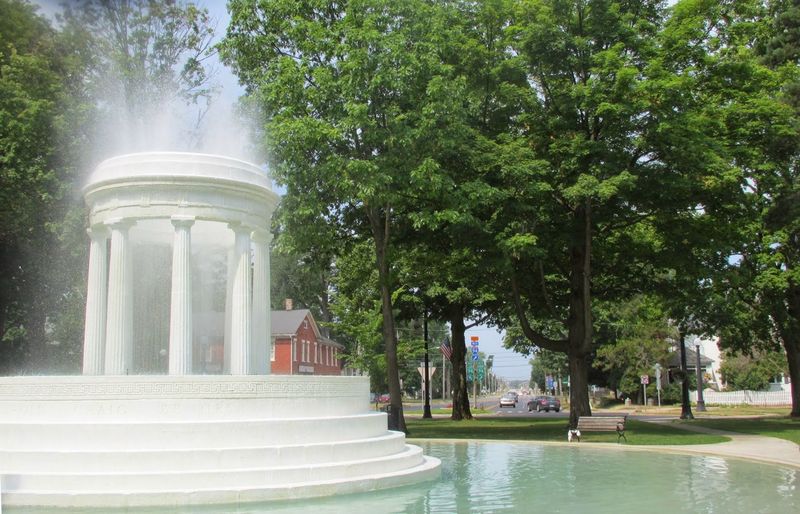
There are plenty of towns in the Midwest that claim to be charming, but Marshall actually earns it. The combination of genuine architectural history, a thriving antiques culture, and a community that clearly cares about what it has built here over 180 years adds up to something that is hard to replicate anywhere else.
I left with a small piece of pressed glass I found in a co-op booth, a few postcards from the early 1900s, and a strong urge to come back before the year was out. That feeling of wanting to return before you have even finished leaving is the clearest sign that a place has done something right.
Marshall does not try to be something it is not. It is a real town with real history and a real community of people who happen to love old things as much as any visitor does.
The 1800s never felt this accessible, and honestly, they never felt this much fun to explore one antique booth at a time.
Share this story