Northern Spain, often called “Green Spain,” is one of Europe’s most underrated regions, packed with lush landscapes, dramatic coastlines, and historic towns that mass tourism has barely touched. While cities like San Sebastián and Bilbao steal the spotlight, dozens of smaller towns offer equally breathtaking scenery and a far more authentic Spanish experience.
From colorful fishing villages along the Cantabrian coast to medieval mountain settlements tucked into the Pyrenees, these places invite you to slow down and truly soak it all in. Here are 10 hidden gem towns in Northern Spain worth putting on your 2026 travel list.
Cudillero, Asturias
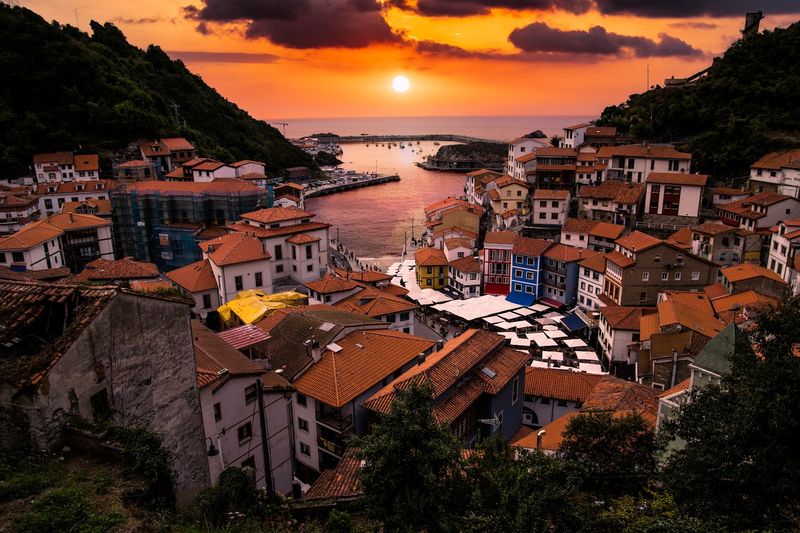
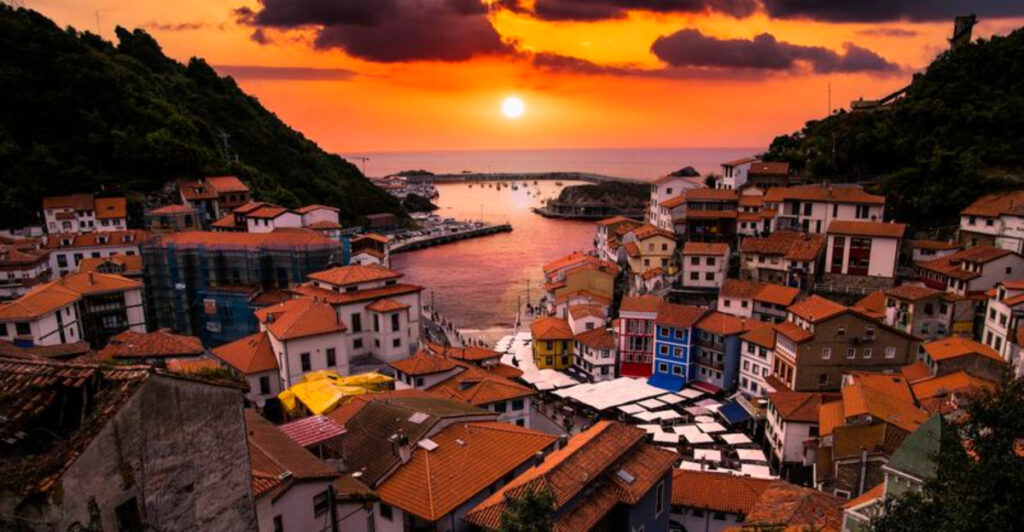
Perched on a cliffside like a stack of pastel-painted gift boxes, Cudillero is the kind of town that makes you stop mid-step just to stare. This tiny Asturian fishing village is built into steep slopes that drop dramatically toward a sheltered harbor below.
Every angle is a postcard moment.
The streets twist and climb in ways that would confuse a GPS, but getting a little lost here is half the fun. Local fishermen still bring in the daily catch, and the waterfront restaurants serve some of the freshest seafood you will find anywhere on the Cantabrian coast.
Try the grilled octopus — you will not regret it.
Cudillero stays refreshingly quiet compared to Spain’s more famous coastal spots, meaning you can actually enjoy the atmosphere without bumping into tour groups every five minutes. Visit in the early morning when the harbor lights reflect off the water and the village is still waking up.
It is the kind of simple, beautiful moment that sticks with you long after the trip ends. Fewer than 5,000 people call this village home, which keeps its charm wonderfully intact.
Santillana del Mar, Cantabria
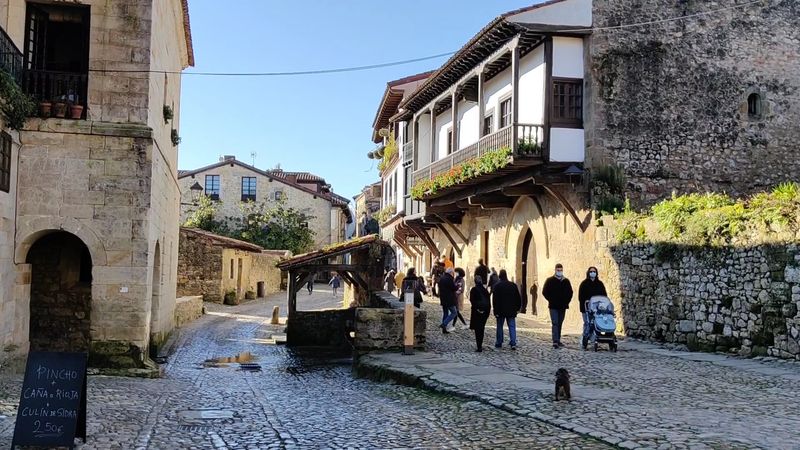
Santillana del Mar has been called a town frozen in time, and honestly, that is not an exaggeration. Walk its cobblestone streets and you will find not a single modern building in the historic center — just centuries-old stone facades, carved wooden balconies, and archways that look like they belong in a history book.
Despite the name, Santillana del Mar is not actually on the sea. The “Mar” in its name refers to a nearby estuary, which surprises a lot of first-time visitors.
That quirky little fact aside, the town more than delivers on atmosphere and authenticity.
Just a short drive away, the Altamira Caves hold some of the world’s most famous prehistoric paintings, dating back roughly 36,000 years. The museum replica is open to visitors and offers a genuinely fascinating look at early human creativity.
Back in town, the medieval collegiate church and the surrounding plazas are perfect for a slow afternoon wander. Boutique shops sell local cheeses and handcrafted goods that make excellent souvenirs.
Santillana del Mar rewards visitors who take their time, so resist the urge to rush through it.
Getaria, Basque Country
Fun fact: Getaria is the birthplace of two very different kinds of legends — Juan Sebastián Elcano, the first person to circumnavigate the globe, and Cristóbal Balenciaga, one of the greatest fashion designers in history. Not bad for a town with a population of around 2,700 people.
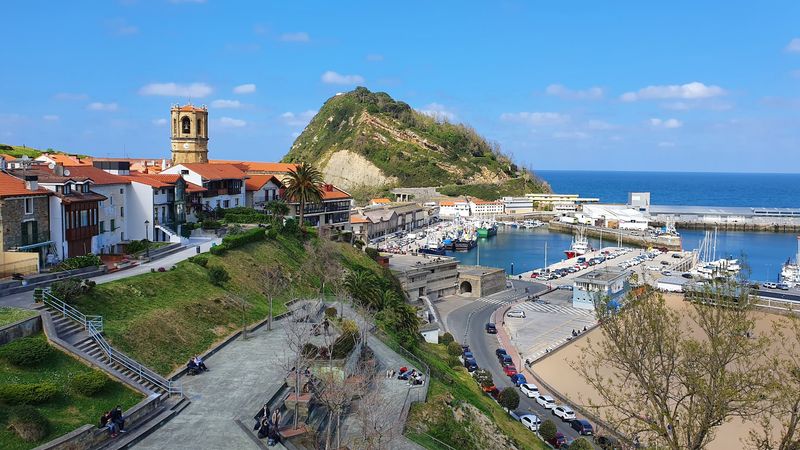
Beyond its famous sons, Getaria is simply a joy to explore. The harbor is dotted with colorful fishing boats, the beaches are calm and uncrowded, and the old stone streets have a quiet dignity that feels genuinely Basque.
The town sits on a small peninsula connected to the mainland, giving it a tucked-away, almost secret quality.
Food lovers, pay attention. Getaria is famous for its txakoli wine, a crisp, slightly sparkling white wine produced in the surrounding hills.
Pair it with freshly grilled fish at one of the harbor-side restaurants for a meal that feels effortlessly perfect. The Cristóbal Balenciaga Museum is worth a visit even if fashion is not your usual interest — the building alone is stunning.
Getaria offers everything a great travel destination should without the crowds that usually come with it.
Ribadesella, Asturias
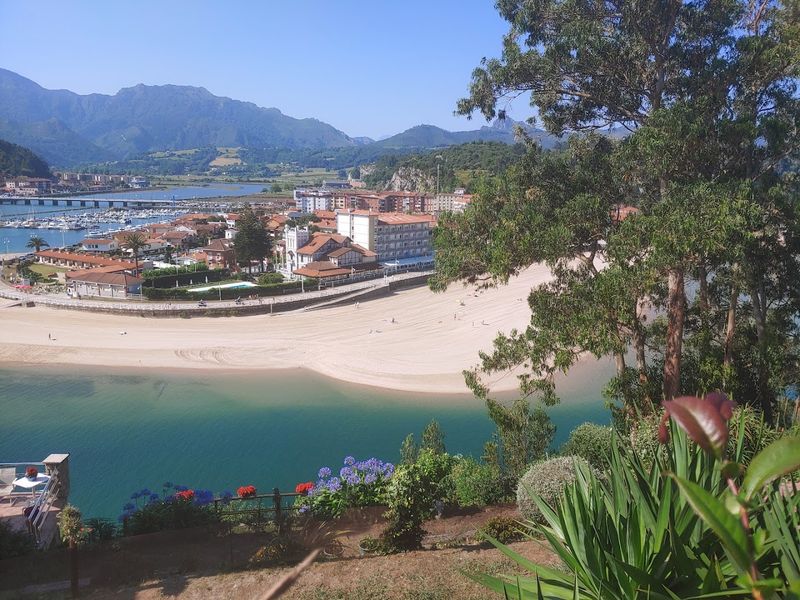
Ribadesella sits at a sweet spot where a wide river opens into the Cantabrian Sea, creating a natural setting that feels almost too scenic to be real. On one side, you have a sandy beach popular with surfers and sun-seekers.
On the other, a charming old town with cafes, local markets, and a relaxed Asturian pace of life.
Every August, the town hosts the International Descent of the Sella River, one of Spain’s most beloved kayaking events. Thousands of participants paddle the river in what is equal parts sport and fiesta.
If you happen to visit during this weekend, expect noise, color, and a lot of very happy people.
Outside of the big event, Ribadesella stays pleasantly calm and is popular mainly with Spanish visitors rather than international tourists. That local flavor gives it an authentic edge.
The nearby Tito Bustillo Cave contains impressive prehistoric art and is one of Asturias’s top cultural sites. Cycling paths run along the coast and river, making it easy to explore the area at your own pace.
Ribadesella is the kind of place where a planned two-day stop quickly turns into four.
Besalú, Catalonia
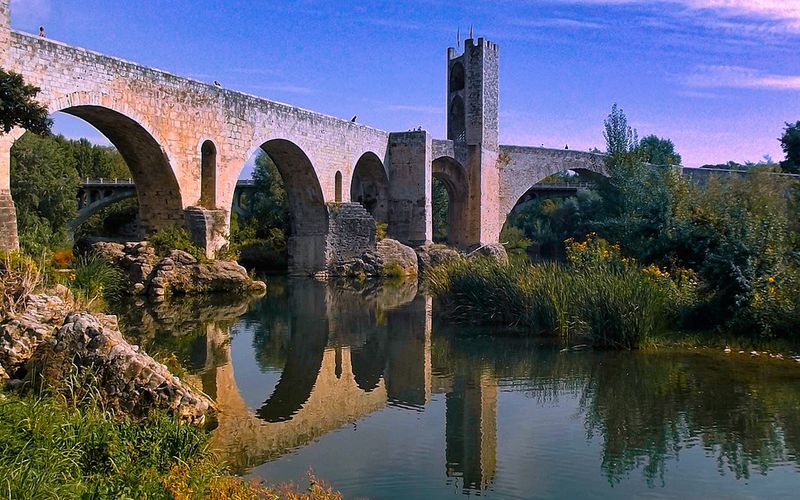
Cross the 11th-century fortified bridge into Besalú and the modern world simply disappears. This remarkably preserved medieval town in the Garrotxa region of Catalonia looks like a film set, except everything here is completely real and has been standing for nearly a thousand years.
The bridge itself is the town’s most iconic feature — a multi-arched stone structure with a gatehouse in the middle, reflected in the calm river below. Photographers go absolutely wild for it, especially at sunrise when the light turns the stone a warm amber color.
Beyond the bridge, the town’s narrow lanes are lined with Romanesque churches, a medieval Jewish ritual bath called a mikveh, and stone squares that invite you to sit and do absolutely nothing for a while.
Besalú is located about an hour from Barcelona, making it a very manageable day trip — though staying overnight lets you experience the town after tour groups head home. The weekly market on Tuesdays fills the main square with local produce, crafts, and a lively buzz.
Nearby, the volcanic landscape of the Garrotxa Natural Park adds another layer of adventure for those who want to explore beyond the town walls.
Aínsa, Aragon (Pyrenees Region)
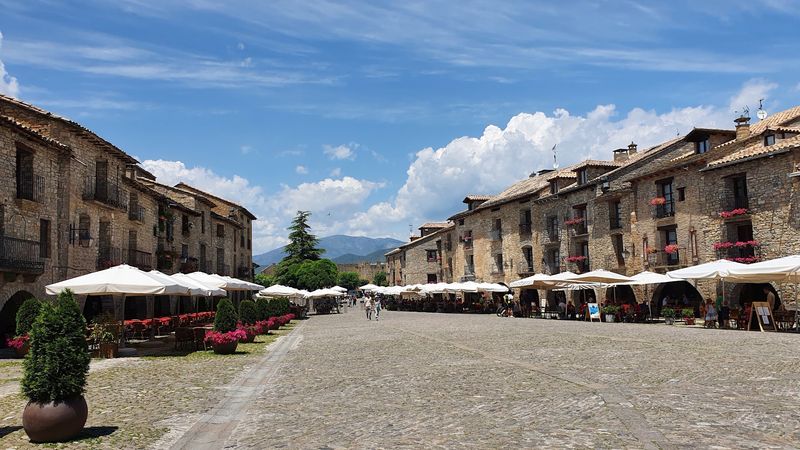
Sitting on a hilltop with the Pyrenean peaks rising dramatically behind it, Aínsa looks like someone designed it specifically to take your breath away. This small medieval town in Aragon has one of the most beautiful central plazas in all of northern Spain — a wide, stone-paved square surrounded by arched colonnades and ancient buildings that have barely changed in centuries.
Aínsa is a gateway town for the Ordesa and Monte Perdido National Park, a UNESCO World Heritage Site with canyon hikes, waterfalls, and mountain scenery that is genuinely jaw-dropping. Outdoor enthusiasts come here for serious hiking, white-water rafting, and mountain biking.
But even if your idea of adventure is a long lunch, Aínsa delivers on that front too.
The local cuisine leans heavily on hearty Aragonese mountain flavors — think slow-cooked lamb, wild mushroom dishes, and local cheeses that pair perfectly with regional wines. The town has a handful of small boutique hotels and rural guesthouses that make it an ideal base for exploring the surrounding area.
Summer brings hikers and cyclists, but spring and autumn are quieter and arguably more beautiful. Aínsa is a genuinely special place that deserves far more international attention.
Luarca, Asturias
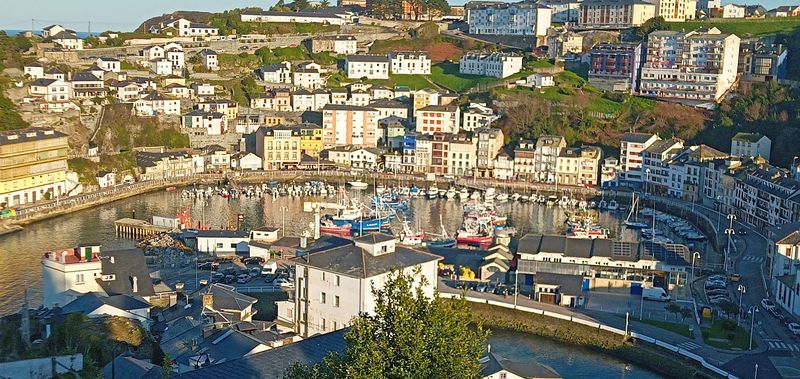
They call Luarca the “White Town of the Green Coast,” and one look at its gleaming whitewashed houses spilling down toward the Atlantic makes that nickname feel completely earned. This Asturian fishing port has a rugged, windswept beauty that feels more like a painting than a real place.
The town is divided by a winding river, and a series of bridges connect the two sides in a way that gives Luarca a layered, almost theatrical layout. Climb up to the lighthouse and cemetery perched on the headland for one of the most dramatic coastal views in all of northern Spain.
Locals are proud of their town in the best possible way — there is a warmth here that you notice immediately.
Luarca is also the birthplace of Severo Ochoa, who won the Nobel Prize in Medicine in 1959 — a fact the town celebrates with quiet local pride. The harbor restaurants are outstanding, specializing in the seafood that local boats bring in daily.
Barnacles, clams, and merluza a la sidra (hake in cider) are absolute must-tries. Luarca attracts far fewer visitors than it deserves, which means you get an authentic, unhurried experience that is increasingly rare in modern travel.
Hondarribia, Basque Country
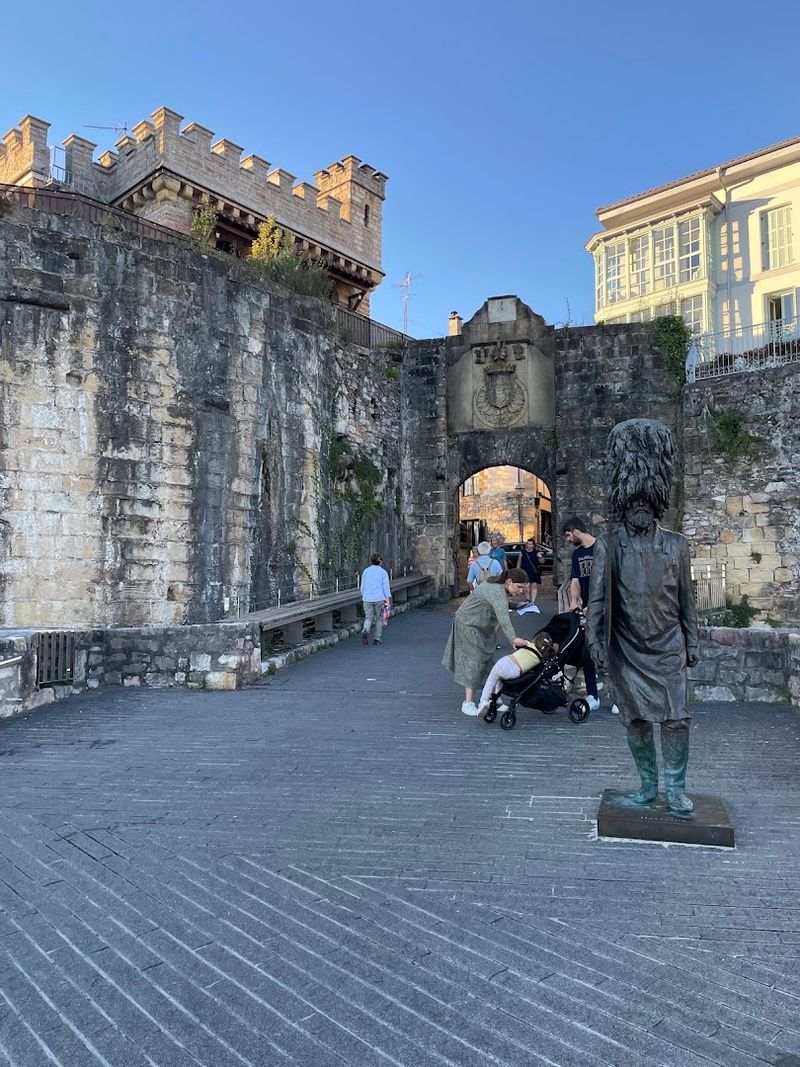
Hondarribia sits right on the French border, separated from the French town of Hendaye by nothing more than a narrow river mouth — yet it feels entirely, unmistakably Basque. The old town is a riot of color, with candy-bright facades, flower-draped balconies, and the kind of lively street energy that makes you want to cancel your plans and stay indefinitely.
The medieval upper town, enclosed by ancient fortified walls, is a completely different mood — quieter, more atmospheric, with cobblestone streets and a 10th-century castle that now operates as a parador hotel. Staying inside those walls overnight is an experience that is hard to beat for sheer historical atmosphere.
Down by the harbor, the fishing boats and the casual waterfront scene feel genuinely local rather than staged for tourists. The nearby beach of Hondarribia is one of the best in the Basque Country — wide, well-kept, and far less crowded than the beaches around San Sebastián.
Local pintxos bars serve excellent food at very reasonable prices, especially if you explore beyond the main tourist strip. Hondarribia is one of those towns that people stumble upon by accident and end up recommending to everyone they know.
Comillas, Cantabria
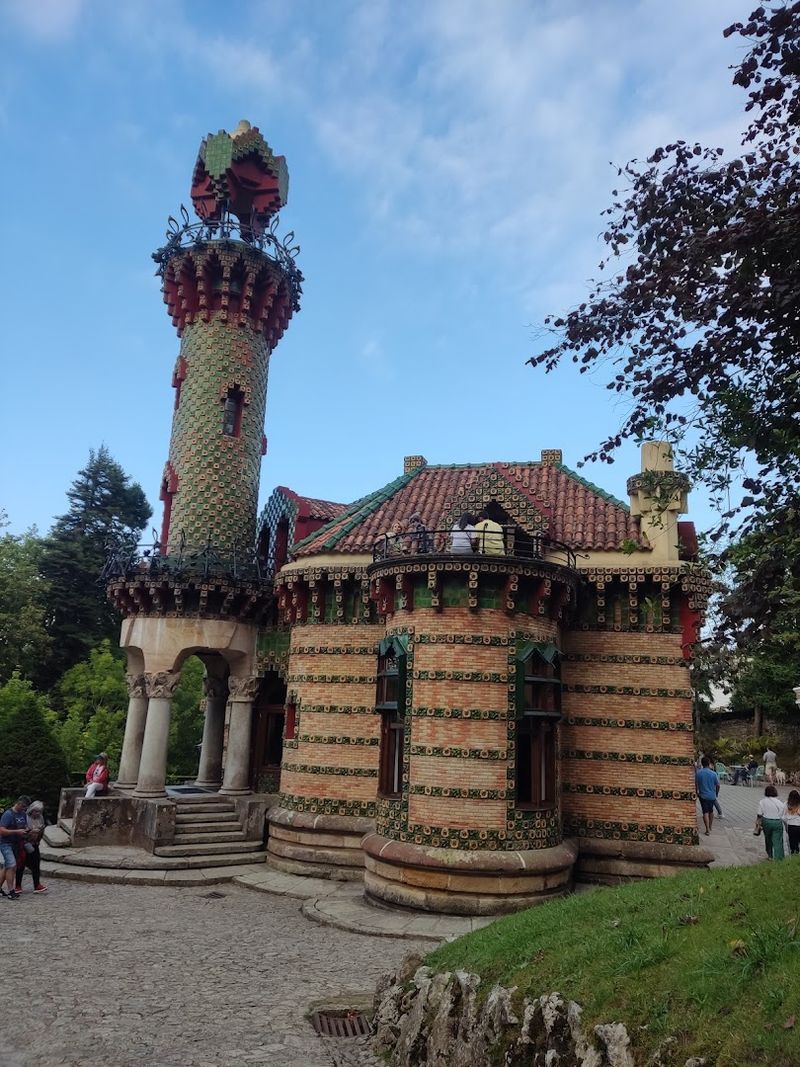
Comillas is the kind of town that makes architecture enthusiasts make involuntary noises of delight. Tucked into the green hills of Cantabria just a short drive from the coast, this small town punches well above its weight when it comes to cultural and architectural surprises.
The star attraction is El Capricho, a whimsical building designed by a young Antoni Gaudí in 1885 — one of his earliest works and one of only two Gaudí buildings outside of Catalonia. With its sunflower-tiled tower, ornate ceramic details, and playful design, it stands out dramatically against the surrounding landscape.
Nearby, the neo-Gothic University of Comillas adds another layer of architectural drama to an already visually rich town.
Beyond the buildings, Comillas has a lovely beach, a charming town center with good restaurants, and a relaxed summer vibe that attracts Spanish families more than foreign tourists. The surrounding Cantabrian countryside is gorgeous for cycling or driving, with green valleys and coastal cliffs in every direction.
Local markets sell regional products like Cantabrian anchovies, artisan cheeses, and honey. Comillas is compact enough to explore in a day but interesting enough to justify staying longer.
It is an easy favorite for anyone who visits.
Potes, Cantabria
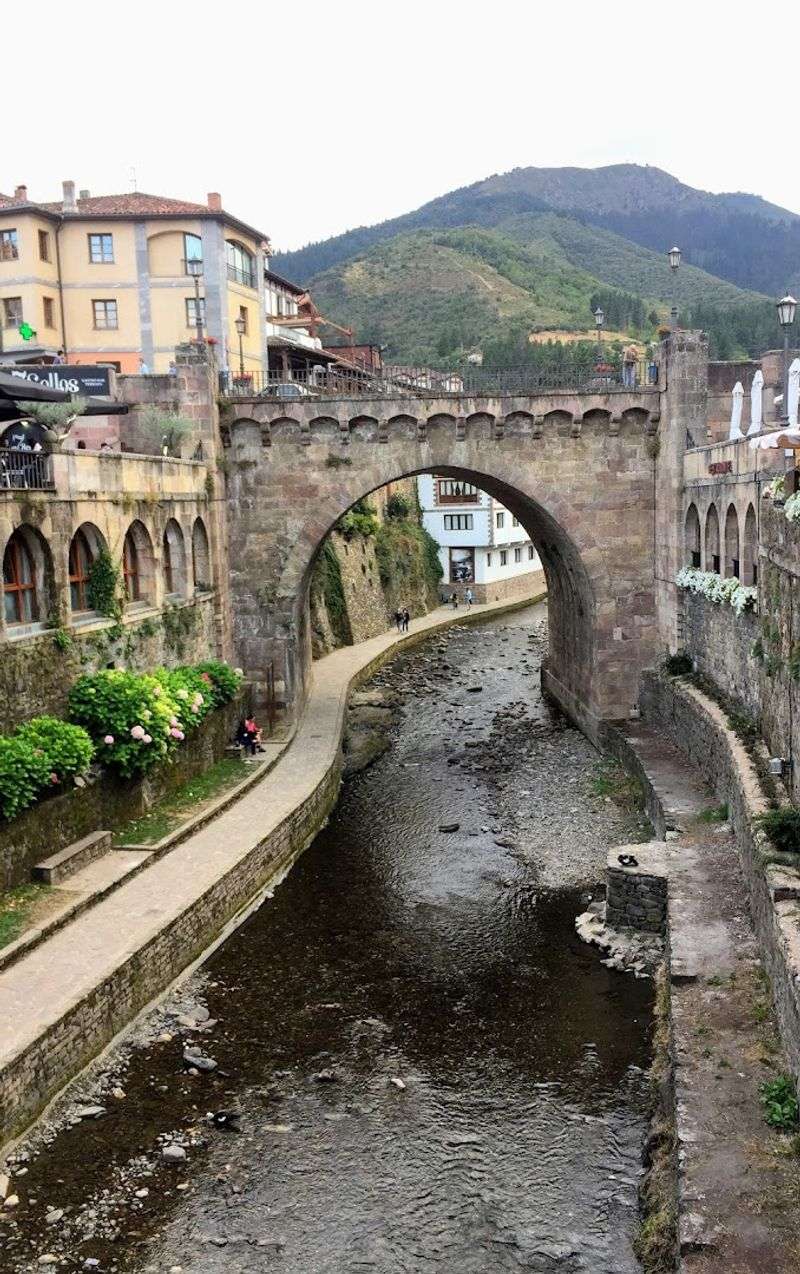
Nestled at the foot of the Picos de Europa, Potes is a mountain village that earns its reputation as one of the most scenic spots in all of northern Spain. Stone houses line the banks of a rushing river, a medieval tower anchors the town center, and the jagged peaks of the Picos loom in every direction like a permanent reminder of just how dramatic this landscape is.
Potes serves as the main gateway to the Picos de Europa National Park, which means it is perfectly placed for serious hikers and casual walkers alike. The famous Fuente Dé cable car, just a few kilometers away, whisks visitors up to a high mountain plateau with views that genuinely stop conversation.
On a clear day, the panorama stretches all the way to the Cantabrian coast.
The town itself has a fantastic food scene rooted in mountain tradition. Local orujo, a potent grape spirit produced in the surrounding valleys, is practically a rite of passage for visitors.
Stalls and shops sell homemade versions in flavors ranging from honey to herbs. Potes stays lively throughout the year, with winter bringing snow-dusted peaks and summer filling the streets with hikers and cyclists.
It is a small town with enormous character.
Share this story