Maui—often called the “Valley Isle”—is widely considered one of the best Hawaiian islands thanks to its incredible diversity. From volcanic landscapes and lush rainforests to over 30 miles of beaches, the island offers a perfect mix of adventure and relaxation.
What truly sets Maui apart is its ability to cater to every type of traveler, whether you’re seeking luxury, culture, outdoor thrills, or peaceful escapes. Here are 15 reasons why Maui is the perfect Hawaiian getaway.
Incredible Variety of Landscapes
No other island packs this many jaw-dropping environments into such a small space. Maui stretches across just 727 square miles, yet somehow squeezes in active volcanic craters, tropical rainforests, windswept deserts, and sun-drenched beaches.
It almost feels like cheating—you get five destinations for the price of one.
The island’s geography is shaped by two massive volcanoes: Haleakala and the West Maui Mountains. Their contrasting slopes create microclimates that shift dramatically as you drive around the island.
One side might be bone-dry and sunny while the other is wrapped in misty waterfalls and dense jungle.
This variety keeps every day on Maui feeling fresh and exciting. Hike through bamboo forests in the morning, then kick back on a white sand beach by afternoon.
Families, solo travelers, and adventure seekers all find their perfect corner of this island. Honestly, the hardest part of visiting Maui is deciding where to go first—every landscape feels like a postcard come to life.
Over 30 Miles of Stunning Beaches
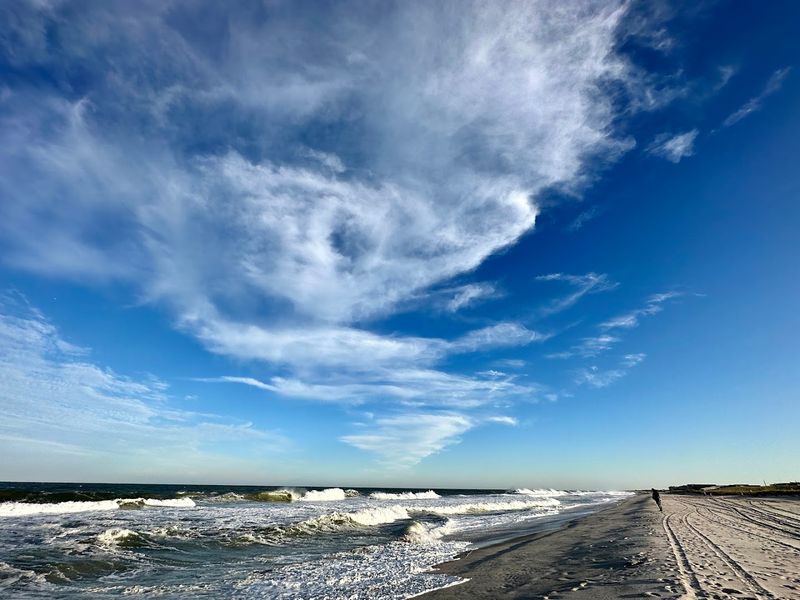
Soft white sand between your toes, warm Pacific waves rolling in, and not a single deadline in sight—that is the Maui beach experience in a nutshell. The island boasts over 30 miles of coastline, and no two stretches look the same.
From powdery white shores to dramatic black lava rock beaches, variety is the name of the game.
Kaanapali Beach is a crowd favorite with its calm, swimmable waters and vibrant resort scene. Waianapanapa State Park offers the wild contrast of a jet-black sand beach framed by volcanic cliffs.
And if you want something truly rare, Kaihalulu—also called Red Sand Beach—is tucked into a cinder cone and glows a deep rust-red color that looks almost unreal.
Each beach has its own personality. Some are perfect for snorkeling, others for surfing, and a few are best enjoyed by just sitting quietly and watching the sun melt into the ocean.
Maui’s beaches are not just scenic backdrops—they are full-on destinations. Pack your sunscreen, bring a good book, and prepare to lose track of time completely.
The Famous Road to Hana
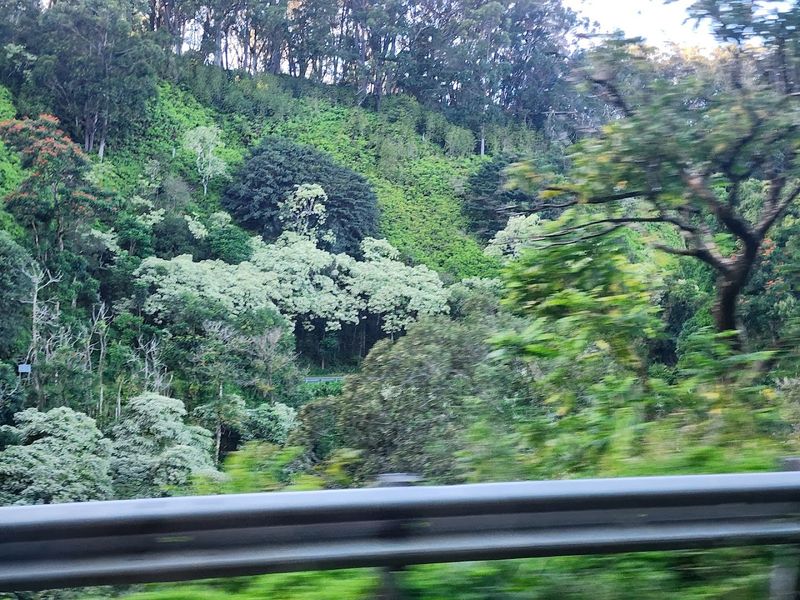
Six hundred turns, 59 bridges, and more waterfalls than you can count—welcome to the Road to Hana, one of the most legendary drives on the planet. This 64-mile stretch of highway along Maui’s northeastern coastline is less of a road trip and more of a full sensory adventure.
People travel from across the world just to drive it.
The route winds through thick bamboo forests, past thundering waterfalls, and along dramatic sea cliffs with waves crashing far below. Popular stops include Twin Falls, the Garden of Eden Arboretum, and the sacred Pools of Oheo.
Every pullout reveals something worth photographing, so leave plenty of time and resist the urge to rush.
Most visitors make the mistake of treating Hana as the destination. The real magic happens along the way.
Pack snacks, download an offline map, and start early to beat the crowds. The drive back—especially at sunset—is just as stunning in reverse.
Whether you’re a first-time visitor or returning for the fifth time, the Road to Hana never gets old. It is simply one of those experiences that stays with you long after you leave the island.
Haleakalā National Park
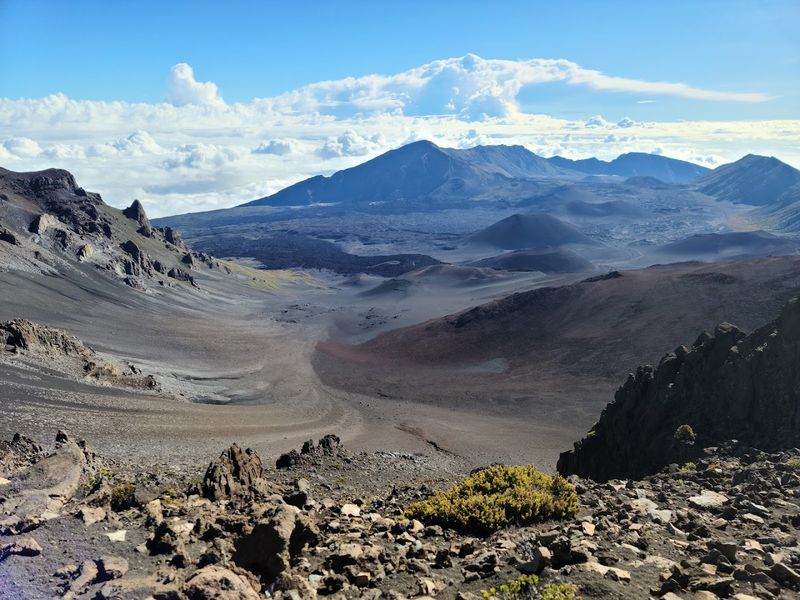
At 10,023 feet above sea level, the summit of Haleakala sits above the clouds—literally. Watching the sunrise from up here is often described as a spiritual experience, and honestly, that is not an exaggeration.
The sky shifts from deep purple to blazing orange while clouds roll far below you like a slow-motion ocean. It is completely surreal.
Haleakala National Park covers over 30,000 acres and offers much more than just sunrise views. The volcanic crater stretches nearly 21 miles in circumference, and hiking trails wind through alien-looking terrain dotted with rare silversword plants found nowhere else on Earth.
Rangers lead guided walks that explain the geology and cultural significance of this sacred site.
The park also has a coastal section near Kipahulu, where the famous Pools of Oheo are located. This dual personality—volcanic summit and lush coastal jungle—makes the park endlessly interesting.
Pro tip: reserve your sunrise permit well in advance, as spots fill up months ahead. Bring warm layers too, because temperatures at the summit can drop below freezing even in summer.
Haleakala is not just a park—it is one of those rare places that makes you feel genuinely small in the best possible way.
World-Class Snorkeling and Diving
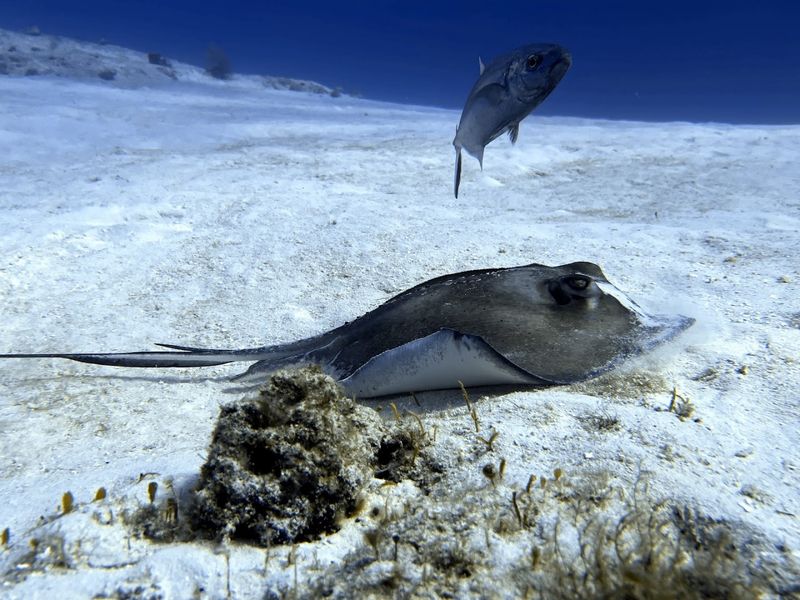
The water around Maui is almost unfairly clear. Visibility can reach up to 150 feet in certain spots, which means even first-time snorkelers feel like they are floating through a giant aquarium.
Sea turtles, eagle rays, reef sharks, and clouds of colorful fish are regular sightings—no special luck required.
Molokini Crater is the crown jewel of Maui’s underwater world. This crescent-shaped volcanic islet sits about three miles offshore and acts as a natural protected reef teeming with marine life.
Early morning boat tours are the best way to experience it before the crowds and afternoon winds arrive. Many operators offer both snorkeling and scuba options on the same trip.
Turtle Town, located near Makena, is another must-visit spot where Hawaiian green sea turtles glide gracefully along the rocky reef. Watching a turtle swim just a few feet away is one of those moments that makes you forget everything else.
Whether you are a certified diver or a total beginner with a snorkel mask, Maui’s underwater scenery is genuinely world-class. Rent quality gear if you do not bring your own—clear masks and fins make a big difference in the experience.
Whale Watching Opportunities
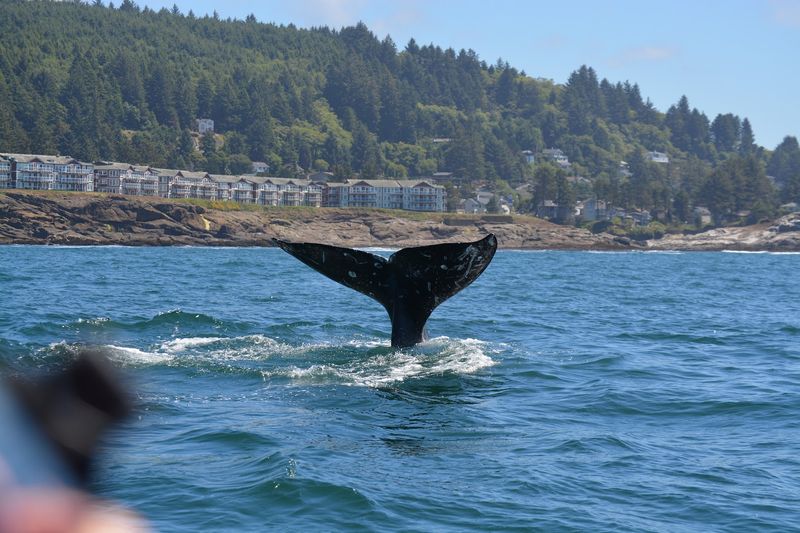
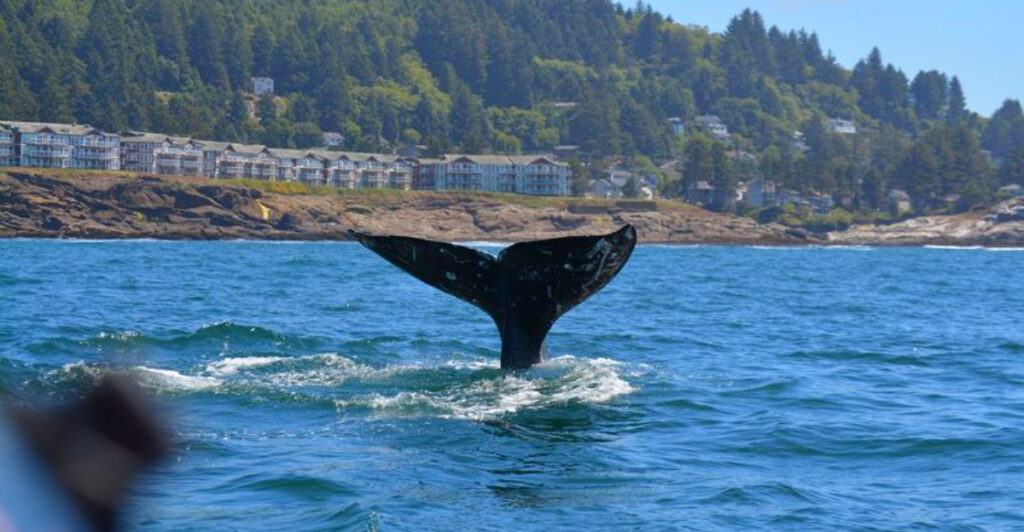
Every winter, roughly 10,000 humpback whales make the journey from Alaska to the warm waters surrounding Maui—and the island basically throws a party for them. The Hawaiian Islands Humpback Whale National Marine Sanctuary protects these waters, making Maui one of the most reliable whale-watching destinations anywhere in the world.
You do not need binoculars to spot them from shore.
Peak season runs from December through April, with January, February, and March being the most action-packed months. During this time, breaches, tail slaps, and pectoral fin waves are a near-daily show.
Boats venture out from Lahaina and Maalaea harbors, and many operators offer guarantee policies—if you do not see a whale, you get a free return trip.
Even non-whale-watchers find themselves glued to the ocean during this season. Sitting at a beachside restaurant and watching a 40-ton whale leap out of the water in the distance is one of those experiences that stops every conversation cold.
Bring a camera with a good zoom lens if you have one. Whale watching in Maui is not just a tourist activity—it is a genuine wildlife spectacle that reminds you how wild and wonderful the natural world really is.
Perfect Balance of Adventure and Relaxation
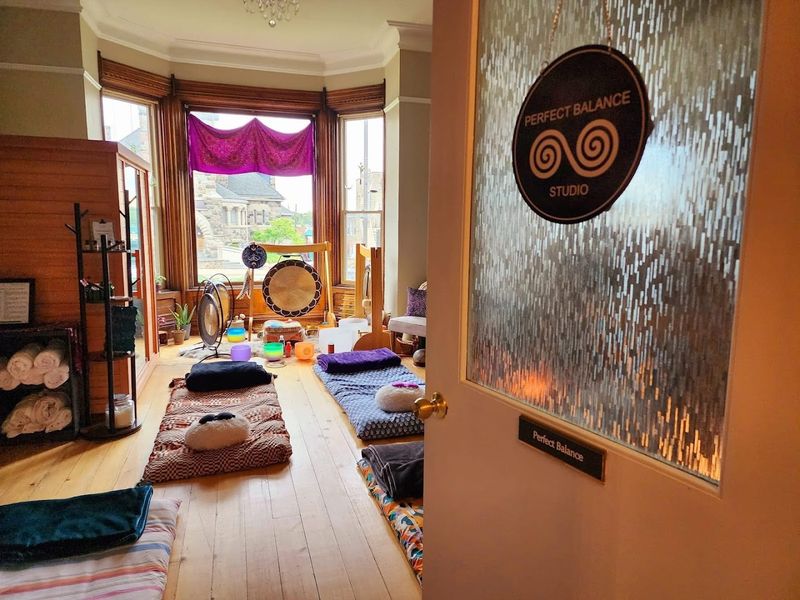
Some destinations force you to choose: are you here to relax or to explore? Maui laughs at that question.
The island is one of the rare places where you can do a sunrise hike up a volcano, grab breakfast at a local diner, go snorkeling before noon, and still be back at your resort pool with a mai tai by 3 p.m. The schedule practically writes itself.
Adventure options are everywhere—surfing lessons in Kihei, zip-lining above the rainforest in Hana, paddleboarding along the calm west coast, or mountain biking down the slopes of Haleakala. None of these require advance athletic training, and most operators welcome complete beginners with open arms.
When the energy runs low, Maui’s relaxation scene is just as impressive. World-class spas, hammocks strung between palm trees, and some of Hawaii’s most serene resort pools await.
The island seems to understand that the best vacations mix movement with stillness. Couples especially love this balance—one person can head out for an early surf while the other sleeps in and orders room service.
By dinner, everyone has a great story to tell. That flexibility is genuinely rare and endlessly valuable.
Rich Hawaiian Culture
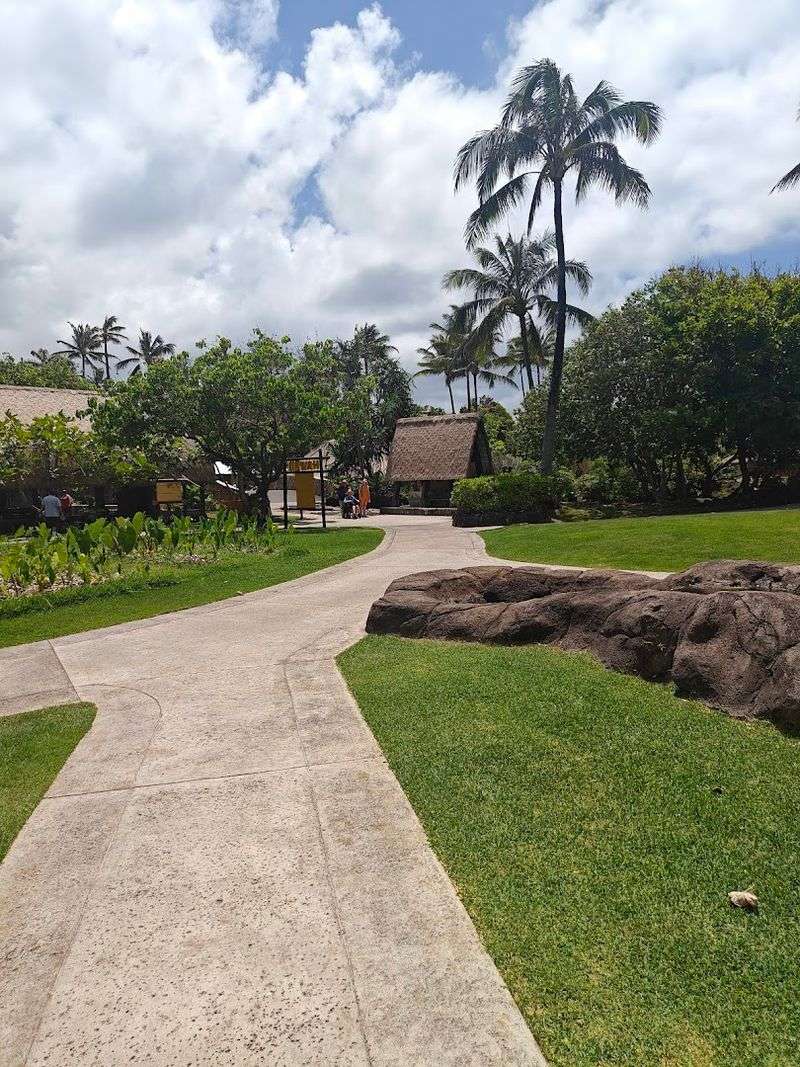
Hawaiian culture is not just a backdrop in Maui—it is woven into the everyday fabric of the island. From the moment you land and smell the plumeria leis, there is a sense that this place has a deep, living history worth paying attention to.
The aloha spirit is real, and locals genuinely share it with visitors who show respect and curiosity.
Traditional luaus are one of the most popular ways to experience Hawaiian culture, and Maui has some of the best. The Old Lahaina Luau is consistently ranked among Hawaii’s finest, featuring authentic hula performances, chants, and a feast centered around kalo—taro root—which has been a Hawaiian staple for centuries.
It is history, food, and entertainment rolled into one unforgettable evening.
Beyond luaus, visitors can explore the historic town of Lahaina, which served as the capital of the Hawaiian Kingdom in the 1800s. The Maui Arts and Cultural Center hosts events celebrating local music, dance, and visual arts year-round.
Learning even a few words of the Hawaiian language—like mahalo for thank you—goes a long way in connecting with the island’s spirit. Culture here is not a museum exhibit; it is alive and well.
Incredible Food Scene
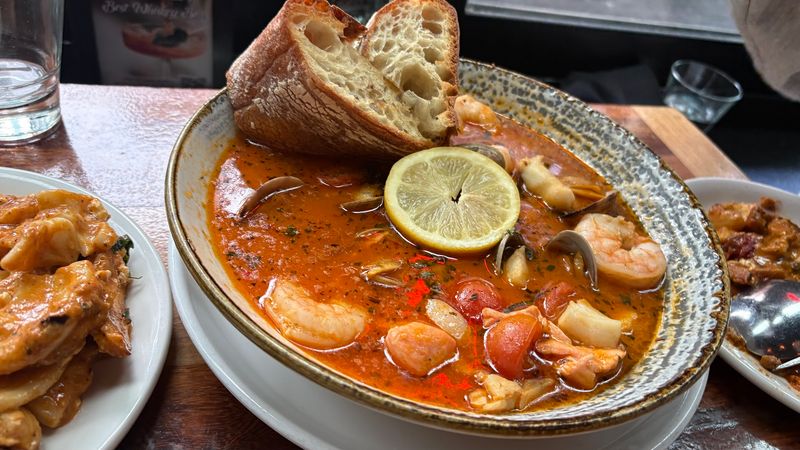
Fresh ahi tuna pulled straight from Pacific waters and served in a bowl with rice, avocado, and sesame—that is just Tuesday in Maui. The island’s food scene punches well above its weight, blending Hawaiian, Japanese, Filipino, Portuguese, and modern American influences into something genuinely exciting.
Food lovers often say Maui surprised them more than any other part of the trip.
Farm-to-table dining is not a trend here—it is a way of life. Maui’s fertile volcanic soil grows incredible produce, and many restaurants source ingredients from nearby farms.
The Upcountry region around Kula is famous for its strawberries, sweet onions, and lavender, all of which find their way onto menus across the island. Even roadside food trucks serve meals that could easily compete with big-city restaurants.
Shave ice is a must-try local treat—and Maui does it better than almost anywhere. Mochi balls, sweet azuki beans, and housemade syrups take this simple dessert to another level.
Whether you are eating at a beachfront fine dining spot or grabbing a plate lunch from a local joint, the quality is consistently high. Maui rewards adventurous eaters, but even picky ones find plenty to love on every menu.
Luxury Resorts and Relaxation
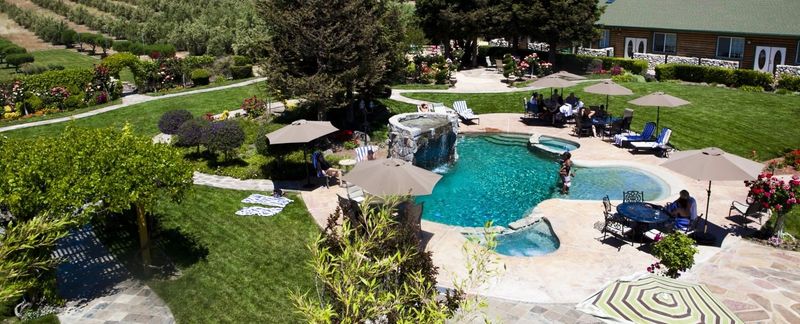
Wailea is the kind of place that makes you question every vacation you have taken before it. This upscale resort town on Maui’s sunny southern coast is home to some of Hawaii’s most spectacular hotels, including the Four Seasons, the Grand Wailea, and the Andaz.
Each property feels like its own private paradise, complete with infinity pools, beachfront cabanas, and spa menus that could fill a small novel.
The Grand Wailea deserves special mention for its legendary pool complex—nine pools connected by slides, a lazy river, and a swim-up bar. It is the kind of setup that makes adults feel like kids again in the best possible way.
Spa Grande inside the same resort is one of the largest spas in the United States and offers treatments inspired by Hawaiian healing traditions.
Even travelers on a moderate budget can enjoy Maui’s luxury side by booking spa day passes or dining at resort restaurants without staying overnight. Sunset cocktails at a beachfront bar with views of Lanai and Kahoolawe islands in the distance cost nothing extra.
Maui’s luxury scene is polished and impressive, but it never feels cold or exclusive—the aloha spirit keeps everything warm and welcoming no matter how upscale the setting gets.
Outdoor Adventures Everywhere
Zip-lining above a 600-foot waterfall is not a normal Tuesday for most people—but in Maui, it absolutely can be. The island is an outdoor playground stacked with activities for every energy level and comfort zone.
Whether you are a seasoned hiker or someone who considers a beach walk a workout, Maui has something that will get you moving.
Hiking trails range from easy coastal walks to challenging summit routes. The Pipiwai Trail near Hana winds through a magical bamboo forest before ending at the 400-foot Waimoku Falls.
The Waihee Ridge Trail rewards hikers with sweeping views across the entire island. For water lovers, kayaking along the calm west coast or stand-up paddleboarding in Makena Bay offers a quieter kind of adventure.
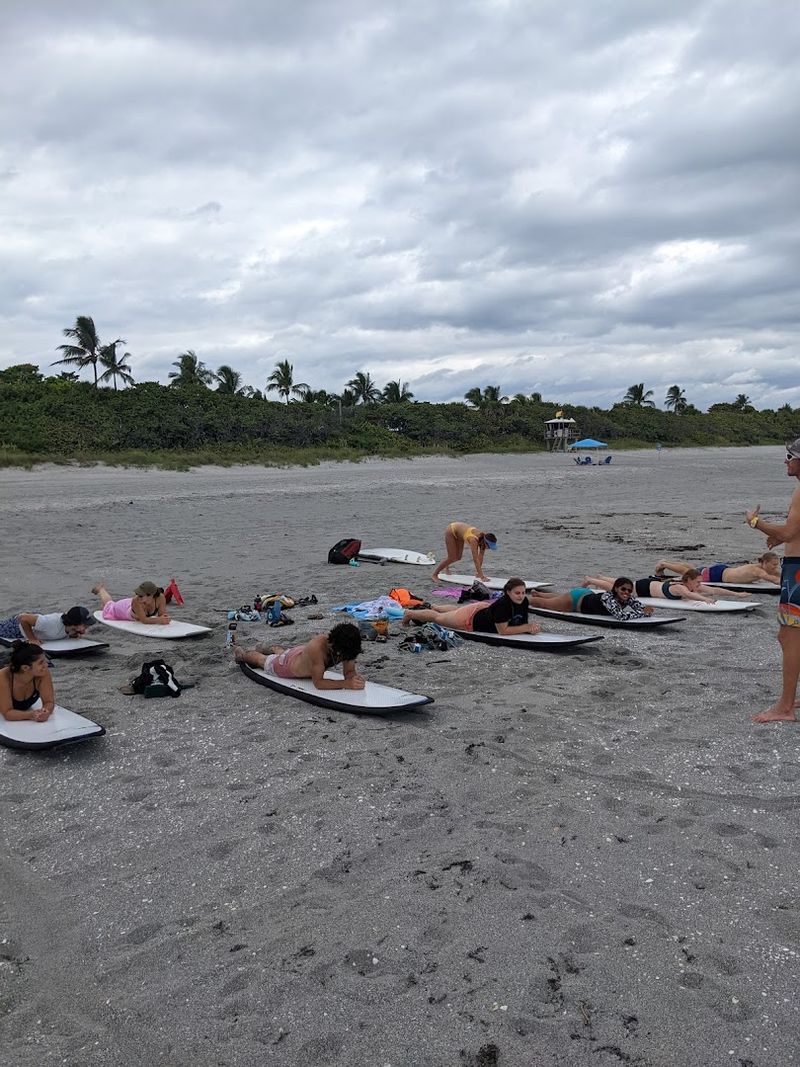
Surfing lessons are widely available for beginners, especially in Kihei where the waves are forgiving and instructors are patient. Mountain biking down Haleakala’s slopes is a bucket-list experience that requires almost no fitness—gravity does most of the work.
Maui also has excellent conditions for kitesurfing, paragliding, and horseback riding along scenic trails. The outdoor calendar never empties here.
Every day brings a new opportunity to do something that makes for a genuinely great story back home.
Scenic Drives and Viewpoints
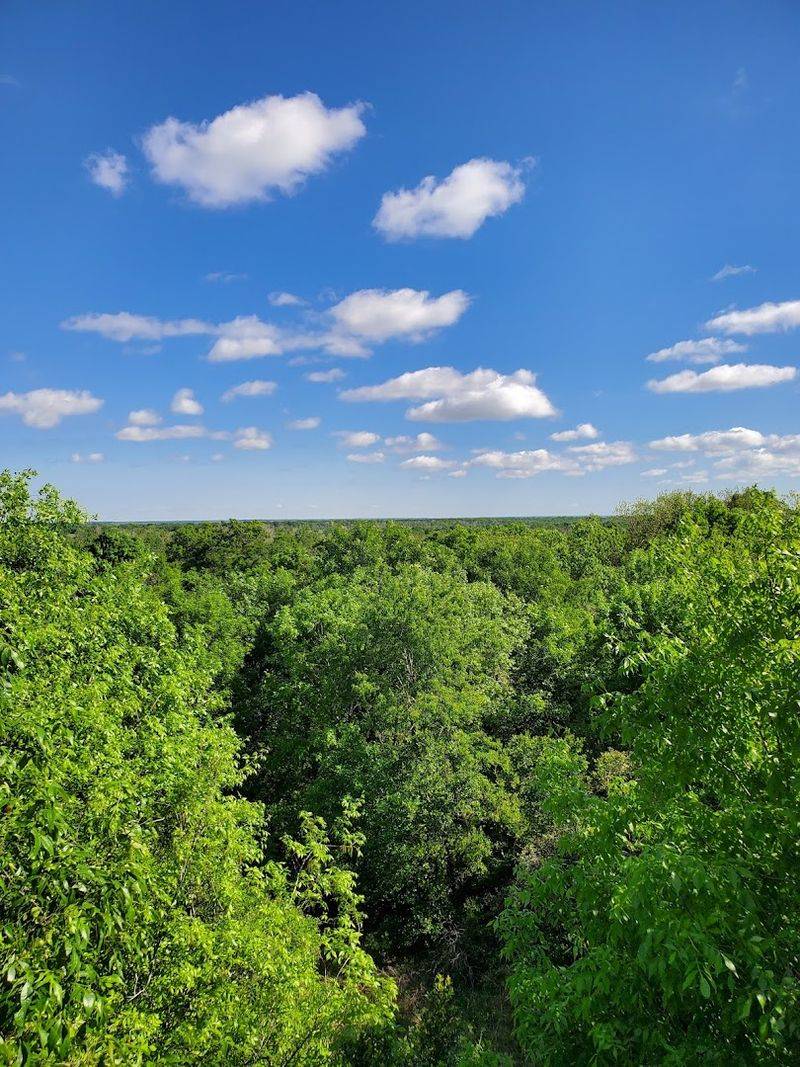
Pull over at any random lookout on Maui and there is a solid chance the view will stop you in your tracks. The island is full of scenic drives that go far beyond the famous Road to Hana.
The Kahekili Highway along the northwest coast is one of Hawaii’s most dramatic routes, hugging narrow cliffs above the churning Pacific with almost zero guardrails—thrilling and beautiful in equal measure.
The drive up to Upcountry Maui through Kula passes through rolling green farmland with sweeping views of the isthmus below. On clear days, you can see three neighboring islands from certain vantage points.
Puu Ula Ula summit overlook inside Haleakala National Park sits at nearly 10,000 feet and offers a 360-degree panorama that photographers absolutely lose their minds over.
Even the drive along Honoapiilani Highway between Lahaina and Kapalua delivers ocean views so consistently gorgeous that passengers forget to check their phones. Maui rewards slow drivers—those who stop often, linger at lookouts, and take the long way around.
Renting a car is strongly recommended because the best viewpoints are scattered across the island and not always accessible by tour bus. Every road here feels like it was designed with sightseers in mind.
Laid-Back Island Atmosphere
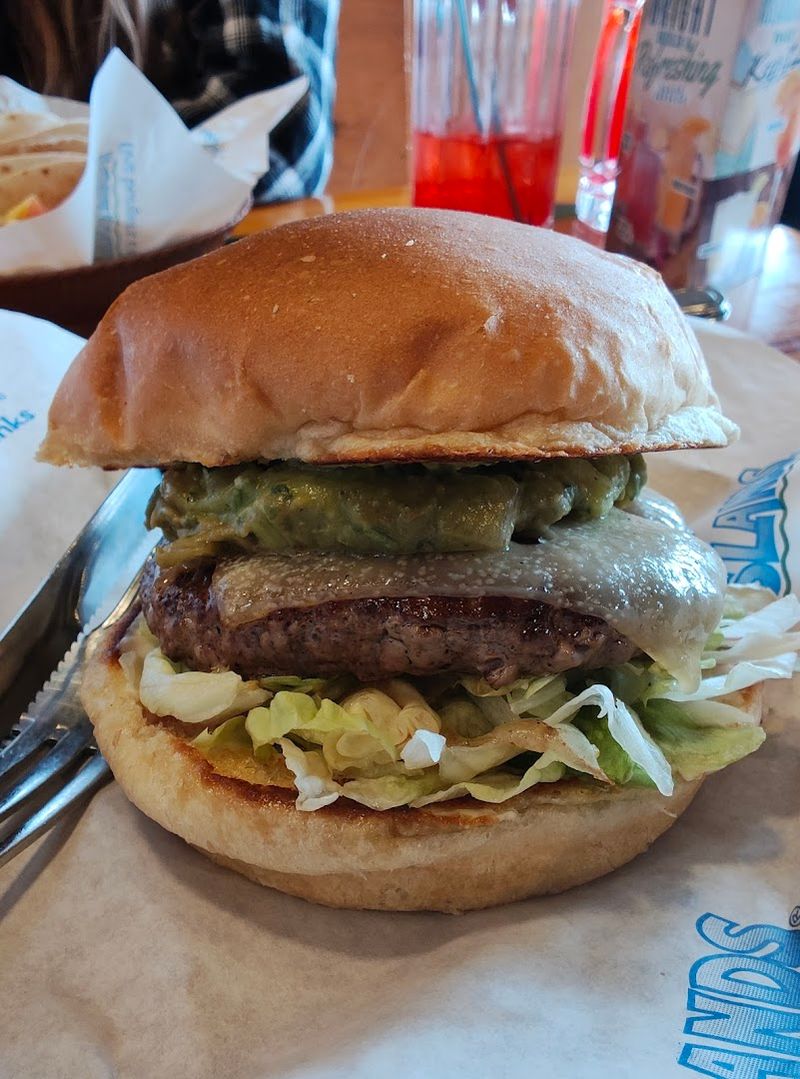
There is something about Maui’s pace of life that quietly unravels stress within the first 24 hours. Compared to the constant buzz of Honolulu or the packed resort corridors of Waikiki, Maui moves at a gentler rhythm.
Traffic jams are rare, smiles are common, and nobody seems to be in a hurry to be anywhere except right where they are.
This relaxed atmosphere is partly geographic—Maui is smaller and less urbanized than Oahu, which keeps things quieter and more personal. But it is also cultural.
The aloha spirit encourages patience, generosity, and genuine connection. Local shop owners chat with customers, surf instructors crack jokes, and restaurant staff remember your name if you come back the next day.
Travelers who visit Maui often describe a phenomenon they jokingly call Maui time—where everything slows down just enough to feel human again. Meals stretch longer, sunsets get watched properly, and conversations happen without anyone reaching for their phone.
It is not laziness; it is presence. If your goal is to truly unwind and recharge—not just check tourist boxes—Maui’s laid-back energy is exactly what the doctor ordered.
You will leave feeling lighter, calmer, and already planning your return trip.
Easy to Explore
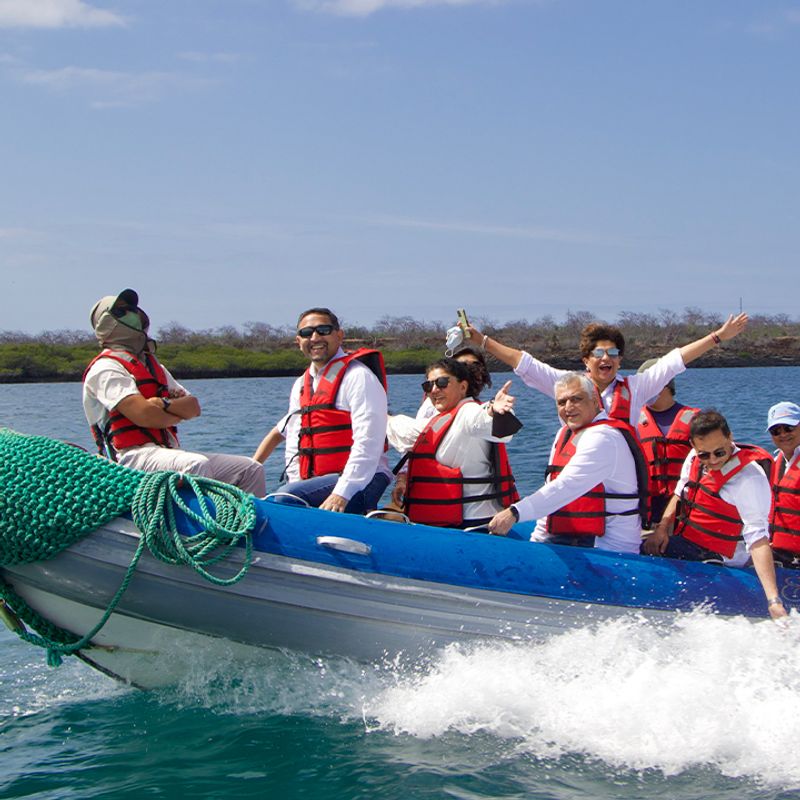
Maui is roughly 48 miles long and 26 miles wide—big enough to feel adventurous, small enough to feel manageable. Unlike some destinations where you spend half your trip stuck in transit, Maui lets you cover serious ground without exhausting yourself.
Most major attractions are within an hour or two of each other, which means day trips rarely feel rushed.
Renting a car is the most popular way to get around, and it genuinely unlocks the island. With GPS and a full tank, you can hop between beaches, waterfalls, and towns with total flexibility.
No waiting for tour buses or sticking to scheduled departures. Some travelers even loop the entire island in a single day, though spreading it across two or three days allows for proper stops and spontaneous detours.
The island’s geography is also easy to understand. The west side has most of the big resorts and calm beaches.
The north and east lead toward Hana and lush rainforest country. Central Maui holds the main airport and shopping.
And the south side offers sunny weather and great snorkeling. Once you grasp that simple layout, navigating feels natural and stress-free.
Maui is the kind of destination that rewards curious explorers without punishing them for getting a little lost.
Something for Everyone

Ask ten different people what they love most about Maui and you will get ten completely different answers—and every single one of them will be right. That is the island’s superpower.
Maui does not cater to just one type of traveler; it somehow manages to deliver exactly what each person needs, whether they know what that is or not.
Families find it endlessly kid-friendly—calm beaches, sea turtle encounters, and luaus that keep children entertained for hours. Couples discover romance around every corner, from private coves to candlelit dinners above the ocean.
Solo travelers appreciate the ease of meeting people, the safety of well-marked trails, and the freedom of having no schedule to follow.
Honeymooners book overwater bungalows and sunrise helicopter tours. Retirees enjoy gentle coastal walks and farm-fresh brunches in Upcountry.
Thrill-seekers fill their days with surfing, cliff jumping, and deep-sea fishing. Budget travelers find excellent food trucks, free beaches, and affordable guesthouses in Paia and Kihei.
Maui genuinely accommodates everyone without feeling like it is trying too hard. The island is not a one-size-fits-all destination—it is a choose-your-own-adventure experience where every path leads somewhere wonderful.
That versatility is exactly why people return to Maui again and again throughout their lives.
Share this story