Germany is famous for its castles, beer festivals, and world-class art museums. But tucked between the grand galleries and historic landmarks are some truly bizarre, niche, and wonderfully odd museums that most travelers never see coming.
From pig shrines in Stuttgart to death culture in Kassel, these places prove that Germany has a sense of humor and a whole lot of curiosity. Whether you are a seasoned traveler or planning your first trip, these weird museums deserve a spot on your itinerary.
Designpanoptikum – Surreal Museum for Industrial Objects, Berlin
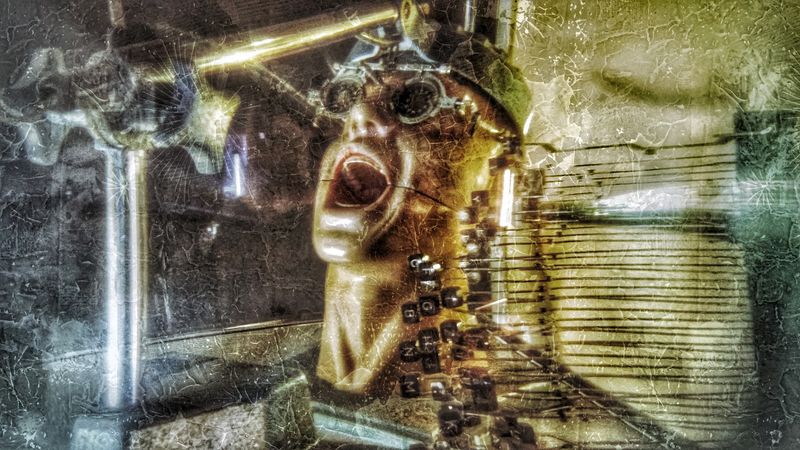
Walking into the Designpanoptikum feels less like entering a museum and more like stumbling into a mad scientist’s storage unit. The Berlin oddity is packed with old industrial and medical objects that have been repurposed into haunting, almost sculptural displays.
Think rusted metal limbs, antique surgical tools, and mechanical contraptions that have no obvious purpose.
Founded by Russian artist Vlad Kurbatsky, the collection started as a personal obsession and grew into one of Berlin’s most genuinely unsettling experiences. I visited on a quiet Tuesday afternoon and genuinely could not tell if some pieces were art or actual relics from a Victorian-era hospital.
The ambiguity is part of the charm.
Admission is affordable and the museum is small, so plan about an hour. It works best for travelers who enjoy the strange and the thought-provoking.
If you like your museums a little dark and weird, this one delivers.
Disgusting Food Museum, Berlin
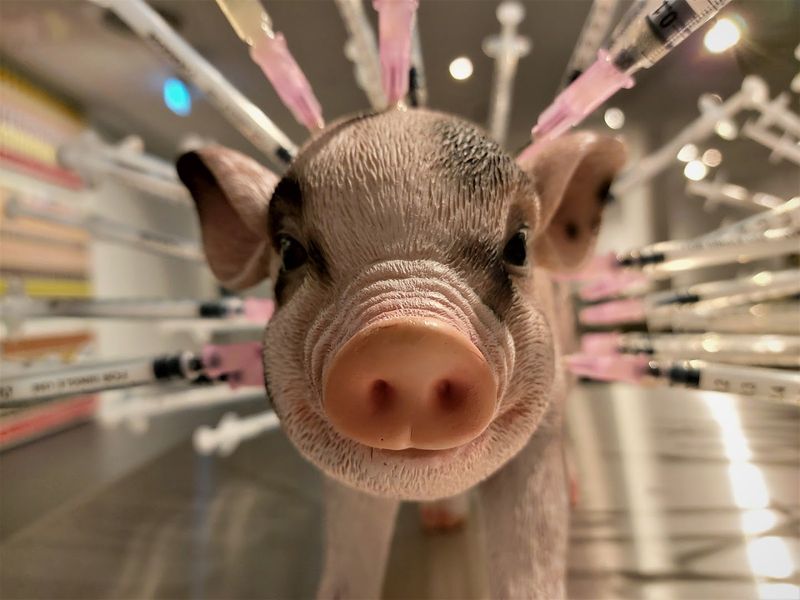
Only a museum with the word “disgusting” in its name could make visitors genuinely excited to walk through the door. The Disgusting Food Museum in Berlin showcases some of the world’s most controversial and stomach-turning foods, and it does so with a straight face and a surprisingly smart message.
This is not just shock value for shock value’s sake.
The exhibits challenge visitors to rethink what counts as normal food. Fermented shark from Iceland, maggot cheese from Sardinia, and canned rattlesnake from the United States all make appearances.
Each item is presented with cultural context that reframes disgust as something shaped by upbringing and geography.
Some exhibits allow brave visitors to smell or taste certain items. Spoiler: not everyone makes it through the fermented shark station without a reaction.
The museum is clever, educational, and genuinely funny at times. It is one of those rare places that changes how you think about food.
Magicum – Berlin Magic Museum, Berlin
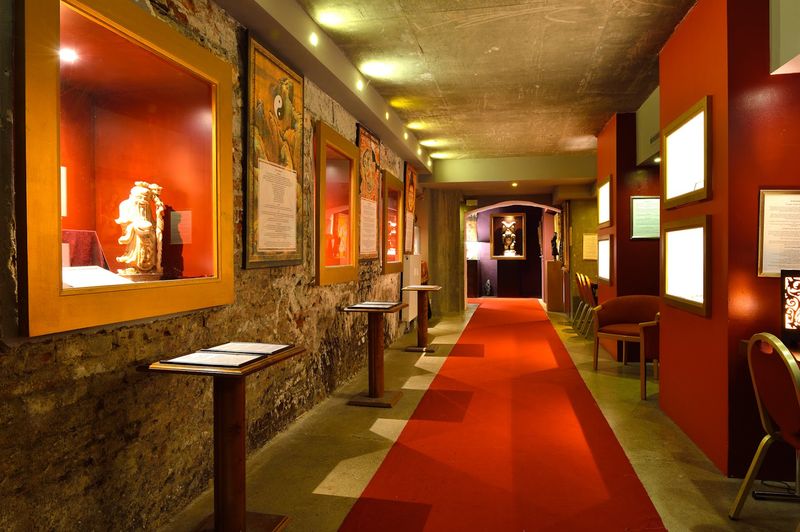
Tucked into a historic basement in Berlin, Magicum sits somewhere between a proper museum and a theatrical curiosity shop. The collection covers magic, mysticism, superstition, and illusion across centuries and cultures.
It is the kind of place that feels curated by someone who genuinely believes in the power of a good trick.
Visitors can explore artifacts tied to alchemy, witchcraft, fortune-telling, and stage magic. The collection is dense and detailed, with items ranging from antique tarot decks to tools used by traveling magicians in the 18th century.
The setting adds a lot. Low ceilings and atmospheric lighting make every corner feel intentional.
Magicum is not a huge space, but it packs in a surprising amount of history. Tours are available and recommended, since the stories behind the objects are often more fascinating than the objects themselves.
For anyone interested in the history of belief, illusion, or mystery, this Berlin stop is genuinely worth the detour.
German Spy Museum, Berlin
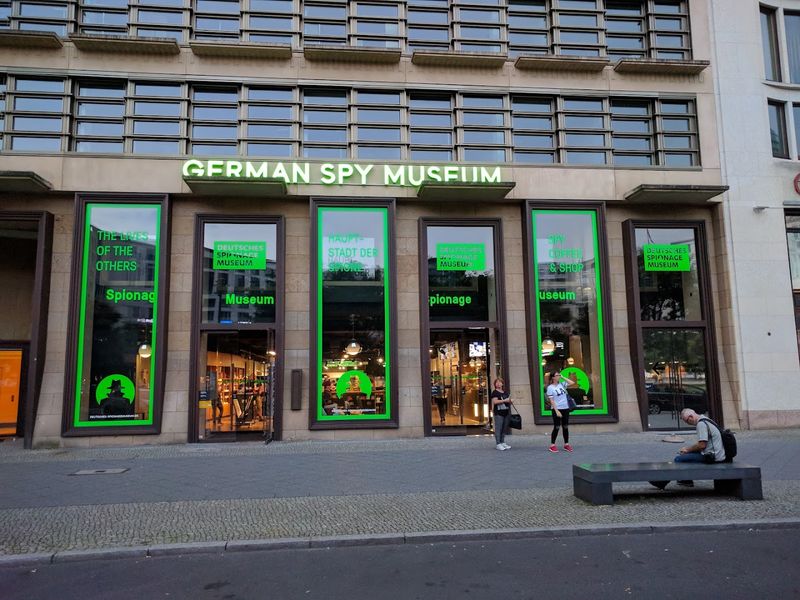
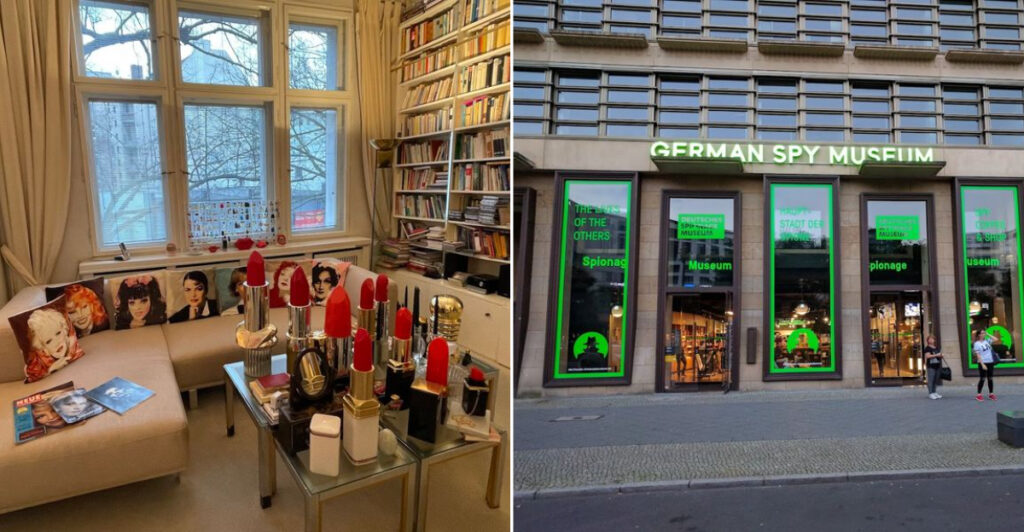
A museum built entirely around spies, secrets, and Cold War paranoia sounds like the plot of a thriller novel. The German Spy Museum in Berlin turns that premise into one of the city’s most entertaining and genuinely informative attractions.
The exhibits cover real espionage history with a level of detail that keeps even non-history buffs fully engaged.
Highlights include a laser maze that mimics spy-film security systems, real gadgets used by East and West German intelligence agencies, and exhibits about famous Cold War double agents. The museum does a brilliant job of making history feel exciting rather than dusty.
It leans into the drama without sacrificing accuracy.
The interactive elements are a big draw for families and solo travelers alike. Plan at least two hours here because there is genuinely a lot to see.
The gift shop alone has some wonderfully silly spy-themed merchandise. It is one of those niche museums that ends up being the highlight of a Berlin trip.
Lipstick Museum, Berlin
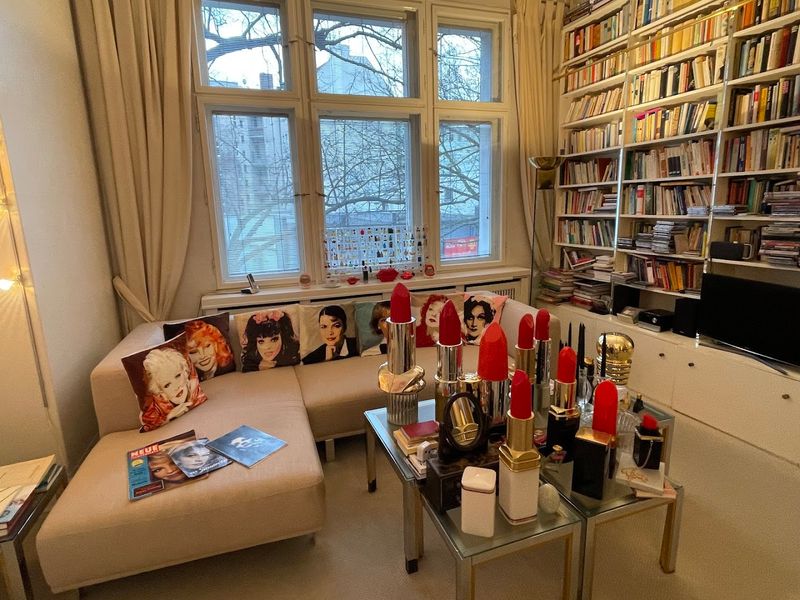
Not many travelers put a lipstick museum on their must-see list, but the ones who stumble into this Berlin gem tend to leave genuinely surprised. The museum traces the history of lipstick and cosmetics through culture, gender politics, advertising, and design.
It is far more layered than the name suggests.
The collection features hundreds of vintage lipstick cases, promotional materials, and beauty objects spanning decades of glamour history. There are pieces tied to Hollywood, wartime rationing, feminist movements, and luxury fashion houses.
The curation is thoughtful and the displays are visually striking, which makes it a hit with photographers too.
What makes this museum memorable is how it uses a single product to tell a much bigger story about society. Beauty standards, identity, and self-expression all come up in ways that feel relevant and interesting.
It is small, accessible, and genuinely fun. If you have an hour to spare in Berlin, this one is a surprisingly rewarding detour.
SchweineMuseum, Stuttgart
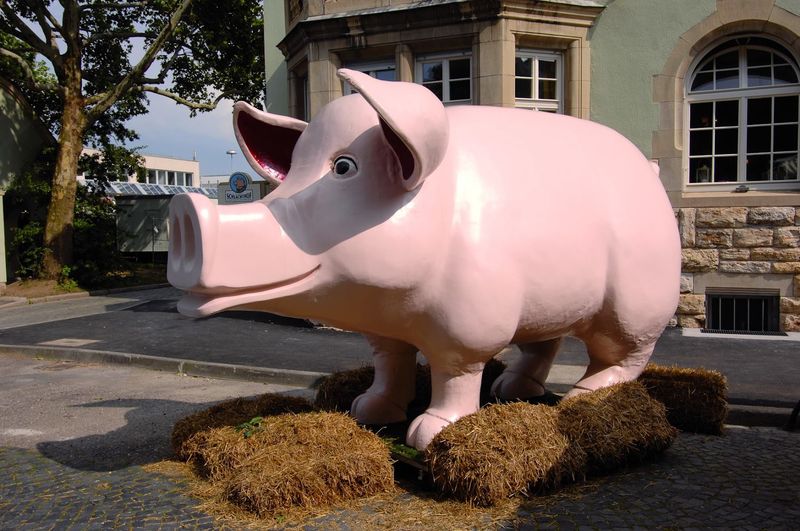
Stuttgart has a pig museum, and it is not small. The SchweineMuseum is reportedly one of the largest themed museums in the world, with over 50,000 pig-related objects filling its rooms.
Ceramic pigs, painted pigs, pig art, pig folklore, and pig history all coexist in cheerful, slightly overwhelming abundance.
The collection was started by a single enthusiast and grew completely out of control in the best possible way. There are rooms dedicated to pigs in religion, pigs in advertising, pigs in politics, and pigs as good-luck symbols across different cultures.
It is absurd, thorough, and oddly educational.
Visitors tend to arrive with low expectations and leave fully converted. The sheer commitment to a single animal is genuinely impressive.
There is also a cafe on site, which serves, yes, pork-based dishes. The whole experience has a self-aware humor that keeps it from feeling too silly.
Stuttgart locals are proud of this place, and honestly, they should be.
Museum Brot und Kunst, Ulm
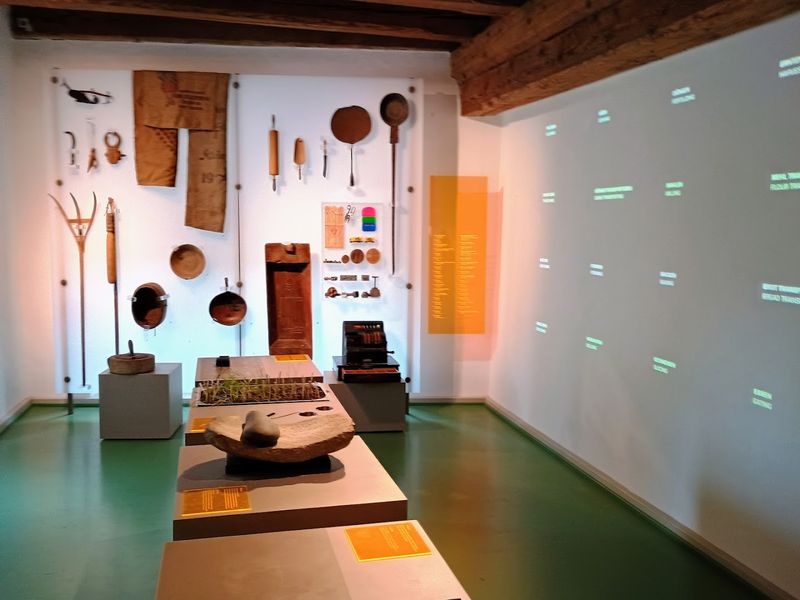
Bread getting its own museum sounds like something a carb enthusiast would joke about, but Museum Brot und Kunst in Ulm is completely serious and completely brilliant. The museum explores bread as a cultural, historical, artistic, and social subject, and it does so across thousands of years of human civilization.
Grain has never felt this important.
The exhibits connect bread to religion, labor, war, famine, and identity. There are ancient grain tools, paintings featuring bread as symbolic objects, and modern art installations that reframe something everyday as something profound.
The museum is housed in a beautifully renovated historic building that adds to the overall experience.
Ulm is already worth visiting for its stunning cathedral, and adding this museum to the itinerary makes the trip even richer. The collection is thoughtful and well-organized, striking a balance between academic depth and accessibility.
Anyone who has ever eaten bread, which is everyone, will find something here that resonates. Highly underrated stop.
Spicy’s Spice Museum, Hamburg

Hamburg built its wealth on trade, and spices were at the heart of that story for centuries. Spicy’s Spice Museum near the harbor leans directly into that history with a collection of over 900 spice samples, antique trade objects, and exhibits about the global spice routes that shaped the modern world.
It smells incredible in there, for the record.
The museum is small but densely packed with fascinating material. Visitors can touch and smell many of the spice samples, which makes the whole experience feel hands-on and memorable.
There are also exhibits covering how spices were used in medicine, preservation, and religious rituals long before they became kitchen staples.
The connection to Hamburg’s port identity gives the museum a local flavor that bigger, more generic museums often lack. It is quirky, sensory, and genuinely different from anything else on a typical Germany itinerary.
Entry is cheap and the visit takes about an hour. A great pick for curious travelers who want something off the standard tourist trail.
Bellachini Museum of Magic, Hamburg
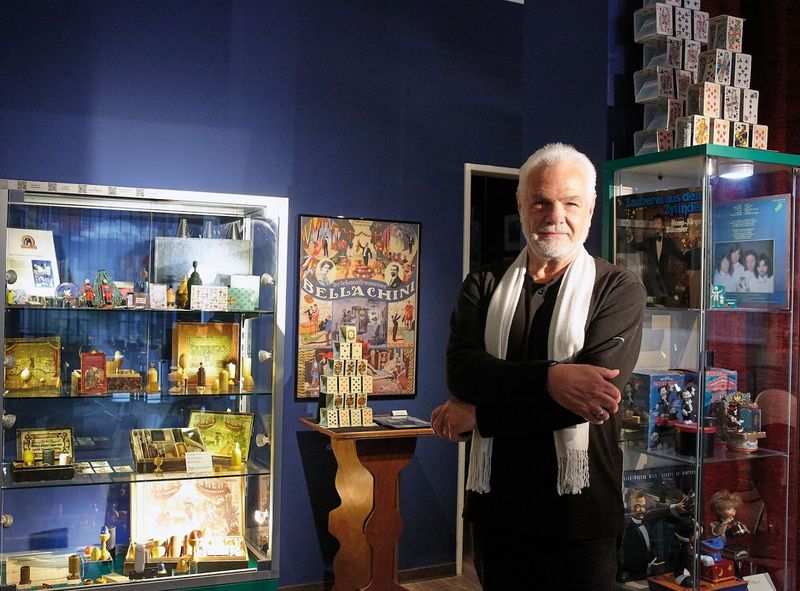
Germany’s first museum dedicated entirely to the cultural history of magic lives in Hamburg, and it is named after Samuel Bellachini, a 19th-century court magician who performed for Prussian royalty. That backstory alone earns this place a spot on any unusual museum list.
The collection covers magic as performance, art, and cultural phenomenon.
The exhibits trace the evolution of stage magic from traveling street performers to grand theatrical productions. There are original props, vintage posters, handwritten notes from famous illusionists, and detailed histories of tricks that fooled audiences for decades.
The curation has a clear love for the subject that comes through in every display case.
Magic museums are rare anywhere in the world, which makes Hamburg’s version especially worth seeking out. It sits comfortably alongside the city’s more famous attractions without trying to compete with them.
Fans of performance history, theater, or just genuinely weird and wonderful collections will find this museum a total treat. Book ahead if possible.
Museum for Sepulchral Culture, Kassel
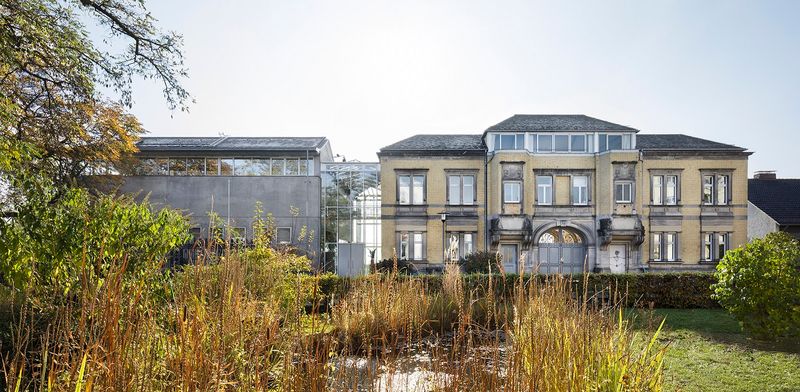
A museum about death, mourning, and burial culture is not exactly a typical Tuesday afternoon activity, which is precisely why the Museum for Sepulchral Culture in Kassel has built such a devoted following among curious travelers. The museum approaches its subject with real sensitivity and intellectual rigor, turning a taboo topic into something genuinely moving and thought-provoking.
Exhibits cover funeral customs across different cultures and time periods, mourning fashion, gravestone art, and the rituals humans have developed to process loss. There are objects tied to ancient Egypt, Victorian-era mourning culture, and contemporary memorial practices from around the world.
The range is impressive and the tone is never morbid for morbid’s sake.
Kassel is already a city worth visiting for its Documenta art events, and this museum fits perfectly into a broader cultural itinerary there. It handles universal human experiences, grief, memory, and legacy, in ways that feel relevant rather than depressing.
Thoughtful travelers consistently rank it among Germany’s most meaningful museum experiences.
German Potato Museum, Fußgönheim
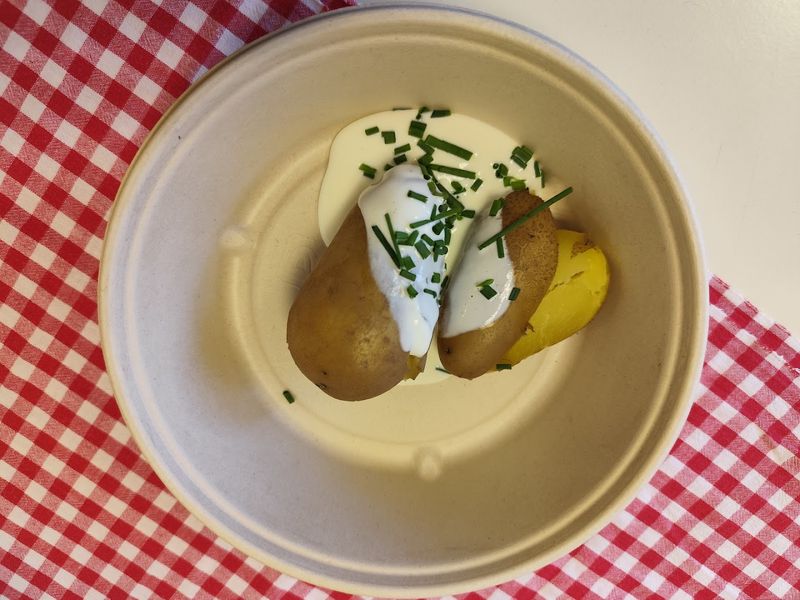
Only Germany would build a museum around the potato and make it work. The German Potato Museum in the small village of Fußgönheim is a love letter to one of history’s most important vegetables, and it covers everything from the potato’s South American origins to its role in preventing European famines.
It is surprisingly deep for a root vegetable.
The collection includes antique farming tools, historical documents, seed varieties, and cultural artifacts that trace how the potato transformed German agriculture and diet over centuries. There are also exhibits about famous potato dishes, potato folklore, and the vegetable’s unexpected role in politics and wartime survival.
The level of detail is impressive.
Getting to Fußgönheim requires a bit of effort, but that is part of the appeal. This is the kind of off-the-beaten-path stop that makes a road trip through Germany feel genuinely adventurous.
Visitors who make the journey tend to leave with a new appreciation for something they eat without thinking. That shift in perspective is exactly what good museums do.
German Lock and Fittings Museum, Velbert
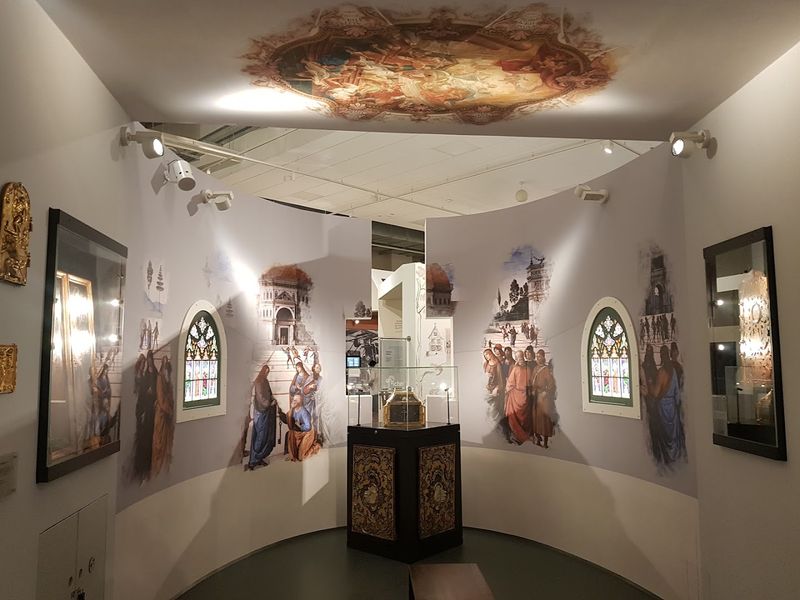
A museum dedicated to locks sounds like the punchline to a joke, but the German Lock and Fittings Museum in Velbert is no laughing matter. It holds the title of the world’s only scientifically run museum in this specific field, which is a distinction so niche it loops back around to being genuinely impressive.
Velbert has been a center of lock manufacturing for centuries, so the location makes perfect sense.
The collection covers thousands of years of security technology, from ancient Egyptian wooden locks to elaborate medieval padlocks and modern electronic systems. Ornate decorative locks from royal palaces sit alongside humble everyday mechanisms, and the contrast tells a fascinating story about craftsmanship, security, and design across history.
Travelers who value the unusual will appreciate how seriously this museum takes its subject. There is real depth here, not just novelty.
The exhibits are well-organized and informative, and the building itself is worth a look. For anyone driving through North Rhine-Westphalia, Velbert is a perfectly justified detour that few other travelers will ever make.
Share this story