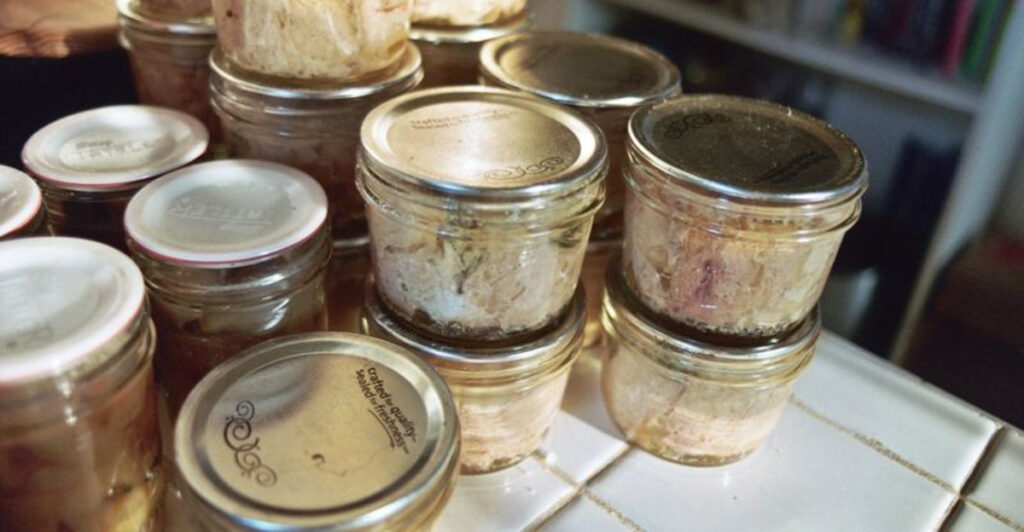
You might be surprised to find out that many foods served in correctional facilities are the same ones sitting in your kitchen cabinet or pantry. Jail menus are built around items that are cheap, easy to store, and simple to prepare in large quantities.
These everyday staples have found a home on both sides of the prison walls. From ramen noodles to canned tuna, the overlap between institutional food and home cooking is bigger than most people realize.
1. Ramen Noodles
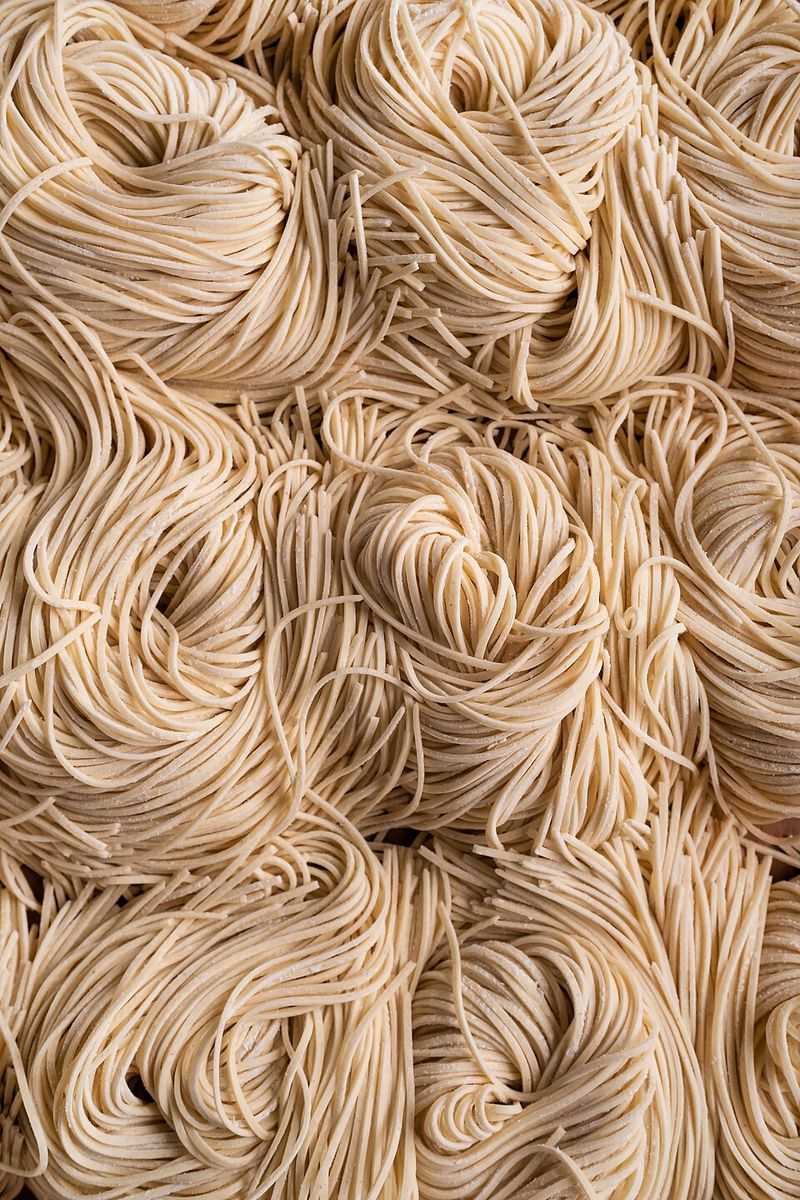
Few foods have earned as much loyalty inside prison walls as the humble ramen noodle packet. Costing just cents per serving, ramen has become the unofficial currency of correctional facilities across the United States.
Inmates use it not just for eating, but for trading and bartering with other people.
At home, ramen is a go-to meal for college students, busy parents, and anyone looking for something fast and filling. You can jazz it up with eggs, vegetables, or hot sauce to make it feel like a real meal.
The versatility is part of why it works so well in both settings.
Studies have shown that ramen sales in prison commissaries often outpace nearly every other food item available. Whether you dress it up or eat it plain, ramen noodles remain one of the most universally recognized comfort foods in any setting.
2. Peanut Butter
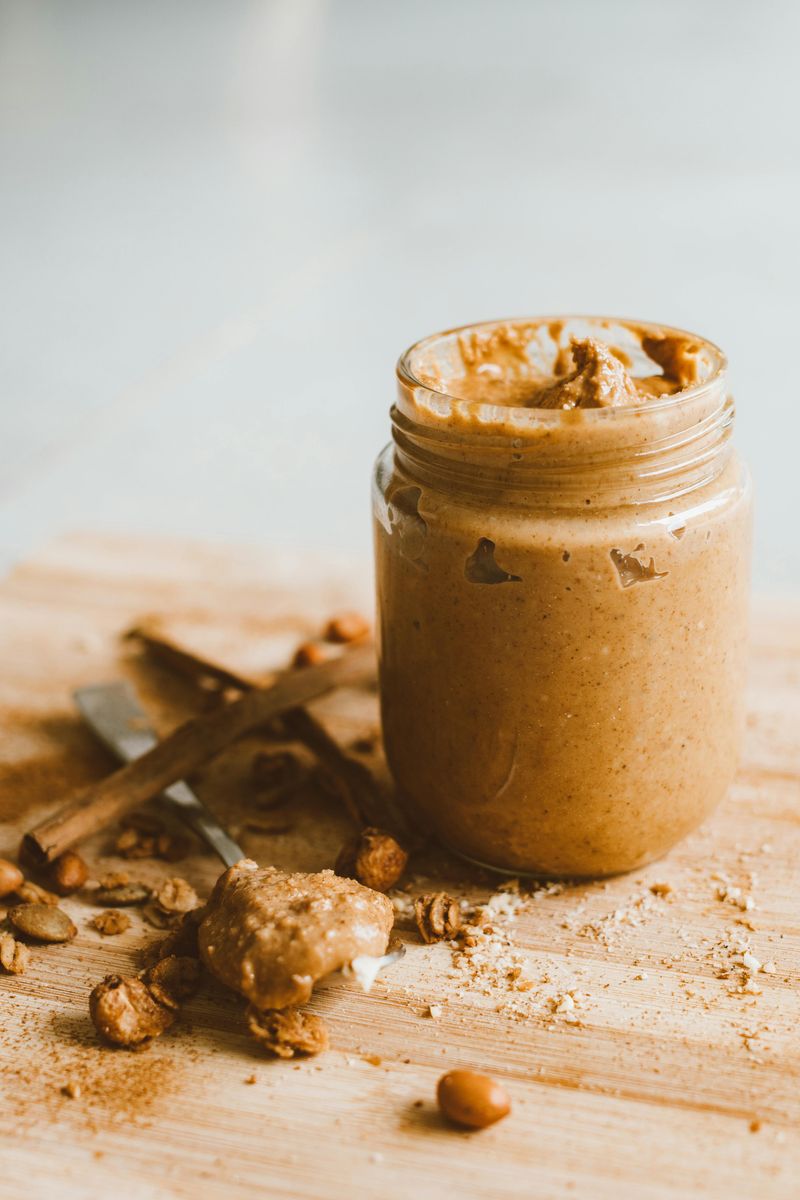
Peanut butter is one of those foods that manages to punch way above its weight class. Packed with protein and healthy fats, it keeps you full for hours, which makes it incredibly valuable in a setting where meals are limited and portions are small.
Inside correctional facilities, peanut butter is often handed out in single-serving packets alongside bread or crackers. It requires no refrigeration, has a long shelf life, and provides real nutritional value without costing much.
Those three qualities make it a win in any budget-conscious kitchen.
At home, most people already have a jar sitting in the pantry. Spread it on toast, mix it into oatmeal, or eat it straight off a spoon when hunger strikes.
Peanut butter has been a reliable staple in American households for generations, and its place in jail menus only confirms how universally practical it really is.
3. White Bread
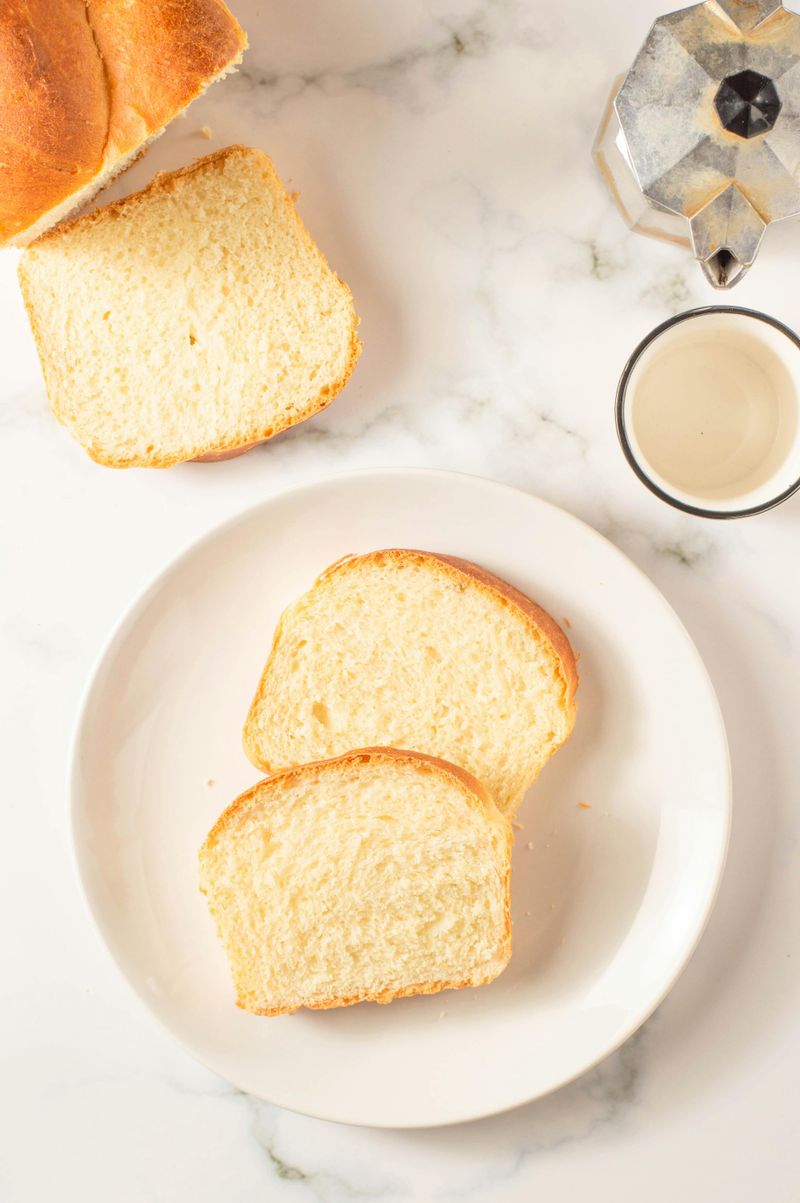
Walk into almost any home in America and you will likely find a loaf of white bread on the counter or in the pantry. The same is true in jails and prisons, where white bread is served daily as a side item, a sandwich base, or just a filler to stretch meals further.
White bread is inexpensive to produce in bulk, stores well, and pairs with nearly anything. Whether it is slapped together with peanut butter and jelly or used to soak up leftover beans, it gets the job done without any fuss.
That simplicity is exactly why institutions rely on it so heavily.
Nutritionally, white bread is not the most impressive option, but it delivers quick calories and carbohydrates when energy is needed. Many people have grown up with it as a lunchbox staple.
Its presence in both homes and correctional facilities says a lot about its role as a true American pantry basic.
4. Instant Oatmeal
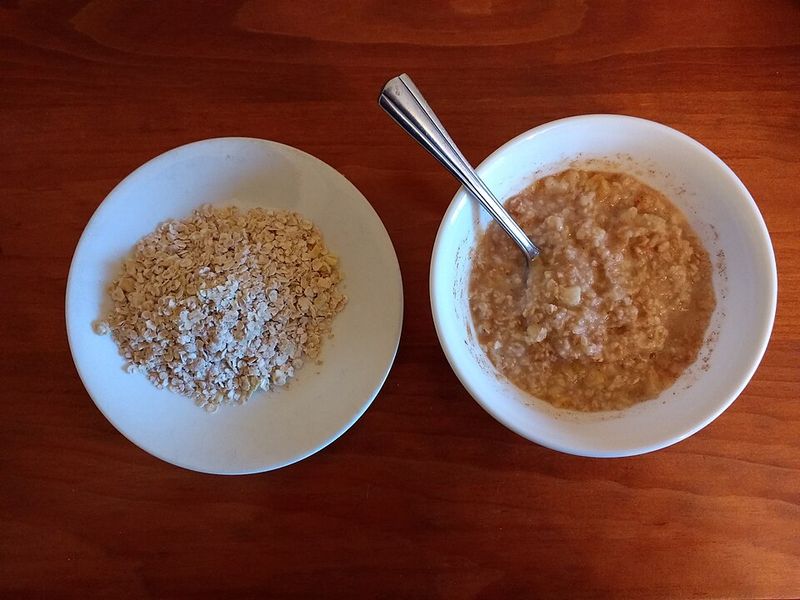
Mornings in jail often start with a bowl of instant oatmeal, and honestly, that is not too different from what millions of people are eating at home before heading to work or school. Instant oatmeal is one of those foods that just makes sense from every angle.
It cooks in minutes with nothing more than hot water, costs very little, and delivers a decent amount of fiber and sustained energy. For correctional facilities managing large populations on tight budgets, it checks every box.
For families trying to get kids fed before the school bus arrives, it does the same.
Plain oatmeal is the most common version served in jails, but at home you can add brown sugar, cinnamon, fruit, or honey to make it feel special. The base product is the same no matter where you eat it.
Instant oatmeal is proof that simple food can be genuinely satisfying when you need it most.
5. Canned Tuna
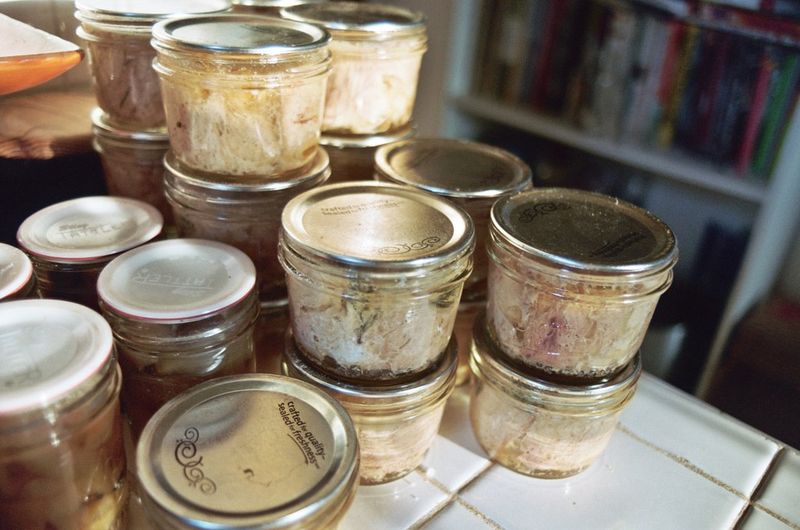
Canned tuna has been a lunchtime hero for decades, and its reputation holds just as strong inside correctional facilities as it does in home kitchens. It is one of the most affordable sources of lean protein available, which is why it shows up on institutional menus and grocery lists alike.
In prison, canned tuna is sometimes traded like a commodity in the commissary. A single can can be the starting point for a surprisingly creative meal when combined with crackers, hot sauce, or whatever else an inmate has managed to collect.
That kind of resourcefulness with food is something many home cooks can relate to.
At home, canned tuna is a quick fix for sandwiches, salads, or pasta dishes. It requires no cooking, lasts a long time on the shelf, and delivers real nutritional value.
Keeping a few cans stocked at home is one of the easiest ways to always have a protein-rich meal ready to go.
6. Rice
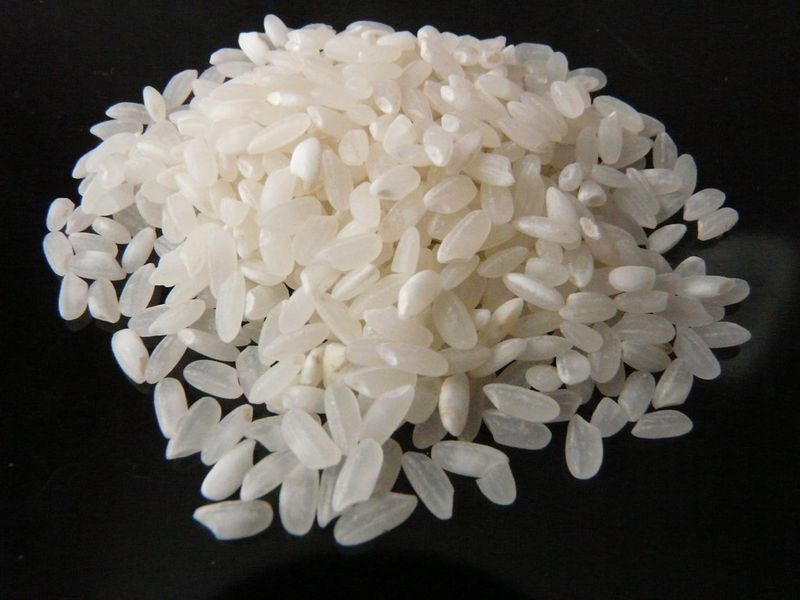
Rice might be the single most consumed grain on the planet, and correctional facilities around the world have known that for a long time. It is cheap to buy in bulk, easy to cook in large quantities, and filling enough to satisfy a crowd.
That makes it a near-daily feature on jail menus across the country.
At home, rice is equally indispensable. It serves as the base for countless dishes, from stir-fries to soups to simple side dishes.
A bag of rice in the pantry feels like a safety net, because you know a meal is always possible as long as you have it around.
Plain white rice is the most common version served in institutional settings, but the beauty of rice is how well it absorbs flavors. Add some beans, a little seasoning, or a splash of hot sauce and you have a complete, satisfying meal.
Both home cooks and inmates have figured that out long ago.
7. Beans
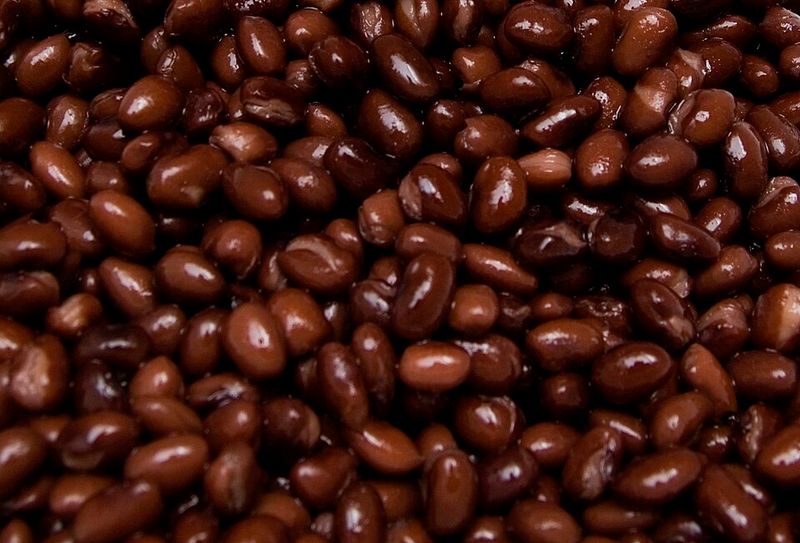
Beans have fed people through hard times for centuries, and they continue to do exactly that inside correctional facilities today. Whether served from a can or cooked from dried, beans are one of the most nutritionally dense and budget-friendly foods available to anyone managing a tight food budget.
Inside jails, beans are commonly served alongside rice, creating a complete protein combination that actually meets basic dietary needs. It is a pairing that shows up in cuisines all over the world, from Latin America to the American South, and there is good reason for that.
The combination works, it fills you up, and it costs almost nothing to prepare.
At home, a can of beans is one of the most useful things you can keep on hand. Toss them into soup, mash them for a side dish, or eat them straight from the can in a pinch.
Beans are reliable, hearty, and genuinely good for you in ways that many convenience foods simply are not.
8. Potatoes
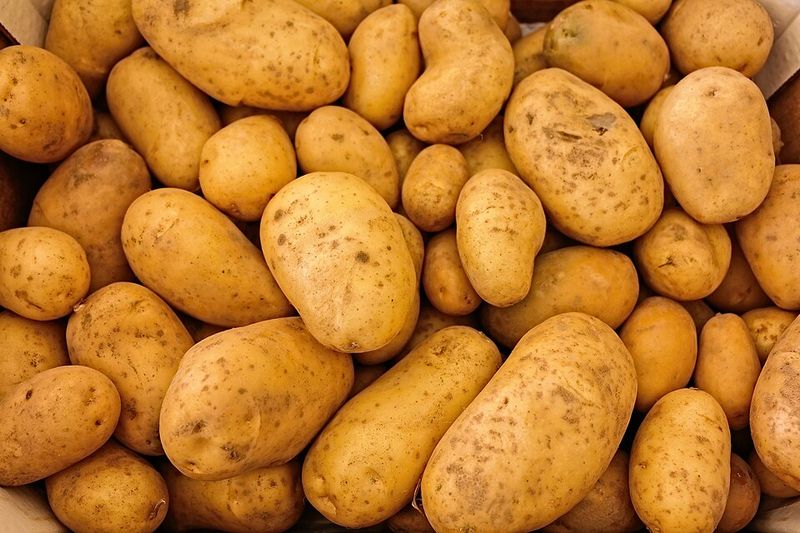
There is a reason potatoes have been a survival food throughout history. They are calorie-dense, filling, and adaptable to almost any cooking method.
Jails and prisons rely on potatoes heavily, typically serving them mashed, boiled, or baked because those methods are easy to scale up for hundreds of people at once.
Mashed potatoes are especially common in institutional settings because they can be made from powdered potato flakes, which are cheap, shelf-stable, and quick to prepare. The result is not exactly restaurant quality, but it gets the job done when the goal is feeding a large group efficiently.
At home, potatoes are one of the most versatile ingredients in any kitchen. Roast them with olive oil and garlic, boil them for potato salad, or bake them whole for an easy weeknight dinner.
Most households already have potatoes sitting in a cabinet or on the counter, making this an easy crossover between home cooking and institutional meals.
9. Bologna

Bologna sandwiches have a reputation that goes way back, and not always a glamorous one. Still, this processed deli meat has earned a loyal following among people who need a cheap, filling protein option without any fuss.
In correctional facilities, bologna sandwiches are a regular feature, often served on white bread with mustard or nothing at all.
The appeal is straightforward. Bologna is inexpensive to buy in large quantities, requires no cooking, and has a decent shelf life when refrigerated.
For institutions trying to feed hundreds of people on limited budgets, that combination is hard to beat. For families watching their grocery spending, the same logic applies.
Growing up, many people ate bologna sandwiches as a regular lunch without thinking twice about it. There is a nostalgic quality to this food that other deli meats do not quite capture.
Whether you love it or just tolerate it, bologna remains one of the most affordable and widely available sandwich options in America.
10. Powdered Drink Mix

Plain water gets old fast, and inside correctional facilities, powdered drink mixes like Kool-Aid have become surprisingly important to daily life. They give inmates a way to add flavor to their water without spending much money, and small packets are commonly available through the prison commissary.
Beyond just drinking it, powdered drink mix has taken on a creative role inside jails. Inmates have been known to mix it with other commissary items to create makeshift desserts and flavored snacks.
It is a creative use of limited resources that shows just how inventive people can be when options are restricted.
At home, powdered drink mixes are a pantry regular for families with kids, people who dislike plain water, or anyone looking for a budget-friendly alternative to juice or soda. A single canister can make dozens of servings for just a couple of dollars.
It is one of those small comfort items that bridges the gap between everyday home life and institutional living in a surprisingly relatable way.
11. Crackers

Saltine crackers might not seem exciting, but their value as a food staple is hard to overstate. They last a long time on the shelf, come in large quantities for very little money, and pair well with almost anything.
Those qualities make them a reliable snack in homes and a common item in jail commissaries.
Inside correctional facilities, crackers are often combined with peanut butter, tuna, or beans to create more filling and satisfying meals. Inmates who have access to commissary purchases frequently stock up on crackers because they stretch other foods further and add a satisfying crunch to otherwise plain meals.
At home, crackers are the kind of food you reach for without thinking. They work as a snack on their own, as a base for toppings, or as a side to soup.
Keeping a box in the pantry is just common sense. Their presence on both home shelves and jail commissary lists confirms that crackers are one of the most universally practical foods around.
12. Cereal
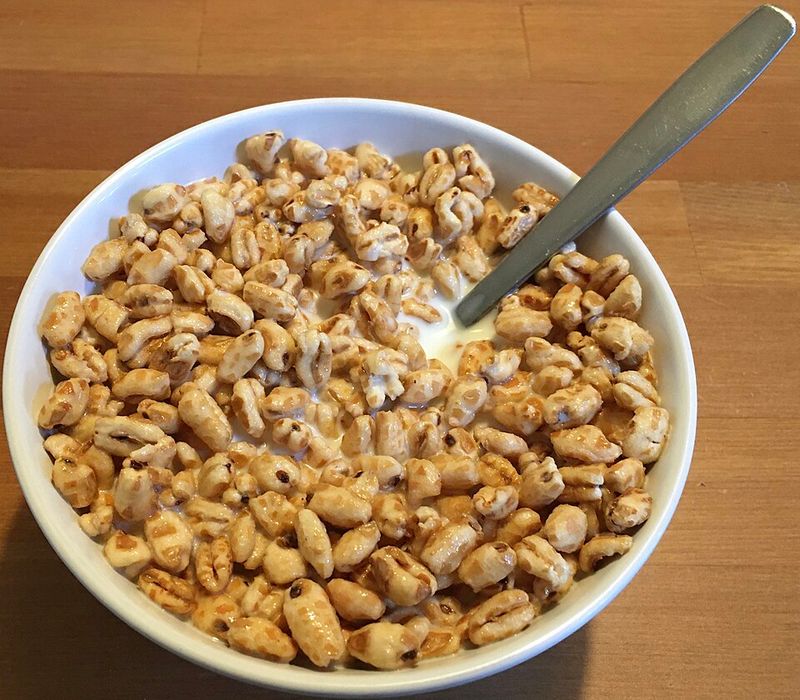
Breakfast in jail looks a lot like breakfast at home for many people, and cereal is a big reason why. Correctional facilities regularly serve cold cereal at morning meals because it requires zero cooking, minimal prep time, and can be portioned out quickly for large groups.
It is efficiency at its most basic.
Common options include corn flakes, bran flakes, and other no-frills varieties that prioritize function over flavor. Inmates typically receive a small carton of milk alongside the cereal, creating a recognizable breakfast experience even in an institutional setting.
It is one of those small moments of normalcy that can matter more than people realize.
At home, cereal is one of the top breakfast choices for people of all ages. Whether poured into a bowl before school or eaten dry as a late-night snack, it is convenient, affordable, and endlessly familiar.
The fact that the same box sitting in your kitchen cabinet also shows up on jail breakfast trays is a reminder of just how universal the simplest foods can be.
Share this story